Why Water Lettuce And Water Hyacinth Are A Bigger Backyard Pond Problem In Michigan Than They Look
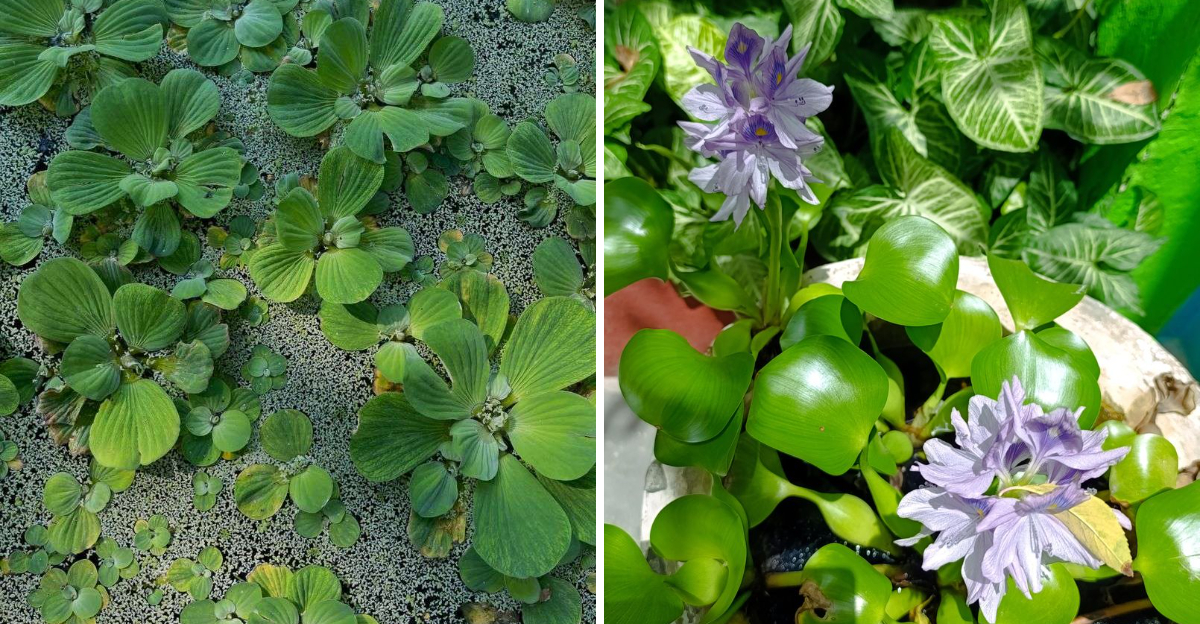
Water lettuce and water hyacinth might look harmless floating on a backyard pond, but both plants pose a much bigger problem for Michigan waterways than their appearance suggests.
These fast spreading plants can double their coverage within just days under the right conditions, quickly choking out light and oxygen needed by fish and other pond life.
If they escape into natural waterways, either through flooding or improper disposal, they can spread aggressively and disrupt local ecosystems. Michigan actually restricts the sale and transport of these plants due to their invasive potential in warmer months.
Removing excess growth regularly helps keep backyard ponds balanced and prevents overwhelming coverage. Disposing of removed plants in the trash, rather than nearby water sources, prevents accidental spread.
Choosing native pond plants instead offers similar aesthetic appeal without the ecological risk. What looks like a simple decorative choice can carry consequences well beyond your own backyard.
1. Both Plants Are Now Prohibited In Michigan
Michigan made it official, and pond owners across the state need to know about it.
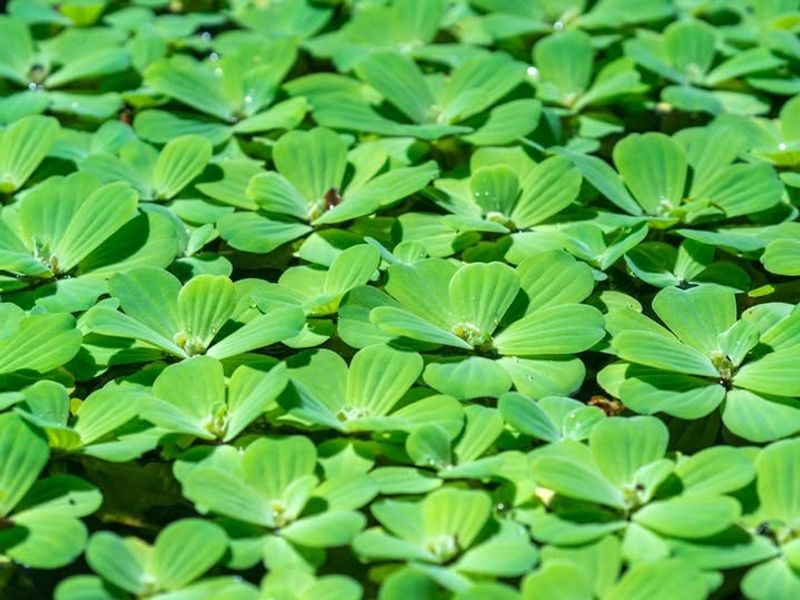
Water Lettuce, known scientifically as Pistia stratiotes, and Water Hyacinth, known as Eichhornia crassipes or Pontederia crassipes, were both added to Michigan’s prohibited invasive species list.
These rules became effective on June 19, 2026, which means the clock is already ticking for anyone currently growing these plants.
Under Michigan law, it is now illegal to introduce, import, sell, or possess either plant with the intent to distribute it. Intentionally propagating them is also prohibited.
That covers a wide range of activities that many backyard pond enthusiasts might not even realize they are doing when they share cuttings with a neighbor or sell extras at a garden swap.
Some people assume that because these plants look attractive and stay contained in a small decorative pond, they pose no real problem. That assumption does not hold up under scrutiny.
Attractive appearance and ecological harm are not mutually exclusive, and Michigan’s decision reflects careful scientific review rather than arbitrary regulation.
The prohibition is not about punishing gardening enthusiasts. It is about protecting the lakes, rivers, and wetlands that make Michigan one of the most water-rich states in the country.
Choosing different floating plants for your pond is a straightforward swap that keeps your water feature beautiful without contributing to a much larger environmental problem.
There are plenty of native aquatic plants that provide the same visual appeal with none of the risk.
2. Floating Plants Can Escape During Heavy Rain
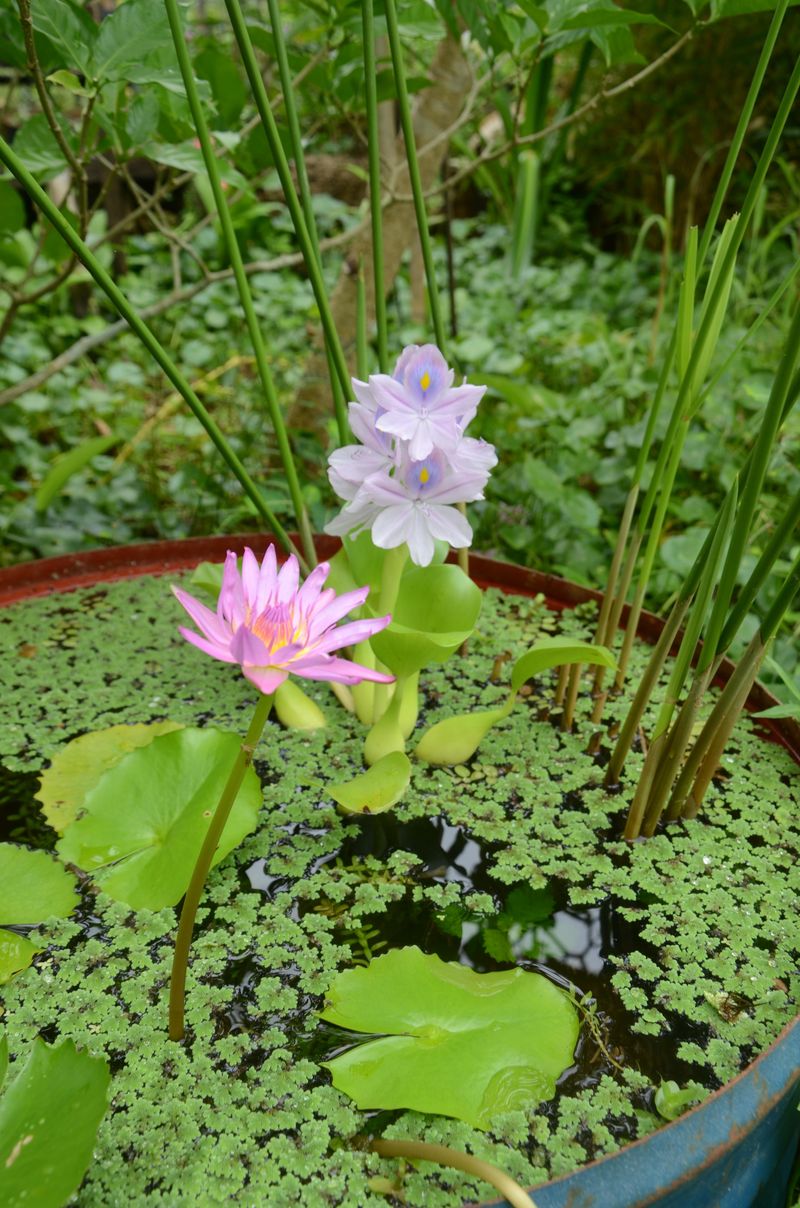
Picture a strong summer storm rolling through your neighborhood. Rain hammers the ground, water rises fast, and your backyard pond starts to overflow into the drainage ditch running along your property line.
Now picture those beautiful floating plants riding that current straight into a connected waterway. That is not a hypothetical scenario. It is a genuine and well-documented pathway for invasive aquatic plant spread.
Water Lettuce and Water Hyacinth do not anchor themselves to the pond floor the way rooted aquatic plants do. They float freely on the surface, which makes them highly mobile when water levels rise.
Your Michigan Garden Changes Every Week. Your Plan Should Too.
Gardening in Michigan changes quickly throughout the season. Every Friday you’ll receive a simple weekly plan showing exactly what to plant, prune, fertilize, harvest, and protect so you never miss the right timing.
A pond that seems completely contained during normal weather can become a launching pad for plant dispersal after just one major rain event.
Michigan specifically identifies flooding, water flow, human transport, and releases from cultivation as recognized spread pathways for Water Hyacinth.
Storm drains, ditches, and overflow channels connect backyard ponds to larger water systems more often than homeowners realize.
A plant that escapes into a drainage ditch can eventually reach a stream, a river, or a wetland where it has no natural competitors to slow its spread.
Once established in a natural waterway, removal becomes extremely difficult and expensive.
Recognizing this risk changes how pond owners should think about plant containment. Even if you never intentionally release a plant, heavy rainfall can do it for you.
Staying aware of how your pond connects to surrounding drainage systems is one of the most practical steps you can take to prevent accidental spread.
3. Their Populations Can Expand Surprisingly Fast
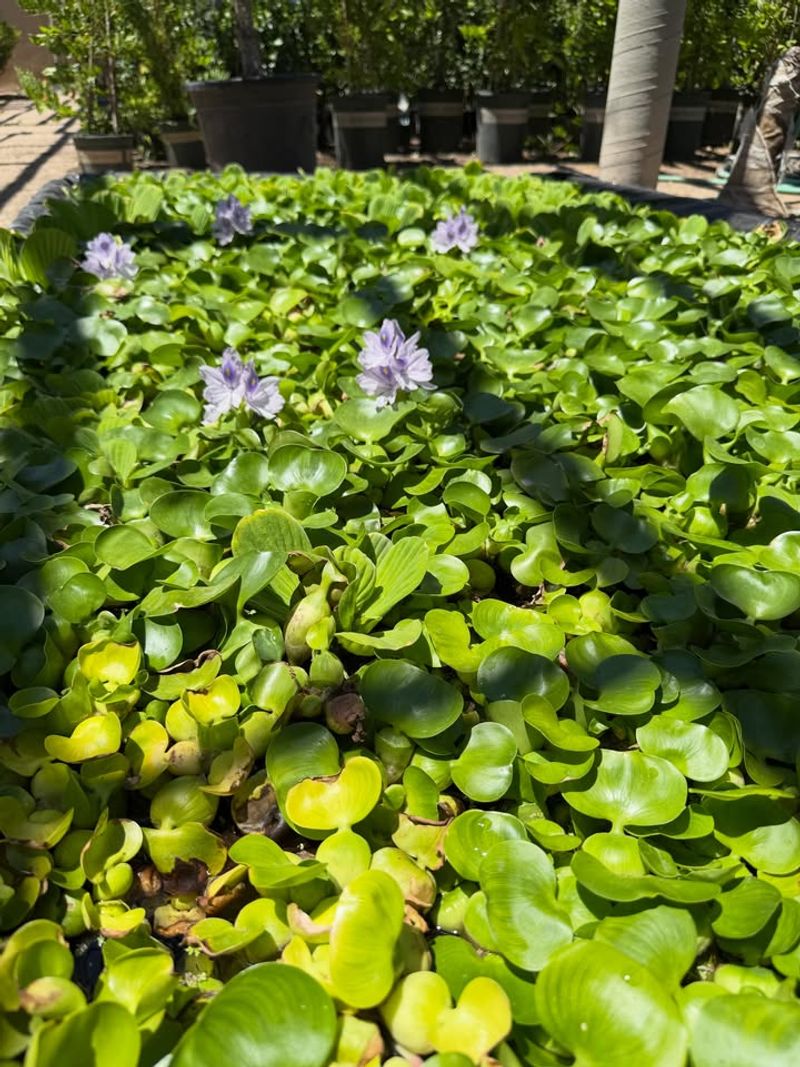
A few pretty floating plants in May can look very different by August.
Both Water Lettuce and Water Hyacinth reproduce through vegetative growth, meaning they generate new plants directly from existing plant material without needing to rely solely on seed production.
This type of reproduction is fast, efficient, and requires very little effort from the plant itself.
Michigan’s official Water Hyacinth guidance includes a striking detail worth paying close attention to. Under favorable temperature conditions, Water Hyacinth biomass can double within a single month.
Think about what that means for a backyard pond during a warm summer. A small cluster of five or six plants can become ten, then twenty, then a crowded surface layer that covers nearly the entire water surface before the season ends.
Water Lettuce follows a similar pattern of rapid vegetative expansion. While it may not always match Water Hyacinth’s growth rate under every condition, it spreads aggressively in warm weather and can quickly overwhelm a small pond.
The warm, sunny months that residents enjoy most are precisely the conditions that accelerate growth for both species.
What starts as a decorative accent can become a management headache in a surprisingly short amount of time. Pond owners who have experienced this firsthand often describe feeling caught off guard by how quickly the balance shifted.
Knowing that these plants are biologically wired for rapid expansion is an important part of understanding why Michigan and other states treat them as serious ecological concerns rather than minor nuisances.
4. Dense Mats Can Block Sunlight Below The Surface
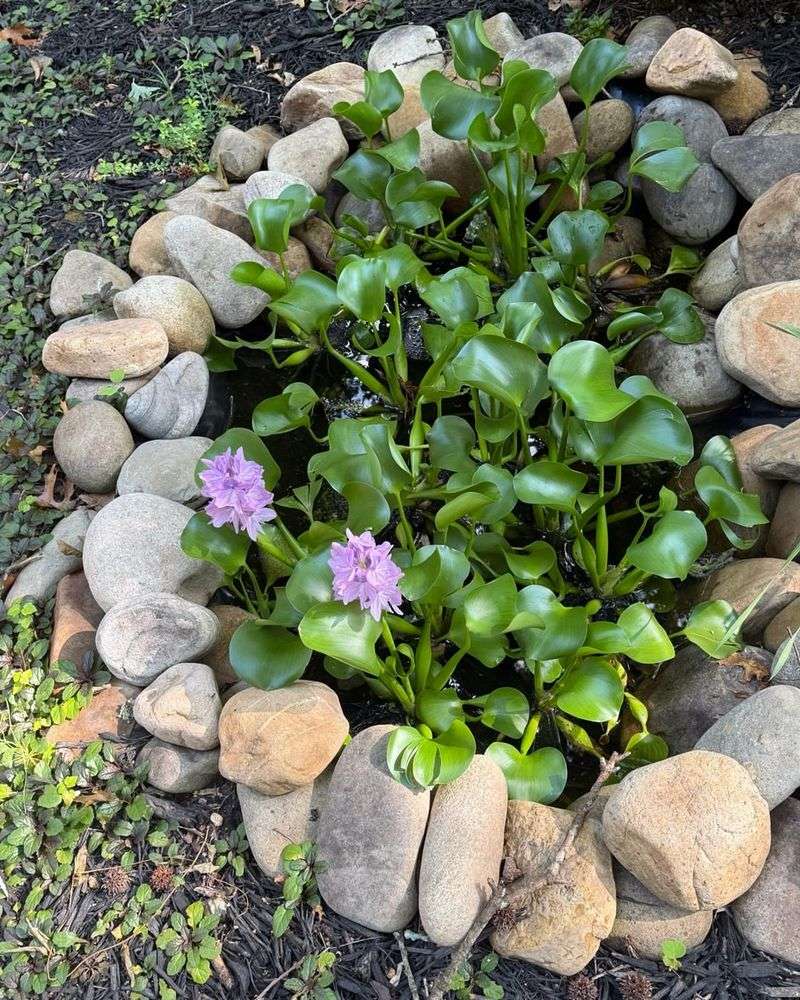
Sunlight is the engine that drives life in a healthy pond. Submerged aquatic plants depend on it to grow, fish depend on those plants for habitat and food, and the entire underwater ecosystem relies on a steady supply of light reaching below the surface.
When floating plants multiply and spread across the water, that light supply gets cut off in a way that ripples through the entire pond system.
Water Lettuce forms thick, overlapping rosettes that lock together into dense surface mats. Those mats act like a physical ceiling over the water, blocking sunlight from reaching the submerged vegetation below.
Without adequate light, native aquatic plants that normally provide structure, oxygenation, and shelter for pond life struggle to survive.
Michigan’s invasive species resources specifically note that Water Lettuce mats prevent submerged vegetation from growing.
Water Hyacinth creates a similar problem through sheer colony density. As colonies expand, they crowd out native aquatic species and block light penetration throughout the water column.
The plants that normally grow beneath the surface provide more than just scenery. They stabilize sediment, filter nutrients, and offer critical hiding spots for young fish and invertebrates.
Losing that submerged plant layer changes the physical structure of a pond in ways that are hard to reverse quickly.
Once native plants are shaded out and begin to decline, the pond becomes increasingly dependent on the invasive surface layer, creating a cycle that favors the invader.
Preventing this scenario from starting is far simpler than trying to restore a pond after the damage is already done.
5. Water Lettuce Mats Can Reduce Oxygen Levels
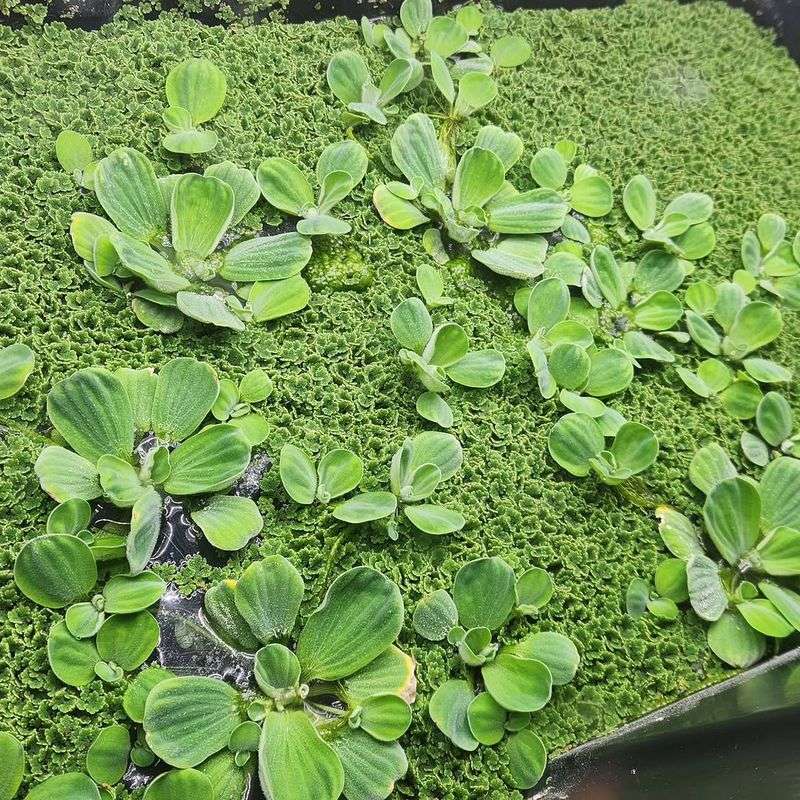
Oxygen in a pond is not just background chemistry. It is the foundation that keeps fish, invertebrates, and beneficial microorganisms alive and active.
When something disrupts the way oxygen enters and circulates through the water, the effects spread quickly to every living thing in that system.
Water Lettuce mats are one of the factors that Michigan’s official invasive species guidance identifies as a concern for pond oxygen levels.
Several things happen when a thick mat of Water Lettuce covers a pond surface. Light cannot reach submerged plants, so their ability to produce oxygen through photosynthesis drops significantly.
The surface exchange between water and air, which is another key way oxygen enters a pond, becomes physically restricted by the dense layer of floating plant material.
Add to that the large volume of decomposing plant matter that accumulates over time, and pond conditions can shift in ways that stress aquatic life.
Fish and other aquatic species that depend on well-oxygenated water begin to struggle when these conditions develop.
The effects may not appear immediately in a small backyard pond with just a few plants, but as coverage increases, the risk grows alongside it.
It would be an overstatement to suggest that a single small plant will instantly cause severe problems, but the trajectory matters.
Pond owners who care about the health of their fish and aquatic ecosystems have good reason to pay attention to what is covering their water surface.
A pond that looks lush and green on top can be quietly losing the oxygen balance that keeps everything underneath it thriving. Catching the problem early is always easier than reversing it later.
6. Thick Colonies Can Restrict Water Movement
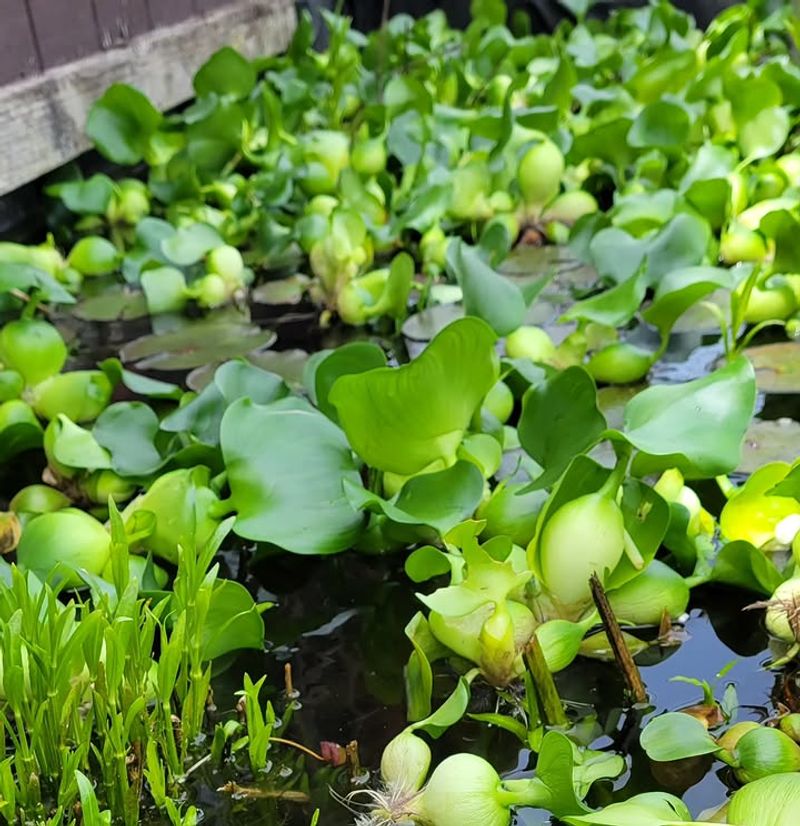
Water moves through landscapes in ways that most people never think about until something goes wrong. Backyard ponds are rarely as isolated as they appear.
Many connect to storm drains, roadside ditches, neighborhood wetlands, or small streams through overflow pipes, grading, or surface runoff channels.
When Water Hyacinth colonies grow large enough, they do not just affect the pond they started in. They start affecting everything that water connects to downstream.
Dense Water Hyacinth growth can physically impede water flow through channels, drains, and connected water features.
The thick, tangled root systems that hang below the surface add to the blockage, catching debris and slowing current in ways that can cause water to back up or overflow in unexpected places.
In larger water bodies, colonies of this size have been documented interfering with boating and other recreational water activities.
For a backyard pond that drains into a neighborhood stormwater system, this is a relevant concern.
A colony that escapes into a drainage ditch can grow rapidly and begin restricting flow through infrastructure that communities depend on to manage stormwater during heavy rain events.
The cost and effort of clearing invasive plant blockages from drainage systems falls on municipalities and taxpayers, not just the original pond owner.
Thinking about your pond as part of a connected water network rather than a sealed container shifts the perspective on what responsible pond ownership means.
The plants floating in your backyard are not isolated from the broader watershed. Choosing what grows in your pond is, in a real sense, a choice that affects your entire neighborhood’s water system.
7. Winters Here Do Not Remove The Summer Risk
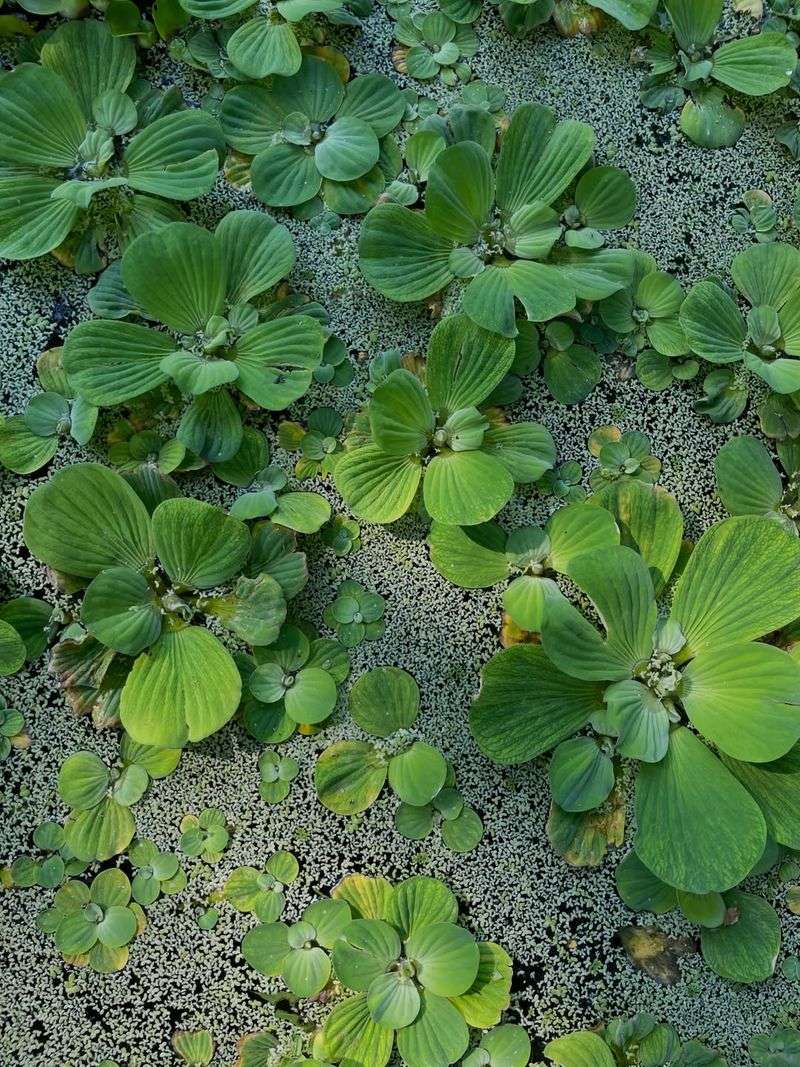
One of the most common reasons pond owners have felt comfortable growing Water Hyacinth is the assumption that harsh winters take care of the problem naturally.
Water Hyacinth is a tropical and subtropical plant, and it does not survive prolonged freezing temperatures.
That part is true. But the conclusion that winter makes summer cultivation safe is a significant misreading of how invasive species risk actually works.
The danger window is the entire warm season, which in Michigan runs roughly from late spring through early fall.
During those months, Water Hyacinth can reproduce rapidly, expand across a pond surface, and potentially escape into connected waterways through flooding, overflow, or accidental transport.
By the time cold weather arrives, plants may already have reached natural water bodies where they have caused damage or left behind seeds with the potential to germinate the following year.
Both Water Hyacinth and Water Lettuce have already been detected in Michigan, which means the concern is not purely theoretical.
Michigan’s decision to add both species to the prohibited list came after scientific risk assessments that examined environmental impact data, known distribution information, and climate modeling.
Those assessments considered not just current conditions but also how changing climate patterns might affect the plants’ seasonal range over time.
Relying on winter as a natural safeguard misses the point entirely. The risk is not whether a plant survives year-round.
The risk is what it can accomplish during the months when waterways are warm, active, and biologically vulnerable. That window is longer than most people assume, and the consequences of underestimating it are real.
8. Suspected Plants Should Be Reported And Carefully Contained
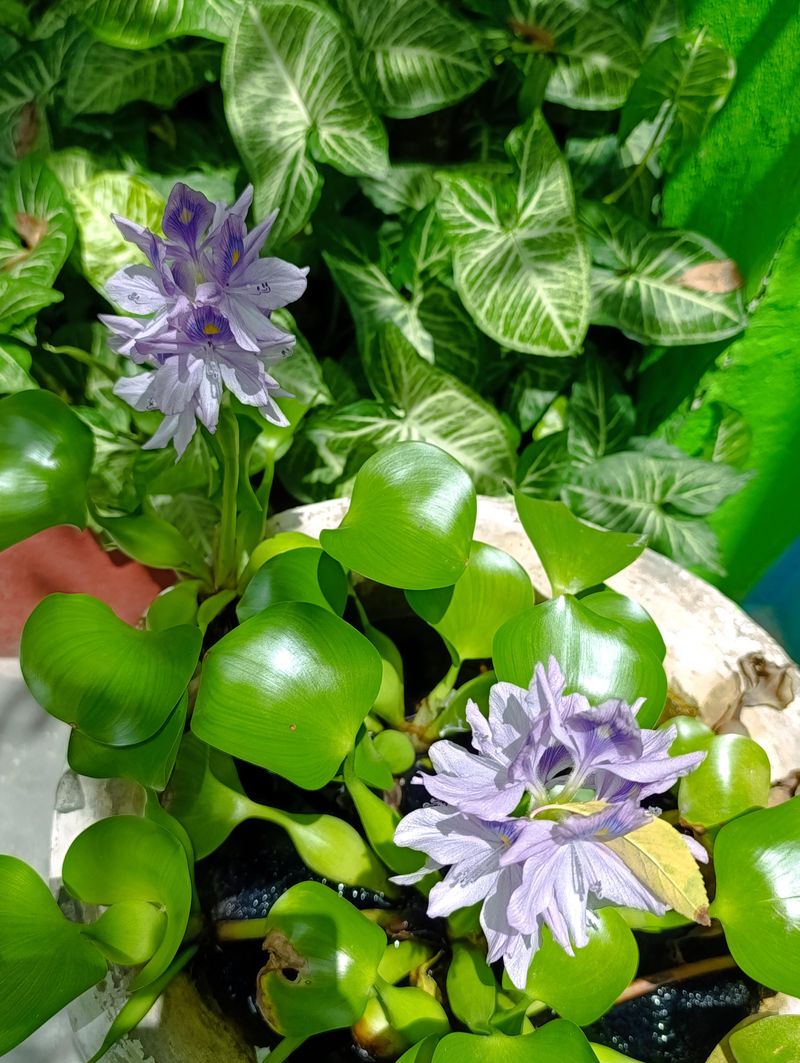
Finding what looks like Water Lettuce or Water Hyacinth in or near a waterway can feel confusing, especially if you are not sure what you are looking at.
The right response is straightforward, and taking a few simple steps quickly can make a real difference in how effectively the situation gets managed.
Start by taking clear, well-lit photographs of the plant from multiple angles, and record the exact location, date, and time of your observation.
Plants found outside of cultivation, meaning growing in natural waterways, ditches, wetlands, or anywhere beyond a contained private pond, should be reported to the EGLE Aquatic Invasive Species Program.
You can also submit reports through the Midwest Invasive Species Information Network, commonly known as MISIN, which provides an accessible online platform for logging invasive species sightings across the region.
Early reporting gives resource managers the best chance of responding before a population becomes established.
If you currently have either plant in your pond and need to remove it, handling the material carefully matters. Do not release removed plants into another pond, a stream, a ditch, or any outdoor water feature.
Do not add them to a compost pile, because plant fragments can remain viable and potentially spread from there. The recommended approach is to seal removed plant material in a plastic bag and place it in the regular household trash.
Sharing, trading, or transporting either species is also prohibited under Michigan law, so passing plants along to friends or selling them at garden events is no longer a legal option.
Staying informed and acting responsibly protects the waterways that make Michigan such a remarkable place to live.