Why This Is The Week Texans Start Fall Squash And Cucumber Seeds
Fall planting in Texas never waits for sweater weather.
The garden may still feel hot enough to fry your patience, but squash and cucumber seeds need time to sprout, grow, flower, and produce before frost cuts the season short.
That means the best planting window often arrives while summer is still very much in charge.
The trick is counting backward.
Texas gardeners have to work from their local first frost date, then match that window to the crop’s days to maturity. A gardener in the Panhandle and a gardener in South Texas are not playing the same calendar game.
Warm soil helps now.
Seeds can germinate quickly, young vines can establish fast, and a few smart choices with shade, water, spacing, and succession planting can turn late summer heat into a fall harvest advantage.
So why is this the week Texans start fall squash and cucumber seeds?
Because waiting too long gives the vines less time to produce, and planting now puts warm soil, fast germination, and the frost countdown on your side.
1. Fall Timing Starts Early
Texas fall gardens begin before fall feels real.
That is the part that surprises newer gardeners. Squash and cucumbers need warm soil to sprout, but they also need enough frost-free weeks to reach harvest before cold weather arrives.
Your region sets the clock. South Texas may have many more warm weeks ahead, while Panhandle gardeners have a much shorter runway.
County timing matters. A local planting calendar is far more useful than a general national chart because Texas regions vary so dramatically.
Start with the first expected frost. That date gives you the endpoint for your fall planting math.
Read the seed packet carefully. Days to maturity tells you how long the crop usually needs from planting to first harvest.
Add a harvest buffer. Giving yourself an extra week or two helps account for slower fall growth, weather surprises, and the time needed to pick more than one round of fruit.
Shorter days slow the finish. Seeds may sprout fast in warm soil now, but vines mature more slowly as autumn light fades.
This is why late-summer planting matters.
The garden may still feel like August, but the fall clock is already running.
2. Warm Soil Speeds Germination
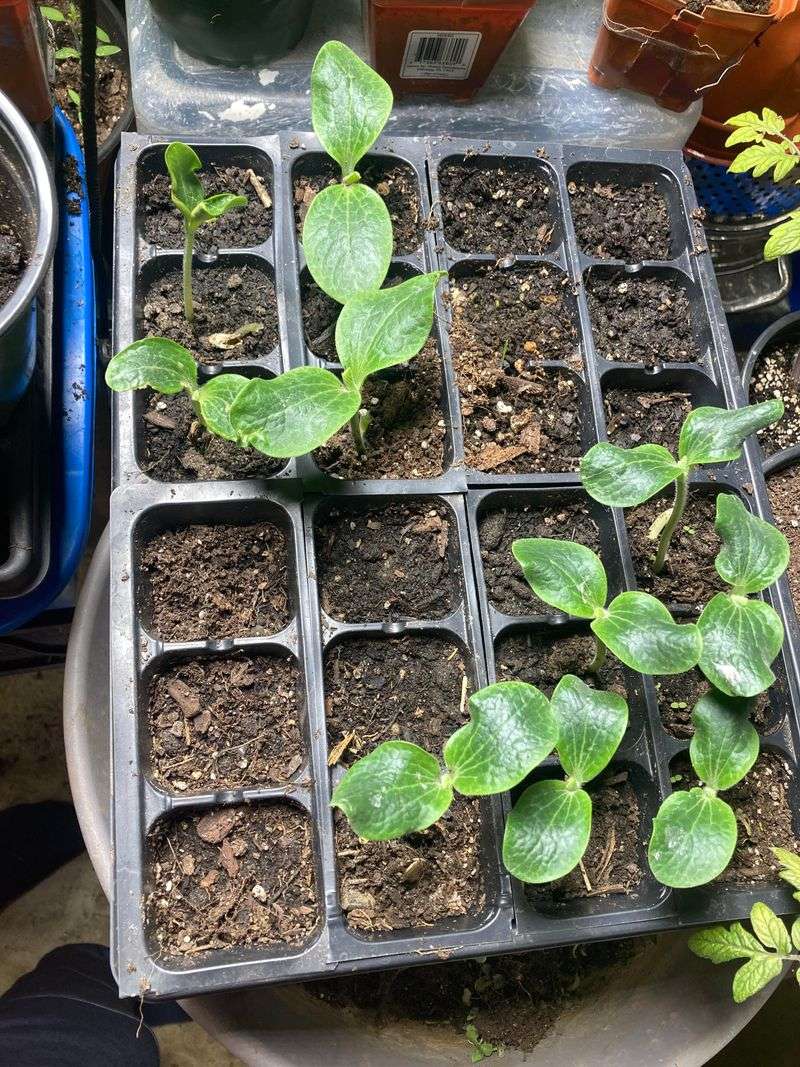
Warm Texas soil gives cucurbits a fast start.
Squash and cucumber seeds love heat when they are trying to sprout. Soil that feels too warm for lettuce can be exactly what these crops need to break open quickly.
Germination can happen fast. Under good conditions, squash and cucumber seedlings may appear in just a few days.
Moisture has to stay even. Warm raised beds dry quickly, so the top inch of soil needs checking daily until seedlings emerge.
Seed depth matters. Squash seeds usually belong about one inch deep, while cucumber seeds can go about half an inch to one inch deep.
Too shallow can overheat. Bare soil in direct Texas sun can become extremely hot at the surface and stress shallow-planted seeds.
Your Texas Garden Changes Every Week. Your Plan Should Too.
Gardening in Texas changes quickly throughout the season. Every Friday you’ll receive a simple weekly plan showing exactly what to plant, prune, fertilize, harvest, and protect so you never miss the right timing.
Too deep slows emergence. Seeds planted too far down may use too much stored energy before reaching light.
Use a light cover when needed. A thin layer of straw or temporary shade cloth can keep the surface from crusting and overheating.
Remove flat covers after sprouting. Seedlings need airflow once they break through the soil.
Warm soil is a gift right now.
Use it well, and fall vines can start stronger than gardeners expect.
3. Seeds Beat Stressed Transplants
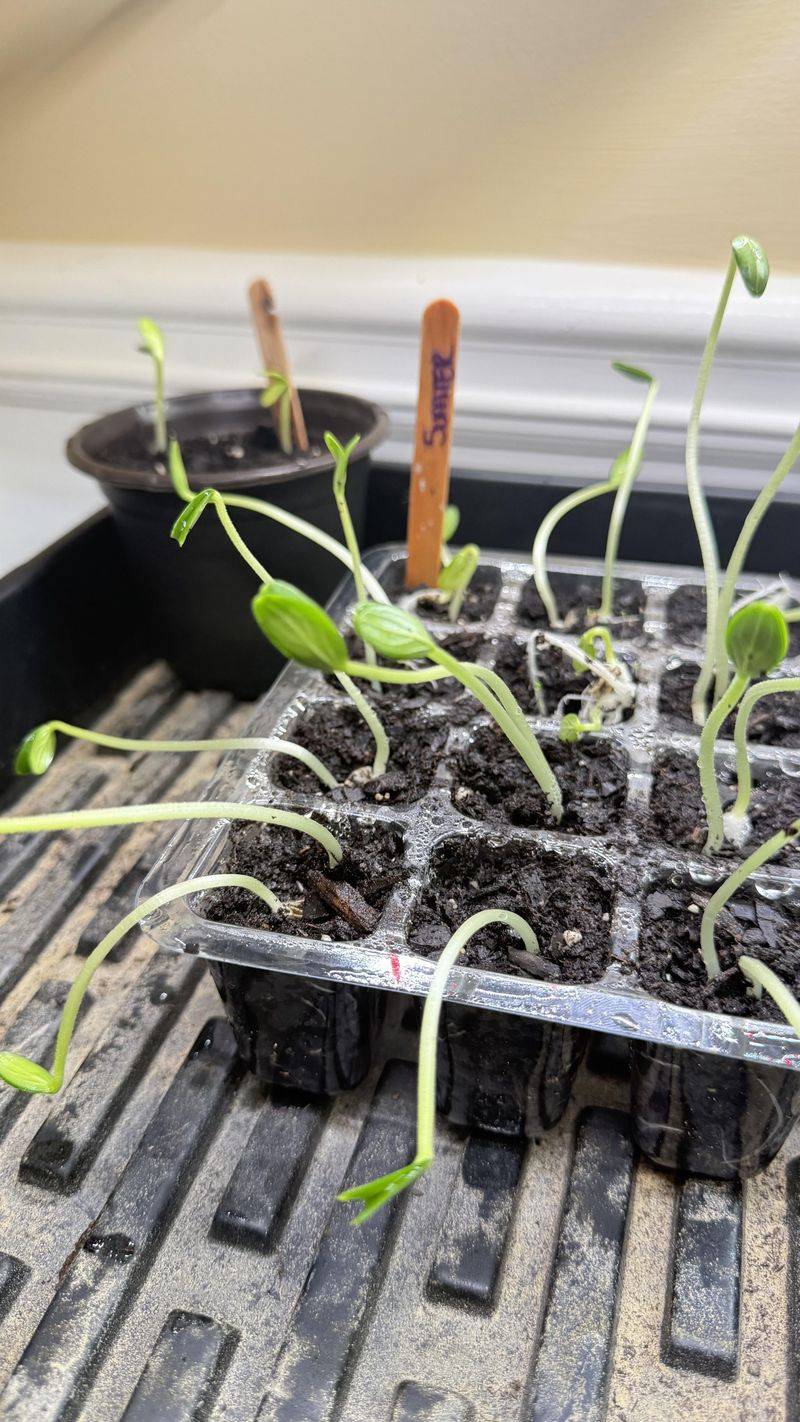
Direct sowing keeps roots calmer.
Cucumbers and squash do not love having their roots disturbed, especially in hot Texas weather. A seed planted exactly where it will grow avoids the setback that can come with transplanting.
Cucumbers are especially sensitive. Their roots can stall after rough handling, and a fall crop does not have extra time to waste.
Squash is a little more forgiving. Even so, it usually performs best when roots can establish without being moved.
Direct-sown seeds start building roots immediately. That matters when the crop is racing both heat and the frost calendar.
Transplants can make sense in special cases. A bed that is not ready, a pest-damaged first planting, or a very tight schedule may justify starting plants in pots.
Use biodegradable pots for starts. Planting the whole pot reduces root disturbance and helps young squash recover faster.
Keep starts young. Older transplants often struggle more because their roots are already circling or crowded.
Do not pamper them too long indoors. A plant that misses its outdoor window may lose the speed advantage transplants were supposed to provide.
For most Texas fall plantings, seeds are the cleaner choice.
Let the warm soil do the heavy lifting from day one.
4. Frost Dates Set The Deadline
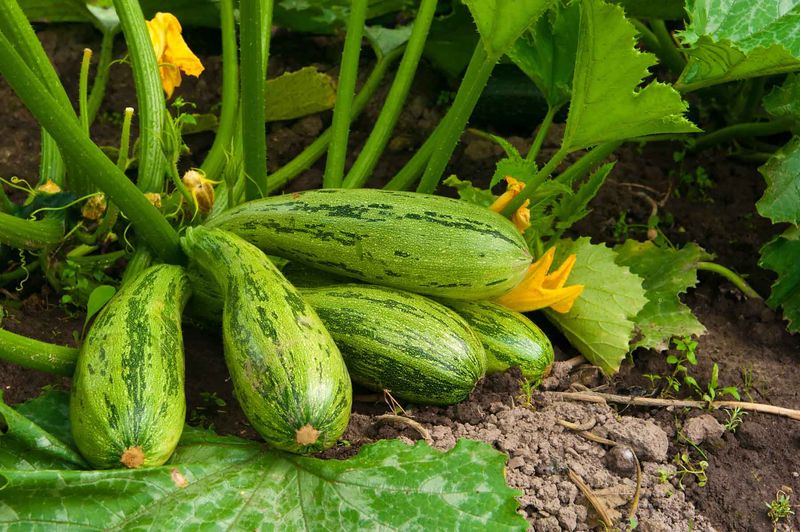
The first frost date is the real deadline.
Average frost dates are not promises, but they are the best planning guide gardeners have. An early cold front can end tender vines sooner than expected, so the crop needs time to produce before that risk rises.
Different Texas regions have different limits. Amarillo, Austin, Dallas, Houston, San Antonio, and the Rio Grande Valley all work with different fall windows.
Count backward from your local date. Match that window to the days-to-maturity number on the seed packet.
Choose faster varieties when time is tight. A 45-day cucumber gives more breathing room than a 65-day type.
Aim to harvest before frost week. Reaching maturity right on the average frost date is risky because the plant still needs time to produce well.
Build in a buffer. Seven to fourteen extra days can protect the harvest from slower fall growth or an early temperature dip.
Keep frost cloth ready later. Lightweight cover can protect vines through a brief chilly night and extend the harvest window.
Watch night temperatures. Once nights start dropping consistently, growth slows and protection becomes more important.
Frost timing is not meant to scare gardeners.
It simply tells you when the seed needs to be in the ground.
5. Squash Needs A Fast Start
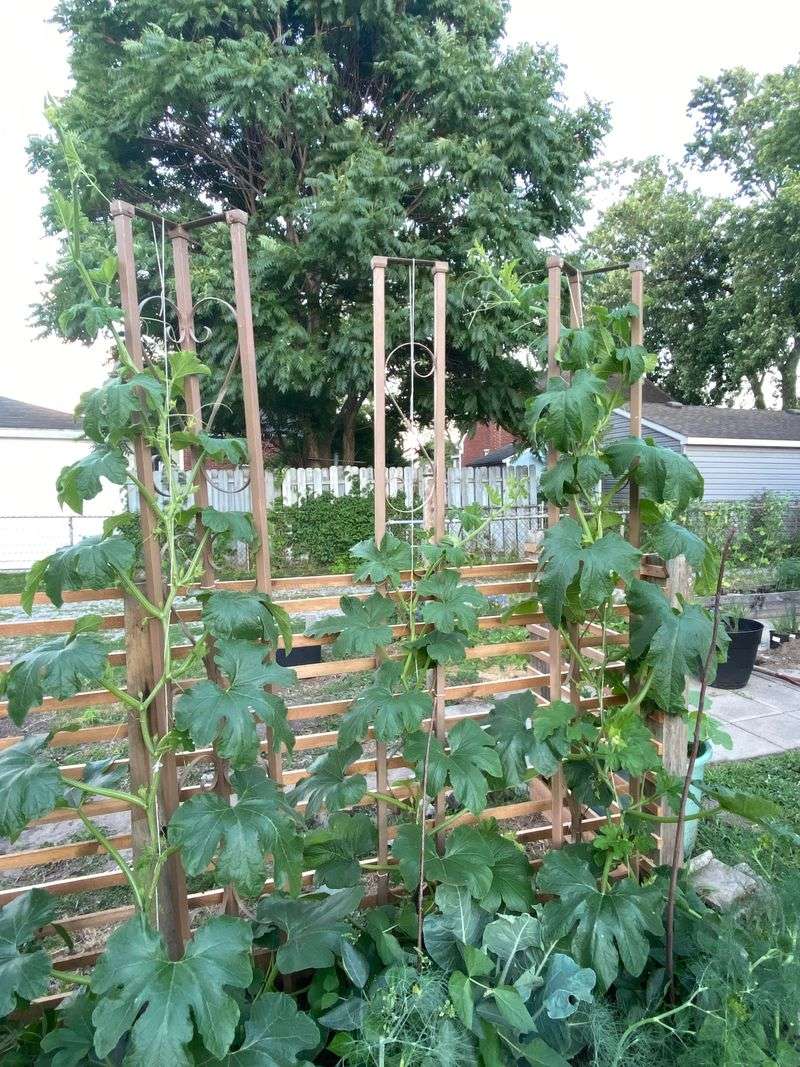
Squash can move quickly when it gets the right beginning.
Many summer squash types can go from seed to first harvest in less than two months. That speed makes them useful for fall gardens, but only when seedlings establish without delays.
Choose quick varieties. Zucchini, yellow crookneck, and compact bush types often fit tight fall windows better than long-season options.
Give plants real space. Bush squash usually needs about two to three feet between plants so leaves can spread and air can move.
Crowding creates problems. Tight plants share pests more easily, stay more humid, and make pollination harder.
Male flowers may appear first. That is normal, and early flowers may drop before fruit begins forming.
Female flowers need pollinators. Avoid spraying open blooms, especially in the morning when bees are working.
Use row cover early. Covering young plants can reduce early pest pressure, but it must come off once flowers need pollination.
Feed lightly and wisely. Too much nitrogen can push leaves instead of fruit.
Squash is fast, but it is not magic.
A strong start is what gives it enough time to turn warm soil into actual fall harvests.
6. Cucumbers Race The Calendar
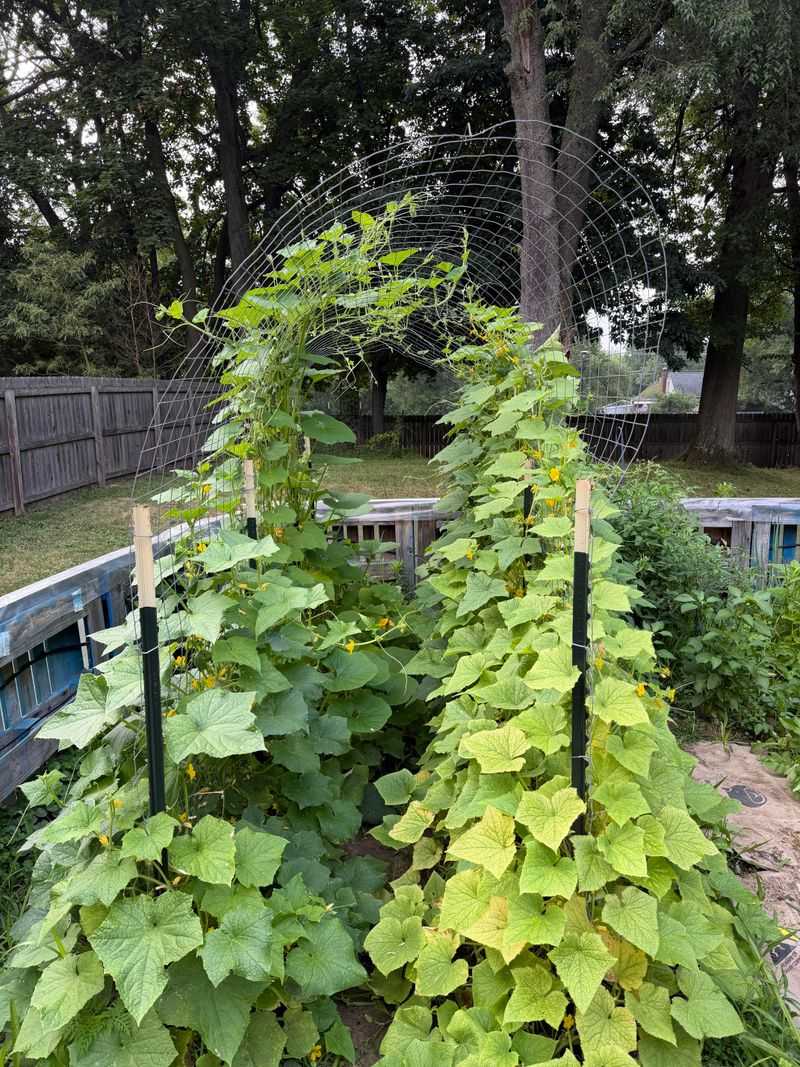
Cucumbers are quick, but they still need a smart variety choice.
Fall cucumber success depends on matching the seed packet to the weeks left in your region. A slower variety can run out of time before the vines reach their best production.
Look for short maturity windows. Bush Pickle, Salad Bush, and other quick types are often better for fall than long-season varieties.
Trellising helps. Keeping vines off the ground improves airflow, saves space, and makes ripe cucumbers easier to spot.
Pick often. Cucumbers left too long on the vine tell the plant to slow down, so harvest every couple of days once fruit starts forming.
Moisture needs to stay steady. Dry swings can lead to bitter or misshapen fruit.
Mulch the base. A light layer helps keep soil moisture even and reduces splash on lower leaves.
Heat may drop flowers. Temperatures above the mid-90s can cause blossoms to fail, especially on young or stressed plants.
Shade cloth can help briefly. Afternoon protection during the hottest stretch can carry seedlings through until temperatures ease.
Cucumbers can reward quick action.
Plant them late, and they chase the season. Plant them now, and they have a real chance to win it.
7. Heat Still Needs Shade Help
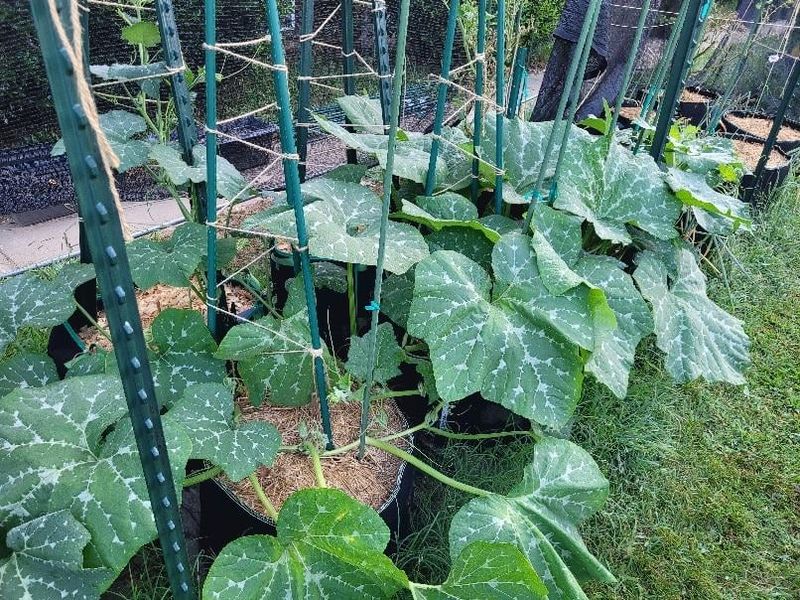
Young seedlings need help getting through the hottest afternoons.
Squash and cucumbers like warm soil, but tiny plants can still struggle when Texas sun beats down on bare beds. A little temporary shade can make establishment much smoother.
Use light shade, not deep shade. A 30-percent shade cloth can reduce stress without stealing too much light.
Raise the cloth above the plants. Hoops, stakes, or wire supports keep fabric from trapping heat directly against the leaves.
Morning water works best. Early watering gives roots moisture before the day peaks and allows foliage to dry.
Avoid wet leaves overnight. Evening watering can keep foliage damp too long and invite mildew problems.
Mulch helps the soil surface. Straw, shredded leaves, or light organic mulch keeps the seed zone more even.
Remove shade gradually. Once seedlings show strong new growth, start exposing them to more direct sun.
Do not leave shade on forever. Permanent shade weakens stems and reduces fruiting.
Shade is a temporary tool.
Use it to get seedlings established, then let the vines toughen up for full fall production.
8. Succession Rows Spread Risk
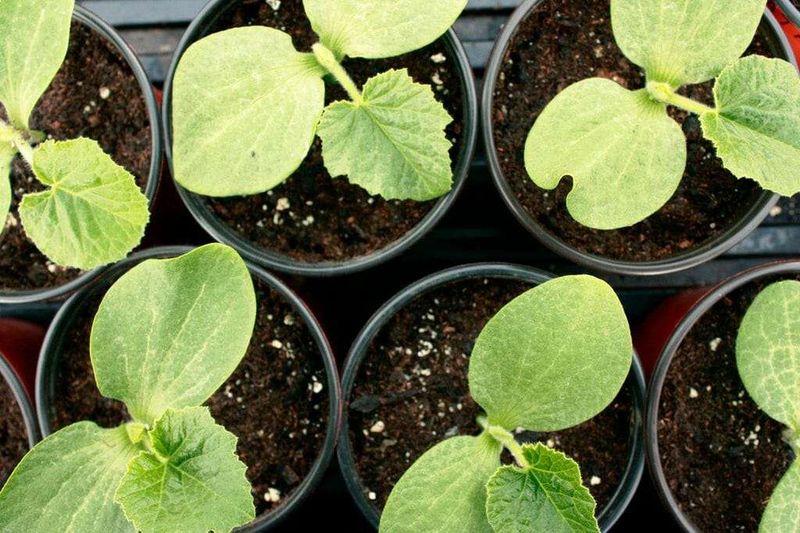
One planting date puts all the risk in one place.
A heat spike, pest outbreak, heavy rain, or poor germination can hurt an entire crop when every seed goes in on the same day. Succession planting gives gardeners a backup.
Sow small batches a week apart. That spreads germination and harvest across more than one weather pattern.
It smooths the harvest too. Smaller staggered plantings can produce a steadier flow of cucumbers and squash instead of one overwhelming rush.
Pests may hit unevenly. Squash bugs, cucumber beetles, and other pests often find older plants first, leaving younger rows as a possible second chance.
Keep scouting simple. Check plants at least twice a week for eggs, chewing, wilting, or early pest activity.
Stop when the calendar says stop. Once there are not enough frost-free days left, another sowing becomes a gamble.
Use late space for cool crops instead. Greens, radishes, turnips, or cover crops may make better use of beds once the cucurbit window closes.
Write down each sowing date. Those notes make next year’s fall timing much easier.
Succession planting is not extra work for the sake of it.
It is insurance against the mood swings of a Texas fall garden.
9. Pest Checks Start Before Sprouts Look Strong
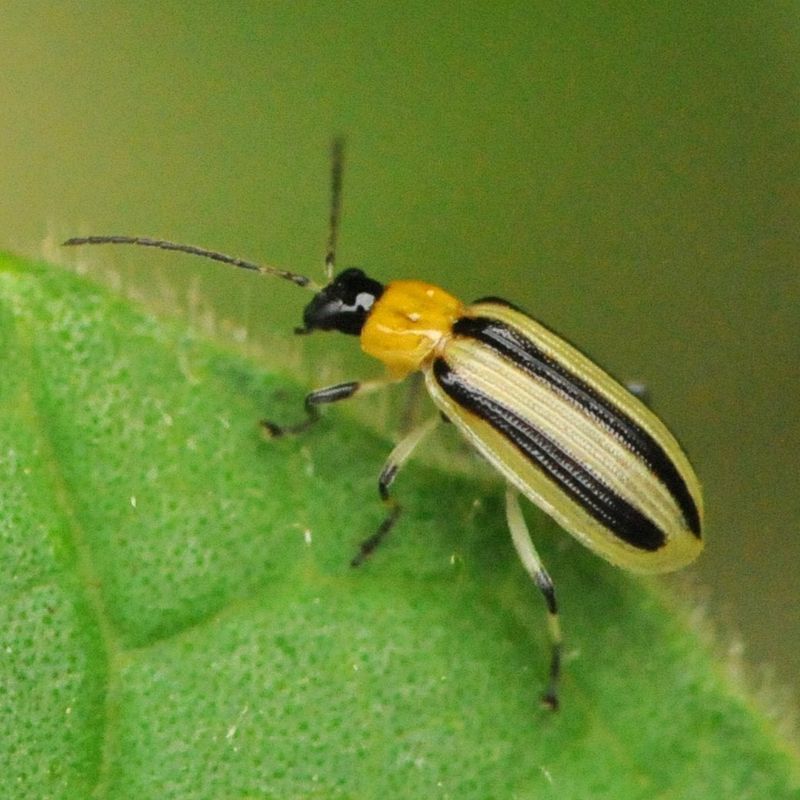
Fall cucurbit pests do not wait for big plants.
Squash and cucumber seedlings are tender, quick to chew, and easy for insects to overwhelm before the vines have enough leaves to recover. That makes early scouting just as important as planting on time.
Check the bed as soon as seeds sprout. Look closely at the first true leaves, stems, and soil surface every morning for the first couple of weeks.
Cucumber beetles can move in fast. Striped and spotted cucumber beetles chew leaves, scar young stems, and can spread disease as they feed.
Squash bugs need early attention. Look for bronze-colored egg clusters on the undersides of leaves and remove them before they hatch.
Row cover helps at the start. Lightweight insect fabric can protect young seedlings while roots establish and leaves expand.
Remove cover at flowering. Squash and cucumbers need pollinators once blooms appear, so covers cannot stay on through the whole season unless you plan to hand-pollinate.
Keep weeds down around the bed. Weedy edges give pests shelter and make scouting harder.
Water stress makes damage worse. A seedling already struggling in dry soil or extreme heat has less energy to recover from chewing.
Act while problems are small. Handpicking beetles, removing egg clusters, and protecting seedlings early can prevent a minor pest visit from becoming the reason the fall crop stalls.
Planting this week starts the race.
Scouting this week helps your squash and cucumbers stay in it long enough to reach harvest.