Why Georgia Gardeners Should Never Rely On Afternoon Thunderstorms To Water The Garden
Afternoon thunderstorms can make your garden look refreshed, but they are not always giving plants what they really need. A quick downpour often wets the surface while roots stay much drier than you expect.
If you’ve been counting on every summer storm to do the watering for you, it may be costing your garden more than you realize.
Georgia weather can be unpredictable, and one yard may get soaked while another barely gets enough rain to settle the dust.
Knowing what those storms actually do for your plants can save you from unnecessary stress later in the season. The biggest mistake isn’t trusting the rain.
It’s assuming every thunderstorm waters your garden the way you think it does.
1. Summer Storms Often Miss Nearby Gardens
Patchy storms can pass right over your street and completely skip the yard next door. Afternoon thunderstorms in this region are notoriously inconsistent, and that is not an exaggeration.
They form fast, move unpredictably, and can drop heavy rain on one block while leaving another bone dry just a few hundred feet away.
Radar might show rain over your zip code, but your garden could have received almost nothing. Storm cells in the Southeast are often narrow and fast-moving.
What looks like widespread coverage on a weather app is frequently scattered rainfall that misses more ground than it hits.
Gardeners sometimes walk outside after a storm expecting wet soil and find the top inch barely damp. That kind of false confidence leads to skipped watering sessions that plants genuinely needed.
Checking your soil after every storm is a smarter habit than trusting the forecast.
A simple rain gauge placed near your garden beds can tell you exactly how much water actually fell. Aim for at least an inch of rainfall per week during warm months, but keep in mind soil type and plant variety affect how much moisture is truly needed.
Do not let a cloudy afternoon trick you into thinking the work is done.
2. Heavy Rain Runs Off Before Soaking The Soil
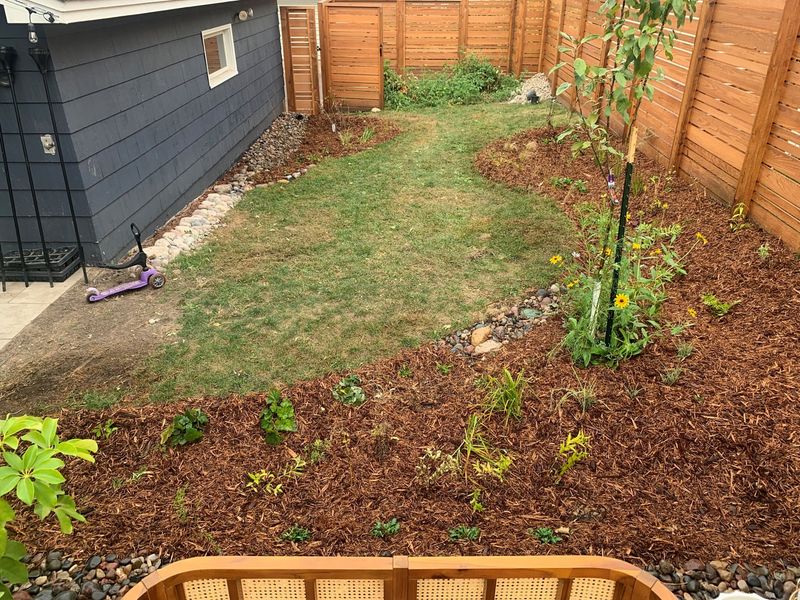
Hard, fast rain does not always mean your plants got watered. When a storm drops a heavy burst of rain in a short window, the soil often cannot absorb it fast enough.
Water sheets across the surface and runs off into drainage areas before it ever reaches plant roots.
Clay-heavy soil, which is common across much of Georgia, is especially prone to this problem. Dry clay can become almost waterproof when it gets compacted over the summer.
Rain hits it, pools briefly, then runs off without soaking in more than an inch or two at most.
Root systems on most vegetable plants and flowering perennials extend several inches deep. Surface moisture alone does not support them well, especially during hot stretches when evaporation happens quickly.
A storm that drops half an inch in ten minutes may do far less good than a slow, steady watering session.
Improving your soil with compost helps it absorb water more evenly over time. Breaking up compacted areas with a garden fork before rain is expected can also make a real difference.
Your Georgia Garden Changes Every Week. Your Plan Should Too.
Gardening in Georgia changes quickly throughout the season. Every Friday you’ll receive a simple weekly plan showing exactly what to plant, prune, fertilize, harvest, and protect so you never miss the right timing.
Slow, deep watering at the base of plants consistently outperforms heavy storm runoff when it comes to actually feeding roots what they need. Practical steps like these matter more than hoping the next storm does a better job.
3. Containers Dry Out Much Faster Than Garden Beds
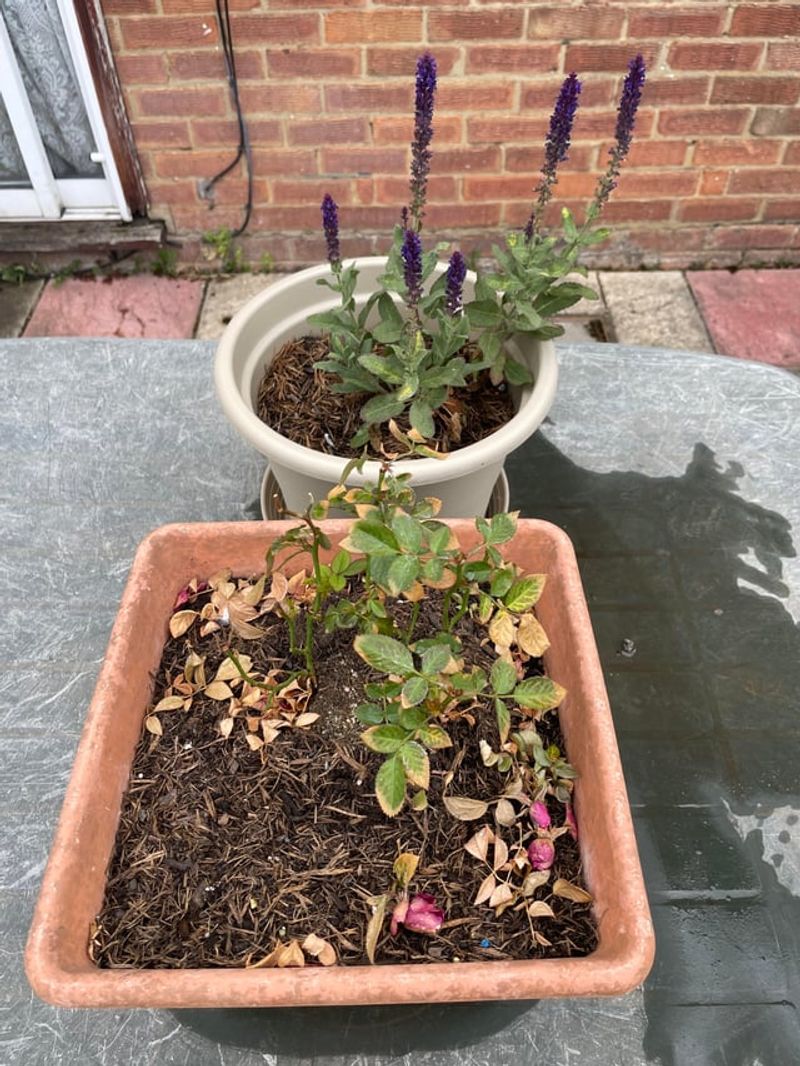
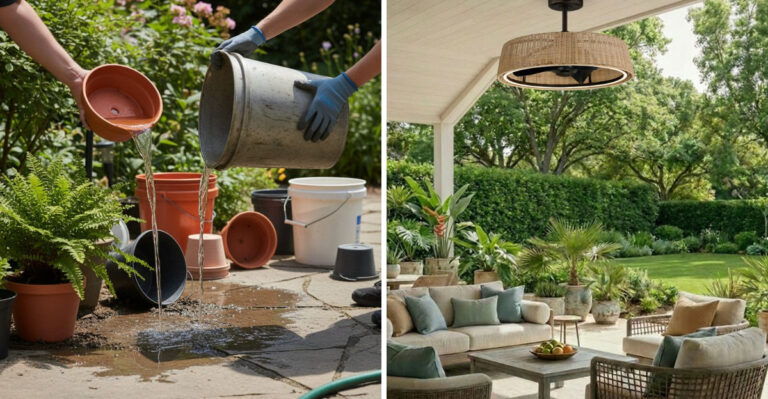
Pots and planters play by completely different rules than in-ground garden beds. Container soil dries out remarkably fast, especially during hot summer days when temperatures climb into the upper eighties or beyond.
A single afternoon storm rarely deposits enough water to compensate for what evaporates between morning and evening.
Small containers can go from adequately moist to dangerously dry within twenty-four hours during peak summer heat. Even after a storm, water drains through container mix quickly.
Unless the pot sat in steady rainfall for a good stretch of time, the roots at the bottom may still be thirsty.
Hanging baskets are especially vulnerable. Wind and direct sun pull moisture out of them fast, and their limited soil volume offers little buffer.
Checking them every day is not overdoing it. It is simply part of good container gardening during summer.
Watering containers by hand lets you control exactly how much moisture each plant receives. Push your finger an inch into the soil before watering.
If it feels dry at that depth, water thoroughly until it drains from the bottom. Relying on afternoon storms to handle this for you almost always leads to inconsistent moisture levels that stress plants over time.
Consistent hand watering keeps container gardens performing better through the hottest stretches of the season.
4. Dense Foliage Keeps Rain From Reaching Roots
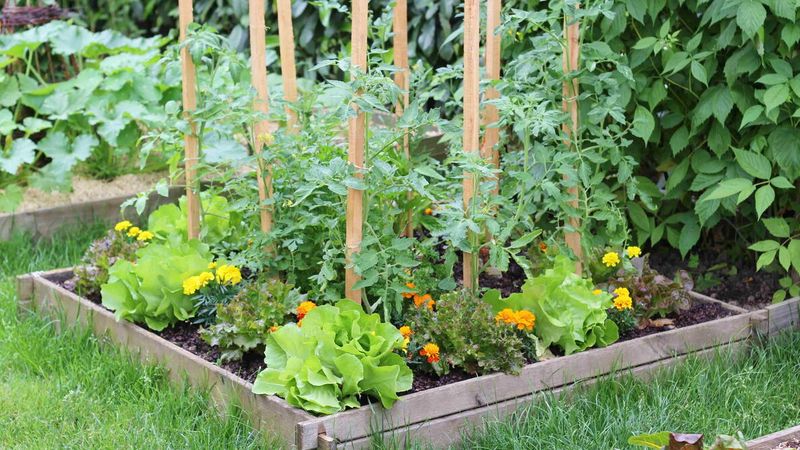
Thick plant canopies act like an umbrella, and not in a helpful way. Once your garden reaches full summer growth, dense foliage can intercept a surprising amount of rainfall before it ever hits the ground.
Leaves catch the drops, and much of that moisture evaporates before it trickles down to the soil.
Squash, tomatoes, and large pepper plants are especially good at blocking rain from reaching their own root zones. A storm might soak the top of the canopy while the soil a few inches below stays relatively dry.
Gardeners who do not check beneath the foliage often overestimate how much water their plants actually received.
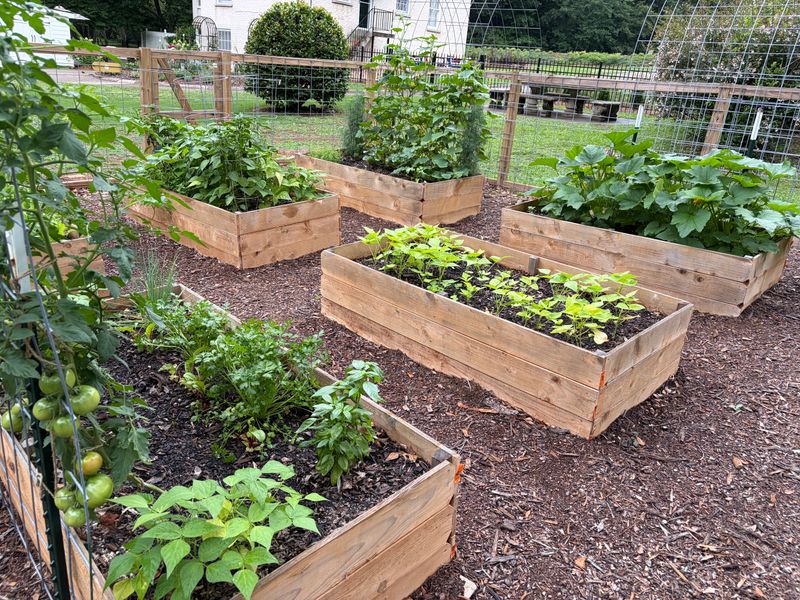
Trellised plants and raised beds with tight spacing face a similar issue. Rainfall hits the outer leaves and rolls off the edges of the bed rather than soaking into the center where roots are concentrated.
It is a geometry problem as much as a watering problem.
Drip irrigation or soaker hoses placed at soil level solve this issue directly. Water goes exactly where roots need it, regardless of what the canopy looks like above.
Hand watering at the base of plants works just as well if you take the time to do it consistently. Overhead rain, no matter how heavy, cannot guarantee that moisture is reaching the root zone when foliage is thick and full.
5. Mulch Helps Hold Moisture Between Storms
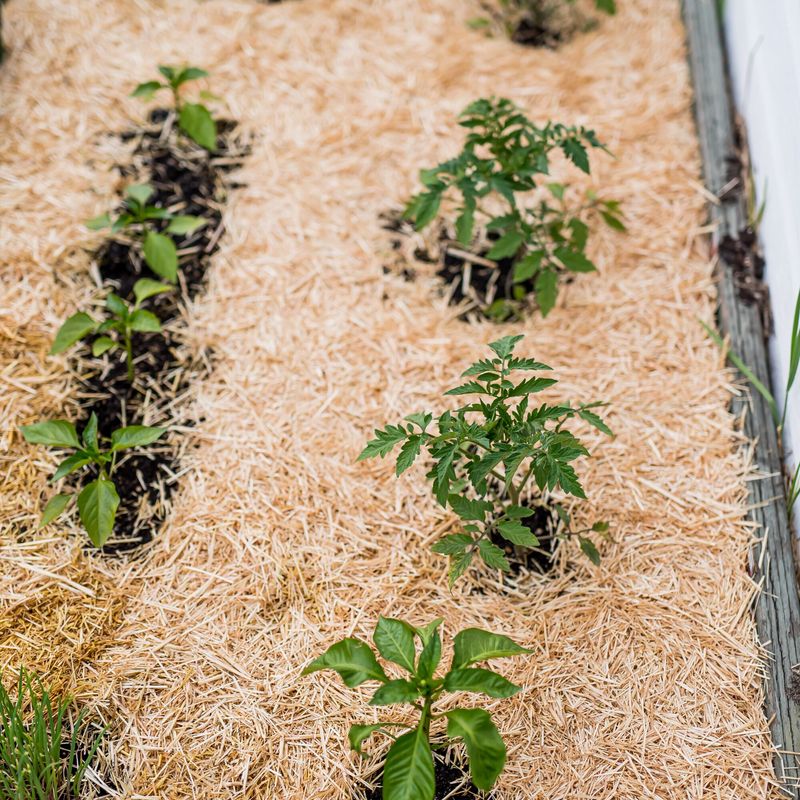
Bare soil loses moisture fast. Without a protective layer on top, heat and wind pull water out of the ground quickly, even after a decent rain event.
Mulch is one of the most practical tools a home gardener can use to stretch whatever moisture the soil holds between watering sessions or storms.
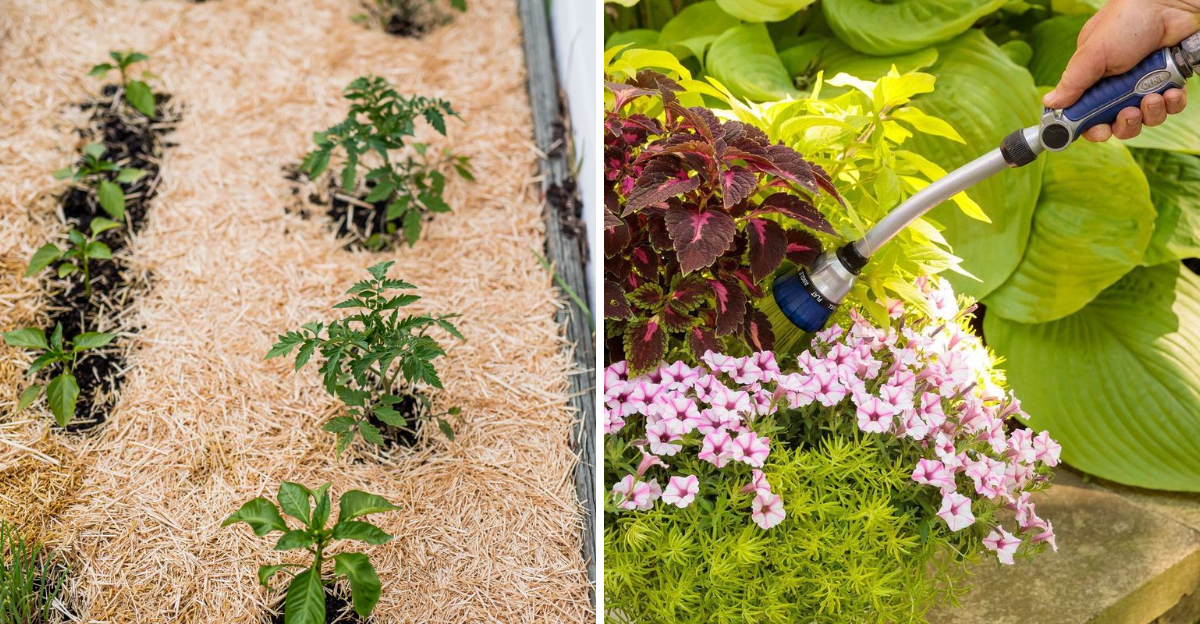
A two to three inch layer of straw, wood chips, or shredded leaves slows evaporation noticeably. Soil under mulch can stay moist for a day or two longer than exposed soil under the same conditions.
That buffer matters a lot during dry stretches between storms.
Mulch also moderates soil temperature. Hot soil loses moisture faster than cool soil, so keeping the ground shaded under a layer of organic material helps plants stay more comfortable during peak summer heat.
It is a simple addition that pays off in multiple ways.
Organic mulches break down slowly and add nutrients back to the soil over time, which is an added benefit beyond moisture retention. Pine straw is widely available across the South and works well around both vegetables and ornamentals.
Apply it in late spring before the hottest weather arrives and refresh it mid-season if it thins out. Mulching alone will not replace consistent watering, but it does make every drop of water, whether from a hose or a storm, go further for your plants.
6. Check Soil Moisture Before Skipping Watering
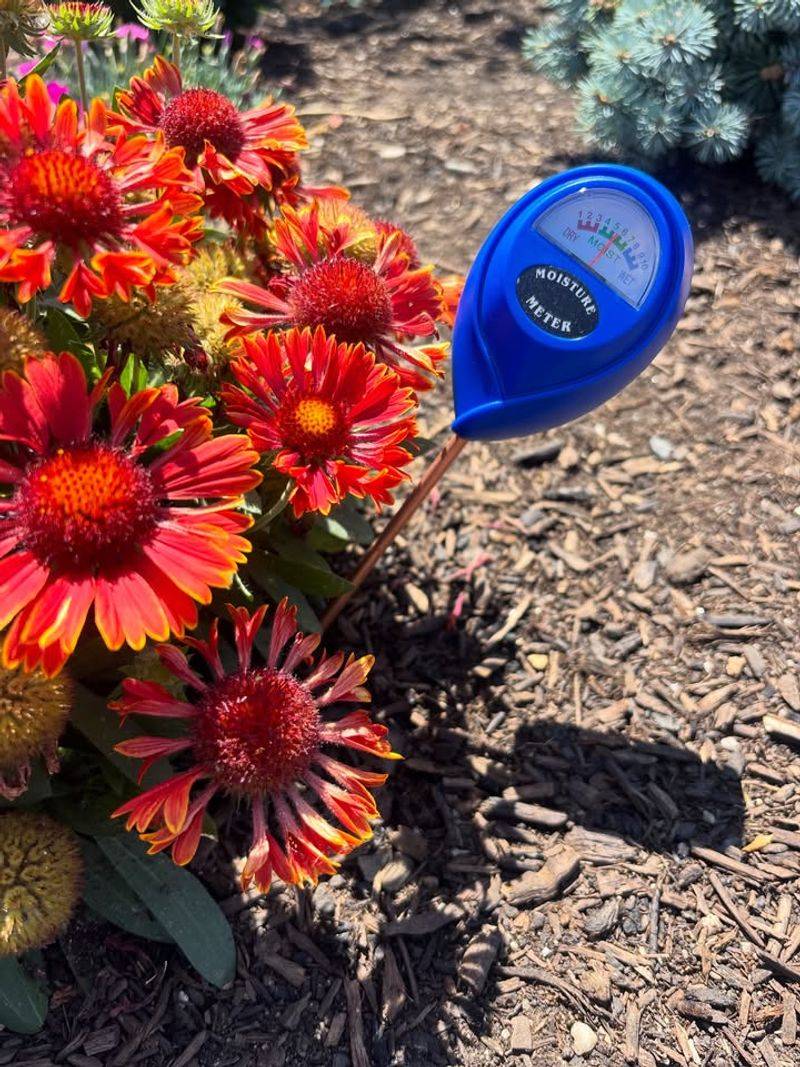
Skipping a watering session because it rained yesterday does not always work out.
Soil conditions vary widely depending on your specific yard, and what looks like adequate moisture from the surface can be deceiving. The only reliable way to know if your plants need water is to check the soil directly.
Push two fingers about two inches into the ground near the base of your plants. If it feels dry at that depth, water regardless of recent rainfall.
If it still feels cool and slightly moist, you can likely wait another day. That two-second check beats guessing every single time.
Soil type plays a big role in how quickly moisture drains away. Sandy soil dries out faster than clay-based soil, and raised beds often dry out quicker than ground-level plots.
Knowing your specific soil helps you build a smarter watering schedule.
Afternoon storms in the South are unreliable by nature. Temperatures stay high, humidity rises and falls, and storms can skip your yard entirely even when they look close on radar.
Building a habit of checking soil moisture before skipping a watering session takes less than a minute and can prevent plants from struggling through dry spells.
Consistent attention to soil conditions, rather than weather assumptions, is what keeps a summer garden performing well from week to week.
7. Consistent Watering Keeps Plants Healthier
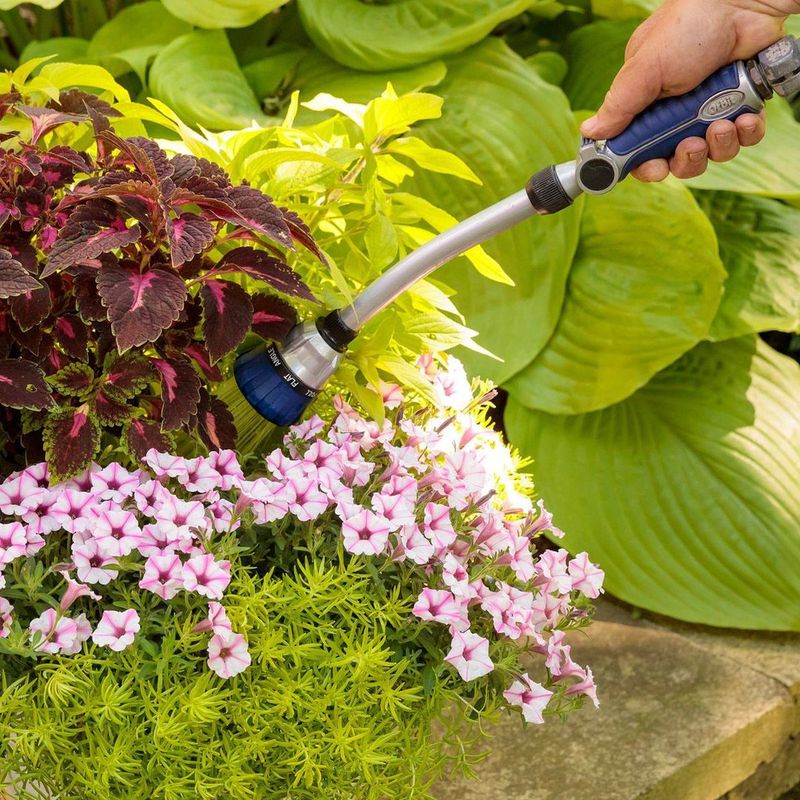
Steady, predictable watering builds stronger plants than the boom-and-bust cycle of storm dependence. When plants receive consistent moisture, their root systems grow more evenly and deeply.
Irregular watering, which is what storm-only gardening tends to produce, stresses plants and can lead to uneven fruit development and reduced yields over time.
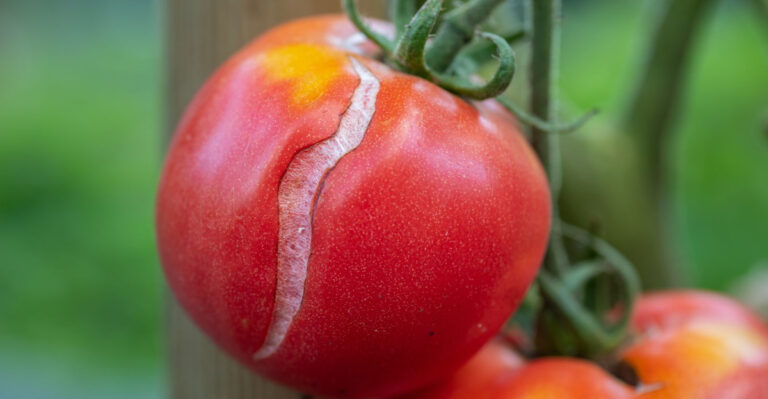
Tomatoes are a classic example. Inconsistent moisture often triggers blossom end rot, a condition where calcium cannot move properly through the plant due to fluctuating water availability.
Peppers and cucumbers face similar stress responses when soil moisture swings between too wet and too dry repeatedly.
Watering early in the morning is generally the most effective approach. Moisture reaches roots before the heat of the day drives evaporation, and foliage has time to dry before evening, which helps reduce disease pressure.
Evening watering can work in a pinch, but morning is more reliable.
A consistent routine does not need to be complicated. Water deeply two to three times per week during hot stretches, adjusting based on rainfall and soil checks.
Slow, deep watering encourages roots to grow downward toward more stable moisture reserves rather than staying shallow and vulnerable near the surface.
Across the South, summer gardening is genuinely challenging, but a dependable watering habit is one of the most effective things you can do to keep your garden producing through the hottest months of the year.