Painted Buntings Used To Stop In Georgia Yards Every Summer, Here Is What Brings Them Back
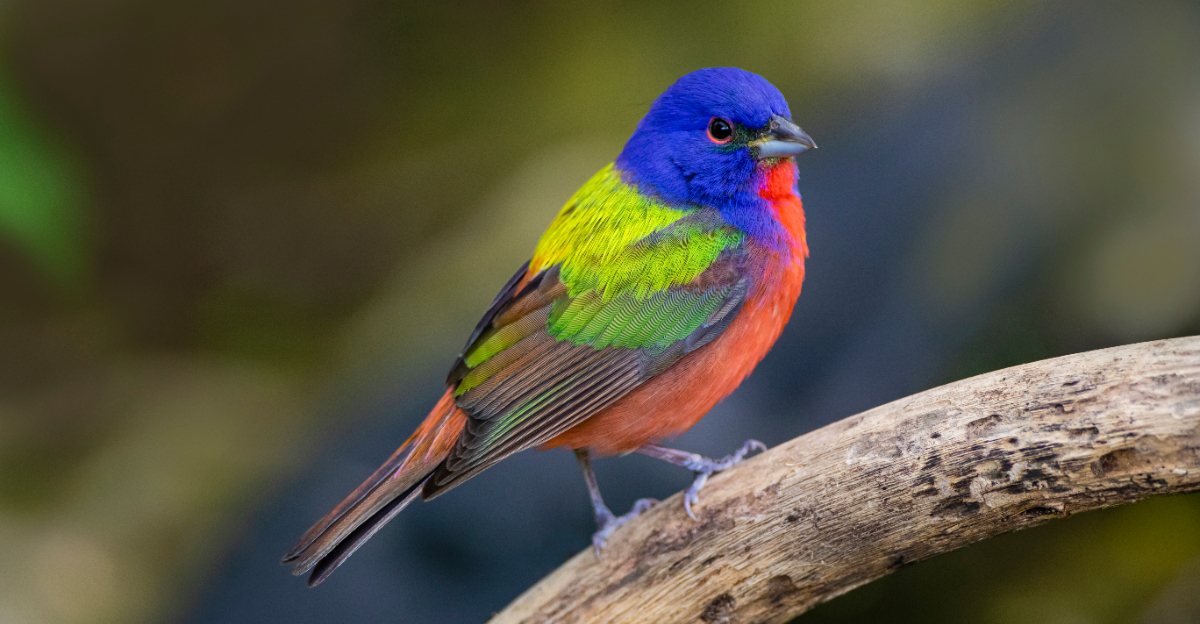
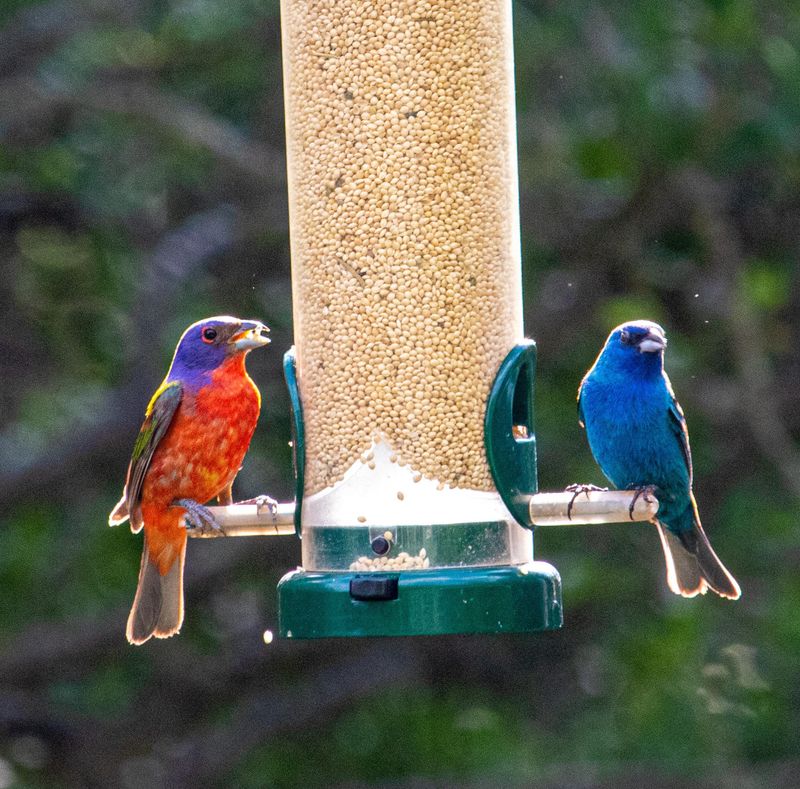
If you grew up in Georgia, you probably remember that one summer when a tiny flying jewel landed on your feeder and left everyone speechless. Painted buntings, those impossibly colorful little birds, used to show up in backyards across the state like clockwork every warm season.
Somewhere along the way, many yards stopped seeing them, and folks have been wondering why ever since. The answer often traces back to small habitat shifts that piled up over years, quietly reshaping what these birds once called home.
Bringing painted buntings back is absolutely doable, and it starts with understanding exactly what makes a yard feel worth the risk to them. Once a space earns their trust, these birds tend to return season after season.
1. Clean White Millet Brings Them Back To The Feeder
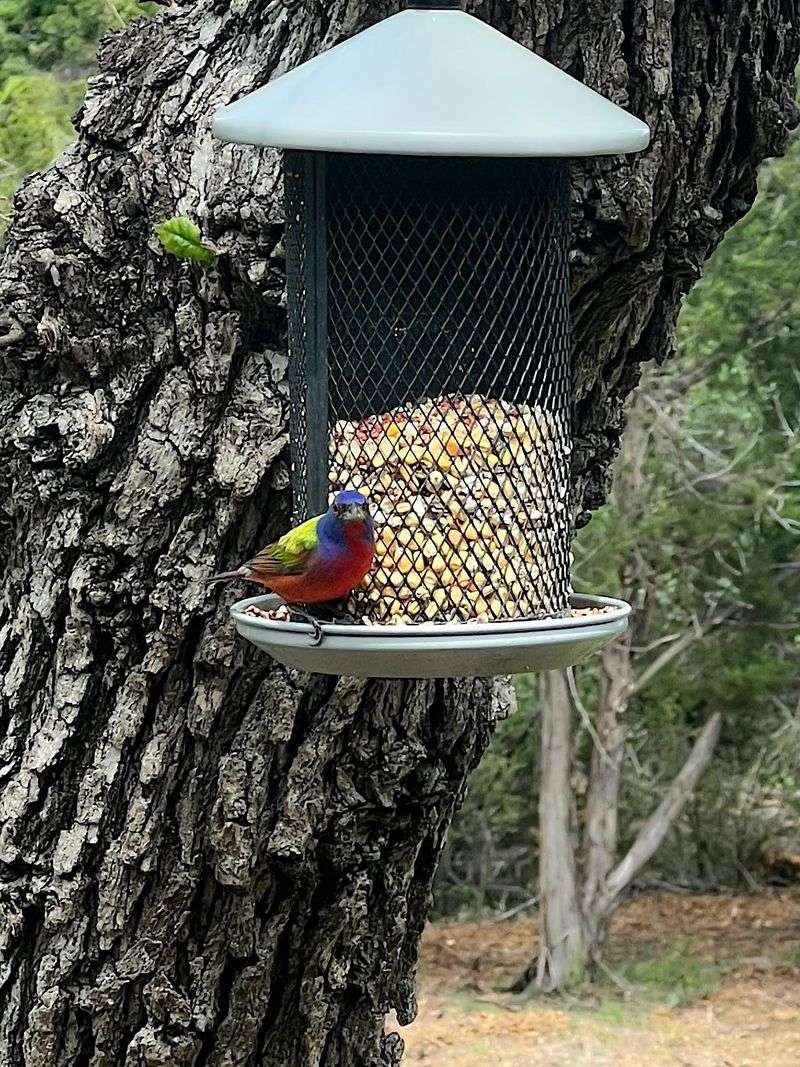
Painted buntings are notoriously picky about what they eat. White millet is their clear favorite, and it works like a magnet when offered fresh and clean.
Many backyard birders make the mistake of buying mixed seed blends. Those blends are mostly filler, and painted buntings will skip right past them without a second look.
Tube feeders with small ports work best for these compact little birds. They prefer feeders that do not swing wildly in the wind, so a sturdy mount makes a real difference.
Keep the feeder stocked consistently through late spring and all summer. Painted buntings are creatures of habit, and they will return to a reliable food source day after day.
Cleaning the feeder every week prevents mold from forming on wet seed. Moldy millet is a quick way to chase these birds away and discourage them from returning.
If squirrels are raiding your setup, a baffle on the pole solves the problem fast. Squirrels eat through seed budgets quickly and stress birds that are already cautious about approaching open areas.
Start offering white millet by early May in most parts of the state. Males often scout feeding areas before females arrive, so spotting one early is a great sign your Georgia yard is on their radar.
Patience is part of the process, but a clean feeder full of fresh white millet is the single strongest first step to welcoming painted buntings back.
2. Dense Native Shrubs Give Nervous Birds Somewhere To Hide
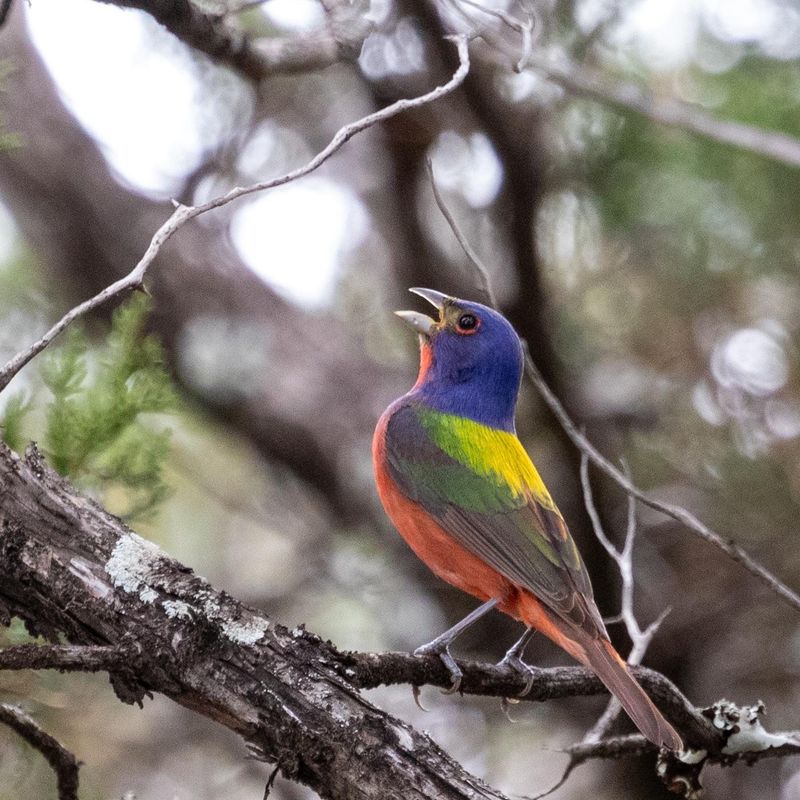
Painted buntings are stunning to look at, but they are also deeply anxious birds. That bright plumage makes males feel exposed, and they will not stay long in a yard that feels wide open.
Native shrubs like beautyberry, wax myrtle, and buttonbush give these birds the cover they crave. A dense planting just ten feet from a feeder can be the difference between a daily visitor and a bird that never returns.
Think of shrubs as the bird’s escape hatch. When a hawk passes overhead, a painted bunting needs to disappear into thick foliage within seconds or it simply will not feel safe.
Planting in clusters creates a layered effect that birds love. One tall shrub backed by two shorter ones gives multiple levels of cover and makes the whole setup feel like a natural woodland edge.
Your Georgia Garden Changes Every Week. Your Plan Should Too.
Gardening in Georgia changes quickly throughout the season. Every Friday you’ll receive a simple weekly plan showing exactly what to plant, prune, fertilize, harvest, and protect so you never miss the right timing.
Native species are typically the better choice for supporting the full food web birds depend on. That means the shrubs do double duty, offering both shelter and supplemental food throughout the season.
Avoid planting ornamental shrubs that look lush but offer no real protection. Sparse, decorative plants give birds nowhere to perch safely between feeder visits.
If your yard currently has no shrubs, even a single large wax myrtle planted close to your feeding station can shift everything. Birds notice new cover quickly, often within the same season it is planted.
Dense native shrubs signal to painted buntings that your yard is a safe zone worth returning to every year.
3. A Shallow Water Source Seals The Deal
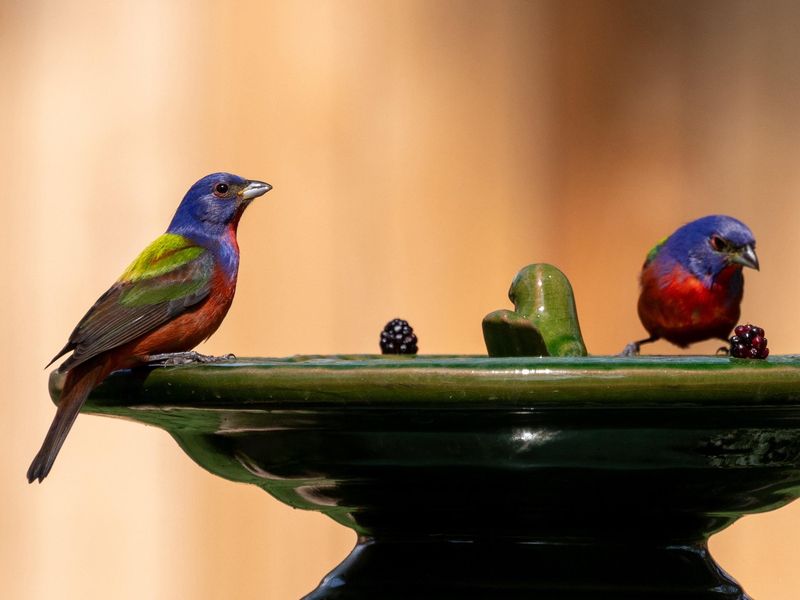
Water is the secret weapon most Georgia birders overlook completely. Painted buntings need fresh, clean water every single day, and a yard without it is easy to pass over.
The key word here is shallow. These birds are small, and a deep bird bath can actually intimidate them. Aim for water no deeper than one inch at the center.
Moving water is even better than still water. A small solar-powered dripper or wiggler creates gentle ripples and sound that attract painted buntings from surprisingly far away.
Place the bath in a semi-shaded spot to keep the water cooler and cleaner longer. Direct sun heats water fast, encourages algae growth, and makes the bath less appealing by midday.
Scrub the bath every two to three days during peak summer heat. Stagnant, murky water carries bacteria that can harm birds and often drives away cautious species like painted buntings.
Position the water source near your shrub cover but not directly underneath it. Falling leaves and bird droppings from overhead perches foul the water faster than almost anything else.
Adding a flat rock or two inside the bath gives small birds a stable landing platform.
Once a painted bunting finds a reliable water source in your yard, it tends to return to that exact spot. A shallow, clean bath can anchor an entire season of visits from these spectacular birds.
4. Quiet Corners Matter More Than Yard Size
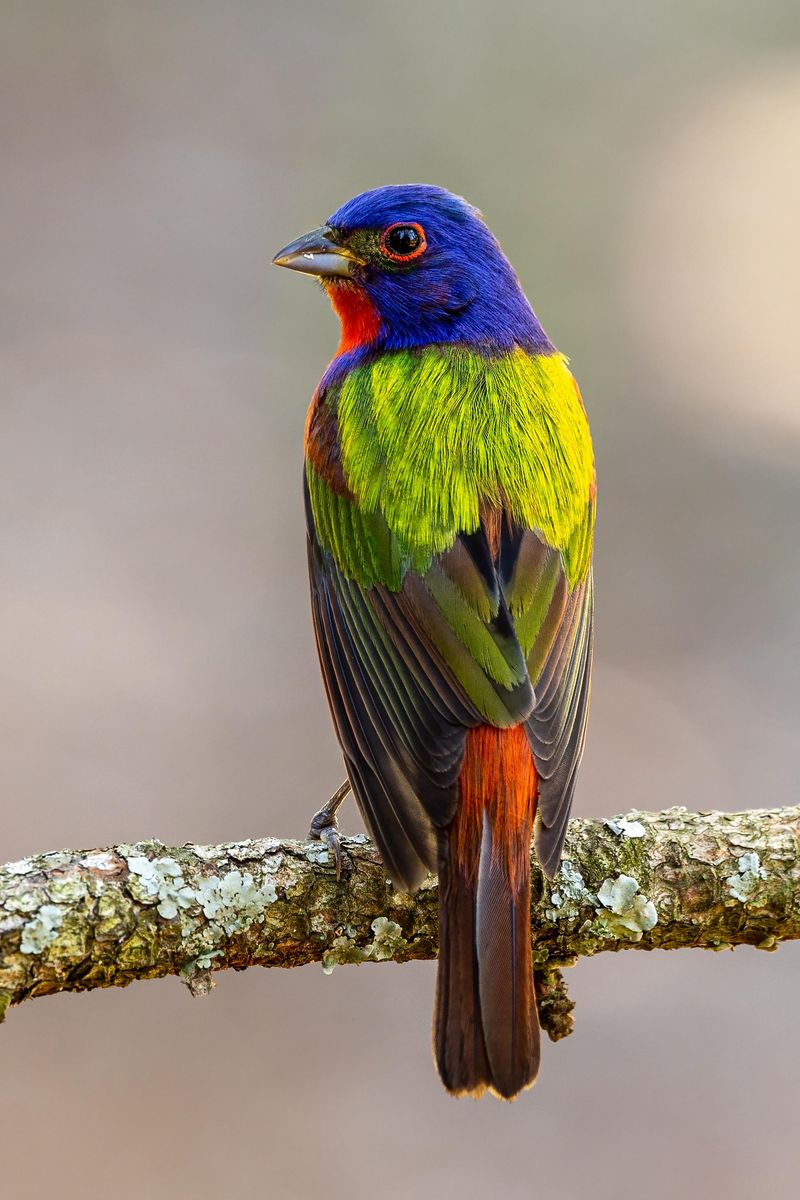
You do not need a massive property to attract painted buntings. What you need is at least one calm, undisturbed corner where activity stays low and predictable.
Loud foot traffic, barking dogs, and kids running near feeders are the fastest ways to lose these birds. Painted buntings are sensitive to disturbance and will often reroute their daily path around a chaotic yard.
Pick a corner of your property that naturally gets less action. A side yard, a back fence line, or even a quiet garden bed can become prime bunting habitat with the right setup.
Consistency in that space matters enormously. If the area is calm every morning for two weeks straight, painted buntings begin to trust it and build it into their daily routine.
Keep pets inside during peak feeding hours, which are usually early morning and late afternoon. Even a cat sitting still near a feeder is enough to spook a painted bunting for the rest of the morning.
Observe from a distance at first, using binoculars from a window or screened porch. Getting too close too soon breaks the trust you have been quietly building with these birds.
Low human presence does not mean you cannot enjoy watching them. A well-placed chair twenty feet back gives you a front-row seat without crowding the birds.
Quiet corners prove to painted buntings that your Georgia yard is a sanctuary worth choosing over neighboring properties, and that reputation spreads fast during migration season.
5. Native Grasses And Flowers Feed The Insects They Need
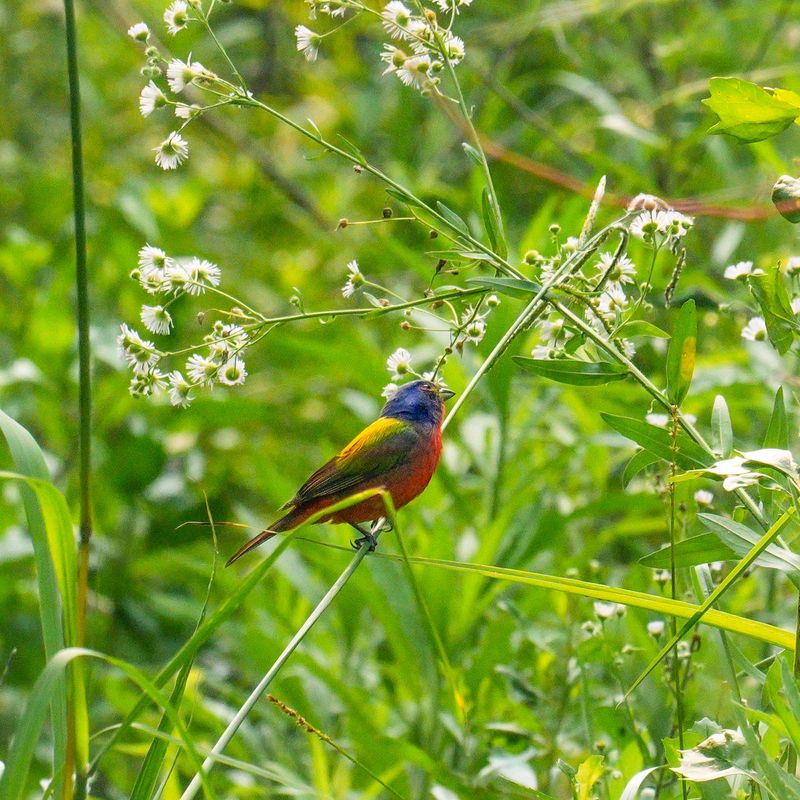
Painted buntings eat seeds most of the time, but they also need protein-rich insects during nesting season. Native grasses and flowering plants are what bring those insects to your yard.
Little bluestem, muhly grass, and broomsedge are all native grasses that thrive across Georgia. They produce seed heads that painted buntings forage through, and their stems shelter the insects birds need for feeding young.
Wildflowers like coneflowers, black-eyed Susans, and native sunflowers are equally valuable. They attract beetles, caterpillars, and small flies that painted buntings will actively hunt during the breeding months.
A mixed planting of grasses and flowers creates a layered foraging zone. Birds can move from the tall grass stems to the flower heads and back without ever leaving the safety of your yard.
Leave seed heads standing through summer instead of removing every bloom. Painted buntings will work through those dried heads methodically, pulling out tiny seeds with impressive precision.
Even a small patch of native plants makes a measurable difference. A four-by-eight-foot bed of native grasses and wildflowers can generate enough insect activity to support regular painted bunting visits.
Avoid hybrid or ornamental flower varieties that look pretty but produce little pollen or seed. Sticking with native varieties gives painted buntings the full food web they depend on.
A yard planted with natives becomes a living cafeteria, and painted buntings will show up hungry and grateful every single morning.
6. Skipping Pesticides Protects Their Food Supply
Pesticides are one of the quietest threats to painted bunting populations, and most homeowners do not connect the two. When you spray your yard, you eliminate the insects these birds depend on to survive the summer.
Insecticides do not just target pest bugs. They eliminate the beetles, caterpillars, and small flies that make up a significant portion of the painted bunting diet during nesting season.
Herbicides are equally damaging because they strip away the weedy plants that host insect communities. A weed-free lawn looks tidy but functions like a food desert for wildlife.
Going pesticide-free does not mean your Georgia yard becomes overrun. Natural predator insects like ladybugs and parasitic wasps move in quickly when chemicals stop disrupting the balance.
If aphids or other pests become a real problem, try targeted solutions like insecticidal soap applied only to affected plants. Spot treatment is dramatically safer than blanket spraying the whole yard.
Neighbors who spray heavily can affect your yard too, so consider talking with them about the impact. Sharing information about painted buntings often changes minds faster than any other approach.
Organic lawn care products have improved significantly in recent years. Many work just as well as synthetic options for common issues without collapsing the insect communities birds rely on.
Choosing a pesticide-free approach is one of the most powerful commitments a Georgia homeowner can make for painted buntings and every other backyard bird species.
7. Feeder Placement Away From Windows Prevents Dangerous Strikes
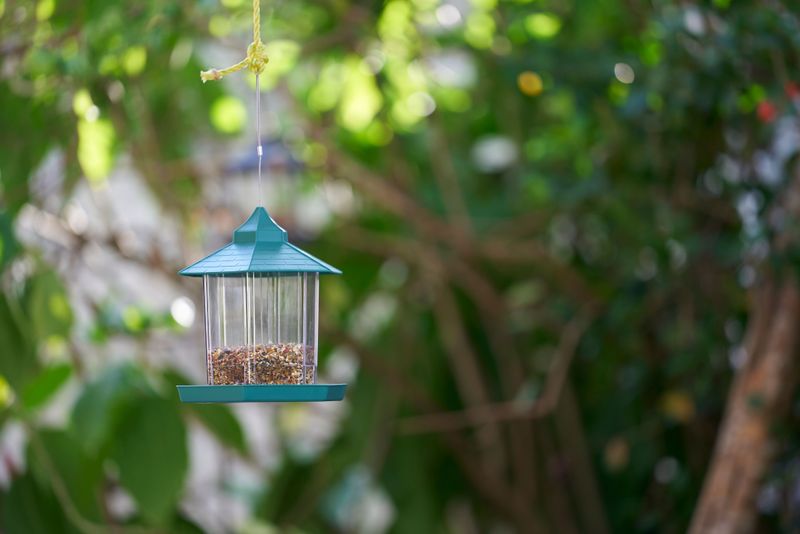
Window strikes are one of the leading causes of songbird injury across North America. Painted buntings, like many small birds, cannot distinguish between open sky and a glass reflection.
The safest feeder placement is either very close to a window, within three feet, or far away, beyond ten feet. Both extremes reduce the speed and impact of any accidental collision.
Feeders placed at the dangerous middle distance of four to nine feet give birds enough room to build speed before hitting the glass. That is the zone to avoid completely.
Window decals, UV-reflective tape, and external screens are all proven ways to break up the reflection that fools birds. Placing them on the outside of the glass works far better than the inside.
Painted buntings are fast fliers and can be startled into sudden flight by cats, hawks, or even loud noises. Positioning feeders near shrubs gives them a safe direction to bolt without hitting glass.
Check your Georgia yard from the bird’s perspective by standing at feeder height and looking toward your house. If you can see sky reflected in the windows, birds can too.
Frosted or textured window films are a stylish and permanent fix for high-risk windows. They let light into your home while making the glass visible to approaching birds.
Smart feeder placement is a small adjustment that protects painted buntings and keeps them returning to your yard safely all season long.
8. Removing Invasive Shrubs Opens Room For Native Cover
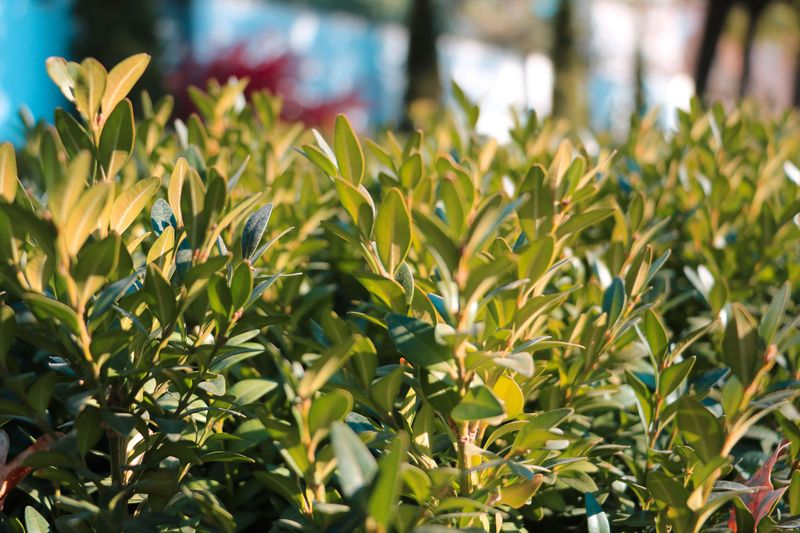
Invasive shrubs like Chinese privet, Japanese honeysuckle, and autumn olive have taken over millions of acres across the Southeast. They look green and full, but they offer painted buntings almost nothing useful.
Privet in particular is notorious for crowding out native plants that actually support bird life. It grows fast, spreads aggressively, and creates dense thickets where native species cannot compete.
Removing invasive shrubs is hard work, but the payoff is significant. Every privet bush you pull creates space for a native beautyberry or wax myrtle that will serve painted buntings for decades.
Start small if the task feels overwhelming. Clearing a ten-foot section along a fence line and replanting with native cover is enough to make a real difference in one season.
Cut invasive shrubs at the base and apply a targeted herbicide immediately to the cut stump. This method minimizes chemical use while preventing the aggressive regrowth these plants are known for.
Local native plant nurseries often carry the species that work best for your specific region of the state. Staff at these shops can guide you toward the right choices for your soil type and sun exposure.
Once native shrubs are established, maintenance drops significantly. Native plants are adapted to local conditions and rarely need the watering, fertilizing, or pest management that invasive species often trigger.
Clearing invasive cover and replacing it with native plants is the boldest move a homeowner can make to bring painted buntings back for good.