How To Care For Hibiscus Flowers In Georgia Indoors And Outdoors
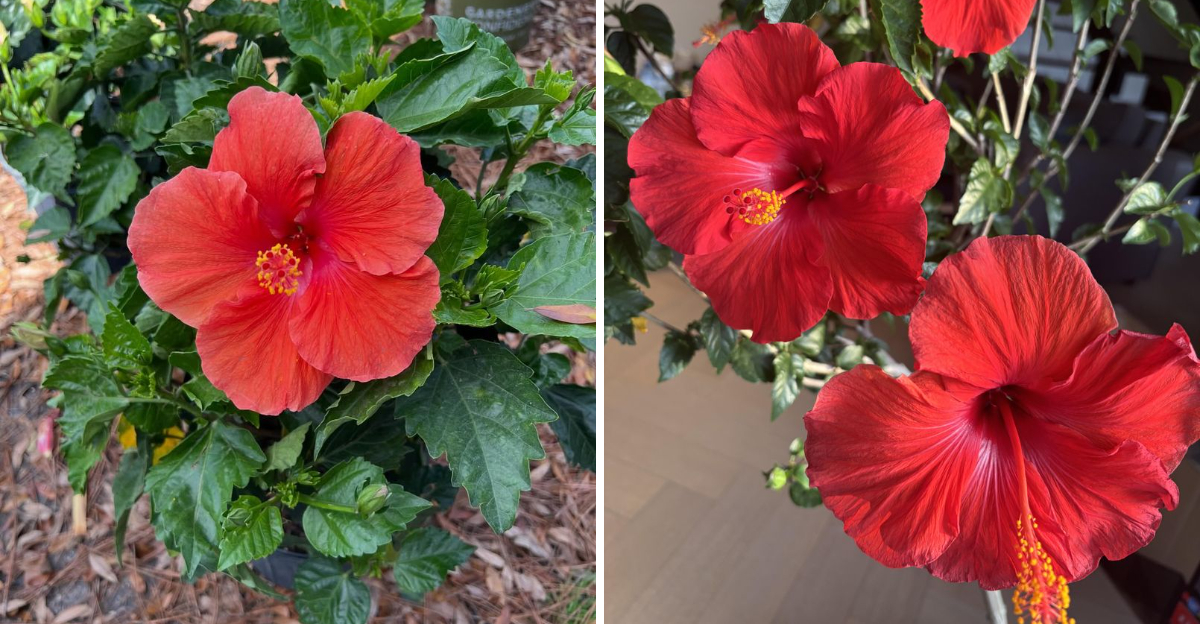
Hibiscus has a way of standing out in Georgia, whether it is sitting by a sunny window or growing outside in warm, humid air. Those large blooms catch attention right away, but keeping that look going is not always as simple as it seems.
What works indoors can feel completely different from what outdoor plants need, and that is where things can start to slip.
A plant may look fine one day, then suddenly drop buds or slow down without a clear reason. It can be frustrating, especially when everything appears to be in place.
Light, moisture, and timing all play a bigger role than most people expect, and small changes can shift how the plant responds.
Once those details start to make sense, hibiscus becomes much easier to manage and far more consistent. Getting into that rhythm is what turns a short burst of blooms into something that lasts much longer.
1. Full Sun Outdoors Supports Strong Growth And More Blooms
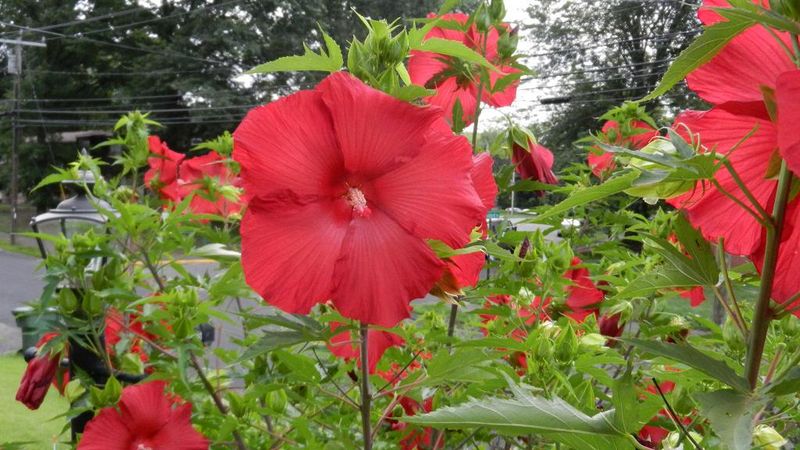
Sunlight is not optional for hibiscus — it is the main ingredient behind those big, bold blooms. If you plant your hibiscus in a shady corner of your Georgia yard, you will get leggy stems and very few flowers.
Aim for a spot that gets at least six hours of direct sun every single day.
South-facing beds or open garden areas away from large trees tend to work best. In Georgia, summer sun is intense, which hibiscus absolutely loves.
A full-sun location helps the plant build strong stems and push out continuous blooms from late spring all the way through fall.
Tropical hibiscus planted in containers can be moved around to chase the best light, which is a real advantage. Hardy hibiscus varieties do well planted directly in the ground in Georgia’s warmer zones and will return year after year when placed in a sunny spot.
Avoid planting too close to walls or fences that block afternoon light. Even a few extra hours of sun per week can noticeably increase how many flowers you get.
Gardeners in Georgia who move their potted hibiscus from a partly shaded porch to a fully open patio often see a dramatic jump in bloom production within just a couple of weeks.
2. Bright Light Indoors Keeps Plants Healthy And Flowering
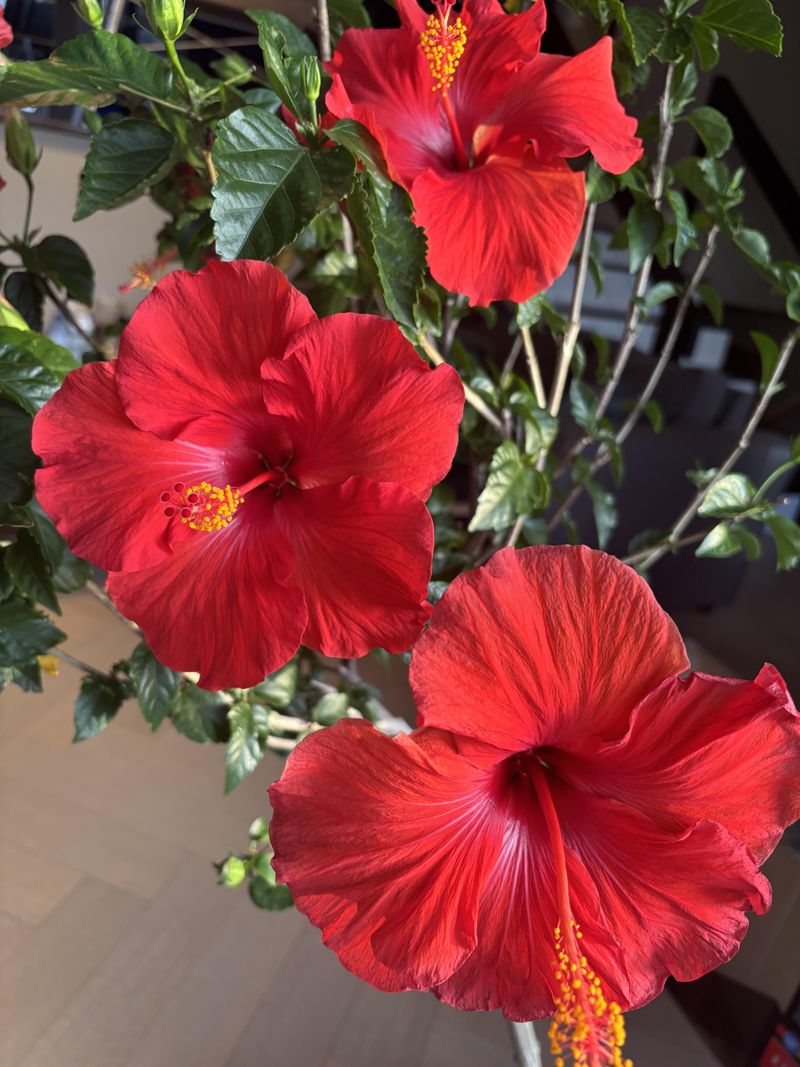
Bringing hibiscus indoors in Georgia does not mean the plant gets a break from needing light. Indoors, light becomes the number one challenge, and most homes simply do not have enough of it without some planning.
A south-facing or west-facing window is your best friend here. Place the pot as close to the glass as possible without letting the leaves actually touch the cold surface in winter.
Hibiscus needs at least six hours of bright, direct indoor light to stay healthy and keep flowering through the cooler months.
Rooms with small windows or north-facing exposure will leave the plant struggling. Leaves may turn yellow, buds may drop before opening, and the whole plant can start to look tired.
Adding a grow light on a timer set for 12 to 14 hours daily can completely fix this problem in low-light rooms.
Your Georgia Garden Changes Every Week. Your Plan Should Too.
Gardening in Georgia changes quickly throughout the season. Every Friday you’ll receive a simple weekly plan showing exactly what to plant, prune, fertilize, harvest, and protect so you never miss the right timing.
Rotate the pot a quarter turn every week so all sides of the plant receive even light exposure. Uneven light causes lopsided growth where one side gets dense and leafy while the other side stays thin and bare.
Consistent rotation keeps the shape full and encourages blooms all around the plant.
3. Consistent Watering Keeps Soil Moist Without Overwatering
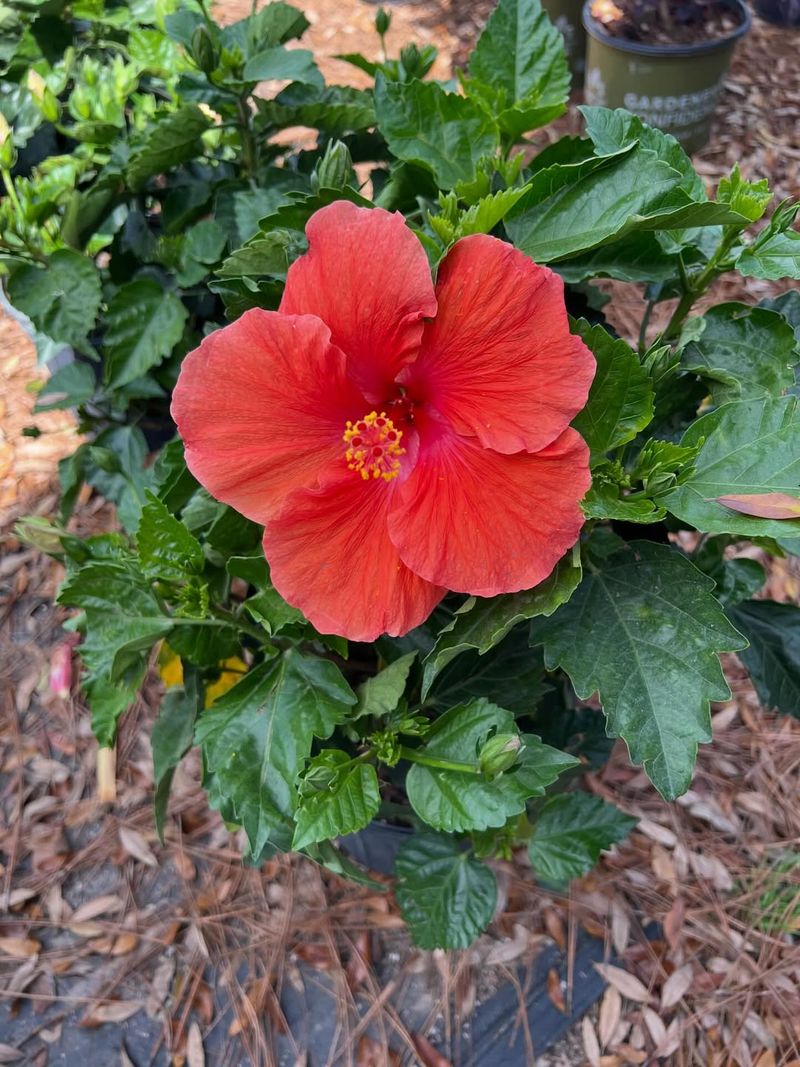
Watering hibiscus is one of those things that sounds simple but trips up a lot of gardeners. Too much water sitting around the roots causes rot.
Too little, and the plant drops buds and leaves almost overnight. Finding the right balance is key.
Outdoors in Georgia, hibiscus planted in the ground generally needs deep watering two to three times per week during hot summer months. Sandy soils dry out faster than clay-heavy soils, so check your ground type and adjust accordingly.
A good deep soak is far better than a quick daily sprinkle.
Stick your finger about an inch into the soil before watering. If it still feels damp, wait another day.
If it feels dry at that depth, it is time to water. Container plants dry out much faster than in-ground plants, especially during Georgia’s blazing July and August heat.
Indoors, the rule changes slightly. Water when the top inch of potting mix feels dry to the touch.
Always use a pot with drainage holes so excess water can escape freely. Letting a pot sit in standing water is one of the fastest ways to cause root problems with hibiscus.
4. Well-Draining Soil Helps Prevent Root Problems
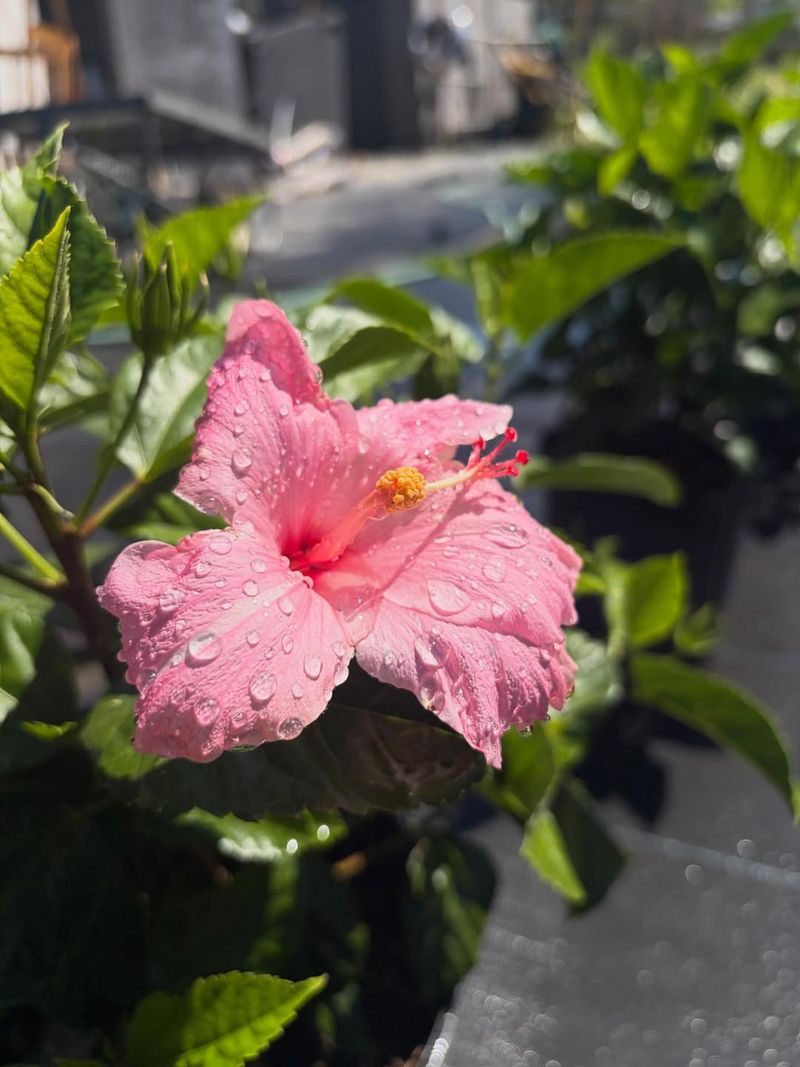
Roots that sit in soggy soil cannot breathe, and hibiscus roots are especially sensitive to that kind of stress. Good drainage is not just a nice extra — it is a basic requirement for keeping these plants alive and productive in Georgia.
Outdoors, Georgia soil varies a lot depending on where you live. Red clay is common in the northern parts of the state, and while it holds moisture well, it can compact and restrict drainage.
Mixing in compost, aged bark, or coarse sand helps break up heavy clay and improves how quickly water moves through.
Sandy coastal soils in southern Georgia drain fast, sometimes too fast. Adding organic compost to sandy ground helps retain just enough moisture without letting the roots stay waterlogged.
A raised garden bed is another solid option if your native soil is particularly challenging.
For container hibiscus, skip basic all-purpose potting soil and choose a mix labeled for tropical plants or one with added perlite. Perlite is those small white particles that create air pockets in the soil, allowing water to drain through rather than pool at the bottom of the pot.
5. Regular Feeding Supports Continuous Blooming
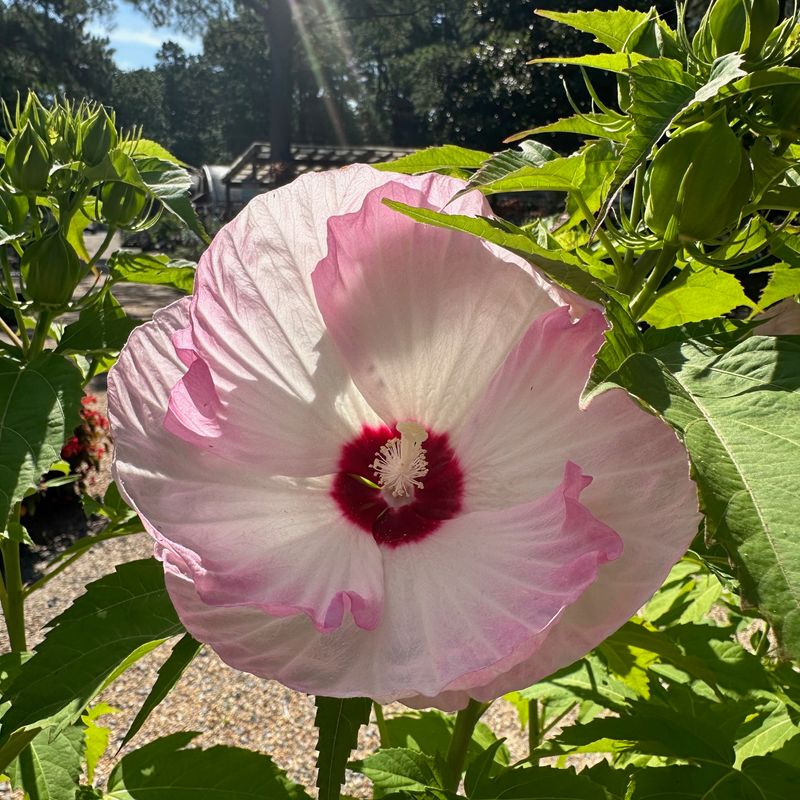
Hibiscus is a heavy feeder, plain and simple. Without regular fertilizing, the plant will grow leaves but hold back on flowers.
In Georgia’s long growing season, consistent feeding is what keeps blooms coming from spring all the way through the first cool snap of fall.
Outdoors, start fertilizing in early spring when new growth appears. A balanced fertilizer like a 10-10-10 formula works well for general feeding.
Apply again in mid-summer to keep the plant energized through the hottest part of the Georgia season. Slow-release granular fertilizers mixed into the soil at the start of the season give a steady baseline of nutrients.
Hibiscus responds especially well to fertilizers with slightly higher potassium content, which directly supports flower production. Look for labels showing a higher third number in the NPK ratio, something like 10-4-12, during peak blooming periods.
Potassium helps the plant produce and sustain those large, showy flowers.
For indoor hibiscus, use a water-soluble fertilizer every two to three weeks during spring and summer. Liquid fertilizers work fast and give you more control over how much the plant receives.
During fall and winter when the plant is resting indoors, stop fertilizing completely to avoid pushing weak, spindly growth in low light.
6. Protection From Cold Temperatures Prevents Stress And Damage
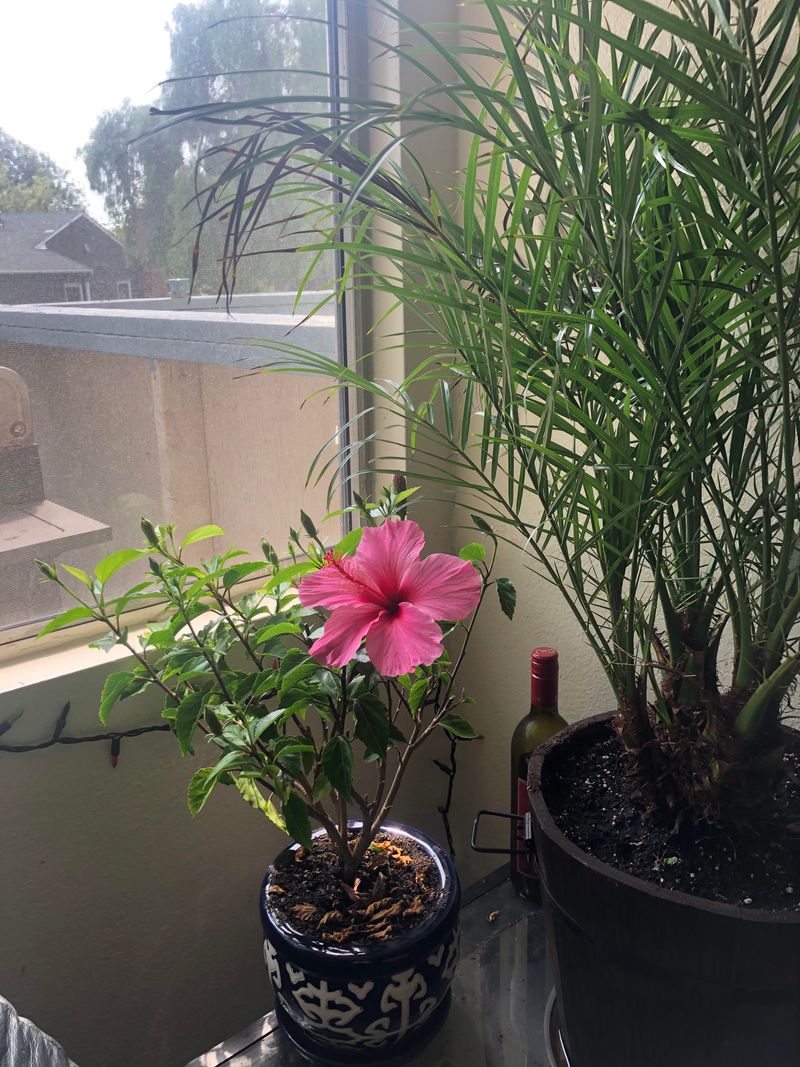
Georgia winters are mild compared to much of the country, but hibiscus — especially tropical varieties — still need protection when temperatures drop. Anything below 50 degrees Fahrenheit can cause stress, and a hard frost will seriously set back even a well-established plant.
Tropical hibiscus should be brought indoors before nighttime temperatures consistently fall below 50 degrees. In most parts of Georgia, that usually means sometime in late October or early November.
Do not wait for frost warnings to act — the chill alone stresses the plant before ice ever forms.
When moving a plant from outside to inside, do it gradually over about a week. Start by bringing it in at night and putting it back out during the day.
Sudden environmental shifts cause leaf drop and shock that can take weeks to recover from. A slow transition helps the plant adjust without losing too much foliage.
Hardy hibiscus varieties planted in Georgia garden beds handle cold much better. They go dormant in winter and come back from the root system in spring.
Adding a few inches of mulch around the base of the plant before winter arrives helps insulate the roots during cold snaps in northern Georgia.
7. Light Pruning Encourages Bushier Growth And More Flowers
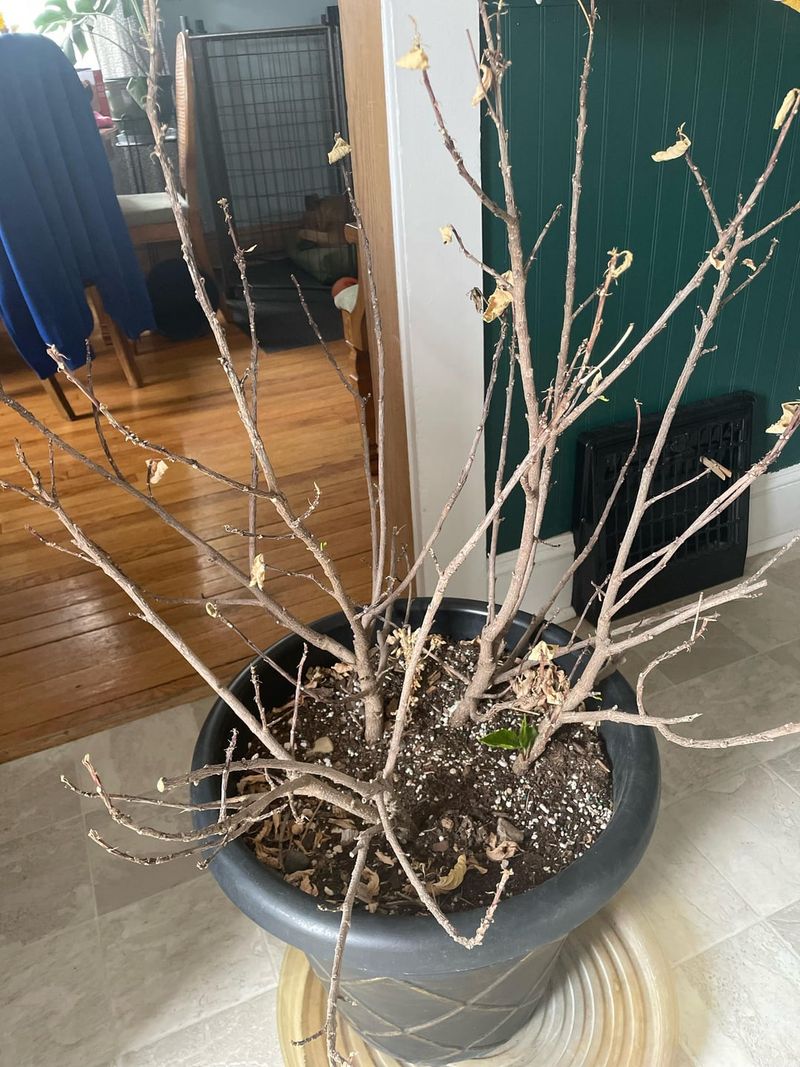
Skipping pruning is one of the easiest ways to end up with a tall, scraggly hibiscus that produces very few flowers. A little trimming done at the right times keeps the plant compact, bushy, and covered in blooms instead of stretching itself thin.
Early spring is the ideal time to do the main pruning session for hibiscus in Georgia.
Removing about one-third of the overall plant height encourages the growth of fresh, new branches that will carry this season’s flower buds.
Each cut you make just above a leaf node or bud site prompts the plant to branch out from that point. More branches mean more tips, and more tips mean more flowers.
A hibiscus that has never been pruned tends to flower only at the very ends of long, bare stems.
Light trimming throughout the growing season also helps. Pinching off the tips of new shoots in late spring encourages side branching and keeps the shape full.