The Summer Birdbath Mistake That Can Hurt Oregon Backyard Birds
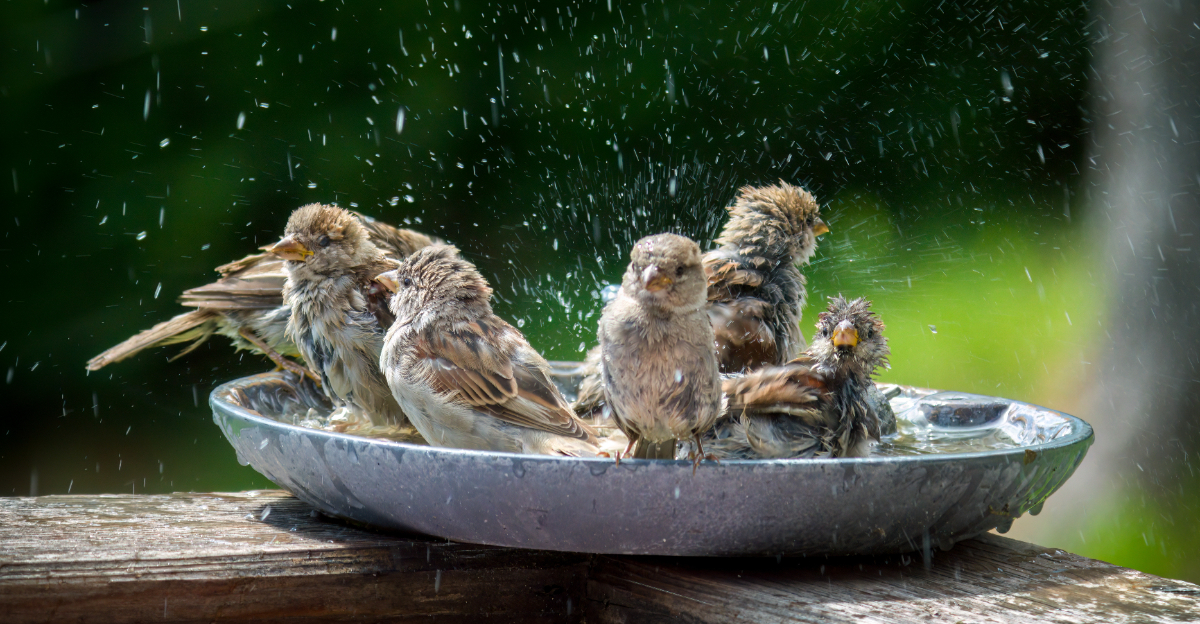
A birdbath can look like the kindest feature in an Oregon yard during summer. Birds stop by for a drink, splash around for a moment, and add plenty of life to the garden.
Yet one common habit can turn that helpful water source into a hidden risk. The problem may not look dramatic at first, which makes it easy to ignore.
Meanwhile, warm weather gives trouble plenty of room to develop. Lovely.
Backyard birds depend on clean water more than many people realize, especially during hot spells.
A birdbath that receives the wrong kind of care can quickly become less refreshing and far less safe.
The good news is that this mistake is simple to avoid once you know what to watch for. A small change can keep the birdbath useful through the hottest part of summer and make every visit much safer for the feathered regulars.
1. Make Sure You Avoid This Mistake
Most people set up a birdbath with the best intentions. They want to help birds stay cool and hydrated during the hot summer months.
But once the birdbath is filled, many people simply walk away and forget about it for days at a time.
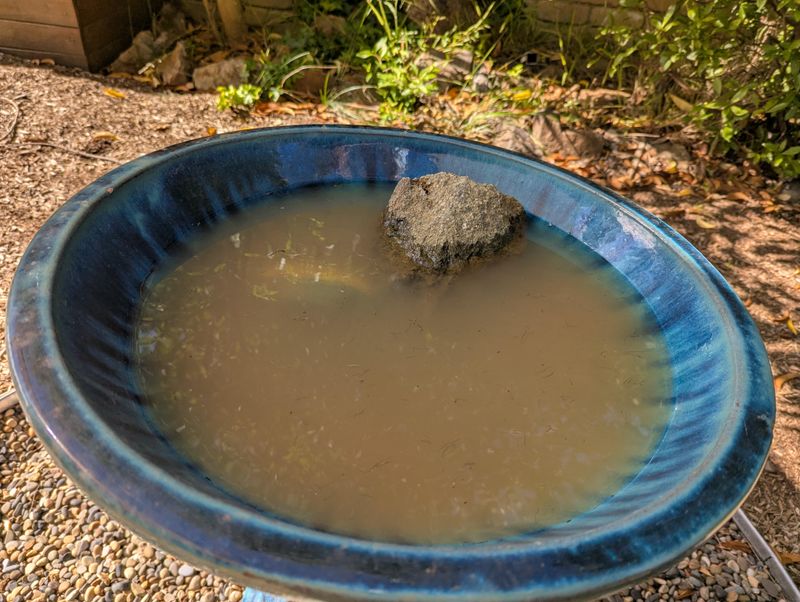
Stagnant water is water that just sits still and does not move. When water stays in a birdbath without being changed, it quickly becomes a breeding ground for bacteria, algae, and other harmful things.
Birds that drink or bathe in this kind of water can get very sick.
The problem is that dirty water does not always look dangerous right away. In the first day or two, the water might still look mostly clear.
But harmful bacteria can start growing even before you can see any visible signs of contamination.
Birds are small animals with sensitive systems. Even a small amount of contaminated water can cause serious health problems for them.
Songbirds, hummingbirds, and other backyard visitors that rely on your birdbath deserve better than a bowl of bacteria-filled water.
Leaving stagnant water in a birdbath all week is the single biggest summer mistake bird lovers make. Changing the water every one to two days is the most effective way to prevent this problem.
Fresh water is not just a nice bonus for birds. It is something they truly need to stay healthy and safe throughout the summer season.
2. Summer Heat Turns Water Bad Fast
Hot weather is tough on everyone, including backyard birds. But summer heat does more than just make birds thirsty.
It actually speeds up the process of water going bad inside a birdbath.
When temperatures climb into the 80s and 90s, warm water becomes the perfect environment for bacteria and algae to grow at a much faster rate.
What might take a week to become a problem in cooler weather can happen in just one or two days during a summer heat wave.
Birdbaths that sit in full sun are especially vulnerable. Direct sunlight heats the water quickly and keeps it warm all day long.
That warmth creates the exact conditions that harmful microorganisms love most.
Your Oregon Garden Changes Every Week. Your Plan Should Too.
Gardening in Oregon changes quickly throughout the season. Every Friday you’ll receive a simple weekly plan showing exactly what to plant, prune, fertilize, harvest, and protect so you never miss the right timing.
Many bird lovers in Oregon experience hot, dry summers with long stretches of sunshine. During those weeks, it is especially important to check the birdbath water daily.
Waiting even an extra day can allow dangerous levels of bacteria to build up fast.
One helpful trick is to place your birdbath in a spot that gets morning sun but afternoon shade. This helps keep the water cooler for longer without making the bath too shaded for birds to find easily.
Refreshing the water every day during the hottest weeks of summer is not just helpful. It is one of the most important things you can do to protect the birds that visit your yard each season.
3. Algae Builds Up In Shallow Baths
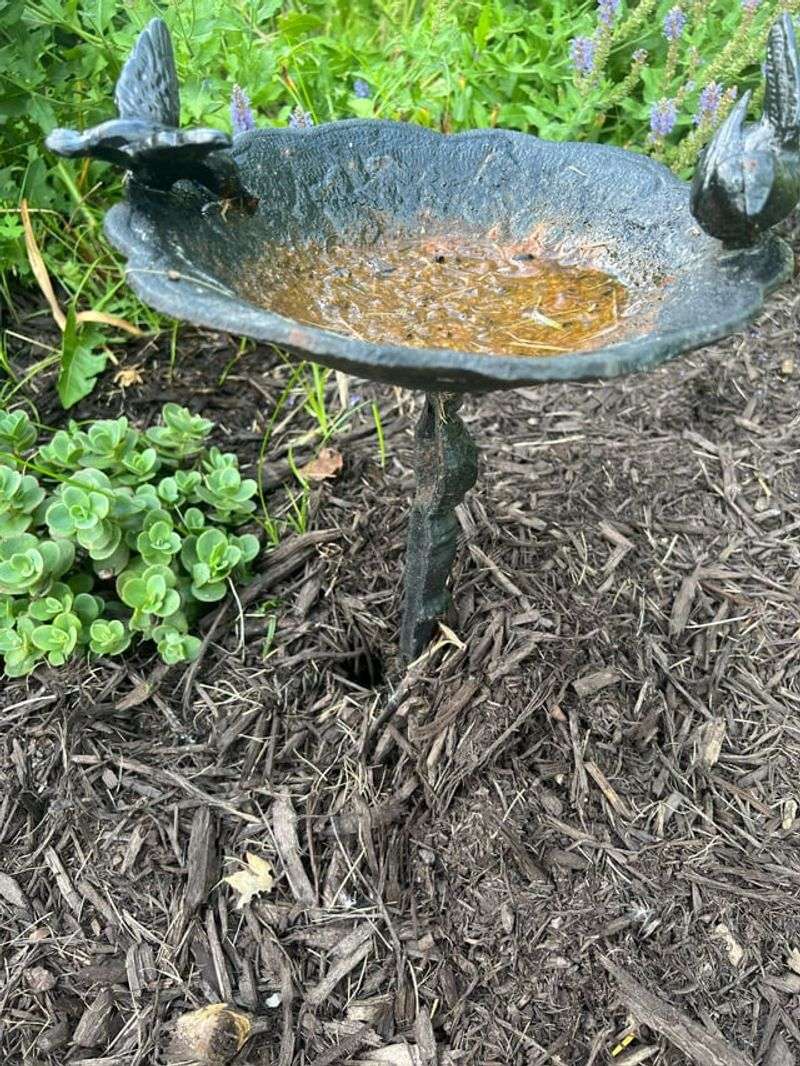
Green slime in a birdbath is never a good sign. That green coating is algae, and it grows fast in warm, shallow water that sits in the sun.
Most birdbaths are designed to be shallow, which makes them easy for birds to use but also perfect for algae growth.
Algae itself is not always immediately toxic to birds, but it creates a slippery surface inside the basin. Birds can lose their footing and struggle to bathe safely.
More importantly, algae growth is often a sign that the water is already filled with other harmful bacteria too.
Some types of algae can produce toxins that are dangerous to birds and other small animals. Blue-green algae, in particular, is known to be harmful even in small amounts.
It often appears during the hottest and sunniest parts of the summer season.
Once algae starts growing in a birdbath, it can spread and thicken quickly. A light green tint can turn into a thick, slimy coating in just a few warm days.
At that point, simply adding fresh water on top is not enough to fix the problem.
Scrubbing the basin thoroughly is the only real way to remove algae properly. A stiff brush and a diluted vinegar solution work well for this job.
Regular cleaning every few days during peak summer heat will stop algae from building up and keep the birdbath safe and welcoming for your backyard visitors.
4. Droppings Can Spread Disease
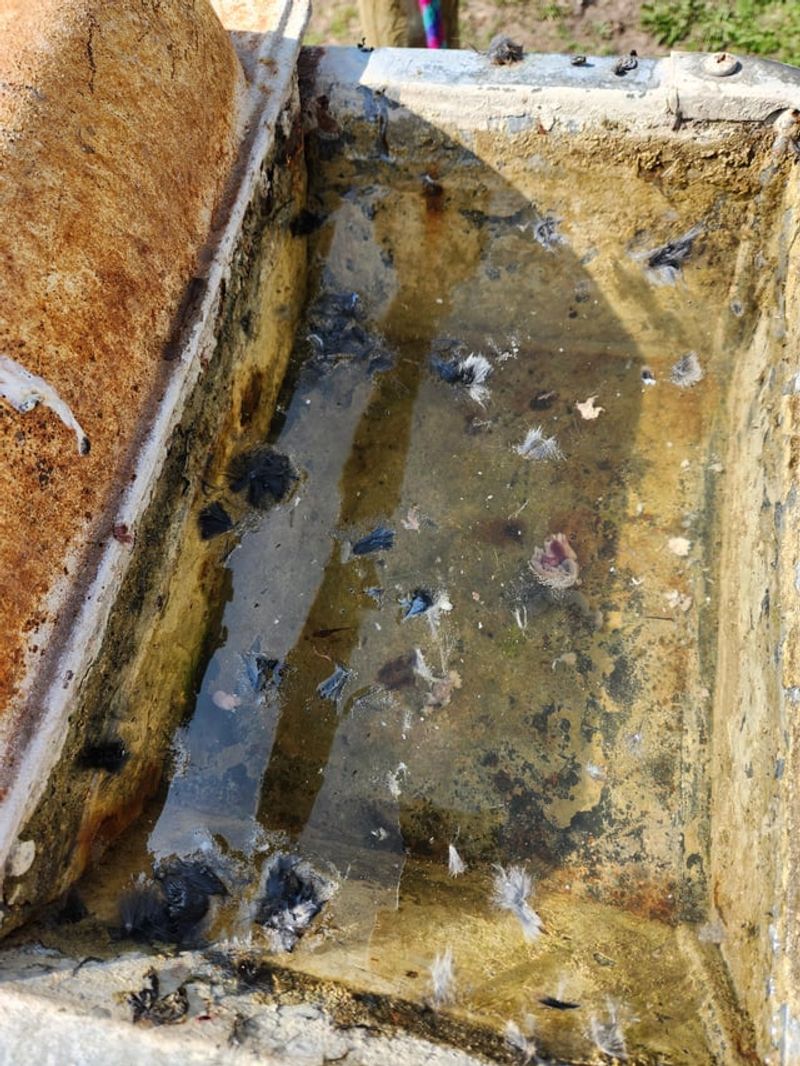
Birds are not exactly tidy guests. When they visit a birdbath, they often leave droppings behind in the water and on the rim of the basin.
This is completely natural behavior, but it creates a real health risk if the birdbath is not cleaned regularly.
Bird droppings can carry a variety of pathogens, including bacteria, parasites, and viruses. When droppings fall into the water, those harmful organisms spread throughout the entire bath.
Any bird that drinks or bathes in that water is then exposed to whatever the droppings were carrying.
Salmonella is one of the most common bacteria spread through contaminated birdbaths. It can move quickly through a flock of birds that all use the same water source.
An outbreak can affect many birds visiting a single backyard over just a few days.
The risk increases when multiple birds use the same bath throughout the day. More visitors mean more droppings and a faster buildup of contaminants.
Popular birdbaths in active yards need to be cleaned more often than ones that get only a few visitors each day.
Rinsing the basin and refreshing the water daily helps reduce the concentration of harmful material. But a full scrub with a brush is still needed regularly to remove the residue that rinsing alone cannot get rid of.
Protecting the birds you love means staying on top of this simple but very important cleaning habit every single week.
5. Mosquitoes Can Breed In Still Water
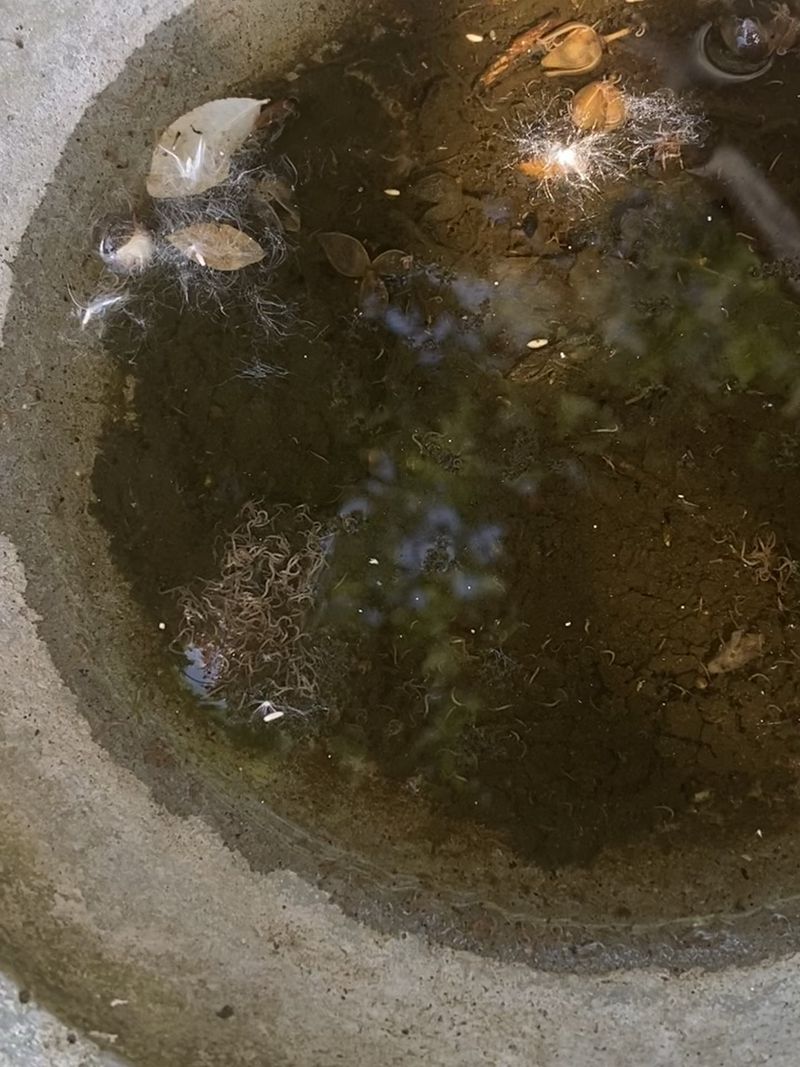
Still water and mosquitoes go together like summer and sunscreen. Any container of standing water left undisturbed for more than a few days can become a mosquito nursery.
Birdbaths are one of the most common culprits in backyard mosquito problems during the summer months.
A female mosquito only needs about an inch of standing water to lay her eggs. Those eggs can hatch into larvae in as little as 24 to 48 hours during warm weather.
That means a birdbath that has not been refreshed in two or three days could already be hosting a new generation of mosquitoes.
Mosquitoes are not just a nuisance for people. They can also carry diseases that affect birds.
West Nile virus is one example, and it has been documented in bird populations across Oregon. Mosquitoes that breed in your birdbath can spread this virus to the very birds you are trying to help.
The simplest way to prevent mosquito breeding is to change the birdbath water every one to two days. Moving water is also much less attractive to mosquitoes.
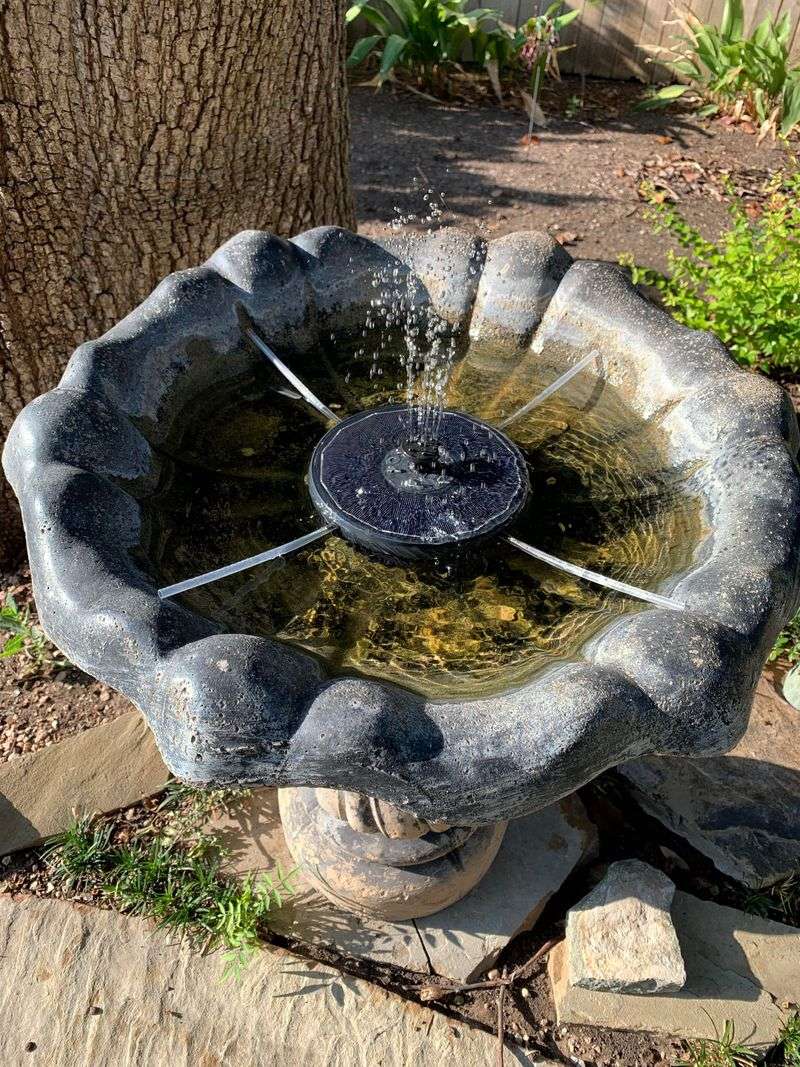
Adding a small solar-powered fountain or water wiggler to your birdbath keeps the water in motion and makes it harder for mosquitoes to lay eggs successfully.
Keeping mosquitoes out of your birdbath protects both your birds and your family. It is a small step that makes a big difference in keeping your backyard a safer and more enjoyable place all summer long.
6. Topping Off Is Not The Same As Cleaning
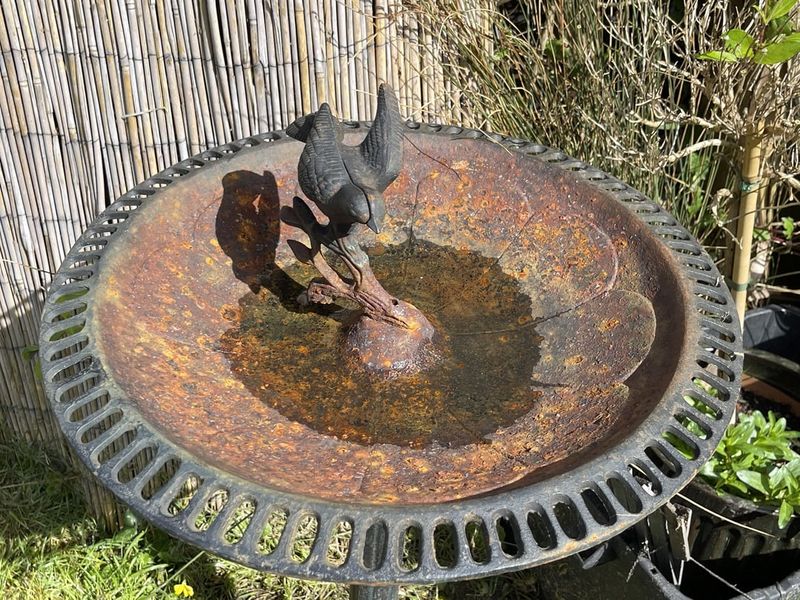
On a hot summer day, it is tempting to just top off the birdbath with a quick splash from the hose and call it good. It takes only a few seconds, and the bath looks full again.
But topping off is not the same as actually cleaning the birdbath, and that difference really matters.
When you add fresh water to a dirty birdbath, you are not removing the bacteria, algae, droppings, or debris that have already built up. You are simply diluting them.
The harmful organisms are still there, just spread through a larger volume of water for a short time.
Within hours, the contamination levels can climb right back up. Bacteria multiply quickly in warm water, so adding clean water on top of a dirty basin only provides a very brief and false sense of cleanliness.
Many well-meaning bird lovers make this mistake throughout the summer without realizing the water is still unsafe. The bath looks clean because the water is clear and full.
But looks can be deceiving when it comes to microscopic organisms living in the water.
Real cleaning means emptying the basin completely, scrubbing it with a brush to remove all residue and buildup, rinsing it thoroughly, and then refilling it with fresh water. Topping off can be done between cleanings to keep the water level up.
But it should never replace a proper scrub and full water change. Your backyard birds deserve the real thing, not just a shortcut.
7. Daily Rinsing Keeps Water Safer
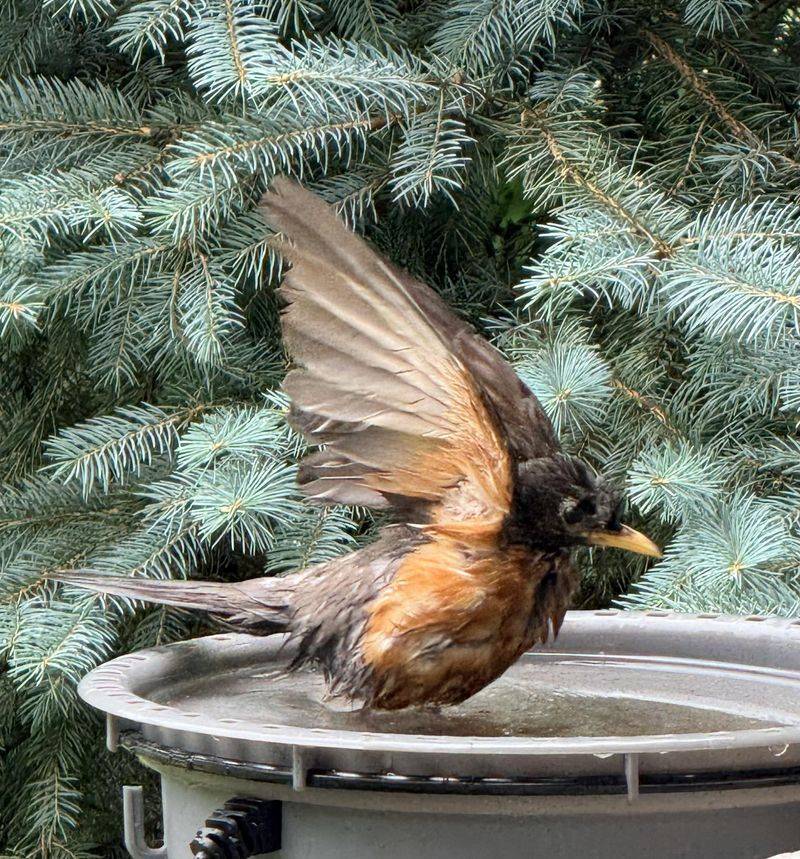
Not every bird lover has time for a full deep clean every single day. Life gets busy, and that is completely understandable.
But even a quick daily rinse can make a meaningful difference in the safety of your birdbath water.
Rinsing the birdbath each morning is one of the easiest habits you can build into your summer routine. It takes less than two minutes.
You dump out the old water, give the basin a quick swirl and rinse with fresh water from the hose, and then refill it. That simple step removes a large portion of the bacteria and debris that accumulated overnight.
Birds are most active in the early morning hours. Starting the day with a clean, freshly filled birdbath gives them the best possible water right when they need it most.
It also helps you spot any problems, like cracks, algae growth, or debris buildup, before they get worse.
Daily rinsing is not a replacement for scrubbing. You still need to do a proper cleaning with a brush every few days.
But rinsing every day between full cleanings dramatically reduces the rate at which harmful things build up in the water.
Think of daily rinsing as the foundation of good birdbath care. It is quick, easy, and highly effective at keeping the water fresher for longer.
Birds in Oregon will reward your small daily effort with more frequent visits and healthier, more vibrant behavior throughout the warm summer months.