This Is The Right Way To Water Oregon Hydrangeas
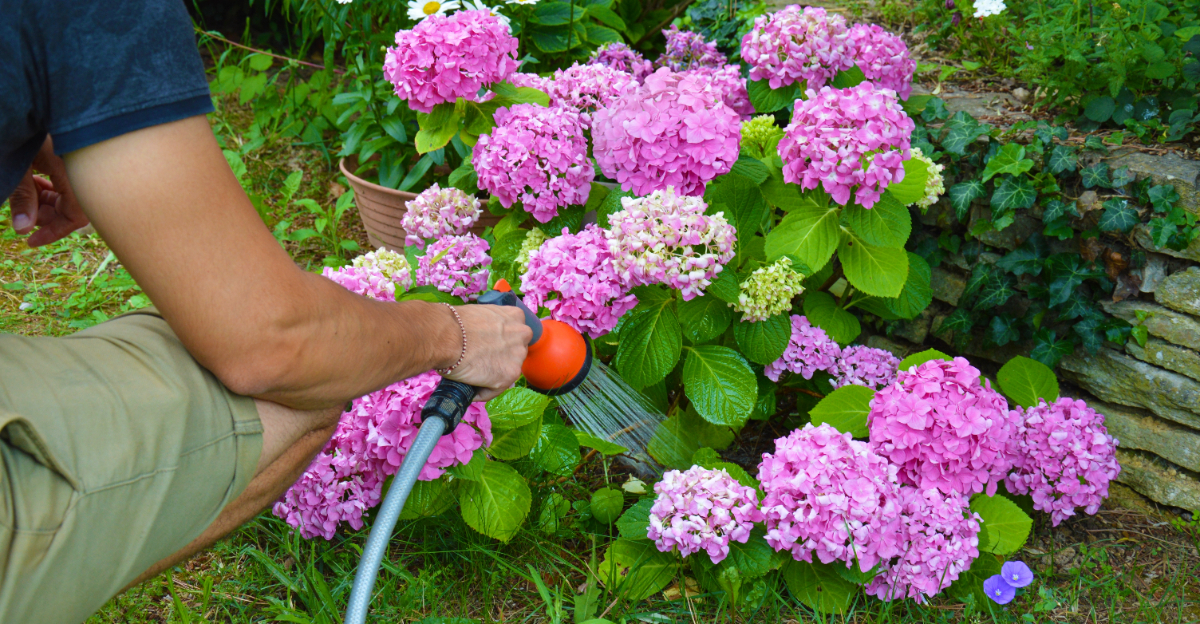
Hydrangeas can look lush in an Oregon garden, but they are quick to complain when watering is off. One hot afternoon can leave the leaves drooping, even if the plant seemed fine that morning.
The confusing part is that wilt does not always mean the same thing. Sometimes the soil is too dry.
Other times, the roots are sitting in too much moisture and cannot breathe well. That is why the right watering method matters more than simply adding more.
Oregon’s mix of spring rain and summer dry spells can make the routine tricky. A steady, thoughtful approach helps hydrangeas stay full without pushing them into stress.
Learn what the plant is really telling you, and watering becomes much easier to get right.
1. Water Deeply Instead Of Sprinkling The Surface
A quick sprinkle on the surface might seem like enough, but hydrangeas need water that reaches deep into the soil. Shallow watering only wets the top inch or two of soil.
The roots below stay dry and the plant struggles to absorb what it needs.
Deep watering encourages roots to grow downward. When roots grow deeper, they have access to more moisture and nutrients.
This makes the plant stronger and better able to handle dry summer days.
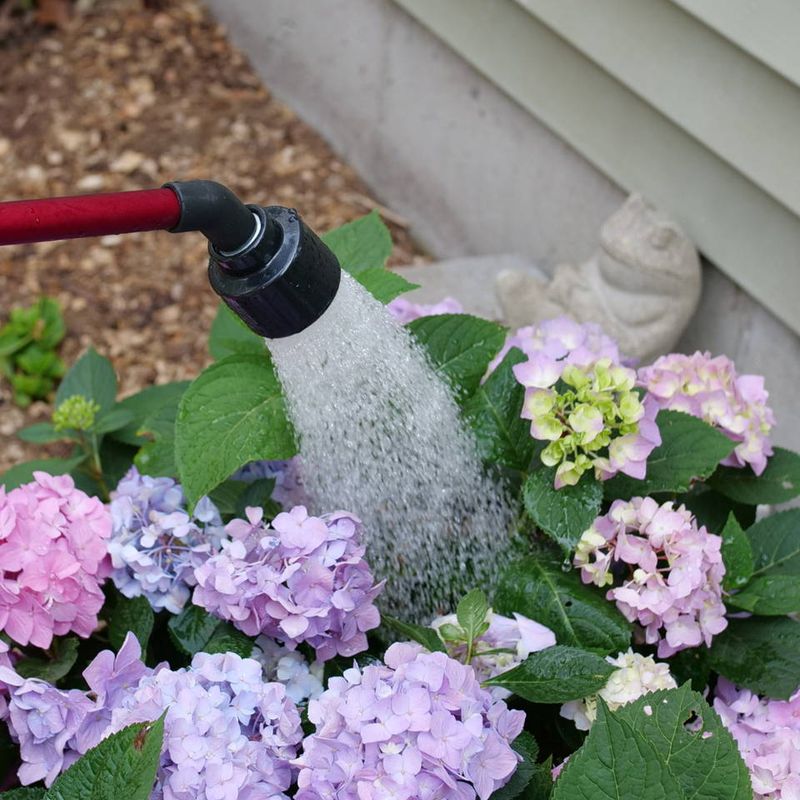
To water deeply, let the hose run slowly at the base of the plant for several minutes. You want the water to soak at least six to eight inches into the ground.
A slow, steady flow works much better than a fast blast of water.
Doing this two to three times a week during dry summer months is usually enough for established plants. Always check the soil before watering again.
If the top two inches feel moist, you can wait another day or two before watering.
Deep watering also trains your hydrangea to become more self-sufficient over time. Plants that get deep, thorough drinks develop stronger root systems.
That means less work for you and healthier blooms all season long. Once you make this a regular habit, you will notice a real difference in how full and vibrant your hydrangeas look throughout the growing season.
2. Aim For Evenly Moist, Not Soggy Soil
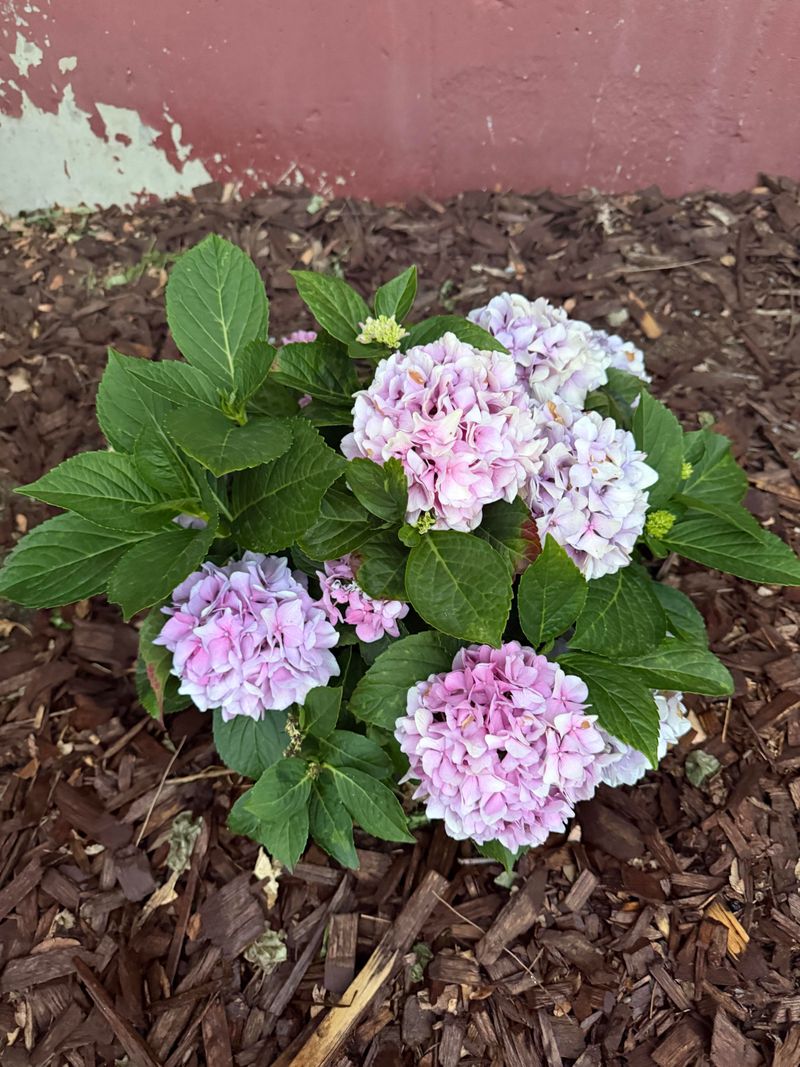
Getting the moisture level just right is one of the most important parts of caring for hydrangeas. Too little water and the plant wilts.
Too much water and the roots can suffer from rot. The sweet spot is soil that feels evenly moist but not soaking wet.
Think of it like a wrung-out sponge. It holds moisture without dripping water everywhere.
That is exactly the kind of soil your hydrangea loves to grow in. Checking the soil with your fingers is the easiest way to know if it is time to water.
Push your finger about two inches into the soil near the base of the plant. If it feels dry at that depth, it is time to water.
If it still feels cool and slightly damp, give it another day before checking again.
Soggy soil is a common problem in areas with heavy clay soil, which is found in many parts of Oregon. If water pools around your plant after watering, your drainage may be poor.
Your Oregon Garden Changes Every Week. Your Plan Should Too.
Gardening in Oregon changes quickly throughout the season. Every Friday you’ll receive a simple weekly plan showing exactly what to plant, prune, fertilize, harvest, and protect so you never miss the right timing.
Adding compost or organic matter to the soil can help improve drainage over time.
Raised beds and well-amended garden beds drain much better than compacted ground. A little effort upfront to improve your soil goes a long way.
Evenly moist soil keeps roots healthy and gives your hydrangeas the steady supply of water they need to produce those gorgeous, full blooms.
3. Water At The Base To Protect The Leaves
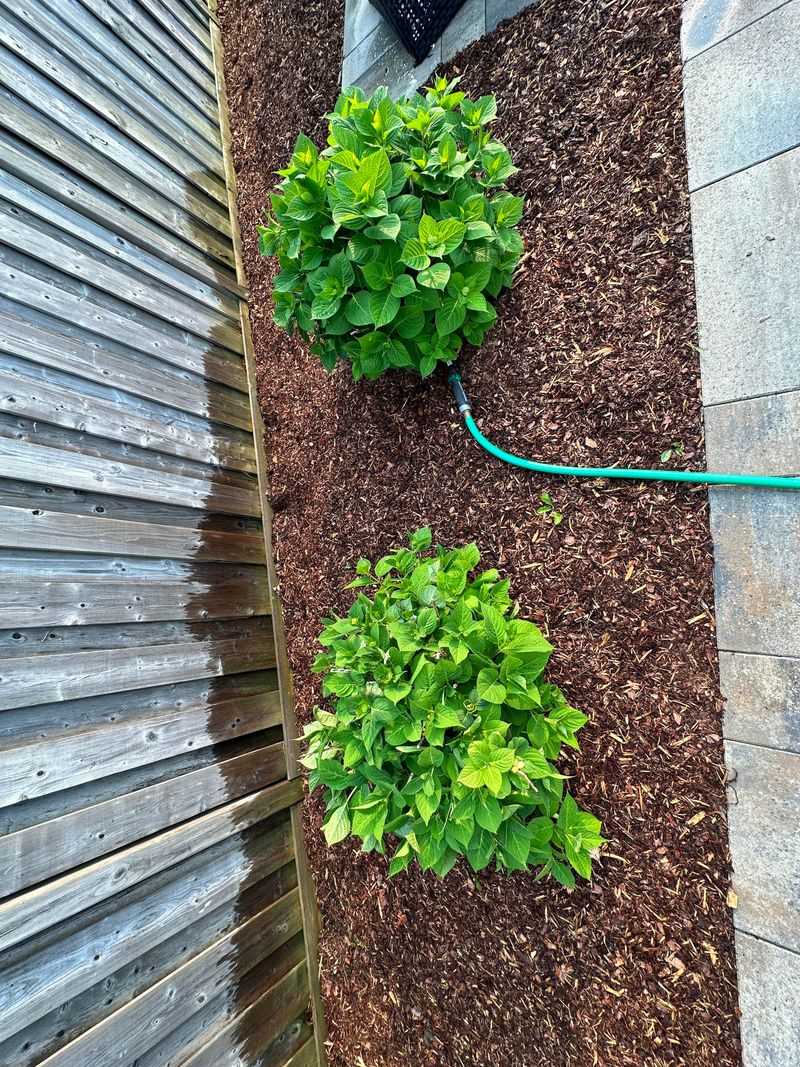
Wetting the leaves of a hydrangea might seem harmless, but it can actually cause problems. Water sitting on leaves can lead to fungal issues like powdery mildew and leaf spot.
These conditions are especially common in our Oregon during cooler, damp seasons.
Always aim the water directly at the soil around the base of the plant. This keeps the foliage dry and reduces the risk of disease.
It also makes sure the water goes exactly where the roots need it most.
A soaker hose or drip irrigation system is a great tool for base watering. These systems deliver water slowly and directly to the root zone.
They also help conserve water, which is a real bonus during dry summer months in our Oregon.
If you use a regular garden hose, hold the nozzle low to the ground and direct the flow toward the base of the plant. Try to avoid splashing water up onto the stems and leaves.
A gentle, low-pressure setting works best for this.
Overhead sprinklers are not ideal for hydrangeas. They wet the entire plant from top to bottom and leave foliage damp for long periods.
This creates the perfect environment for fungal spores to spread.
Keeping leaves dry is a simple habit that pays off big. Healthy, disease-free foliage means your plant can focus all its energy on producing those stunning clusters of blooms you love.
4. Morning Watering Helps Plants Handle Heat
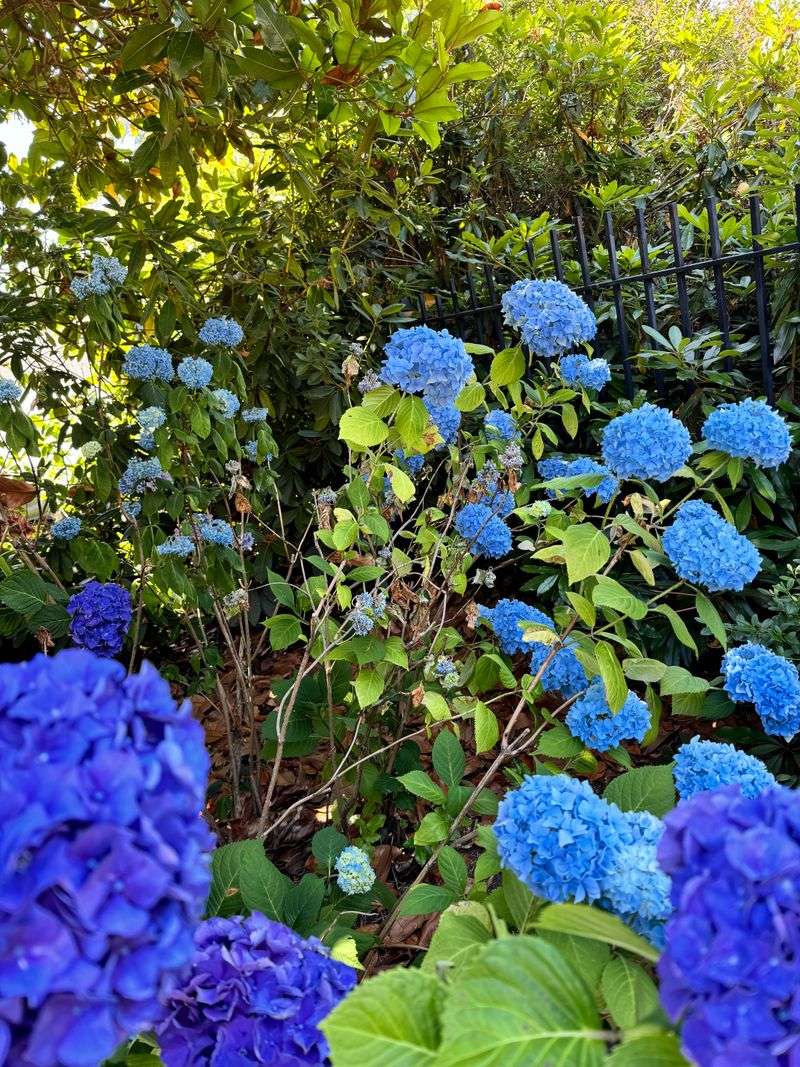
Timing your watering sessions can make a real difference in how well your hydrangeas hold up during warm weather. Early morning is the best time to water because the temperatures are still cool.
The water soaks into the soil before the sun gets strong enough to cause evaporation.
Watering in the morning also gives the plant a full tank of moisture to draw from as the day heats up. During hot summer afternoons, hydrangeas can lose moisture quickly through their large leaves.
Starting the day well-hydrated helps them stay upright and perky even when temperatures climb.
Another benefit of morning watering is that any water that accidentally lands on the leaves has time to dry before evening. Wet leaves at night are much more likely to develop fungal problems.
A dry plant going into the overnight hours is a healthier plant overall.
Evening watering is the least ideal option. Moisture sitting on soil and foliage overnight creates damp conditions that fungi love.
If morning watering is not possible, aim for late afternoon so the plant has a little time to dry before dark.
Midday watering during peak heat is also not recommended. Much of the water evaporates before it can reach the roots.
You end up using more water while the plant gets less benefit. Sticking to a morning routine is the simplest and most effective habit you can build for your hydrangeas this season.
5. Mulch Keeps Hydrangea Roots Cooler
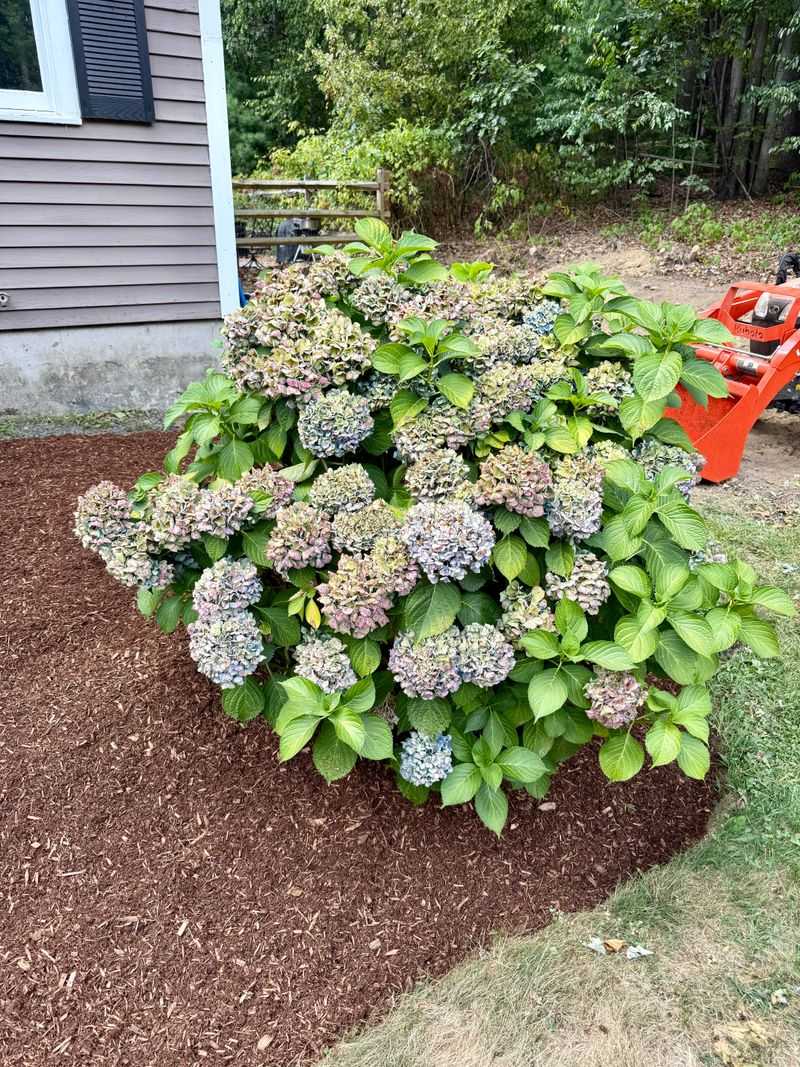
Mulch is one of the most underrated tools in any gardener’s toolkit. A good layer of mulch around your hydrangea does several important things at once.
It slows down evaporation, keeps soil temperature steady, and helps hold moisture right where the roots need it.
In Oregon, summer temperatures can get surprisingly warm, especially in the Willamette Valley and southern parts of the region. Mulch acts like a protective blanket over the root zone.
It shields the soil from direct sun and keeps roots from overheating during the hottest part of the day.
Wood chips, shredded bark, and straw are all great mulch options for hydrangeas. Spread a layer about two to three inches thick around the base of the plant.
Keep the mulch a few inches away from the main stem to prevent moisture buildup against the bark.
Fresh mulch applied in late spring helps set your plant up for a strong summer season. As the mulch breaks down over time, it also adds organic matter back into the soil.
This improves soil structure and feeds the plant naturally.
Replenish the mulch layer once or twice a year to keep it effective. Over time, it compacts and thins out.
A fresh top-up in spring and again in early fall keeps the benefits going strong. With proper mulching, you may find yourself watering less often while your hydrangeas stay healthier and more vibrant than ever.
6. Afternoon Shade Reduces Water Stress
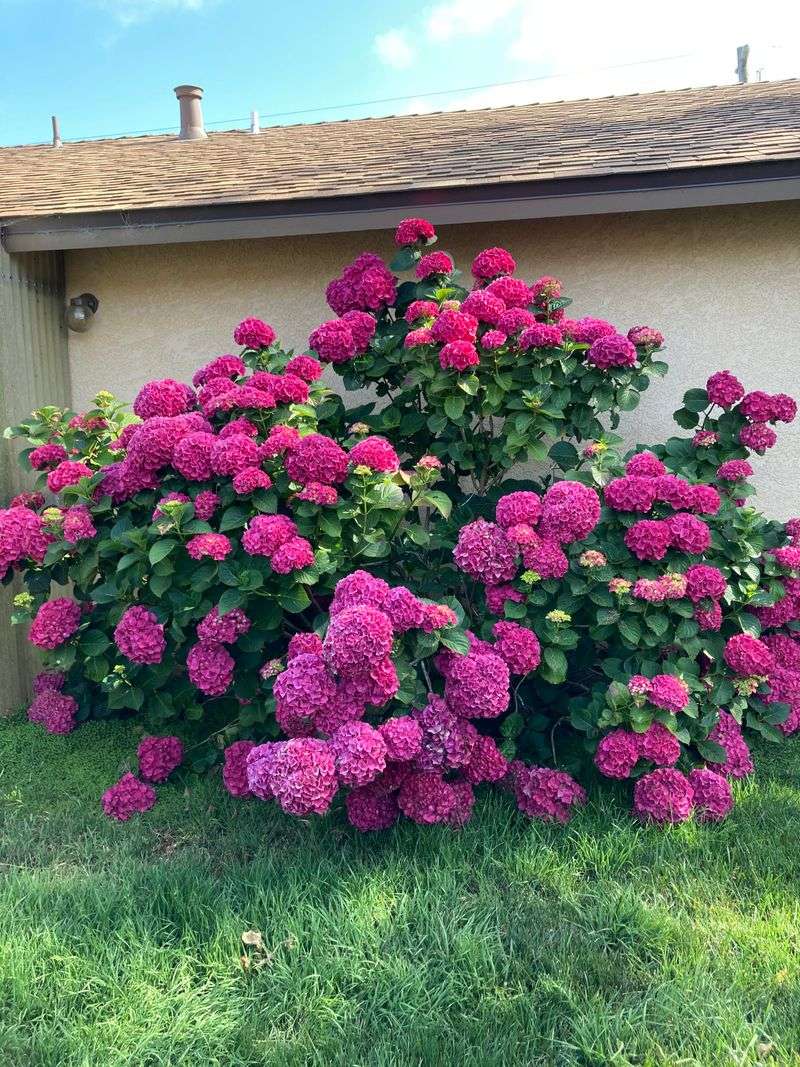
Full afternoon sun can be rough on hydrangeas, especially during dry stretches in summer. The intense heat of the afternoon sun causes plants to lose moisture through their leaves at a rapid rate.
This process, called transpiration, can leave a plant looking droopy and stressed even when the soil is moist.
Planting hydrangeas where they receive morning sun and afternoon shade is one of the smartest moves you can make. Morning sun gives them the light they need to bloom beautifully.
Afternoon shade protects them from the most intense heat of the day.
Many Oregon gardens naturally have areas with dappled shade from nearby trees or fences. These spots are often perfect for hydrangeas.
A location that gets four to six hours of morning sun followed by filtered shade in the afternoon is close to ideal.
If your current planting spot gets full afternoon sun and your hydrangeas are struggling, there are a few options. You can add a shade cloth over the plant during the hottest weeks.
You can also plant taller shrubs or ornamental grasses nearby to create natural shade.
Reducing water stress through smart placement means your plant uses water more efficiently. You will not need to water as often, and the plant will look better throughout the season.
Shade is a free and simple solution that works hand in hand with good watering habits to keep your hydrangeas thriving all summer long.
7. New Hydrangeas Need More Frequent Checks
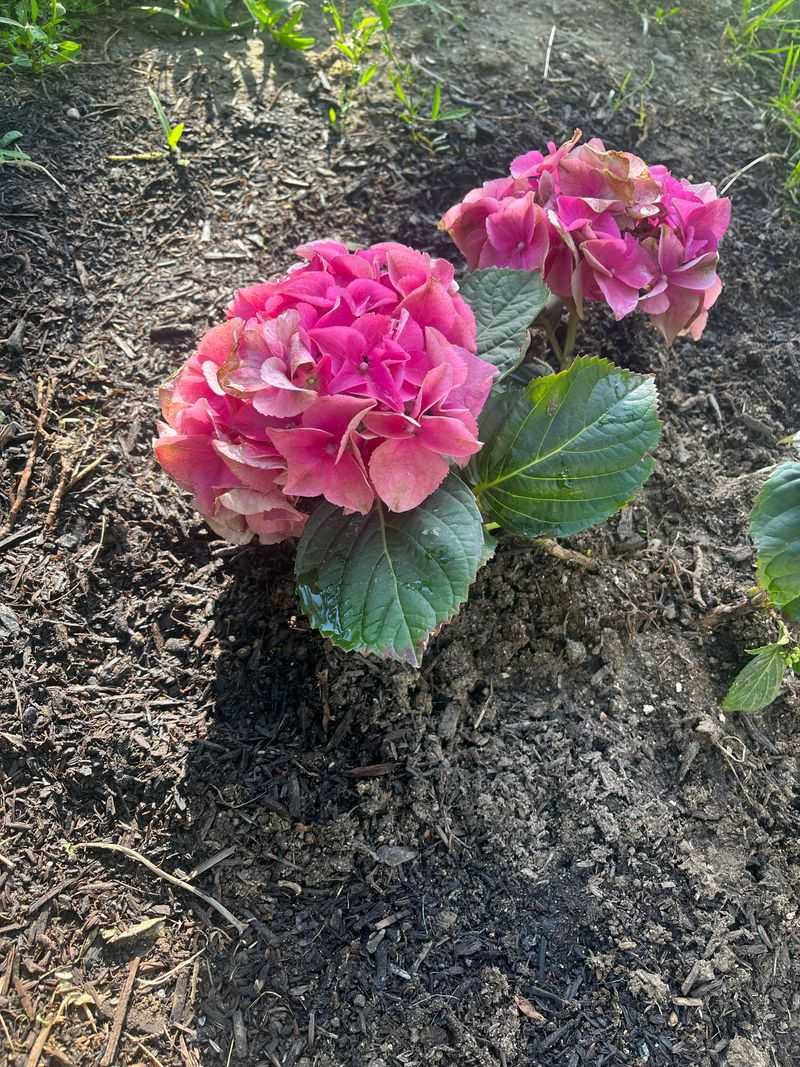
Newly planted hydrangeas have not yet developed the deep, established root systems that help older plants handle dry spells. Their roots are still close to the surface and rely heavily on consistent moisture from you.
For the first growing season, checking on them more often is just part of the deal.
During the first few weeks after planting, check the soil every day or two. The root ball of a new transplant can dry out faster than the surrounding soil.
Even if the nearby ground feels moist, the root ball itself might need water sooner than you think.
A good rule of thumb for new plants is to water deeply every two to three days during warm, dry weather. In cooler or cloudier weeks, you can stretch that out a bit.
Always let the soil guide you rather than sticking to a rigid schedule.
Watch for signs that the plant needs water. Slightly wilting leaves in the early morning, before the heat of the day, can be an early signal.
Catching it early and watering promptly helps the plant recover quickly without added stress.
By the second year, roots will have spread much further into the surrounding soil. The plant becomes more capable of finding its own moisture.
Watering needs drop significantly once the plant is established. But giving it the extra attention it needs in that first season sets the foundation for years of healthy, full blooms ahead.
8. Wilting Does Not Always Mean Instant Panic
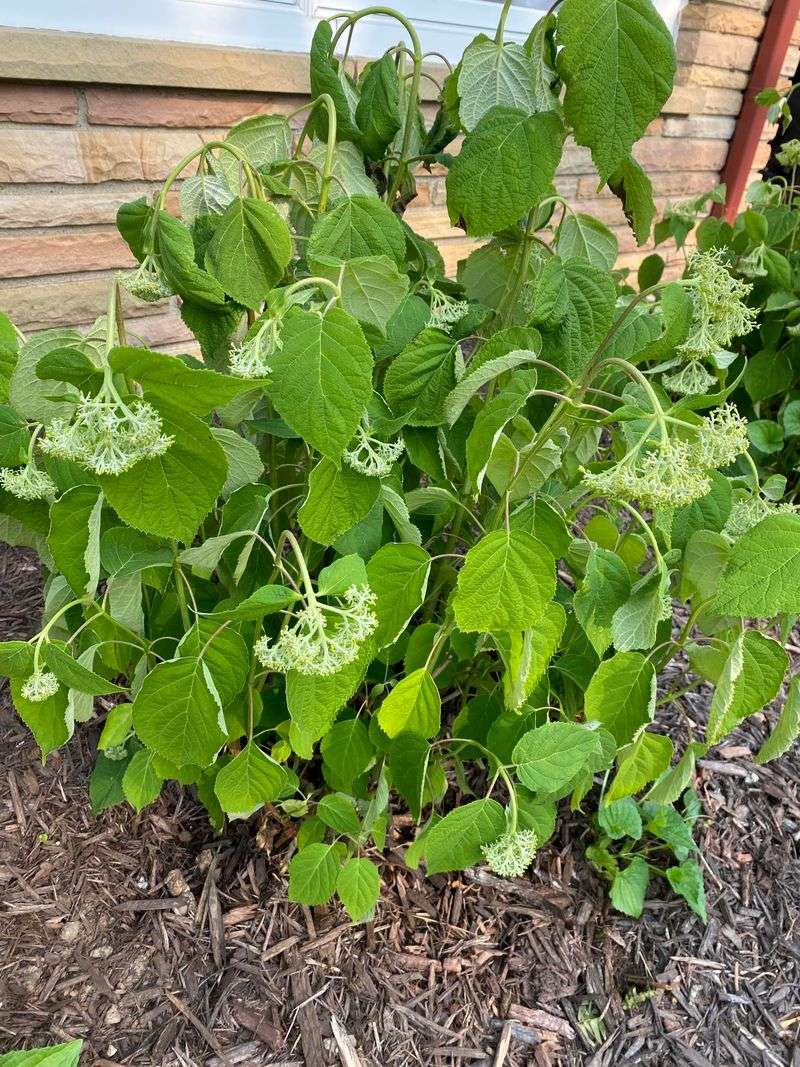
Seeing your hydrangea droop on a hot afternoon can feel alarming, but it does not always mean something is seriously wrong.
Hydrangeas are known for wilting in the heat of the day, even when the soil has plenty of moisture. It is a normal response to high temperatures and strong sun.
Before grabbing the hose in a panic, check the soil first. Push your finger two inches into the ground near the base of the plant.
If the soil feels moist, the wilting is likely just heat stress, and the plant will perk back up once evening temperatures cool down.
Wait until the next morning to reassess the situation. A plant that is simply reacting to afternoon heat will usually look much better by the time the sun rises again.
If it is still drooping in the cool morning hours, that is a clearer sign that it needs water.
Overwatering is actually a common mistake that Oregon gardeners make when they see wilting. Adding more water to already saturated soil makes things worse, not better.
Roots need both water and oxygen, and waterlogged soil cuts off the oxygen supply.
Learning to read your plant takes a little time and practice. But once you understand the difference between heat wilt and true thirst, you will feel much more confident in your care routine.
Trust the soil, watch your plant over time, and you will quickly get a feel for exactly what your hydrangeas need.