Why Rosemary Is One Of The Riskiest Plants To Grow Within 5 Feet Of A California Home
Rosemary has a reputation as the easygoing star of California gardens. It smells great, handles dry weather, and rarely asks for much.
That calm image can hide a serious problem when the plant sits too close to the house.
Summer heat can change the way rosemary behaves near walls and windows. Older shrubs often collect dry material deep inside, even when the outer growth still looks healthy. Sneaky, right?
The five-foot zone around a home deserves extra attention in fire-prone areas. Plants in that space can affect how flames reach siding or nearby structures.
A favorite herb may not seem threatening until conditions turn extreme. This does not mean rosemary has no place in the landscape. Placement makes the difference.
A safer spot can preserve its fragrance without adding unnecessary risk near the home. That small decision may matter far more than most gardeners expect.
1. Rosemary Looks Tough But Burns Hot
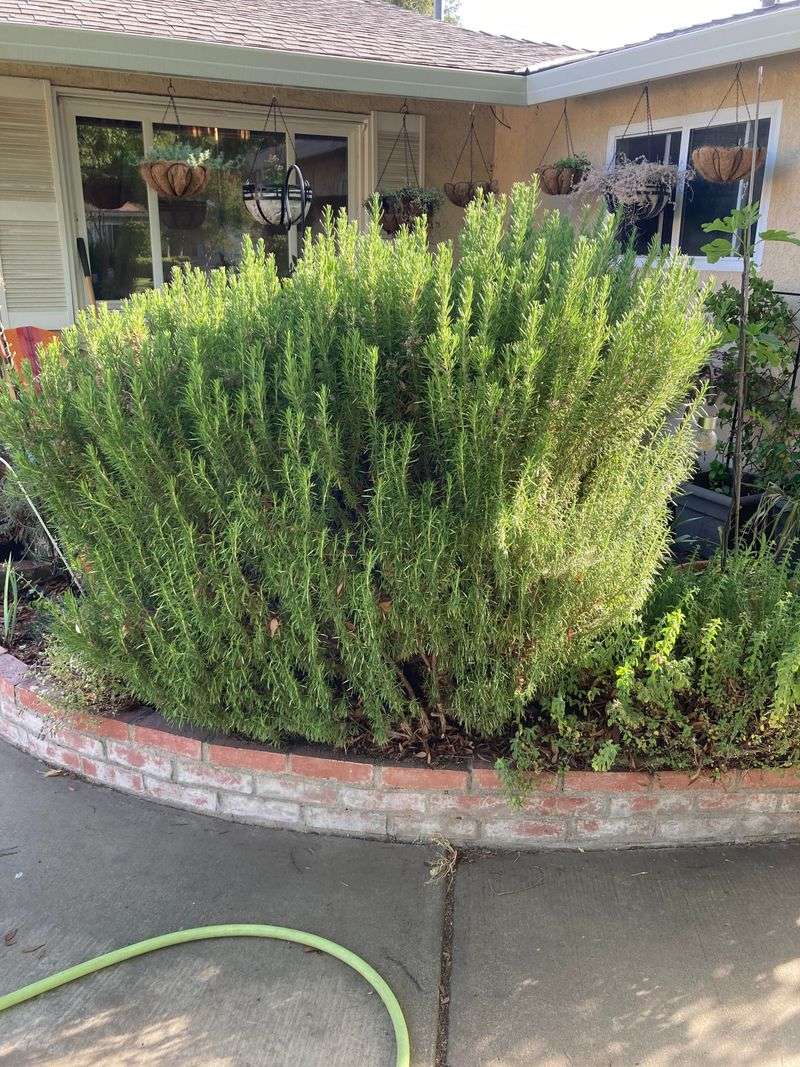
Most people see rosemary as a rugged, no-fuss plant that can handle heat and drought. That reputation is earned.
But the same traits that make it tough also make it a serious fire hazard near any structure.
Rosemary contains high levels of natural oils inside its leaves and stems. Those oils are not just aromatic.
They are highly flammable. When temperatures rise and humidity drops, those oils concentrate even more.
The plant essentially becomes a bundle of slow-burning fuel sitting right next to your siding or stucco.
Unlike some plants that simply catch fire and burn out quickly, rosemary burns hot and steady.
Firefighters and fire safety experts in California have flagged it as one of the most combustible landscape plants commonly used in residential yard. It does not just flame up. It holds a burn.
Many homeowners are surprised to learn this because rosemary looks so green and healthy during cooler months. But looks can be misleading.
Even a well-watered rosemary plant still carries those volatile oils year-round. The moisture level of the leaves matters less than people think when those oils are present.
Planting it close to your home feels harmless until fire season arrives. Then that beautiful, fragrant shrub becomes one of the biggest risks in your yard.
2. Woody Stems Turn Into Hidden Fuel
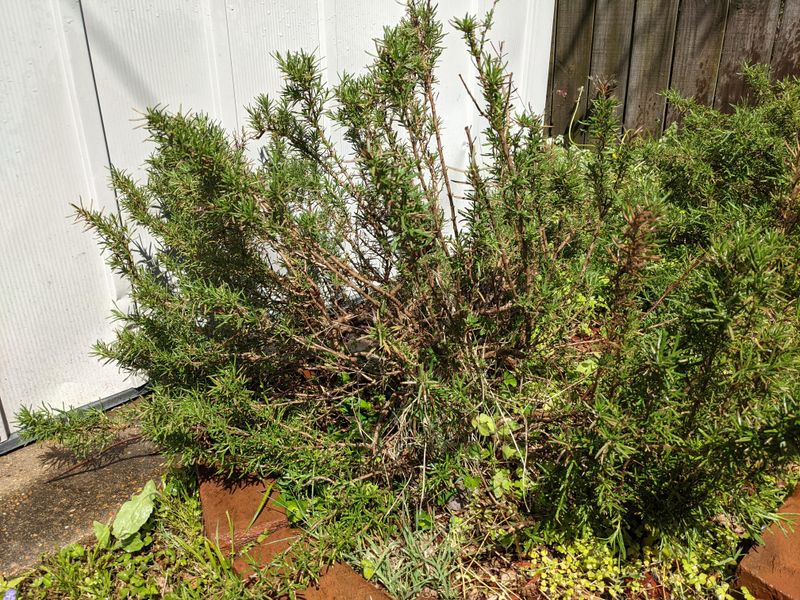
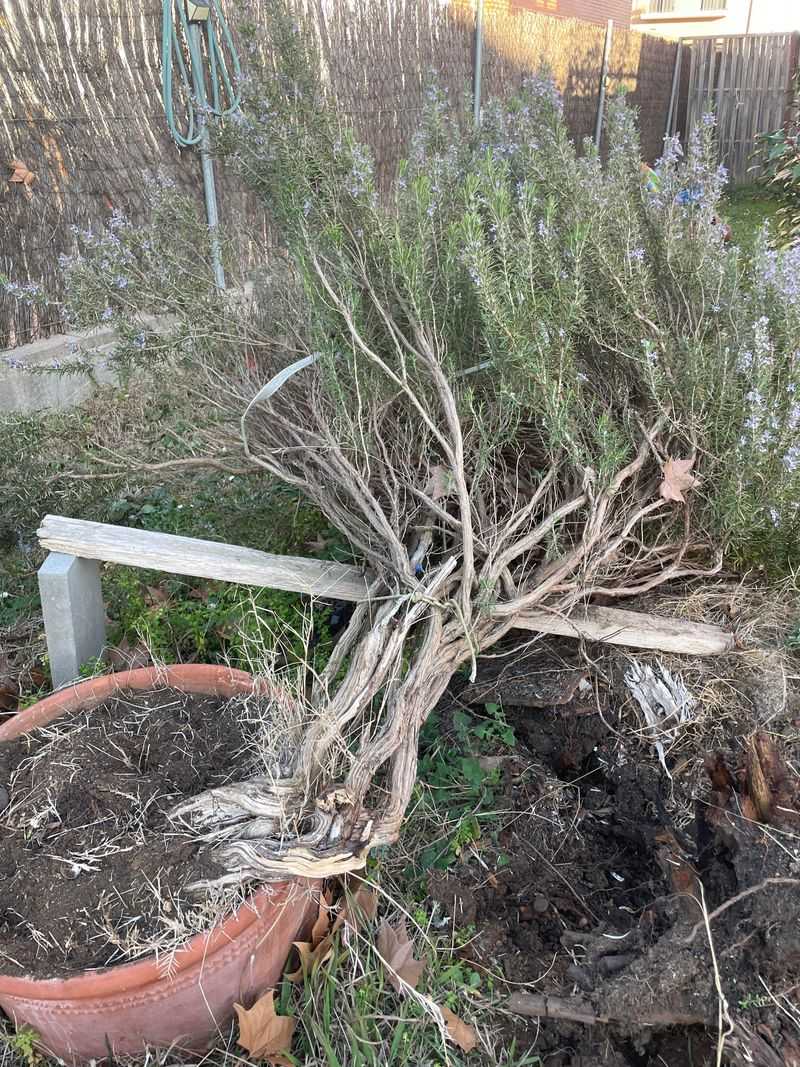
One thing most people never think about is what rosemary looks like on the inside. The outside of the plant is green and leafy.
But underneath all that greenery, the stems are dry, thick, and extremely woody.
As rosemary ages, those inner stems stop producing new growth. They just sit there, getting drier and more brittle every season.
Over time, you end up with a plant that has a dense core of damaged, dry wood hiding under a green surface. That core is basically kindling.
When a fire reaches the outer leaves, it does not stop there. It moves inward and feeds on all that dry woody material.
This creates a fire that burns longer and hotter than you might expect from a small ornamental shrub.
Pruning helps, but it does not fully solve the problem. Even a regularly trimmed rosemary plant still develops woody interior growth.
Your California Garden Changes Every Week. Your Plan Should Too.
Gardening in California changes quickly throughout the season. Every Friday you’ll receive a simple weekly plan showing exactly what to plant, prune, fertilize, harvest, and protect so you never miss the right timing.
The stems at the base can reach an inch or more in diameter on older plants. That is a significant amount of combustible material sitting just a few feet from your exterior walls.
In fire-prone regions, landscape professionals often recommend removing mature rosemary plants near structures entirely.
Replacing them with low-oil, low-fuel alternatives is a much safer long-term choice for any homeowner serious about fire safety.
3. Oily Leaves Make It Riskier Near Walls
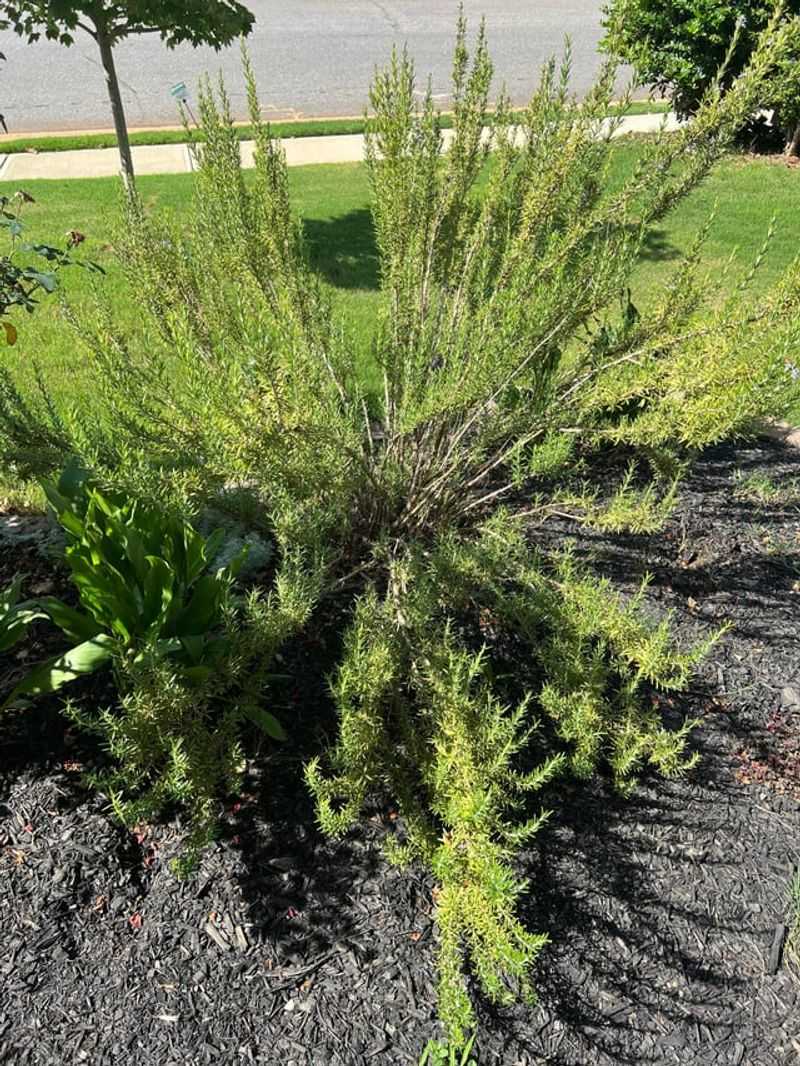
The smell of rosemary is one of the reasons people love it so much. That strong, piney fragrance comes from the essential oils stored inside every single leaf.
Those oils are what make the herb useful in cooking and aromatherapy. They are also what make it dangerous near your home.
Essential oils in plants are volatile compounds. That means they evaporate easily and ignite at relatively low temperatures.
On a hot summer day in California, rosemary leaves can release those oils into the air around the plant. You can actually smell it more strongly on hot days for exactly that reason.
When rosemary grows close to a wall, those oil vapors have nowhere to go. They collect near the surface of the plant and in the air directly around it.
If a spark or ember lands nearby, those vapors can ignite before the flame even touches the leaves directly.
Walls and fences trap heat too. A south-facing wall can get extremely hot on a summer afternoon.
That extra heat causes the rosemary leaves nearby to release even more oil. The combination of a hot wall, concentrated oil vapors, and dry conditions creates a genuinely risky situation.
Keeping any oily-leaf plant away from exterior walls is one of the simplest steps you can take to lower fire risk around your home this season.
4. Dry Interior Growth Builds Up Fast
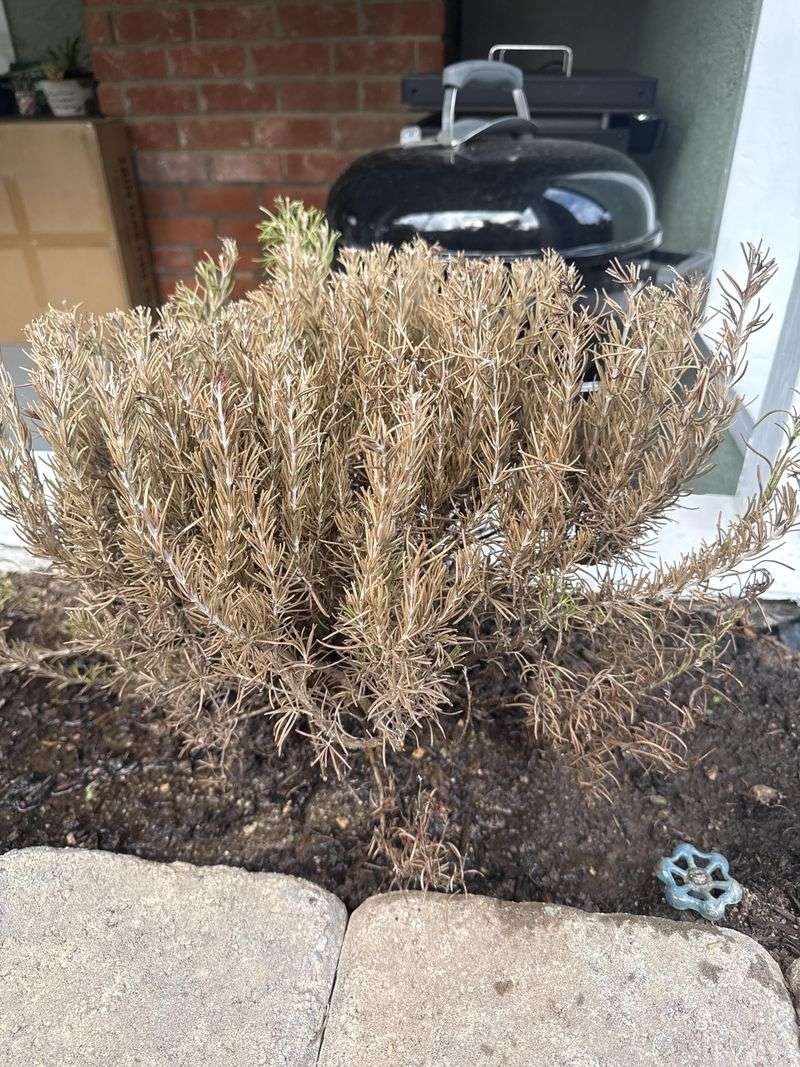
Rosemary grows fast. During mild winters and cool springs in California, it can put on several inches of new growth in just a few weeks.
That sounds great for filling in a garden bed, but there is a downside that builds up quietly over time.
As new growth pushes outward, the older interior stems get shaded out. They stop getting sunlight and air circulation.
Without those things, they dry out and stop being viable. What you are left with is a growing shell of green leaves surrounding a core of dry, withered material.
That damaged interior does not just sit there harmlessly. It becomes a fire-ready fuel source that is protected from rain and moisture by the green outer layer.
Even after a good rain, the interior of a large rosemary plant can remain dry because the dense outer growth acts like a canopy.
Over two or three growing seasons, a rosemary plant near your home can accumulate a surprisingly large amount of this dry interior material. Many homeowners do not realize how much is in there because the outside still looks lush and full.
Cutting back rosemary aggressively once or twice a year can slow this buildup. But if the plant has been in place for several years without heavy pruning, the interior fuel load may already be significant.
A professional assessment can help you understand the actual risk level.
5. Damaged Needles Collect Under The Plant
Here is something most homeowners walk right past without noticing. Beneath every rosemary plant, there is a layer of fallen leaves, or needles, that builds up on the ground over time.
Those small, dry, oil-coated needles are some of the most flammable material in your yard.
Fresh rosemary leaves are somewhat flexible, but once they fall and dry out, they become brittle little slivers packed with residual oil.
They do not decompose quickly like regular leaves do. They just pile up, staying dry and crispy for a long time.
This ground-level layer of debris is a serious ignition risk. Embers from a nearby fire can land in that pile and smolder for a while before igniting.
Once that ground-level debris catches, the fire has a direct path upward into the dry woody stems and then into the rest of the plant.
When rosemary grows near a wall or foundation, that debris collects in a narrow space where it is hard to clean out. It piles up against the wall, creating a direct connection between the ground and the structure.
That connection is exactly what fire needs to move from the yard to the house.
Clearing debris from under any shrub near your home is a basic but important fire safety habit. For rosemary specifically, doing this every few weeks during fire season makes a real difference.
6. Five Feet Is The Danger Zone
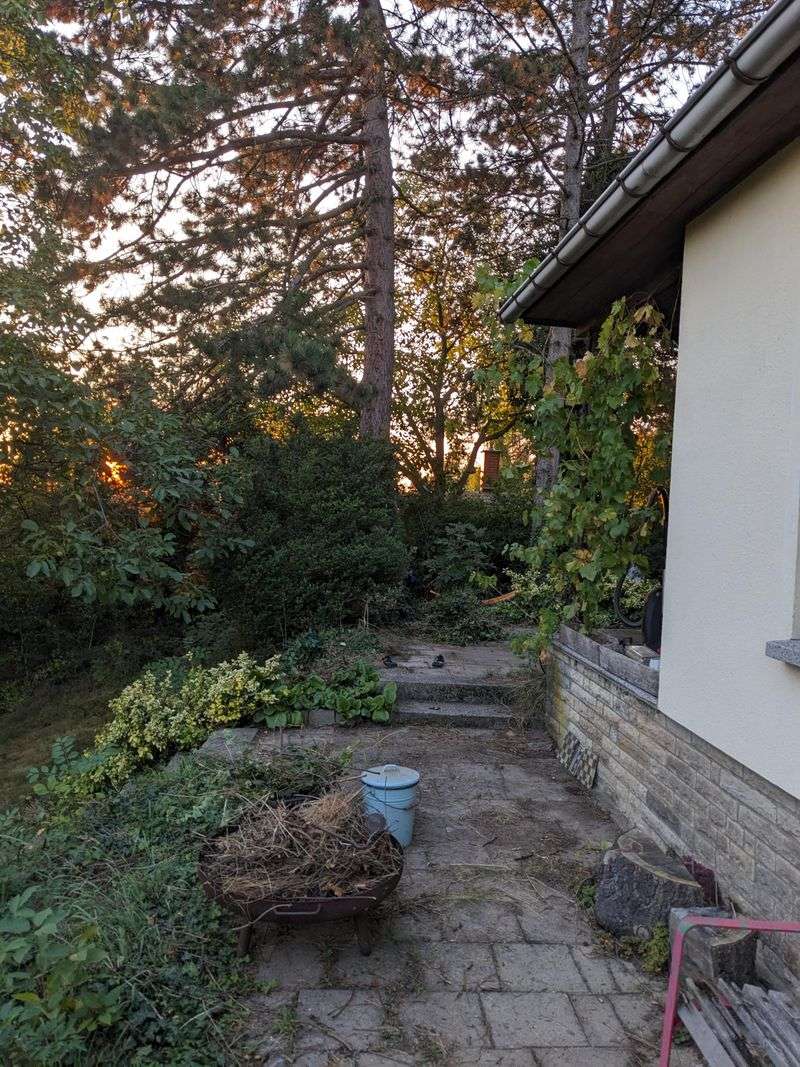
Fire safety guidelines in our state are clear about one thing: plants within five feet of your home’s exterior walls are in what experts call the Zone Zero area.
This zone is where fire risk is highest, and it requires the most careful attention when it comes to plant selection.
Five feet might sound like a generous buffer, but it goes fast. A medium-sized rosemary plant can easily reach three to four feet wide.
Add in the space the branches hang and sway, and you can have plant material making contact with your siding or eaves without even realizing it.
Within this five-foot zone, fire officials recommend using non-combustible materials like gravel, stone, or pavers instead of plants.
If plants are used, they should be low-water, low-oil species that stay small and are easy to maintain. Rosemary fits none of those criteria once it matures.
The concern is not just about direct flame contact. Radiant heat from a plant burning within five feet of your wall can be enough to ignite exterior wood trim, dry paint, or even vinyl siding.
You do not need the plant to actually touch the house for it to cause serious damage.
Reassessing everything growing within that five-foot zone is one of the most effective things you can do to harden your home against fire. Start there before making any other changes to your landscape.
7. Embers Can Land Right In The Shrub

Most homes that are lost during wildfires are not burned down by direct flame contact. They are ignited by embers.
Embers can travel miles ahead of an active fire, landing on roofs, in gutters, and in the plants growing right next to your home.
Rosemary is one of the worst plants to have near your house when embers are flying. Its structure is almost perfectly designed to catch and hold them.
The dense, needle-like leaves trap embers before they can fall through to the ground. The dry interior wood gives those embers something to slowly smolder into.
An ember that lands in a rosemary shrub may not ignite immediately. It can smolder quietly for minutes or even longer before breaking into flame.
By the time you notice it, the plant may already be burning from the inside out, right against your wall.
During major fires in California, ember showers can last for hours. Each ember that lands in a flammable plant near your home is another opportunity for ignition.
Removing high-risk plants like rosemary from the five-foot zone dramatically reduces the number of ignition opportunities around your structure.
Simple ember-resistant landscaping choices near your home can make a significant difference.
Replacing rosemary with low-profile, non-oily ground covers or hardscape materials removes one of the most common pathways embers use to reach a structure.
8. Foundation Planting Makes The Risk Worse

Foundation planting is one of the most common landscaping styles in neighborhoods across California.
The idea is simple: line the base of your house with plants to add curb appeal and soften the look of the structure.
Rosemary is a go-to choice for this style because it is low-maintenance and looks polished.
But planting anything directly against your foundation comes with real risks, and rosemary takes those risks to another level. When the plant grows right up against the base of your home, it creates a continuous fuel path from the ground to the wall.
There is no gap, no break, and no barrier between the plant and the structure.
Foundation plants also tend to be neglected once they are established. Homeowners plant them, appreciate how they look, and then leave them alone for years.
Rosemary is especially prone to this because it does not need much water or attention. So it just grows and grows, getting larger, woodier, and more flammable every season.
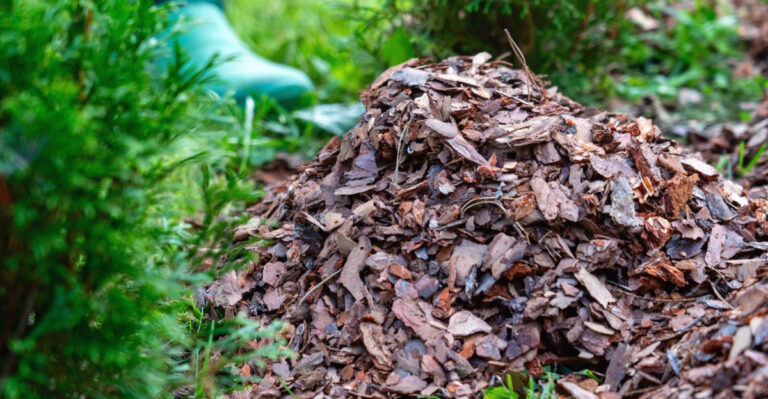
Mulch used in foundation beds adds to the problem. Dry wood chip mulch combined with a mature rosemary plant against your wall creates a layered fuel system that fire can move through quickly.
Replacing foundation rosemary with fire-safe alternatives is a smart update that improves both the safety and the long-term value of your home.
Many attractive, low-risk plant options work just as well for curb appeal without the danger.
9. Overgrown Rosemary Can Touch Siding
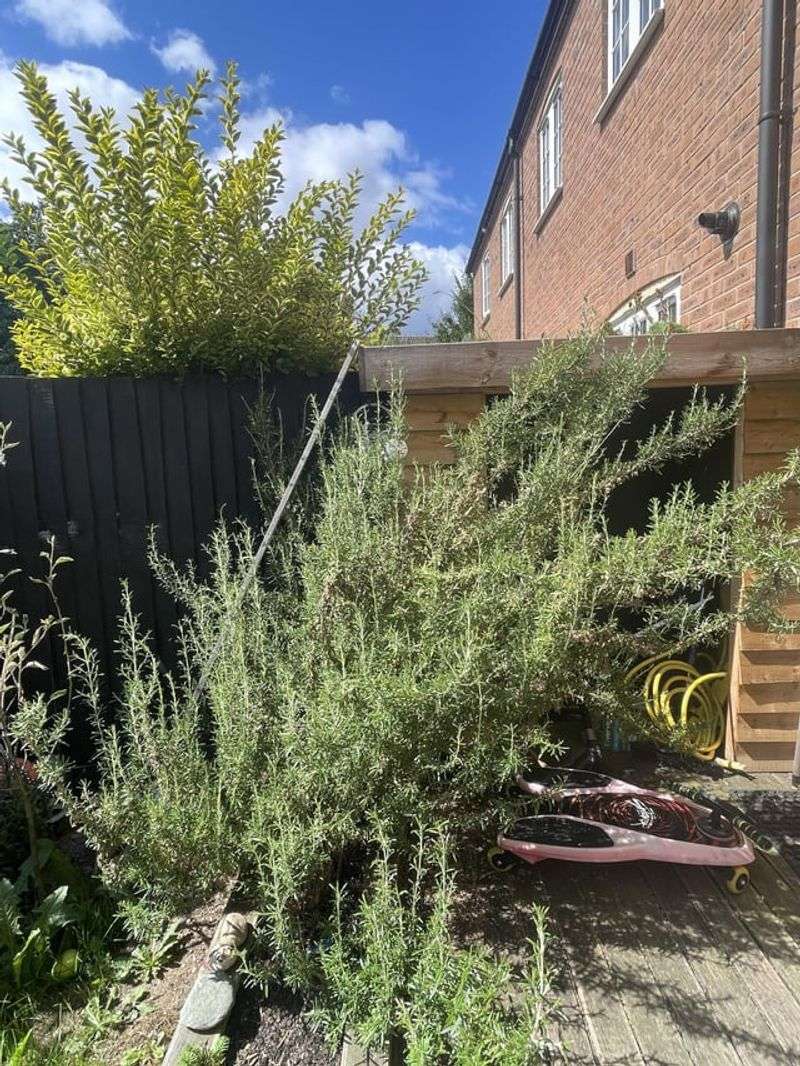
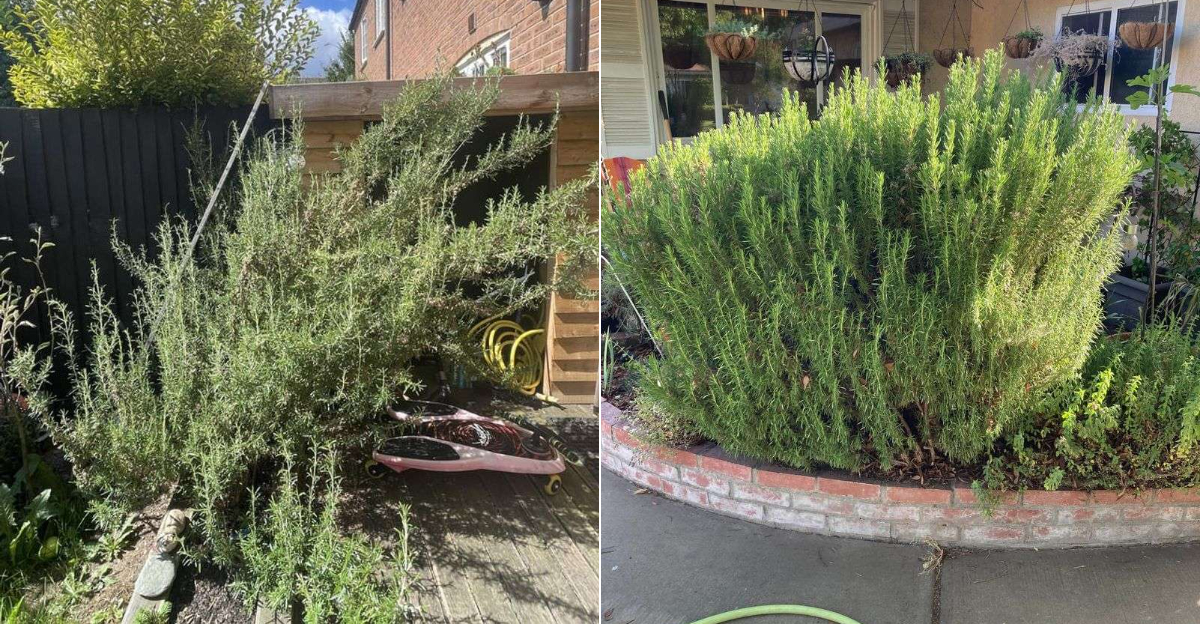
Rosemary does not stay small. Left on its own, a mature rosemary plant can reach four to six feet tall and just as wide.
In the mild climate of California, it can reach that size faster than most homeowners expect. Once it gets that large, it often starts making direct contact with the house itself.
Branches pressing against siding trap moisture and create conditions where wood can rot over time. But fire is the more urgent concern.
When a rosemary branch is literally touching your siding, there is zero buffer between a burning plant and your home’s exterior. The fire does not need to travel anywhere. It is already there.
Wood siding, fiber cement, and even stucco can be vulnerable when a burning plant is in direct contact with them for an extended period.
Radiant heat and direct flame from a large burning rosemary plant against a wall can cause significant exterior damage very quickly.
Eaves and overhangs are also at risk when a tall rosemary plant grows up close to the roofline.
Embers and flames can reach those areas much more easily when there is a tall, flammable plant acting as a ladder right below them.
Keeping rosemary pruned hard and well away from any part of your home’s exterior is essential.
If it has already grown to the point of touching your walls, removing it entirely and replacing it with a safer option is the most responsible choice.