The California Fence Material Fire Officials Say To Avoid Near Your House
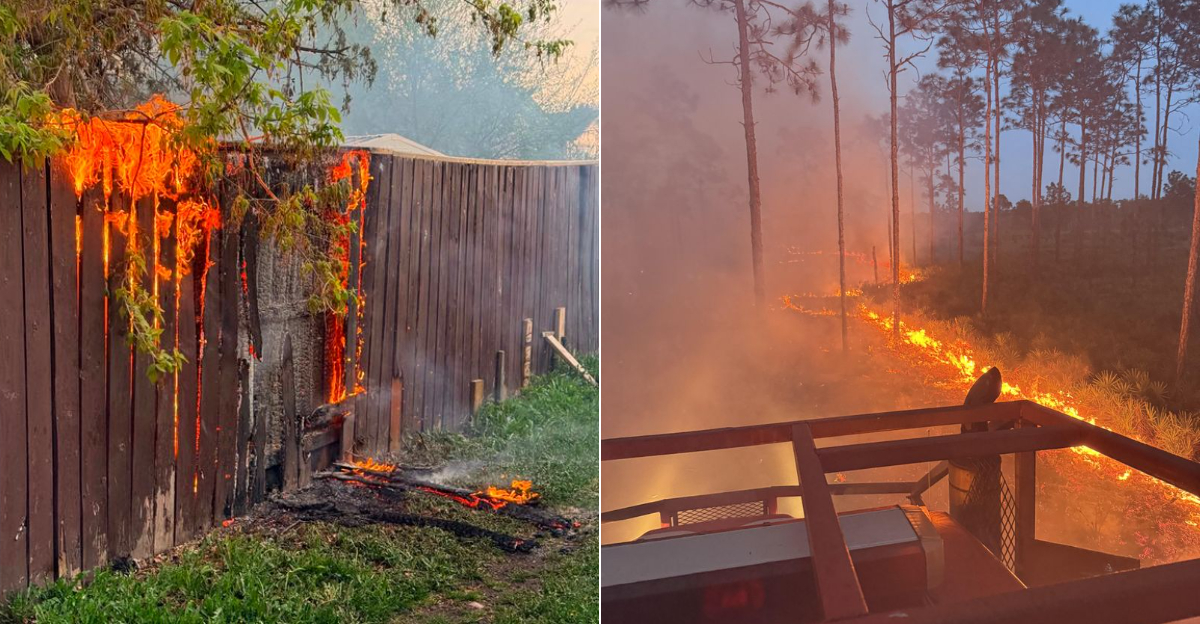
Most homeowners think about fences as property boundaries, not as possible paths for wildfire. That changes when a fence runs directly into the side of a house.
During an ember storm, the material used at that connection can determine how easily fire reaches the structure. Flames do not need to start beside the wall, either.
A fence can ignite farther out and carry fire along its length until it reaches the building. California fire officials have focused closely on this vulnerable meeting point, where one familiar fencing choice can undermine otherwise careful defensible-space work.
Replacing an entire perimeter is not always necessary, but the section nearest the home deserves special attention.
If wildfire preparation has already included clearing vegetation and reducing combustible material, overlooking the fence could leave an unexpected weak spot.
The material causing concern is common, which is exactly why this recommendation matters.
1. The Wooden Fence That Acts Like A Fire Fuse
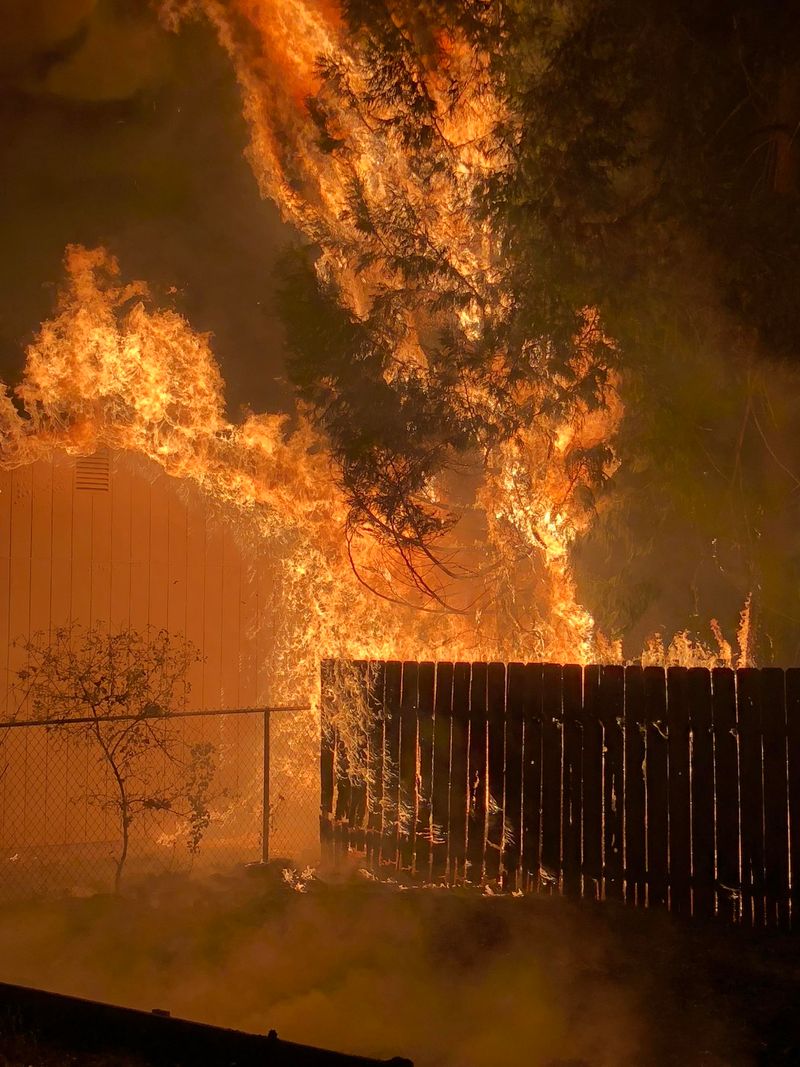
Picture a long fuse connected directly to your house. That is essentially what a wooden fence becomes during a wildfire.
Fire officials across California have repeatedly pointed to wood fencing as one of the leading ways fire travels from an open field or neighboring yard straight to a home.
Wooden fences are made from organic material, and organic material burns. It doesn’t matter how new or well-built the fence looks.
Once dry conditions set in, especially during the hot summer months in our inland and foothill regions, wood becomes extremely combustible. Even a small ember drifting through the air can land on a fence board and start a flame within moments.
Most homeowners think of their fence as a boundary marker or a privacy screen. Fire officials think of it as a potential fire path.
The direction a fence runs often leads directly toward the house. That layout creates a straight line for fire to follow right to your walls, deck, or garage.
The material choice matters more than most people realize. Cedar, redwood, and pine are all popular fence woods in California.
All three are highly flammable when dry. Switching to non-combustible materials like steel, aluminum, or concrete block fencing is one of the most effective steps a homeowner can take to reduce fire risk near the structure.
2. Why Flames Can Travel Straight Toward The House
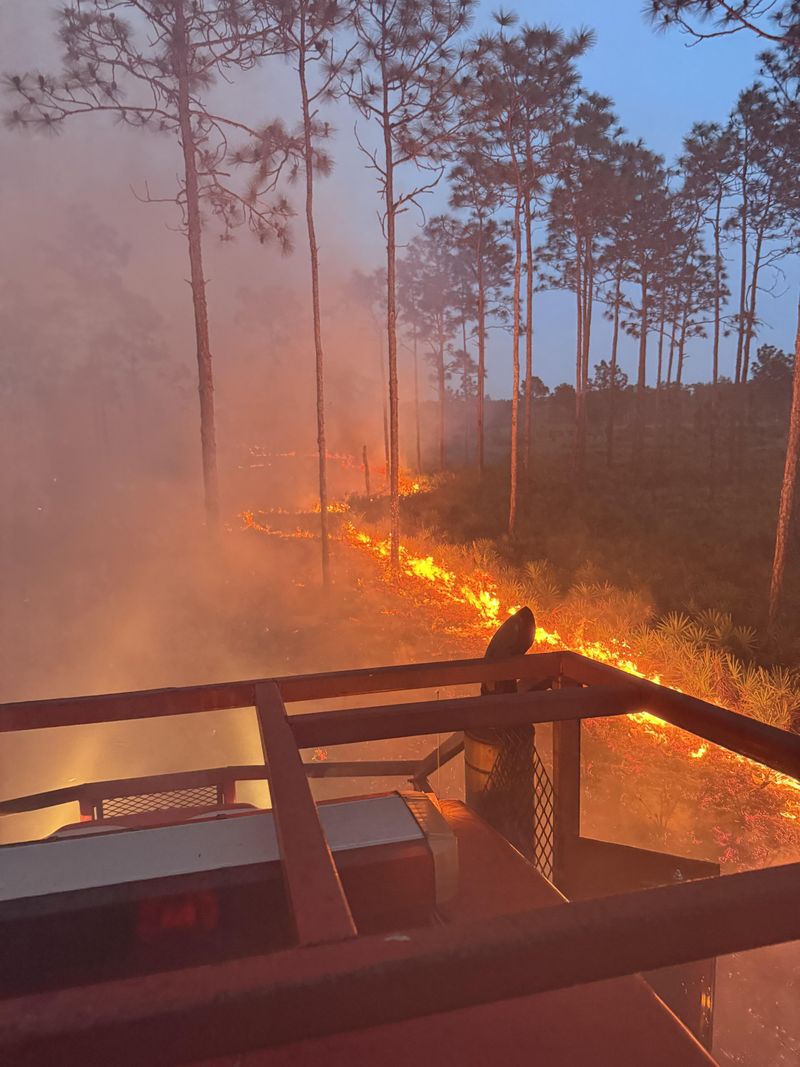
Fences are usually installed in straight lines. They run from the back of a property toward the house, along the side yard, or right up to the garage wall.
That layout creates a direct path for fire to follow. Fire officials call this a connected fuel path, and it’s one of the most dangerous setups a home can have.
When a wooden fence catches fire at one end, the flames don’t stay put. They move along the fence line, fed by each dry board.
Wind speeds up the process dramatically. In hot, dry conditions common to our southern and central regions, fire can travel along a fence line faster than most people expect.
Your California Garden Changes Every Week. Your Plan Should Too.
Gardening in California changes quickly throughout the season. Every Friday you’ll receive a simple weekly plan showing exactly what to plant, prune, fertilize, harvest, and protect so you never miss the right timing.
The problem gets worse when the fence connects directly to the house. If there is no gap, no metal gate, and no fire-resistant break between the fence and the structure, the fire has an uninterrupted path to the walls, eaves, or wooden deck.
That is when a fence fire becomes a house fire. Fire officials recommend creating at least a five-foot non-combustible zone around the house.
Replacing the section of wooden fence closest to the home with a metal or masonry alternative is one of the smartest and most affordable upgrades a homeowner can make to break that dangerous fuel path before fire season arrives.
3. Dry Fence Boards Catching Embers In A Hurry
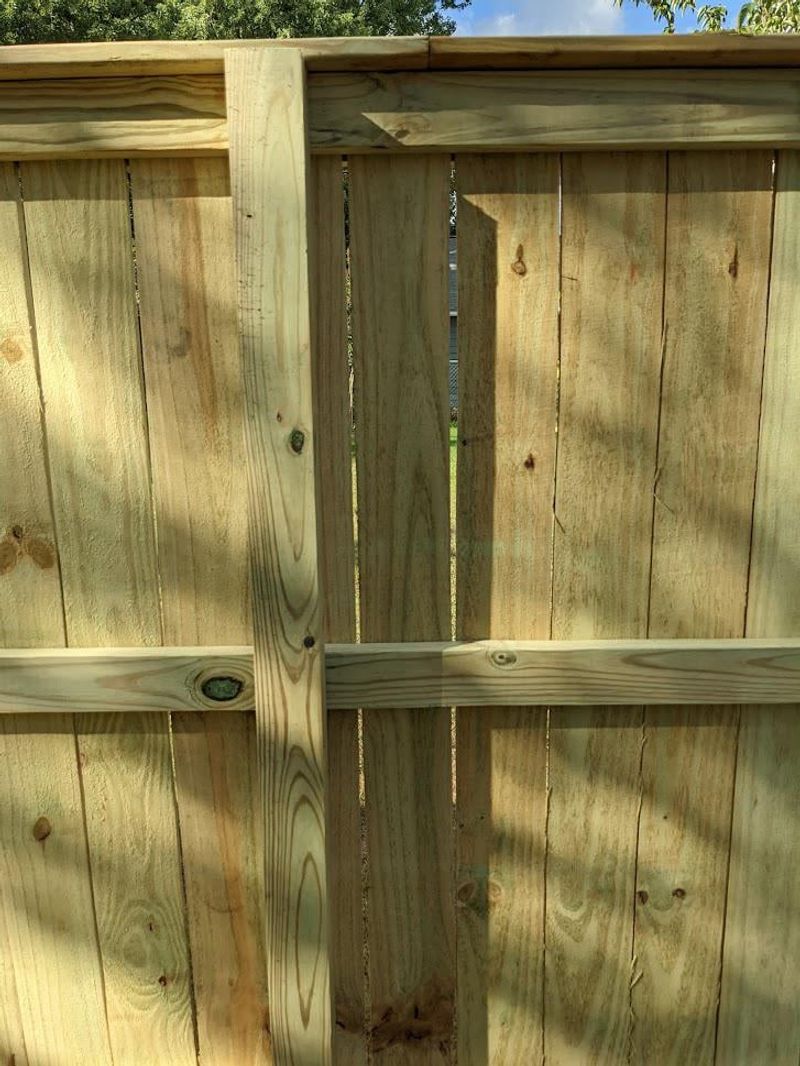
Embers are one of the most underestimated parts of a wildfire. During a major fire event, embers can travel more than a mile ahead of the main fire front.
They land on roofs, in gutters, and on wooden fences. When a fence board is dry and cracked, it catches those embers quickly and easily.
Wood dries out significantly during summer. In regions like the Central Valley, the Sierra Nevada foothills, and the high desert areas of the south, humidity drops very low during fire season.
Fence boards that look solid on the outside may be extremely dry on the inside. That dry wood ignites fast.
Homeowners sometimes assume that a recently painted or stained fence is safer. Paint and stain can slow ignition slightly, but they don’t make wood fire-resistant.
Once the surface coating burns off, the dry wood underneath catches just as easily as an untreated board.
Fire officials suggest inspecting fence boards every spring before fire season begins. Look for cracks, warping, and splintering.
These are signs the wood has dried out deeply. If a board snaps easily or feels very light, it has lost most of its moisture content.
At that point, replacing it with a non-combustible panel or applying a fire-retardant coating specifically rated for exterior wood is a wise protective measure worth taking.
4. That House-Fence Connection Is The Riskiest Spot
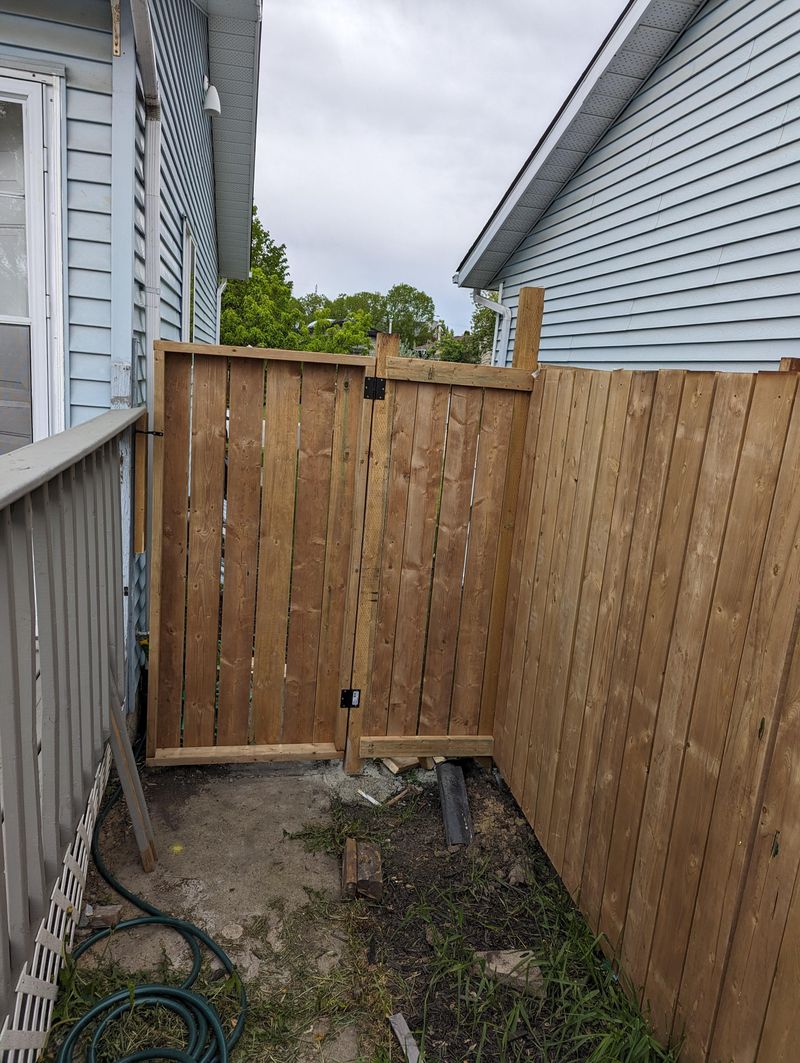
Of all the spots along a wooden fence line, the place where the fence meets the house is the single most dangerous point.
Fire officials consistently identify this connection as the location where fence fires most often become house fires. When wood touches wood, fire has nowhere to stop.
Many homeowners don’t think twice about attaching a fence panel directly to the exterior wall of their home. It looks clean and secure.
But during a fire event, that connection point becomes a direct transfer zone. Flames climbing a fence panel can jump to siding, trim, or a wooden deck in just seconds.
The eaves and overhangs directly above that connection point are also at serious risk. Heat rises, and a burning fence pressed against a wall pushes intense heat upward.
That heat can ignite the soffit, the eave, or even enter the attic space through small vents. Once fire enters the attic, the situation becomes very difficult to control.
Breaking that connection is one of the most important upgrades a homeowner can make. Fire officials recommend installing a metal gate or a non-combustible panel in the section of fence that runs closest to the house.
Even a small gap of a few feet filled with gravel or concrete can prevent fire from making that final jump. Small changes at this one spot can have a large protective impact on the entire structure.
5. Old Wood Getting More Flammable Every Summer
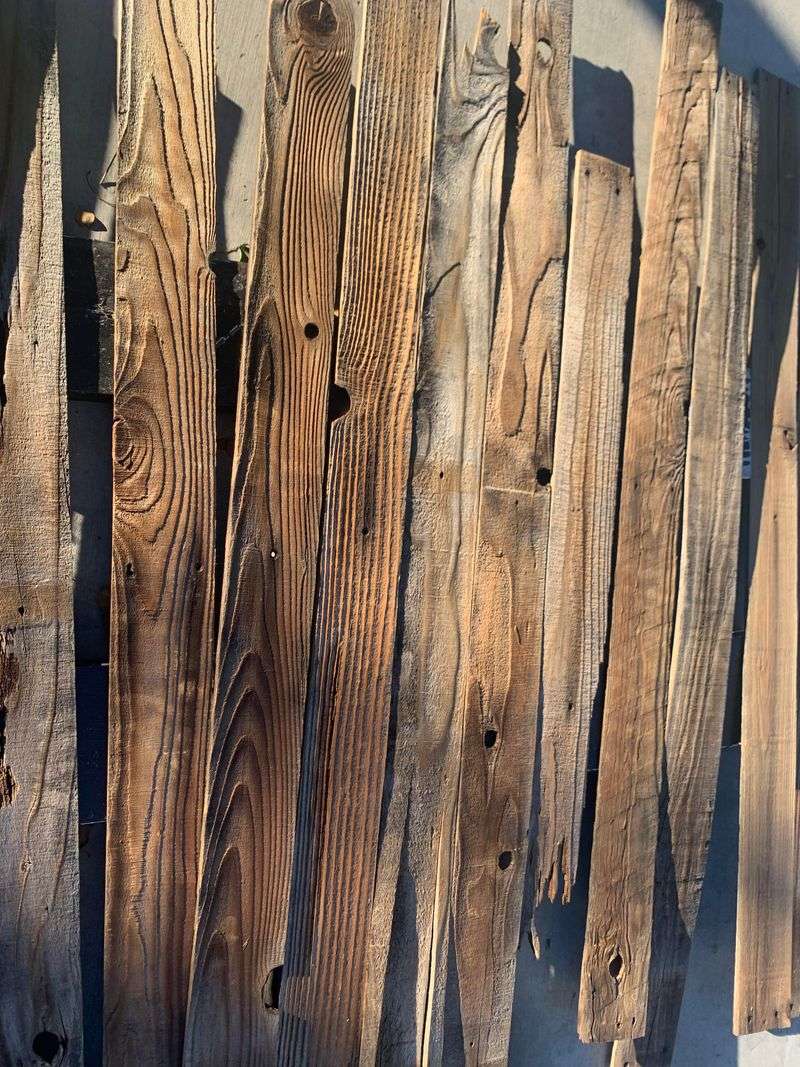
A brand-new wooden fence and a ten-year-old wooden fence are not the same fire risk. As wood ages, it loses moisture, develops cracks, and breaks down at the surface.
All of these changes make it more flammable, not less. An older fence that has gone through years of hot summers and dry winters is significantly more combustible than new lumber.
California’s driest regions, including parts of the Inland Empire, the Sacramento Valley, and the high desert communities, fence wood can age rapidly. Sun exposure bleaches the surface, heat pulls out moisture, and the wood grain opens up.
Those open cracks and splinters act like tiny fire starters, catching embers and holding flames longer than smooth, new boards would.
Homeowners often delay replacing old fences because it feels like a big expense. But fire officials point out that an old wooden fence is not just a cosmetic issue.
It is a genuine safety risk that increases every summer as conditions get hotter and drier. Waiting too long can mean the fence becomes a liability during the exact season when it matters most.
A practical approach is to replace fence sections in stages, starting with the panels closest to the house.
Steel or aluminum panel fencing has come down in price and is now a realistic option for many homeowners.
Prioritizing the sections nearest to the structure first gives the most fire protection per dollar spent.
6. Leaves And Debris Piling Up Along The Bottom
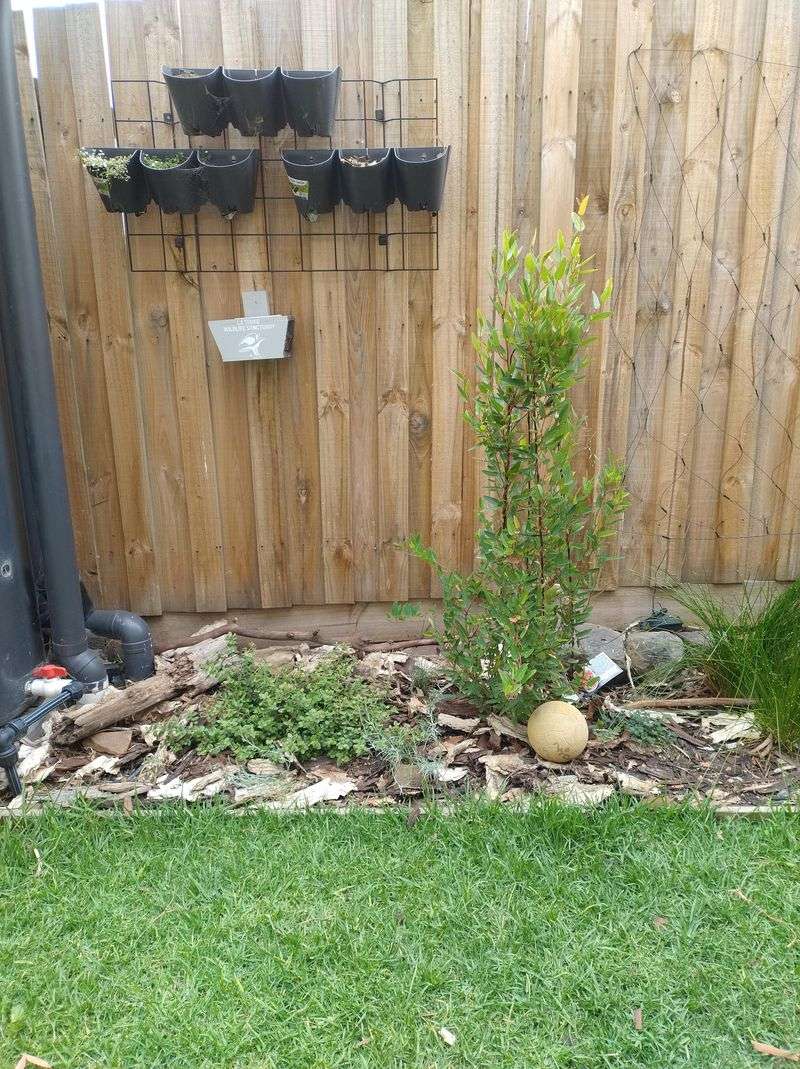
Even a fence made from decent wood becomes far more dangerous when leaves, pine needles, and dry grass pile up along its base.
Debris accumulation at the bottom of a fence is one of the most common and overlooked fire hazards in residential yards.
Fire officials see it in nearly every neighborhood they survey during pre-fire-season inspections.
Leaves and dry organic material ignite very easily. A single ember landing in a pile of dry debris can start a ground-level fire in seconds.
Once that ground fire reaches the base of a wooden fence, the fence itself becomes the next fuel source. The fire climbs up the boards and spreads quickly along the fence line from there.
In areas with large trees nearby, such as neighborhoods in the northern foothills or communities near oak woodlands, debris accumulation can happen fast. Gutters fill up, leaves blow against fences, and pine needles collect in corners.
Keeping the base of a fence clear is a simple but highly effective fire-prevention habit.
Fire officials recommend clearing at least a foot of space along both sides of the fence base. Use gravel, concrete, or decomposed granite as a ground cover instead of bark or wood chips, which also burn easily.
Doing a quick cleanup every few weeks during fire season takes very little time and removes one of the easiest ignition points on your property. It is a small habit with a big payoff.
7. One Burning Panel Can Ignite The Next
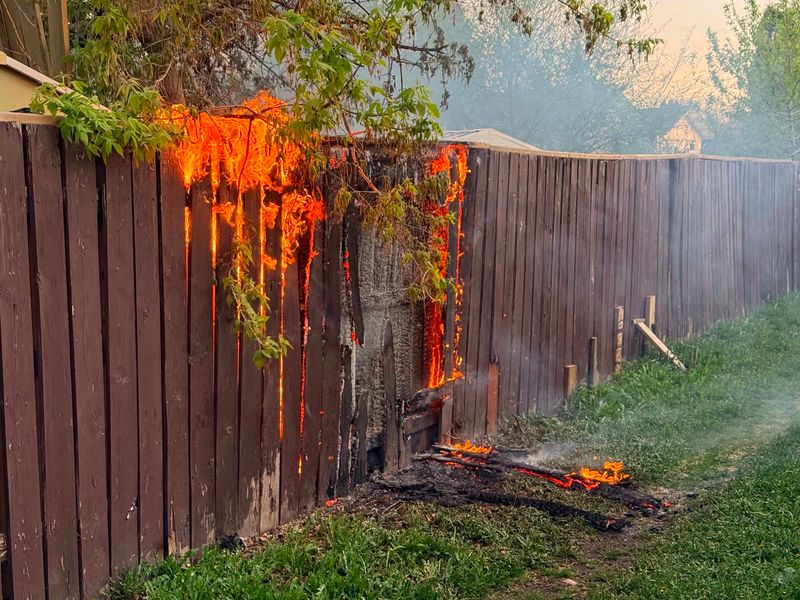
Wooden fences are essentially a series of connected fuel sources. Each panel is close enough to the next that once one section catches fire, the heat and flames spread to the neighboring panel almost immediately.
Fire officials describe this as a domino effect, and it happens faster than most people imagine when conditions are hot and dry.
The spacing between fence boards actually helps fire spread. Air flows through the gaps, feeding oxygen to the flames.
That oxygen boost keeps the fire burning hot and helps it jump from panel to panel with very little resistance. A fence fire in dry conditions can run the full length of a yard in just a few minutes.
This rapid spread is part of what makes wooden fences so concerning in fire-prone communities. A fire that starts in a neighbor’s yard can reach your home before firefighters even arrive on scene.
The fence becomes the delivery system, moving fire from a distant ignition point directly to your structure.
Breaking up the fence line with non-combustible sections is an effective way to interrupt this spread.
Fire officials recommend placing metal gates or masonry panels at regular intervals along a long fence run.
Even one non-combustible break can slow fire spread significantly. It forces the fire to jump a gap rather than travel smoothly, giving firefighters more time and reducing the chance the fire reaches the house at all.