The Summer Squash Mistake Georgia Gardeners Make Every August
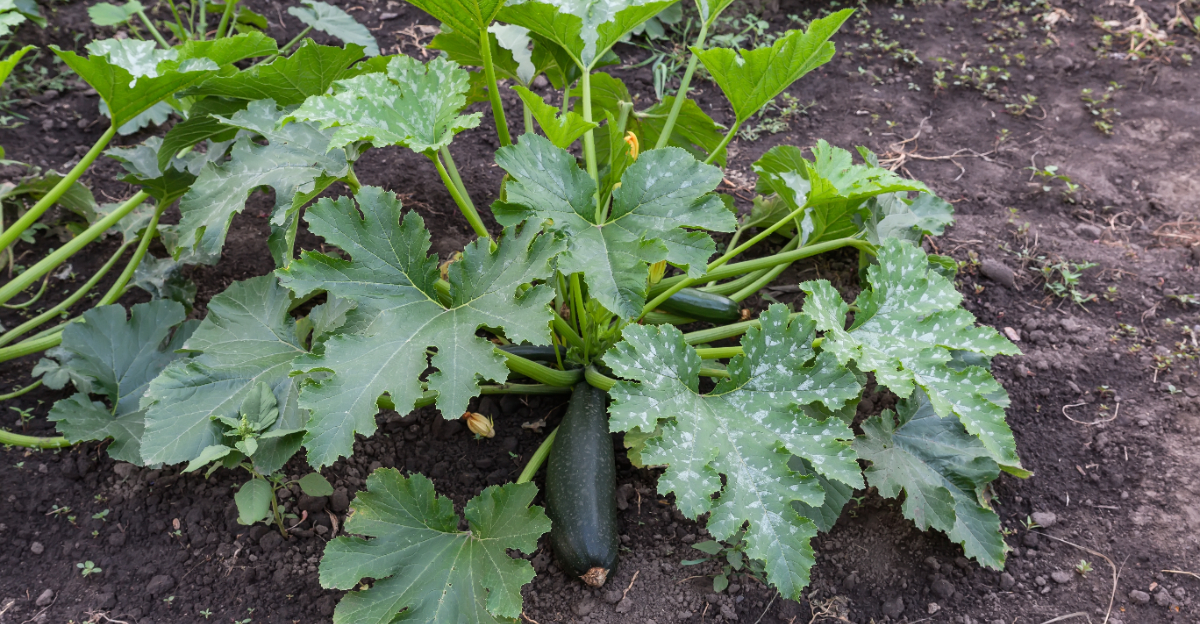
Summer squash often looks like it can keep producing forever. Then August arrives, the harvest slows down, and many gardeners assume the plants have simply reached the end.
That is not always the case. One common habit during late summer can shorten the harvest much sooner than necessary.
Small changes in care often matter more than adding fertilizer or watering more often. Keeping plants healthy now helps them stay productive for as long as conditions allow.
Late-season heat puts extra stress on squash across Georgia, making good timing more important than ever.
Avoiding one simple August mistake can help your plants keep producing while many nearby gardens begin to slow down.
1. Harvesting Too Late Is The Common August Mistake
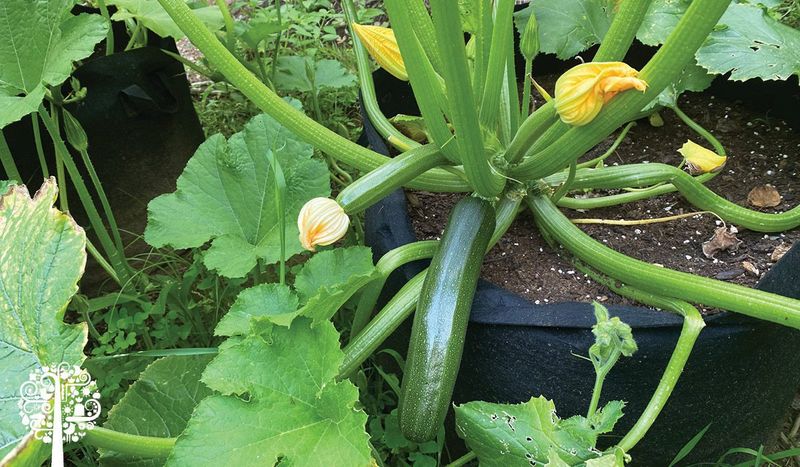
Leaving squash on the vine too long is one of the fastest ways to wreck your harvest. Overgrown squash signals the plant to slow down fruit production.
Once that happens, you end up with fewer tender squash and more giant, tough ones nobody wants to eat.
Yellow squash and zucchini taste best when they are small to medium sized. For yellow squash, aim to pick them around six to eight inches long.
Zucchini can go slightly longer, but letting any variety balloon out to baseball bat size is a mistake that costs you future fruit.
In August, squash can grow surprisingly fast. Checking your plants every day or every other day is a practical habit worth building.
Missing even two or three days can mean a squash doubles in size.
Harvesting regularly encourages the plant to keep flowering and setting new fruit. Removing mature squash promptly redirects the plant’s energy toward new growth.
Grab a pair of garden shears or a sharp knife and cut the stem cleanly rather than pulling, which can stress the vine.
Gardeners who stay on top of harvesting often get a noticeably longer and more productive season.
2. Water Thoroughly During Hot Weather
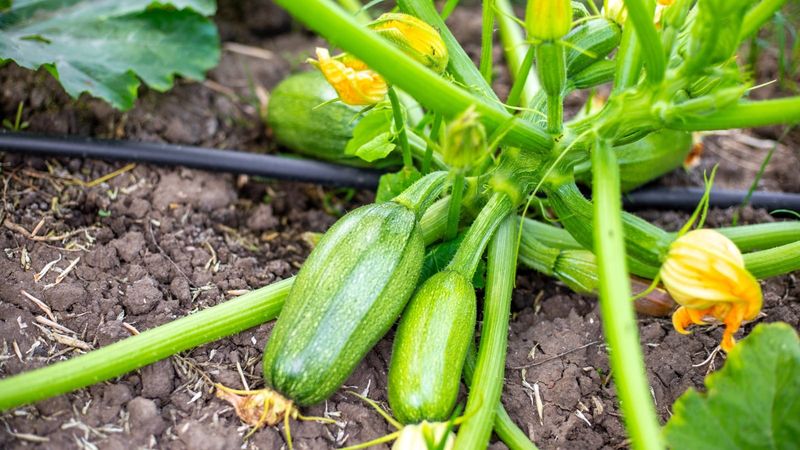
Shallow watering in August is a quiet problem that sneaks up on a lot of gardeners. Squash roots go deep, and a quick sprinkle on the surface barely reaches them.
Plants may look okay in the morning and start wilting badly by early afternoon.
Deep, infrequent watering works better than light watering every day. Aim to water slowly and deeply at least two to three times per week during hot spells.
Letting the water soak down eight to ten inches encourages roots to grow downward where moisture lasts longer.
Watering at the base of the plant matters more than most people realize. Wet foliage in Georgia’s humid August air creates conditions where fungal problems can develop more easily.
Drip irrigation or a soaker hose laid along the base keeps leaves dry while delivering moisture directly to the root zone.
Mulching around squash plants helps soil hold moisture between watering sessions. A two to three inch layer of straw or wood chips reduces how quickly the soil dries out.
Fewer watering sessions may be needed once mulch is in place, though this can vary depending on your soil type and how hot the weather gets.
Your Georgia Garden Changes Every Week. Your Plan Should Too.
Gardening in Georgia changes quickly throughout the season. Every Friday you’ll receive a simple weekly plan showing exactly what to plant, prune, fertilize, harvest, and protect so you never miss the right timing.
3. Remove Diseased Leaves Before Problems Spread
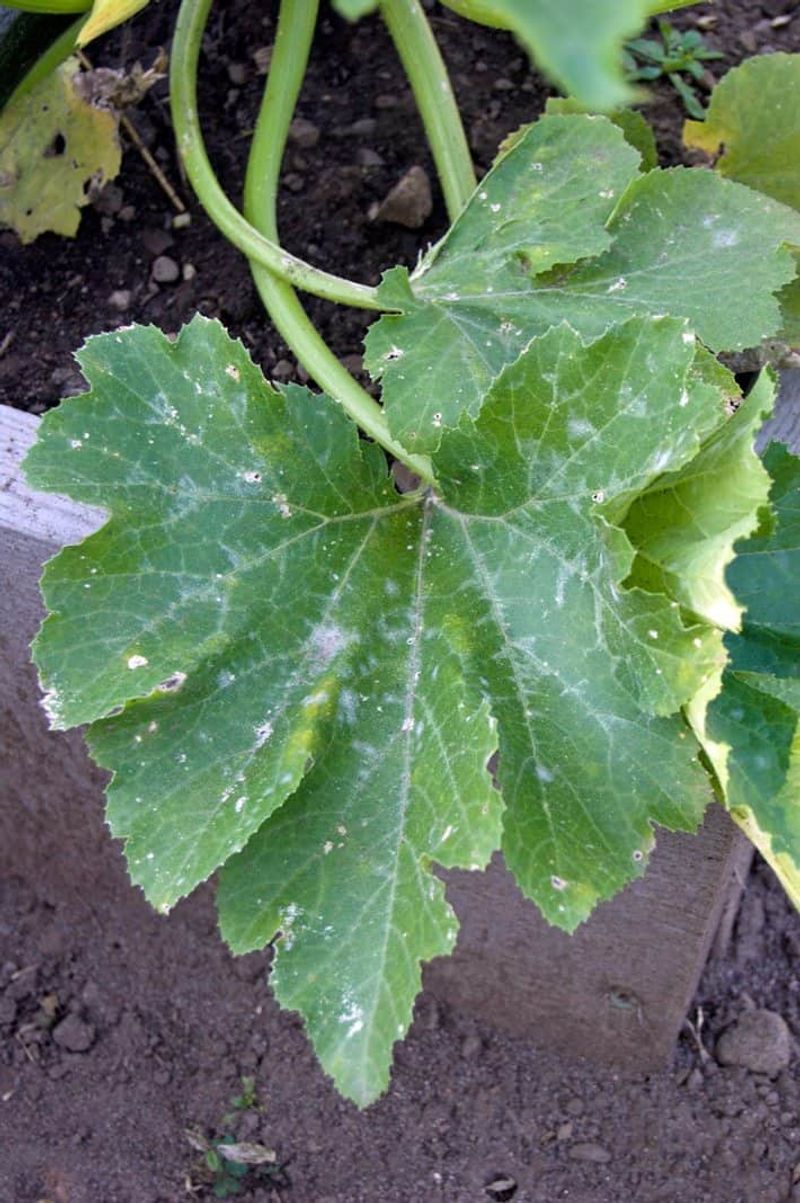
Powdery mildew shows up on squash leaves almost every August, and ignoring it is a mistake that costs you weeks of production. That white, chalky coating on leaves is not just cosmetic.
It reduces the plant’s ability to absorb sunlight and weakens it over time.
Catching it early makes a real difference. Removing affected leaves as soon as you spot them slows the spread to healthy parts of the plant.
Bag the removed leaves and put them in the trash rather than the compost pile, since diseased plant material can cause problems if composted improperly.
Not every yellowing leaf means powdery mildew, though. Older lower leaves naturally yellow as the plant matures.
Learning to tell the difference between normal aging and actual disease takes a little practice but is worth the effort.
Avoid overhead watering in the evenings, since moisture sitting on leaves overnight can speed up fungal spread. Morning watering gives foliage time to dry out during the day.
Good watering habits paired with regular leaf checks can keep disease pressure manageable through August.
Neem oil or a diluted baking soda spray can slow mildew development on remaining healthy leaves, though results vary by severity and application timing.
4. Check Stems For Squash Vine Borers
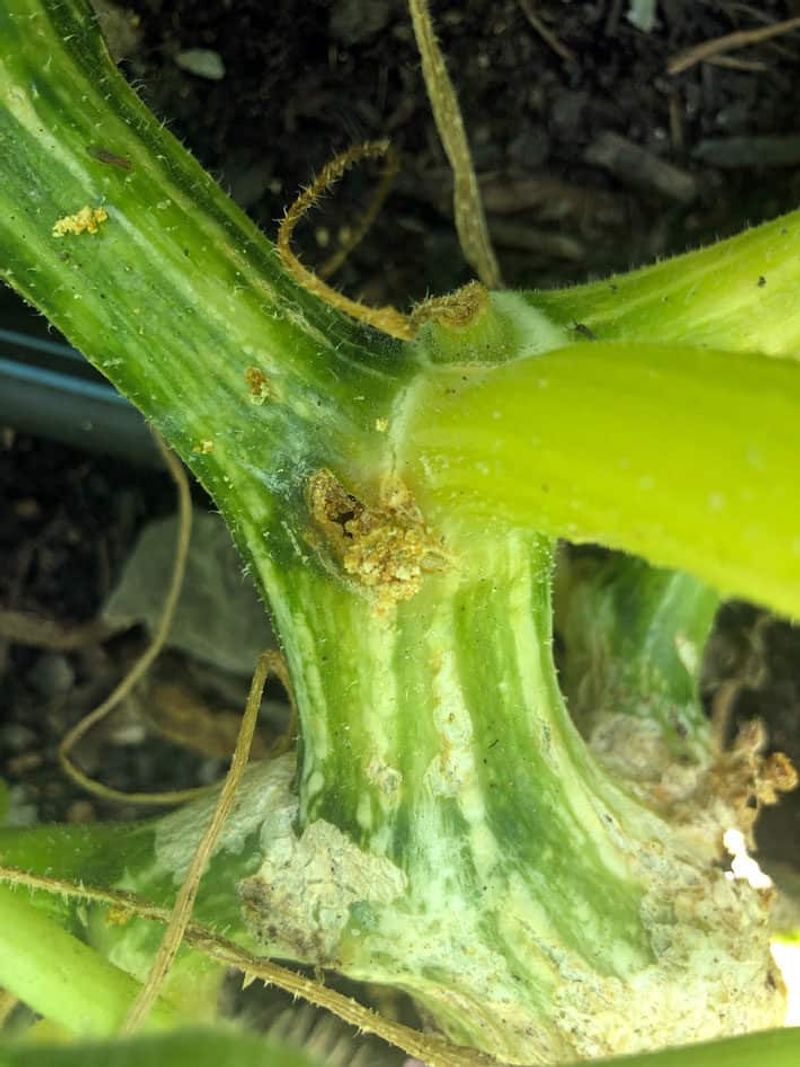
Squash vine borers are one of the most damaging pests for squash growers in the Southeast, and August is prime time to find them. These pests burrow inside the stem and feed from the inside out, causing the plant to wilt even when watered properly.
Look for small entry holes near the base of the stem, often with a sawdust-like material called frass nearby. A vine that wilts on one side while the rest looks healthy is a strong signal that a borer may be inside.
Catching this early gives you a better chance of saving the plant.
Carefully slitting the stem lengthwise with a sharp knife and removing the larvae is one hands-on approach some gardeners use. After removing the pest, mound soil over the cut area and water it well.
Stems can sometimes recover and send out new roots, though this is not guaranteed.
Row covers placed early in the season can help prevent adult moths from laying eggs on stems. In August, that window has usually passed.
Focusing on monitoring and quick action when you spot damage is the most practical strategy at this stage of the season.
Rotating squash to a different garden bed each year can reduce borer pressure over time. Consistent rotation is one of the better long-term habits for managing this pest without relying heavily on sprays.
5. Improve Air Circulation To Reduce Disease Risk
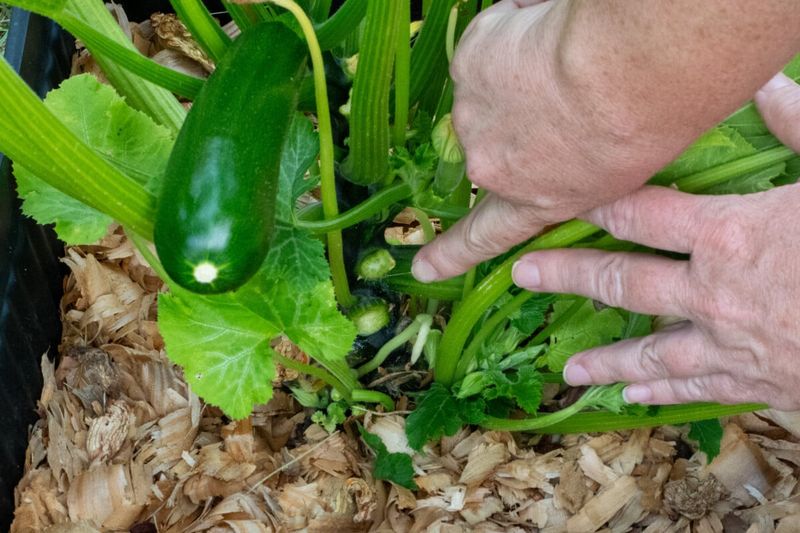
Crowded squash plants trap humidity around the stems and leaves. In the thick heat of a Southern summer, that trapped moisture creates ideal conditions for fungal issues to take hold.
Spacing and pruning are two practical tools that help manage this problem.
Removing some of the older, lower leaves opens up airflow around the base of the plant. You do not need to strip the plant bare.
Taking off three to five of the oldest leaves from the bottom allows air to move through more freely without stressing the plant.
Planting squash too close together is a common setup mistake that shows its consequences most in August. If plants are already in the ground and crowded, selective pruning is your best option at this point.
Thinning out extra growth where stems overlap can make a noticeable difference.
Raised beds with good drainage tend to have better airflow than flat in-ground rows, especially after heavy rain. Water pooling around the base of squash plants for extended periods increases disease pressure.
Improving drainage in problem spots before next season is worth planning ahead for.
Staking or caging sprawling squash varieties keeps foliage off the ground. Leaves lying flat on wet soil pick up soil-borne pathogens more easily.
6. Feed Healthy Plants To Extend Production
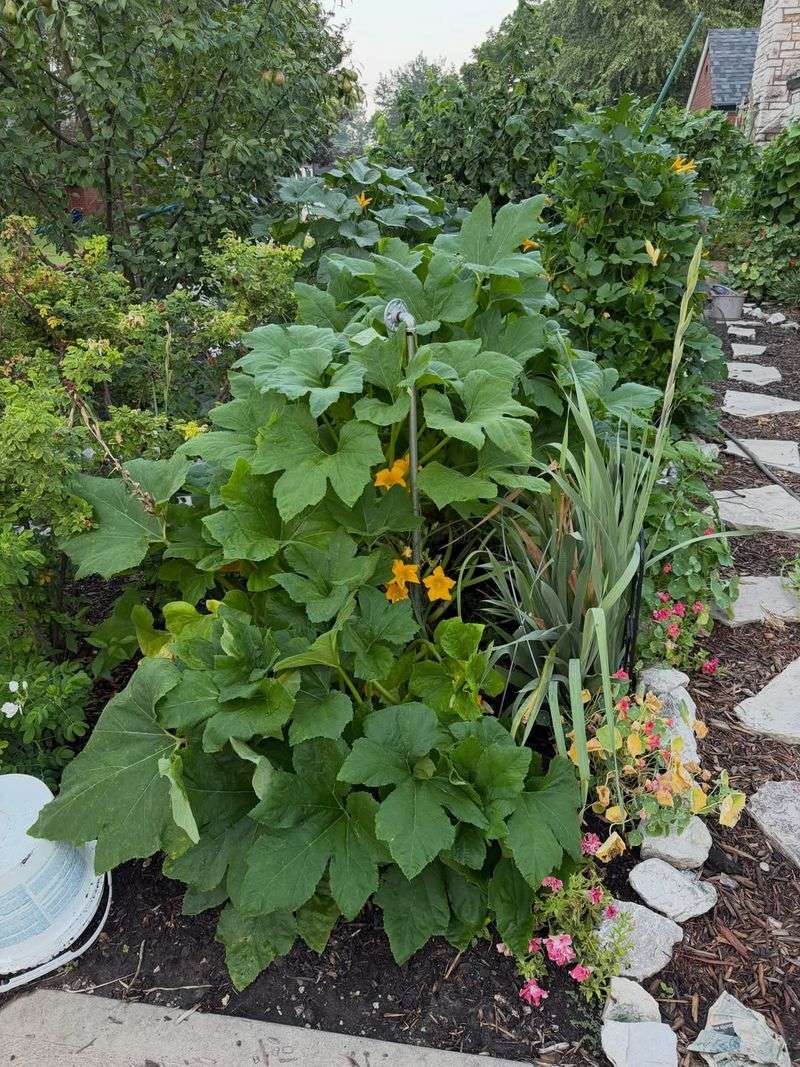
Squash that looked strong in June can start running low on nutrients by August. Heavy production pulls a lot from the soil, and plants feeding on depleted ground tend to slow down and show it in their leaves and fruit quality.
Feeding only makes sense when plants are actively healthy. A plant already struggling with disease or pest damage is not a good candidate for extra fertilizer.
Pushing growth on a stressed plant can sometimes make underlying problems worse rather than better.
A balanced vegetable fertilizer with moderate nitrogen works reasonably well for mid-season feeding. Too much nitrogen at this stage pushes leafy growth instead of fruit.
Look for something with a slightly higher middle number on the label, which points to phosphorus that supports flowering and fruiting.
Liquid fertilizers can be absorbed faster than granular ones, which is useful when you want a quicker response from plants that are starting to slow down. Follow label directions carefully rather than applying more than recommended.
More fertilizer does not mean faster results and can stress roots.
Compost worked lightly into the soil around the base of plants is a gentler option that feeds slowly over time. It also improves soil texture and moisture retention.
Gardeners across Georgia who top-dress with compost mid-season often report that plants hold on longer into late summer and early fall.
7. Sow A New Crop For A Better Fall Harvest
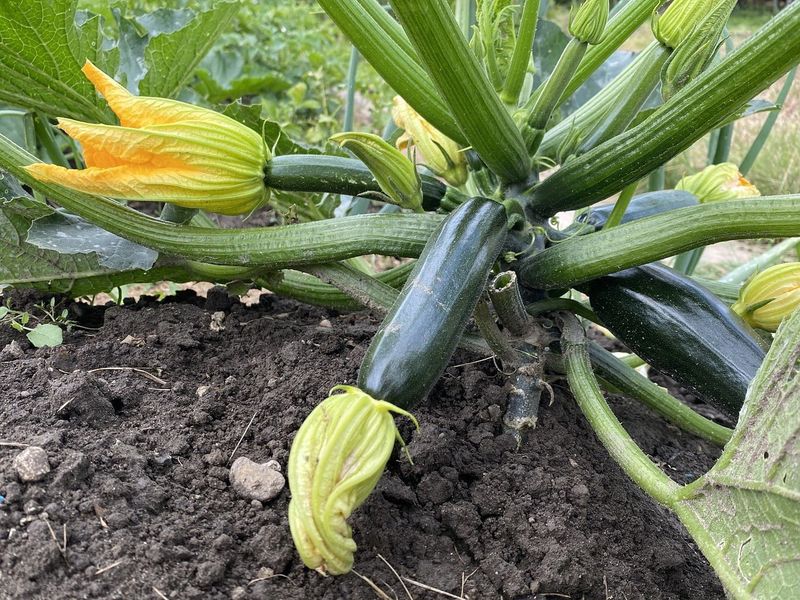
August is not just about managing existing plants. It is also a smart time to think ahead and start a second planting for fall.
Many gardeners in the South skip this step and miss out on some of the most productive squash weeks of the year.
Squash planted in late July or early August in Georgia can mature right as temperatures begin to ease in September and October. Cooler nights slow pest activity and reduce heat stress on young plants.
Fall squash often produces more reliably than summer plantings that fought through the worst heat.
Direct seeding works well for fall plantings. Squash seeds germinate quickly in warm soil, so transplants are not usually necessary.
Plant seeds about an inch deep in well-prepared soil and keep the area consistently moist until seedlings are established.
Choose heat-tolerant varieties that are also known for fall performance. Some varieties handle the transition from summer heat to fall temperatures better than others.
Checking seed packet descriptions for days to maturity helps you pick varieties that will finish before the first frost arrives.
Prepare the new bed before planting by working in compost and loosening the soil well. Fresh soil in a new location also reduces the chance of carrying over pest and disease pressure from the summer planting.