What Georgia Gardeners Should Do With Fig Trees After Harvest Begins
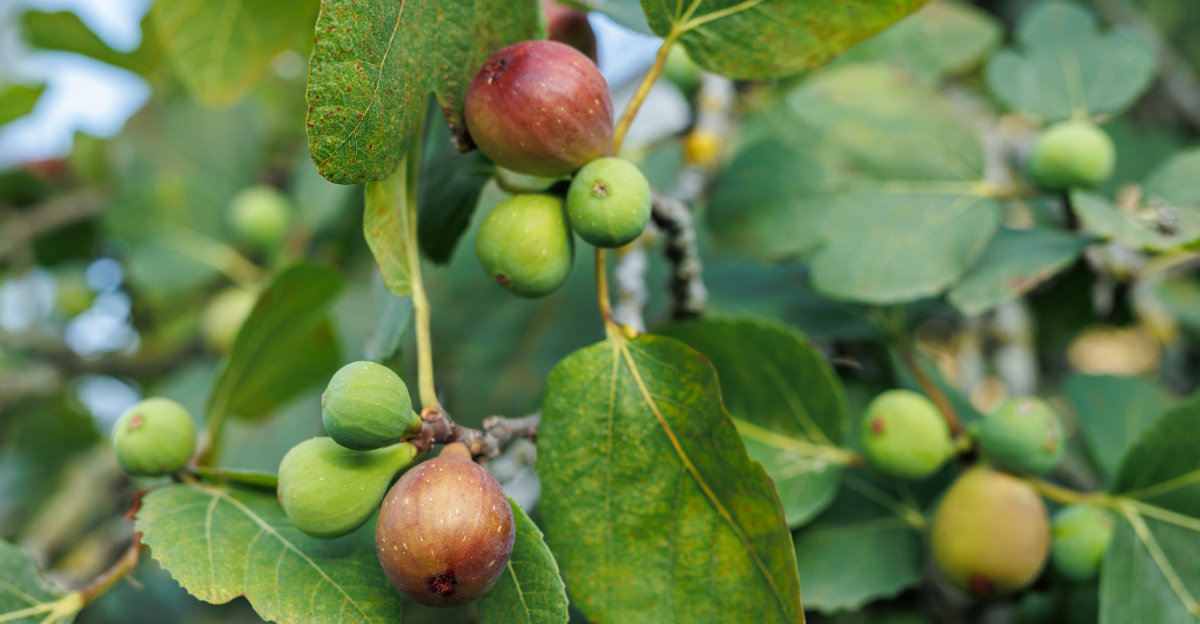
Waiting for the first ripe figs is exciting, but that is only part of the season. Once the harvest begins, many people assume the hard work is finished and the tree can be left alone for the rest of summer.
That simple mistake can affect how the tree performs long after the last fruit has been picked.
A few weeks during the growing season often matter more than most gardeners realize.
Small jobs completed at the right time can help keep a healthy tree on the right track. Ignoring them is much easier than people expect because everything may still look perfectly fine.
The first harvest is not the finish line for a fig tree. Giving it the right care after picking begins helps Georgia gardeners support healthy growth and set the tree up for the rest of the season.
1. Pick Ripe Figs Every Day Or Two
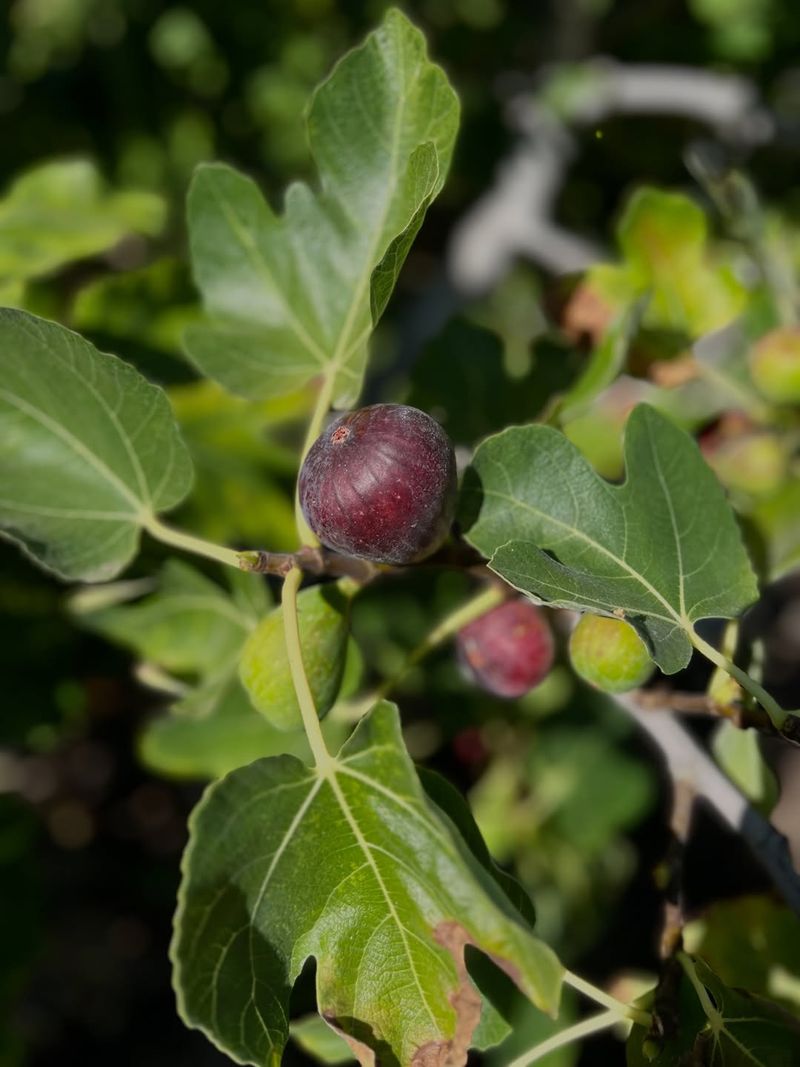
Ripe figs wait for no one. Once a fig reaches peak ripeness, it softens fast and can split open or ferment right on the branch within a day or two.
Check your tree every morning if you can. Ripe figs droop slightly at the neck and feel soft when gently squeezed.
Color deepens depending on variety, so learn what ripe looks like for your specific tree.
Leaving overripe fruit on the tree invites insects, mold, and waste. Picking regularly also signals the tree to keep producing, which can extend your harvest window by several weeks.
Use a small basket or shallow tray to collect fruit without bruising. Figs are fragile and bruise easily, so stacking them too deep causes damage fast.
Fresh figs hold well in the refrigerator for only about three days. If you end up with more than you can eat, freezing or drying them are solid options worth trying.
Dried figs store for months and taste great in the middle of winter when fresh fruit is long gone.
2. Remove Damaged Fruit Right Away
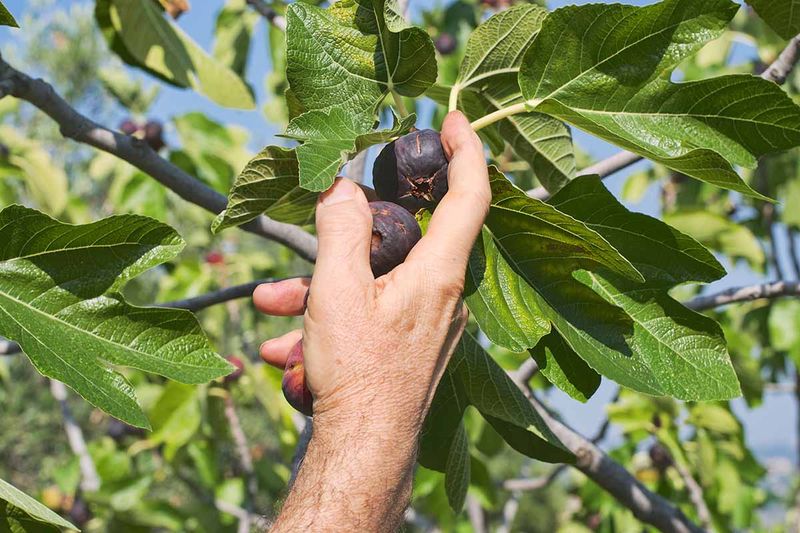
Spotted, split, or mushy figs on the branch are more than just a waste. They attract insects, encourage mold growth, and can spread problems to healthy fruit nearby.
Walk your tree every couple of days with a bucket in hand. Pull off anything that looks cracked, discolored, or has visible mold.
Do not leave damaged figs on the ground either, since fallen fruit rots quickly and draws pests close to the root zone.
Some fruit damage comes from rain splitting ripe figs too fast. Inconsistent watering can cause the same thing.
If you notice a pattern of splitting, check your irrigation schedule and adjust to keep moisture more even.
Pest damage often shows up as tiny holes or soft sunken spots on the skin. Fig beetles and other insects find damaged fruit first, so removing it quickly limits how many pests linger around your tree.
Composting damaged figs is fine as long as there is no visible fungal growth or pest infestation. If mold is present, bag the fruit and toss it in the trash instead.
Your Georgia Garden Changes Every Week. Your Plan Should Too.
Gardening in Georgia changes quickly throughout the season. Every Friday you’ll receive a simple weekly plan showing exactly what to plant, prune, fertilize, harvest, and protect so you never miss the right timing.
Keeping the area under the tree clean and clear is one of the easiest habits to build during harvest season, and it pays off with healthier fruit production over time.
3. Water Deeply During Dry Weather
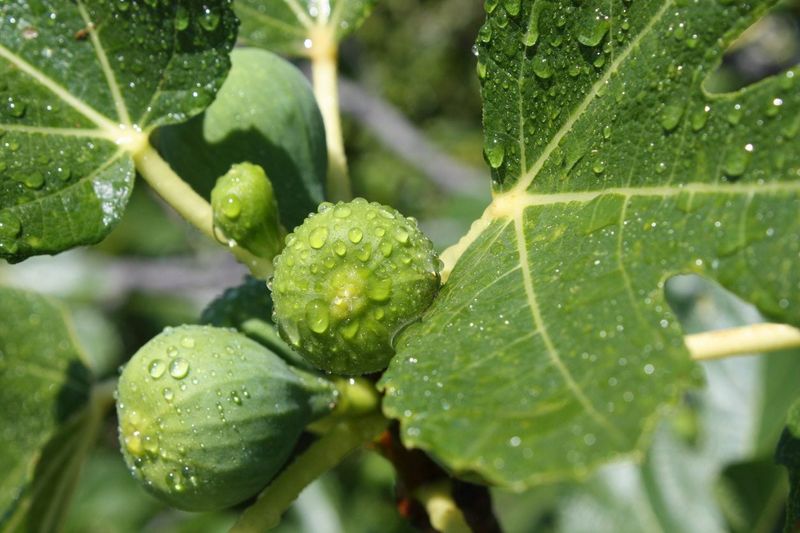
Hot, dry stretches during harvest season put fig trees under real stress. Shallow watering does not cut it when temperatures climb and soil dries out fast.
Deep watering encourages roots to grow downward, which helps the tree access moisture even when the surface dries out quickly. Aim to water slowly and steadily at the base, letting water soak in rather than run off.
A good rule of thumb is to water until the top twelve inches of soil feel moist. Sandy soils drain faster and may need more frequent watering.
Clay-heavy soils hold moisture longer but can stay waterlogged if you overdo it.
Mulch around the base of the tree helps hold soil moisture between waterings. A three to four inch layer of wood chips or straw works well and also keeps the root zone cooler during peak summer heat.
Avoid wetting the foliage when watering. Wet leaves in warm weather can encourage fungal problems that spread quickly.
Drip irrigation or a slow-running hose at the base keeps water where it belongs.
During extended dry spells common in Georgia summers, fig trees may need water once or twice a week. Watch the leaves for slight wilting in the afternoon as an early sign the tree needs a drink sooner than expected.
4. Avoid Heavy Pruning Until Winter
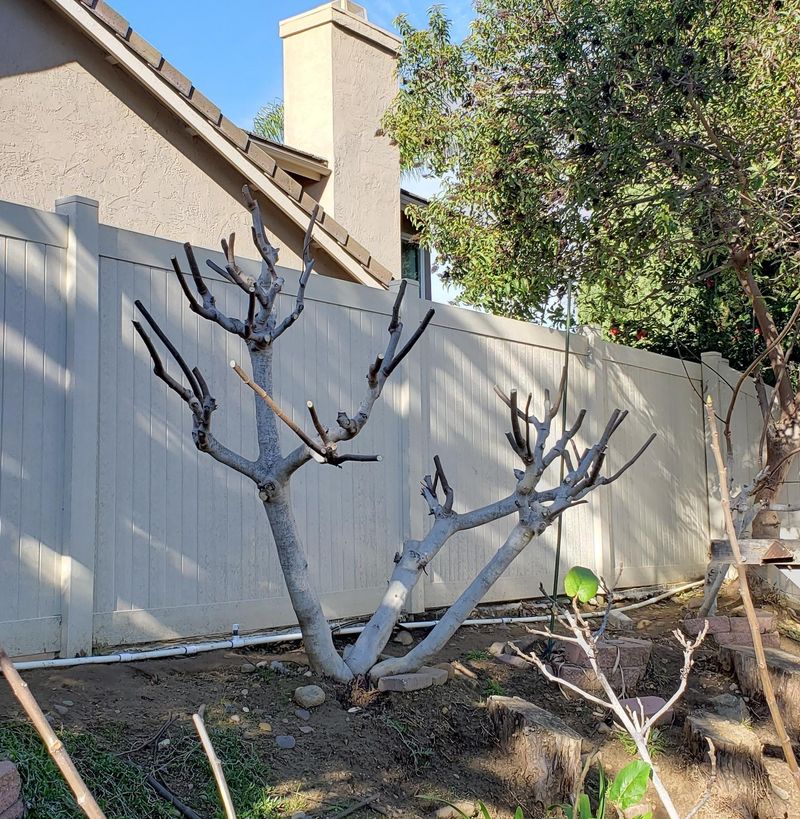
Pruning during harvest season sounds tempting, especially when branches look crowded or unruly. Hold off.
Cutting back heavily while fruit is still on the tree can stress the plant and reduce your yield.
Fig trees produce fruit on wood from the previous year. Removing too much growth now could cut into next season’s fruiting potential before you even realize it.
Light cleanup is fine. Remove a damaged twig or trim a branch that is clearly blocking airflow.
Just avoid any major structural pruning until the tree goes dormant in late fall or early winter.
Winter pruning gives you a clear view of the branch structure without leaves in the way. You can shape the canopy, remove crossing branches, and open up the center for better light penetration, all without affecting the current harvest.
If a branch breaks due to heavy fruit load, remove it cleanly at the joint. Ragged breaks left on the tree invite moisture and potential disease issues over time.
Patience here really does pay off. Gardeners who wait until winter to prune tend to see stronger growth and better fruit set the following year.
Mark problem branches with a piece of bright tape now so you remember exactly where to cut once the leaves drop and the tree settles into dormancy.
5. Watch Leaves For Early Signs Of Disease
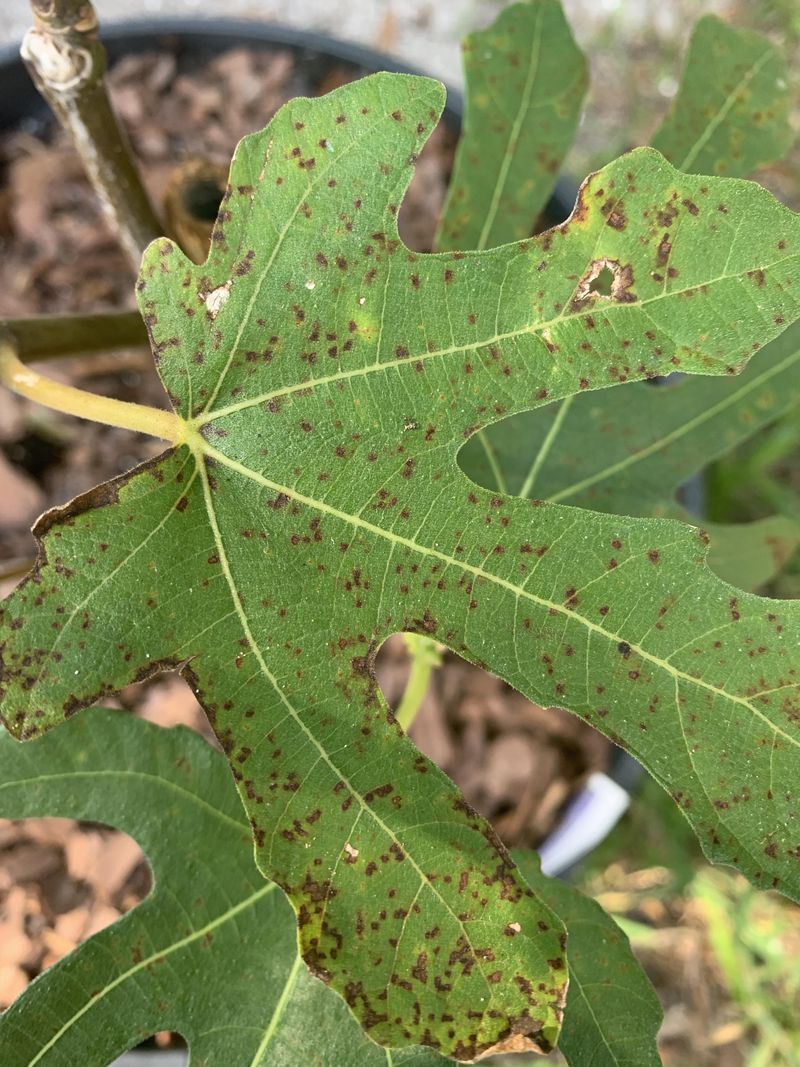
Leaf problems on a fig tree rarely fix themselves. Catching an issue early gives you a much better shot at managing it before it spreads across the whole tree.
Fig rust is one of the most common problems seen during warm, humid conditions. It shows up as small yellow or orange spots on the upper surface of leaves, with a rusty powder-like coating underneath.
Leaves may drop early if the infection gets heavy.
Leaf spot diseases cause dark or water-soaked patches that expand over time. High humidity and poor airflow around the canopy make these conditions worse.
Thinning crowded branches during winter pruning can help reduce recurrence next season.
Check both sides of the leaves when scouting. Many fungal issues start on the underside and move upward.
Catching them before they reach the top surface means you have more time to respond.
Remove and bag affected leaves rather than letting them fall and sit under the tree. Fallen diseased leaves can reinfect the soil and cause problems again next year.
Fungal sprays may help in some cases, but results vary depending on the product, timing, and severity of the problem. Always read labels carefully and follow directions.
If you are unsure what you are looking at, your local cooperative extension office can help identify the issue and suggest a realistic treatment approach based on your specific situation.
6. Keep Weeds Away From The Base
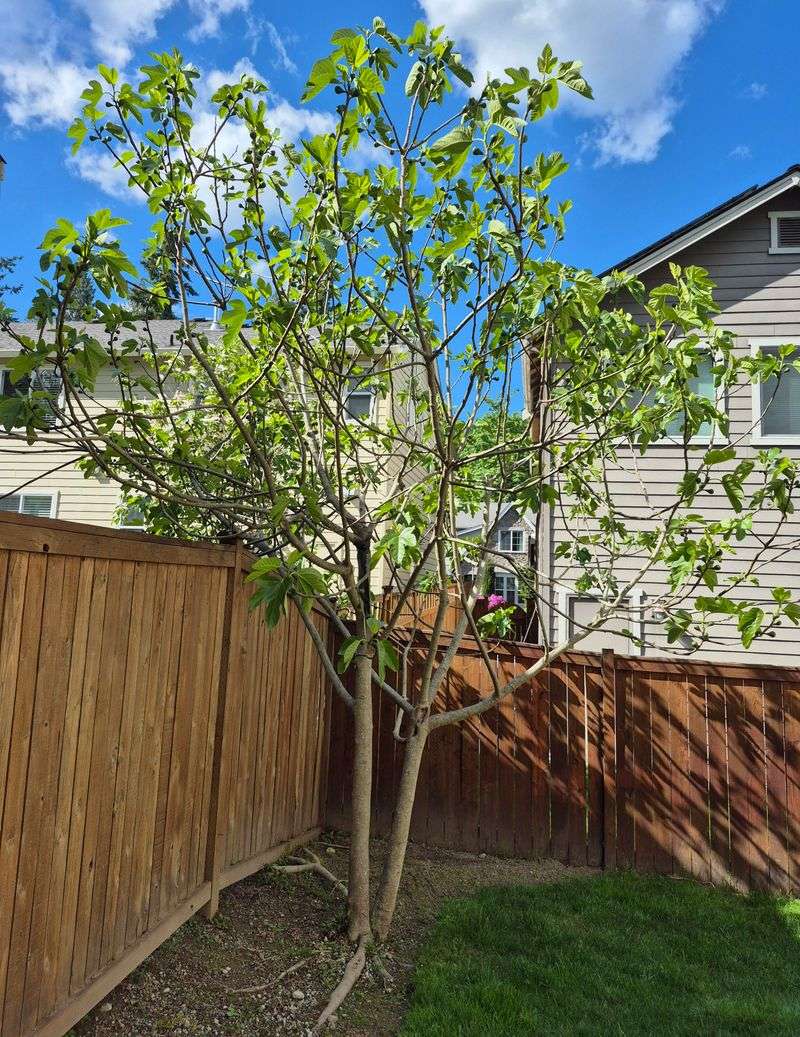
Weeds growing right up against a fig tree trunk compete for water and nutrients at the worst possible time. During harvest season, the tree is working hard and does not need extra competition at the root zone.
Pull weeds by hand close to the trunk rather than hoeing. Shallow fig roots spread wide and can be nicked easily with a blade.
Hand pulling keeps you in control and avoids accidental root damage.
A fresh layer of mulch after weeding helps slow regrowth. Keep mulch a few inches away from the actual trunk to prevent moisture buildup against the bark, which can cause problems over time.
Grass creeping in from nearby lawn areas is a common issue. Edging around the drip line of the tree a couple of times during the season helps keep it under control without much effort.
Some gardeners use landscape fabric under mulch to reduce weed pressure, though it can limit organic matter from breaking down into the soil naturally. A thick mulch layer alone often does the job just as well.
Weed control is not glamorous work, but it has a real impact on tree health. A clean, clear base makes watering more effective, reduces pest hiding spots, and gives your fig tree the breathing room it needs to finish the harvest season strong.
Staying consistent with it throughout summer makes the job easier each time.
7. Protect Ripening Fruit From Birds
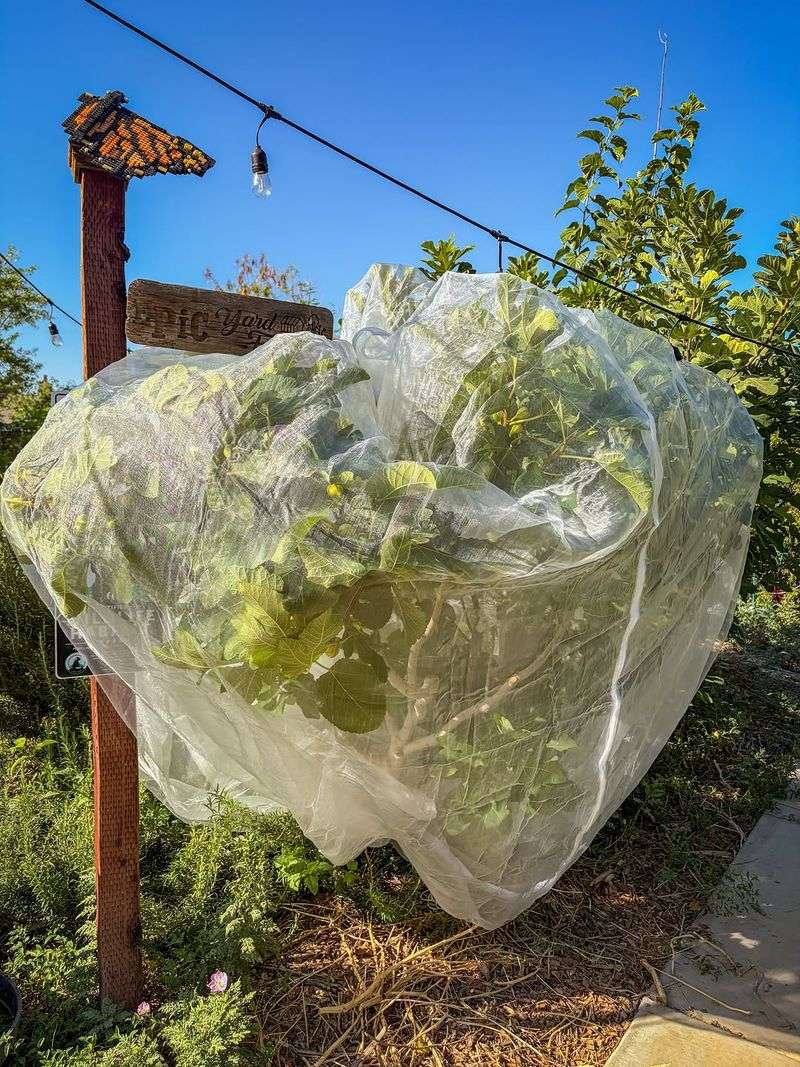
Birds find ripe figs before most gardeners do. One morning you walk out expecting a full harvest, and the tree is picked over with just the damaged leftovers hanging on the branches.
Bird netting is one of the most practical options for protecting ripening fruit. Drape it loosely over the canopy and secure the edges so birds cannot slip underneath.
Tight netting can trap birds, so keep it loose with enough clearance from the fruit.
Reflective tape or old CDs hung in the tree can deter some birds, though results tend to be inconsistent. Birds often adapt to visual deterrents after a few days once they realize there is no real threat involved.
Picking fruit at first sign of ripeness is another practical strategy. Slightly underripe figs can finish softening indoors over a day or two at room temperature.
This approach works especially well when bird pressure is high and netting is not an option.
Mockingbirds, blue jays, and woodpeckers are common culprits in many parts of the South. Knowing which birds are visiting your tree can help you figure out the best timing for protection.
Netting is most worth the effort during peak ripening when fruit is changing color fast. Put it up early in the season before birds discover the tree, since once they find a reliable food source, they return persistently until the fruit is gone.