What It Really Means When A Raccoon Keeps Digging Through Your North Carolina Garden Beds
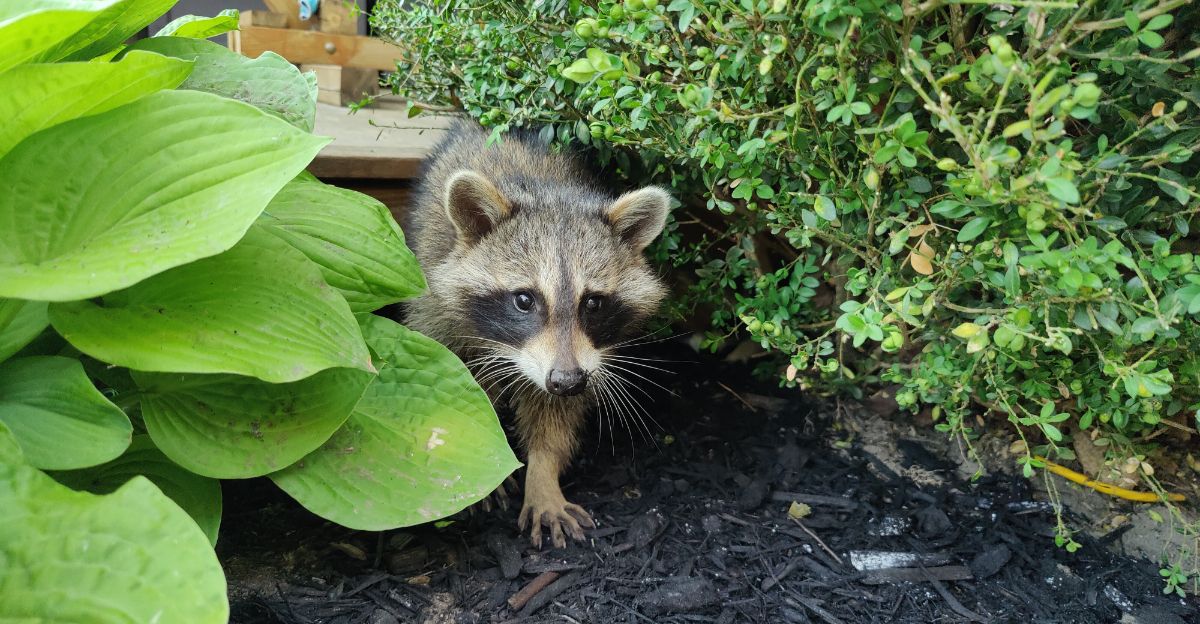
Persistent raccoon digging in North Carolina garden beds usually points to grubs or other insects living just beneath the soil surface.
These animals have a strong sense of smell and will dig repeatedly in the same spot once they detect a reliable food source underground.
Freshly turned soil or recently watered beds can also attract raccoons simply because softer ground is easier to dig through.
Checking for grub activity by turning over a small section of soil helps confirm whether insects are drawing them in.
Treating soil for grubs, when confirmed, often reduces raccoon interest since their main food source disappears.
Covering vulnerable beds with a light layer of chicken wire can also discourage repeated digging without harming the animal.
Removing fallen fruit or accessible food sources nearby further reduces the appeal of your garden overall. Addressing the root cause works far better than repeatedly repairing the same disturbed soil.
1. The Raccoon Has Found A Reliable Food Source

Raccoons are creatures of habit, and once they find something worth eating, they come back every single night until it is gone.
Repeated digging in your North Carolina garden bed is almost always a sign that a raccoon has discovered a dependable reward somewhere in that soil.
According to NC State Extension, raccoons tend to revisit the same spot as long as food remains available, which explains why the same bed keeps getting torn up while others stay untouched.
Raccoons are adaptable omnivores, meaning they eat both plant and animal foods without much preference.
Grubs, earthworms, fallen fruit, plant roots, and even decaying organic matter can all qualify as a meal worth digging for.
Their front paws are remarkably dexterous, allowing them to feel around in loose soil and mulch with surprising precision, almost like using their hands to search through a bag.
One important thing to understand is that repeated digging does not automatically mean the raccoon is trying to build a den beneath your garden.
Most of the time, the animal is simply foraging. It found food once, it returned, and now it has established a pattern.
Removing that food source or making the bed harder to access is the most effective way to break the cycle.
Identifying exactly what is drawing the raccoon in is the first and most important step toward protecting your garden long-term.
2. Earthworms And Other Soil Animals May Be The Target
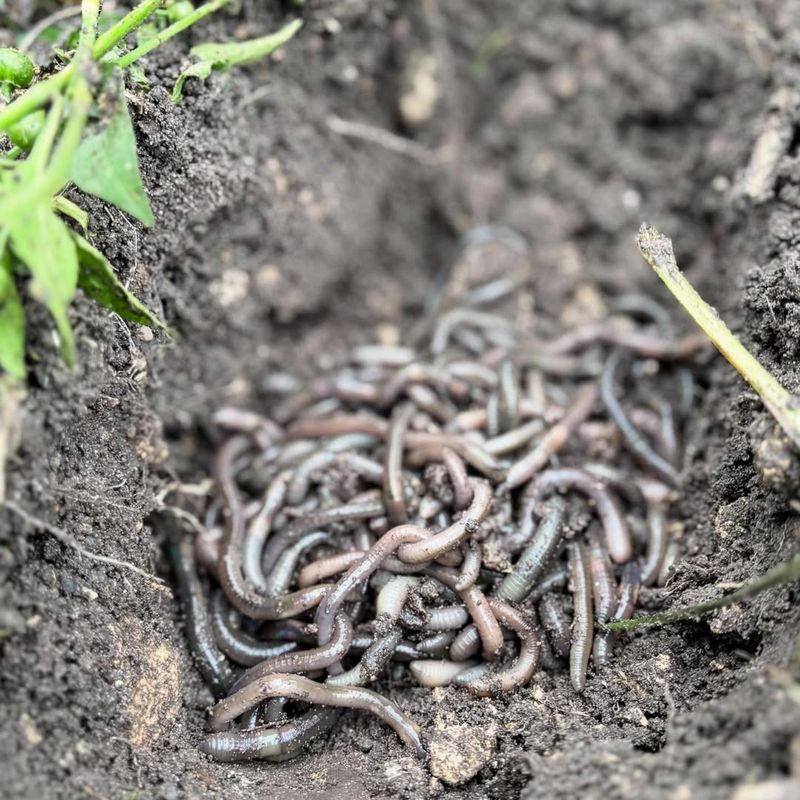
Earthworms might seem like humble little creatures, but to a raccoon, they are a high-protein snack hiding just beneath the surface.
When a raccoon turns over mulch, loosens compost, or scatters soil across your garden bed, there is a good chance it is hunting for earthworms, snails, insects, or other small soil animals.
Research on raccoon diets confirms that earthworms, snails, grasshoppers, and aquatic insects are all common food sources these animals actively seek out.
Freshly watered soil makes this kind of foraging much easier. After rain or irrigation, earthworms move closer to the surface, and loose mulch becomes simple to flip aside.
Your North Carolina Garden Changes Every Week. Your Plan Should Too.
Gardening in North Carolina changes quickly throughout the season. Every Friday you’ll receive a simple weekly plan showing exactly what to plant, prune, fertilize, harvest, and protect so you never miss the right timing.
Moist compost is especially attractive because it tends to concentrate small organisms in one accessible spot.
If your garden bed was recently watered and ends up disturbed the following morning, the timing is rarely a coincidence.
Before assuming your soil has a serious insect problem, take a breath. Raccoon digging alone does not confirm any kind of infestation.
The raccoon may simply be finding the occasional earthworm or snail, which are perfectly normal parts of healthy garden soil.
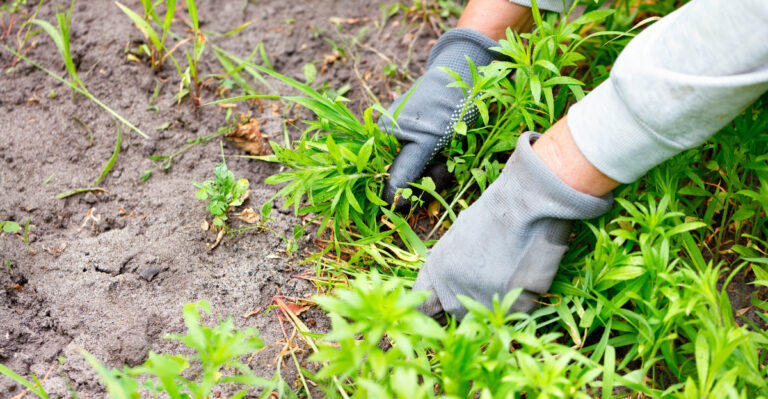
Inspecting a small section of soil yourself can help you understand what is actually living down there. Seeing a few earthworms is a great sign for your garden.
Seeing an unusual number of pale, curved larvae could mean something different entirely, and that distinction matters before taking any action.
3. White Grubs May Be Hiding Beneath Nearby Soil
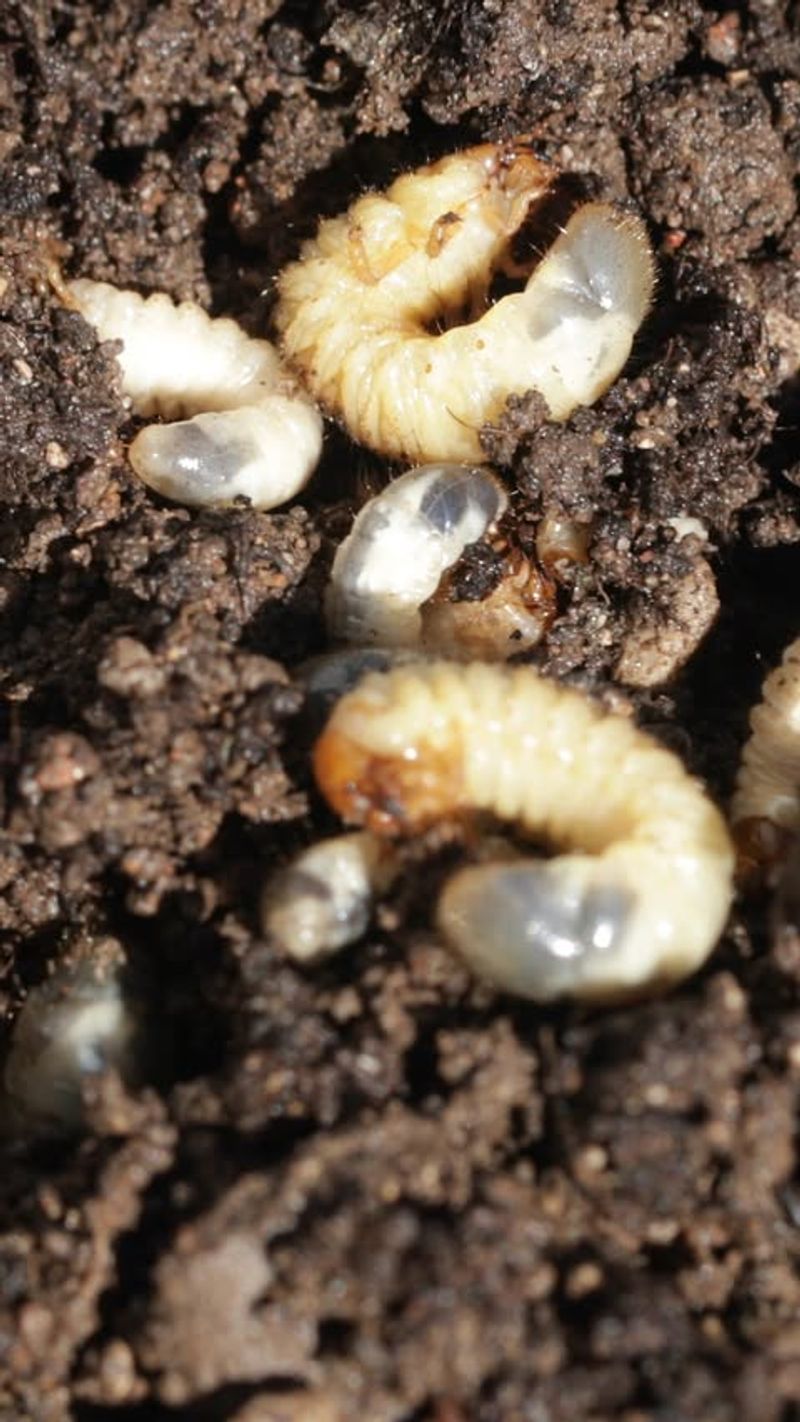
Not all raccoon digging happens inside the garden bed itself. Sometimes the digging happens along the edges, in nearby turf, or in patches of lawn bordering your garden, and white grubs are often the reason.
Raccoons have an impressive ability to detect grub activity beneath the surface, using their sensitive paws and nose to zero in on areas where beetle larvae are feeding on grass roots underground.
You can often suspect a grub issue when the turf near the disturbed area feels spongy underfoot, lifts unusually easily, or peels back like a loose carpet.
Pale, C-shaped larvae visible just below the surface are a strong indicator.
Japanese beetle grubs and masked chafer grubs are both common in North Carolina and tend to peak in late summer and early fall, which lines up with some of the most noticeable raccoon activity of the year.
That said, raccoon digging alone is not enough reason to treat your entire lawn or garden.
Broad insecticide applications affect beneficial soil organisms, including the earthworms that help your garden thrive.
Before reaching for any treatment, pull back a small section of soil in the suspected area and count what you find.
Most extension guidelines suggest that ten or more grubs per square foot in turf may warrant treatment, but fewer than that usually does not.
Confirming what is actually in the soil saves you time, money, and unnecessary disruption to the healthy ecosystem already working in your yard.
4. Moist Mulch Makes The Bed Easy To Search
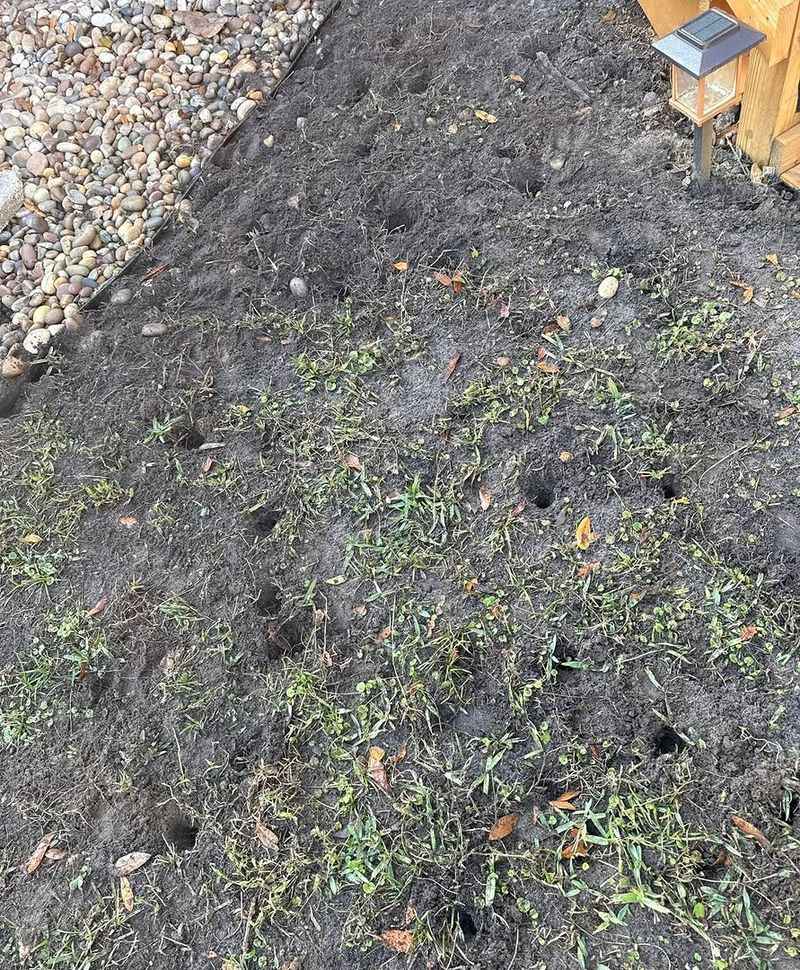
Raccoons are opportunistic in the most practical way possible. They go where the effort is lowest and the reward is highest, and a recently watered garden bed in North Carolina checks both boxes perfectly.
Loose, moist mulch requires almost no effort to flip aside, and softened soil gives way easily under a raccoon’s paws compared to dry, compacted ground that takes real work to break through. Moisture does more than just soften the soil.
It also draws earthworms and other small organisms upward toward the surface, essentially bringing the food source closer to the raccoon without any extra digging required.
After a good rain or an evening watering session, your garden bed can become one of the most accessible foraging spots in the entire neighborhood.
The raccoon is not targeting your plants out of spite. It is simply following the path of least resistance to its next meal.
The solution here is not to stop watering your plants, because that would only create a different problem.
Instead, focus on removing whatever food source is drawing the raccoon in and consider protecting frequently disturbed beds with physical barriers.
Hardware cloth pinned just beneath the mulch surface can make digging frustrating enough to discourage repeat visits.
Addressing the attractant alongside the access point is far more effective than either strategy alone.
Keeping your watering schedule on a morning timer rather than an evening one can also slightly reduce how soft and inviting the soil is when raccoons are most active at night.
5. Ripe Produce Or Fallen Fruit May Be Drawing It In

Raccoons have a well-documented sweet tooth, and a North Carolina garden full of ripe produce is basically an open invitation.
These animals eat a surprisingly wide variety of plant foods, including berries, grapes, persimmons, blackberries, blueberries, sweet corn, melons, and nuts.
If any of these are growing near or within the disturbed bed, the connection between the raccoon and the food source is probably more obvious than it first appears.
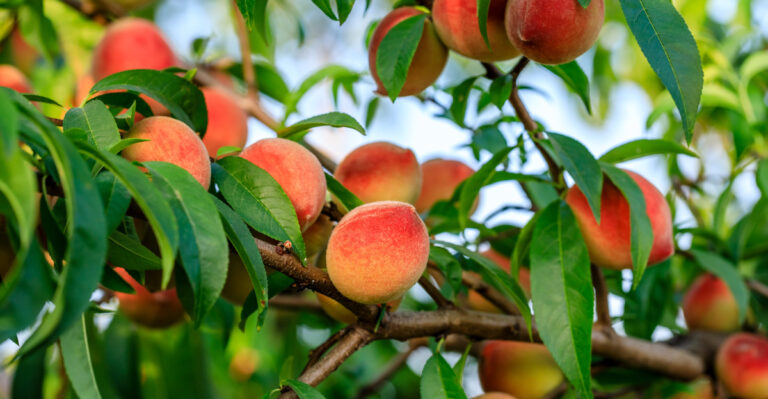
Fallen fruit is one of the biggest and most overlooked attractants in residential yards. A peach tree dropping fruit overnight, a fig with overripe fruit splitting on the branch, or a patch of blackberries going past peak can all create a reliable nighttime buffet.
Raccoons are most active between dusk and dawn, so by morning the evidence is easy to spot but the cause is sometimes missed entirely if you are not looking at what fell the night before.
Making a habit of harvesting ripe produce promptly goes a long way toward reducing raccoon visits.
Walk your garden in the late afternoon before nightfall and collect anything that is ready or close to ready.
Pick up fallen fruit from the ground around trees and berry bushes, and check for damaged or overripe vegetables that might be sitting unnoticed at the back of a raised bed.
Removing that dependable nighttime reward breaks the cycle faster than almost any other single action. Raccoons are persistent, but they move on when the effort stops paying off consistently.
6. Birdseed, Pet Food, Or Compost May Be The Real Attraction
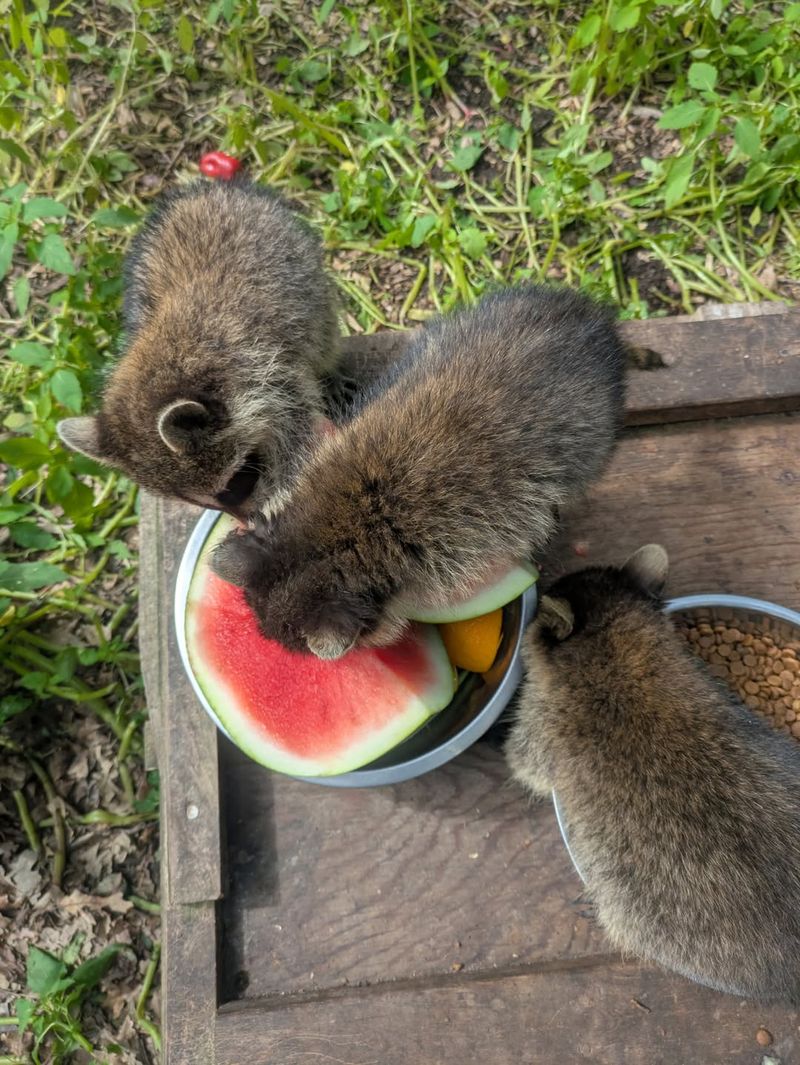
Here is something that surprises a lot of gardeners: the raccoon digging through your garden bed might not even be after anything in the soil itself.
Sometimes the real attractant is something completely different located nearby, and the garden just happens to be in the path between the raccoon and its actual target.
Spilled birdseed beneath a feeder, outdoor pet food left out overnight, unsecured garbage cans, food scraps near a compost pile, and accessible livestock feed are all classic raccoon magnets.
North Carolina wildlife officials consistently advise removing food sources as the first and most important step when wildlife repeatedly visits a residential yard.
Raccoons are intelligent enough to associate a specific yard with food availability, and once that association forms, they return regularly even when the original attractant is not always present.
Cleaning beneath bird feeders every few days, feeding pets indoors or removing bowls before dark, and securing compost with a latching lid can each make a meaningful difference on their own.
Combining several of these steps at once tends to produce the fastest results. Think of it as reducing the overall appeal of your yard rather than just fixing one single problem.
Garbage cans with bungee cords or locking lids are a simple upgrade that pays off quickly.
If you have a compost bin, turning it regularly and avoiding adding meat scraps or cooked foods keeps it from becoming too fragrant and irresistible.
Raccoons are resourceful, but a yard that offers nothing easy to access is a yard they are far less likely to keep visiting.
7. Nearby Water And Shelter Make The Yard Convenient
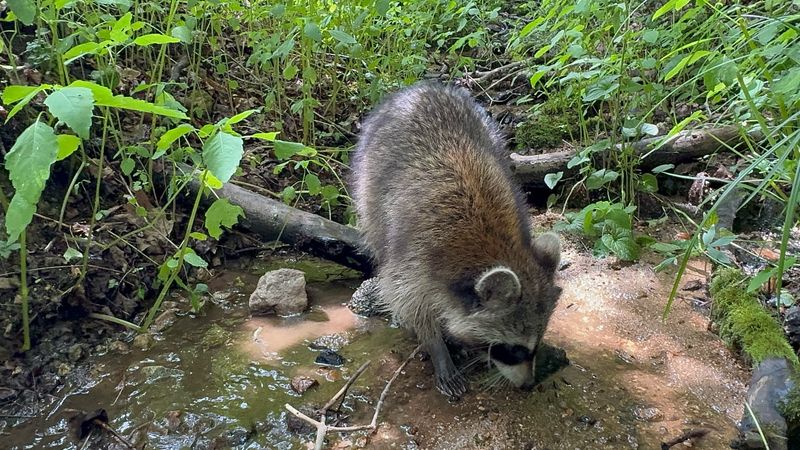
Food is only part of what makes a yard attractive to a raccoon. When a North Carolina yard also offers easy access to water and a sheltered resting spot, it essentially becomes a complete habitat all in one convenient location.
Raccoons need daily access to water, and they are well known for washing their food before eating it, so a reliable water source nearby makes your property significantly more appealing than one that only offers food.
Common water sources that go unnoticed include pet water bowls left outside overnight, leaking outdoor faucets, uncovered decorative ponds, and birdbaths.
Any of these can serve as a consistent drinking spot that keeps a raccoon returning to the same general area night after night. Sheltered spaces are equally important.
Crawlspaces, gaps beneath decks, dense brush piles, and overgrown corners of a yard can all serve as comfortable resting areas during daylight hours.
Doing a quick inspection of your yard with these factors in mind can be genuinely eye-opening.
Look for spots where a raccoon could rest undisturbed during the day, and check for water sources that stay filled overnight.
Bringing in pet water bowls before dark, fixing dripping faucets, and clearing out brush piles near the garden can reduce the overall convenience of your yard as a habitat.
One important clarification worth keeping in mind: a raccoon visiting your garden does not automatically mean one is living directly beneath your garden bed.
Most visitors are simply passing through a yard that happens to offer everything they need in one place.
8. Continued Digging Means The Reward Or Access Remains
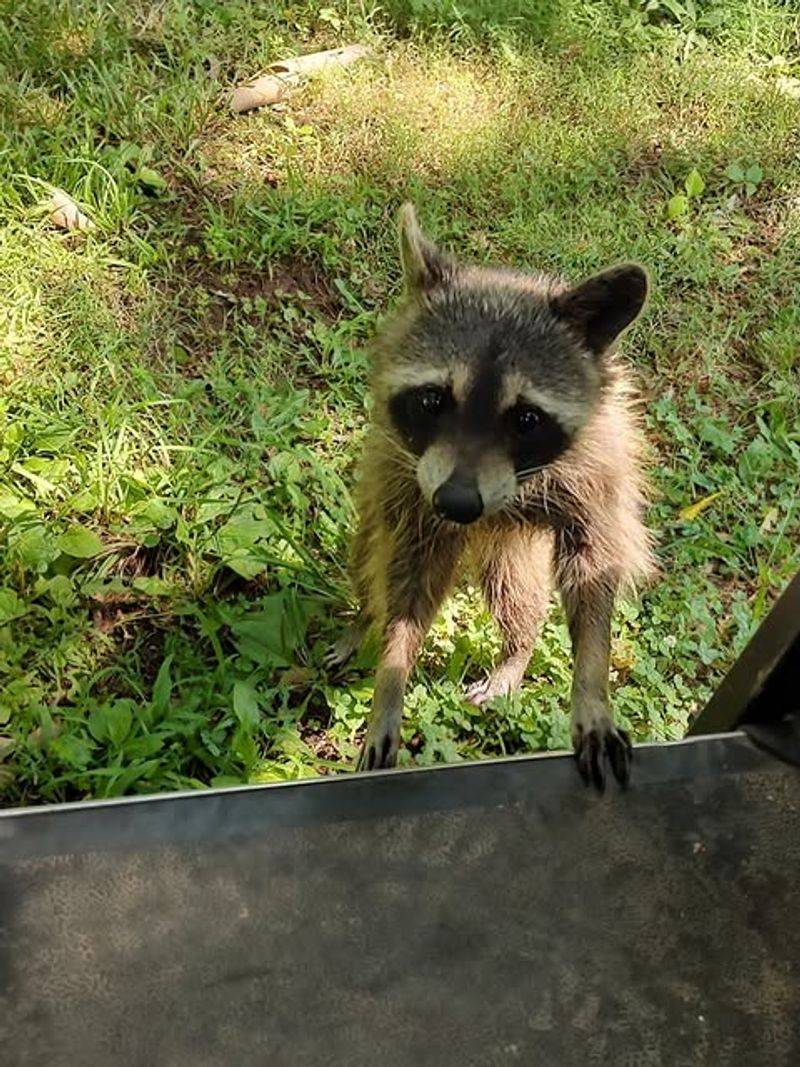
Filling in the disturbed soil every morning might feel productive, but it does not actually solve anything if the food or easy access is still there waiting each night. Raccoons are persistent animals.
They return to a spot because something continues to make it worth the trip, and simply tidying up the evidence does not change that equation at all.
Addressing the underlying reason is always the more effective starting point before adding any physical deterrent.
Once attractants are removed, protecting valued beds with physical barriers becomes a practical next step.
Hardware cloth or wire mesh secured beneath the mulch surface and extending several inches outward at the edges makes digging frustrating and unrewarding.
Motion-activated water sprinklers can provide some temporary discouragement, though raccoons are smart enough to eventually test and adapt to predictable scare devices.
Rotating or adjusting deterrents occasionally helps maintain their effectiveness a bit longer.
Before choosing any specific response, confirming which animal is actually responsible makes a real difference.
Raccoon tracks are distinctive, with five long finger-like toes on both the front and back paws.
A trail camera placed near the disturbed area overnight can give you a clear answer within a day or two, and direct observation at dusk is also surprisingly effective.
When digging continues despite your best efforts, or when the situation feels overwhelming, reaching out to the North Carolina Wildlife Helpline is a smart move.
Wildlife professionals can offer guidance specific to your situation and help you find a solution that works for both your garden and the animals sharing your neighborhood.