The August Scorpion Behavior Change Texas Homeowners Never Expect
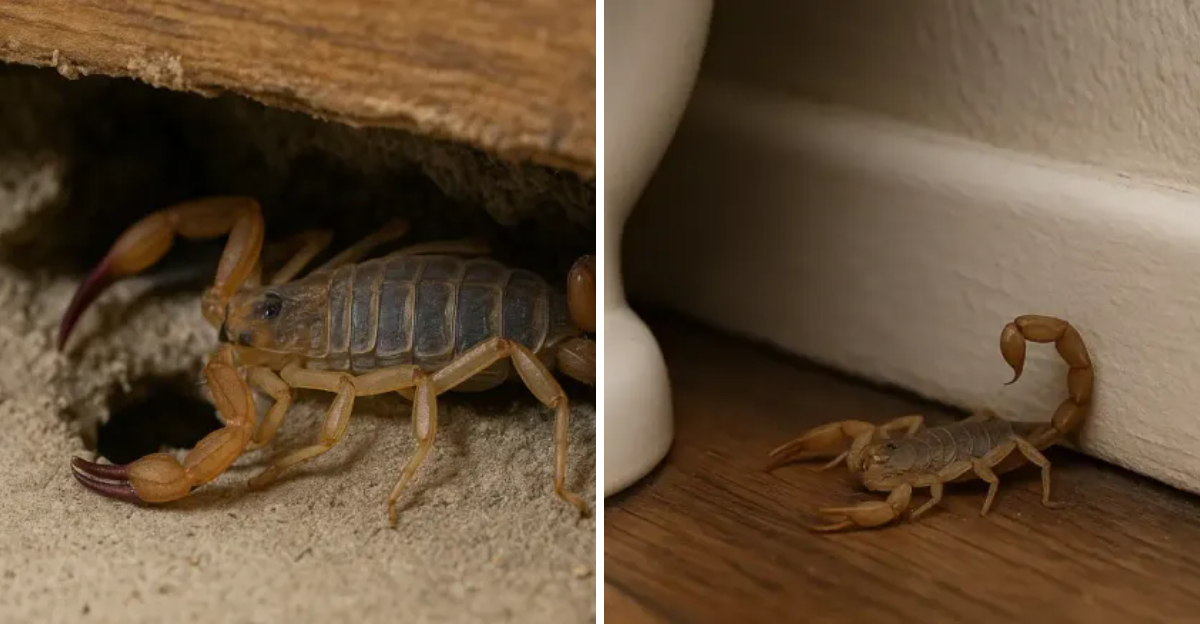
Most Texas homeowners who have dealt with scorpions develop a sense of where and when to expect them. Dark corners, garage floors, the occasional shoe check before putting it on.
Over time, the vigilance becomes routine, the habits become second nature, and the risk feels manageable.
And then August arrives and changes the pattern in ways that catch even experienced scorpion aware homeowners completely off guard. Scorpion behavior shifts meaningfully in August.
The combination of peak heat, drought pressure, and specific biological timing creates a set of conditions that pushes scorpions into locations and activity patterns that differ significantly from what most Texans have come to expect through the earlier part of the summer.
Places that have been safe all season can suddenly become active. Scorpions that stayed outside begin appearing inside. And the timing of their activity can shift in ways that make the usual precautions feel less reliable than they were.
Understanding why this happens and what specifically changes in August gives Texas homeowners a genuine advantage in managing the risk through the most unpredictable stretch of scorpion season.
1. Extreme Heat Can Push Scorpions Indoors
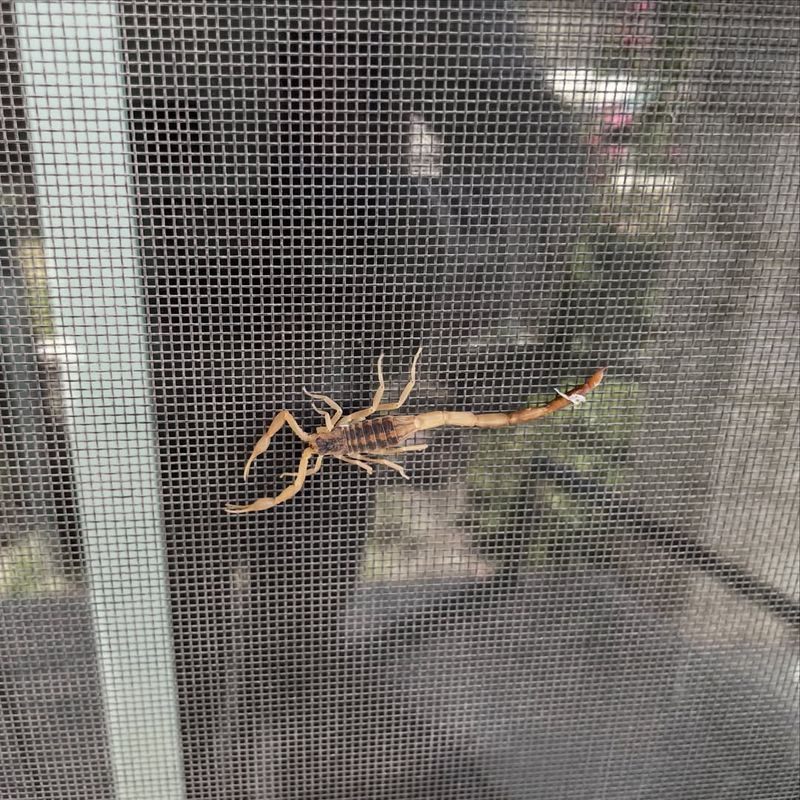
Picture this: it is a scorching August afternoon in Texas, temperatures are pushing past 100 degrees, and a scorpion is quietly squeezing under your back door. Most people never see it happen, but it happens more often than you think.
When outdoor temperatures spike and the ground dries out, scorpions look for relief just like anyone else would.
Scorpions are cold-blooded animals, so they cannot regulate their own body temperature. Extreme heat forces them to seek cooler, shadier places to survive.
Homes, garages, and sheds offer exactly that, especially when cool air leaks through small gaps around doors, pipes, or foundation cracks. A scorpion only needs a tiny opening to slip through.
Beyond just escaping the heat, scorpions also search for moisture during dry spells. Kitchens, bathrooms, and laundry rooms can attract them because of the humidity near sinks and pipes.
They may also follow their prey, such as crickets and cockroaches, which tend to move indoors when conditions outside get harsh.
This indoor movement is not something that happens like clockwork every August. It is a response to environmental pressure, meaning it depends on how hot and dry the season actually gets.
Some years, homeowners see several scorpions indoors. Other years, they might see none at all.
The best way to stay ahead of this behavior is to seal your home before the heat peaks. Check door sweeps, window frames, and any gaps around utility lines coming through the walls.
Reducing entry points is the single most effective step a homeowner can take to prevent an unwanted eight-legged houseguest from settling in.
2. The Visitor Is Usually A Striped Bark Scorpion
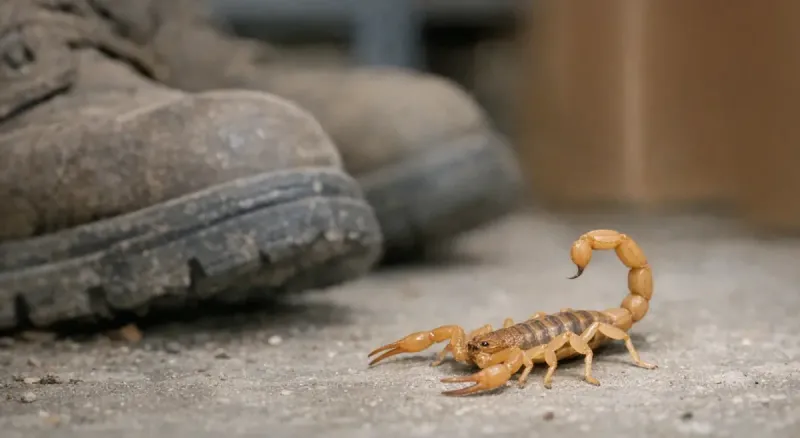
If you spot a scorpion inside your Texas home, chances are very good that it is a striped bark scorpion, known scientifically as Centruroides vittatus. Out of all the scorpion species found across the state, this one shows up in homes more than any other.
Your Texas Garden Changes Every Week. Your Plan Should Too.
Gardening in Texas changes quickly throughout the season. Every Friday you’ll receive a simple weekly plan showing exactly what to plant, prune, fertilize, harvest, and protect so you never miss the right timing.
It is the most widespread scorpion in Texas, living everywhere from the Hill Country to suburban neighborhoods near Houston and Dallas.
Adults are usually yellowish or tan in color, with two dark stripes running lengthwise along the abdomen. They are slender and agile, which makes them surprisingly good climbers.
Unlike many other scorpion species that stay close to the ground, the striped bark scorpion can scale walls, wooden beams, and even smooth surfaces with ease. That climbing ability is a big reason why homeowners find them in unexpected places.
Attics are one of the most common indoor hiding spots for this species. They also tuck themselves into closets, behind picture frames, inside shoes, and underneath piles of clothing left on the floor.
Their flat body shape allows them to squeeze into very tight spaces where most people would never think to look.
Fun fact: the striped bark scorpion can glow a bright blue-green color under ultraviolet light. Many pest control professionals use UV flashlights at night to locate scorpions hiding inside and outside of homes.
You can actually buy these flashlights yourself and do your own nighttime sweep of the house.
Knowing which species you are dealing with helps you understand its habits better. The striped bark scorpion is a climber, a wanderer, and an opportunist.
Recognizing it early puts you in a much stronger position to manage the situation before it becomes a bigger problem.
3. August Nights Bring Them Out Of Hiding
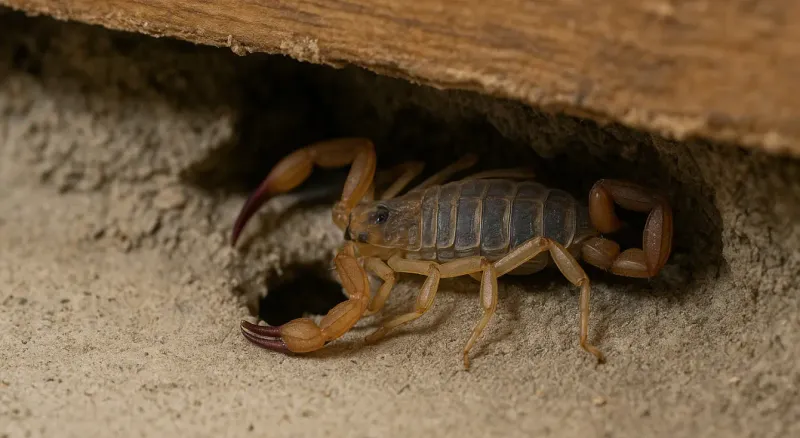
Scorpions are creatures of the night, and August evenings in Texas are prime time for them to get active. During the day, they stay hidden under rocks, loose bark, woodpiles, and debris where the shade keeps them cooler.
Once the sun goes down and temperatures begin to drop, they emerge to hunt. This is when most homeowners have their unexpected run-ins.
Heat and water loss are the two biggest threats to a scorpion during a Texas summer. By staying hidden during the day and moving at night, they reduce both risks significantly.
Cooler nighttime air means less moisture evaporates from their bodies, allowing them to roam farther in search of food. The striped bark scorpion is especially active during these hours.
What surprises many homeowners is just how mobile these scorpions are after dark. A yard or home that looks completely clear during the afternoon can have several scorpions moving through it by midnight.
People who walk outside barefoot at night or get up for a glass of water without turning on lights are the most likely to get stung.
Using a UV blacklight flashlight is one of the smartest tools a homeowner can use. Scorpions glow under ultraviolet light, making them easy to spot in dark corners, along baseboards, and outside near the foundation.
Doing a short sweep of your home before bed can make a real difference, especially during August when activity tends to peak.
Keeping outdoor lights turned off or switching to yellow bug-light bulbs can also help. Bright white lights attract the insects that scorpions feed on, which in turn draws scorpions closer to your home every night.
4. Indoor Scorpions May Reveal A Prey Problem
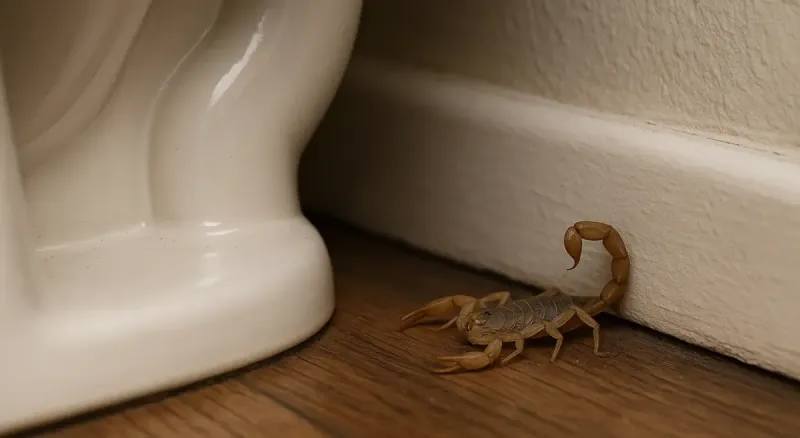
When a scorpion shows up inside your home, it is worth asking a simple question: what is it eating? Scorpions do not wander into homes randomly.
They follow food. If a scorpion is living in or around your house, there is a good chance your property has a steady supply of crickets, cockroaches, spiders, or other small insects that are keeping it fed and comfortable.
Crickets are one of the most common prey items for the striped bark scorpion. In August, cricket populations tend to swell across Texas, especially around homes with outdoor lighting.
Porch lights, garage lights, and decorative landscape lights all attract insects at night. Once insects gather near your doors and windows, scorpions follow right behind them. The light is not attracting scorpions directly, but it is setting the table for them.
Moisture problems inside the home can also contribute to the issue. Leaky pipes, dripping faucets, and damp areas under sinks create the kind of environment that cockroaches and other insects love.
Those insects attract scorpions, which means a small plumbing issue can quietly become a scorpion problem without you ever connecting the two.
Fixing the prey problem is one of the most effective long-term strategies for keeping scorpions away. Seal gaps around windows and exterior doors to reduce insect entry.
Switch outdoor lights to yellow or sodium vapor bulbs, which attract far fewer insects. Fix any moisture issues inside the home and keep drains clean and dry when possible.
Reducing the food supply sends a clear message to scorpions that your home is not a good place to hang around. Less prey means less reason for them to stay.
5. Their Sting Is Painful But Usually Not Life-Threatening
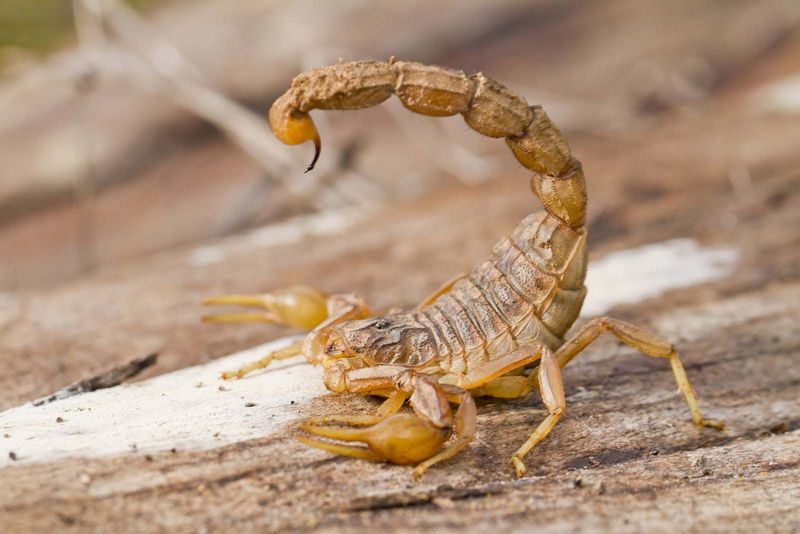
Getting stung by a striped bark scorpion is not something anyone wants to experience. The pain hits fast and can feel like a sharp burning or electric shock at the sting site.
Swelling, redness, itching, and numbness are all common reactions. For most healthy adults, the symptoms are uncomfortable but manageable, and they usually ease up within a few hours to a couple of days.
Texas A&M University has confirmed that no scorpion species found in Texas is considered lethal to healthy humans. That is genuinely reassuring news for most people.
However, that does not mean every sting should be brushed off. Some individuals have stronger reactions than others, and the severity of symptoms can vary depending on where the sting lands and how much venom was delivered.
Children, older adults, and people with known allergies to insect venom are at higher risk for serious reactions. If a child is stung, it is always the right call to contact a medical professional right away.
Symptoms like difficulty breathing, muscle twitching, drooling, or rapid heart rate after a sting need immediate medical attention, no matter the age of the person stung.
For mild stings in healthy adults, washing the area with soap and water, applying a cold pack, and taking an over-the-counter pain reliever can help manage discomfort. Avoid squeezing or scratching the sting site, as this can make swelling worse.
6. Exclusion Works Better Than Waiting For Them To Leave
Hoping scorpions will just move on is not a strategy that works very well in August. Once a scorpion finds a cool, prey-rich environment, it has very little reason to leave on its own.
Taking action to seal your home and reduce attractants is far more effective than waiting and hoping for the best.
Start with the entry points. Walk around the outside of your home and look for gaps around utility pipes, cracks in the foundation, and spaces beneath exterior doors.
Even a gap as thin as a credit card is enough for a scorpion to squeeze through. Install tight-fitting door sweeps on all exterior doors and use weatherstripping around door frames and windows.
Caulk any visible cracks you find along the foundation or around pipe openings. Outdoor clutter is another big factor. Firewood stacked against the house, loose boards, piles of rocks, and thick ground cover all create perfect daytime hiding spots for scorpions.
Move firewood at least 20 feet from the home and store it elevated off the ground. Clear away leaf piles and debris from around the foundation regularly, especially during the summer months.
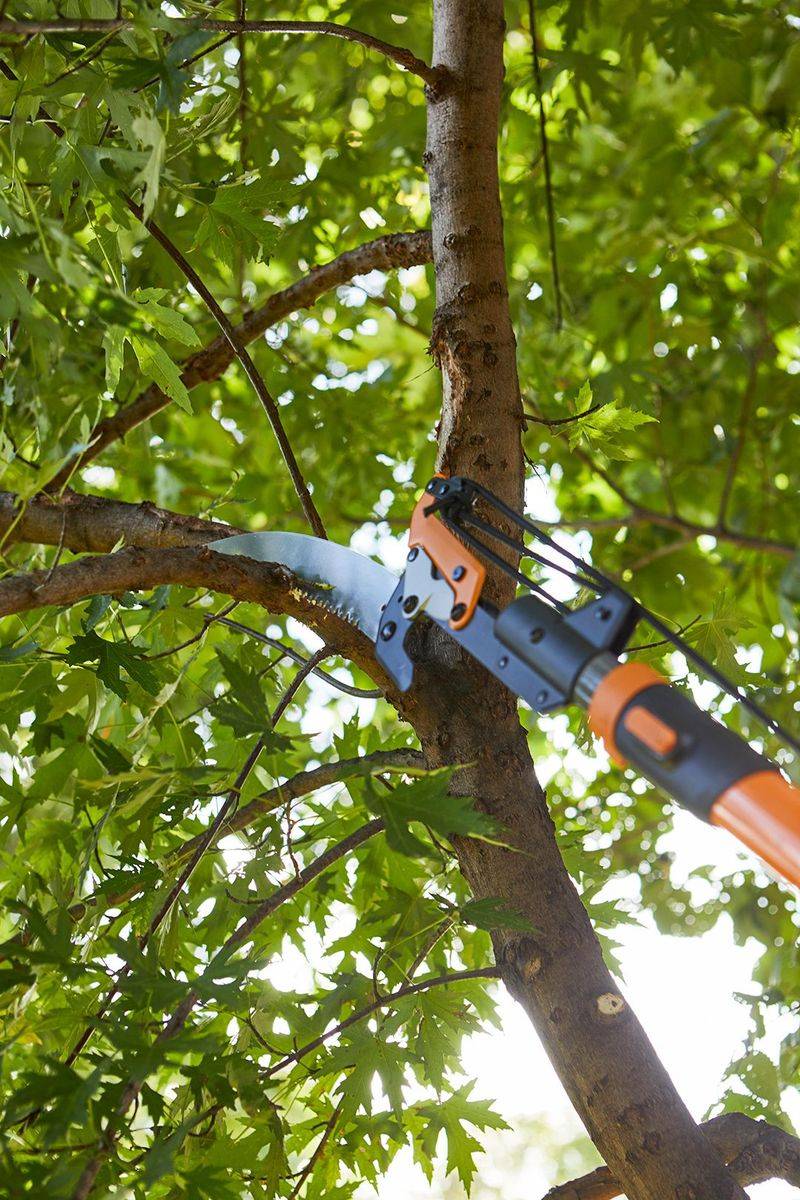
Trim any tree branches or shrubs that touch the roof or exterior walls of your home. Striped bark scorpions are skilled climbers, and overhanging branches give them a direct path onto your roof and into your attic.
Keeping vegetation trimmed back removes that pathway entirely. Inside the home, shake out shoes, gloves, and any clothing left on the floor before putting them on. Check towels and bedding that hang low as well.
These simple habits take only seconds but can prevent a very unpleasant surprise during the busiest scorpion season of the year.