Why Illinois Backyards Are Becoming Wildlife Recovery Zones After July Heat
Heat doesn’t announce itself before it starts changing everything outside. You watch birds gasp on fence posts, throats working overtime. Squirrels flatten against dirt while you stay cool inside.
Bees disappear by midday, and you barely notice they’re gone. Illinois summers turn your yard into a demanding daily challenge. Pavement grows scorching hot before you even step outside.
Water disappears fast, already leaving thirsty creatures near your fence. Shade becomes currency, and your yard controls the supply. Small mammals hide deeper, hoping you leave something behind.
Insects struggle instantly, long before you feel the heat yourself. Residents across Illinois are noticing what you might be missing this summer. Simple changes you make ripple outward, helping unseen lives.
Nothing about this moment stays distant once you understand it. Every decision you make outside now carries real weight. What you do next in your yard could decide which animals make it home.
1. Water Dishes Stay Filled
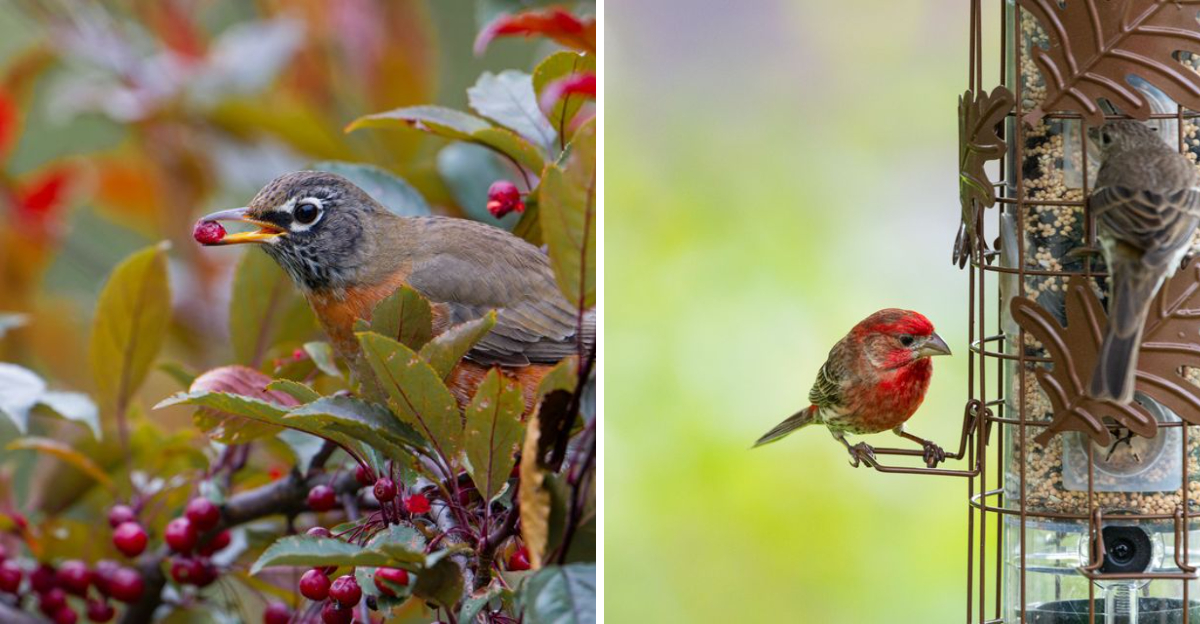
A thirsty robin landed on a porch railing and stared at an empty dish, refusing to leave until it found something.
That moment changed one homeowner’s summer routine forever, turning a small gesture into a daily habit. Keeping water dishes filled is one of the easiest ways to support wildlife during intense July heat.
Birds, squirrels, and even butterflies need fresh water daily to cope with extreme temperatures.
Shallow dishes work best because smaller animals can drink without drowning in deeper basins. A dish no deeper than about two inches is generally recommended for safe access, though ideal depth can vary by species.
Change the water every day to prevent mosquito larvae from hatching in the summer heat. Stagnant water becomes a health hazard fast, creating a breeding ground for bacteria and mosquitoes.
Place dishes in shaded spots so the water stays cooler for longer stretches of the day. Direct sunlight heats water quickly, making it less appealing and less safe for animals seeking real relief.
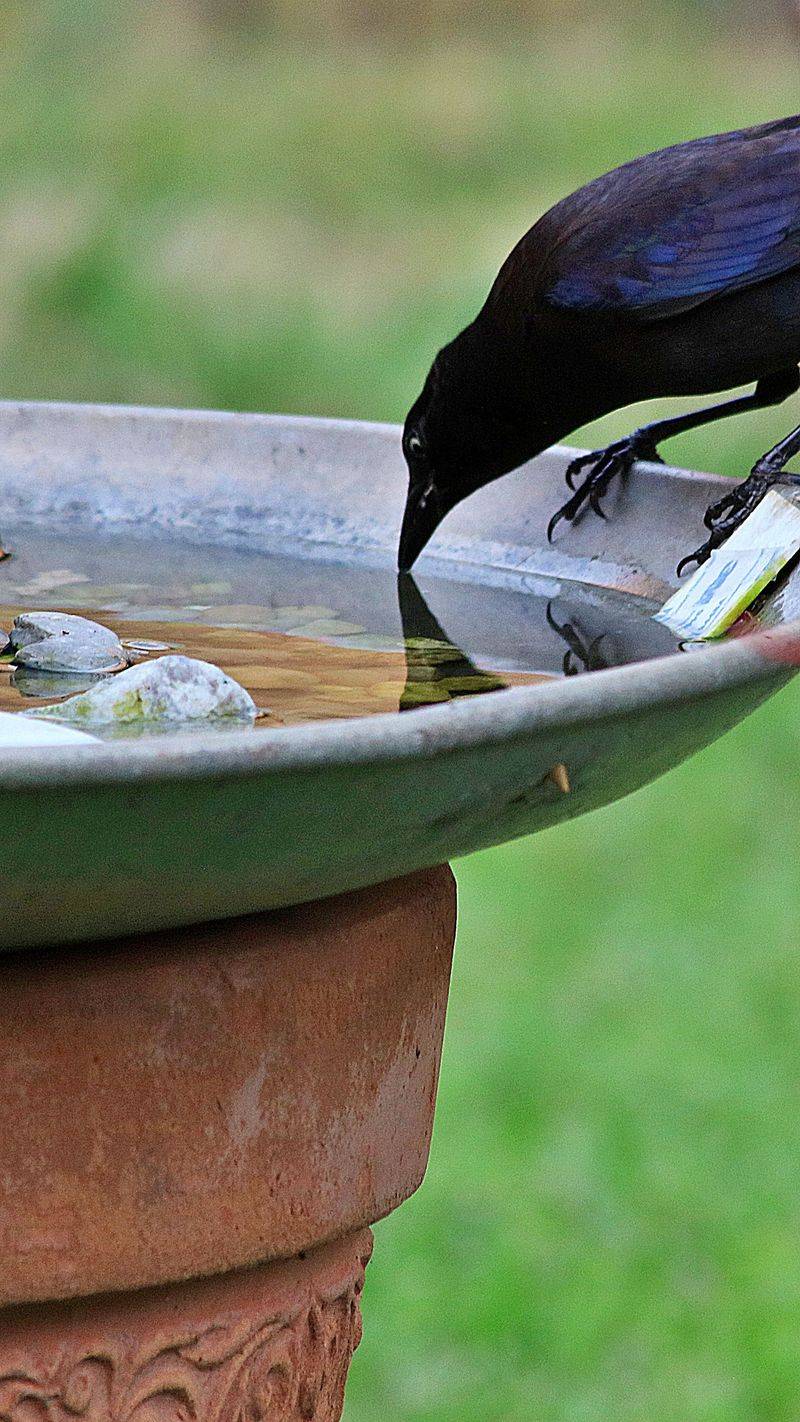
Adding a few small stones inside the dish gives insects a reliable landing pad. Bees and wasps need water too, and they appreciate a safe perch while drinking without risking drowning.
Multiple dishes placed around the yard create a network of hydration stations animals can rely on. Spreading them out reduces competition and stress among different species sharing the same space.
Ceramic and clay dishes stay cooler than plastic ones under the summer sun. Choosing the right material makes a real difference in water temperature and overall animal comfort.
Wildlife recovery zones after July heat start with something as basic as a water dish. Fill it daily, keep it shaded, and watch your backyard come alive with grateful, thirsty visitors.
2. Shade Structures Shelter Backyard Birds
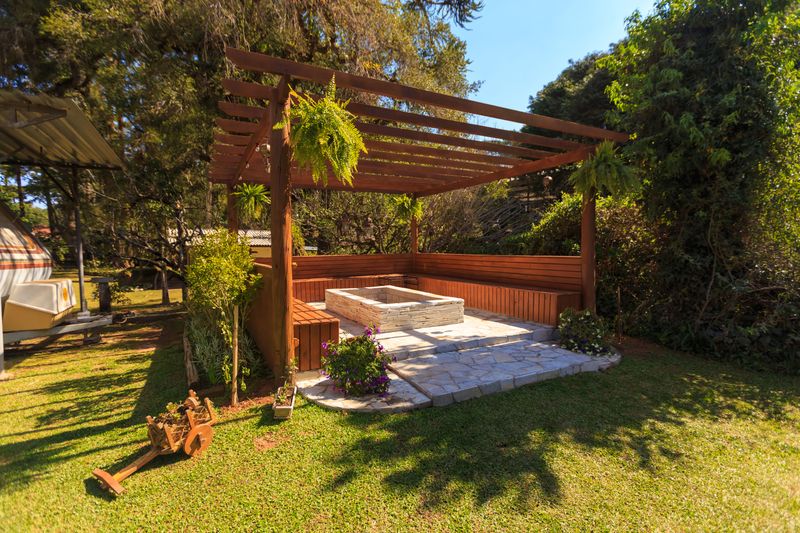
Shade is survival gear for birds enduring a sustained July heatwave. Without it, body temperatures spike and birds stop moving entirely to conserve precious energy.
Setting up shade structures in your yard gives birds a safe place to rest during the hottest parts of the day. Pergolas, shade sails, and dense shrubs all work well as natural cooling stations that require little upkeep.
Your Illinois Garden Changes Every Week. Your Plan Should Too.
Gardening in Illinois changes quickly throughout the season. Every Friday you’ll receive a simple weekly plan showing exactly what to plant, prune, fertilize, harvest, and protect so you never miss the right timing.
Birds often seek cover during the hottest stretch of the afternoon, when temperatures peak. Providing reliable shade during those hours can meaningfully help birds cope with the heat.
Shade sails are affordable, easy to install, and come in sizes that fit any yard, big or small. Stretching one over a garden bed or feeding area creates instant relief for feathered visitors passing through.
Dense shrubs like arborvitae or viburnum offer layered shade that mimics natural forest cover close to home. Planting them along a fence creates a cool corridor birds can move through safely, day after day.
Trellises covered in fast-growing vines add vertical shade without taking up valuable ground space. Native vines like Virginia creeper grow quickly and provide excellent cover within a single, fast-moving season.
Backyard birds also use shade structures as lookout points between exhausting feeding trips. Elevated perches under a shaded canopy let them watch for predators while staying cool and alert.
Illinois backyards with reliable shade become magnets for stressed summer wildlife searching for relief. A simple shade sail today could mean a thriving, resilient bird population in your yard all season long.
3. Native Plants Provide Food Sources
Purple coneflowers swaying in a warm breeze do more than look pretty. They feed goldfinches, bees, and beetles all at once, turning a single plant into a miniature feeding station.
Native plants are the foundation of any wildlife recovery zone after intense July heat. They evolved alongside local animals, which means they provide exactly the right food at exactly the right time, without the guesswork non-native species introduce.
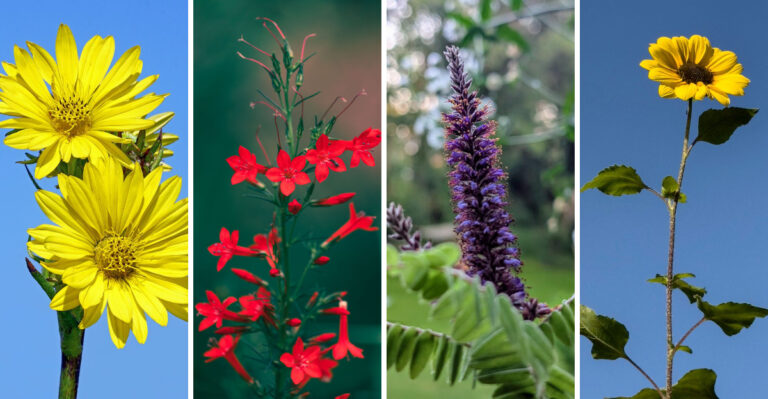
Black-eyed Susans, milkweed, and wild bergamot bloom during peak summer months, right when demand is highest. Their nectar and seeds fuel pollinators and songbirds when energy demands are at their most intense.
Non-native ornamental plants often look lush but offer little nutritional value to local wildlife, no matter how vibrant they appear. Swapping even a few of them for natives creates a measurable boost in backyard biodiversity within a single season.
Native grasses like little bluestem provide seeds and cover simultaneously, doing double duty in tight spaces. They grow tall enough to shelter ground-feeding birds and small mammals from the blistering midday sun.
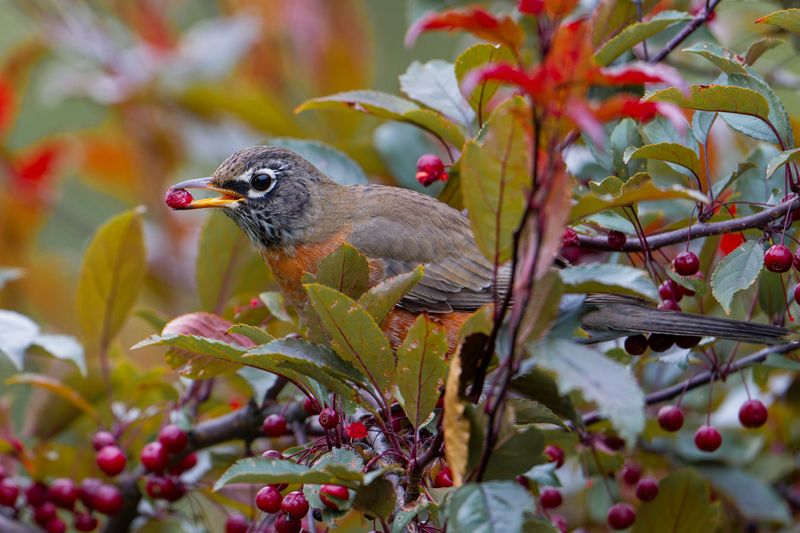
Serviceberry and elderberry shrubs produce fruit that ripens in summer, right on schedule. Birds like cedar waxwings and catbirds depend on these berries during their most energy-intensive, demanding months of the year.
Planting in clusters rather than scattered single plants is far more effective for wildlife. Groupings create visible, accessible food patches that animals can spot and return to reliably, day after day.
A yard full of native plants becomes a living pantry for local wildlife, working quietly through the season. Starting with just three or four species can transform an ordinary lawn into a thriving, dependable recovery zone.
4. Birdbaths Get Cleaned Regularly
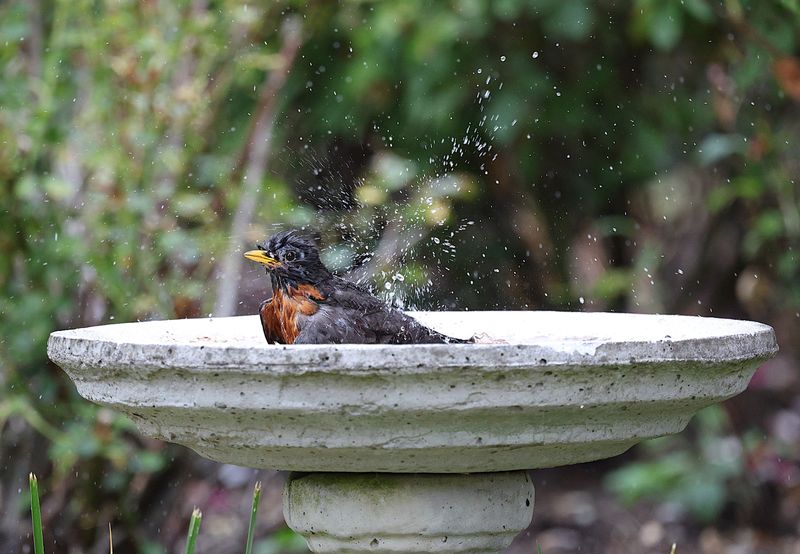
A grimy birdbath is worse than no birdbath at all in the middle of summer. Algae, bacteria, and parasites thrive in standing water left uncleaned for days on end.
Cleaning birdbaths regularly is one of the most impactful habits a wildlife-friendly homeowner can build. It keeps water safe for birds recovering from the stress of extreme summer heat and dehydration.
Scrub the basin every two to three days using a stiff brush and plain water. Avoid soap or bleach residue, which can harm birds even in tiny, seemingly harmless amounts.
A quick rinse and scrub takes less than five minutes from start to finish. Making it a consistent habit ensures it actually gets done before the day heats up further.
Algae growth speeds up dramatically in warm, sunny weather that lingers for weeks. Moving a birdbath to partial shade slows algae buildup and reduces how often scrubbing is needed.
Solar-powered water wigglers or misters keep water moving, which discourages algae and mosquito breeding altogether. The gentle movement also attracts more birds, since they clearly prefer fresh-looking, active water sources.
Birdbaths made from rough concrete or textured stone give birds better footing than smooth surfaces ever could. Secure footing matters more when birds are heat-stressed and noticeably less coordinated than usual.
A clean birdbath sends a clear signal to your neighborhood wildlife that this yard is safe. Birds that find reliable, clean water return again and again without hesitation.
Over time, this simple habit builds your backyard into a true wildlife recovery zone after intense July heat, one visit at a time.
5. Brush Piles Offer Cover
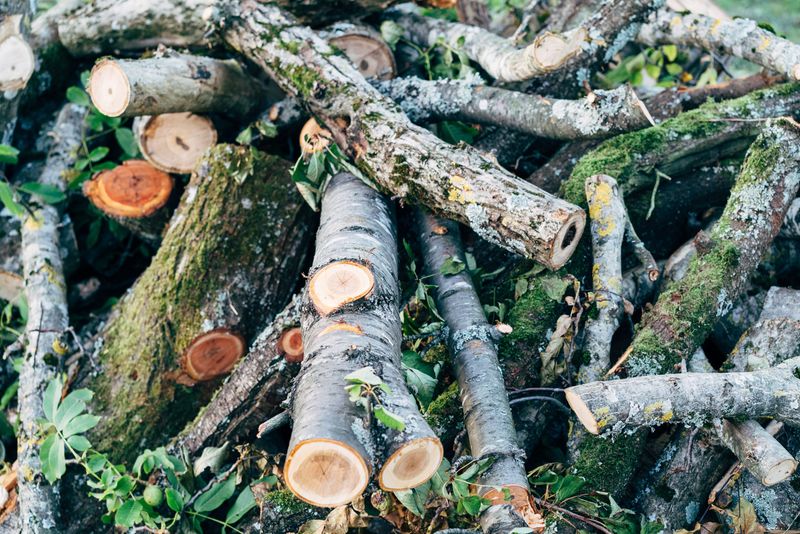
Not every backyard feature needs to look polished or magazine-ready. Sometimes the messiest corner of the yard does the most good for local wildlife.
Brush piles are one of the most underrated tools for supporting wildlife during the hot weeks following peak summer temperatures. They provide cool, shaded cover for birds, reptiles, and small mammals seeking relief from the sun.
Building a brush pile is refreshingly straightforward and requires no special skill. Stack fallen branches, dried stems, and leaf litter in a back corner of the yard, ideally near a fence or shrub line.
The interior of a well-built pile stays significantly cooler than open ground nearby. Animals burrow into the center where air movement and shade combine to lower temperatures noticeably.
Brown thrashers, towhees, and wrens actively seek out brush piles for foraging and resting throughout the day. These ground-level birds feel safer in low, dense cover than in open garden beds exposed to predators.
Small reptiles like skinks and fence lizards use brush piles to regulate their body temperature effectively. They move in and out of the pile to warm up or cool down as needed, instinctively.
Leaving brush piles intact through summer and fall provides continuous habitat value for multiple species. Breaking them down too early removes shelter just when animals need it most desperately.
A brush pile can often be built quickly and cheaply, using materials already found in the yard. That small investment creates a wildlife refuge that works around the clock, quietly, in your own yard.
6. Feeders Stay Stocked
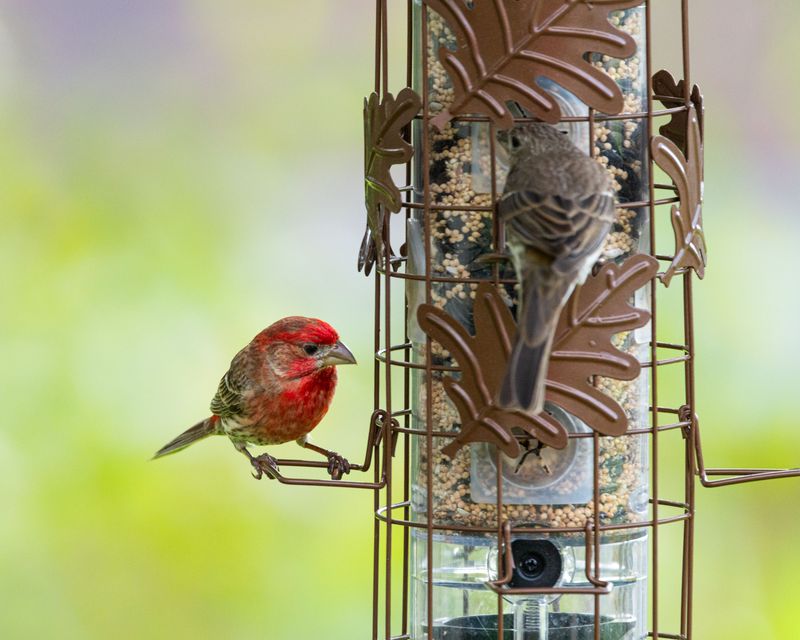
An empty feeder in July is a missed opportunity to support your backyard birds. They rely on consistent, dependable food sources when natural supplies get stressed by drought and sustained heat.
Keeping feeders stocked through summer takes far more attention than it does during cooler, milder months. Heat spoils seed quickly, and moldy or rancid seed can make birds seriously, dangerously sick.
Check feeders every two days during peak summer heat without exception or excuse. Remove any clumped, wet, or discolored seed immediately and replace it with a fresh, clean batch.
Black-oil sunflower seeds remain the most universally popular option among seed-eating birds across the region.
Cardinals, chickadees, nuthatches, and finches all flock to them reliably throughout the entire scorching season.
Nyjer seed in a tube feeder attracts goldfinches specifically, almost without fail every time. These bright yellow birds are common backyard visitors across the Midwest and benefit greatly from a dedicated, steady food source.
Tube feeders with small ports stay noticeably cleaner longer than open platform feeders in humid weather. Choosing the right feeder style reduces waste significantly and keeps food fresher between refills.
Place feeders in shaded spots to slow seed spoilage and keep visiting birds cooler and calmer. A feeder baking in direct afternoon sun creates a less-than-ideal combination of warm food and unshaded perches.
Stocked feeders turn ordinary backyards into reliable pit stops for wildlife pushing through severe summer stress. Every seed you put out is a real, tangible act of support for the recovery of your local bird population.
That small daily effort adds up quickly, sustaining generations of birds through the harshest stretch of summer.
7. Ponds Support Overheated Pollinators
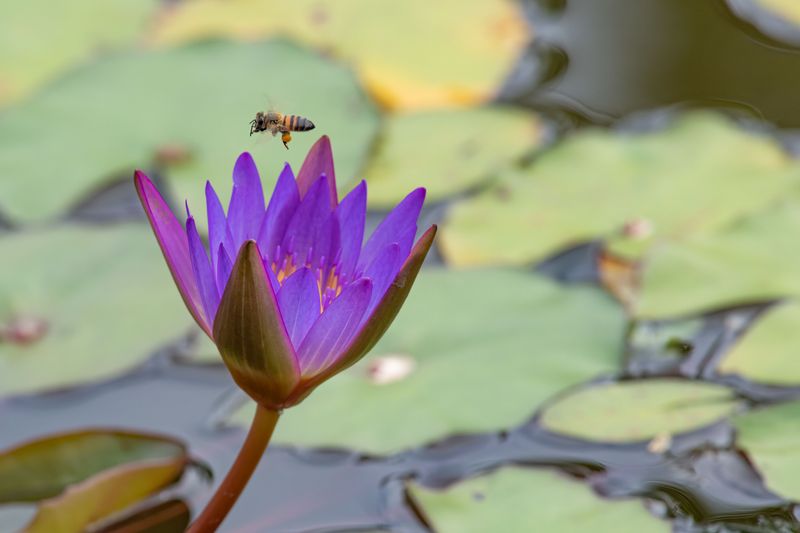
Bees do not just need flowers to survive the season. On a scorching July afternoon, they need water just as urgently as any bird or mammal.
Small backyard ponds have become surprisingly powerful tools in Illinois wildlife recovery zones after July heat. They support bees, butterflies, dragonflies, and even frogs that struggle to find moisture in dry suburban landscapes.
A pond does not need to be large to be genuinely effective. A half-barrel water garden or a pre-formed liner pond holds enough water to attract and support dozens of pollinator species.
Flat stones placed at the water’s edge give bees and butterflies a safe, reliable landing spot. Pollinators cannot swim, so shallow entry points are absolutely essential for safe drinking access.
Native floating plants like American white waterlily provide shade for aquatic insects below. Their roots also filter the water naturally, keeping the pond cleaner with noticeably less maintenance effort.
Avoid water hyacinth and water lettuce, which are considered invasive in many states, including Illinois. Dragonflies lay eggs in still water, and their larvae develop quietly below the surface.
A backyard pond essentially becomes a dragonfly nursery, and adult dragonflies control mosquito populations in return.
Solar-powered pumps keep water circulating without adding a cent to electricity bills. Moving water also prevents mosquito breeding and keeps oxygen levels high for any fish or amphibians in the pond.
A pond anchors an entire backyard ecosystem together, quietly, season after season. Adding one to your yard creates a hub that pulls in pollinators, birds, and amphibians, building a genuine wildlife recovery zone from the ground up.