Overlooked Prairie Plants Blooming Across Illinois This July
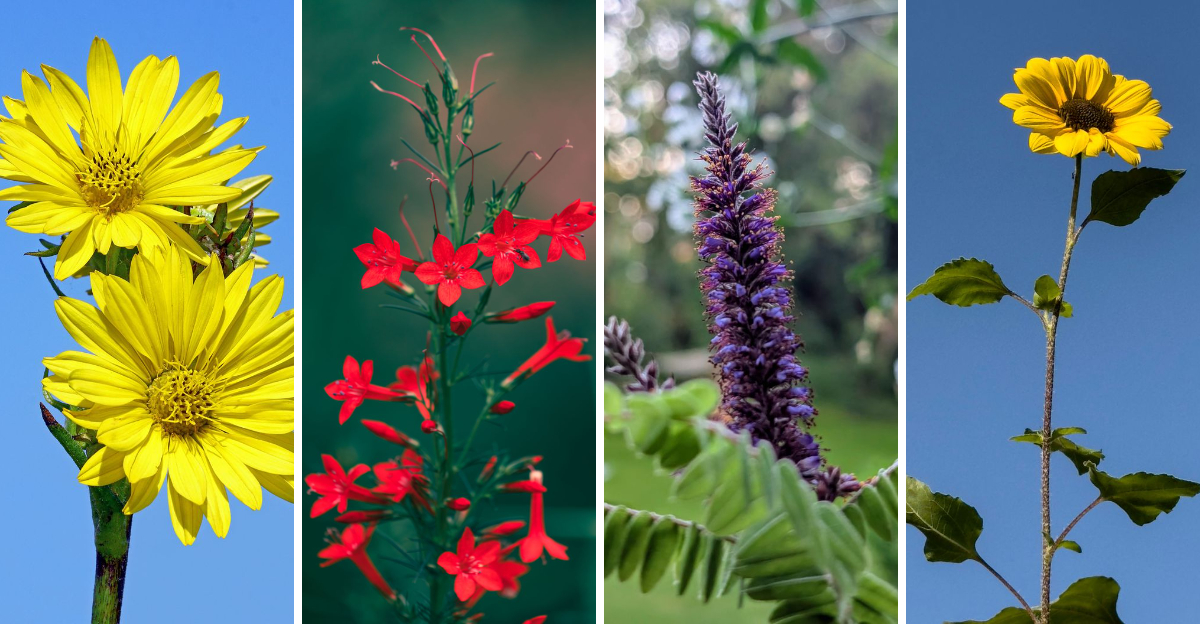
Drive down almost any back road in Illinois this July and the ditches look ordinary. Then you slow down. Something shifts.
Tall stems lean into the wind, and clusters of orange, violet, and cream flowers crowd every open patch of ground. This is what remains of the tallgrass prairie, a system that once covered nearly two-thirds of the state before plows arrived.
Most of it is gone now, tucked into small preserves and roadside remnants that few people ever stop to notice. But the plants that survived are tough, strange, and oddly beautiful once you know what you’re looking at.
Some feed monarch caterpillars. Others send roots ten feet underground to survive drought. A few smell like root beer when you crush the leaves.
Illinois in midsummer is quietly showing off, and the show is free. All you have to do is pull over.
1. Leadplant
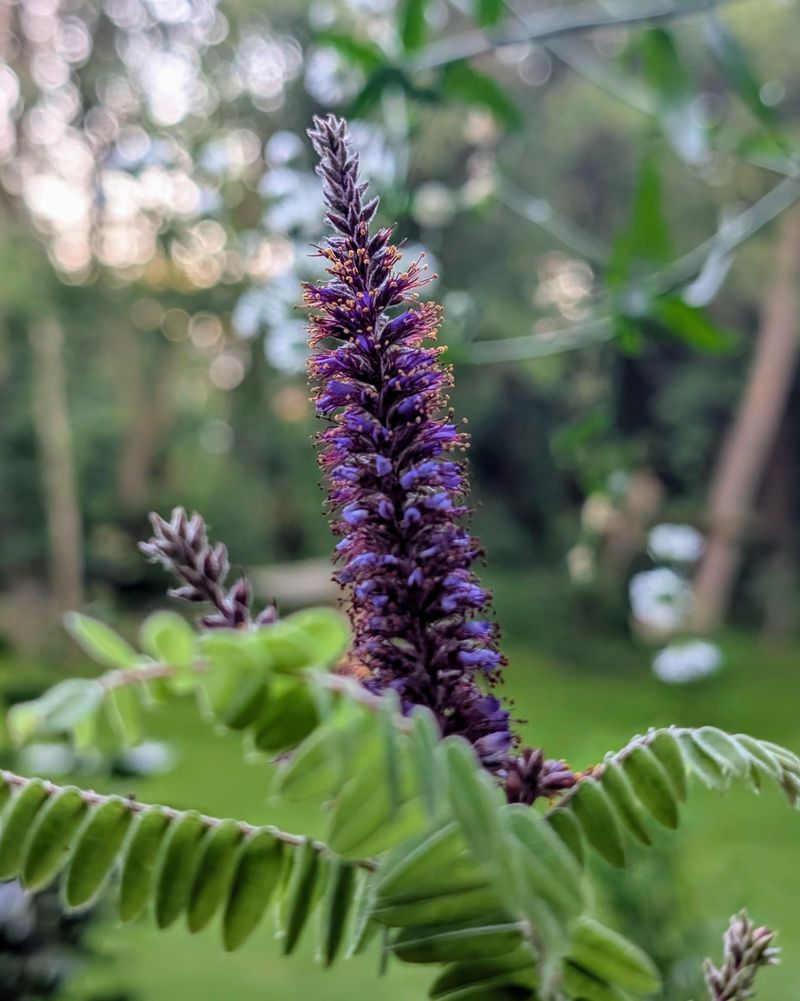
Leadplant is the scrappy survivor of the prairie world. Its silvery-gray leaves gave it a name that stuck, because early settlers thought the soil beneath it held lead deposits.
Spoiler: it did not. What the soil held was something far more valuable, roots that can reach anywhere from a few feet to well over ten, deep enough to survive fire and drought alike.
Those roots are the secret to this plant’s superpower. Leadplant fixes nitrogen into the soil, quietly feeding every neighboring plant like a generous underground neighbor.
In July, it erupts into stunning purple flower spikes tipped with vivid orange anthers. The contrast is almost shocking against its soft, dusty foliage.
Bees go absolutely wild for those blooms. Bumblebees, native sweat bees, and specialist mining bees all crowd the spikes like it is the only buffet in town.
Leadplant is one of the best indicators of a high-quality prairie remnant. When you spot it, you know the land beneath your feet is something special.
It thrives in dry, well-drained soils and handles summer heat without complaint. Gardeners who want a tough, beautiful native shrub should absolutely put this one on their list.
Few prairie survivors work as quietly as this one, feeding the soil while stealing the show. Once you learn to spot Leadplant, every prairie walk changes.
2. Common Mountain Mint
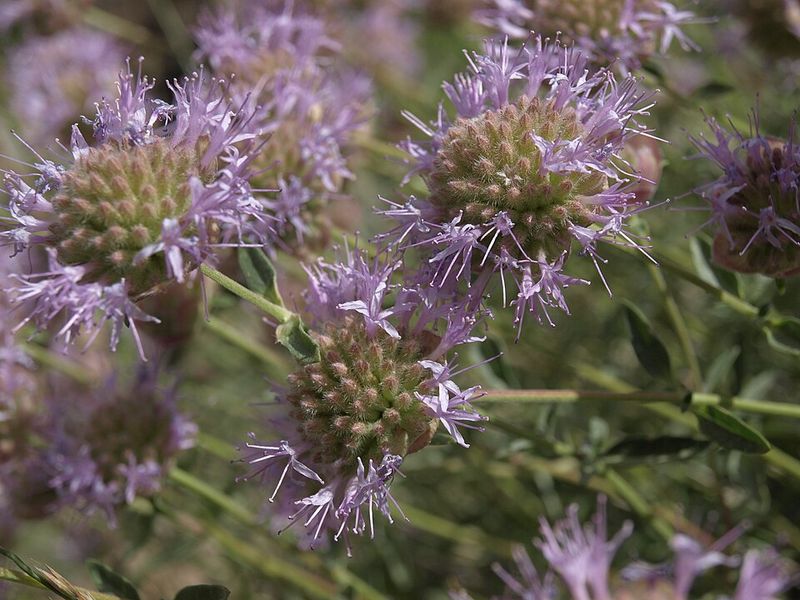
Crush a single leaf of Common Mountain Mint and the scent hits you like a cool breeze on a hot July afternoon. It is sharp, clean, and unmistakably minty, one of the few prairie scents you can identify with your eyes closed.
This plant is a pollinator magnet of the highest order. On a warm summer day, a single patch can host dozens of bee and butterfly species all at once.
The flowers themselves are small and clustered, almost modest in appearance. But those pale white blooms surrounded by silvery bracts create a soft, frosted glow that catches the eye from a surprising distance.
Skippers, swallowtails, and native bees treat this plant like a five-star restaurant. Even wasps and beetles show up, making it one of the most biodiverse spots on any prairie in bloom.
Your Illinois Garden Changes Every Week. Your Plan Should Too.
Gardening in Illinois changes quickly throughout the season. Every Friday you’ll receive a simple weekly plan showing exactly what to plant, prune, fertilize, harvest, and protect so you never miss the right timing.
Common Mountain Mint spreads steadily through underground rhizomes, forming dense colonies over time. That spreading habit makes it a fantastic ground cover for naturalized garden spaces.
It prefers moist to medium soils and tolerates some light shade, which makes it more adaptable than many prairie natives. Gardeners dealing with tricky spots often find this plant steps up beautifully.
The aromatic leaves were used medicinally by Indigenous communities for generations. That long history of human connection adds another layer of meaning to every fragrant encounter.
This is prairie diversity at its most fragrant and least appreciated. Find one patch, and you will start looking for the smell everywhere else too.
3. Prairie Dock
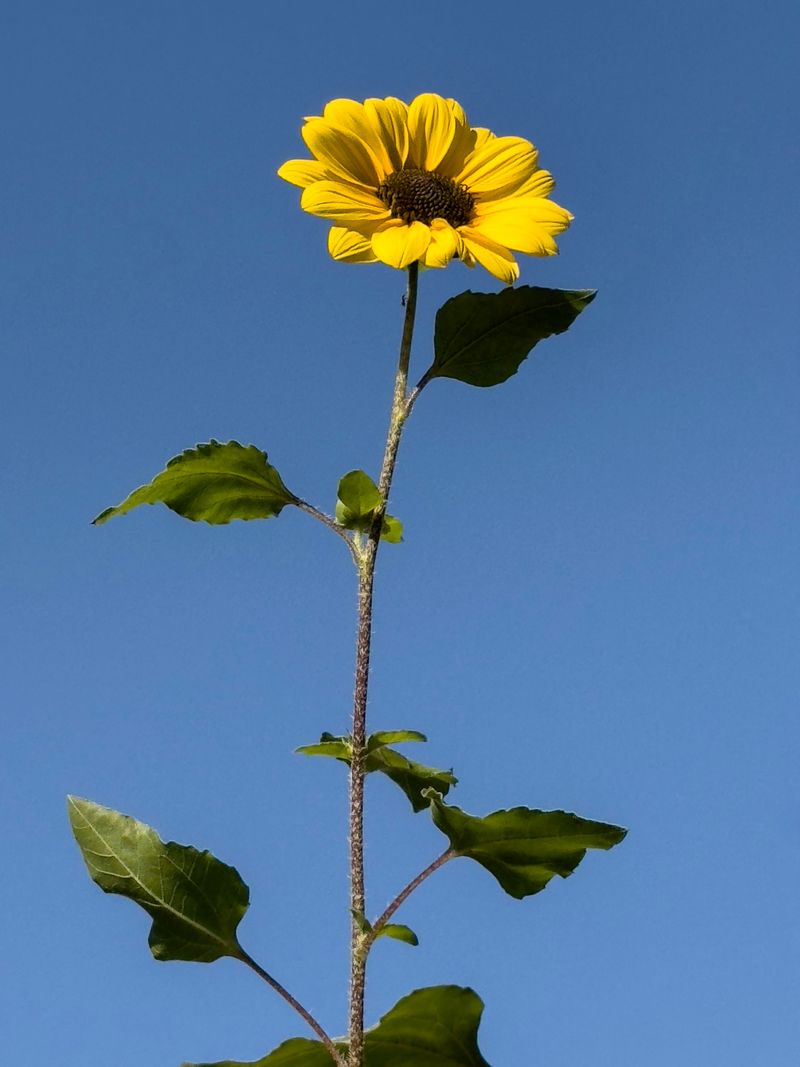
Prairie Dock is built like a botanical skyscraper. Its massive, rough-textured leaves can grow larger than a dinner plate, and its flower stalks shoot up six to ten feet into the summer sky.
Those enormous basal leaves are the plant’s signature move. They orient themselves north to south, earning Prairie Dock the folk name compass plant, though that title more officially belongs to its close cousin.
The bright yellow blooms appear at the tops of nearly leafless stalks in July. They look like cheerful sunflowers waving above the prairie crowd from a considerable height advantage.
Goldfinches adore the seeds that follow those blooms. Watching a small flock work through a stand of Prairie Dock in late summer is one of the quiet joys of Illinois prairie life.
This plant is extraordinarily long-lived. A single Prairie Dock can persist for decades, slowly building a root system that plunges deep into the earth to survive drought and fire alike.
That deep root system makes it nearly impossible to transplant once established. If you want one in your garden, start it from seed directly in the ground and practice patience.
Young plants spend their first several years building those roots before sending up any flower stalks. The wait feels long, but the payoff is a plant that outlives most garden trends.
Nothing about this plant asks for attention, yet it dominates the horizon anyway. Spot one towering stalk and the whole prairie suddenly looks different.
4. Royal Catchfly
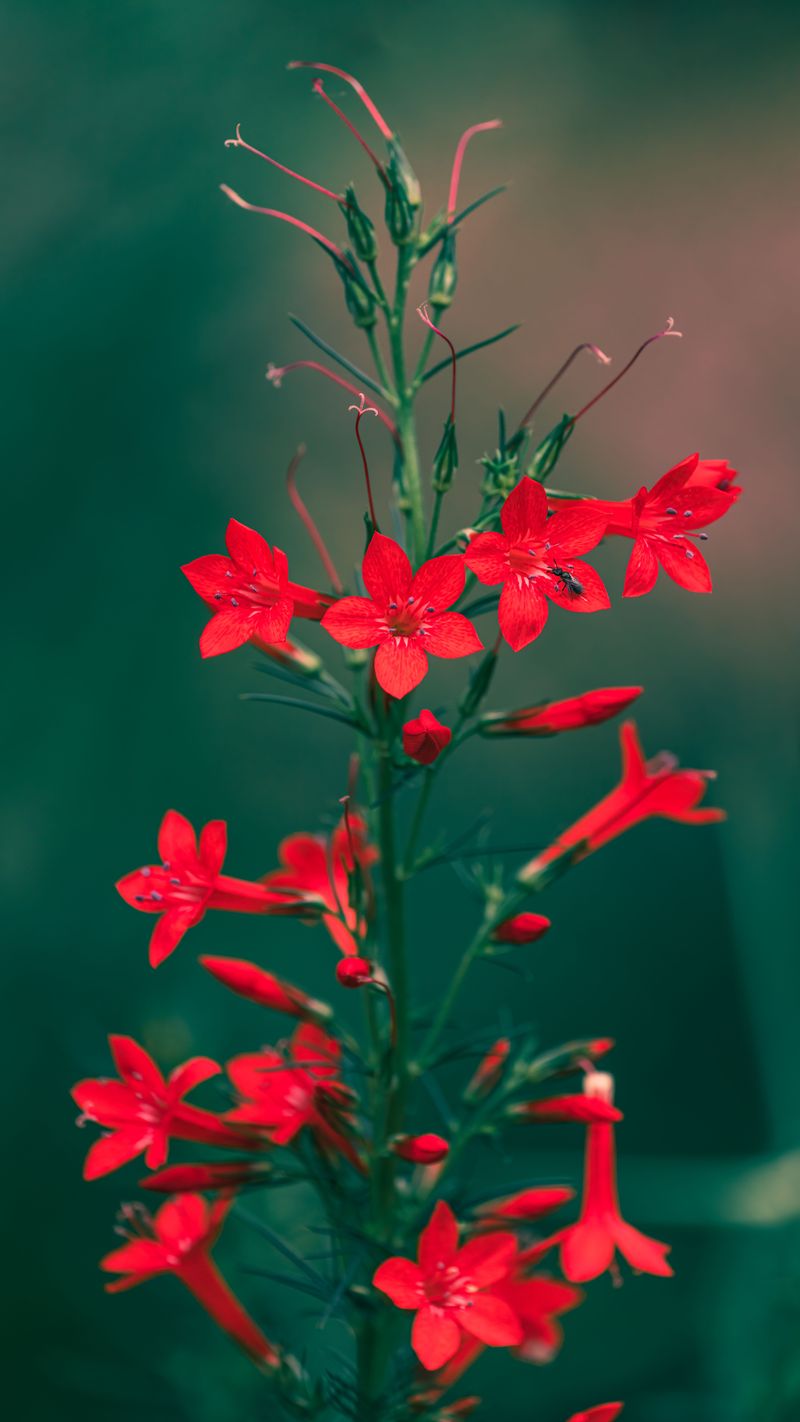
Royal Catchfly earns its name the moment you see it. Those blazing scarlet flowers stop you mid-stride, almost demanding that you take a second look.
This plant is genuinely rare. It is listed as threatened or endangered in several states, making any Illinois sighting feel like a genuine privilege.
The brilliant red blooms are shaped perfectly for ruby-throated hummingbirds. Those long, narrow flower tubes are practically custom-built for a hovering hummingbird’s beak.
Monarch butterflies also visit regularly, drawn by the vivid color signal that cuts through the prairie’s summer palette. Spotting both species on the same plant is an unforgettable moment.
The sticky stems give this plant its catchfly reputation. Small insects sometimes get trapped on those stems, though the plant is not carnivorous, it just has excellent natural pest control.
Royal Catchfly prefers open, dry to medium prairies with full sun exposure. It does not tolerate dense competition well, which is part of why it has declined alongside native grasslands.
Growing it in a garden requires commitment. You need well-drained soil, full sun, and the patience to let it establish over two to three seasons before it truly shows off.
Conservation groups across the state are working hard to protect and restore populations of this striking species. Supporting local prairie restoration efforts gives Royal Catchfly a fighting chance at recovery.
Few native blooms carry this much color and this much risk of disappearing. Royal Catchfly is a reminder that rare and wild often mean the same thing.
5. Rosin Weed
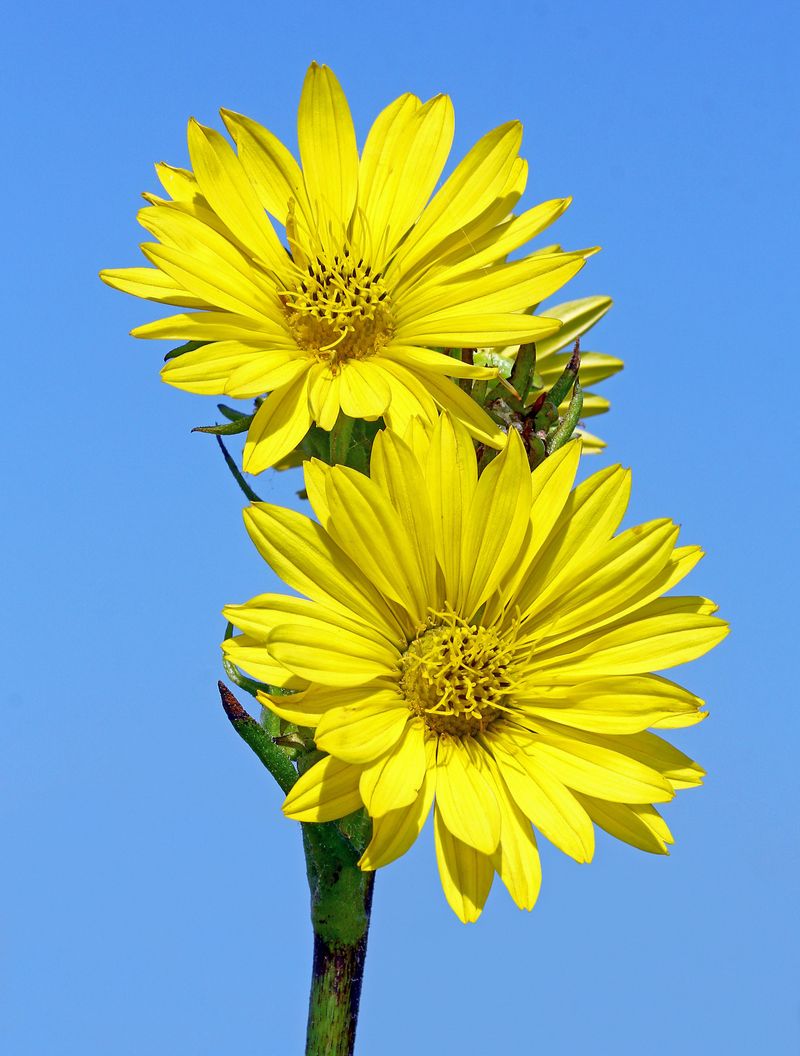
Rosin Weed sounds like something you would find in a garage, not a prairie. But do not let that unglamorous name fool you, this plant is a July showstopper in its own right.
Named for the sticky, resinous sap that oozes from its stems when cut, Rosin Weed has a fascinating texture up close. Settlers reportedly chewed the hardened resin from several Silphium species like gum.
The bright yellow flowers look like cheerful, compact sunflowers clustered at the tops of sturdy stems. They bloom reliably from July into August, providing a long season of color.
Bees flock to those blooms with serious enthusiasm. Native bumblebees and long-horned bees are especially common visitors, often working the flowers for extended stretches at a time.
Rosin Weed grows in medium to dry soils and handles summer heat with ease. Once established, it requires almost no maintenance, making it an ideal candidate for low-effort native plantings.
It spreads slowly through rhizomes, forming clumps that grow more impressive each year. A three-year-old planting looks entirely different from a ten-year-old one, in the best possible way.
The seeds attract songbirds, particularly goldfinches and chickadees, during the fall and winter months. Leaving the stems standing through winter extends the plant’s ecological value well beyond bloom season.
This plant does not need a fancy reputation to earn its keep. Rosin Weed proves that the plainest names sometimes belong to the toughest bloomers.
6. Flowering Spurge
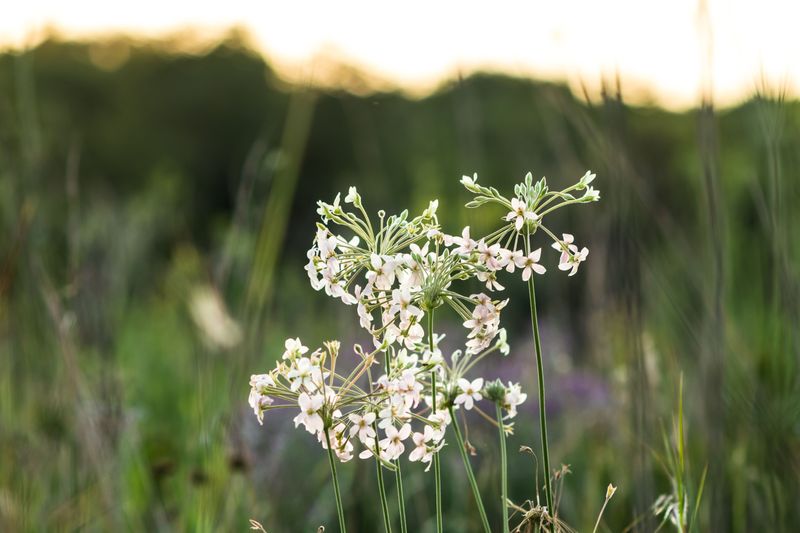
Flowering Spurge is the prairie’s answer to baby’s breath, a cloud of tiny white blooms that floats above the grasses like something from a dream. It is dainty and airy in a landscape full of bold, assertive plants.
Those white flowers are not petals at all, technically. What looks like a petal is actually a petal-like appendage called a cyathium, which is a uniquely Euphorbia family trick.
The plant’s milky sap is toxic and can irritate skin on contact. Wear gloves if you are handling it, and keep curious pets from nibbling on the stems.
Despite that cautionary note, pollinators love it without reservation. Small native bees, flies, and beetles work the flowers steadily through July’s long, warm afternoons.
Flowering Spurge thrives in dry, sandy, or rocky soils where many other plants simply give up. It is a specialist of tough conditions, blooming brightest where the ground is least forgiving.
Its branching structure creates a naturally elegant silhouette. Garden designers who know this plant use it as a textural contrast against bold-leafed neighbors like Prairie Dock or Compass Plant.
The plant reseeds modestly, spreading gently into new territory without becoming aggressive. That restrained behavior makes it a trustworthy addition to managed native gardens.
Delicate does not mean fragile out here. Flowering Spurge holds its ground in the harshest soil and still finds a way to look effortless.
7. Wild Quinine
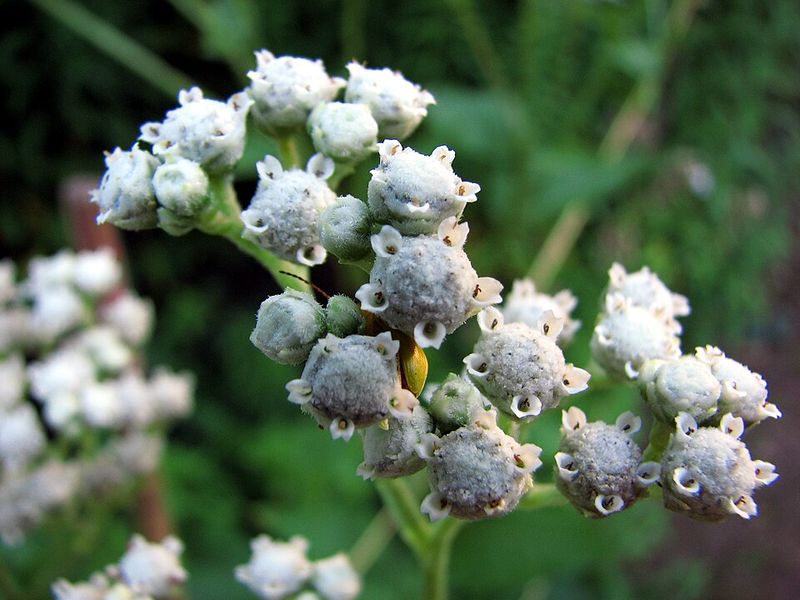
Wild Quinine has a name that sounds like something from an old apothecary shelf, and that reputation is well-earned. Indigenous peoples and early American settlers used this plant medicinally for generations.
The flat-topped clusters of small white flowers are distinctive and long-lasting. They bloom from June through August, holding their form even as other prairie plants come and go around them.
Up close, each flower head looks like a tiny white button. The overall effect of a full cluster is bold and architectural, adding strong visual structure to any prairie planting.
Pollinators respond enthusiastically to those blooms. Native bees, wasps, and beneficial flies all use Wild Quinine as a reliable nectar and pollen source during the height of summer.
The plant grows in medium to dry soils and tolerates drought surprisingly well once established. Full sun brings out its best performance, though it handles light shade without major complaint.
Wild Quinine forms sturdy clumps that expand slowly over time. It does not spread aggressively, which makes it an easy neighbor in mixed native plantings and managed prairie gardens.
The rough, textured leaves add interest even when the plant is not in bloom. They stay attractive through fall, maintaining garden structure well past the peak of summer color.
Some plants steal the spotlight, others simply hold the prairie together. Wild Quinine belongs firmly in the second category, and Illinois is better for it.
8. Purple Prairie Clover
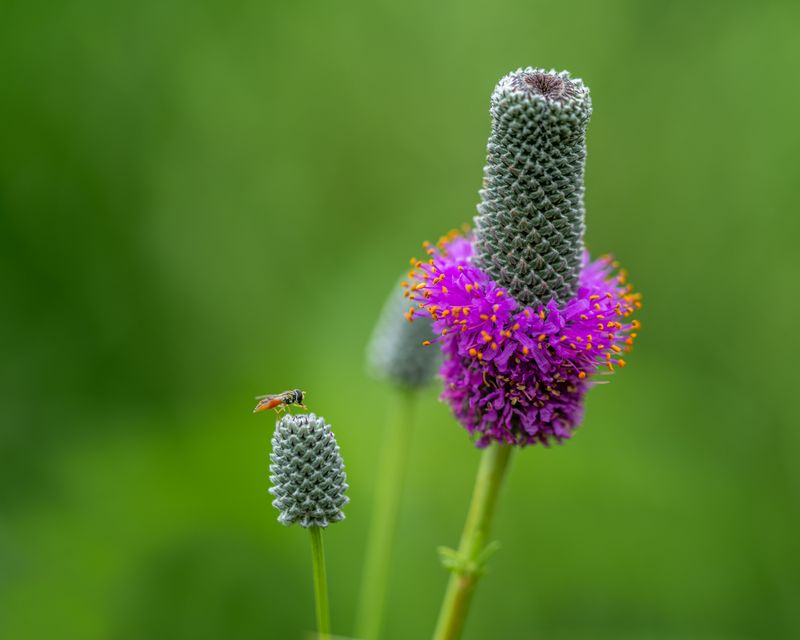
Purple Prairie Clover is small but mighty, the kind of plant that punches well above its weight class. Those slim, cylindrical flower heads glow with a rich magenta-purple that seems almost too vivid to be real.
What makes the blooming pattern truly special is how it works from the bottom up. A ring of tiny flowers opens progressively upward along each head, creating a slow-motion floral show that lasts for weeks.
The bright orange anthers contrast brilliantly against the purple petals. That color combination is so striking that it genuinely stops people who have never noticed this plant before.
Like Leadplant, Purple Prairie Clover belongs to the legume family and fixes nitrogen into the soil. It is quietly improving the land around it while looking spectacular doing so.
Native bees are its most devoted fans. Specialist bees in the Dalea genus depend on this plant almost exclusively, making it an irreplaceable piece of the prairie’s ecological web.
It thrives in dry to medium soils with excellent drainage and full sun exposure. Compacted or waterlogged soils are its one weakness, so placement matters when adding it to a garden.
The fine, feathery foliage stays attractive throughout the season. Even without flowers, Purple Prairie Clover adds a delicate texture that complements bolder prairie companions beautifully.
Small, bright, and easy to walk past, this clover rewards anyone who actually stops. Purple Prairie Clover is proof that scale has nothing to do with impact.