15 Perennials That Fill Your Garden Without Constant Replanting
Something hides beneath that thin stem you just planted. Spring offers little more than patience and bare soil.
Doubt creeps in as May turns into June. Gardeners everywhere have learned to trust this silence.
Roots gather strength while leaves barely lift their heads. Weeks blur together with almost nothing to show.
Suddenly August rewards every quiet promise at once. Stems shoot upward and foliage doubles overnight.
Blooms crowd space that once looked sparse and thin. Nutrients stored early release exactly when growth demands them. Your garden flips from modest to jungle within days.
Certain perennials pull this trick every single summer. Heat alone accelerates what these plants already know. Timing, not size, decides which plants dominate your beds.
Each variety hides its own internal clock. Nothing about this process looks slow once it truly starts.
You will not recognize this garden once these perennials finally decide to take over completely.
1. Coneflower
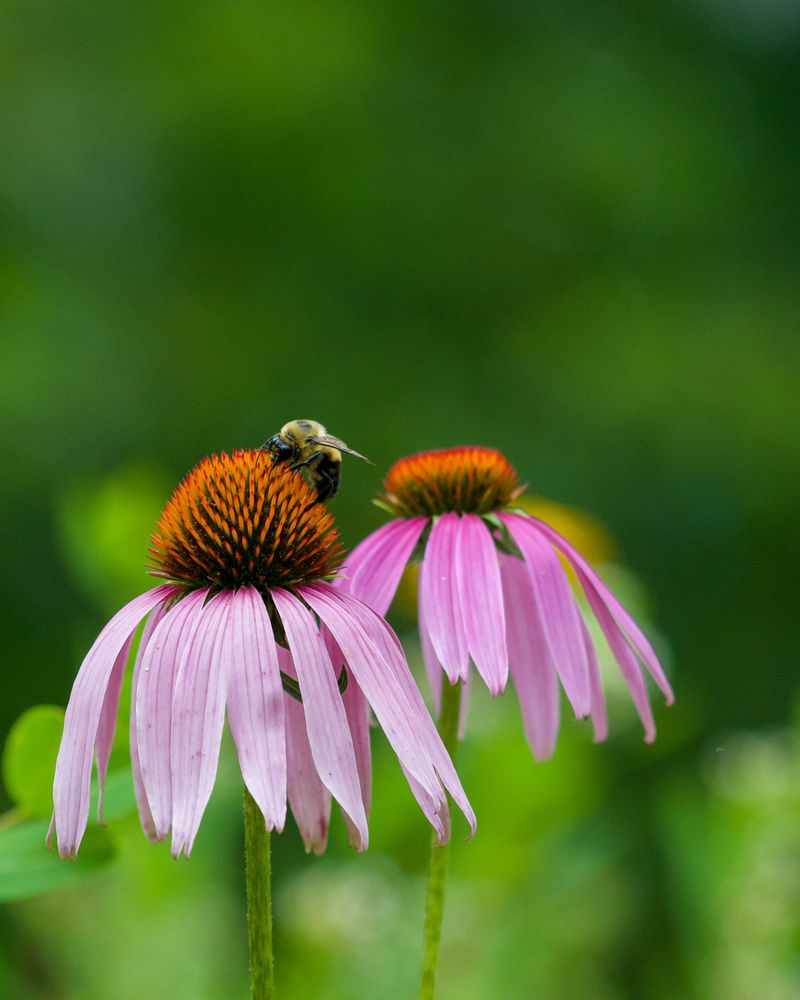
Plant a coneflower in May and expect a dramatic transformation by August. This tough beauty goes from a modest clump to a towering, multi-stemmed showstopper in just a few months.
Coneflowers, known as Echinacea, can reach three to four feet tall by late summer. They spread outward too, filling gaps in your garden beds with ease.
Pollinators absolutely swarm them once they bloom. Bees and butterflies treat coneflower patches like their personal buffet.
They thrive in full sun and handle drought surprisingly well. Water them during dry spells, but don’t stress if you miss a day or two.
Removing spent blooms encourages more flowers through fall. Leave some seed heads standing for birds to enjoy during winter months.
These are low-maintenance perennials that reward you big. Plant them once and watch them return bigger and bolder every single season.
2. Black-Eyed Susan
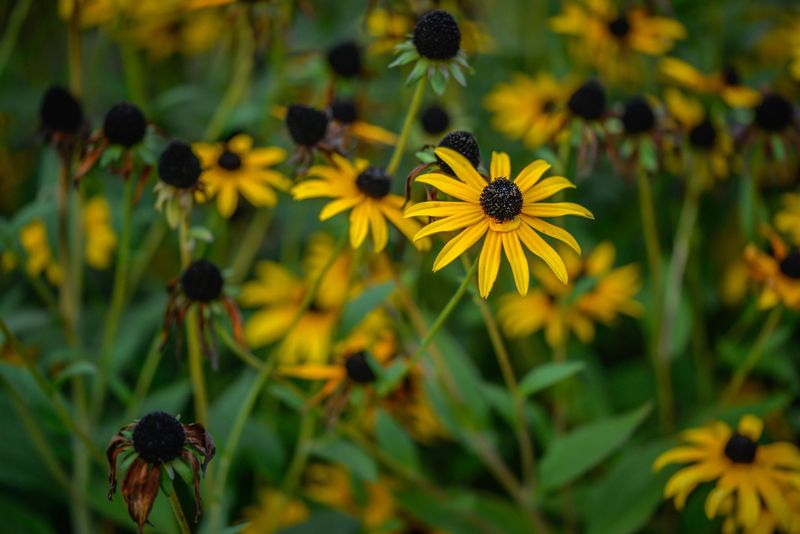
Golden, cheerful, and completely unstoppable, Black-Eyed Susan is the garden’s version of a crowd-pleaser. It starts small in spring and bursts with color by August.
These perennials that grow twice as big by late summer are native wildflowers with serious staying power. Rudbeckia can reach two to three feet tall and equally as wide.
Full sun is their happy place, but they tolerate partial shade without much complaint. Sandy or clay soil? They handle both like seasoned pros.
Plant them near your mailbox or along a fence for a bold, welcoming statement. Their bright yellow petals contrast beautifully against deep green foliage.
They self-seed generously, which means free plants next year with minimal effort. Just let a few flower heads dry out and drop naturally.
Pair them with purple coneflowers for a classic, wildflower-inspired color combo. That pairing looks intentional and breathtaking all at once.
3. Daylily
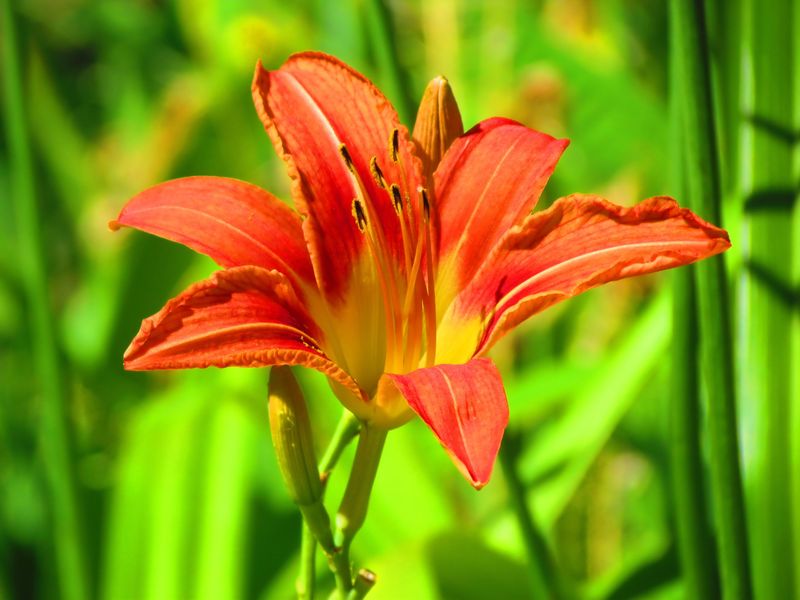
Daylilies are the workhorses of the perennial world, and they never get enough credit. One small division planted in spring becomes a thick, overflowing clump by late July.
Each individual bloom lasts only one day, but the plant produces dozens of buds. You get weeks of continuous color without doing much at all.
They grow in almost any soil and tolerate neglect better than most plants you own. Forget to water them for a week? They will likely be just fine.
Daylilies spread steadily each year, filling in bare spots along pathways or borders. Divide them every three to four years to keep them blooming their best.
Hundreds of cultivars exist, ranging from pale cream to deep burgundy. Mixing several varieties creates a layered, cottage-garden look with minimal planning.
Few plants offer this much reward for so little effort. Daylilies are the ultimate beginner-friendly perennial that even experienced gardeners love.
4. Catmint
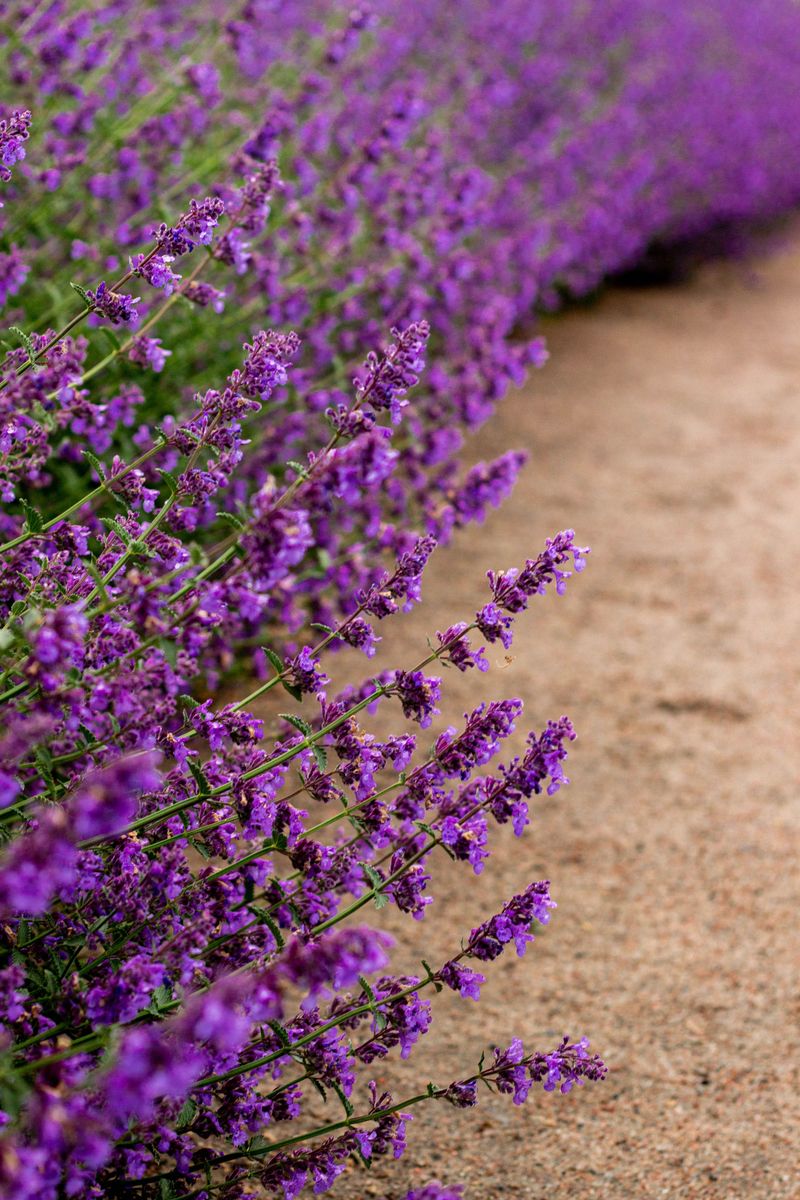
Catmint smells like a spa day and looks like something from a French country garden. By late summer, a single plant can spread two to three feet wide.
Those soft, silvery-green leaves and lavender-blue flower spikes are absolutely irresistible to pollinators. Bees hover over catmint patches like tiny helicopters all season long.
Plant it along walkway edges where brushing against it releases that amazing minty fragrance. It’s a sensory experience every time you walk past your own garden.
Catmint tolerates heat, drought, and poor soil without skipping a beat. Cut it back hard after the first bloom flush and it rebounds with a second wave.
It pairs beautifully with roses, creating that classic English garden aesthetic. The cool purple tones complement warm pinks and reds in the most satisfying way.
Once established, catmint practically takes care of itself. It’s the kind of plant that makes you look like a gardening genius.
5. Bee Balm
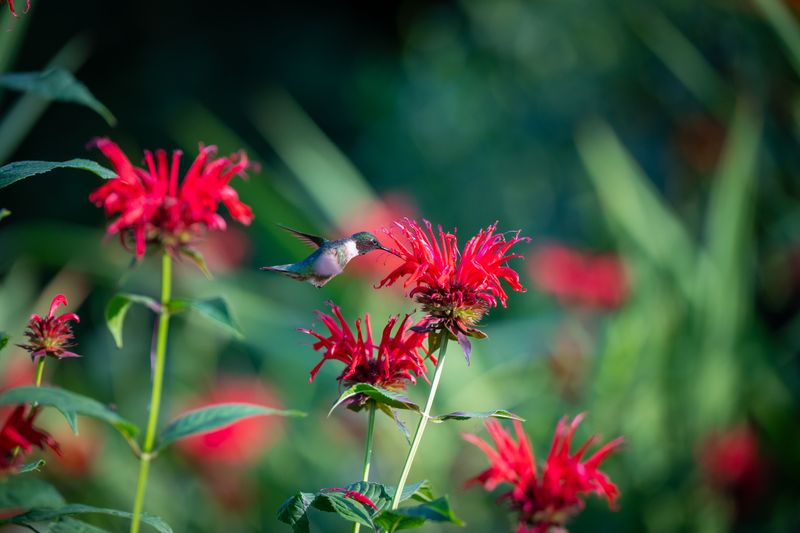
Bee balm is the life of the garden party, loud, colorful, and absolutely loved by everyone. Hummingbirds show up the moment the first blooms open in midsummer.
Starting from a modest clump, Monarda can grow three to four feet tall by late summer. It spreads by underground runners, so give it room to roam.
The shaggy, spiky blooms come in red, pink, purple, and white varieties. Red cultivars are especially magnetic to hummingbirds and butterflies passing through.
Mildew can be an issue in humid climates, so choose mildew-resistant cultivars when possible. Good air circulation around the plant keeps foliage looking clean and healthy.
Remove spent blooms regularly to encourage fresh flowers through early fall. Leaving some seed heads at season’s end feeds finches and sparrows during cooler months.
Bee balm makes an edible, bergamot-flavored tea from its leaves. Growing it is both beautiful and surprisingly useful in the kitchen.
6. Yarrow
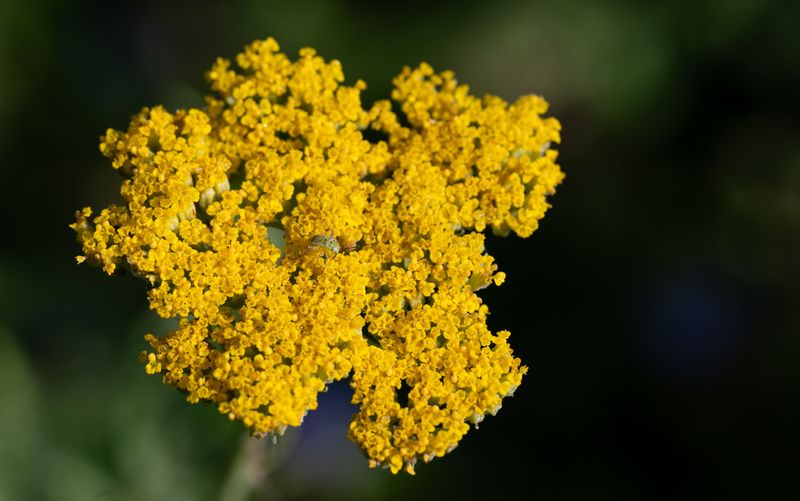
Yarrow is ancient, tough, and surprisingly beautiful in a wildflower sort of way. Some researchers trace yarrow’s use back tens of thousands of years, based on pollen found at ancient burial sites, though its exact role remains debated.
By late summer, a single yarrow plant can stretch two feet wide with flat, plate-like flower clusters. Those blooms come in yellow, white, pink, and deep red shades.
Achillea thrives in poor, dry soil where other plants give up entirely. It actually blooms better when you do not over-fertilize or over-water it.
The feathery, fern-like foliage adds texture to the garden even before blooms appear. Cut flowers dry beautifully for wreaths and arrangements that last all winter long.
Plant yarrow in hot, sunny spots where other perennials struggle to survive. It fills those tough areas with color and life without demanding much in return.
Divide clumps every two to three years to keep them vigorous. This is one perennial that genuinely gets better with age.
7. Hardy Geranium
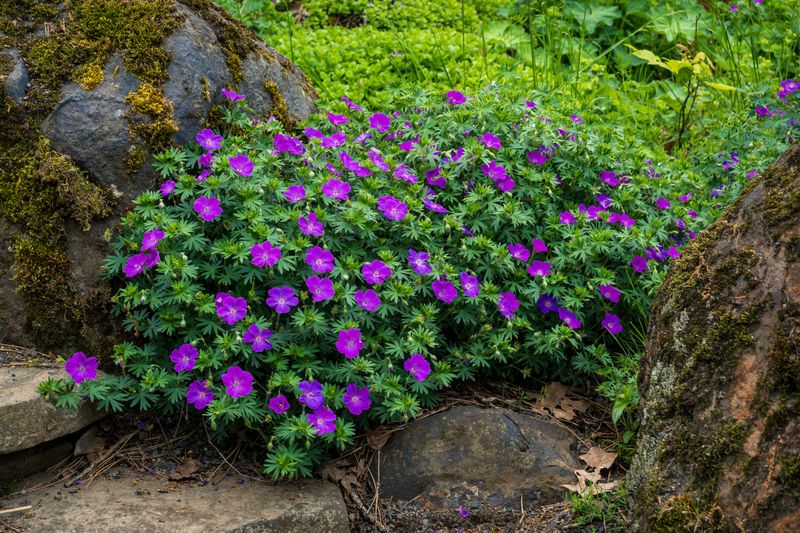
Hardy geraniums are not the red windowbox type you see at the grocery store. These are rugged, ground-hugging perennials that spread into impressive mounds by late summer.
Cranesbill geraniums, as they’re also called, produce small but plentiful blooms in shades of purple, pink, and white. The foliage turns a gorgeous red-orange in autumn as a bonus.
They tolerate partial shade, making them one of the most versatile perennials for tricky spots. Under trees or along north-facing fences, they thrive where others fade out.
Some varieties spread two feet or more across in a single season. That kind of coverage is genuinely useful for suppressing weeds in garden beds.
Shear them back after the main bloom flush to encourage a tidy second round. Fresh foliage emerges quickly, keeping the garden looking clean through fall.
Hardy geraniums are long-lived and nearly problem-free. Planting them feels less like gardening and more like making a smart investment.
8. Shasta Daisy
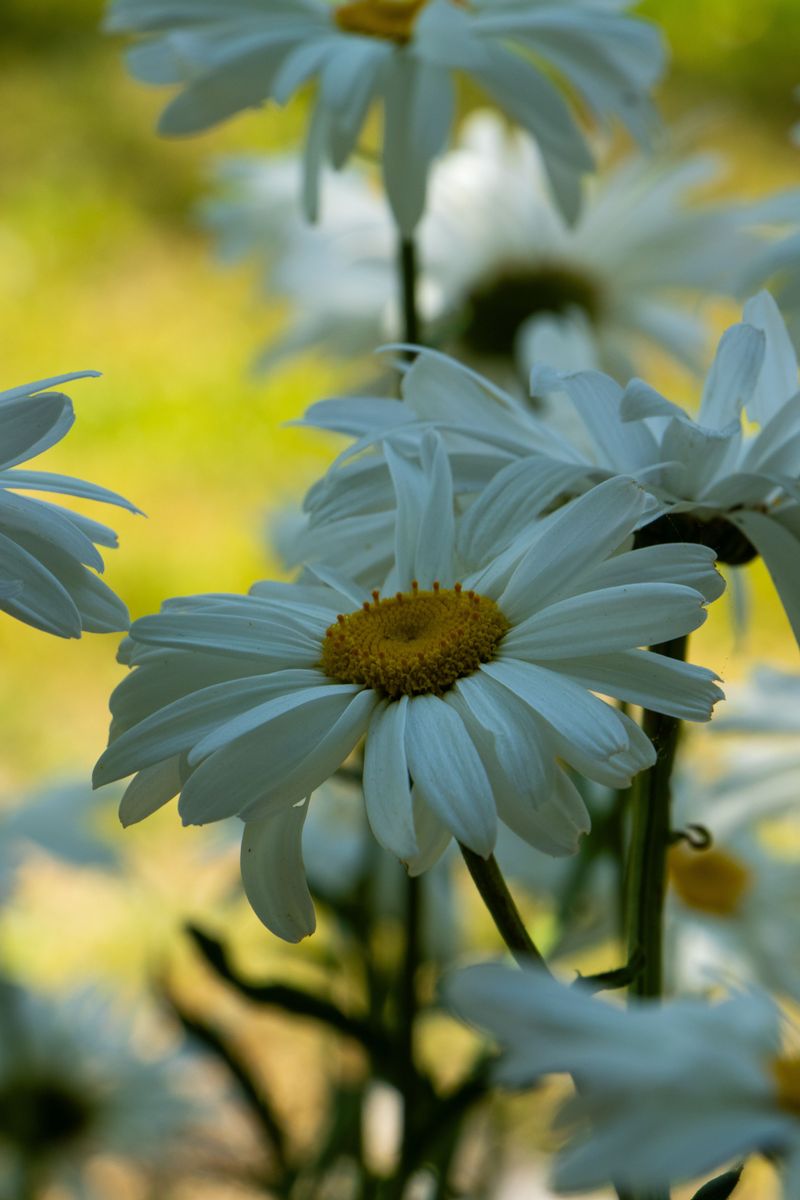
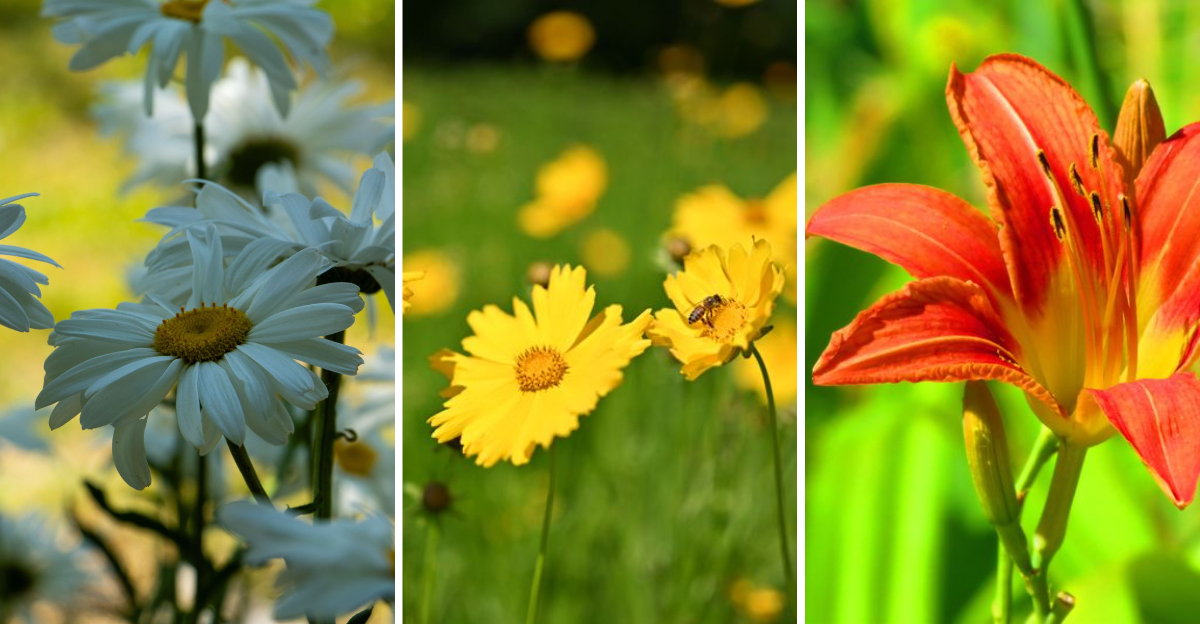
Classic white petals, sunny yellow centers, and a growth rate that surprises every new gardener. Shasta daisies go from small spring transplants to knee-high clumps by July.
Leucanthemum can reach two to three feet tall and wide in a single season. The blooms are clean, cheerful, and look stunning in both gardens and cut arrangements.
These perennials that grow twice as big by late summer need full sun to perform at their peak. In shadier spots, they stretch and flop, so plant them where sunlight is generous.
Trimming is key to keeping Shasta daisies blooming for months. Remove spent flowers every few days and new buds keep appearing well into September.
Divide clumps every two to three years to prevent the center from weakening out. Outer divisions transplant easily and establish quickly in fresh soil.
Few perennials are this reliable for cutting gardens. A vase of Shastas brightens any room instantly and stays fresh for over a week.
9. Salvia
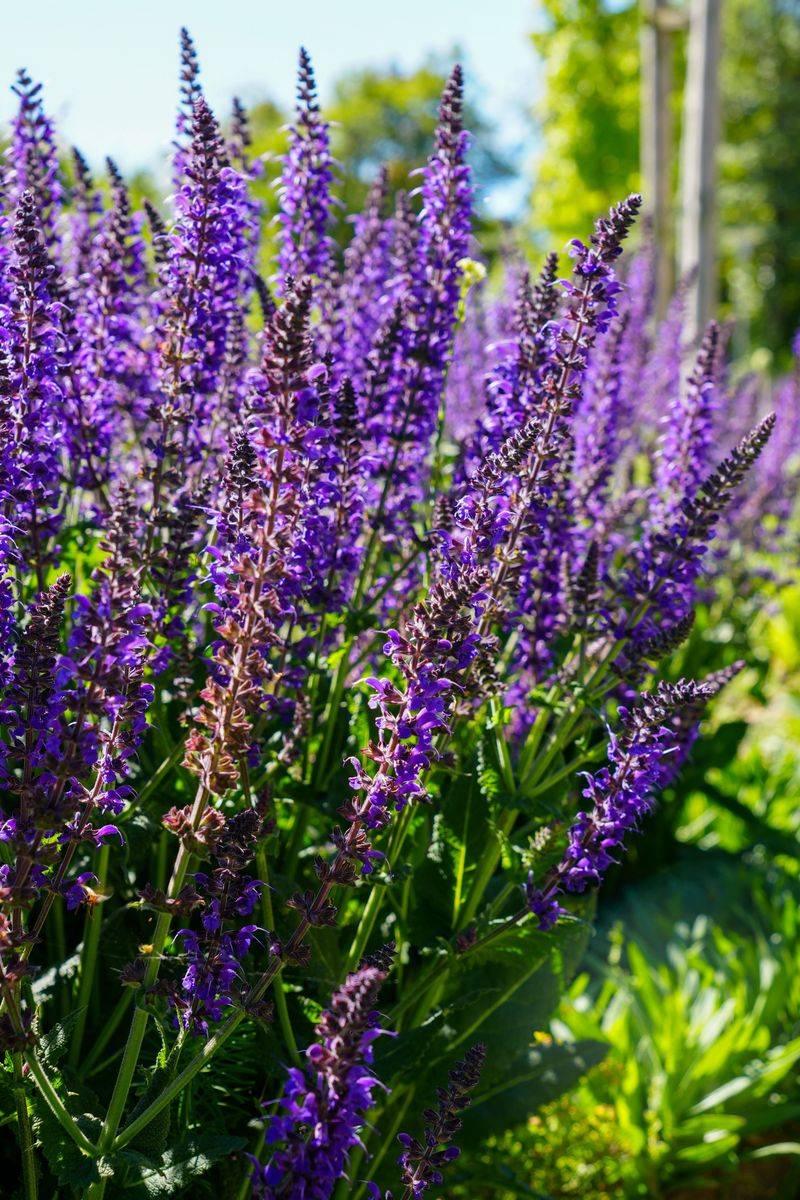
Salvia is the garden’s quiet overachiever, starting small and building into something genuinely impressive by August. The upright flower spikes are magnetic to hummingbirds and beneficial insects.
Perennial salvia, not the annual kind, returns each year bigger than before. Some varieties reach three feet tall with dense, bushy habits that fill borders beautifully.
Blue and purple shades dominate the salvia palette, creating cool contrast near warm-toned plants. Try pairing it with orange daylilies for a bold, complementary color combination.
Full sun and well-drained soil are the two things salvia absolutely needs to thrive. Soggy roots are its one real weakness, so avoid planting in low spots.
Cut plants back by half after the first bloom flush in early summer. They bounce back fast with a second, often larger, wave of flowers in fall.
Salvia is also deer-resistant, which is a huge bonus in suburban gardens. Plant it along the edges where deer tend to browse first.
10. Sedum (Stonecrop)
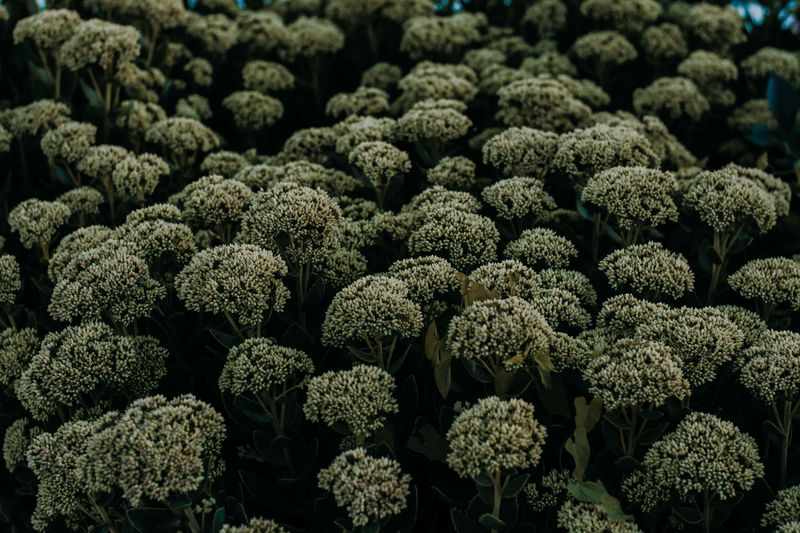
Sedum is the plant equivalent of a slow build with a spectacular finish. All season long it grows quietly, then August arrives and it steals the whole show.
Tall sedum varieties like Autumn Joy can reach two feet tall and equally as wide. Those broad, broccoli-like flower heads shift from pale green to rosy pink as summer ends.
Drought tolerance is sedum’s superpower, making it ideal for hot, dry garden spots. It stores water in its thick, succulent leaves and keeps going when other plants wilt.
Bees and butterflies absolutely flock to sedum blooms in late summer and fall. It’s one of the last great pollinator resources before the season winds down.
Divide clumps every three to four years to keep them full and upright. Older plants tend to flop in the center, so division refreshes their shape.
Even after blooms fade, the dried seed heads add winter interest. Sedum earns its keep in every single season of the year.
11. Coral Bells
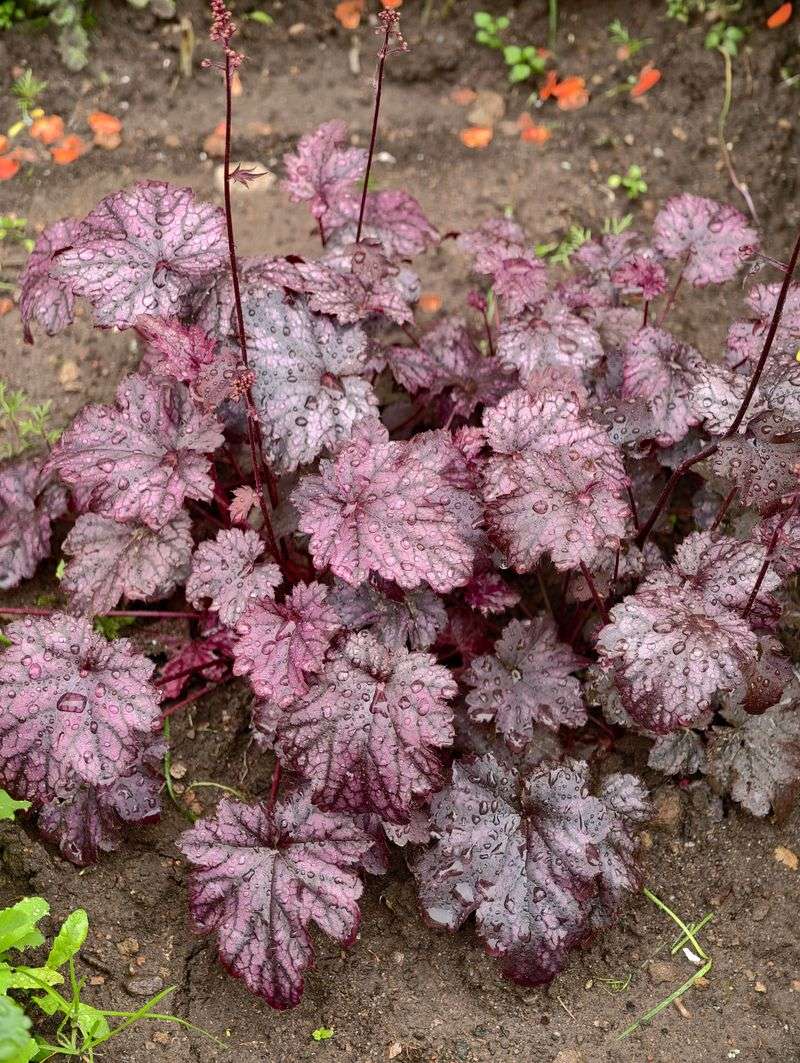
Coral bells are the drama queens of the shade garden, and they wear it well. The foliage alone, in shades of burgundy, caramel, and lime green, is worth the price of admission.
Heuchera grows into impressive, full mounds by late summer, often reaching 18 inches wide. Slender flower stems shoot up above the foliage, adding an airy, delicate element.
They tolerate shade better than most perennials on this list, making them incredibly useful. Plant them under trees or on the north side of structures where light is limited.
Hummingbirds are drawn to the tiny, tubular flowers that line those tall stems. It’s a small but reliable food source during their late-summer feeding frenzy.
Refresh coral bells by dividing them every three years or so. Older crowns tend to heave out of the soil, so replanting keeps them healthy and anchored.
With hundreds of cultivars available, finding the perfect color for your space is genuinely fun. No two gardens need to look exactly alike.
12. Threadleaf Coreopsis
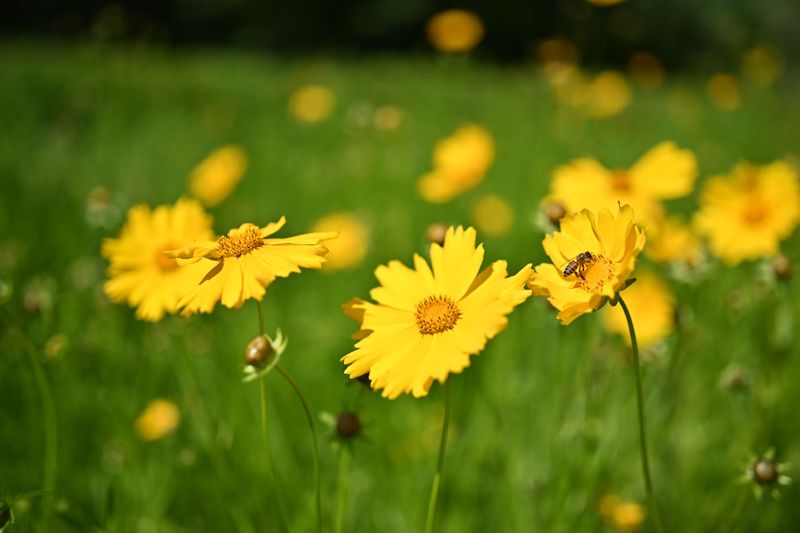
Threadleaf coreopsis looks delicate but acts tough, a combination that makes it one of the most underrated perennials around. By late summer, it forms a wide, soft mound of feathery foliage covered in tiny yellow blooms.
Coreopsis verticillata spreads steadily, often reaching two feet across in a single season. It fills in beautifully along garden edges and slopes where erosion can be an issue.
This plant blooms from early summer through fall with almost no trimming required. It just keeps producing flowers, week after week, with remarkable consistency.
Full sun and average soil are all it asks for in return. Overwatering or rich soil actually reduces flowering, so resist the urge to fuss over it.
The fine, thread-like foliage adds a soft texture that contrasts well with bold-leafed neighbors. Plant it next to hostas or coneflowers for a pleasing textural mix.
Threadleaf coreopsis is also highly drought-tolerant once established. It’s a smart choice for gardeners trying to reduce outdoor water use.
13. Astilbe
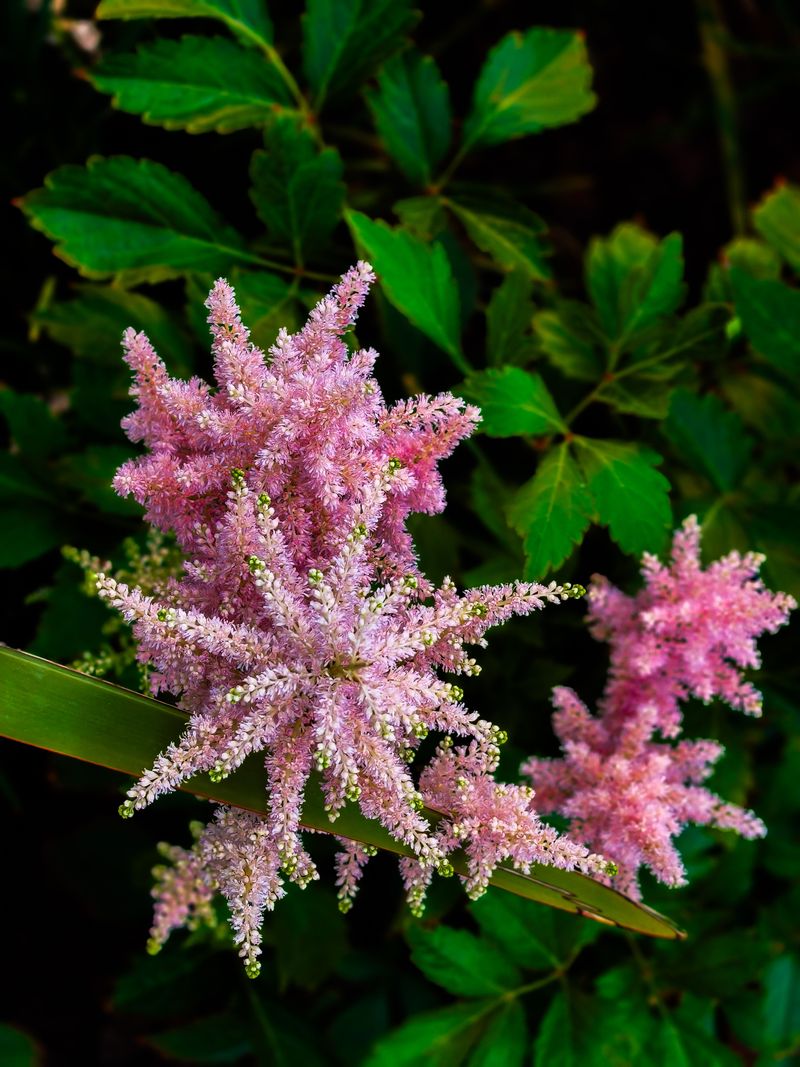
Astilbe turns shady, damp corners into something genuinely magical. Those feathery plumes in pink, red, white, and purple rise above glossy foliage like soft fireworks.
By late summer, astilbe clumps can reach one to three feet tall, depending on the variety, and spread nearly as wide. Few shade perennials grow this dramatically in a single season.
Moist, rich soil is essential for astilbe to reach its full potential. Dry conditions cause the foliage to crisp and brown, so consistent moisture is non-negotiable here.
Plant astilbe near a water feature, rain garden, or low-lying area where moisture collects. Those naturally damp spots are exactly where it thrives without extra irrigation effort.
Even after blooms fade, the rusty brown seed heads add months of texture. Many gardeners leave them standing through winter for visual interest in the dormant garden.
Astilbe is one of those perennials that grows twice as big by late summer and never disappoints. It makes shady spots feel intentional and lush.
14. Blanket Flower
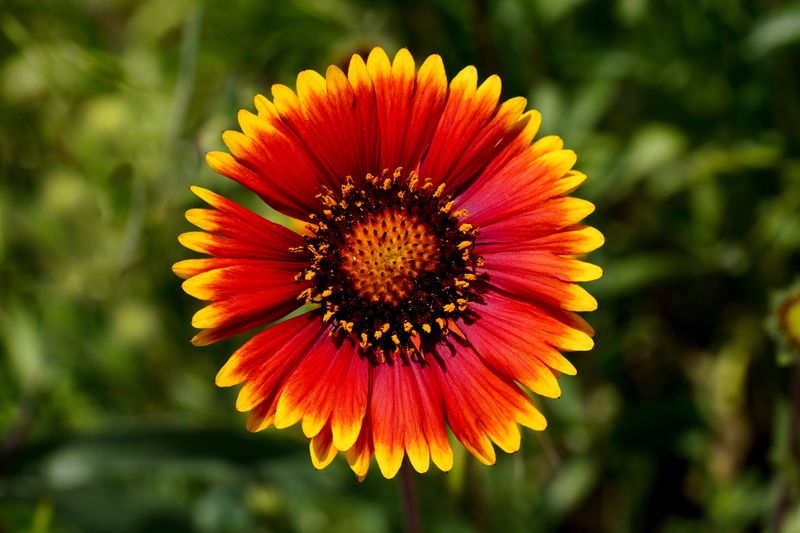
Blanket flower is pure summer energy packed into one tough, cheerful plant. The bold red and yellow blooms look like something painted by a kid with a great sense of color.
Gaillardia grows fast, spreading into wide, bushy clumps by late summer. Some varieties reach two feet tall and equally as wide, creating impressive sweeps of color.
It thrives in hot, dry conditions that would stress most other perennials. Sandy or gravelly soil is actually preferred, so this is the plant for your toughest spots.
Removing spent blooms keeps blanket flower producing fresh flowers for months. Skip the trimming and flowering slows down noticeably, so keep up with it.
These blooms are exceptionally long-lasting as cut flowers in arrangements. Bring a handful inside and enjoy them in a vase for up to ten days.
Blanket flower is short-lived as perennials go, lasting three to four years. Let it self-seed to ensure new plants fill the gap naturally.
15. Russian Sage
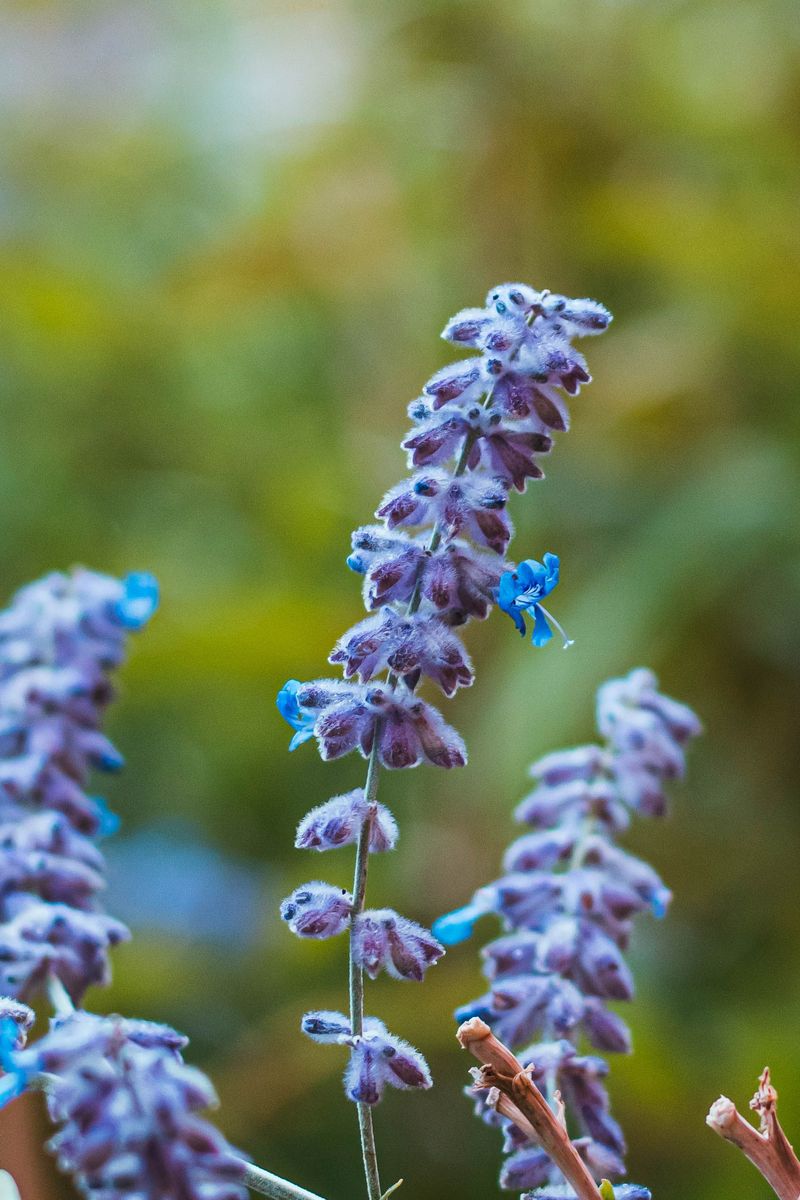
Russian sage is what happens when a plant decides to go big and never look back. By August, it becomes a four-foot cloud of silver stems and lavender-blue flowers.
Perovskia is one of the most dramatic perennials that grow twice as big by late summer. Its airy, open structure adds a dreamy, soft quality to garden borders.
Full sun and excellent drainage are its two non-negotiable requirements. In wet or clay-heavy soil, it struggles and eventually declines, so placement matters a lot.
Deer and rabbits avoid Russian sage almost completely due to its strong fragrance. That makes it a smart border plant for gardens in areas with heavy wildlife pressure.
Cut it back hard in early spring, almost to the ground, for the best regrowth. Skipping that annual cutback leads to woody, sparse plants that never reach their potential.
Pair Russian sage with ornamental grasses for a stunning late-season combination. Together, they create a naturalistic, meadow-inspired scene that feels effortless and intentional.