The Watering Mistake Keeping California Tomatoes From Ripening
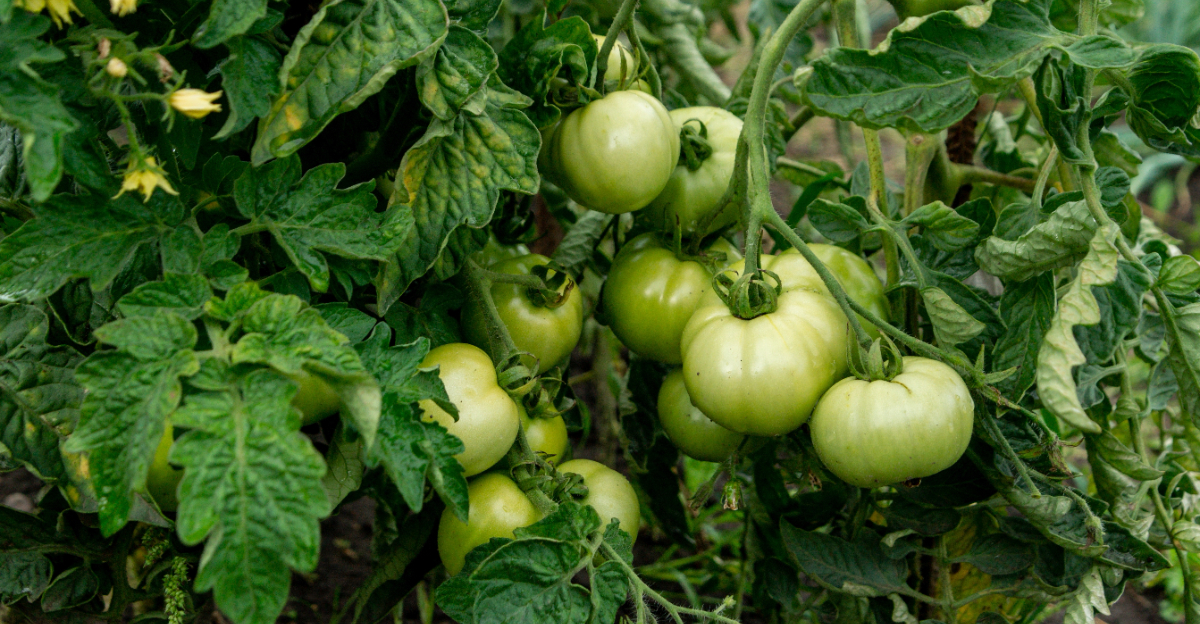
Your tomato plants look incredible. Tall, green, thriving, exactly what every gardening blog promised you.
But the fruit just sits there, stubborn and stuck somewhere between green and orange, refusing to finish the job. If this sounds familiar, one small habit with your hose might be the hidden culprit.
Across California gardens, a single watering mistake quietly derails ripening season after season. It happens at exactly the wrong moment, and most gardeners never even notice they’re doing it.
Spot the pattern early, and turning things around takes only a few days, not weeks. Keep reading to see exactly where your routine goes sideways and what it takes to get those tomatoes blushing red before the season slips past you.
The Watering Mistake That Keeps Tomatoes Focused On Leaf Growth
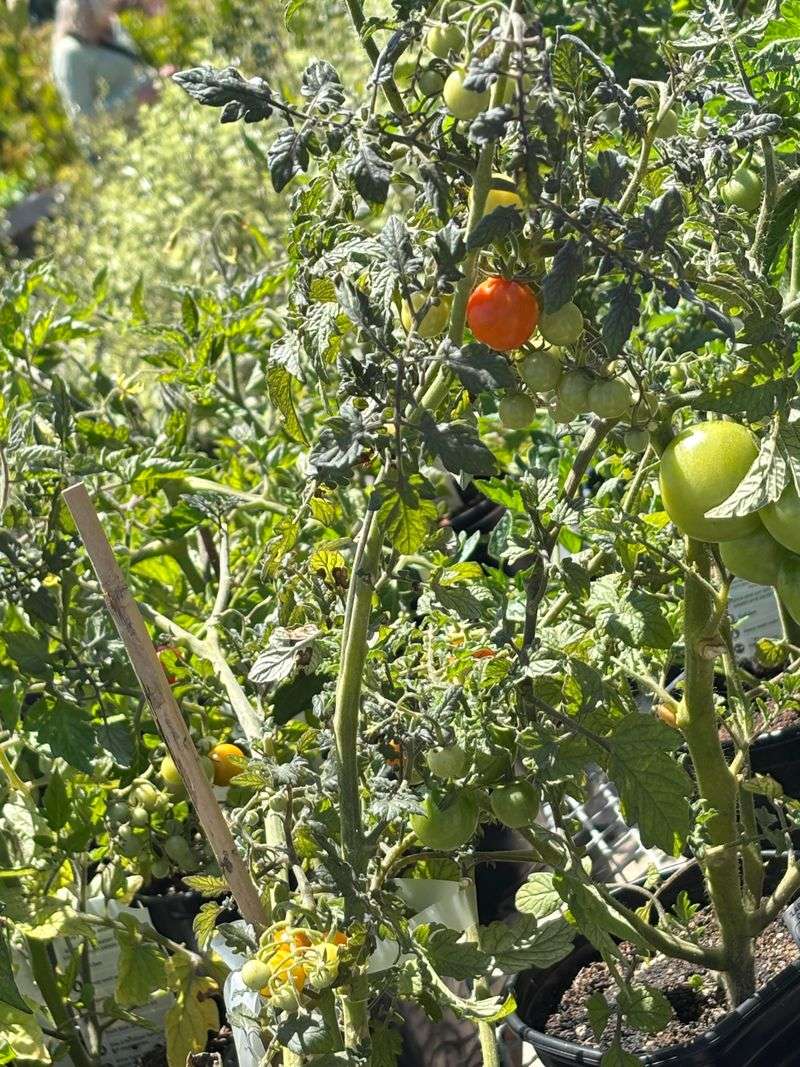
Your tomato plant looks incredible, and that is actually the problem. Big, bushy, dark-green plants are a classic sign of overwatering during the wrong growth stage.
When tomatoes get too much moisture late in the season, the plant shifts its focus. Instead of pushing energy into ripening fruit, it keeps growing more leaves and stems.
This is called vegetative growth, and it works against you at harvest time. The plant is not broken, it is just responding to what you are giving it.
Water signals the plant to keep building. Reduce that signal, and the plant gets the message to finish what it started.
This whole issue often comes down to sticking with the same heavy watering schedule all season long. Ripening requires stress, not comfort.
A slight reduction in water tells the plant that the season is ending. That gentle pressure is exactly what triggers fruit to color up and sweeten.
Most gardeners rarely adjust their schedule once summer hits. They set it and forget it, which feels responsible but actually stalls the harvest.
Changing just one habit can unlock weeks of ripe tomatoes. The shift is small, but the payoff is well worth it.
California’s Heat And Soil Types Make This Mistake Easy To Miss
California gardening has its own set of rules, and they trip people up constantly. The heat feels intense, so watering more seems like the caring thing to do.
Many coastal gardens deal with sandy soil that drains fast and dries out quickly, while many inland gardens have clay-heavy soil that holds moisture much longer than expected.
A gardener in Fresno and one in Santa Barbara are dealing with completely different soil conditions. What looks dry on top in clay soil can be soaking wet just two inches down.
This is where the mistake hides. The surface looks thirsty, so you water, but the roots are already sitting in excess moisture.
Inland valleys can hit triple digits for weeks at a stretch. That heat makes wilting leaves look like a drought signal, when really the plant is just hot.
Wilting in afternoon heat is not always a cry for water. Many tomato plants perk right back up once the sun drops lower in the sky.
Your California Garden Changes Every Week. Your Plan Should Too.
Gardening in California changes quickly throughout the season. Every Friday you’ll receive a simple weekly plan showing exactly what to plant, prune, fertilize, harvest, and protect so you never miss the right timing.
Checking soil moisture by feel is far more reliable than checking by sight. Push your finger two inches into the soil before you ever reach for the hose.
This slip-up usually starts with reacting to how the soil looks instead of how it actually feels. Learning to read the soil directly changes everything.
Understanding your specific soil type is the first real step. Once you know what you are working with, adjusting becomes much easier and more precise.
Signs Your Tomato Plants Are Getting Too Much Water
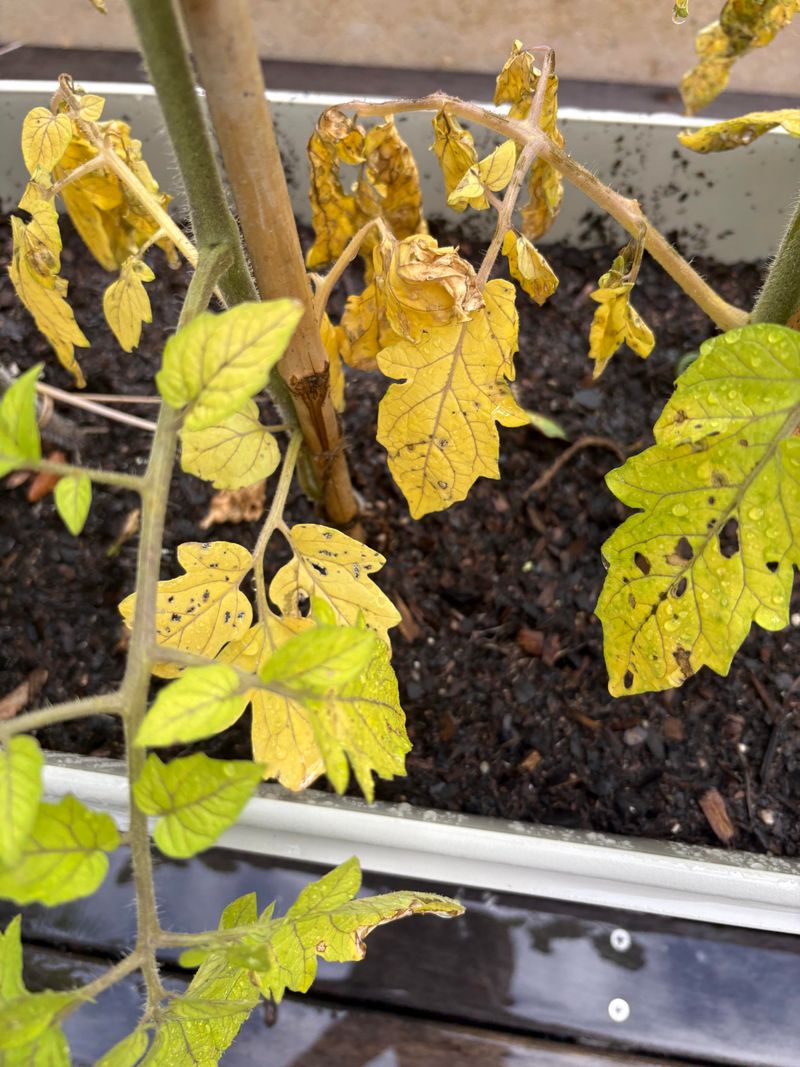
Your plant is trying to talk to you, and the signs are pretty easy to read once you know what to look for. Yellowing lower leaves are one of the first signals something is off.
When too much water sits around the roots, the plant cannot absorb nutrients properly. That nutrient lockout shows up as pale, yellowing foliage that spreads upward over time.
Another red flag is leaves that curl inward along their edges. This curling is the plant protecting itself from excess moisture being pushed through its system.
Blistered or puffy-looking leaves are also a giveaway. Those bubbles form when water pressure inside the plant cells gets too high, a condition called edema.
Check the soil around the base of the plant after watering. If it stays soggy for more than two days, you are likely overwatering for your soil type.
Fruit cracking is another clue that water is being delivered inconsistently or in excess. Tomatoes crack when they absorb too much water too fast after a dry spell.
Mold or algae growing on the soil surface is a clear sign of poor drainage and overwatering. Healthy soil should smell earthy, not musty or sour.
Stunted fruit that refuses to color up is the most frustrating symptom of all. This particular slip-up tends to surface last, after other warning signs have gone unnoticed for weeks.
How Much Water Ripening Tomatoes Actually Need
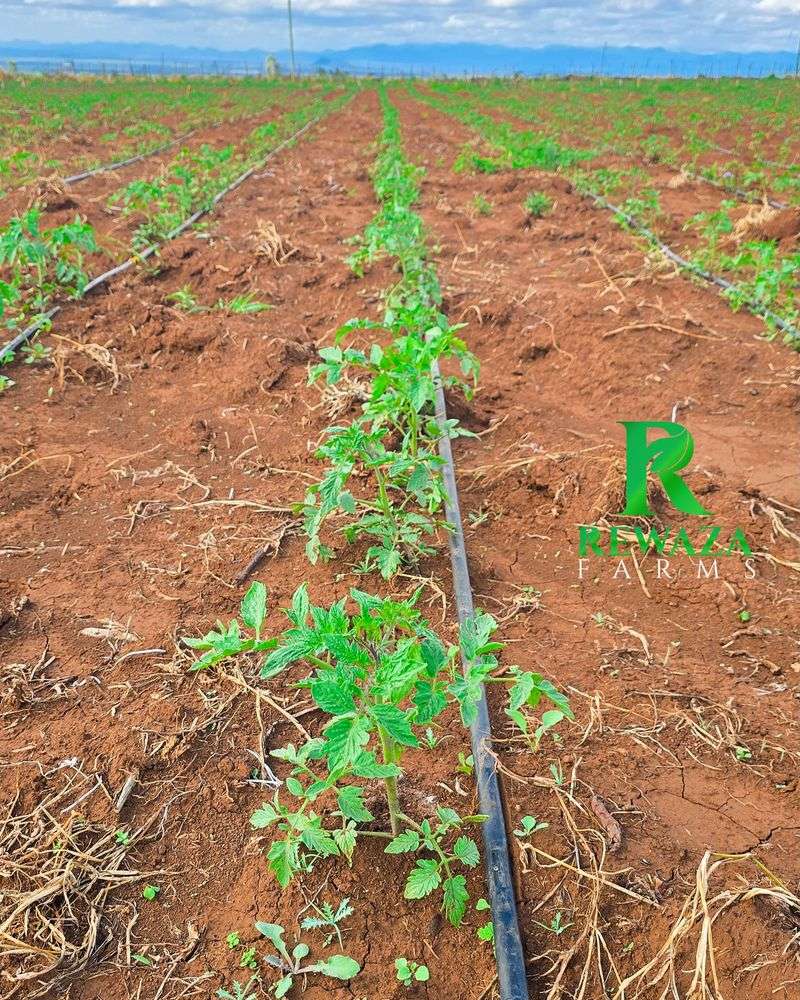
Once tomatoes start to blush, their water needs drop significantly. Most gardeners do not realize the plant has shifted into a completely different phase.
During the flowering and early fruit-set stage, consistent moisture is critical. But once that fruit is full-sized and starting to color, the rules change fast.
A mature tomato plant in the ripening stage needs roughly one inch of water per week. That is noticeably less than what it needed during peak summer growth.
Drip irrigation works best for this stage because it delivers water slowly and directly to the roots. Overhead watering wets the foliage and encourages disease, especially in warm California air.
Deep, infrequent watering tends to work better than shallow daily watering. Shallow watering keeps roots near the surface where they are vulnerable to heat and stress.
Watering deeply every four to five days during the ripening stage encourages roots to go deeper. Deeper roots pull up nutrients and minerals that improve flavor.
Try to water in the morning so excess moisture can evaporate before nightfall. Wet roots sitting overnight in cooler temps invite fungal problems that slow ripening even more.
A simple moisture meter from any garden center takes most of the guesswork out. Aim for a reading in the middle range, not bone dry and not saturated.
In most cases, it comes down to one simple habit: giving your plants too much water, too often. Less really is more once that fruit starts to turn.
Adjusting Your Watering Schedule As Fruit Matures
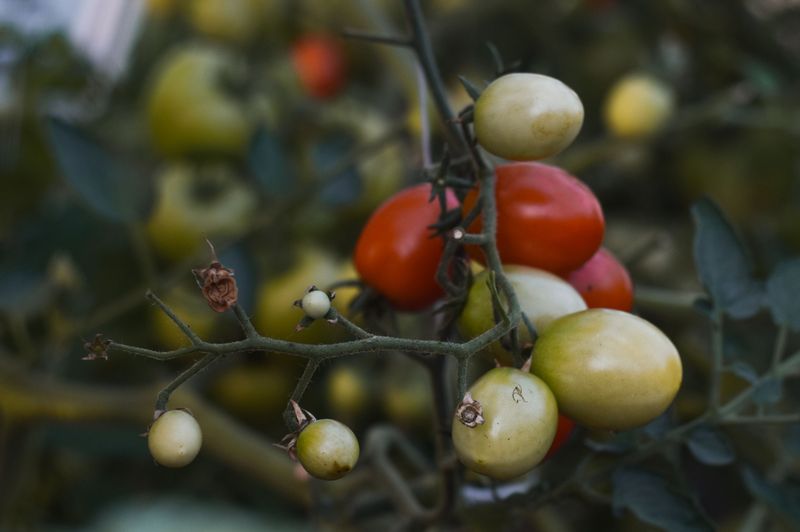
Switching your watering routine mid-season feels counterintuitive, but it is exactly what your tomatoes are waiting for. The plant is done growing; now it needs to finish.
Start scaling back water once you see the first blush of color on any fruit. That color change is the plant signaling it has entered the ripening phase.
Cut your watering frequency noticeably at that point. You are not trying to stress the plant severely, just nudging it toward completion.
Keep a simple garden journal to track when you water and how the plants respond. Patterns become obvious within a week, and adjustments get easier from there.
Hot spells complicate things, so check soil moisture manually during heat waves. A brief extra drink during extreme heat is fine as long as you return to the reduced schedule after.
Mulching around the base of each plant helps regulate soil moisture between waterings. A two-inch layer of straw or wood chips slows evaporation and keeps roots stable.
Pull back water even more in the final week before you expect to harvest. This last reduction concentrates sugars in the fruit and deepens the flavor noticeably.
Some growers call this the stress-sweet trick, and it works surprisingly well. A tomato that finishes slightly dry is often richer and more flavorful than one that finished wet.
Adjusting your schedule is one of the most effective tools you have. More often than not, fixing it comes down to nothing more than adjusting your calendar.
Fixing A Tomato Plant That’s Already Overwatered
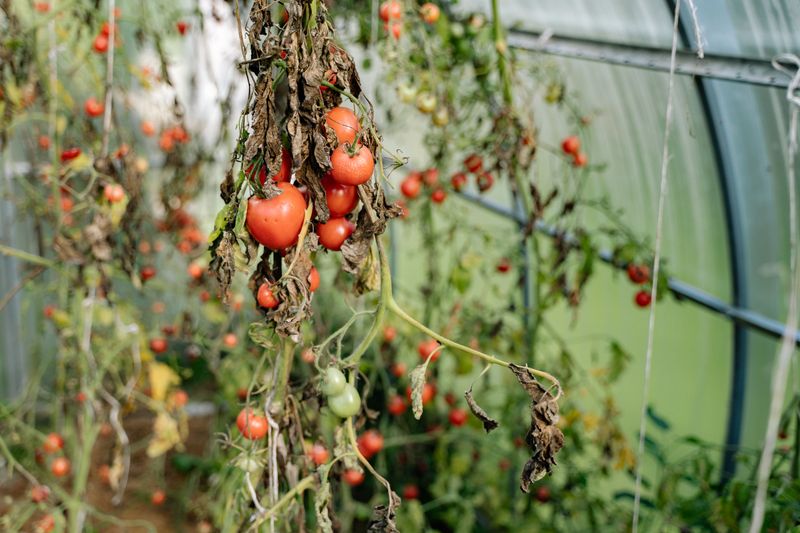
Finding out your plant is overwatered mid-season is not a reason to panic. Tomatoes are tougher than they look, and they bounce back faster than most gardeners expect.
Start by stopping all watering immediately and letting the soil dry out. Give it three to four days before you check moisture levels again with your finger or a meter.
If your soil is compacted, gently loosen it around the base with a hand fork. Better aeration helps oxygen reach the roots, which speeds up recovery significantly.
Check for root rot by carefully inspecting the base of the stem near the soil line. Healthy roots are white or light tan; dark, mushy roots signal rot has already started.
If rot is minor, remove the affected roots with clean scissors and let the area air out. Some gardeners dust the area with powdered cinnamon, believing it helps slow further fungal spread.
Once the soil has dried to an appropriate level, resume watering on the reduced ripening schedule. Do not try to compensate for lost days by watering heavily again.
Remove any heavily yellowed or dry leaves to reduce stress on the plant. This lets the plant focus its remaining energy on the fruit instead of struggling foliage.
Adding a balanced, low-nitrogen fertilizer at half strength can help the plant redirect energy toward ripening. High nitrogen feeds leaf growth, which is the last thing you want right now.
Recovery is possible with the right adjustments. This setback is fixable, and your harvest can still be saved this season.