This Florida Tree Pest Gets Less Attention Than It Deserves And Spreads Twice As Fast
Tiny invaders rarely announce themselves before causing serious, real trouble across town. Florida has quietly hosted this threat for many painful years now. You walk past affected trees without ever noticing them.
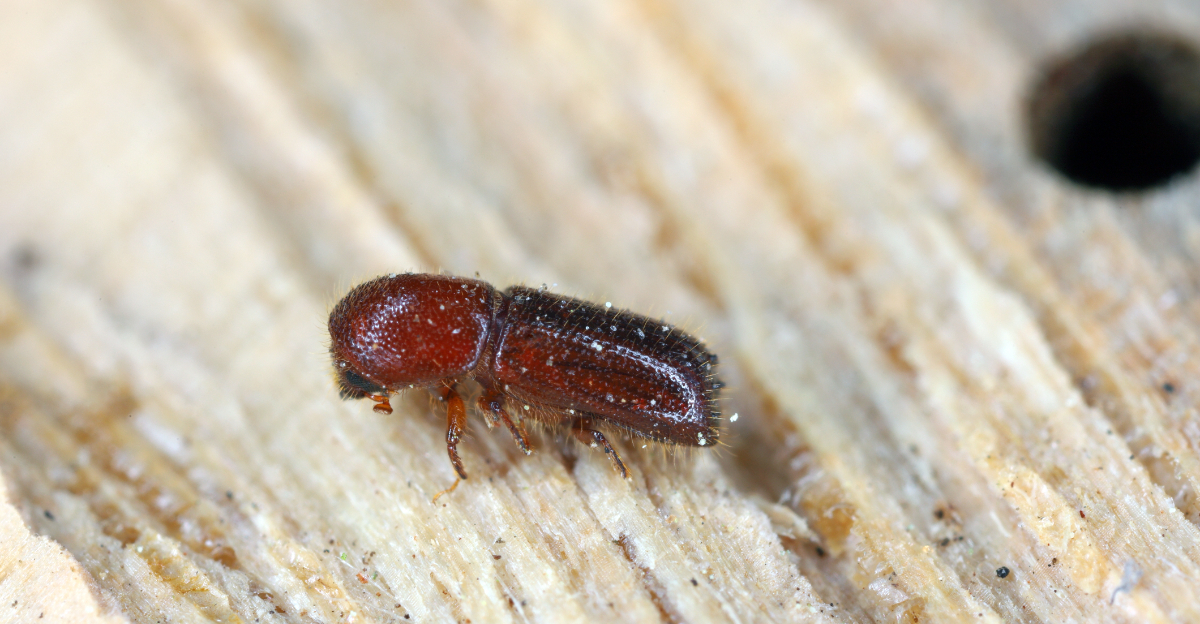
This beetle is smaller than your fingertip, yet powerful. Its favorite target is the redbay tree near your home. Whole groves close to your home have disappeared within your lifetime.
Nobody warned you because nobody expected this level of loss. Your property could already be hosting this invader right now. Scientists consider it among the biggest threats to your Florida trees.
Damage spreads quickly, putting every tree you love at risk. Every single yard near you faces genuine, pressing concern. Nothing about this particular threat feels slow or distant.
Progress for this pest simply means your trees weakening steadily. Waiting only costs you trees that you cannot replace. The next few minutes could shape whether your trees thrive.
What Is The Redbay Ambrosia Beetle
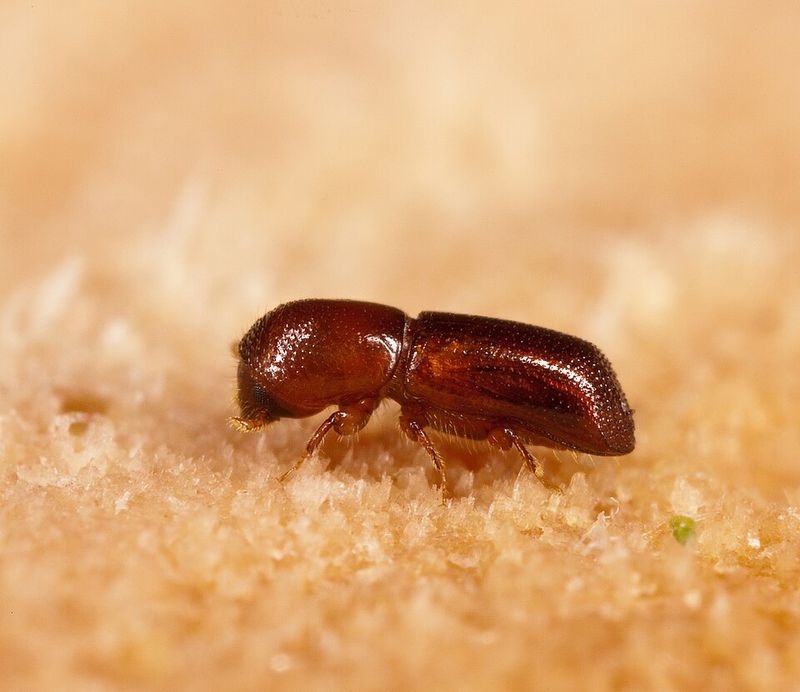
Smaller than a grain of rice, this pest carries significant destructive potential. The redbay ambrosia beetle, known scientifically as Xyleborus glabratus, is an invasive wood-boring insect. It targets trees in the laurel family with shocking precision.
Originally from Asia, this beetle arrived in the United States without any natural predators. That absence gives it a massive survival advantage over native insects. It thrives because nothing here evolved to stop it.
The beetle does not actually eat wood. Instead, it farms a fungus called Raffaelea lauricola inside the tree’s tissue. That fungus is the real weapon in this pest’s arsenal.
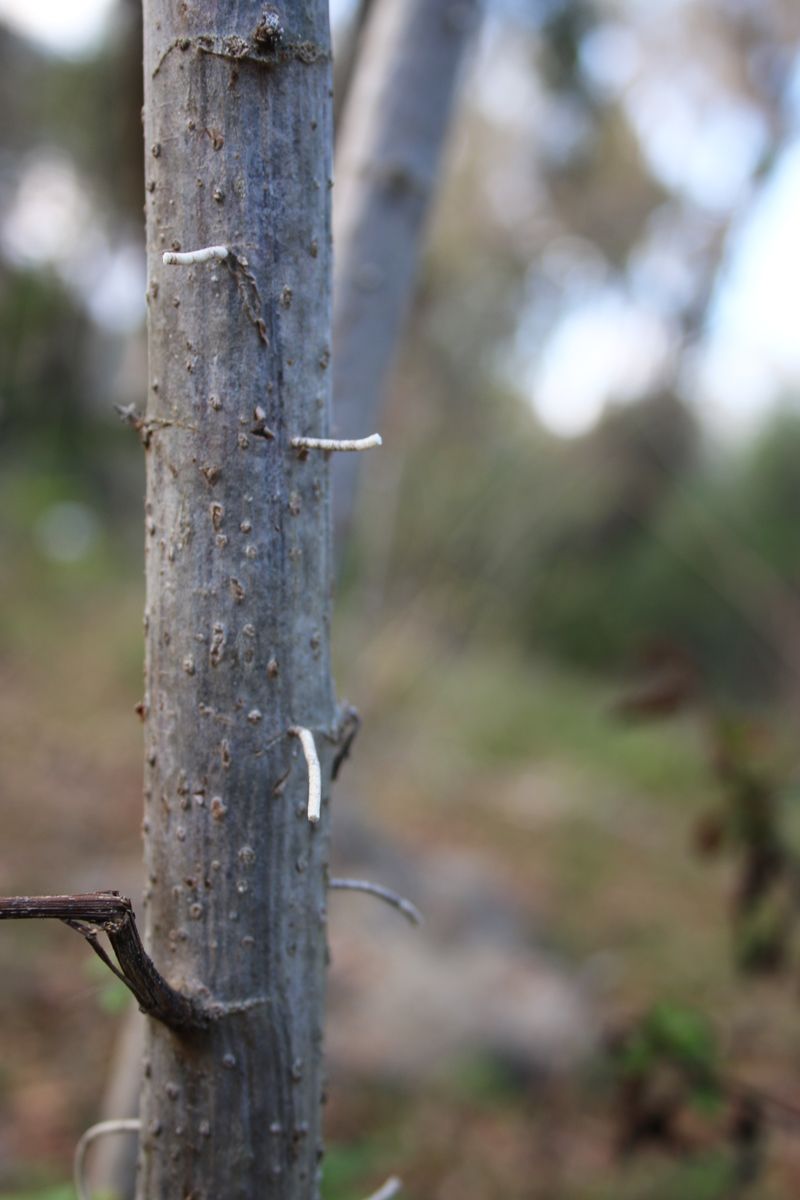
Female beetles bore tiny holes into tree trunks, roughly the size of a pinhead. They deposit the fungus as they tunnel deeper into the wood. The tree’s own vascular system then carries the infection upward and outward.
What makes this insect so dangerous is its host range. It targets redbay, swamp bay, sassafras, and avocado trees.
Commercially grown avocados in South Florida face a serious ongoing threat from this species.
Many people confuse it with other bark beetles. However, the redbay ambrosia beetle is distinctly more aggressive and more mobile.
Understanding exactly what it is marks the first step toward protecting your landscape from its reach.
How This Tiny Pest Entered Florida
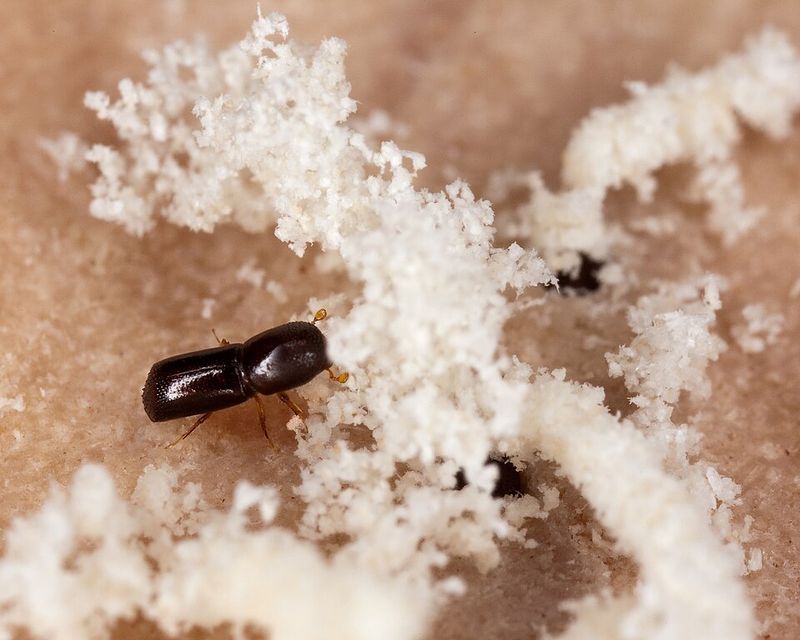
A single shipment marked a turning point for forests in the region. The redbay ambrosia beetle first appeared in Port Wentworth, Georgia, back in 2002. Scientists believe it arrived inside infested wood packing material from Asia.
From that one entry point, the beetle spread rapidly southward into Florida. Within just a few years, it had established itself across much of the northern part of the state. By 2005, it had reached Duval County, marking its first detection in Florida.
Wooden pallets and crating materials are notoriously difficult to inspect at ports. Customs officials cannot realistically check every piece of imported wood for tiny beetle eggs.
That inspection gap created the perfect opportunity for this pest to slip through undetected.
Once inside a new region, ambrosia beetles travel naturally by flying between trees. They also hitchhike on firewood, nursery stock, and freshly cut logs.
Your Florida Garden Changes Every Week. Your Plan Should Too.
Gardening in Florida changes quickly throughout the season. Every Friday you’ll receive a simple weekly plan showing exactly what to plant, prune, fertilize, harvest, and protect so you never miss the right timing.
Human movement of plant material accelerated its spread dramatically across the Southeast.
Researchers at the University of Florida tracked its expansion with growing concern. Studies suggest it spread faster than many comparable invasive insects, though exact comparisons vary.
Today, it has been detected in at least a dozen states across the Southeast and beyond. Prevention at the border remains the most effective strategy, but that window has long since closed for Florida.
Awareness and early action are now the most powerful tools available to homeowners and land managers alike.
Why It Spreads Faster Than Other Tree Pests
Speed is this beetle’s most significant trait. Most invasive insects spread gradually, limited by geography, climate, or host availability. The redbay ambrosia beetle ignores nearly all of those limits.
Female beetles can fly several miles on their own when searching for new host trees. They detect stressed or recently cut wood from impressive distances using chemical signals. A single fallen tree can attract dozens of beetles within hours.
Reproduction happens fast, too. A female can establish a new colony inside a tree within days of arrival.
She does not need a male to reproduce, which removes yet another natural brake on population growth.
The fungus she carries spreads through the tree even faster than she tunnels. Raffaelea lauricola can move through a tree’s water-conducting tissue in a matter of weeks. By the time you notice symptoms above ground, the infection is already deep inside.
Human activity multiplies the beetle’s natural speed dramatically. Moving infested firewood across county lines or transporting nursery plants spreads the pest far beyond its flying range.
One well-meaning camping trip with the wrong firewood can seed an entirely new infestation.
Compared to other bark beetles, this species also tolerates a wider range of temperatures and moisture levels. That flexibility means it can survive in habitats where similar pests would struggle.
The redbay ambrosia beetle does not follow the typical limits of other invasive insects, and Florida’s warm climate creates favorable conditions for its spread.
The Connection Between This Beetle And Laurel Wilt
The beetle spreads the threat, but the fungus is what ultimately ends the tree’s life. Laurel wilt is the disease caused by Raffaelea lauricola, the fungus that the redbay ambrosia beetle carries and spreads.
Without the beetle, this fungus would have no reliable way to reach new trees. Once inside a host tree, the fungus colonizes the xylem, which is the tissue responsible for moving water from roots to leaves.
The tree responds by producing defensive compounds that actually block its own water flow. That self-defense response essentially triggers a shutdown from the inside.
Leaves wilt and turn reddish-brown, but they stay attached to branches long after the tree is unlikely to recover. That visual detail is one of the most recognizable signs of laurel wilt. Healthy trees do not hold onto discolored leaves that way.
Sassafras trees across the Appalachian region have been hit especially hard by this disease. Avocado growers in Miami-Dade County have lost entire orchards to laurel wilt outbreaks.
The economic losses for Florida’s avocado industry, valued at over thirteen million dollars, have been significant, according to published research.
There is currently no approved cure for laurel wilt once a tree is infected. Researchers have tested fungicide trunk injections with some promising early results in avocado trees. However, treatment is expensive, labor-intensive, and not practical for wild forest trees.
The relationship between this beetle and its fungus makes it unusually effective at spreading damage. Understanding that link helps explain why laurel wilt spreads so aggressively and why early detection matters so much for saving nearby trees.
Signs Your Trees May Already Be Infested
Your trees are talking to you, and most people miss the message. Catching a redbay ambrosia beetle infestation early requires knowing exactly what to look for on your trees. The signs are subtle at first, but they become unmistakable fast.
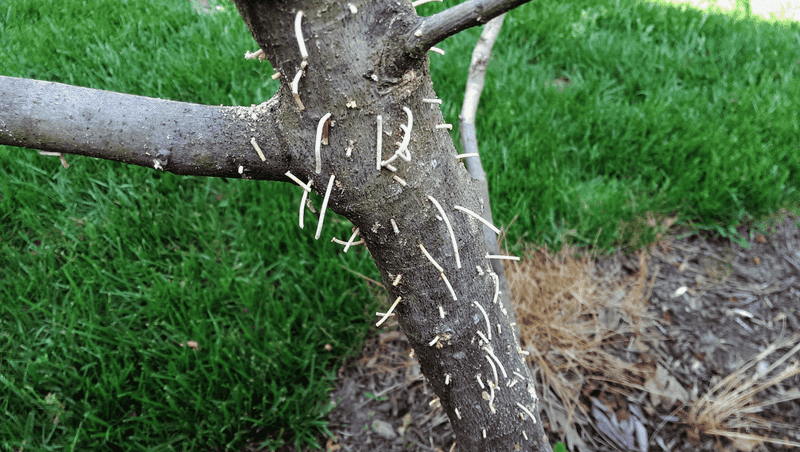
Look for tiny, perfectly round entry holes in the bark, roughly the size of a pinhead. Around those holes, you may notice small tubes of compacted sawdust called frass tubes. These fragile tubes look almost like toothpicks sticking out of the trunk.
As the infestation progresses, leaves on affected branches begin to wilt and turn a dull reddish-brown. Unlike normal seasonal leaf drop, these leaves stay attached to the branch.
That persistent discoloration is a strong visual clue that something serious is happening inside.
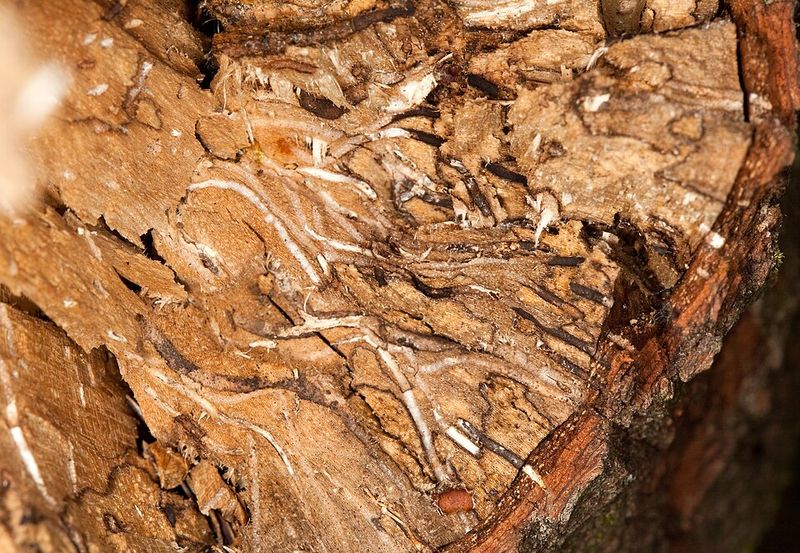
You might also notice a slight staining or darkening of the wood beneath the bark. Cutting into a symptomatic branch often reveals dark streaks running through the wood tissue. Those streaks are where the fungus has already traveled through the vascular system.
Trees under stress are more vulnerable to initial infestation. Drought-stressed, recently transplanted, or physically damaged trees attract beetles first. Keeping your trees healthy and well-watered reduces their attractiveness as a target.
If you spot any of these warning signs, act quickly and contact your local county extension office. Early professional assessment can help determine whether nearby healthy trees can still be protected.
Waiting even a few weeks can mean the difference between saving a tree and losing an entire grove.
What Florida Homeowners Can Do to Protect Their Trees
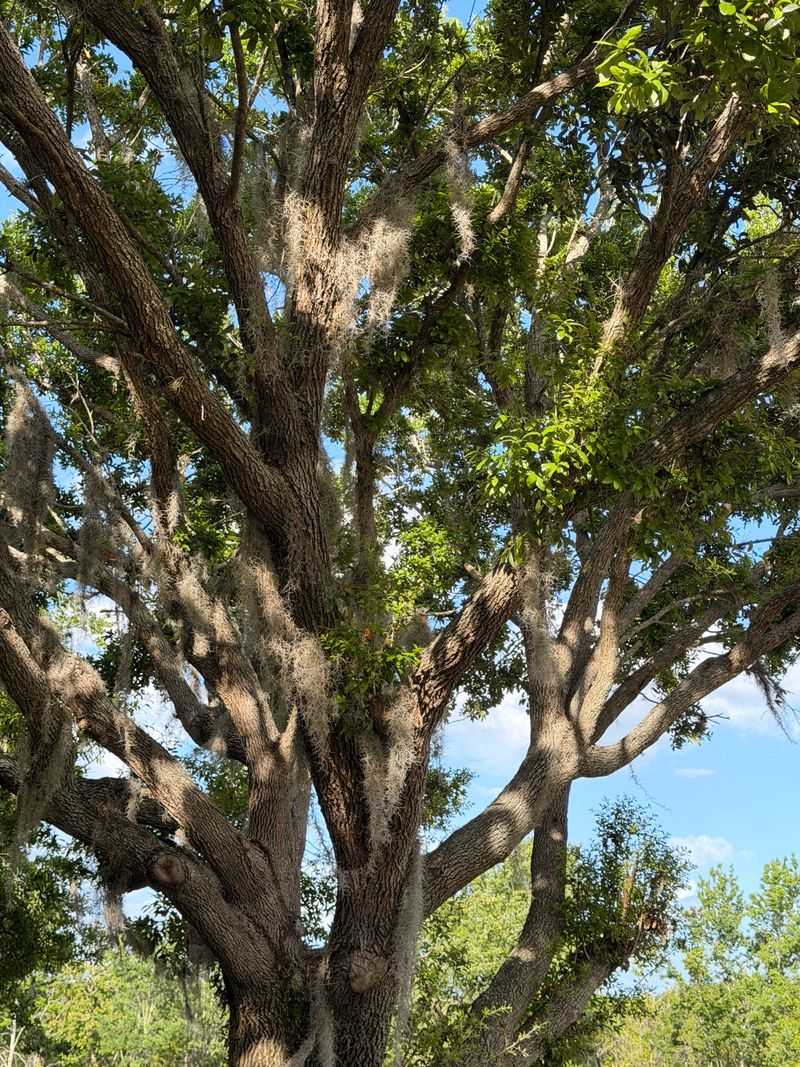
You are not powerless against this pest. Protecting your trees starts with simple, consistent habits that anyone can build into their yard routine. Awareness alone puts you ahead of most homeowners in your neighborhood.
Start by identifying which trees on your property belong to the laurel family. Redbay, swamp bay, sassafras, and avocado are all at risk. Knowing your trees by name is the foundation of any solid protection plan.
Never move firewood from one location to another, especially across county or state lines. Infested wood can carry beetle larvae and fungal spores to entirely new regions. Buy firewood locally and burn it where you buy it.
Keep your trees as healthy as possible through proper watering, mulching, and fertilization. Stressed trees release chemical signals that attract beetles from a distance. A well-maintained tree is a much harder target for any wood-boring insect.
Preventive fungicide trunk injections are available for high-value avocado trees through licensed arborists.
These treatments do not cure an existing infection but can slow or block new ones. Talk to a certified arborist about whether this option makes sense for your property.
Report any suspected redbay ambrosia beetle activity to your local Florida Forest Service office immediately. Early reporting helps officials track the spread and deploy resources faster.
Protecting your trees also protects your neighbors, your community, and the broader ecosystem that everyone shares.