What It Really Means When Chipmunks Dig Holes Around Your Oregon Garden
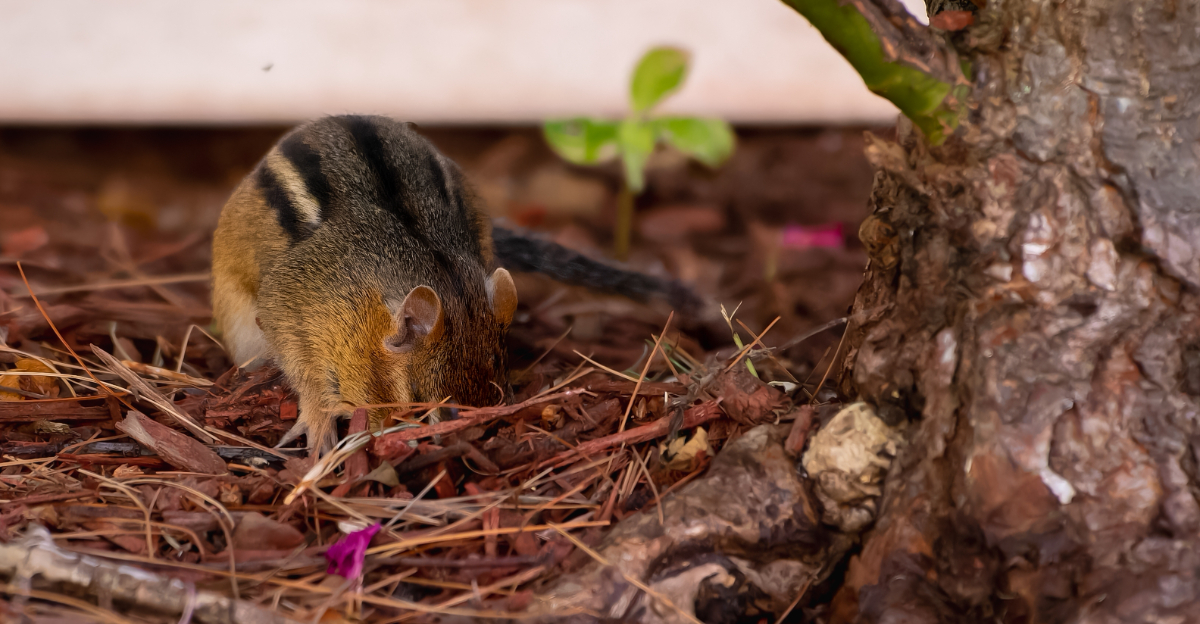
Tiny holes around the garden can make chipmunks look far more suspicious than their cheerful faces suggest.
The soil shifts overnight, roots become exposed, and a neat bed starts to resemble a miniature construction site.
Those holes may serve several purposes, so the pattern matters. A chipmunk may search for food in one spot and create a more permanent hideout somewhere else.
The entrance can also stay surprisingly tidy, which makes the burrow easy to miss.
Oregon gardens offer plenty of reasons for these small visitors to stick around. Once they find a useful corner, they may return with impressive dedication.
Apparently, the yard has earned a five-star review. The damage is not always serious, but some holes deserve a closer look.
Their location can reveal what the chipmunks want and help you decide whether the activity is harmless or likely to cause trouble.
1. Chipmunk Holes Usually Mean One Thing
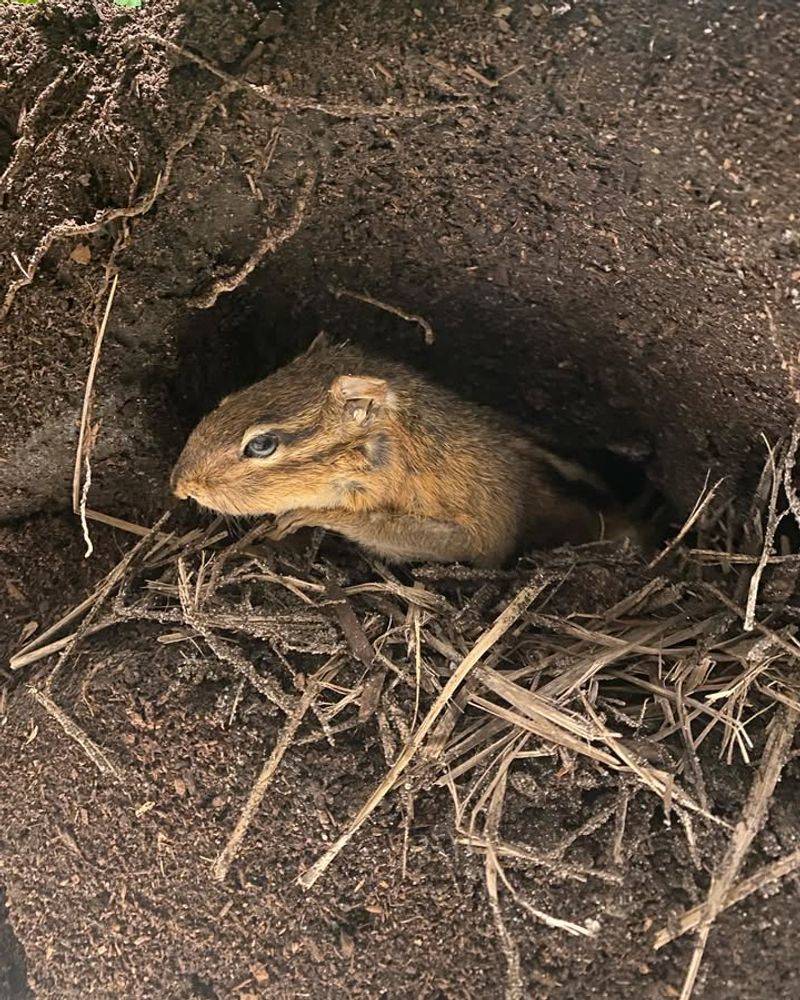
Most Oregon gardeners spot those little holes and immediately wonder what went wrong. The truth is, chipmunks dig primarily because they are searching for food.
They use their sharp claws and quick movements to root around in loose soil looking for insects, worms, seeds, and plant roots.
Foraging is a daily routine for chipmunks, especially in spring and early summer when food is plentiful. They cover a surprising amount of ground each day, often revisiting the same spots.
If your garden has rich, amended soil, it is even more attractive to them because soft dirt is easier to dig through quickly.
The holes left behind from foraging are usually small, roughly an inch wide, and scattered randomly. They do not follow a straight line or a pattern, which helps tell them apart from burrow entrances.
You might notice disturbed mulch or small mounds of loose dirt alongside the holes.
Protecting your garden starts with understanding this behavior. Adding physical barriers like wire mesh under raised beds can reduce access.
Using repellent sprays made from natural ingredients like peppermint or cayenne around garden edges can also discourage foraging visits. Chipmunks are persistent, but they will often move on if a spot becomes more trouble than it is worth.
Staying consistent with deterrents gives your plants a much better chance of staying undisturbed throughout the growing season.
2. They May Be Stashing Seeds Nearby
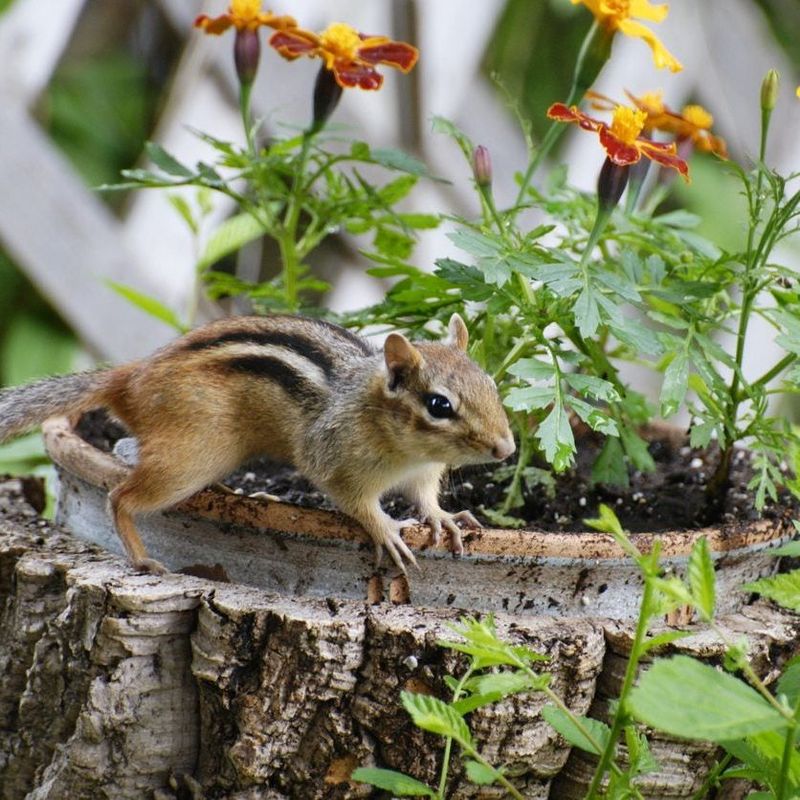
Chipmunks are famous for their puffy cheeks, and there is a good reason for that. They stuff their cheek pouches full of seeds and carry them back to hidden spots underground.
This seed-caching behavior is how they prepare for colder months when food is hard to find.
Your garden is basically a buffet for a chipmunk on a caching mission. Sunflower seeds, berry pits, acorns, and vegetable seeds are all fair game.
They will bury small stashes in multiple locations, which is why you might find clusters of tiny holes near your seed-starting trays or vegetable rows.
One interesting thing about this habit is that chipmunks do not always remember where every stash is hidden.
Your Oregon Garden Changes Every Week. Your Plan Should Too.
Gardening in Oregon changes quickly throughout the season. Every Friday you’ll receive a simple weekly plan showing exactly what to plant, prune, fertilize, harvest, and protect so you never miss the right timing.
Seeds that go unclaimed often sprout on their own, which is why you might find random seedlings popping up in unexpected places around your yard.
To cut down on seed stashing near your garden, try covering freshly seeded areas with row cover fabric or fine mesh netting. Avoid leaving birdseed or other seeds in open containers near the garden.
Cleaning up fallen seeds from nearby trees and shrubs also helps reduce what is available for them to collect.
The fewer easy food sources you offer, the less likely chipmunks are to set up a seed bank right next to your vegetable patch or flower bed.
3. Small Openings Point To Burrow Entrances
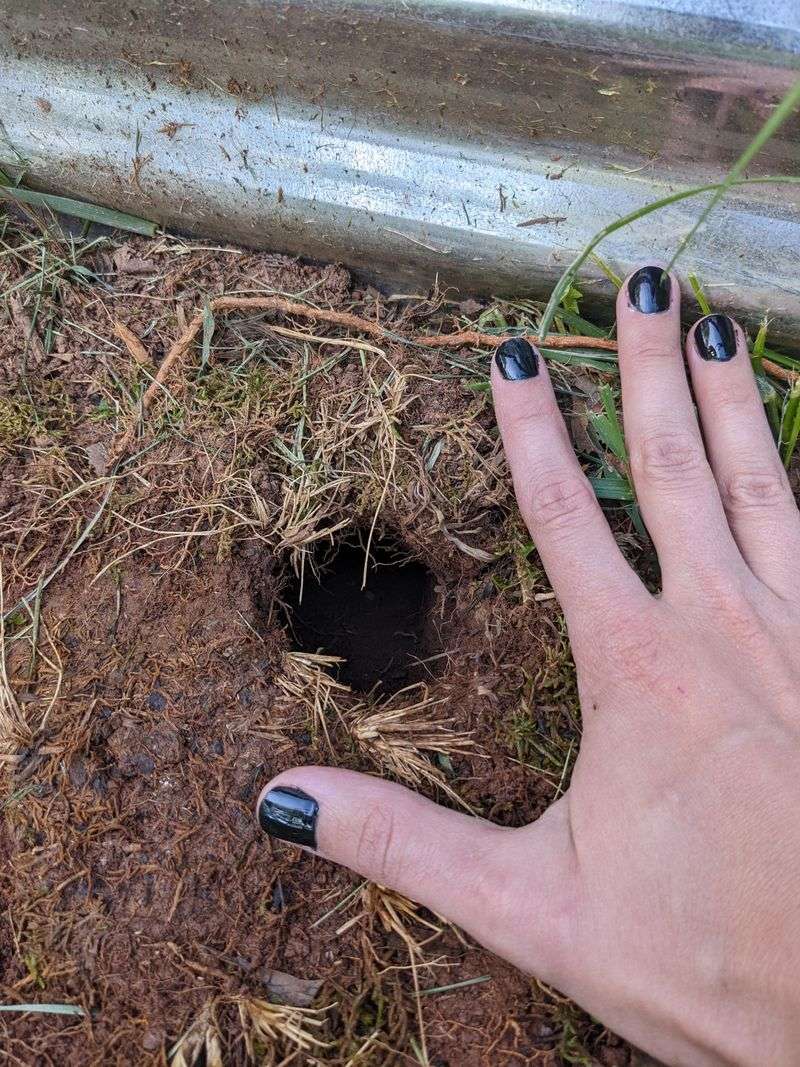
Not every hole in your garden is a foraging pit. Some of those small, clean-edged openings are actually entrances to underground burrows.
Chipmunk burrows can stretch several feet underground and include separate chambers for sleeping, storing food, and raising young.
Burrow entrances tend to look neater than foraging holes. They are usually about two inches wide and often lack a pile of dirt around the opening.
Chipmunks are surprisingly tidy about their burrow entrances, sometimes carrying removed soil away from the site so the opening stays hidden from predators.
Finding a burrow entrance in your garden means a chipmunk has decided to set up a more permanent home nearby. This is more common in areas where the soil is soft and well-drained, which describes a lot of garden beds in Oregon.
Root disturbance is a real concern when burrows run under plant beds.
If you spot a burrow entrance, you have a few options. Placing wire mesh or hardware cloth a few inches underground around garden borders can block new tunneling.
Some gardeners use natural repellents like used coffee grounds or predator urine near entry points. Avoid blocking the hole directly while the chipmunk is inside.
Instead, focus on making the surrounding area less comfortable so the animal relocates on its own without causing more disruption to your garden space.
4. Raised Beds Offer Easy Digging Spots
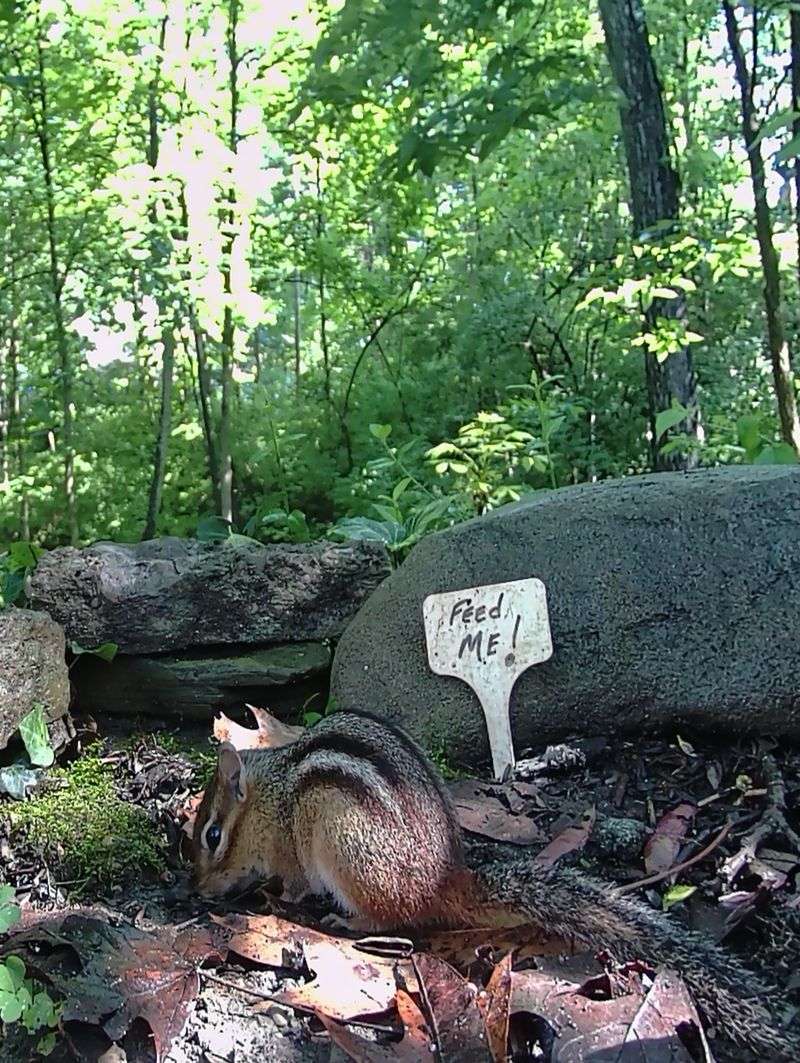
Raised beds are a gardener’s pride, but they are also a chipmunk’s dream. The loose, well-amended soil inside a raised bed is far easier to dig through than compacted ground, making it a top target for both foraging and burrowing activity.
Chipmunks can scale the sides of most wooden raised beds without much effort. Once inside, they have access to soft soil, plant roots, seeds, and sometimes even earthworms.
The walls of the bed also offer a sense of shelter, which chipmunks tend to prefer when they are digging.
Gardeners across Oregon keep finding holes inside raised beds more often than in open ground. Seedlings get uprooted, root vegetables get nibbled, and carefully planted seeds get relocated.
The damage can feel discouraging, especially early in the season when plants are just getting established.
Luckily, raised beds are also easier to protect than open ground. Lining the bottom with hardware cloth before filling with soil creates a barrier that stops burrowing from below.
For the top, a lightweight frame covered in chicken wire or bird netting can keep chipmunks out without blocking sunlight or rain. Some gardeners use motion-activated sprinklers as a deterrent too.
These tools do not harm the animals but make the raised bed a less comfortable place to visit. A little prevention early in the season saves a lot of frustration later on.
5. Mulch Makes Searching Easier
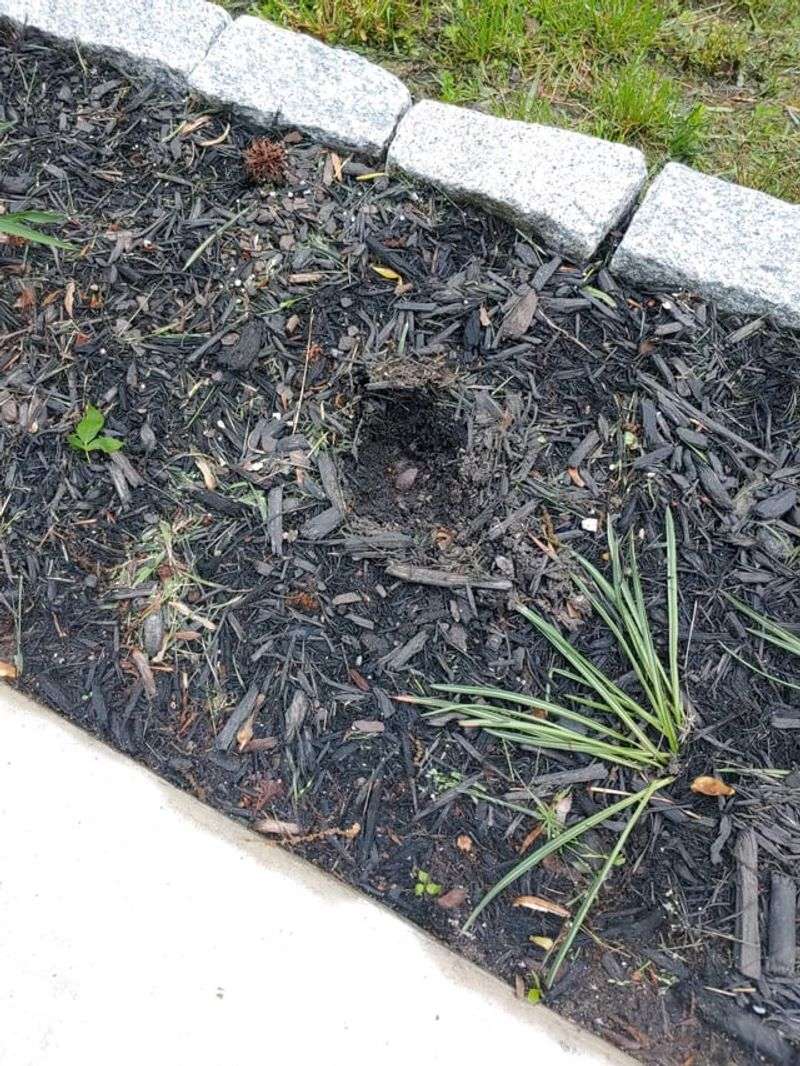
Mulch is great for retaining moisture and keeping weeds down, but it also creates a welcoming environment for chipmunks.
A thick layer of bark chips or straw mulch is easy to dig through and provides cover while they search for seeds or insects underneath.
Chipmunks love the way mulch hides their movements. They can slip under a thick layer without being easily spotted by hawks or other predators.
This sense of security encourages them to spend more time in mulched areas, which means more digging and more disruption to your plants.
You might notice chipmunk activity more in mulched beds than in bare soil areas. That is because mulch offers both food and cover at the same time.
Seeds that fall into mulch stay there longer, which gives chipmunks even more reason to keep coming back and searching through it regularly.
Switching to a less appealing mulch type can help. Chipmunks tend to avoid gravel or crushed stone mulch because it is harder to dig through and offers less food.
If you prefer organic mulch, keeping the layer thinner, around two to three inches, reduces the hiding spots available. Raking your mulch regularly also disrupts any tunnels or pathways they have started to create.
Pairing these steps with natural repellents sprinkled along the bed edges gives you a solid, plant-friendly defense against ongoing chipmunk activity.
6. Rock Borders Give Them Cover
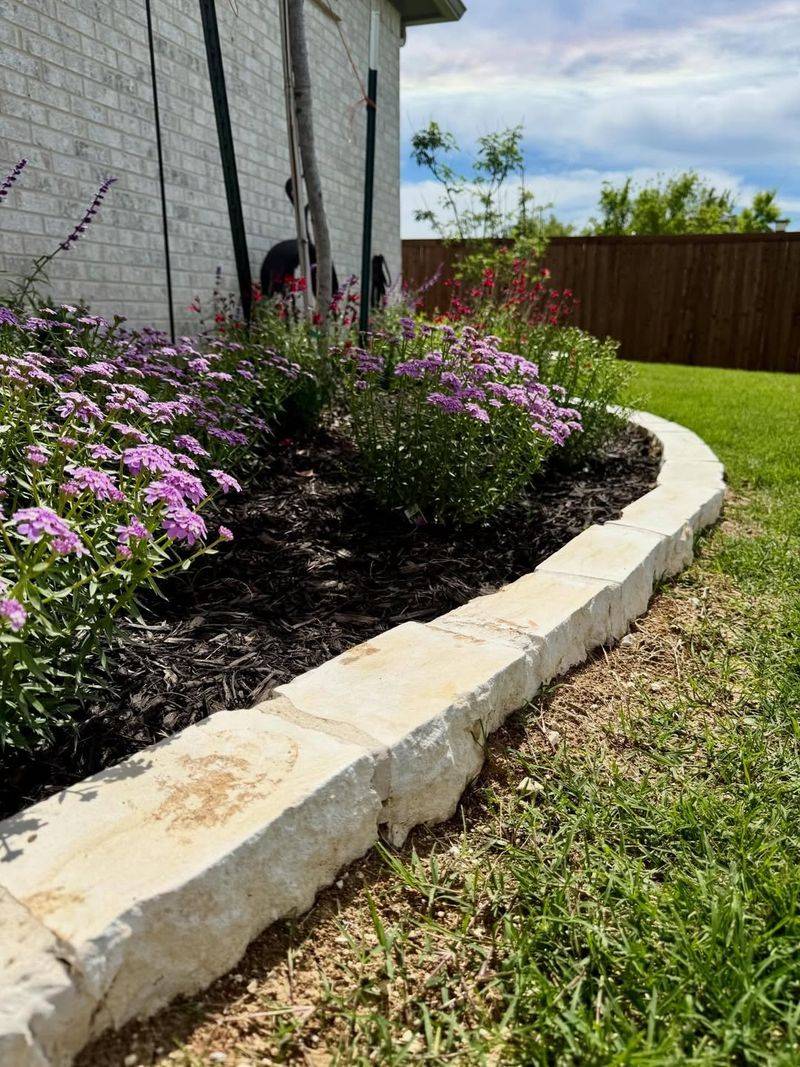
Rock borders look sharp around garden beds, and they do a great job of defining spaces. But from a chipmunk’s perspective, those same rocks are practically a luxury hotel.
Gaps between stones create perfect hiding spots, escape routes, and sheltered paths that chipmunks use regularly.
Once a chipmunk finds a rock border it likes, it tends to return to the same routes again and again. These repeated paths are called runways, and they become well-worn over time.
Digging near rock borders often happens because chipmunks feel safe enough there to slow down and search for food.
The area just behind or beneath a rock border is a common place to find burrow entrances too. The rocks act as a natural roof, hiding the opening from above and making the spot feel secure.
If your rock border sits near a vegetable bed or flower garden, that combination is especially appealing to chipmunks.
You do not have to remove your rock borders to solve the problem. Placing wire mesh under the rocks when you install them blocks burrowing from the start.
If the border is already in place, try tucking fine mesh along the inner edge where it meets the soil. Planting strongly scented herbs like lavender or mint near rock borders also helps, since chipmunks tend to avoid strong smells.
Small changes to the border setup can make a noticeable difference in how often chipmunks settle in along your garden edges.
7. Woodpiles Can Hide Their Runways
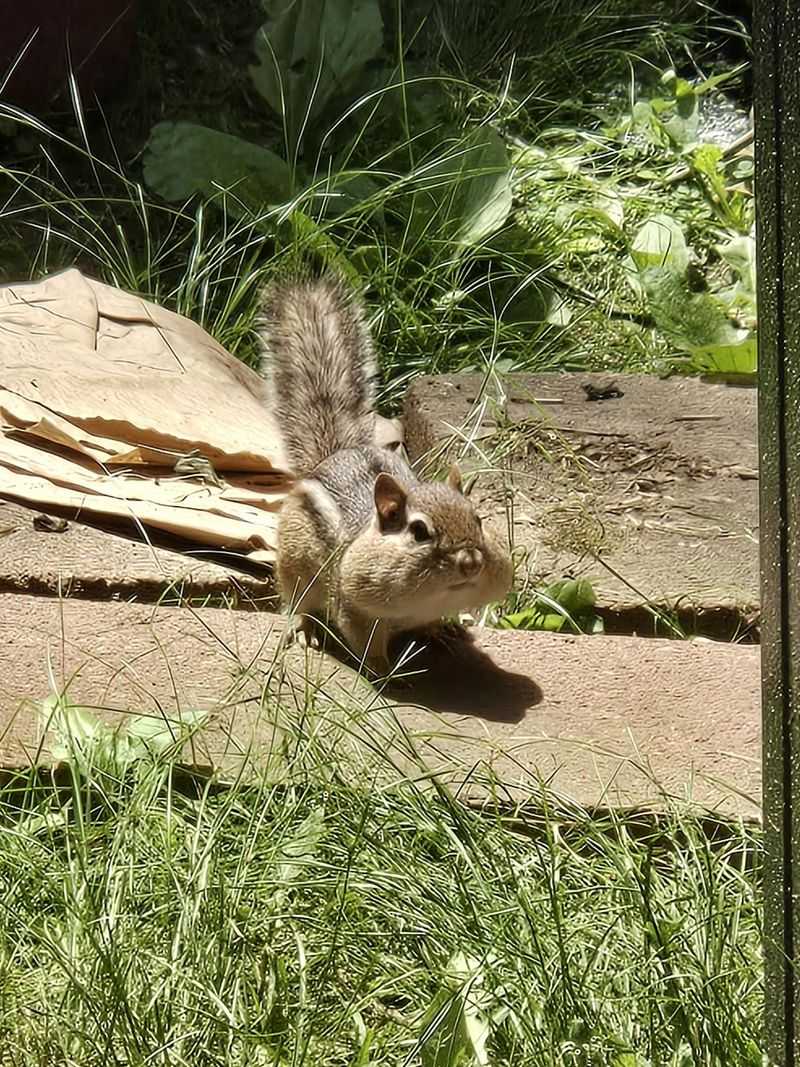
A neatly stacked woodpile might look harmless sitting near your garden shed or fence line. But for chipmunks, a woodpile is prime real estate.
The gaps between logs create a network of tunnels and hiding spots that chipmunks use as runways to move around your yard without being seen.
Runways are the paths chipmunks use repeatedly to travel between their burrow and food sources. When a woodpile sits close to a garden, it essentially creates a safe highway right to your plants.
Chipmunks can dart out, grab food or dig quickly, and retreat back to the pile before predators notice them.
Over time, you might notice worn dirt paths leading from a woodpile toward your garden beds. These are runway signs.
You may also find small holes at the base of the woodpile where a burrow entrance has been established beneath the logs.
Moving the woodpile farther from the garden is one of the most effective ways to break this pattern. Even shifting it ten to fifteen feet away can reduce chipmunk activity near your plants.
Stacking wood on a raised platform also helps because it removes the ground-level gaps that chipmunks rely on for cover.
If moving the pile is not possible, placing a strip of hardware cloth along the garden-facing side creates a simple but effective barrier.
Reducing the number of safe travel routes chipmunks have near your garden discourages regular visits over time.
8. Birdseed Often Brings Them Closer
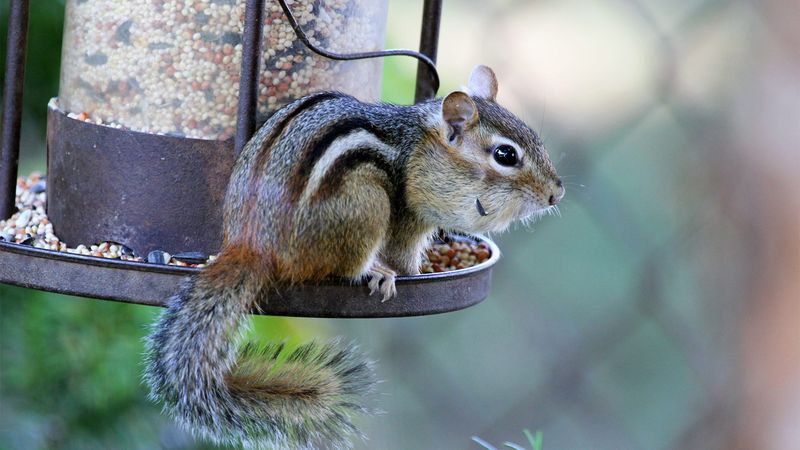
Bird feeders are a wonderful way to attract songbirds to your yard. But the seeds that fall to the ground below them are like an open invitation for chipmunks.
Fallen birdseed is one of the top reasons chipmunks start spending more time near garden areas in the first place.
Chipmunks are opportunistic feeders. If there is an easy and reliable food source nearby, they will keep coming back for it.
Sunflower seeds, millet, and cracked corn are all favorites. Once they start visiting regularly for the birdseed, they naturally begin exploring the surrounding garden too.
You might notice that chipmunk activity increases noticeably near wherever your bird feeder is placed. The more seed that falls, the more chipmunks are drawn in.
Over time, they may establish a burrow close to the feeder so they can cache seeds without traveling far.
Switching to a feeder with a catch tray helps reduce the amount of seed that hits the ground. Cleaning up fallen seed daily also removes the food source that keeps chipmunks coming back.
Some gardeners choose feeders designed to be squirrel-proof, which often works for chipmunks too since they use similar acrobatic tactics.
Placing the feeder on a pole with a baffle and positioning it away from garden beds creates some distance between the food source and your plants.
These small adjustments make a real difference in reducing how often chipmunks show up near your garden.
9. Bulbs And Seedlings May Be At Risk
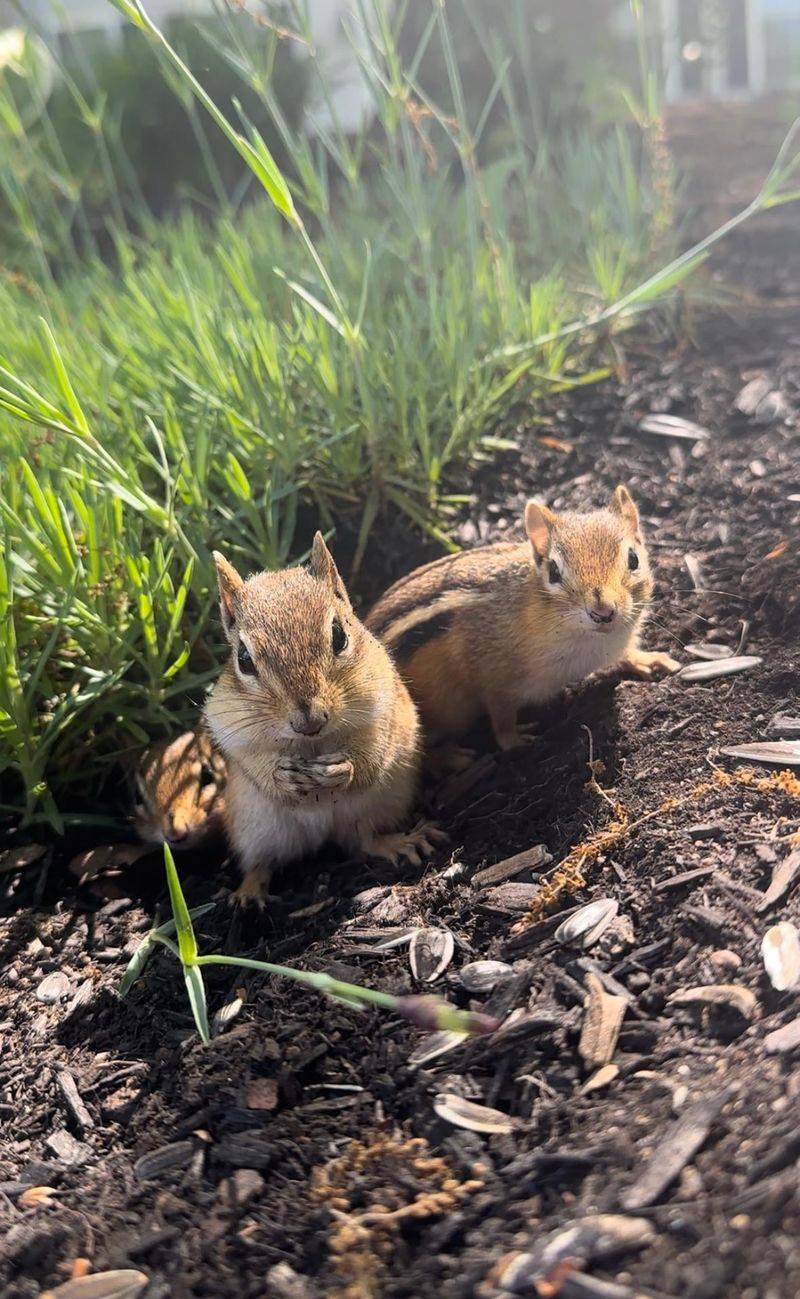
Oregon spring is one of the most exciting times in the garden, but it is also when chipmunks cause the most frustration.
Freshly planted bulbs and tender young seedlings are especially vulnerable to chipmunk activity during the early growing season when other food sources are still limited.
Chipmunks have a strong sense of smell and can detect freshly planted bulbs underground. Tulips, crocuses, and lilies are among their favorites.
They dig them up not out of mischief but because those bulbs are a rich, calorie-dense food source. Seedlings get uprooted during foraging or burrowing, sometimes without the chipmunk even intending to eat them.
The damage can look like random digging around your plant rows or entire sections of a bed that seem disturbed overnight. Losing seedlings you have been nurturing for weeks is genuinely disheartening, especially when the culprit is so small and quick.
Protecting bulbs starts at planting time. Placing a layer of hardware cloth just below the soil surface over bulb areas blocks digging without stopping growth.
Bulb cages made of wire mesh are another popular option that works well for individual plantings.
For seedlings, lightweight row covers held down at the edges keep chipmunks from reaching tender plants.
Some gardeners also try planting bulbs that chipmunks tend to avoid, like daffodils or alliums, which have a naturally strong scent and taste. Mixing these in with more vulnerable bulbs can help protect the whole planting area naturally.