9 Garden Tasks Every Massachusetts Yard Needs The First Week Of August
Something shifts in your garden the moment August arrives. Massachusetts summers turn intense fast, testing every plant that seemed fine yesterday. Heat stress creeps in quietly, pulling moisture from roots below.
Weeds spread overnight, taking water your tomatoes desperately need. Pests multiply in silence, finding soft stems and ripening fruit. Soil dries faster than you expect, thinning beneath the surface.
Harvests slow without warning, leaving vines heavy but fruit small. Blooms fade early, cutting your color season shorter than planned. Fungal disease spreads through humidity, staying hidden until it’s too late.
Neglect compounds daily, turning small problems into bigger setbacks. Local gardeners across Massachusetts protect months of hard summer work by acting now.
Your beds either recover this week or struggle straight through fall. Timing matters more than raw effort right now.
Every choice you make shapes what thrives here. Ignore this window and your garden falls behind later.
1. Snip Spent Blooms To Encourage More Flowers
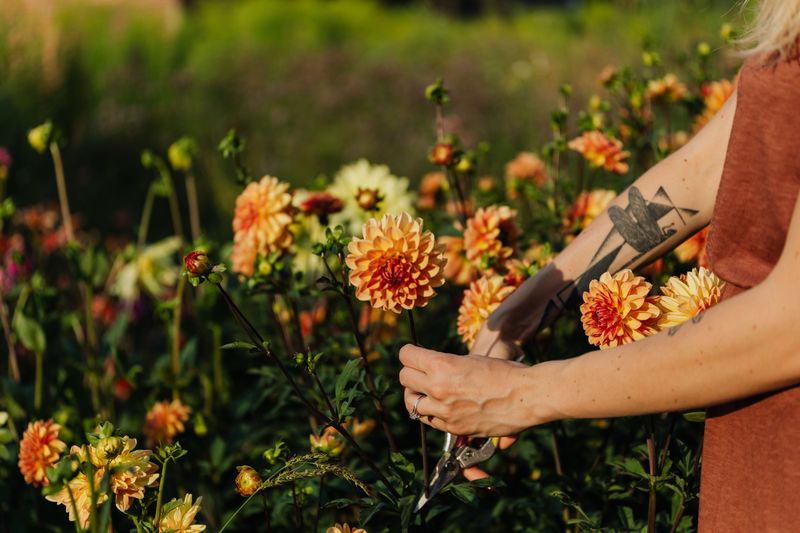
Cutting off spent blooms looks aggressive, but it benefits the plant. Snipping off faded blooms is one of the simplest ways to keep color popping all season.
When a flower fades on the stem, the plant shifts energy toward seed production. You want that energy going toward new blooms instead.
Grab a clean pair of scissors or pruners and walk your beds every few days. Coneflowers, black-eyed Susans, zinnias, and marigolds all respond beautifully to regular bloom removal.
Cut just below the spent flower head, above the next set of leaves. This keeps the plant tidy and signals it to push out more buds.
Garden tasks every Massachusetts yard benefits from often include this one, yet many gardeners skip it. A few minutes each week makes a noticeable difference in how full your beds look.
Some perennials, like salvia and catmint, can rebloom entirely if you cut them back by a third. That second flush of color in September feels like a bonus round.
Do not toss clippings into your compost if the blooms show any signs of disease. Bag those separately to avoid spreading problems through your pile.
Keep a small bucket nearby as you walk the garden so cleanup stays quick. The more consistent you are, the longer your flower season stretches into fall.
2. Pick Vegetables Often To Keep Plants Producing
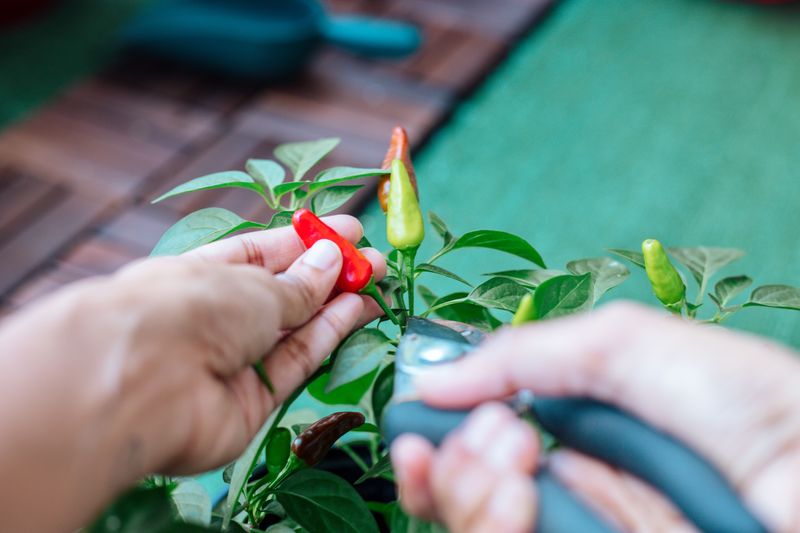
Zucchini left on the vine for three days grows oversized and tough. Harvest your vegetables often, and the plant keeps producing at full speed.
This is basic plant biology, and it works in your favor. When a fruit matures and stays on the plant, the plant thinks its job is done.
Beans, cucumbers, peppers, and summer squash all follow this rule. Pick them young and often, and the plant pushes out more flowers and fruit.
Tomatoes are slightly different since they ripen best on the vine. But once they show full color, pull them so the plant can focus on the next round.
Check your garden every single day during the first week of August. Warm nights and hot days make everything grow faster than you expect.
Your Massachusetts Garden Changes Every Week. Your Plan Should Too.
Gardening in Massachusetts changes quickly throughout the season. Every Friday you’ll receive a simple weekly plan showing exactly what to plant, prune, fertilize, harvest, and protect so you never miss the right timing.
Overgrown vegetables also attract pests and can stress the plant. A crowded, overloaded vine is more vulnerable to disease and insect damage.
Carry a basket when you walk the garden so nothing gets left behind accidentally. Even if you cannot use every vegetable right away, pick it and share with neighbors.
Regular harvesting is one of those garden tasks every Massachusetts yard needs but often gets delayed. A daily five-minute harvest walk keeps your garden in its most productive phase all month long.
3. Water Deeply During Dry Stretches
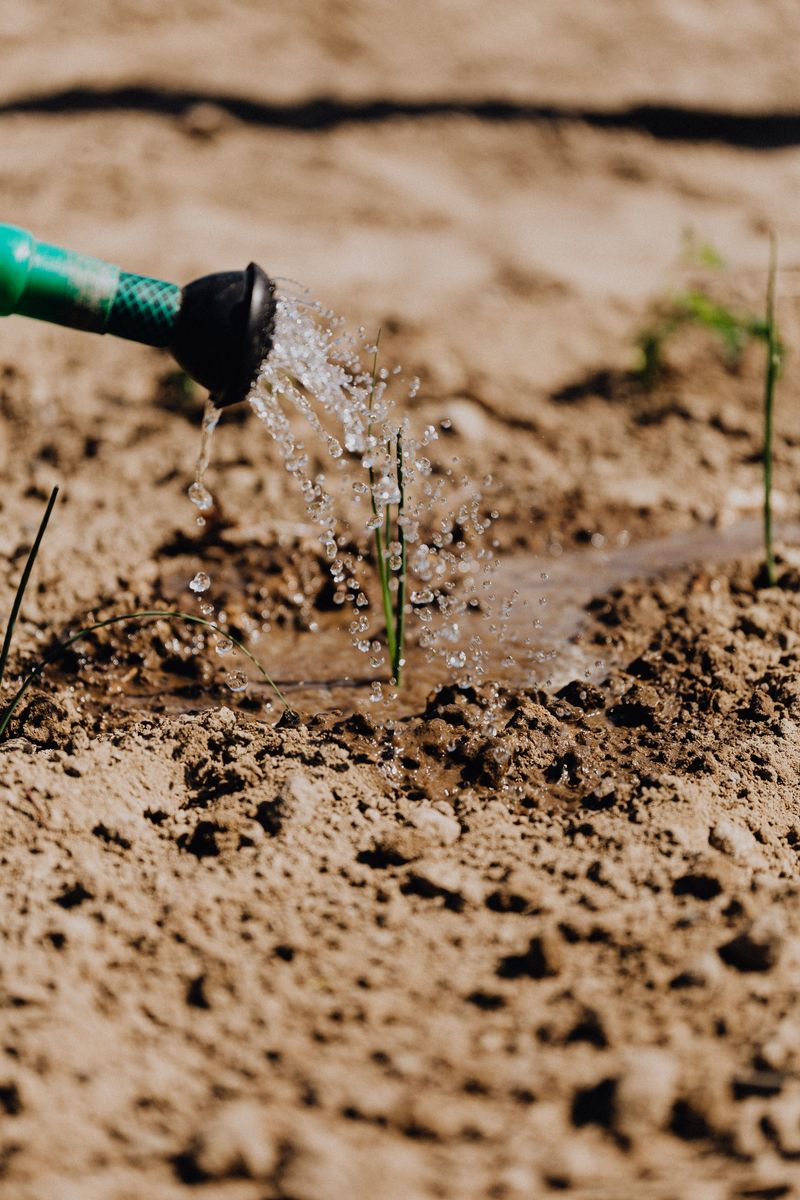
August in New England can swing from soggy to bone-dry within the same week. Knowing when and how to water makes all the difference for your plants.
Shallow, frequent watering trains roots to stay near the surface. Deep, infrequent watering pushes roots down where moisture lasts longer.
Aim to give your garden about one inch of water per week, including rainfall. Use a simple rain gauge near your beds to track what nature provides.
Water at the base of plants, not on the leaves. Wet foliage in warm weather is an open invitation for fungal problems like powdery mildew.
Morning is the best time to water so plants can absorb moisture before the heat peaks. Evening watering leaves foliage damp overnight, which encourages disease.
Established trees and shrubs can go longer between waterings than annuals or vegetables. Newly planted perennials, though, still need consistent moisture through their first summer.
Stick your finger two inches into the soil before reaching for the hose. If it feels moist at that depth, the plants are fine and do not need more water yet.
A soaker hose or drip system saves time and delivers water right where roots need it. Investing in one now pays off through the rest of August and into September.
4. Watch Closely For Late-Season Pests
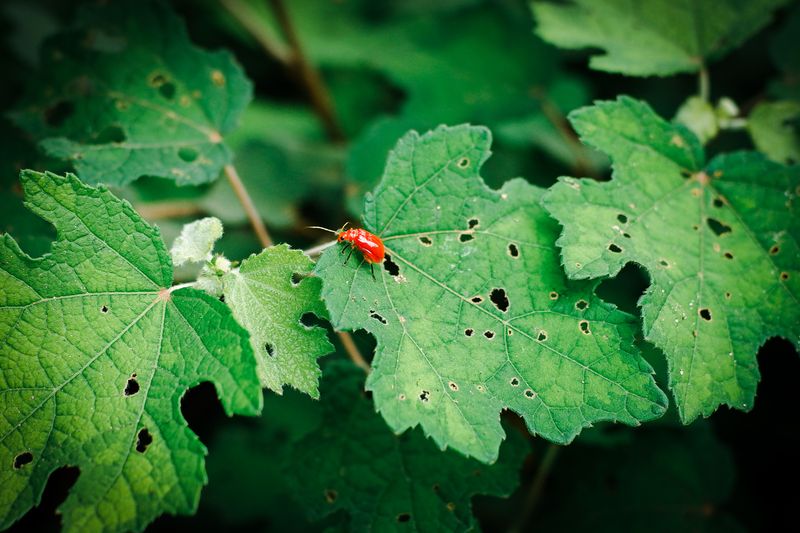
Late-season insects may already be active in your garden. Late summer brings a fresh wave of insects that can affect plants quickly.
Japanese beetles, squash vine borers, aphids, and tomato hornworms are all active in August. Catching them early is the only way to stay ahead without chemicals.
Flip leaves over and check the undersides, which is where most pests hide and lay eggs. Egg clusters look like tiny yellow, white, or orange dots in neat rows.
Hornworms are masters of camouflage on tomato stems. Look for dark droppings on leaves below, then trace upward to find the culprit hiding in plain sight.
Hand-picking works surprisingly well for larger insects like hornworms and beetles. Drop them into a bucket of soapy water for a non-toxic solution that costs almost nothing.
Aphids cluster on new growth and can be blasted off with a firm stream of water from a hose. Repeat every few days until the population drops to a manageable level.
Beneficial insects like ladybugs and parasitic wasps are natural allies in this fight. Avoid broad-spectrum sprays that would wipe out the good bugs along with the bad.
Staying observant is one of the most powerful garden tasks every Massachusetts yard can rely on. A ten-minute inspection walk every few days keeps small problems from becoming garden emergencies.
5. Stop Feeding Roses To Prepare For Dormancy
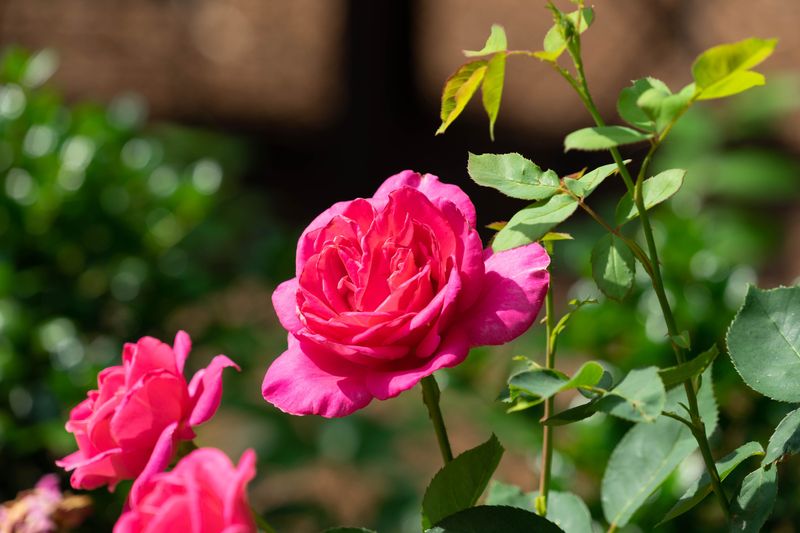
Roses are heavy feeders from spring through midsummer, but August is the time to pump the brakes. Feeding them now pushes out tender new growth that cannot harden before frost arrives.
Soft, lush new canes are the first to struggle when cold temperatures roll in come October. Stopping fertilizer now gives the plant time to toughen up naturally.
Most rose experts recommend making your last fertilizer application by late July or very early August. After that, let the plant shift its focus toward storing energy in its roots.
This does not mean neglecting your roses entirely for the rest of the season. Keep watering consistently and remove spent blooms through late summer to encourage a final flush of flowers.
Watch for black spot and powdery mildew, which tend to spike in humid August conditions. Remove affected leaves promptly and dispose of them away from the garden bed.
Some gardeners add a light layer of compost around the base of their roses now. Compost feeds slowly and gently, improving soil structure without pushing excessive new growth.
Do not prune roses heavily in August either, since major cuts stimulate growth at the wrong time. Light shaping and spent-bloom removal are fine, but save hard pruning for early spring.
Letting roses wind down on their own schedule is one of those quiet garden tasks that pays off big in spring. Healthy, well-rested plants come back stronger and bloom earlier the following year.
6. Sow Seeds Now For Fall Harvest
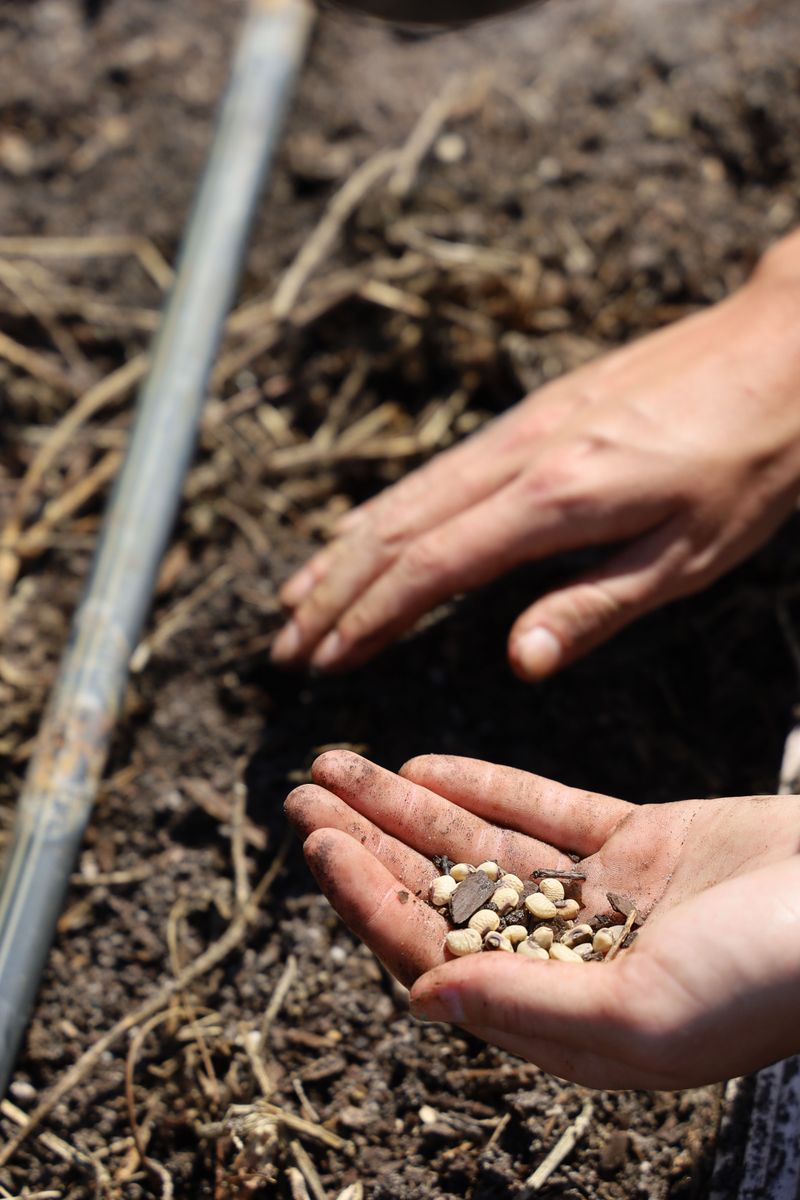
Most people think spring is the only time to start seeds, but August tells a different story. A second planting season is quietly waiting for anyone paying attention to the calendar.
Crops like kale, spinach, arugula, radishes, and lettuce all thrive in the cooling temperatures of September and October. Starting them now gives them enough time to mature before hard frost hits.
Count backward from your first expected frost date, which in most of the state falls between mid-October and early November. Add the days to maturity listed on the seed packet, then count back from that date.
Prepare your soil by loosening it and mixing in a bit of compost before sowing. Well-fed, loose soil gives tiny seedlings the easiest possible start.
Water newly sown beds gently and consistently since seeds need steady moisture to germinate. A light layer of row cover helps retain moisture and protects against early cold snaps.
Brassicas like broccoli and cabbage can also be direct-sown now if you act quickly. They handle light frost well and often taste sweeter after a cold night or two.
Shade cloth can protect young seedlings from the intense August sun during their first week. Once they establish, they can handle full exposure without any extra help.
Planting a fall garden is one of those garden tasks every Massachusetts yard can squeeze in with a little planning. A few rows of greens now means fresh salads well into November.
7. Mulch Beds To Lock In Moisture
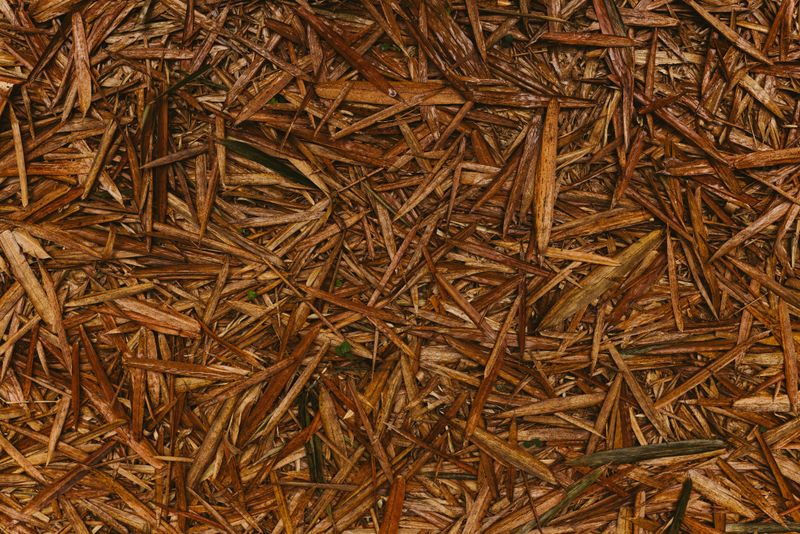
Bare soil in August is thirsty soil. A fresh layer of mulch is one of the smartest moves you can make for your garden right now.
Mulch slows evaporation, keeps soil temperatures stable, and suppresses weeds that compete with your plants for water. Three jobs done with one simple material is a hard deal to beat.
Aim for a two-to-three-inch layer of shredded wood chips, straw, or shredded leaves around your plants. More than three inches can trap too much moisture and cause stem rot near the base.
Keep mulch pulled back a few inches from the main stem or trunk of each plant. Direct contact with mulch can create conditions for fungal disease and rodent damage.
If your mulch from spring has broken down and thinned out, now is a good time to refresh it. A quick top-up takes less than an hour and makes a visible difference within days.
Vegetable beds benefit from straw mulch, which is light, breathable, and easy to push aside when you need to plant or harvest. It also breaks down into the soil over time, improving texture.
Perennial beds do well with shredded hardwood mulch, which breaks down slowly and feeds the soil through the fall and winter. It also gives your beds a tidy, finished look heading into the end of the season.
Mulching now means less watering, less weeding, and healthier roots heading into September. Your garden will feel the benefit long after the first frost arrives.
8. Trim Leggy Annuals For A Fresh Flush
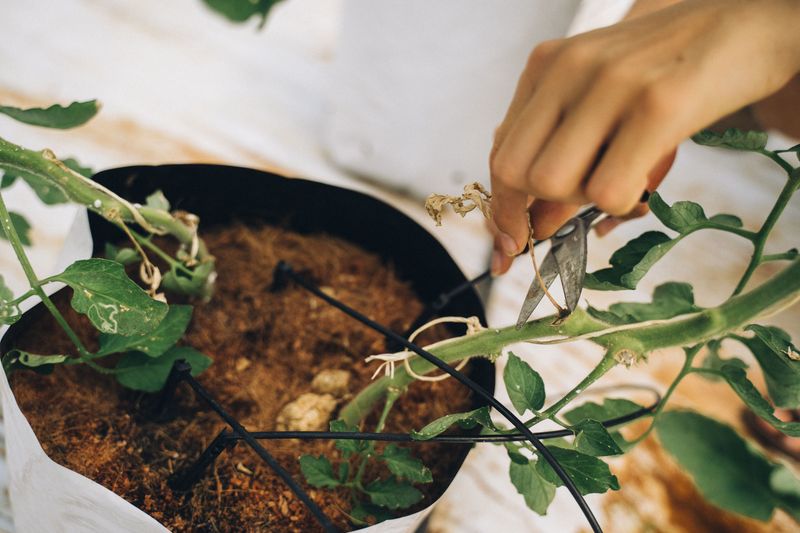
By August, petunias often look leggy and sparse from a long season of blooming. They are in need of a trim to bounce back.
Annuals stretch out when they have been blooming hard all season without a reset. A good trim now encourages fresh branching and a whole new round of flowers.
Cut petunias, impatiens, and calibrachoa back by about one-third to one-half of their current length. It feels drastic, but the plant bounces back within ten to fourteen days.
After trimming, give the plants a light feeding with a balanced liquid fertilizer. This fuels the new growth coming in and helps the second flush bloom as fully as the first.
Coleus and sweet potato vine can also get trimmed now if they have outgrown their containers or beds. Pinching back the tips keeps them bushy and full rather than long and floppy.
Begonias are a little more forgiving and may not need as dramatic a cut. Remove any yellowing leaves and faded blooms to keep them looking fresh without a full reset.
Window boxes and hanging baskets especially benefit from this mid-season trim. Fresh growth fills in quickly and makes containers look newly planted rather than tired and end-of-season.
Trimming leggy annuals mid-season is one of those garden tasks that rewards patience. The two weeks after cutting may look sparse, but what comes next is worth every snip.
9. Divide Crowded Daylilies And Irises This Week
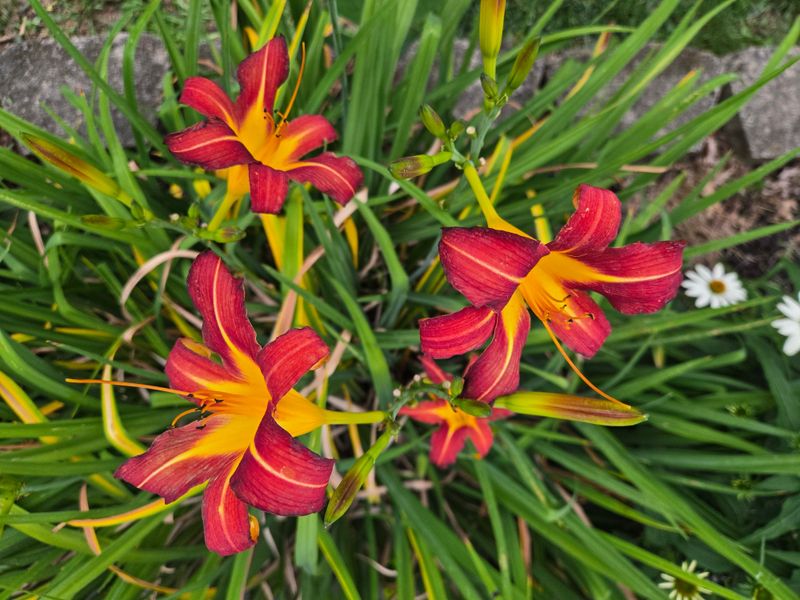
Crowded daylilies stop blooming as well as they used to, and irises with tangled rhizomes tell the same story. Dividing them now gives each section room to breathe and bloom again next year.
Early August is actually a sweet spot for dividing both of these perennials in the Northeast. Cooler nights ahead help newly divided plants settle in without the stress of peak summer heat.
Dig up the entire clump with a garden fork, working around the outside edge to loosen roots. Lift the whole mass and set it on the ground where you have room to work.
For daylilies, pull or cut the clump into sections with three to five fans of foliage each. Each section should have healthy roots attached and no signs of rot or pest damage.
Iris rhizomes need a different approach since you want to keep the firm, healthy sections near the outer edges. Discard the old woody center, which no longer produces strong blooms.
Trim the foliage on divided sections back to about six inches before replanting. This reduces stress on the plant while it focuses energy on establishing new roots.
Replant divisions at the correct depth and water them in well after settling them into their new spots. Irises especially need their rhizomes sitting near the soil surface, not buried deeply.
Dividing perennials is one of the most satisfying garden tasks every Massachusetts yard can tackle this season. You end up with more plants, healthier growth, and better blooms waiting for you next spring.