The Native North Carolina Flowers That Bloom Straight Through The Worst Of Summer Heat And Humidity
You drag your patio chair into the shade by two in the afternoon, and the air feels like a wet towel over your face. Most of your flowers have already given up, drooping brown and crispy by the Fourth of July. But a few tough North Carolina natives do not flinch. They keep blooming straight through the ninety-five degree afternoons and the sticky nights that follow.
Here are nine of them, the quiet heroes that stay standing when everything else in the yard waves the white flag.
1. Black-Eyed Susan Shrugs Off The Worst July Afternoons
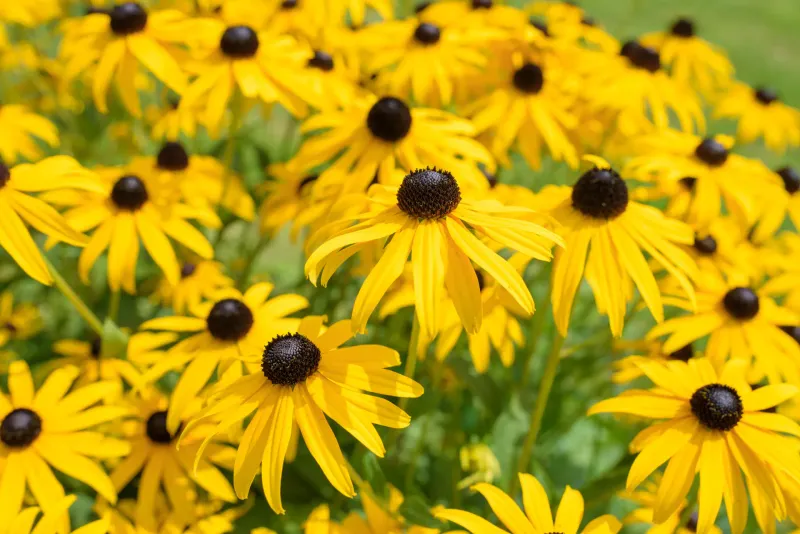
Picture the ditches along a Piedmont back road in mid-July. Those cheerful yellow faces staring at the sun are black-eyed Susans (Rudbeckia hirta), and they are barely breaking a sweat while your begonias melt.
Here is the turn. That fuzzy texture on the leaves is not just for looks. The tiny hairs trap a thin layer of moisture and shade the leaf surface, which helps the plant hold water when the temperature climbs past 95 degrees. So the very thing that makes them feel rough to the touch is what keeps them alive.
Plant them in full sun with at least 6 hours of direct light, and space them about 18 inches apart so air moves between the clumps. That airflow matters in our muggy summers, where crowded plants invite fungus. Water deeply once a week during a dry stretch, roughly an inch, then leave them be. They genuinely prefer a little neglect.
NC State Extension lists Rudbeckia as a reliable performer across the state, from the mountains at zone 6a down to the coast at 8b. Leave the spent seed heads standing into fall and goldfinches will pick them clean.
By August, while your neighbor is dragging a hose around, you are sitting on the porch watching bees work a patch of gold that asked you for almost nothing.
2. Purple Coneflower Turns Drought Into A Superpower
A lot of gardeners kill purple coneflower with kindness. They water it every day, the roots rot in our clay, and the plant sulks. Meanwhile the untouched clump three houses down is thriving in bone-dry ground.
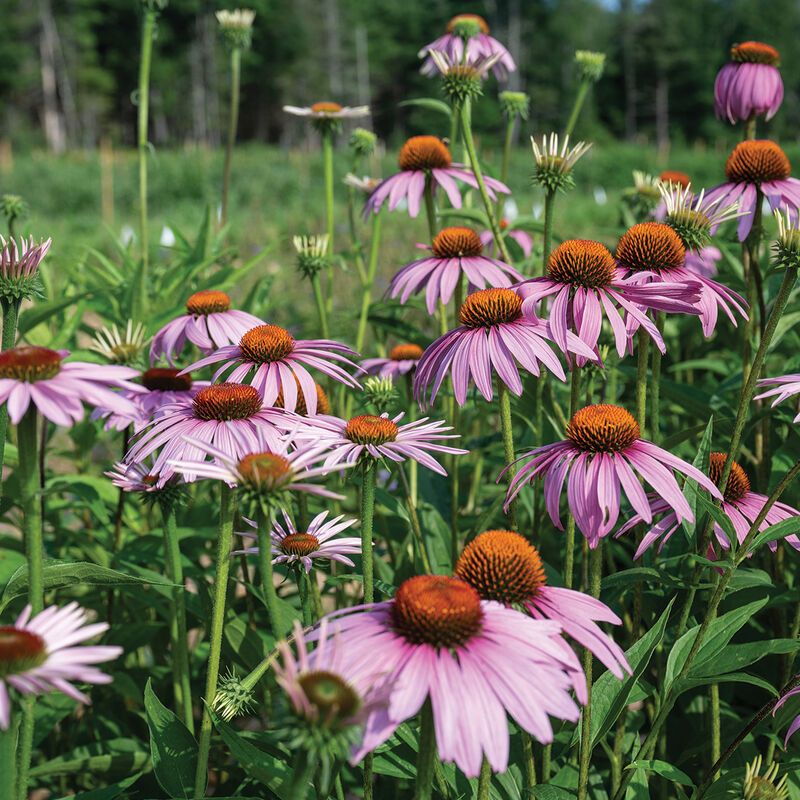
Purple coneflower (Echinacea purpurea) sends down a thick taproot that can reach well past a foot into the soil. That deep anchor pulls moisture from below while shallow-rooted annuals cook up top. So the plant that seems to want your help actually wants you to walk away.
Give it full sun and Piedmont red clay is fine, no need to baby the soil. Space plants 18 to 24 inches apart. After the first season, you can skip watering entirely unless you go three weeks without rain. The pink-purple daisies bloom from June clear into September, and the spiky orange centers give the flower its name, echino being Greek for hedgehog.
The stiff seed heads feed goldfinches through winter, so resist the urge to cut them down in fall. NC State Extension notes coneflower as one of the most dependable natives for pollinators, drawing swallowtails and bumblebees all summer.
Your North Carolina Garden Changes Every Week. Your Plan Should Too.
Gardening in North Carolina changes quickly throughout the season. Every Friday you’ll receive a simple weekly plan showing exactly what to plant, prune, fertilize, harvest, and protect so you never miss the right timing.
It is not a magic flower that survives on nothing. But it is close, and that means more porch time for you and fewer hose-dragging afternoons in the heat.
3. Joe Pye Weed Feeds Monarchs While Standing Seven Feet Tall
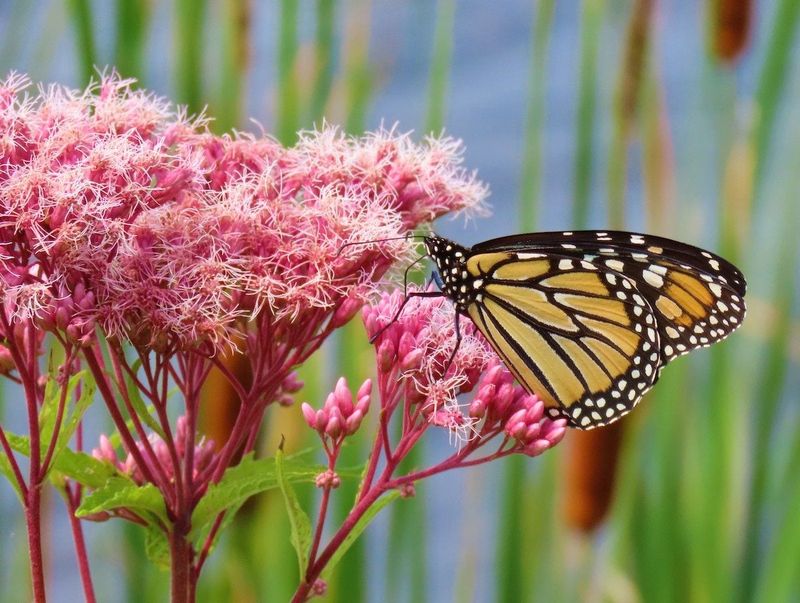
Do not let the word weed scare you off. Joe Pye weed (Eutrochium purpureum) is one of the grandest natives you can grow, and in a damp corner it will rocket up to 5 or even 7 feet by late summer.
Most tall plants flop in an August thunderstorm. Joe Pye holds its ground because it likes the moisture that follows those afternoon downpours, so the same rain that knocks over your tomatoes just feeds this giant. The dusty mauve flower heads open in July and August, right when monarchs begin fueling up for their long trip south.
Plant it at the back of a border or along a low wet spot where water collects. Full sun to part shade both work, and give each plant about 3 feet of room because it fills out. It handles the Coastal Plain and mountain counties alike.
Butterflies swarm the blooms so thickly you can hear the wings. NC State Extension points to Joe Pye weed as a top nectar source for fall monarchs traveling the Eastern flyway.
You planted one clump for the flowers. What you got was a live butterfly show over the cookout, and a story worth tagging a friend about.
4. Butterfly Weed Blooms Orange In Sandy Ground Nothing Else Wants
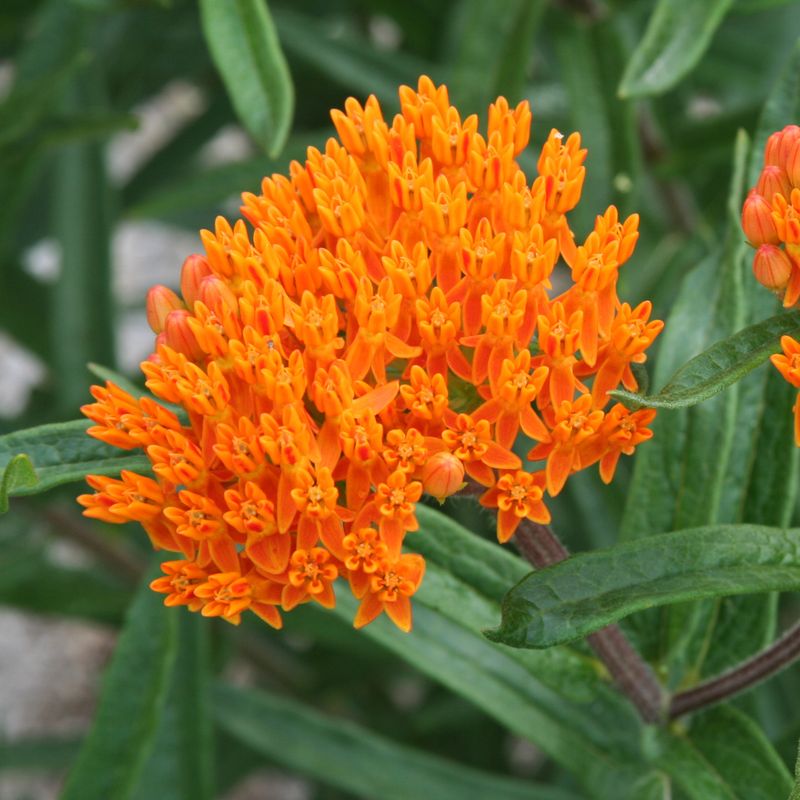
There is a stretch of Sandhills soil so sandy and poor that most flowers refuse to try. Butterfly weed (Asclepias tuberosa) looks at that ground and grins.
The brilliant orange clusters glow from June through August, and this is the milkweed that monarch caterpillars actually eat. Here is where it gets interesting. Butterfly weed grows a deep, brittle taproot that stores water, which is exactly why it hates being moved and why it laughs at drought. Transplant it once it is established and you will likely lose it, so pick the spot and commit.
Full sun is non-negotiable, and lean, sandy soil beats rich soil every time. Space plants about 18 inches apart and water only until they root in, then stop. Too much water rots that precious taproot.
Unlike common milkweed, this one stays tidy and clumping instead of spreading by runners, so it behaves in a small yard. Monarch females lay eggs on the leaves, and the striped caterpillars munch away while adults sip nectar from the flowers overhead.
You spend the whole summer worrying nothing grows in that hot dry patch by the mailbox. Then this fiery little native turns it into the busiest monarch stop on the street.
5. Blazing Star Sends Up Purple Spikes When The Heat Peaks
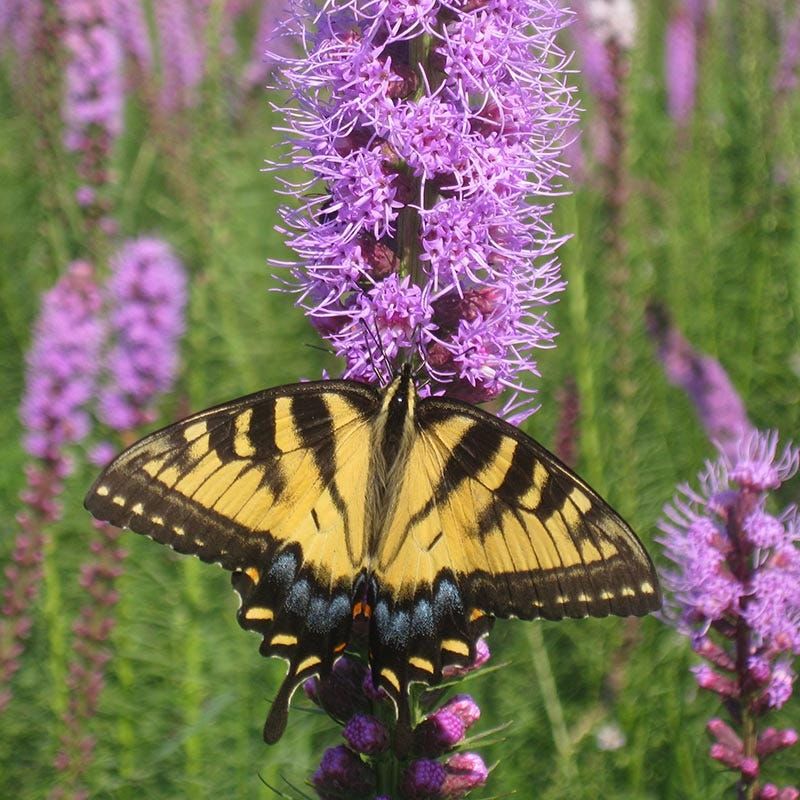
Most flowers open from the bottom up. Blazing star does the opposite, and once you notice it you cannot unsee it.
Blazing star (Liatris spicata) throws up feathery purple spikes 2 to 4 feet tall, and the blooms open from the top down through July and August. That backward bloom pattern is a small wonder, and it means the flower stays showy for weeks rather than days. Butterflies mob these spikes, and swallowtails in particular seem unable to resist them.
Underground, blazing star grows from a corm, a bulb-like storage root that banks energy and water. So when the mercury hits the mid-90s and afternoon storms skip your street, the plant draws on its own savings account and keeps flowering.
Plant it in full sun in ordinary soil, spacing corms about 12 to 15 inches apart. It stands up straight without staking as long as it gets enough light, and it works beautifully in the middle of a Piedmont border. Cut a few stems for a vase and they last a good while indoors.
Come September the spent spikes feed finches. You get vertical drama in the worst of the summer swelter, and the pollinators throw a party for it.
6. Bee Balm Perfumes The Yard And Calls In Hummingbirds
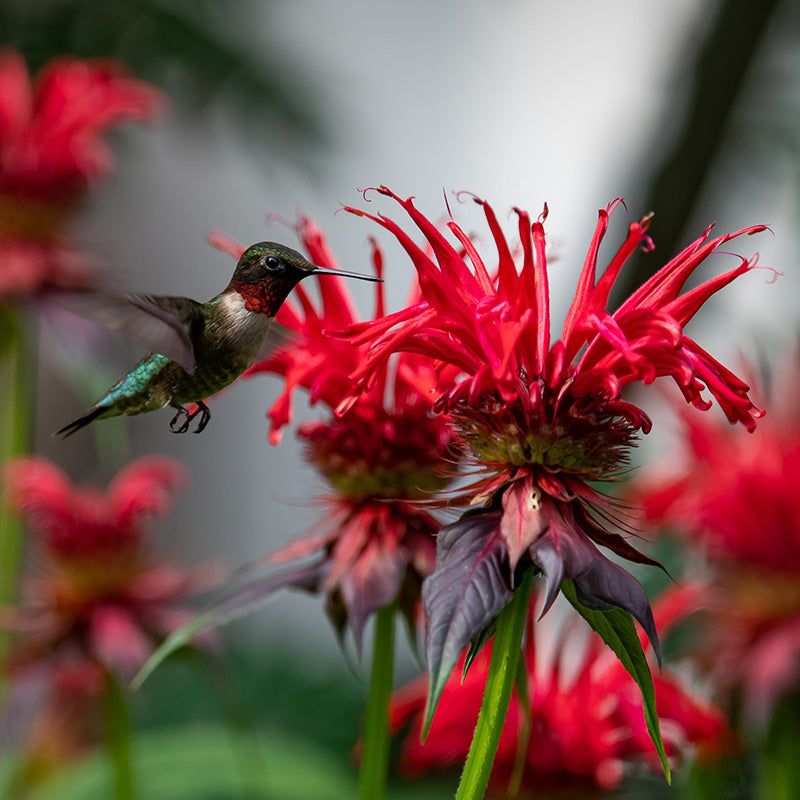
Crush a leaf of bee balm between your fingers and your whole hand smells like a cross between mint and oregano. That scent is the first hint this plant is tougher than it looks.
Bee balm (Monarda didyma) puts out wild, shaggy red and lavender flowers from June into August, and hummingbirds line up for the tubular blooms. The aromatic oils in the leaves do double duty, deterring some browsing deer and helping the plant shrug off heat stress. So the same smell that makes it a great tea herb also helps it survive our summers.
Here is the honest catch. In humid North Carolina, bee balm can pick up powdery mildew, that dusty white film on the leaves. Beat it by planting in full sun with room to breathe, spacing clumps 18 to 24 inches apart so air flows through. Choose mildew-resistant varieties when you can, and water at the roots instead of over the leaves.
It spreads by runners, so give it a spot where roaming is welcome or edge it in. Mountain gardeners in cooler zone 6b counties grow it especially well.
You wanted flowers. You also got a hummingbird feeder that refills itself and a porch that smells faintly of tea on a warm evening.
7. Coreopsis Carpets The Border In Gold With Zero Fuss
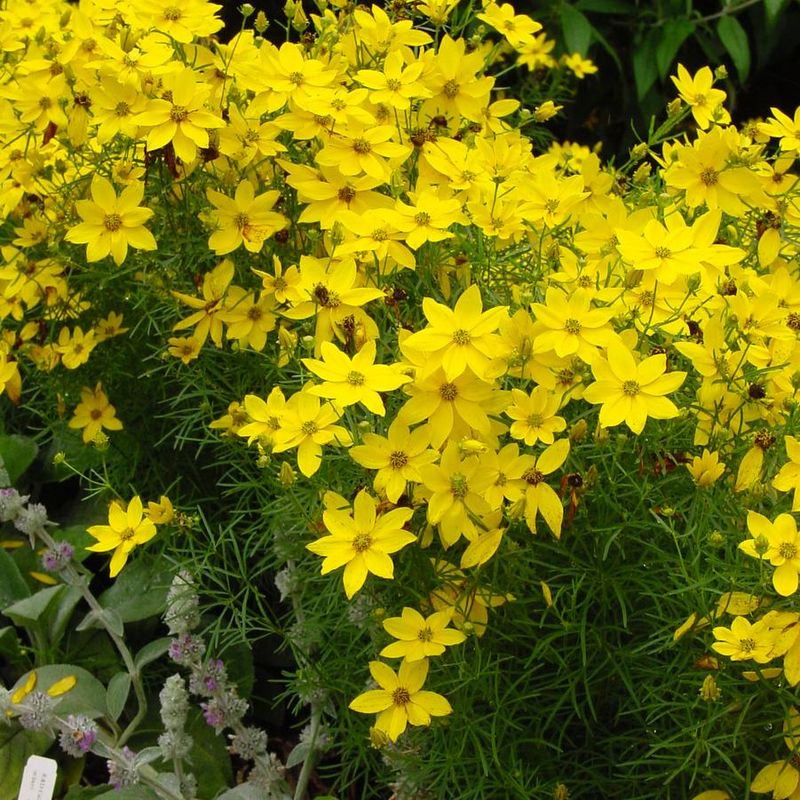
Some plants beg for attention. Coreopsis just quietly covers itself in small golden daisies and keeps going, week after sweltering week.
Often called tickseed, coreopsis (Coreopsis lanceolata) blooms from late spring right through the dog days of August, and the more you snip the faded flowers the more it throws. That deadheading trick tells the plant to make new buds instead of seeds, so ten minutes with scissors buys you weeks of extra color.
The airy, fine-textured foliage sheds heat well and asks for very little water once established. Full sun and average soil suit it, even the sandy stuff out on the Coastal Plain. Space plants about 18 inches apart and let them knit together into a loose golden mat along the front of a bed.
Small native bees and butterflies work the flowers all day, and the seeds that follow feed songbirds if you leave a few heads standing. It stays low, usually 1 to 2 feet, so it never flops over its neighbors.
The name tickseed comes from the seeds looking like little ticks, which is a lot friendlier than the real thing crawling up your sock. You get a low, glowing carpet that thrives on the exact neglect a busy summer forces on you.
8. Cardinal Flower Blazes Scarlet In The Damp Spots
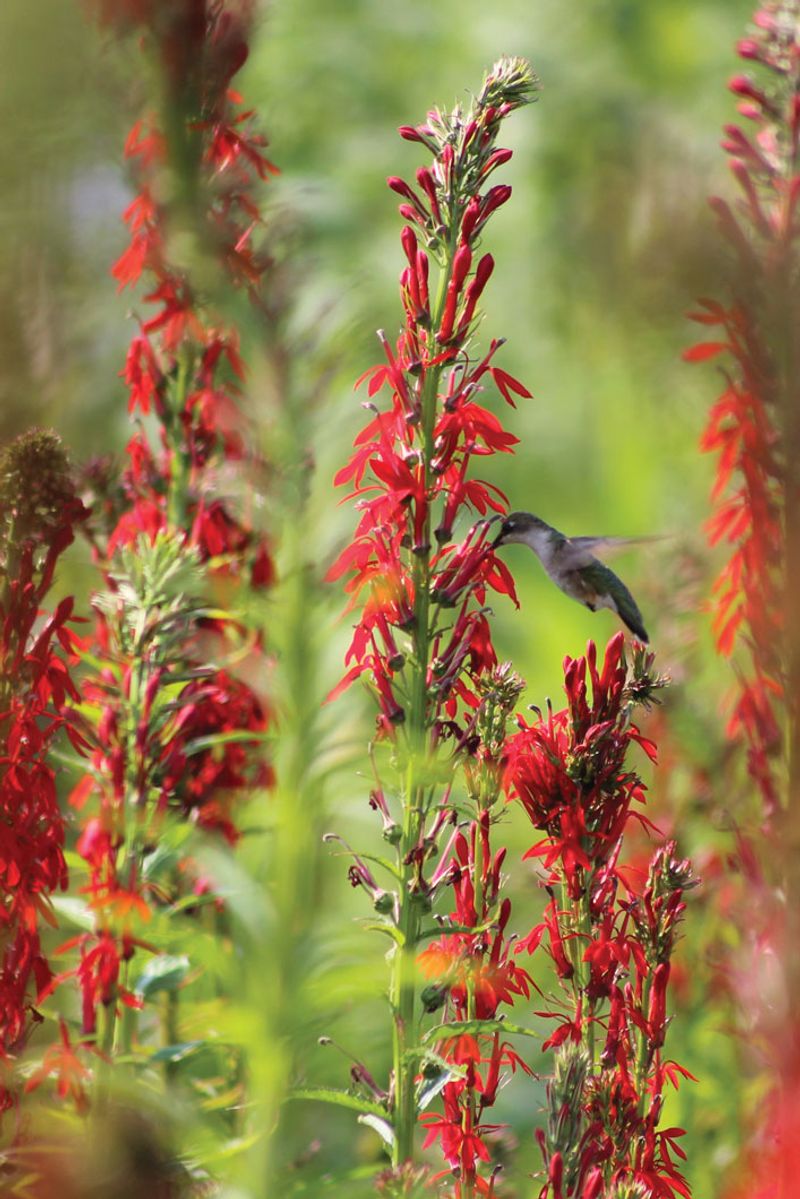
You have that one soggy corner where water pools after every storm and nothing pretty will grow. Cardinal flower has been waiting for an invitation.
Cardinal flower (Lobelia cardinalis) sends up spikes of the most intense scarlet red you will find on any native, blooming from July into September. The color is no accident. It is tuned to hummingbirds, which see red better than most insects do, so those tubular flowers are practically a landing pad for ruby-throats fueling up.
Unlike most plants on this list, this one wants steady moisture and even tolerates part shade, which makes it the answer for wet ground along a downspout, a rain garden, or a creek edge. Plant it about 12 to 18 inches apart in rich, damp soil. In our mild winters it usually returns, though a surprise January cold snap can nip it, so a light mulch helps it through.
It grows naturally along streambanks across the Piedmont and mountains, so you are giving it exactly the home it evolved for. NC State Extension recommends it for rain gardens where runoff collects.
The problem corner that always looked like a mistake becomes the reddest, busiest spot in the yard, and you barely lifted a finger to do it.
9. Goldenrod Lights Up Late Summer And Gets Blamed Unfairly
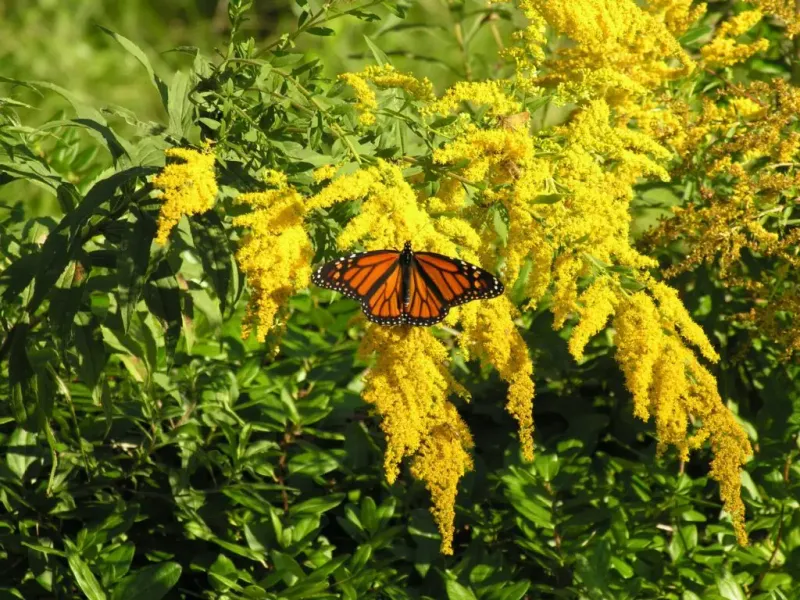
Goldenrod takes the blame for your sneezing every year, and it is innocent. The real culprit is ragweed, which blooms at the same time with dull green flowers nobody notices.
Goldenrod (Solidago) carries heavy, sticky pollen that bees move for it, so almost none of it floats into your nose. Meanwhile the plant explodes into arching plumes of gold from late August through October, right as most of the summer stars fade. That timing makes it the last great fuel stop for monarchs heading south down the Eastern flyway.
It is tough as nails in full sun and poor soil, and it spreads, so clumping types like wreath goldenrod behave better in a small yard than the running kinds. Space plants about 2 feet apart and expect heights from 2 to 4 feet depending on the type. Almost no water needed once it settles in.
Cut it back by a third in early June if you want a bushier, sturdier plant that resists flopping in a hurricane-season gust. The late blooms feed dozens of native bee species when little else is flowering.
You spent years yanking it out on a rumor. Plant it on purpose instead, and give the fall monarchs one more reason to stop by your yard before the first frost.