Can An Oregon Neighbor Demand You Remove A Garden Feature That Blocks Their Sunlight
A pergola goes up, a tall trellis fills out, or a privacy screen finally does its job. Then the neighbor knocks with an unexpected complaint: their yard no longer gets the same sunlight.
That can turn a simple garden upgrade into a tense property-line debate. The feature may sit fully inside your yard, but its shadow does not stop at the fence.
Oregon law does not treat every loss of sunlight the same way. Local rules may matter, and the type of structure can change the answer.
A neighbor’s frustration alone may not give them the power to demand removal.
Still, permits or nuisance concerns can complicate the situation. Suddenly, that charming garden feature comes with a legal subplot.
The real question is not just who dislikes the shade. It is whether the feature violates a rule or interferes with a protected right.
1. A Neighbor Usually Cannot Demand Removal
Most people are surprised to learn that in Oregon, a neighbor generally has no legal right to demand that you remove a garden feature just because it blocks their sunlight.
Oregon does not follow the old English “right to light” doctrine, which once gave property owners a claim to sunlight that had shone on their land for many years.
That doctrine was rejected early in American property law, and most states, including this one, never adopted it.
So if you plant a row of tall arborvitae trees or put up a wooden pergola, your neighbor cannot walk over and legally force you to take it down simply because it casts shade on their garden or solar panels.
The law generally says that what you do on your own property is your business, as long as you follow local codes and do not cross into your neighbor’s yard.
Of course, this does not mean anything goes. There are still rules about permits, HOA regulations, and property lines that could limit what you build or grow.
But shade alone, in most cases, is not a valid legal complaint. If a neighbor threatens to sue you over a shady trellis or tall shrub, they will likely have a very hard time winning in court.
Talking things out calmly is almost always a better path than heading to a lawyer.
2. Shade Alone Is Often Not Enough
Just because your garden feature creates shade does not mean your neighbor has a winning legal argument. Oregon courts have consistently held that blocking sunlight, by itself, is not considered a legal nuisance.
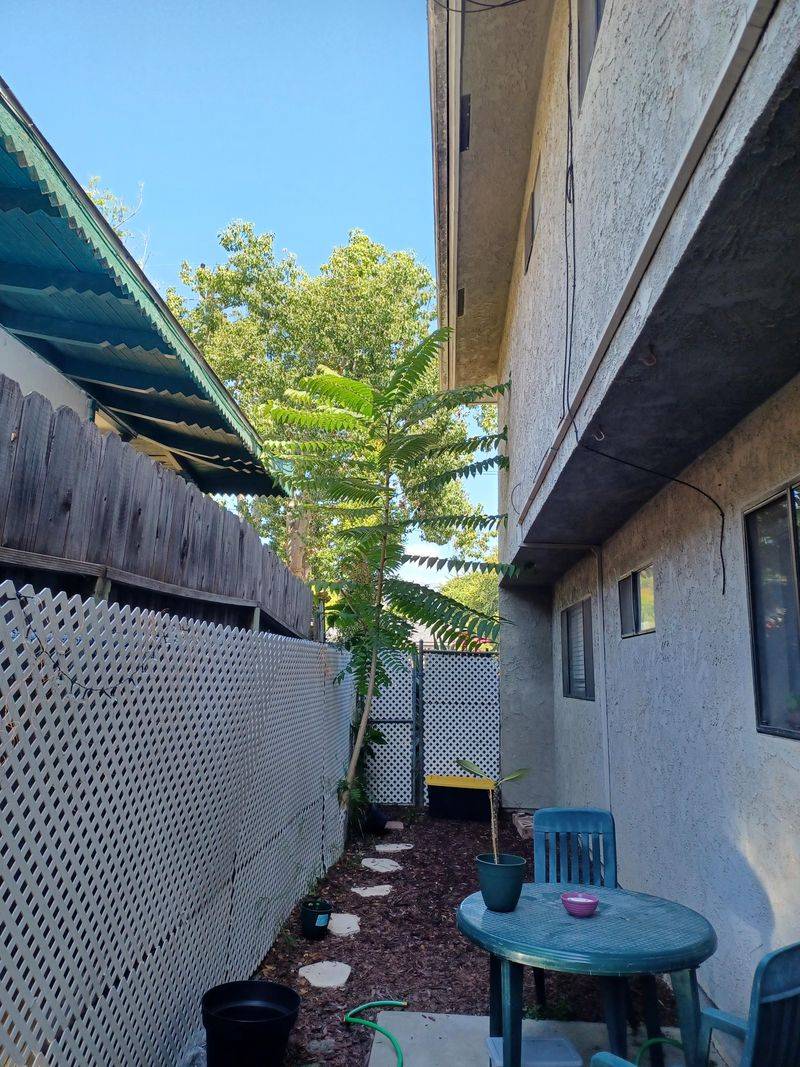
A nuisance, under the law, is something that causes substantial and unreasonable harm. Shade from a fence or hedge usually does not meet that bar.
Think about it this way. If someone plants a big oak tree and it grows tall over the years, the neighbors around it will naturally get more shade.
That is just part of living near other people and their properties. Courts do not want to be in the business of deciding how much sun each yard deserves.
Your Oregon Garden Changes Every Week. Your Plan Should Too.
Gardening in Oregon changes quickly throughout the season. Every Friday you’ll receive a simple weekly plan showing exactly what to plant, prune, fertilize, harvest, and protect so you never miss the right timing.
There are edge cases where shade could become part of a broader legal complaint. For example, if a garden structure was deliberately built to block a neighbor’s light out of spite, some courts have shown interest in that kind of claim.
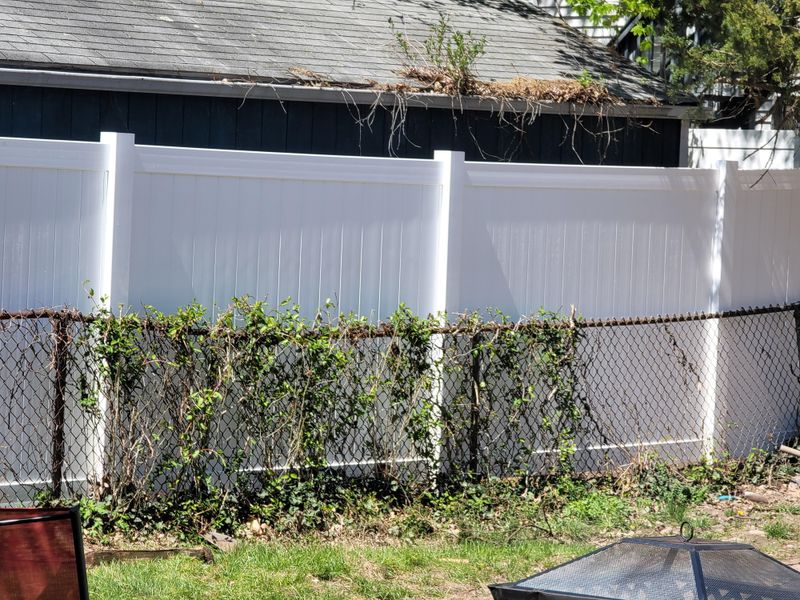
Oregon has a law against spite fences, which are structures built with no real purpose other than to annoy or harm a neighbor.
If a judge believes your garden wall or tall hedge was built purely to be mean, that could be a different story.
But in normal disputes where you simply want privacy or a nice garden, shade alone will rarely be enough for your neighbor to win any legal action against you.
3. Solar Access Rules Can Change Things
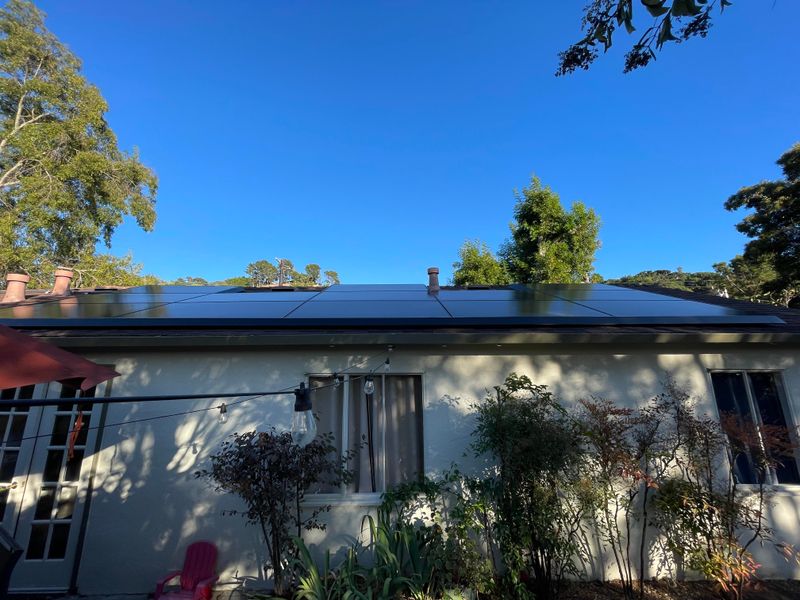
Oregon has a law called the Solar Access Law, and it adds an important layer to the usual property rights conversation.
Under this law, local governments in this state are allowed to create solar access ordinances that protect a homeowner’s ability to use solar energy systems.
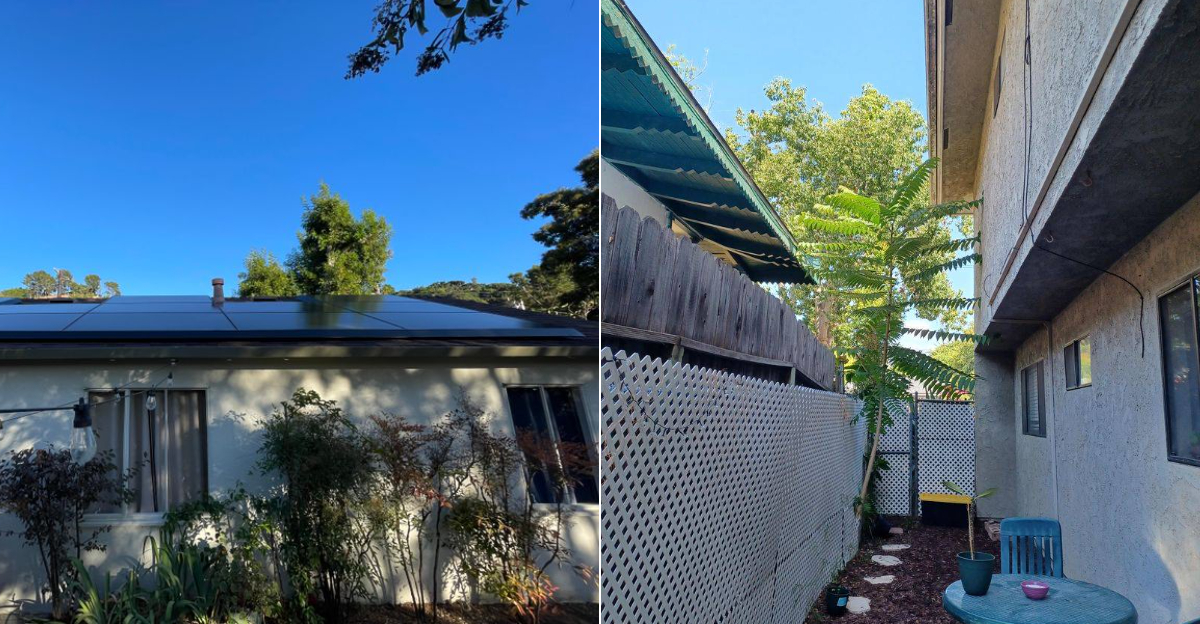
If your neighbor has a solar panel setup and your new garden feature starts shading those panels, things can get more complicated.
Some Oregon cities and counties have taken this seriously. They have passed rules that require property owners to avoid blocking a neighbor’s solar energy system once that system is already in place.
The key word here is “already.” If the solar panels were installed before your garden feature went up, you may have a legal obligation to keep your plants or structures from shading them too much.
However, these rules vary a lot depending on where you live in this state. A rural county may have very different rules than a city like Portland or Eugene.
Before you plant fast-growing trees or build a tall garden structure near your property line, it is smart to check with your local planning department. Ask if your area has a solar access ordinance.
That one phone call could save you from a legal dispute later. Being informed early is always easier than being forced to remove something you already built or planted.
4. A Solar Easement Carries More Weight
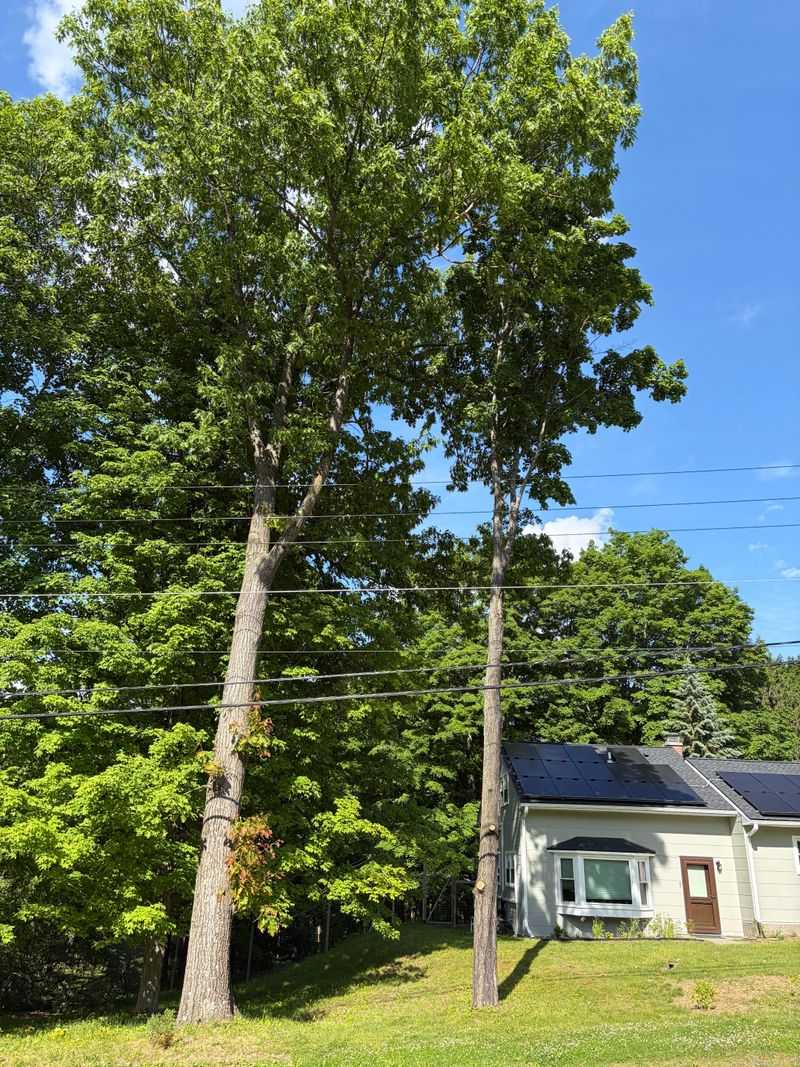
A solar easement is a formal legal agreement recorded with the county that gives one property owner the right to receive sunlight across a neighbor’s land. Unlike a general solar access ordinance, a solar easement is a specific contract between two parties.
Once it is recorded, it runs with the land, meaning it stays in place even if the properties are sold to new owners.
If your neighbor has a recorded solar easement that covers your property, that changes everything. You would be legally required to avoid blocking the sunlight described in that easement.
Building a tall garden wall or letting your trees grow unchecked could put you in breach of a legal agreement. That is a much stronger position for your neighbor than simply complaining about shade.
Oregon law specifically allows property owners to create and record solar easements. The agreement must describe the area of the sky that must remain clear, the times of day or year the easement applies, and what the consequences are if it is violated.
If you are buying a home in this state, it is worth checking whether any solar easements are recorded against the property. Your title search should reveal this, but it is always good to ask directly.
Solar easements are not super common, but when they exist, they carry real legal weight that cannot be brushed aside easily.
5. HOA Rules May Be Stricter Than Law
Living in a neighborhood with a homeowners association adds another layer of rules on top of state law.
HOAs can set their own standards for what you can build or plant in your yard, and those rules are often stricter than what Oregon law requires.
If you live in an HOA community, your neighbor may not need to take you to court. They might just need to file a complaint with the association.
Many HOA agreements include rules about fence heights, tree heights, and structures like pergolas or garden walls. Some even have specific language about not blocking a neighbor’s sunlight or view.
When you signed your HOA agreement, you agreed to follow those rules. So even if state law would normally be on your side, your HOA contract might not be.
HOA boards can issue warnings, fines, and even legal orders requiring you to remove or modify a garden feature that violates community rules. This can happen quickly and without a court case.
If you are planning a new garden project, always read your HOA rules first. Look for sections on landscaping, structures, and neighbor relations.
When in doubt, submit your plans to the HOA board for approval before you start building or planting. Getting that written approval upfront protects you if a dispute comes up later.
A little paperwork now can prevent a lot of stress later.
6. Permits Matter For Built Garden Features
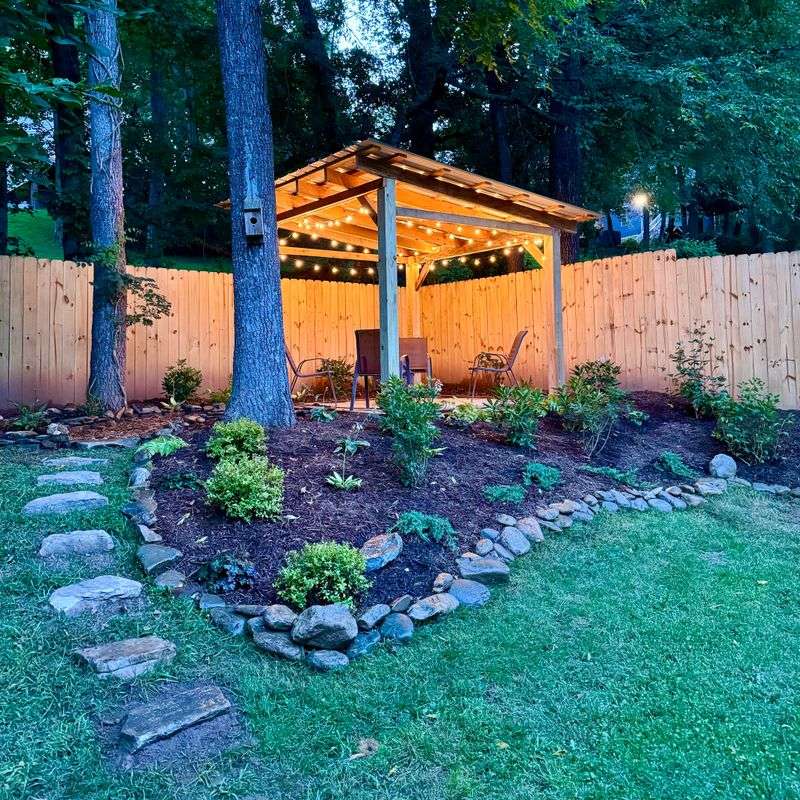
When a garden feature is a built structure, like a pergola, garden wall, or tall trellis frame, permits start to matter a lot.
In Oregon, many cities and counties require building permits for permanent structures above a certain height or size.
If you build something without the right permit, your neighbor or local code enforcement could use that as grounds to demand removal, even if the structure itself would otherwise be legal.
Permit rules vary widely across this state. What requires a permit in Portland might not require one in a smaller rural county.
But the general rule is that anything taller than six feet or attached to your home likely needs a permit. Check with your local building department before starting any garden construction project.
Getting a permit is usually not that hard, and it gives you legal protection if someone challenges your structure later.
Here is the practical side of this. If your neighbor complains about your garden pergola to the city, the first thing code enforcement will ask is whether it was permitted.
If it was not, they may require you to get a permit or tear it down, regardless of the sunlight issue. On the other hand, if you have a valid permit, you are in a much stronger position.
A permitted structure shows you followed the rules, and that matters a lot in any dispute. Always get the paperwork before you build.
7. Property Lines Come First
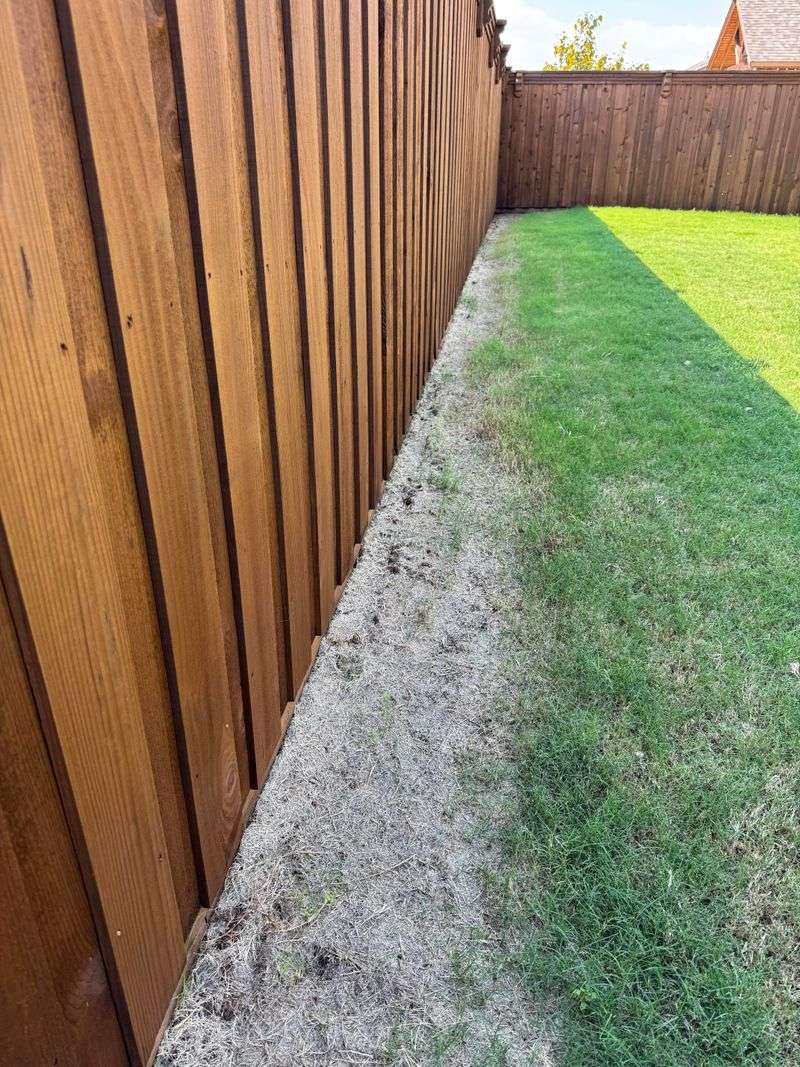
Before any conversation about sunlight rights, the most basic question is always this: where exactly is the property line? A garden feature that is clearly on your land is very different from one that is accidentally built on your neighbor’s property.
Property line errors happen more often than people realize, and they can turn a simple garden dispute into a serious legal problem.
Oregon law is very clear that you cannot build or plant on someone else’s property without their permission.
If your raised garden bed, hedge, or trellis crosses the property line, your neighbor has every right to demand you move it.
They do not even need to mention sunlight. Trespassing onto someone’s land with a structure or plant is a separate issue entirely, and it is one where the neighbor would be in the right.
Getting a professional survey done is the smartest move if you are not sure where your property ends and your neighbor’s begins. A survey gives you a legal document showing the exact boundary.
It costs money upfront, but it protects you from costly mistakes. Fences, hedges, and garden walls placed even a few inches over the line can cause big headaches.
Once you know your exact property line, you can plan your garden features with confidence.
Staying clearly on your own side of the line removes one of the biggest weapons a neighbor has in any dispute.
8. Overhanging Growth Is A Different Issue
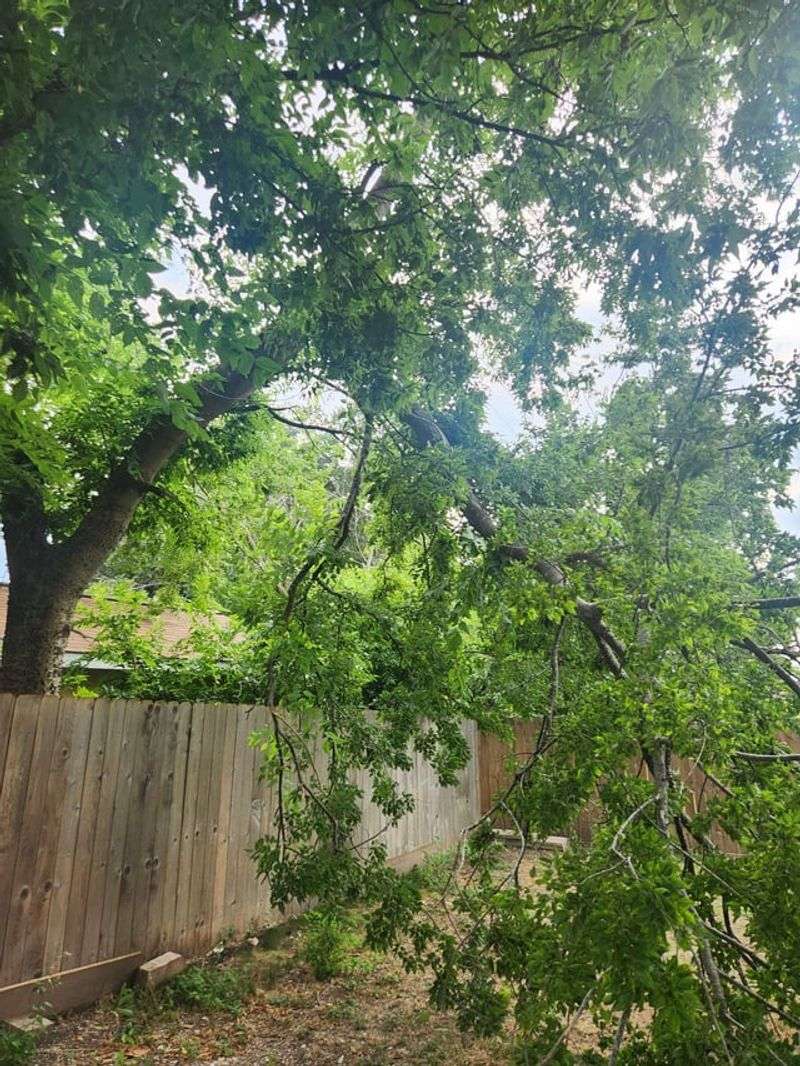
When a tree or shrub on your property grows branches or roots that cross into a neighbor’s yard, that is treated differently under Oregon law. Your neighbor has the legal right to trim any branches or roots that cross the property line, up to the boundary.
They do not need your permission to do this. But they also cannot come onto your property to cut things back without asking.
What makes this interesting is that overhanging branches can block sunlight just as much as a tall fence can. A big tree with wide branches spreading into a neighbor’s yard could shade their garden for hours each day.
Even so, the neighbor’s remedy is to trim those branches themselves at the property line, not to demand you cut down your tree. Oregon courts have generally upheld this “self-help” approach to overhanging growth.
There is one exception worth knowing. If a tree or branch is damaged, diseased, or poses a real danger to a neighbor’s property, the situation becomes more urgent.
In those cases, a neighbor may have stronger grounds to demand action from you. You could even be held responsible for damage caused by a hazardous branch that you knew about and did nothing to address.
Healthy trees with overhanging branches are mostly a trim-it-yourself situation, but hazardous ones are a shared responsibility that should not be ignored.