These Shrub Roses Thrive In Oregon Shade Where Hybrid Teas Simply Won’t Grow
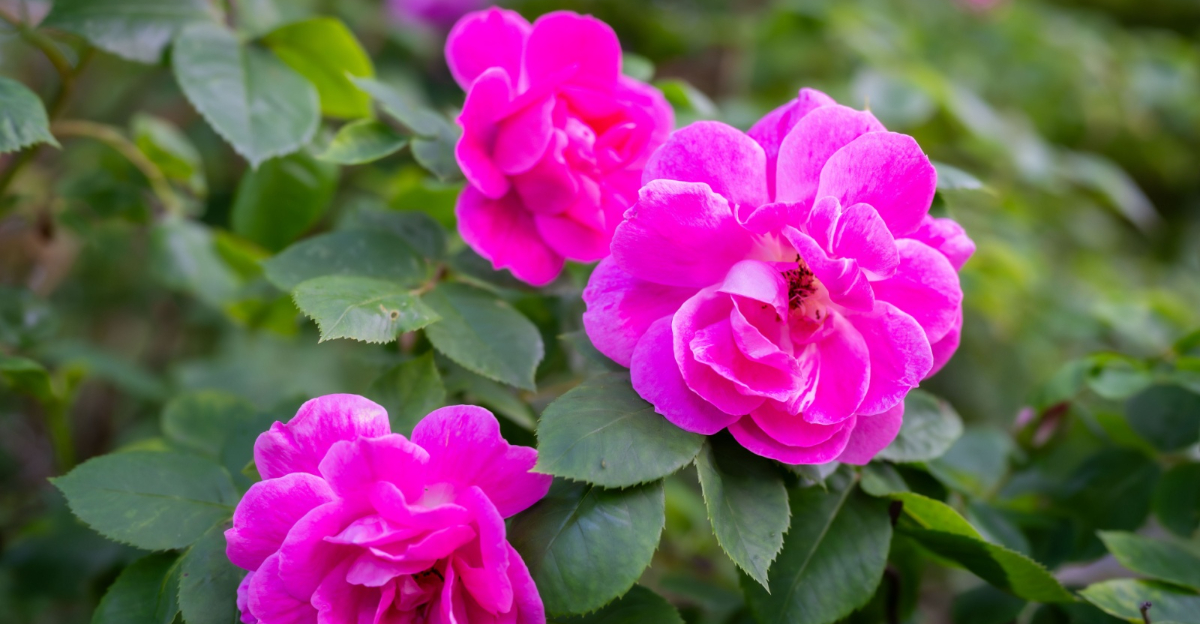
Roses and shade are not a combination most gardeners would put together on purpose, and honestly that instinct is mostly correct.
Hybrid teas in a shaded Oregon border are a recipe for disappointment, all sparse blooms, damp foliage, and a seemingly endless battle with disease.
But here is the thing: not all roses need a blazing south-facing bed to put on a good show. Shrub roses, species roses, old garden roses, and hybrid musks are a completely different conversation.
These are tougher, more adaptable plants that can handle bright shade, dappled woodland light, and part-shade conditions with several hours of decent light each day.
Oregon’s woodland edges and north-facing beds suddenly have a lot more potential than you might think.
Just to be clear though, we are talking bright shade here, not the dark void under a dense conifer. That is a different problem entirely.
1. Nootka Rose Handles Oregon Part Shade
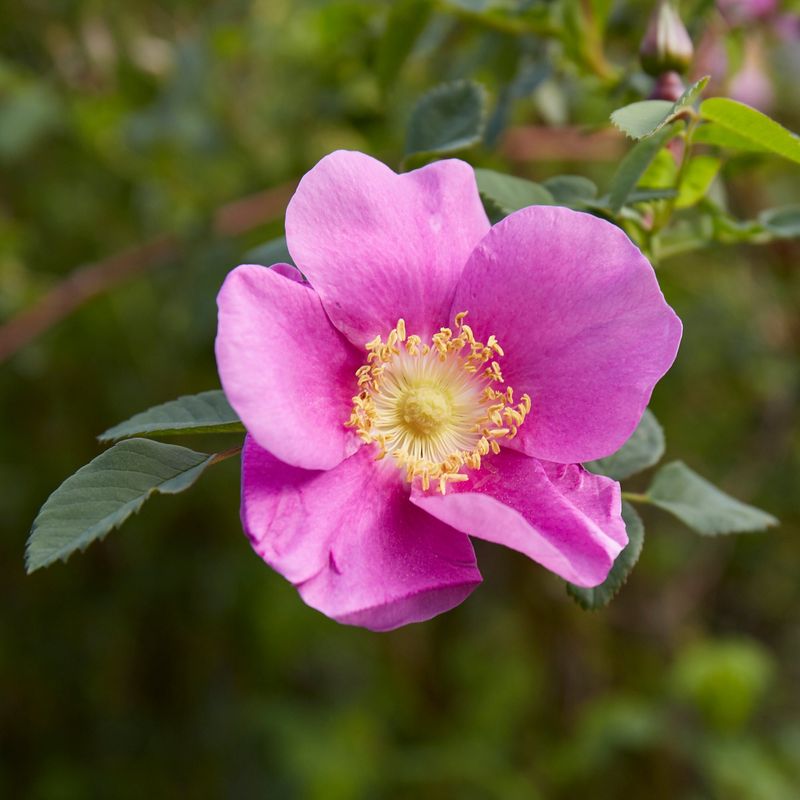
Walking along a wooded trail in western Oregon, you have probably spotted the soft pink blooms of the Nootka rose growing comfortably in the dappled light along the path’s edge.
Rosa nutkana is a true Oregon native, and that native toughness means it can handle conditions that would leave a hybrid tea looking ragged.
It grows naturally in sun to part shade, making it a reasonable candidate for lower-light spots where other roses simply give up.
In a home garden, the Nootka rose forms a broad, arching shrub that can spread into a loose thicket over time. It works best in roomy informal plantings, native borders, or naturalistic areas rather than tidy formal rose beds.
The single pink flowers appear in late spring, followed by round reddish hips that birds enjoy through fall and winter.
Gardeners should give this rose space to grow naturally and avoid crowding it near structures or paths. Good airflow helps reduce disease pressure, even in part-shade spots.
This rose is not suited for deep shade or areas with heavy root competition from large trees. With enough filtered light and reasonable drainage, the Nootka rose brings a genuinely native Oregon feel to a shaded shrub border.
2. Wood’s Rose Fits Inland Oregon Gardens
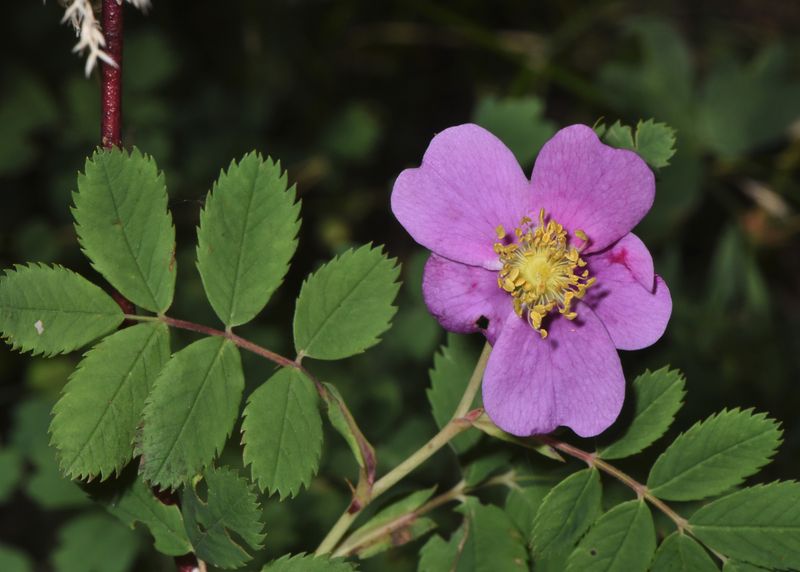
Gardeners in Central Oregon and other inland areas often deal with cold winters, dry summers, and wide temperature swings that knock out less rugged plants. Rosa woodsii, commonly called Wood’s rose, is built for exactly those conditions.
It grows natively across a wide range of western North America, including drier inland parts of Oregon, and it handles sun to light shade with a toughness that few cultivated roses can match.
The flowers are small, single, and pink, with a simple wild-rose charm that suits informal gardens and naturalistic plantings. After blooming in late spring to early summer, the plant produces small red hips that persist into winter and attract wildlife.
The foliage has a clean, tidy look through the growing season, though this rose can spread by suckers over time in good conditions.
In inland gardens, Wood’s rose fits well along fences, at the edge of native plantings, or in a mixed shrub border where it has room to grow without constant management. It handles drier soils better than many roses, which suits Oregon’s drier east-side climate.
Your Oregon Garden Changes Every Week. Your Plan Should Too.
Gardening in Oregon changes quickly throughout the season. Every Friday you’ll receive a simple weekly plan showing exactly what to plant, prune, fertilize, harvest, and protect so you never miss the right timing.
Bright shade or morning sun with afternoon shade can work well for this species, though more light generally means better bloom production.
3. Clustered Wild Rose Likes Damp Edges
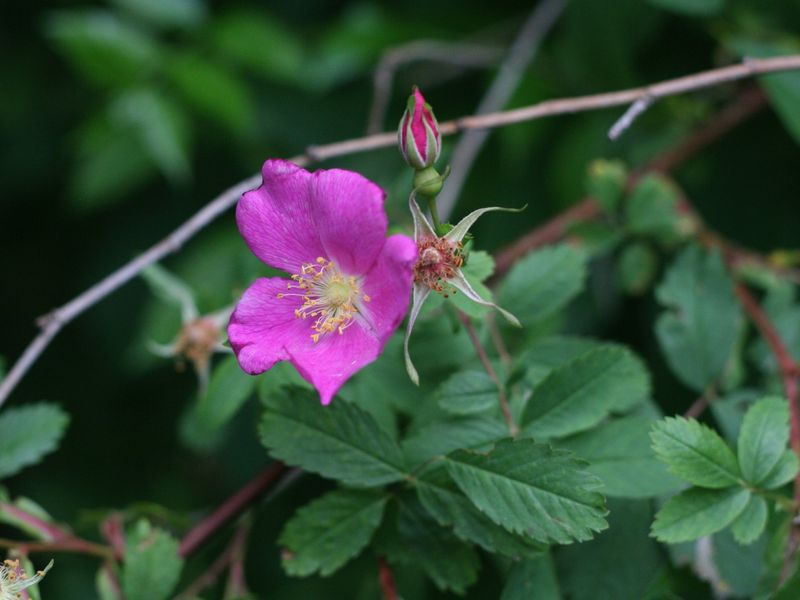
Moist ground along stream banks, wet meadow edges, and drainage swales in Oregon can be tricky spots to plant most roses.
Rosa pisocarpa, known as the clustered wild rose or swamp rose, is one of the few native roses that actually fits those damp, lower-light conditions.
It naturally grows along wet edges and moist woodland borders throughout western Oregon and the Pacific Northwest.
The flowers are small and pink, carried in small clusters, which gives this species its common name. Bloom time falls in late spring to early summer, and the plant produces small round hips after flowering.
The overall habit is upright and somewhat open, and it can form thickets in moist ground over time, so it suits roomy naturalistic areas rather than small formal beds.
Homeowners with a rain garden, a low wet corner, or a streamside planting in Oregon may find Rosa pisocarpa a more practical fit than any cultivated rose. It handles part shade and filtered light reasonably well, especially in moist soils.
Like all roses, it still benefits from some good light each day. Avoid placing it in heavy shade or areas with poor drainage, even though it tolerates moisture far better than most other rose species.
4. Baldhip Rose Suits Woodland Borders
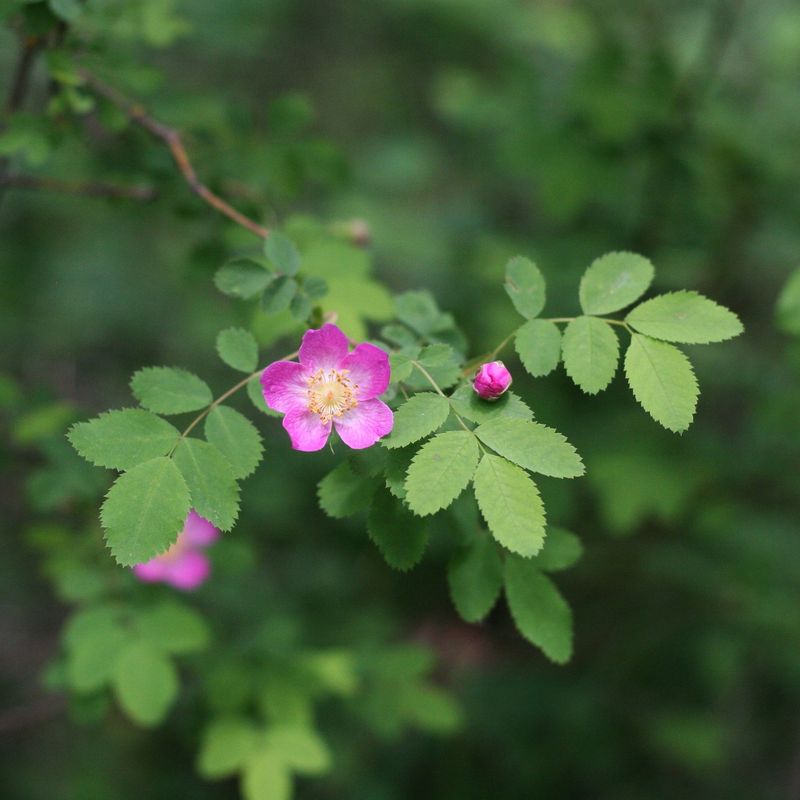
Few roses look as naturally at home in an Oregon woodland setting as the baldhip rose. Rosa gymnocarpa is a small, delicate native species that grows in shaded and semi-shaded forests throughout western Oregon and the broader Pacific Northwest.
Unlike the larger native roses, it has a softer, more refined habit that blends easily into woodland borders without overwhelming neighboring plants.
The flowers are tiny and pink, appearing in late spring, and the small oval hips that follow are distinctive, losing their sepals early, which is where the name baldhip comes from.
The plant stays relatively compact compared to other native Oregon roses, which makes it easier to fit into smaller woodland garden spaces or shaded shrub borders near trees.
Baldhip rose genuinely tolerates more shade than most other roses, though it still performs better with some filtered light or morning sun. It suits naturalistic plantings, native gardens, and shaded borders where other roses would struggle to bloom at all.
Gardeners who want a low-maintenance native shrub for a partly shaded woodland edge may find this species a rewarding choice.
Good drainage still matters, and the plant will look tidier with a little occasional thinning to maintain airflow through its stems.
5. Prickly Rose Brings Rugged Cold Hardiness
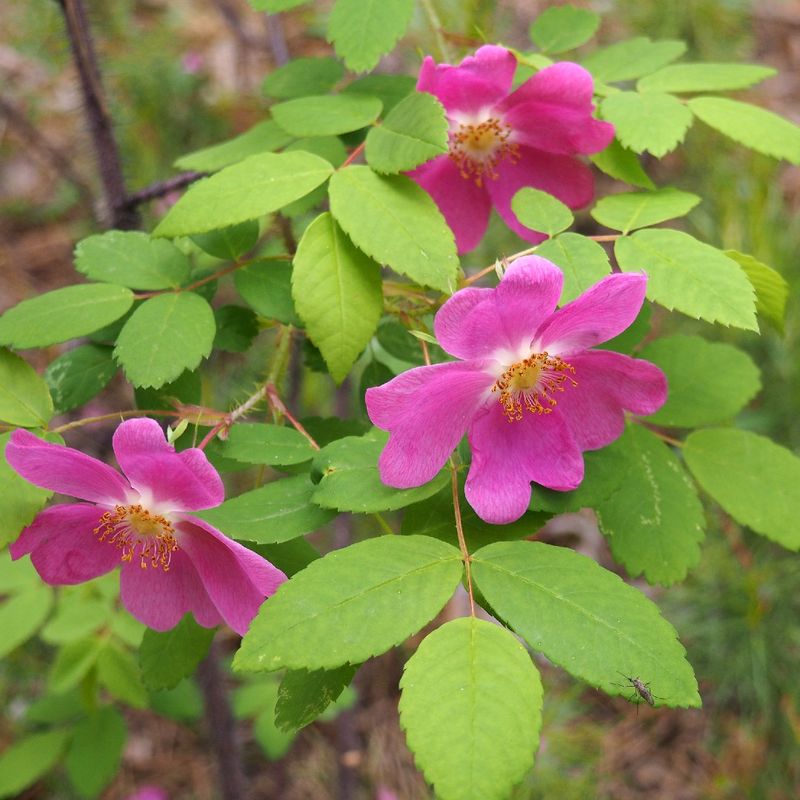
Cold hardiness is not something every rose can claim, but Rosa acicularis, the prickly rose, earns that reputation honestly.
This native species ranges across some of the coldest parts of North America, and in Oregon it brings a level of winter toughness that few other roses can offer.
The stems are densely covered with fine prickles, giving the plant a bristly texture that sets it apart visually from smoother-stemmed shrubs.
The flowers are bright pink and single, blooming in late spring, and the plant produces oval red hips that last well into winter.
It grows in sun to light shade and can fit into informal mixed borders, native plantings, or rugged landscape areas where a tough, low-maintenance shrub is needed.
It can spread by suckers over time, which is worth planning for in a home garden.
Oregon gardeners should think carefully about placement, since the dense prickles make this rose difficult to work around in tight spaces or near high-traffic areas.
It looks most intentional in a naturalistic border or a roomy informal planting rather than a small urban garden.
Adequate light, good airflow, and thoughtful pruning every few years will keep it looking its best. This is a rose that rewards a relaxed approach to management.
6. Alba Roses Handle Bright Light Shade
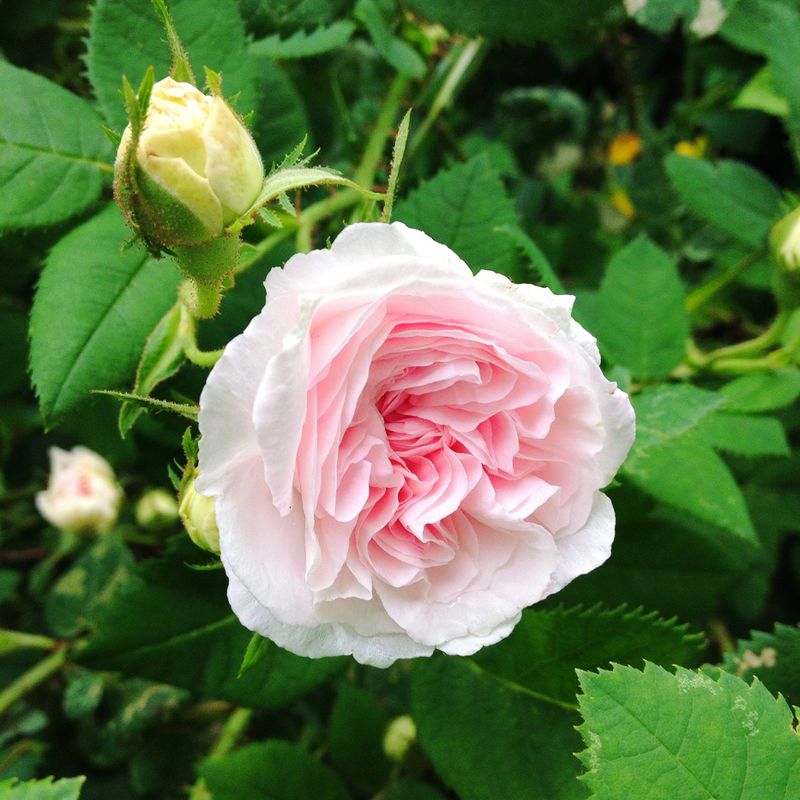
Old garden roses have a long history, and Alba roses sit near the top of that tradition for shade tolerance. These are not Oregon natives but rather an ancient European group with distinctive blue-green foliage and soft flowers in white or pale pink.
Alba roses have been noted by rose growers for generations as being among the more shade-tolerant old garden rose classes, handling bright shade or part shade better than most modern rose types.
They form upright, arching shrubs that can grow quite tall, often reaching five to seven feet or more in good conditions. The flowers appear once in early summer, carrying a classic old-rose fragrance that many gardeners find deeply appealing.
The blue-green leaves have a clean appearance and tend to show reasonable disease resistance compared to many other rose classes.
In Oregon gardens, Alba roses work well along bright shaded borders, near taller shrubs or structures that filter afternoon sun, or in spots that receive a few hours of direct morning light.
They are not suited for dark corners or dense tree shade, and bloom quality will drop noticeably in very low light.
Giving an Alba rose a spot with good airflow, reasonable drainage, and several hours of bright indirect or direct light each day gives it the best chance to perform well.
7. Damask Roses Bring Old-Garden Fragrance
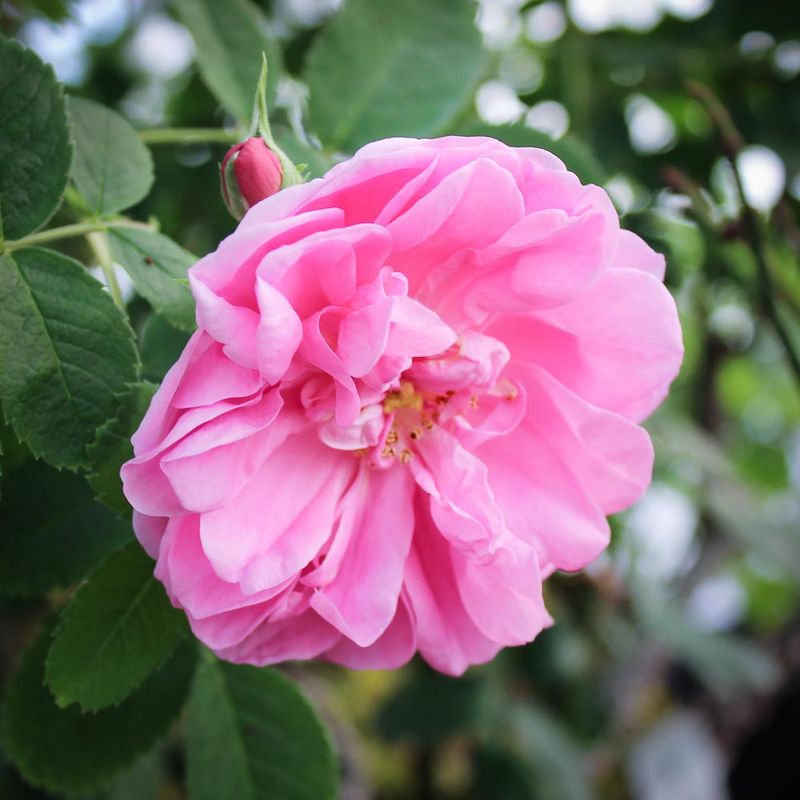
The scent of a Damask rose is one of the most recognized fragrances in the garden world, and it has been for centuries. These old garden roses carry a rich, warm perfume that many modern roses have lost through years of breeding focused on bloom shape and color.
For Oregon gardeners who want fragrance in a part-shade border, Damask roses offer something genuinely special that hybrid teas often cannot match in lower-light conditions.
Damask roses generally bloom in summer, with some varieties offering a second flush later in the season. They form loose, arching shrubs with soft green foliage and clusters of full, many-petaled flowers in shades of pink and white.
They are not immune to disease, and Oregon’s damp springs can encourage some mildew or blackspot, so good airflow around the plant matters.
A partly shaded spot with several hours of morning sun and bright indirect light in the afternoon can suit Damask roses reasonably well.
They will not bloom as heavily as they would in full sun, but they can still produce respectable displays in the right conditions.
Gardeners should avoid placing them in deep shade or poorly ventilated corners. Giving them space, occasional feeding, and consistent moisture without waterlogging supports healthy growth and better fragrance through the season.
8. Gallica Roses Bloom In Part Shade
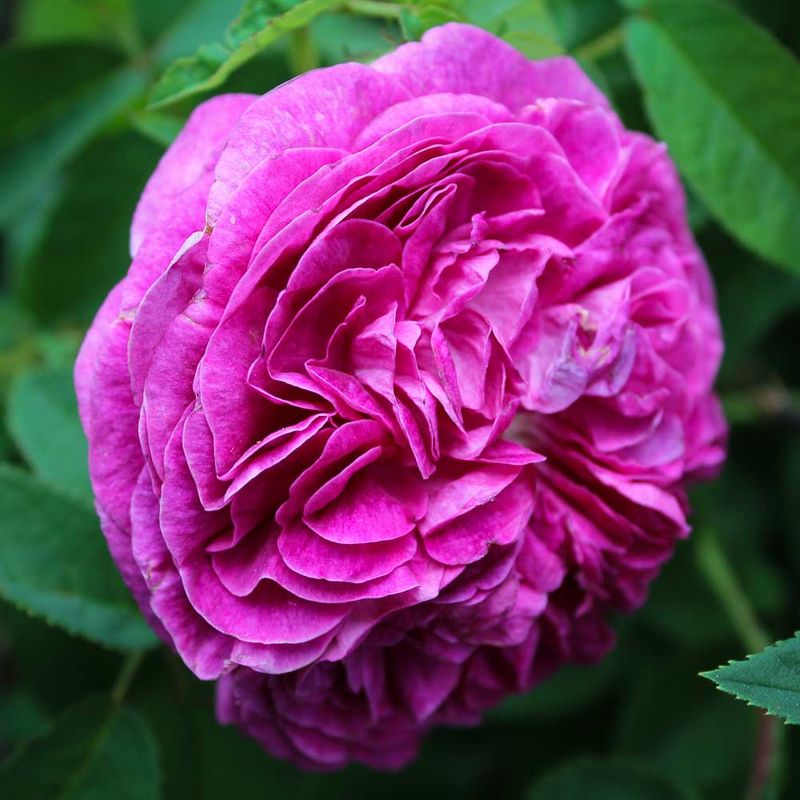
Among the oldest cultivated roses in existence, Gallica roses have been grown in European gardens for so long that their exact origins blur into history.
What matters for Oregon gardeners today is that this ancient class has a reputation for handling part shade better than many other rose types.
They are not deep-shade plants, but they can bloom with decent results in spots that receive a few hours of direct sun and good bright indirect light for the rest of the day.
Gallica roses tend to form tidy, upright shrubs that stay more compact than many old garden roses. The flowers are richly colored, ranging from deep pink to crimson and purple, often with a strong fragrance and a full, rounded shape.
They bloom once in early summer, and while that single flush is short, the display can be impressive in the right conditions.
In Oregon gardens, Gallica roses fit well in mixed shrub borders, cottage-style plantings, and older landscapes where the planting style is relaxed and informal. They tolerate poorer soils better than many modern roses, which can be useful in established garden beds.
Avoid placing them in spots with no direct sun at all, as bloom production will suffer. Regular thinning of old stems helps maintain airflow and keeps the plant looking healthy through Oregon’s wetter months.
9. Buff Beauty Softens Sheltered Bright Shade
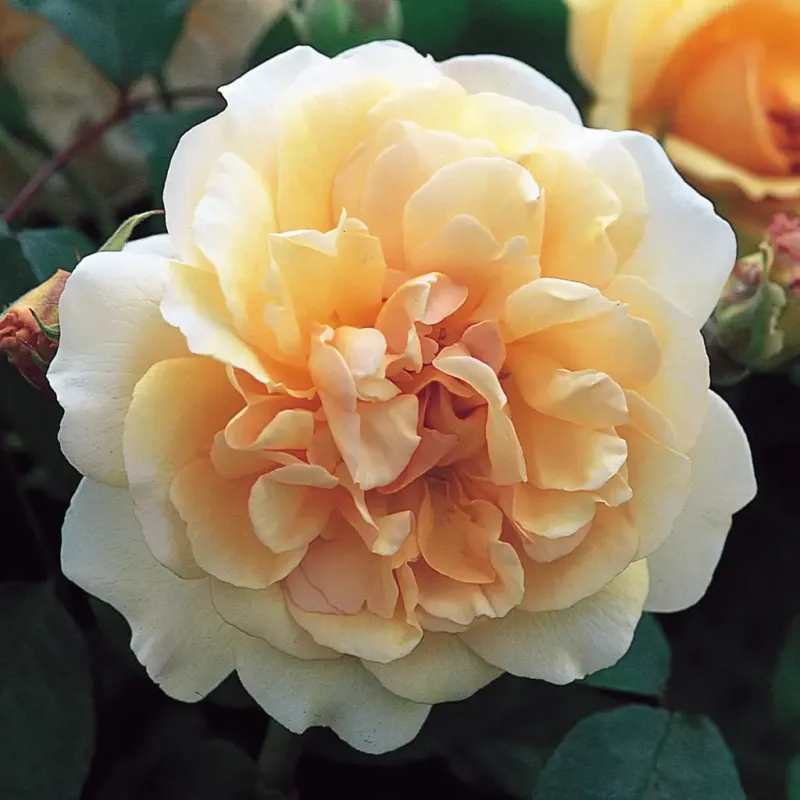
Soft apricot tones are not easy to find in shade-tolerant plants, which makes Buff Beauty stand out among hybrid musk roses.
This early twentieth-century rose produces clusters of warm, creamy-buff flowers on long arching canes, and it has a gentle fragrance that suits a sheltered garden corner beautifully.
For Oregon gardens with a protected patio, a south-facing wall with filtered afternoon shade, or a bright sheltered border, Buff Beauty can be a genuinely rewarding choice.
Hybrid musk roses as a group tend to handle lower light levels better than hybrid teas, and Buff Beauty is often mentioned as one of the more adaptable members of that class.
It blooms in flushes from early summer onward, with the best displays coming in good light.
In brighter shade or morning-sun spots, it may bloom less prolifically but can still put on a pleasant show.
Gardeners in milder western areas will likely have more success with Buff Beauty than those in colder inland regions, as it is not the hardiest rose in cold winters. Good drainage, some direct morning sun, and protection from harsh winds suit it well.
Pruning lightly after each flush and removing crossing canes helps maintain airflow, which matters in Oregon’s wetter months when fungal issues are more likely to appear.
10. Cornelia Adds Color To Part-Shade Borders
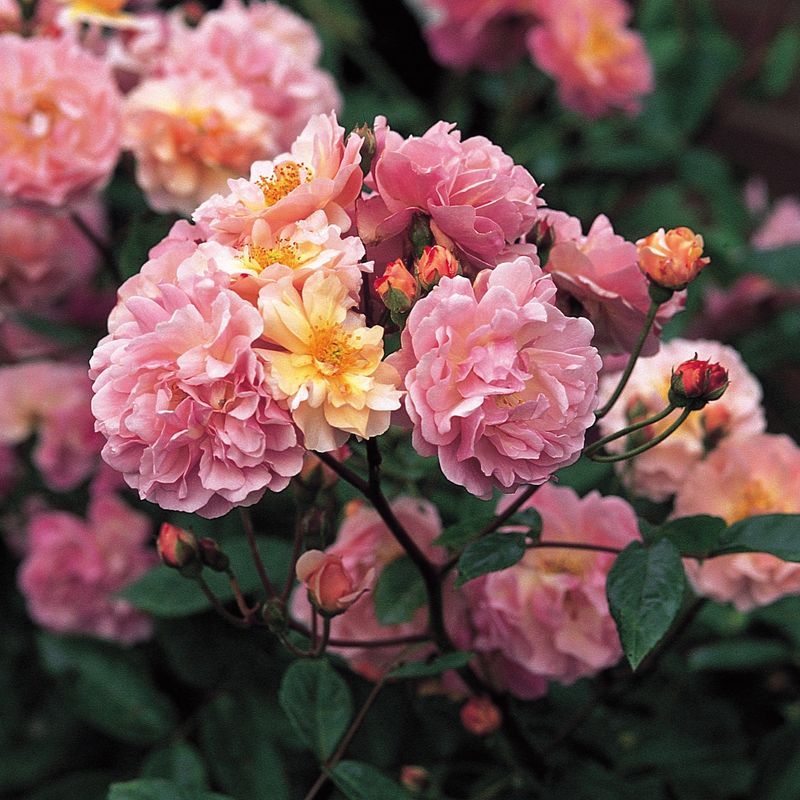
Repeat-blooming roses that can handle part shade are genuinely hard to find, which is one reason Cornelia earns attention in Oregon rose gardens.
This hybrid musk rose produces clusters of small, rosette-shaped flowers in warm pink and apricot tones, and it blooms in flushes from late spring through fall in good conditions.
The arching habit creates a soft, relaxed look that suits informal borders and older-style gardens well.
Cornelia can grow into a fairly large shrub over time, reaching six feet or more in width and height in favorable conditions. That size means it needs room to spread naturally without crowding neighboring plants.
The musk fragrance is light and pleasant, noticeable up close on warm days. Foliage is dark green with a slightly glossy finish that looks tidy through much of the season.
In Oregon, Cornelia fits best in a part-shade border that receives at least a few hours of direct sun or consistent bright indirect light each day. Deep shade will reduce blooming noticeably and may increase disease pressure.
Good air movement around the plant is especially helpful in western Oregon’s wetter climate, where fungal problems can develop on roses with poor circulation.
Giving Cornelia space, some morning sun, and occasional light pruning after each bloom flush helps it perform at its best through the Oregon growing season.