The Worst Time Of Day To Water Hydrangeas In Wisconsin During A Summer Heat Wave
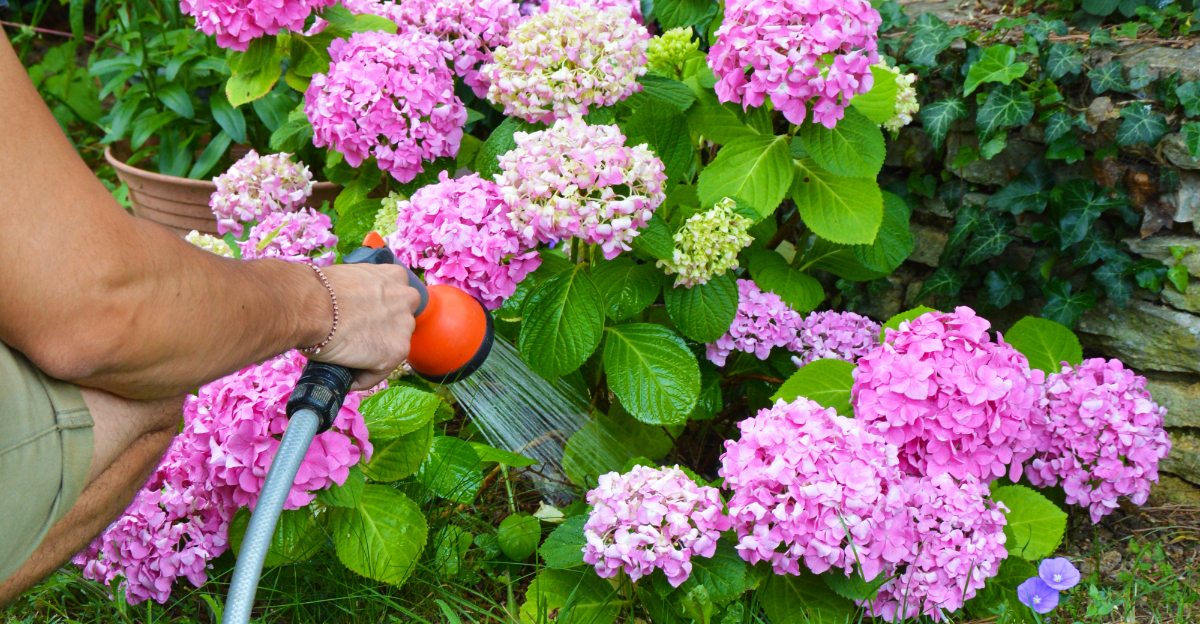
Wisconsin heat can undo hydrangeas faster than you’d expect. Humidity traps damp air around every petal and leaf. You already water on instinct, not on evidence.
That instinct struggles hardest during intense afternoon heat. Strong sun affects wet leaves within minutes flat. Timing plays a major role in whether blooms flourish or fade.
Wrong hours invite fungal disease straight into tender stems. Correct hours push roots toward deeper, stronger growth.
Every decision you make shifts outcomes forward, fast. Avoid guesswork and start acting with real precision.
Your hydrangeas depend on choices made before sunrise breaks. Careless watering affects gardeners across Wisconsin without warning. Nobody warns you how quickly stress spreads underground.
Roots absorb pressure long before leaves show symptoms. Stress builds daily until blooms shrink and fade. Precision now prevents disappointment later in the season.
Knowledge separates thriving gardens from struggling, stressed ones. Lock this timing in before the next heat wave hits.
Why Timing Matters So Much During A Wisconsin Heat Wave
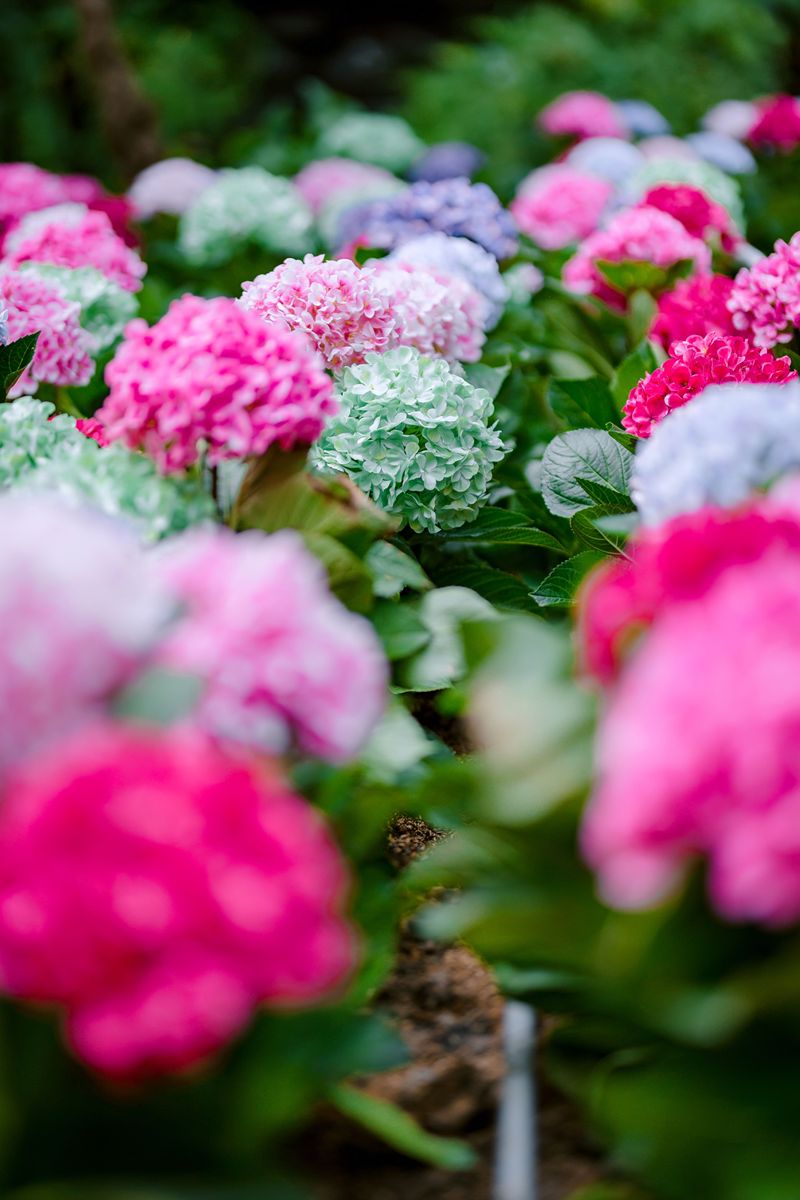
Heat waves hit Wisconsin hard, and hydrangeas feel every degree. When temps climb into the nineties, the window for safe watering gets very narrow.
Watering at the wrong hour during a heat wave stresses your plants in ways you cannot see right away. The damage builds quietly under the surface before it shows up in your blooms.
Soil temperature matters just as much as air temperature. Hot soil during a heat wave can turn water into a scalding bath for roots before they absorb a single drop.
Hydrangeas have shallow root systems, which makes them extra sensitive to heat stress. They depend on consistent moisture delivered at the right time to stay healthy.
The worst time of day to water hydrangeas in Wisconsin is midday, when the sun is at full strength. Watering then wastes moisture and stresses your plants at their most vulnerable moment.
Getting the timing right is not complicated, but it does require paying attention. A few small adjustments to your routine can protect your blooms through even the hottest stretch of summer.
It works the same way hydration timing matters for anyone on a very hot day. Wisconsin summers can bring unpredictable heat waves, and gardeners should stay alert to shifting conditions.
Midday Watering Does More Harm Than Good
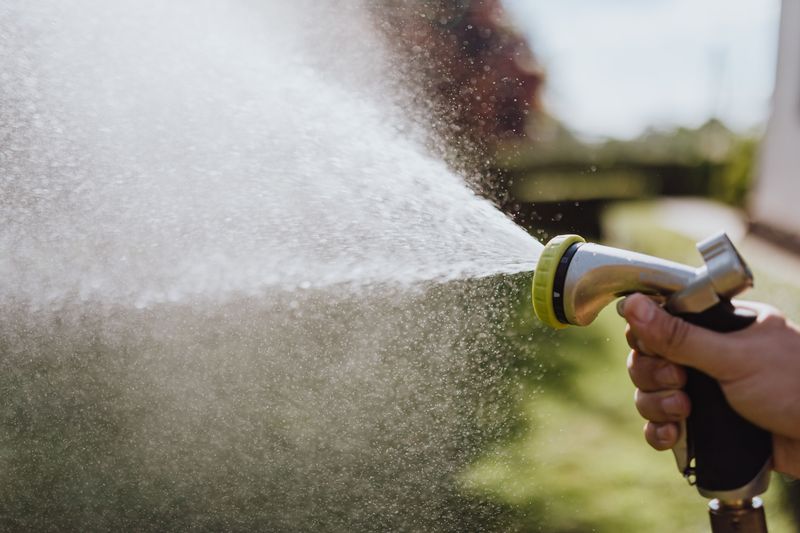
Noon poses the greatest risk to hydrangeas during a heat wave. The sun is directly overhead, temperatures are peaking, and your plants are already struggling to cope.
Watering at midday causes rapid evaporation before roots can absorb anything useful. You end up wasting water while giving your hydrangeas almost no benefit.
Hot water sitting in a hose left in the sun can actually stress plant roots. That warm blast is the last thing stressed roots need on an intense afternoon.
Water sitting on leaves under intense sun can contribute to uneven heating and leaf stress, which may lead to brown spots that ruin the look of your blooms.
Your Wisconsin Garden Changes Every Week. Your Plan Should Too.
Gardening in Wisconsin changes quickly throughout the season. Every Friday you’ll receive a simple weekly plan showing exactly what to plant, prune, fertilize, harvest, and protect so you never miss the right timing.
The worst time of day to water hydrangeas in Wisconsin is right around noon and the hours just before and after it. As a general guideline, avoid watering in the hottest midday hours during a heat wave.
Midday watering also encourages fungal diseases because wet leaves bake unevenly in the heat. That combination of heat and moisture creates favorable conditions for powdery mildew and leaf spot.
Even on a regular summer day, midday watering is inefficient. During a heat wave, it moves from inefficient to genuinely harmful for your plants.
Skipping the midday session and shifting your schedule by just a few hours makes a huge difference. Your hydrangeas will look noticeably healthier within days of making that one simple change.
How Scorched Leaves And Blooms Actually Happen
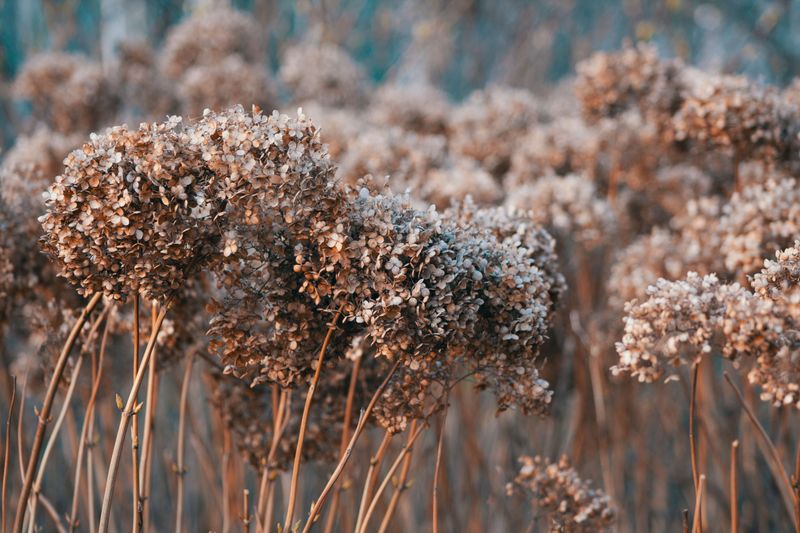
Scorch marks on hydrangea leaves are not random. They follow a very specific pattern tied directly to when and how water touches the plant in high heat.
When water lands on leaves during peak sun hours, it heats up almost instantly. That trapped heat burns the leaf tissue from the outside in, leaving brown, papery edges.
Blooms are even more fragile than leaves during a heat wave. A scorched bloom turns from vibrant purple or blue to faded and dried out within just a couple of days
Root scorch is less visible but equally damaging. When hot water reaches the root zone, it can disrupt the plant’s ability to pull up nutrients and moisture efficiently.
Hydrangeas show heat scorch differently than drought stress, which is a helpful clue. Scorch looks like crispy brown patches on leaf edges, while drought stress causes full-leaf wilting and drooping.
Identifying scorch early gives you a chance to adjust your watering schedule before the damage spreads. Catching it fast can save your blooms and protect new growth coming in.
The worst time of day to water hydrangeas in Wisconsin directly contributes to scorch risk. Midday and early afternoon watering are the main culprits behind most summer leaf damage.
Switching your schedule immediately stops new scorch from forming. Your existing damaged leaves will not recover, but the rest of the plant absolutely can bounce back strong.
Early Morning Is The Best Window For Watering
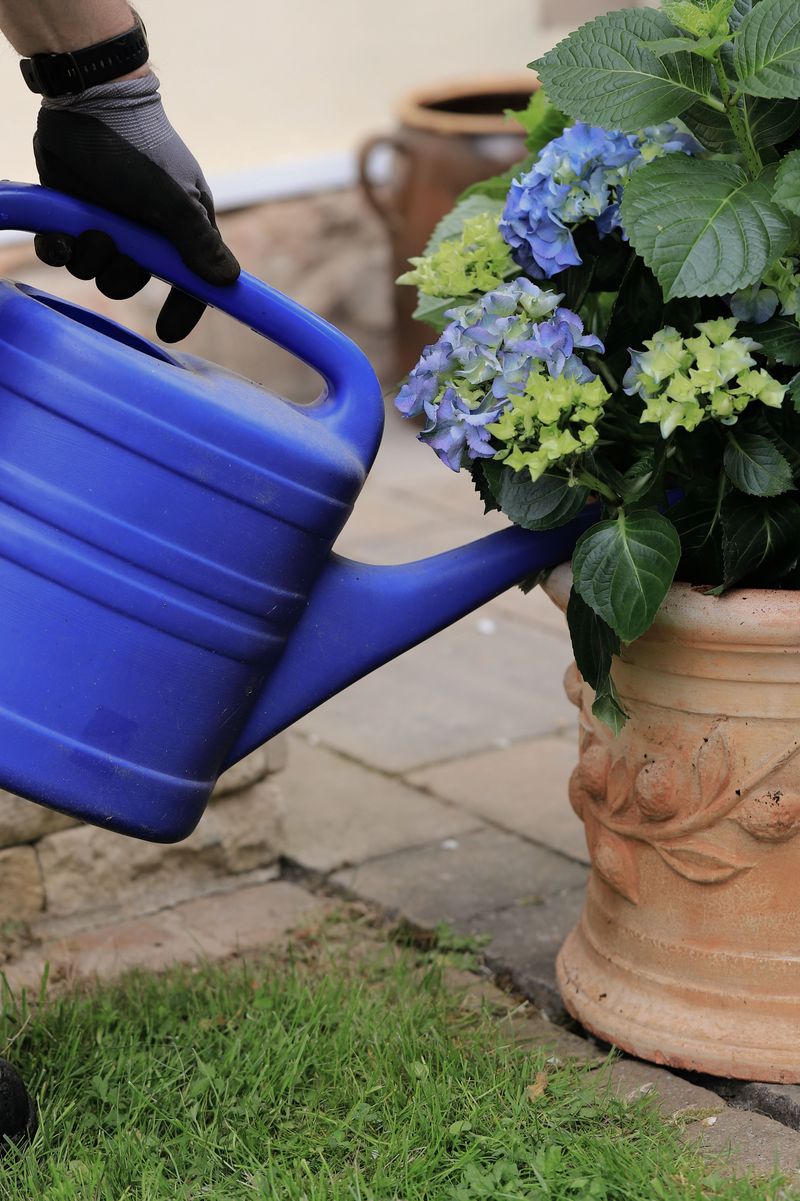
Early morning creates ideal conditions for hydrangeas during a heat wave. The air is cooler, the sun is low, and the soil is ready to absorb moisture without burning it off.
Watering in the early morning hours gives roots time to soak up what they need before the heat kicks in. That deep drink carries them through even the highest afternoon temperatures.
Morning watering also allows leaves to dry naturally as the day warms up. Dry foliage heading into the heat of the day dramatically lowers the risk of fungal problems.
The cool morning soil acts like a sponge, holding water longer and releasing it slowly to the roots. That slow release is exactly what stressed hydrangeas need during a prolonged heat wave.
Aim your water at the base of the plant rather than overhead during morning sessions. Keeping moisture off the leaves reduces scorch risk and keeps the plant focused on root absorption.
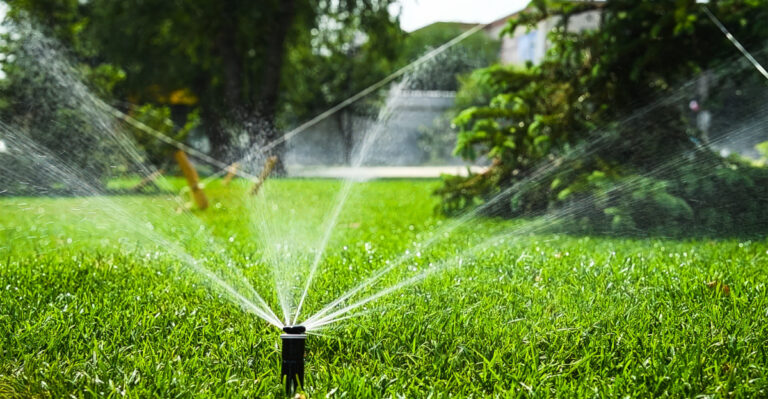
A soaker hose or drip irrigation system works beautifully for early morning watering routines. Set a timer and let the system do the work while you enjoy your coffee.
Consistency matters more than volume during a heat wave. A steady early morning watering routine is far more effective than an occasional heavy soak at the wrong hour.
Early mornings in a Wisconsin summer garden feel calm and full of possibility. Starting your day with a good watering session sets your hydrangeas up to thrive all day long.
What Happens When You Water Too Late In The Evening
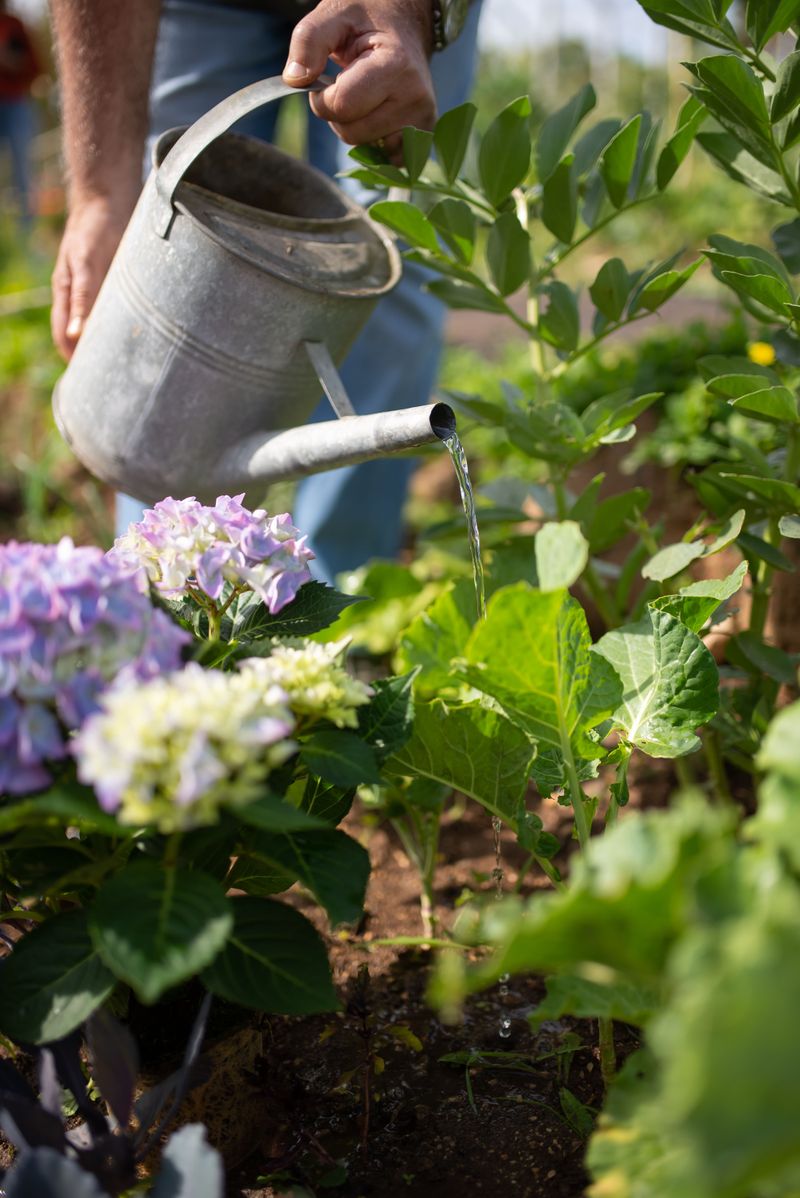
Evening watering feels like a smart move after a demanding day, but it comes with its own set of problems. Wet leaves and blooms sitting overnight are an open invitation for disease.
Fungal spores thrive in cool, damp conditions, and a wet hydrangea at night is a favorable environment for them. Powdery mildew and botrytis blight can spread rapidly when moisture lingers through the night.
Late evening watering also does not give roots much time to absorb before temperatures drop. Cool nights can slow root activity, making that late watering session far less efficient than it seems.
Slugs and other pests are attracted to moist soil and wet plants after dark. An evening watering routine can make your hydrangea bed an easy target for garden pests overnight.
If morning watering is not possible, aim to water in the mid-afternoon at the latest on heat wave days. That window gives leaves enough time to dry before nightfall while still beating the worst afternoon heat.
The worst time of day to water hydrangeas in Wisconsin shifts slightly depending on your schedule. But late evening sessions are almost always a bad idea during hot summer stretches.
Soil that stays wet overnight can also develop root rot in certain conditions. Hydrangeas need moisture, but they do not like sitting in soggy, stagnant soil for hours on end.
Adjusting your evening habit is one of the easiest wins in the garden. A small schedule shift protects your plants from problems that are much harder to fix later.
Simple Signs Your Hydrangeas Are Getting Too Much Sun Stress
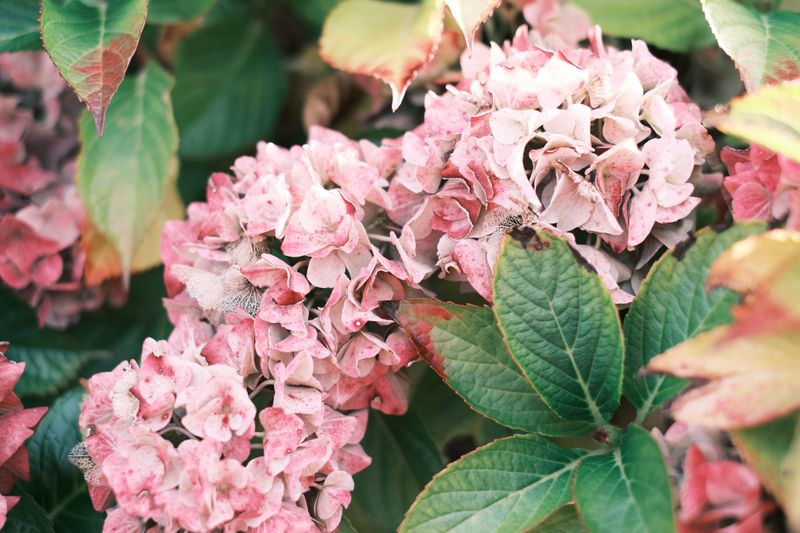
Hydrangeas are expressive plants, and they will tell you when something is wrong. Learning to read their signals early saves you from losing an entire season of beautiful blooms.
Wilting in the afternoon is normal during a heat wave, even with proper watering. But if your hydrangeas are still drooping by early evening, that is a sign of serious heat stress.
Leaves that curl inward are trying to reduce their surface area and limit moisture loss. That curling is a survival response, and it means your plant is working overtime just to stay alive.
Faded blooms that look bleached or washed out are another clear warning sign. Healthy hydrangeas hold rich, saturated color, so fading often points to sun stress combined with poor watering habits.
Brown, crispy leaf edges that appear suddenly usually signal scorch from midday watering or direct sun exposure. These patches will not turn green again, but new growth can come in healthy with better care.
Stunted new growth during a heat wave means the plant is conserving energy rather than expanding. That is a sign it needs better hydration timing, not necessarily more water overall.
Check your soil moisture before every watering session during a heat wave. Soil that is still damp an inch below the surface means your plant has enough for now, regardless of the heat.
The worst time of day to water hydrangeas in Wisconsin is behind most of these stress symptoms. Fix the timing, and you resolve many of the problems your plants are showing you.