These fall-blooming perennials keep your Wisconsin garden colorful right through the first frost
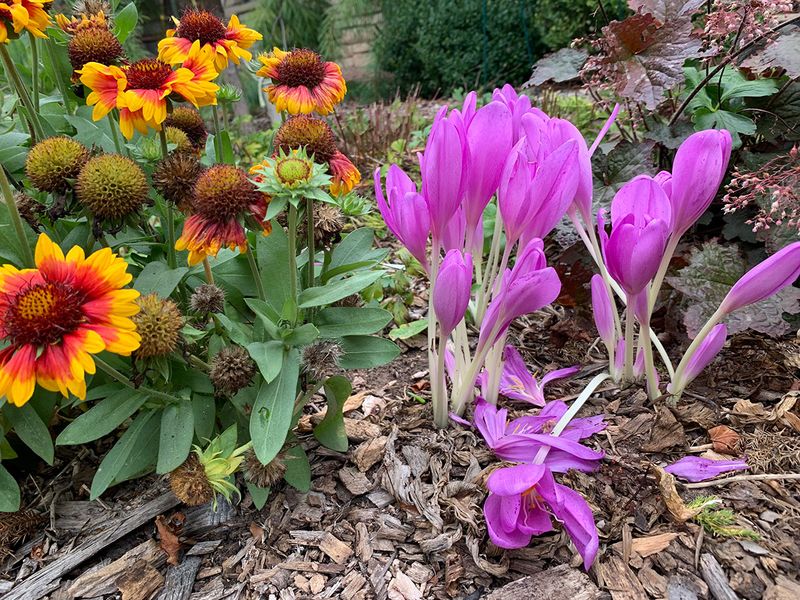
When summer flowers start to fade, your Wisconsin garden does not have to go quiet. Plenty of tough perennials save their best show for autumn, filling beds with color while bees and butterflies grab one last meal before winter.
Because our winters are cold (USDA zones 3 to 5), picking hardy plants matters if you want them to come back year after year. Here are eight fall bloomers worth considering to keep the show going right up to that first frost.
1. Hardy Garden Mums (Chrysanthemum)
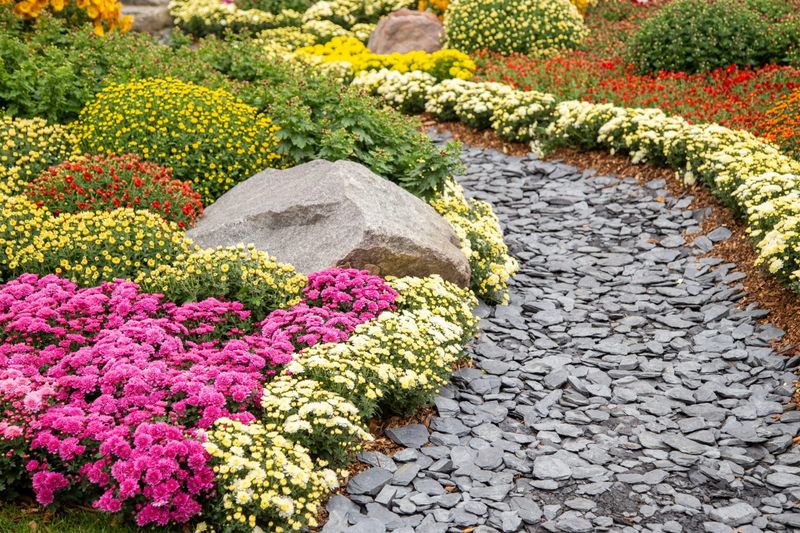
No plant says autumn quite like a garden mum. You have probably seen them stacked outside grocery stores every September, glowing in rust, gold, and burgundy.
Here is the trick most folks miss: mums bloom because the nights get longer, not because it gets colder. If you want them to survive a Wisconsin winter and return next year, plant them in spring so their roots settle in first.
The ones you buy already blooming in fall often act more like annuals.
Look for cold-hardy series like the Mammoth line, bred to shrug off Zone 4 winters and forming tidy mounds up to three feet wide. Varieties such as ‘Autumn Spice Igloo’ stay more compact at around 20 inches.
Give them full sun, at least six hours a day, and well-drained soil since soggy winter ground is their biggest enemy. Leave the foliage standing over winter and add a layer of mulch for extra insurance.
Butterflies will thank you for the late nectar.
2. Asters (Symphyotrichum spp.)
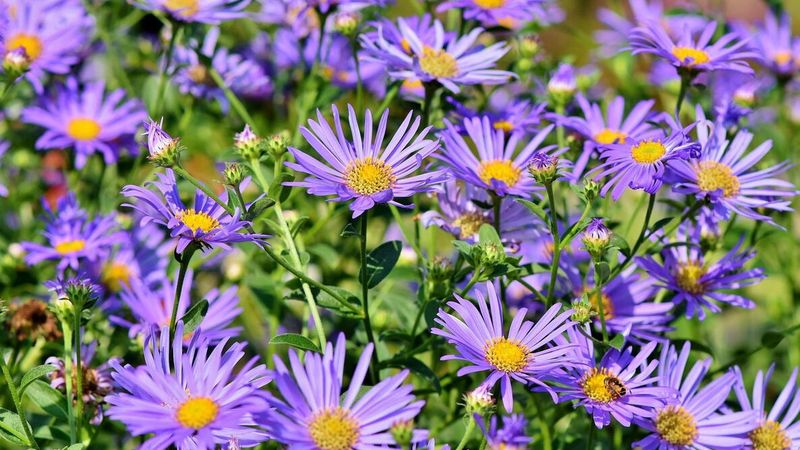
Just when the garden looks tired, asters explode into color like they have been saving up all year. Their daisy-shaped blooms come in lavender, blue, pink, purple, and crisp white, each with a cheerful yellow center.
As Wisconsin natives, they are right at home in our zones 3 to 5 and pull double duty as one of the most valuable late-season food sources for pollinators. Sky Blue Aster puts on its display in September and October, while Smooth Aster starts as early as August.
Most asters like full sun to part shade and moist, well-drained soil, though tougher types tolerate dry, rocky ground. Taller varieties can flop, so a little staking in late summer helps them stand proud.
Give plants room to breathe to cut down on powdery mildew, and divide clumps every two or three years in spring to keep them vigorous. Birds and bees will visit constantly.
3. Black-Eyed Susans (Rudbeckia hirta)
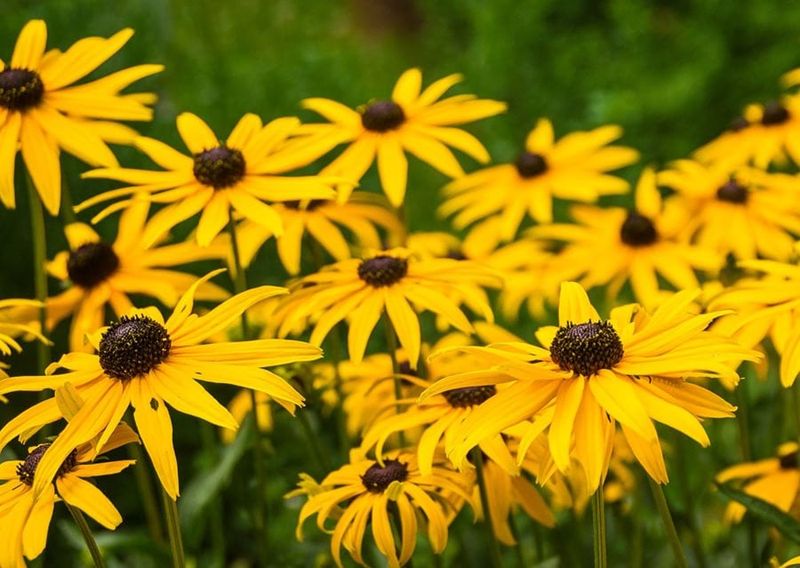
Golden petals fanning out around a chocolate-brown button, black-eyed Susans are the friendly face of the prairie. They are native to Wisconsin and impossibly cheerful.
What makes them stand out on this list is their marathon bloom season. Flowers open in June and keep going straight through October, right up to the first hard frost, so they bridge summer and fall better than almost anything else.
They are not fussy. Full to partial sun and decent, well-draining soil suit them fine, and they handle heat, humidity, and short dry spells with ease.
A drink of water during long droughts keeps blooms coming.
Your Wisconsin Garden Changes Every Week. Your Plan Should Too.
Gardening in Wisconsin changes quickly throughout the season. Every Friday you’ll receive a simple weekly plan showing exactly what to plant, prune, fertilize, harvest, and protect so you never miss the right timing.
Deadheading tidies the plant and encourages more flowers, but leave a few seed heads at the end of the season and they will happily reseed for next year. Keep in mind that Rudbeckia hirta often behaves like a short-lived perennial or reseeding annual, so those volunteers are a bonus.
Bees and butterflies flock to them.
4. Autumn Joy Stonecrop (Sedum ‘Autumn Joy’)
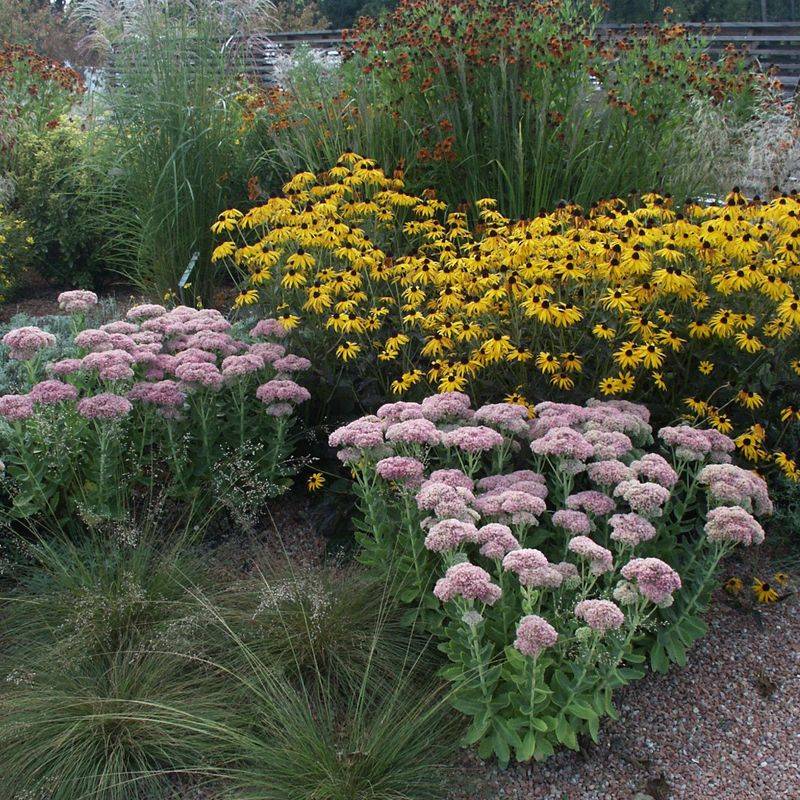
For gardeners who forget to water, Autumn Joy is practically a gift. This chunky sedum stores moisture in its fleshy leaves and barely blinks during a dry spell.
The show is a slow, satisfying one. Flower heads start out rosy pink in late summer, then deepen to a rich coppery red as fall settles in, holding their color for weeks.
It thrives in poor soils, tolerates urban pollution and road salt, and asks for almost nothing except decent drainage since it will not sit in standing water. Clean it up in early spring before new growth pushes out.
Standing about 20 inches tall and just as wide, it makes a sturdy anchor near the front or middle of a border. Bees and butterflies love the flat flower clusters, while deer tend to walk right past it.
5. Japanese Anemone (Anemone x hybrida ‘Honorine Jobert’)
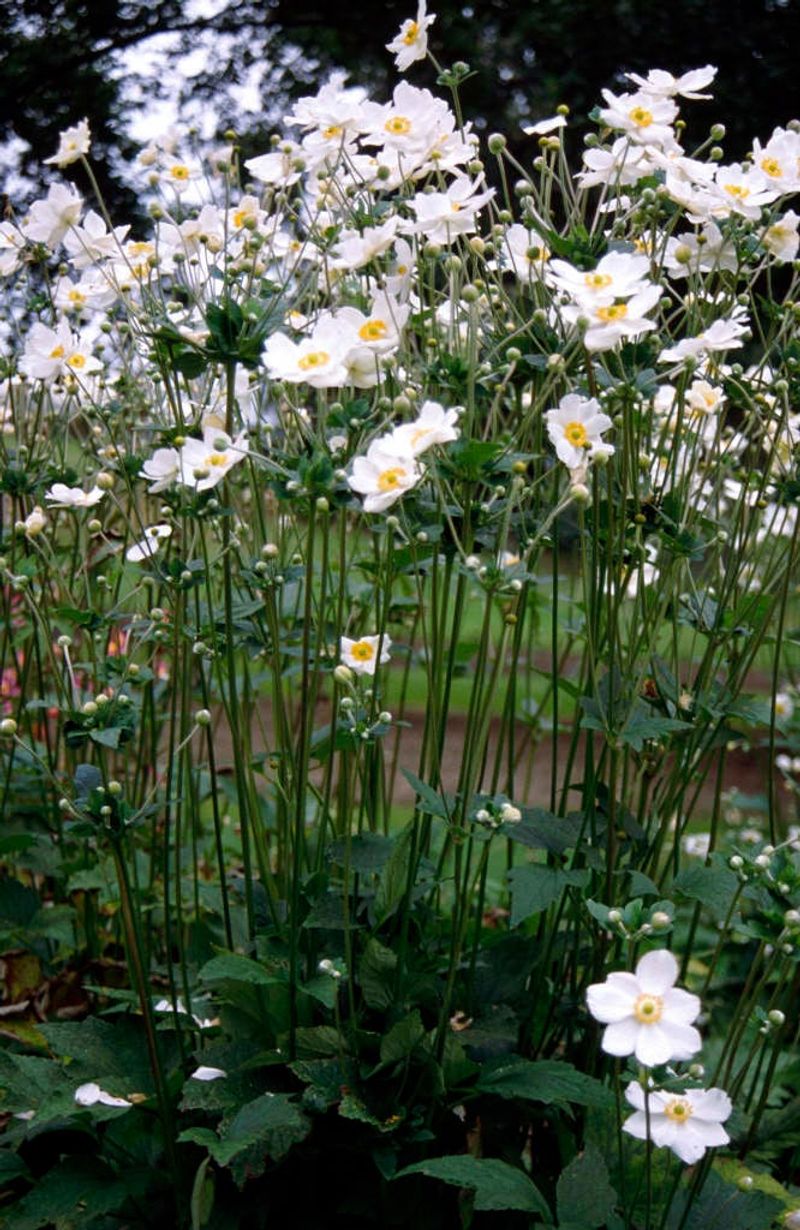
Elegance shows up late to the party in the form of ‘Honorine Jobert’. Its pure white blossoms seem to float on thin, wiry stems above a neat mound of dark green leaves.
Unlike the bold golds and purples elsewhere on this list, this anemone brings a quiet, refined beauty. It blooms for five to eight weeks from late summer into fall and often keeps going past that first frost.
Give it moist, well-drained soil rich in organic matter, and a spot with a bit of afternoon shade, especially in sunnier gardens. With steady moisture it will handle more sun without complaint.
Hardy in roughly zones 4 to 8, it settles comfortably into many Wisconsin gardens. The airy stems make it a lovely see-through plant at the front of a bed, and pollinators drop by for the pollen.
6. Stiff Sunflower (Helianthus pauciflorus)
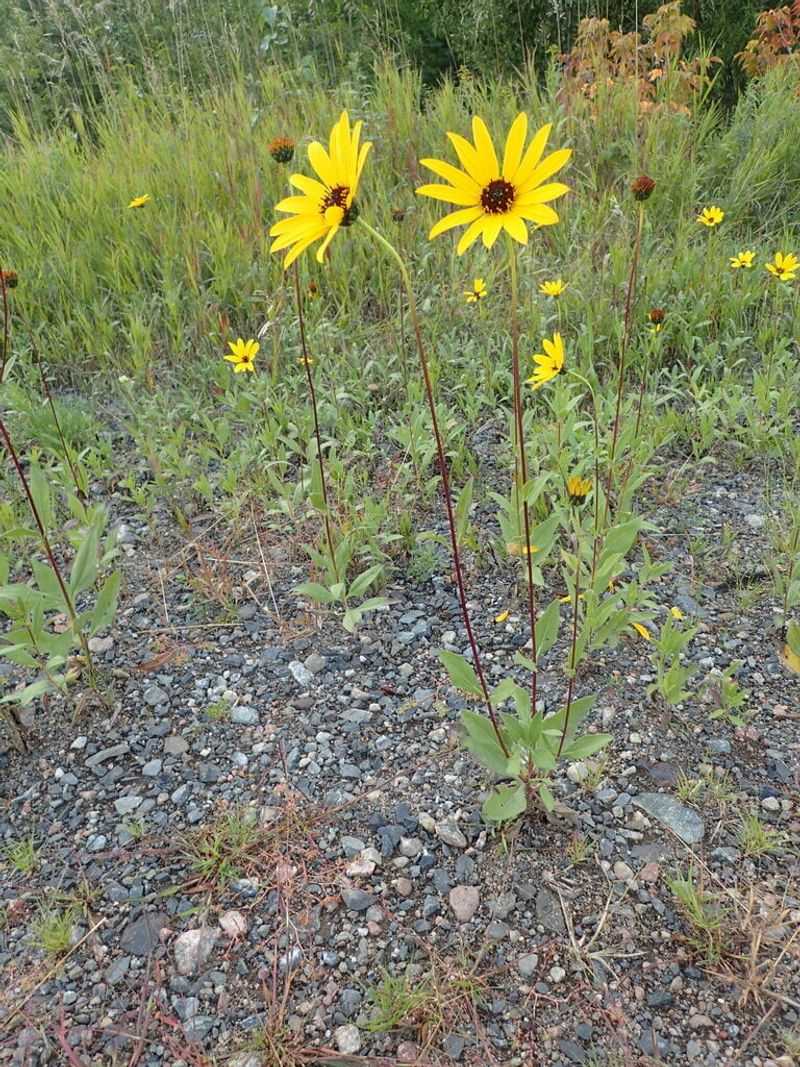
Picture a patch of prairie glowing gold in the late-day sun, and you have got the stiff sunflower. This Wisconsin native throws out bright yellow blooms with dark reddish-purple centers on long, upright stems.
It flowers from August into September and is tough as nails, hardy all the way to Zone 3. Rough, greenish-gray leaves give it a rugged, wild look that fits naturalized settings perfectly.
Full sun is a must, and it actually prefers average to dry soil that drains well. Rich ground just makes it grow faster and spread harder.
A word of caution: those aggressive underground runners mean it can take over a small bed in a hurry. Save it for larger spaces, meadow plantings, or prairie restorations where it has room to roam.
In return, it feeds a parade of pollinators and seed-eating birds.
7. Monkshood (Aconitum carmichaelii)
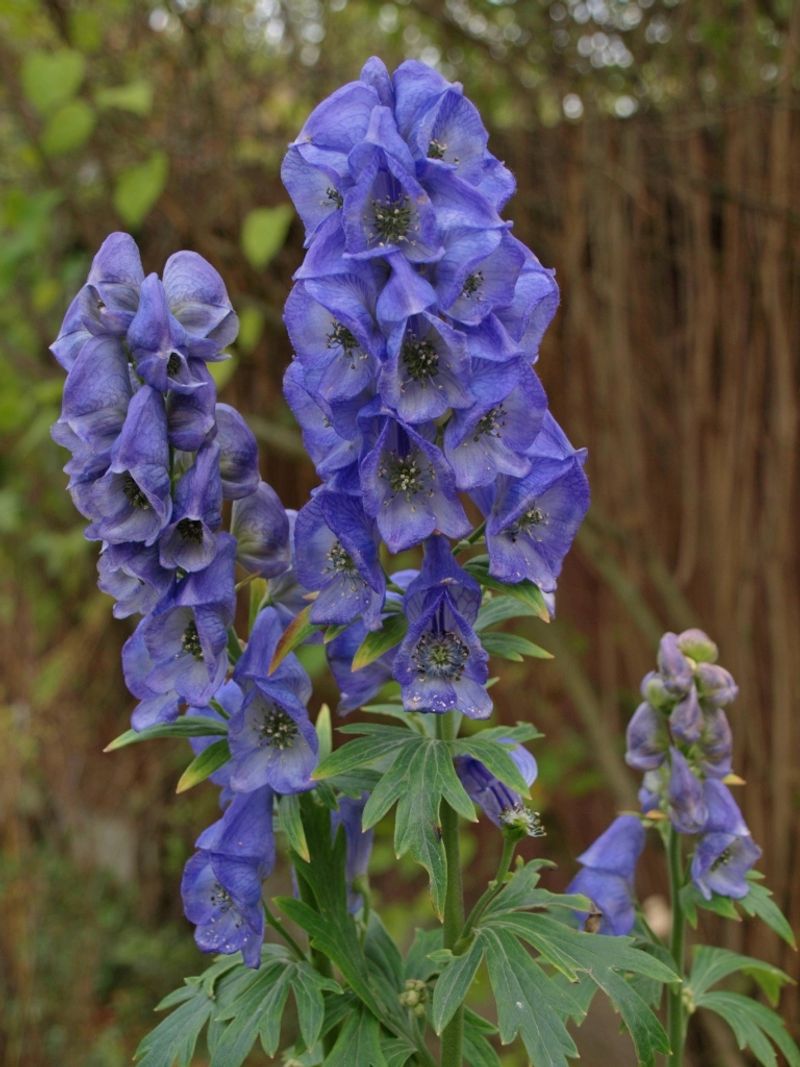
Few fall flowers look as mysterious as monkshood, with its deep blue-purple blooms shaped like little hooded cloaks. The variety ‘Arendsii’ opens its spikes in September and October, exactly when you want fresh color.
It grows two to four feet tall and prefers moist, humus-rich soil that drains well. Partial shade suits it best, though it tolerates full sun with steady moisture.
Dry ground will leave it stunted.
Divide clumps every three or four years in spring or fall to keep them strong. Bumblebees adore the hooded flowers, and deer avoid the plant entirely.
Here is the important part: every part of monkshood is highly toxic, roots and seeds most of all. Always wear gloves when handling or dividing it, and keep it well away from vegetable beds and spots where children or pets play.
Treated with respect, it is a showstopper.
8. Planning Your Fall Color Combinations
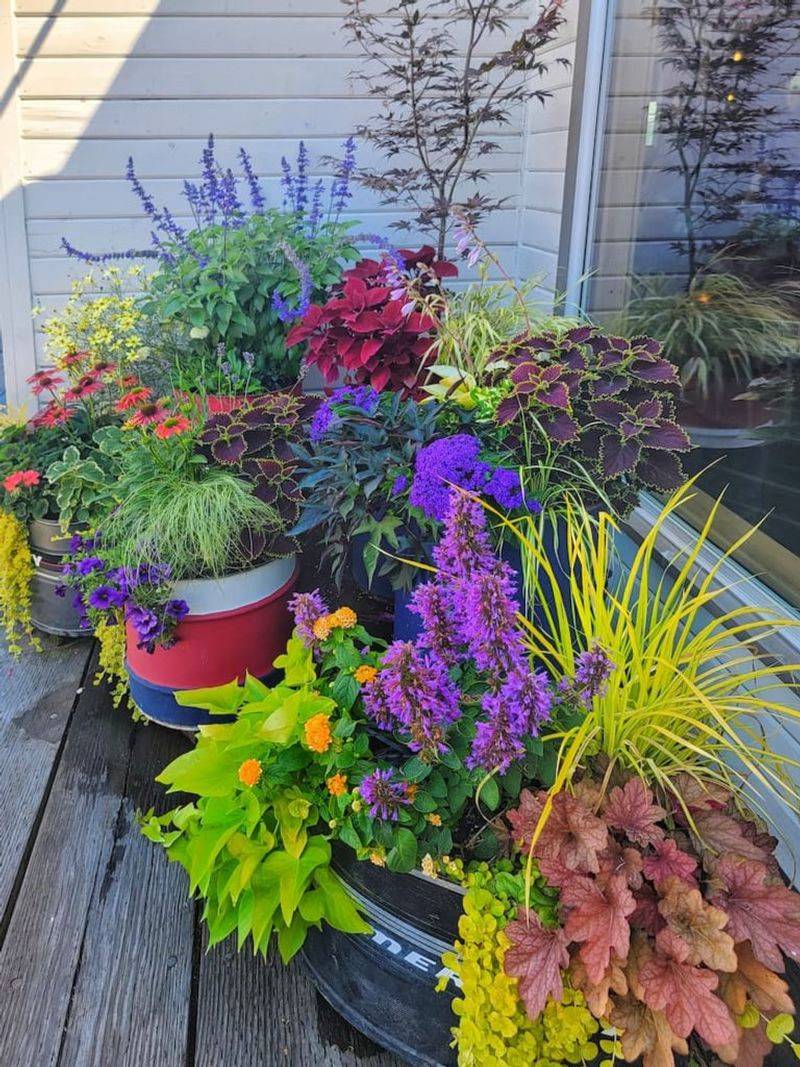
Pulling all these plants together is where the real fun begins. A single mum is nice, but a border layered with purple asters, golden black-eyed Susans, coppery sedum, and a drift of white anemones turns your yard into a proper autumn stage.
Think about height as you plan. Tuck low, mounding sedum near the front, place mums and asters in the middle, and let taller sunflowers or monkshood rise at the back where their scale makes sense.
Timing helps too. Pairing early fall bloomers with later ones, like combining August asters with October monkshood, keeps the color rolling for months rather than weeks.
Try to include at least a couple of natives so pollinators have reliable late-season fuel, and leave some seed heads standing to feed birds and add winter texture. With a little thought about sun, soil, and bloom time, your Wisconsin garden can stay lively right up until the frost finally arrives.