Watch for these 8 fall garden pests that sneak into Wisconsin homes when nights turn cold
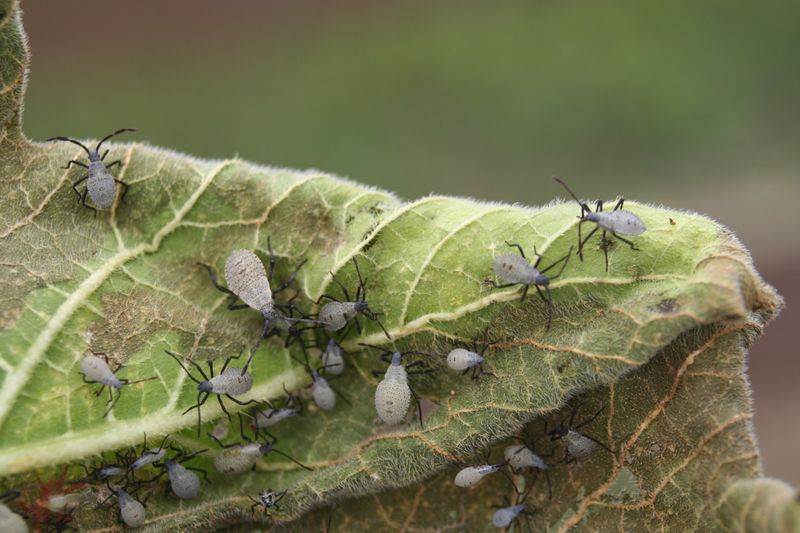
When the cool nights of autumn settle over Wisconsin, a whole crew of tiny garden visitors starts looking for a warm place to spend the winter. Many of them decide your house looks perfect.
Knowing which bugs and critters are trying to move in can help you seal them out before they become a real headache. Here are eight fall pests every Wisconsin homeowner should watch for as temperatures drop.
1. Asian Lady Beetles
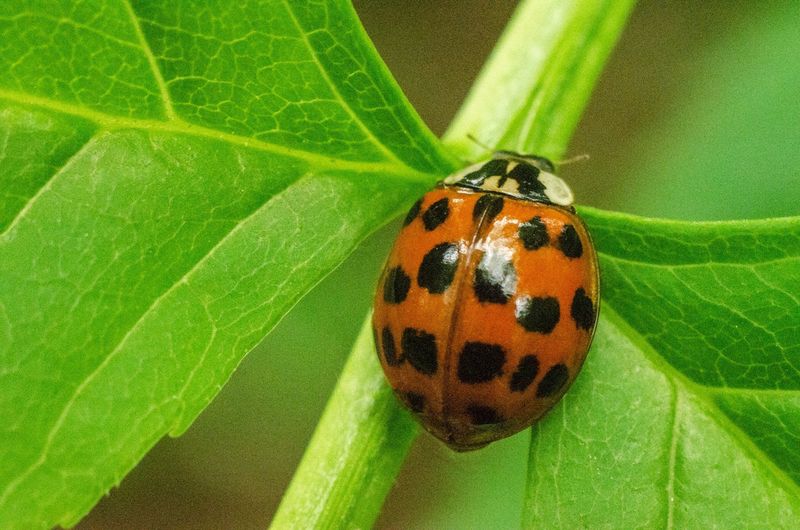
Picture a sunny wall on a crisp October afternoon in Wisconsin covered with what looks like a swarm of orange-red dots. Those are Asian lady beetles, soaking up the last bits of warmth before slipping through cracks to hibernate indoors.
They look a lot like the friendly ladybugs kids love, but you can spot the difference by the little M-shaped mark on the shield behind their head. Their colors range from soft tan to bright orange-red.
Here is the catch that surprises many Wisconsin families: these beetles can actually nip your skin, and when they feel threatened they leak a smelly yellow fluid that stains walls and curtains. In big groups, they can even trigger allergy and asthma flare-ups.
Sealing gaps around windows and vents keeps most of them outside where they belong.
2. Boxelder Bugs
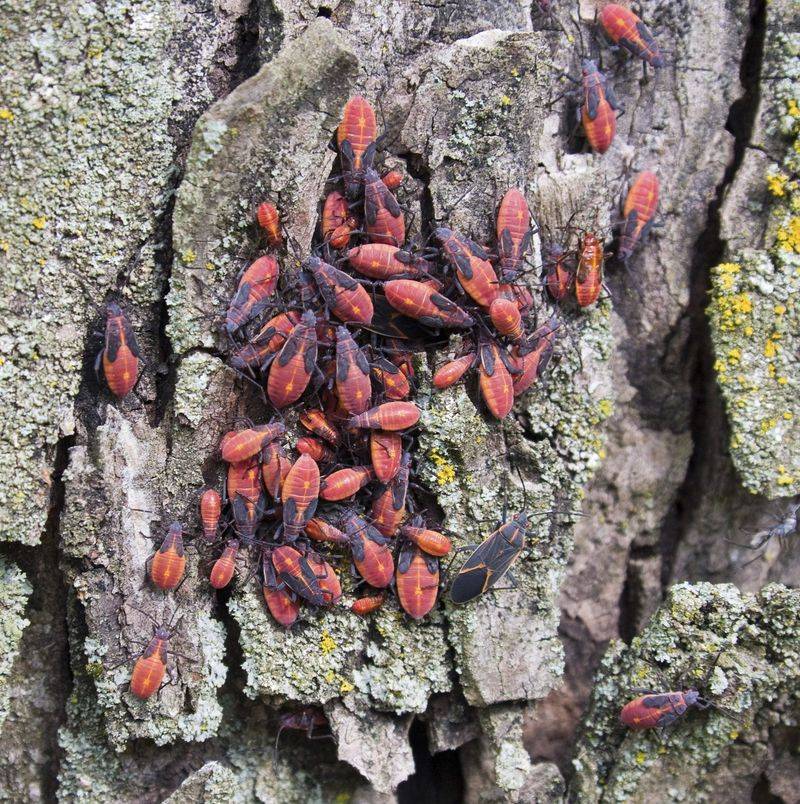
Flat, black, and striped with bold red or orange lines, boxelder bugs are hard to miss when they gather on the warm side of a home. If you have boxelder, maple, or ash trees nearby in Wisconsin, you probably know these insects well.
Their numbers climb through late summer, hitting a yearly peak just as the air turns chilly. That is when they crowd onto south and west-facing walls, then squeeze through gaps in siding and trim to find a cozy winter hideout.
The good news? They will not bite you or chew through your walls.
The bad news is that sheer numbers can feel overwhelming, and their droppings leave stubborn stains on light-colored surfaces. A quick vacuum and some sealed cracks go a long way in a Wisconsin home.
3. Brown Marmorated Stink Bugs
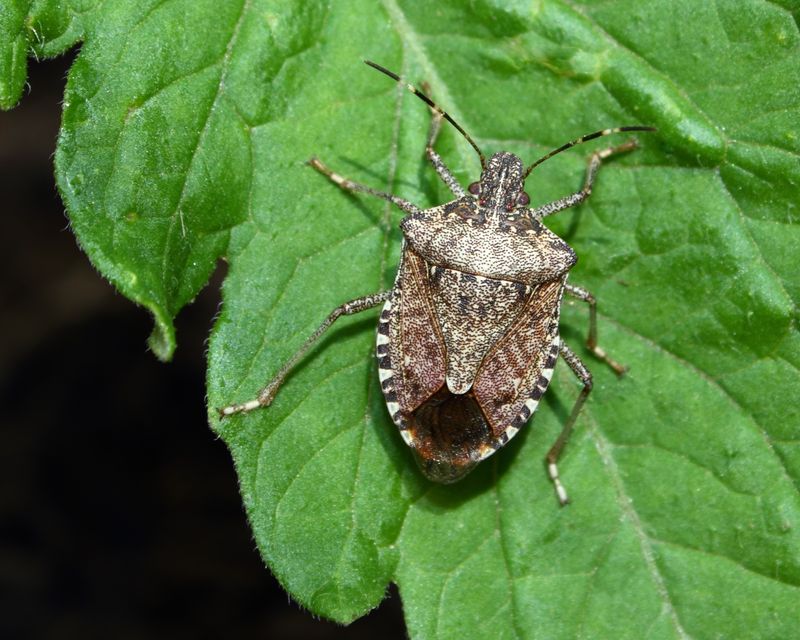
About the size of a dime and shaped like a little shield, the brown marmorated stink bug has been spreading fast across southern and eastern Wisconsin. Look for its speckled-brown body and the tell-tale white bands on its antennae.
Come September and October, these invaders from East Asia pull the same trick as boxelder bugs, gathering on sunlit walls before the temperature drops. Once it gets cold, they push their way into attics, crawlspaces, and window frames to wait out the winter.
They will not sting or bite, but crush one and you will understand the name. The odor is strong and lingers.
Out in the garden, they also nibble on fruit trees and vegetables, making them an unwelcome guest for Wisconsin gardeners both outside and inside.
4. Cluster Flies
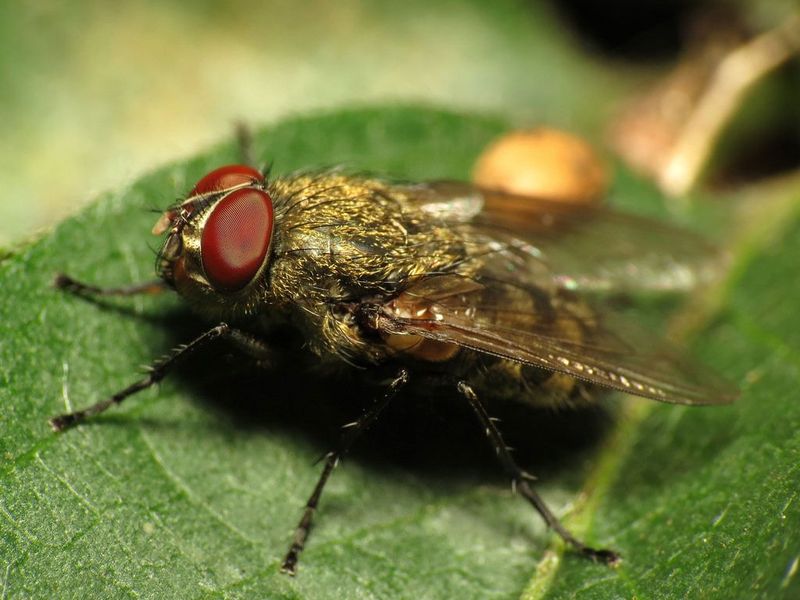
Slightly larger and sluggish compared to your everyday housefly, cluster flies wear a dull gray coat with light and dark markings and a fuzz of golden hairs on their backs. In autumn, they go looking for a quiet, warm spot to rest through the cold months.
Your Wisconsin Garden Changes Every Week. Your Plan Should Too.
Gardening in Wisconsin changes quickly throughout the season. Every Friday you’ll receive a simple weekly plan showing exactly what to plant, prune, fertilize, harvest, and protect so you never miss the right timing.
Wall voids, attics, and crawlspaces make perfect winter shelters. Before slipping inside, they mass on warm south and west walls during September and October across Wisconsin.
Here is the annoying part. When your furnace warms things up in late winter, sometimes as early as February, these flies wake up and start bumping against your windows.
They also leave little fecal spots that stain siding, curtains, blinds, and painted trim, so sealing entry points early really pays off.
5. Western Conifer Seed Bugs
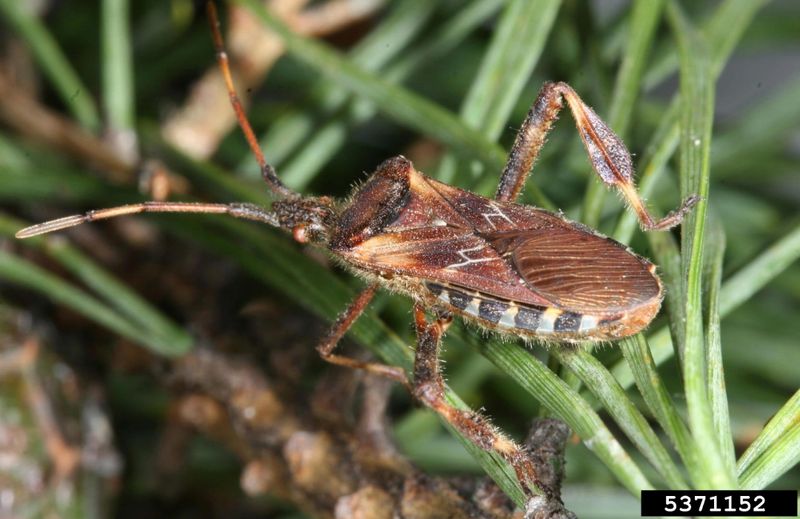
Long, brownish, and sporting flattened hind legs that look almost leaf-shaped, the western conifer seed bug often gets mistaken for a stink bug at first glance. It shows up in autumn with the same mission as the others: find somewhere warm.
Just like its fall-invading neighbors, it gathers on sun-warmed walls in September and October before tucking into attics and wall cavities for the winter. In Wisconsin, these bugs favor homes near pine and other conifer trees where their seeds make up their diet.
Give one a poke and you may catch a whiff of its strong defensive odor. They are harmless to people and property otherwise, so the best plan is simply keeping them from getting inside your Wisconsin home in the first place.
6. House Mice and Rats
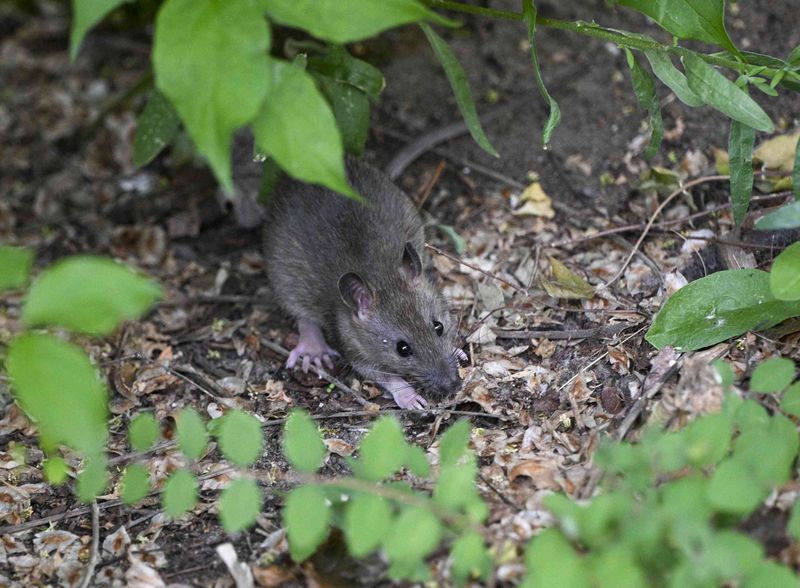
Not every fall invader has six legs. Mice and rats do not hibernate, so when outdoor temperatures dip below about 35 degrees, they go hunting for a warm indoor home.
What makes rodents especially sneaky is how little space they need to get in. A mouse can wiggle through a gap the size of a quarter-inch, while rats slip in near foundations, vents, and utility lines.
Once the ground freezes and food gets scarce across Wisconsin, they head straight for foundations, garages, and crawlspaces.
Peak indoor mouse activity runs from December through February. That is a problem, because rodents contaminate food, gnaw on electrical wiring, shred insulation, and can spread disease.
Sealing gaps and storing food tightly keeps your Wisconsin household safer all winter.
7. Spiders
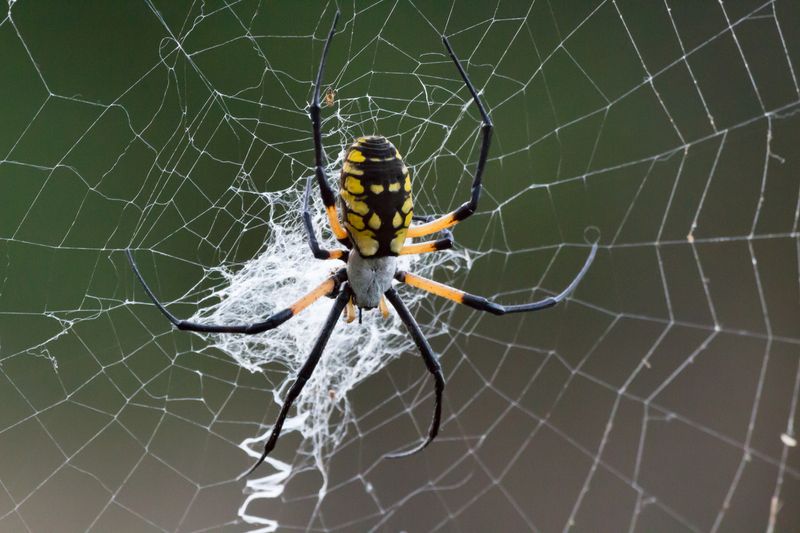
Autumn happens to be spider mating season, which is exactly why you seem to notice more of them scurrying around this time of year. Many spiders that hatched in spring are all grown up by now and on the move.
As the weather cools in Wisconsin, they head indoors chasing warmth and a steady supply of insects to eat. Damp, cozy spots like basements and crawlspaces are their favorite hangouts, and the extra moisture indoors draws them in.
Most house spiders are completely harmless and actually help by eating other pests. Still, nobody loves finding one in the shower.
Keeping corners cleared of webs and reducing clutter makes your Wisconsin basement far less inviting for eight-legged tenants.