Pine Straw Too Thin? The North Carolina Weed Problem That Starts When Beds Look Finished
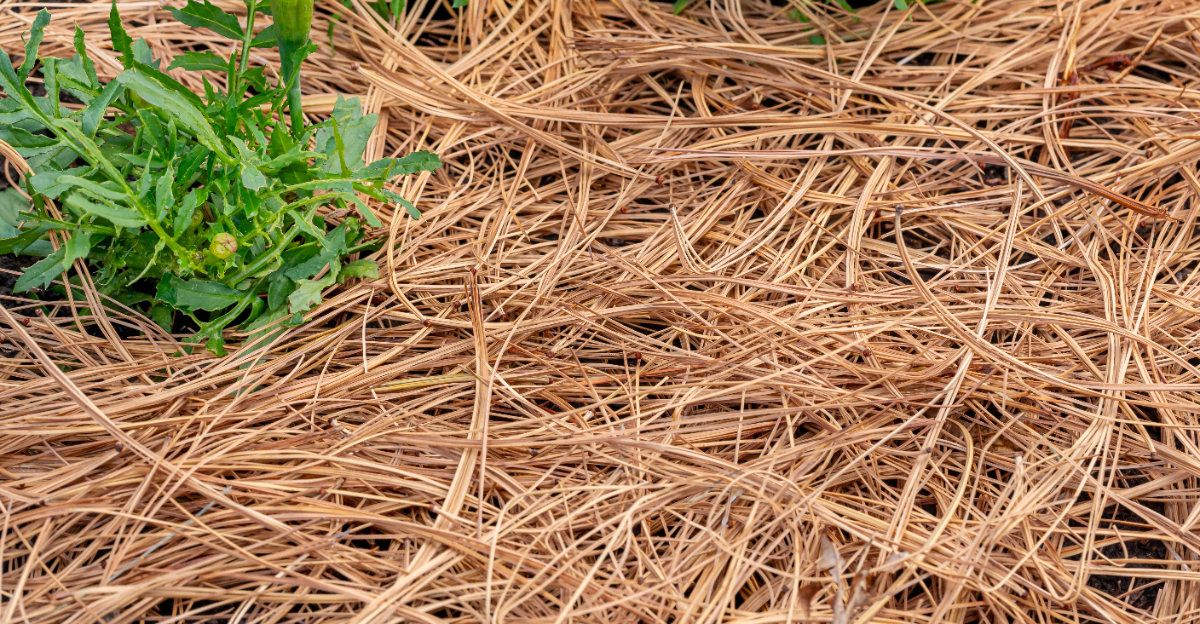
Layer looks perfect from the porch. Two inches of pine straw, edges tucked, mulch bed photo-ready by Saturday afternoon. Then June arrives and something else is thriving underneath that golden blanket.
Thin coverage is the quiet culprit behind most weed outbreaks in North Carolina yards. Spurge shows up first, then crabgrass, then chickweed crowding the border you spent a whole afternoon edging.
From Charlotte’s clay-heavy lots to the sandy beds along the coast, the pattern repeats every single season. Straw settles, thins out faster than expected, and by midsummer the beds look nothing like they did in April.
Fixing this isn’t about buying more straw. It’s about knowing the exact depth where beds actually hold up, and where most homeowners fall short without realizing it.
Thin Pine Straw Lets Weed Seeds Reach Sunlight
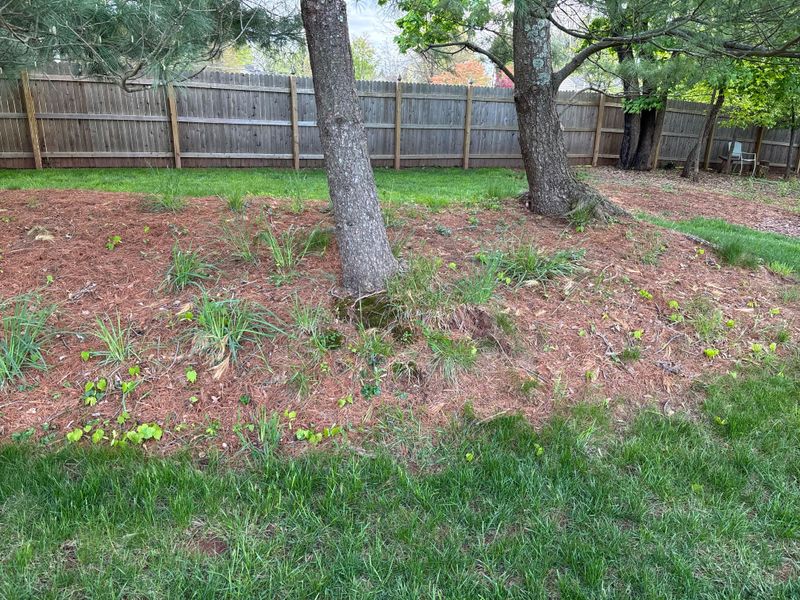
Sunlight is the trigger. Weed seeds can sit dormant in soil for years, just waiting for a beam of light to flip their switch.
Pine straw too thin creates exactly that opening. When the layer drops below two inches, gaps appear and sunlight punches straight through to the soil below.
Most common North Carolina weeds, including spurge, oxalis, and hairy bittercress, are what scientists call photoblastic. That means light is what activates their germination process.
A thick pine straw layer blocks most of that light signal. Seeds below the mulch rarely get the cue to sprout, so they stay dormant and harmless.
When the layer thins out, you are not just losing aesthetic coverage. You are essentially rolling out a welcome mat for airborne weed seeds drifting through your North Carolina yard.
Wind carries weed seeds daily across open landscapes. Even a small gap in your mulch is enough real estate for a new weed colony to establish itself fast.
The frustrating part is that beds often look finished and full right after you lay fresh straw. Compression happens quickly, especially after rain, and that fluffy four-inch layer can compact down to less than two inches within a few weeks.
Checking depth after the first good rain is a smart habit. A quick poke with a pencil or your finger tells you immediately whether the bed still has enough coverage to do its job.
Ideal Pine Straw Depth For Weed Suppression
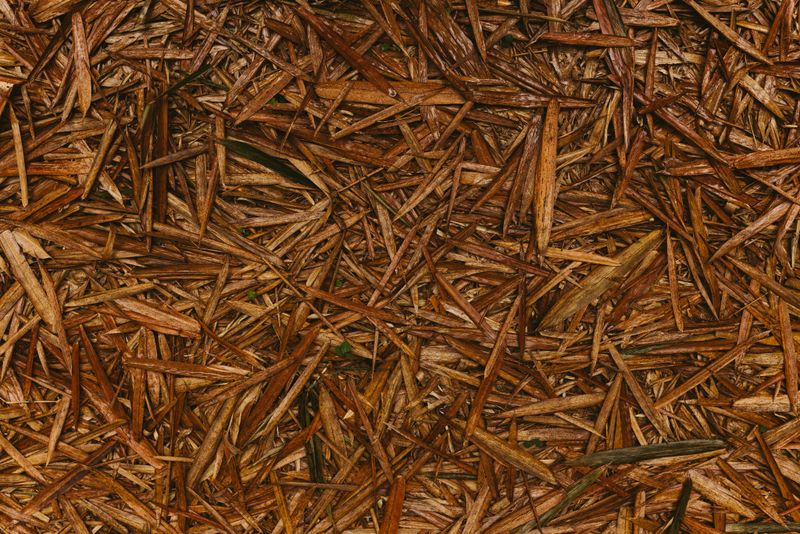
Three inches is the number to remember. That is the minimum depth that reliably blocks light and keeps most annual weed seeds from germinating beneath the surface.
Many landscapers actually target three to four inches for new beds. That extra inch gives you a buffer for the natural settling that happens after rain and foot traffic.
Going thicker than four inches can cause its own problems. Excess pine straw holds too much moisture against plant stems, which can encourage rot and fungal issues in humid North Carolina summers.
The sweet spot is genuinely three to four inches. At that depth you get strong weed suppression without smothering the root zones of your shrubs and perennials.
One bale of pine straw covers roughly 35 to 45 square feet at a three-inch depth. Measuring your beds before buying saves money and prevents the temptation to spread too thin just to stretch your supply.
Your North Carolina Garden Changes Every Week. Your Plan Should Too.
Gardening in North Carolina changes quickly throughout the season. Every Friday you’ll receive a simple weekly plan showing exactly what to plant, prune, fertilize, harvest, and protect so you never miss the right timing.
Fresh pine straw is fluffier and more voluminous than older, compacted material. When you are refreshing an existing bed, you may only need to add one to two inches on top to restore full coverage.
Settled straw from last season still contributes to the total depth. Probe several spots in each bed to get an accurate average before deciding how much new material to add.
Getting the depth right is one of the most effective steps in long-term weed control. Everything else builds on this foundation.
Common Spots Where Coverage Thins Out Fastest
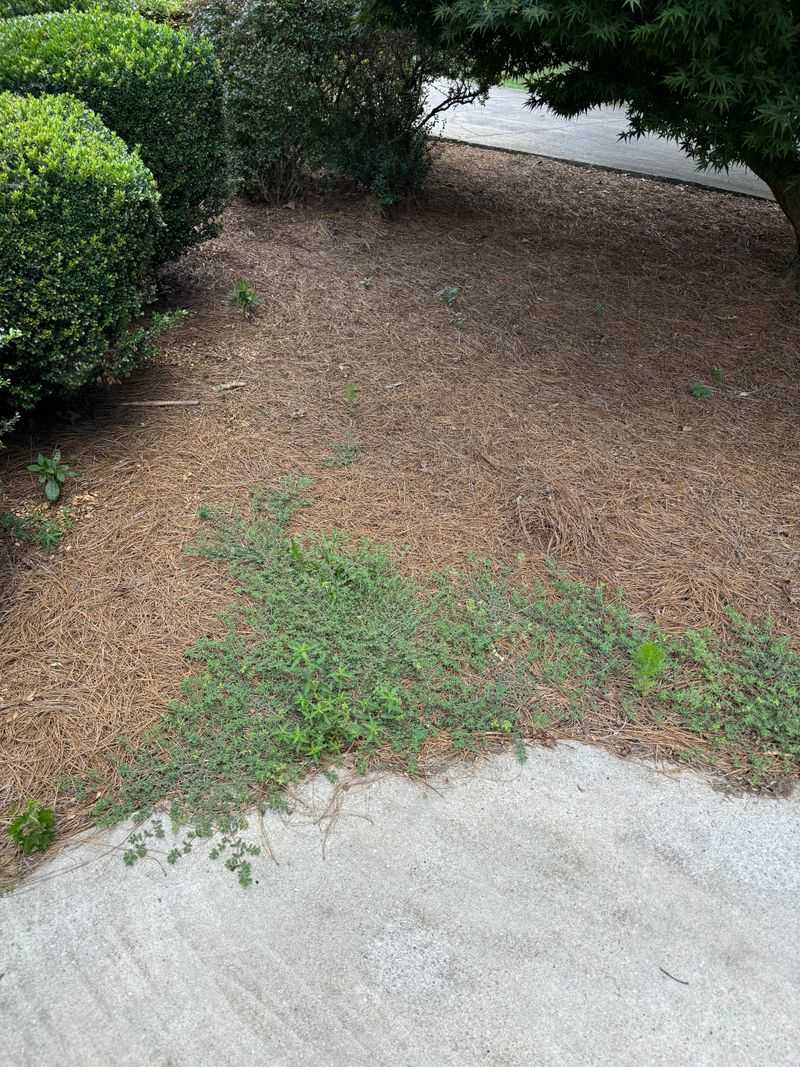
Not every part of a bed loses coverage at the same rate. Some spots burn through pine straw two or three times faster than the center of the bed.
Edges along sidewalks and driveways are the first to go thin. Foot traffic, lawn mowers, and string trimmers constantly kick straw off the edges and onto hard surfaces.
Sloped areas lose material even faster. Rain washes straw downhill, leaving the upper slope bare and vulnerable while straw piles up at the base in a thick useless clump.
Around tree trunks is another trouble zone. People tend to pull straw away from the bark to avoid rot, but they often pull it too far back, leaving a wide exposed ring.
Downspout zones take the heaviest hit from concentrated water flow. A single heavy rain can wash out a two-foot-wide channel through your mulch bed right where the gutter empties out.
High-traffic corners near gates or garden entrances wear down quickly too. People stepping into beds to tend plants or reach tools compress and displace straw without even noticing.
Knowing these hot spots lets you be strategic with your refresh schedule. You do not need to redo the entire bed every time, just top off the areas that thin out first.
Checking these specific zones monthly takes less than five minutes. Catching thin spots early stops weeds before they get a foothold and saves serious effort later in the season.
Signs Your Beds Need A Fresh Layer
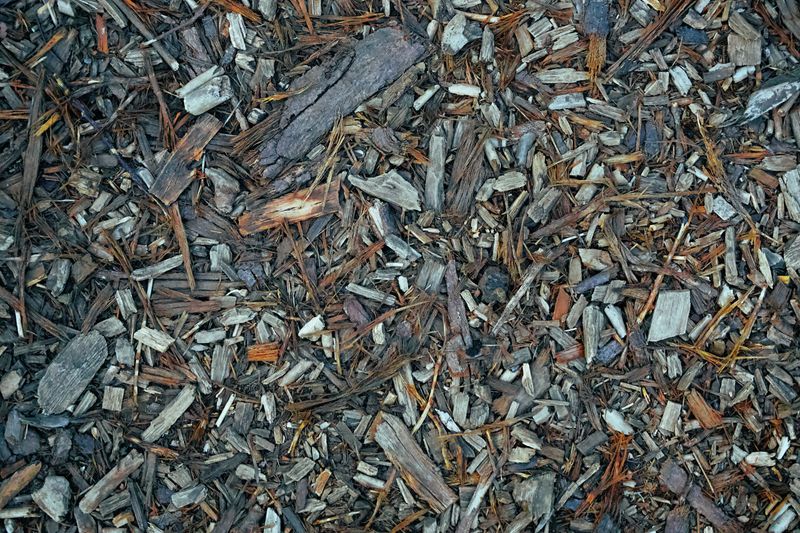
Color is your first clue. Fresh pine straw has a warm reddish-brown hue, and when it fades to gray or silver, the material has broken down significantly.
Faded straw is not just an aesthetic issue. Decomposed pine straw loses its structure, packs flat, and no longer provides the light-blocking depth your beds depend on.
Visible soil is an obvious red flag. Any spot where you can see bare dirt through the straw is a spot where weeds have already been given a green light.
Another sign is weed density suddenly spiking in a previously clean bed. A surge of new weeds usually means coverage has dropped below the suppression threshold somewhere nearby.
Probe the bed with your finger after a rain. If your fingertip hits soil after less than two inches, that section needs attention before the next growing flush hits.
Straw that feels slimy or matted when wet has decomposed past its useful life. Matted layers can actually repel water and create a barrier that deprives plant roots of moisture below.
Checking in late winter is smart timing for North Carolina gardens. Beds thin out over winter from rain, freeze-thaw cycles, and the absence of maintenance attention during cold months.
Catching these signs early means a lighter workload. A small top-off in February is far less effort than a full bed renovation in May when weeds have already taken over.
Refreshing Pine Straw Without Overdoing It
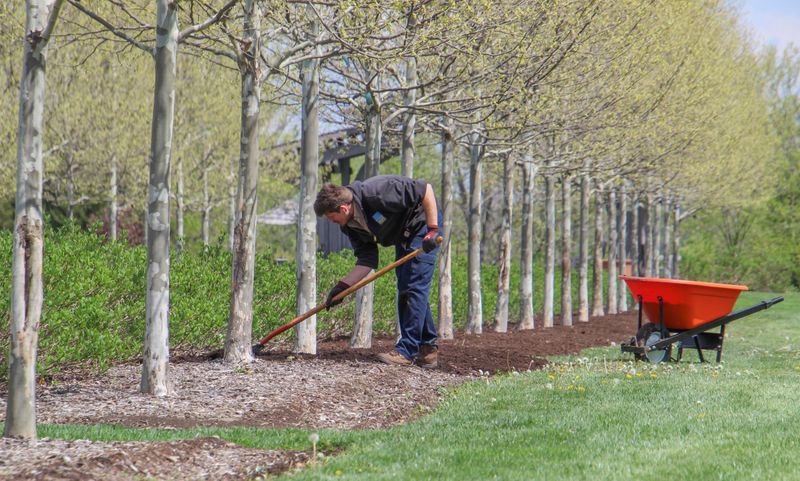
More is not always better with pine straw. Piling on too much at once creates problems that are just as frustrating as having too little.
Start by raking your existing straw. Loosening the compacted layer restores some loft and helps you accurately judge how much new material you actually need.
After raking, measure the depth in several spots across the bed. Target areas that read below two inches and focus your fresh straw application on those sections first.
Keep straw pulled back two to three inches from plant stems and tree trunks. Straw piled against bark traps moisture and creates an inviting environment for pests and fungal pathogens.
Apply new straw in thin, even passes rather than dumping a whole bale in one spot. Even distribution is easier to achieve when you work in small sections across the bed.
A bow rake is the right tool for spreading pine straw smoothly. Metal tines move the material efficiently without tearing it apart or creating uneven clumps.
Water the bed lightly after refreshing. Moisture helps the new straw settle into the existing layer and reduces the chance of wind displacement during the first few days.
Refreshing twice a year, once in early spring and once in early fall, keeps most North Carolina beds in good shape without major overhaul projects. Consistent small efforts tend to beat infrequent big ones.
Long Term Weed Prevention For North Carolina Beds
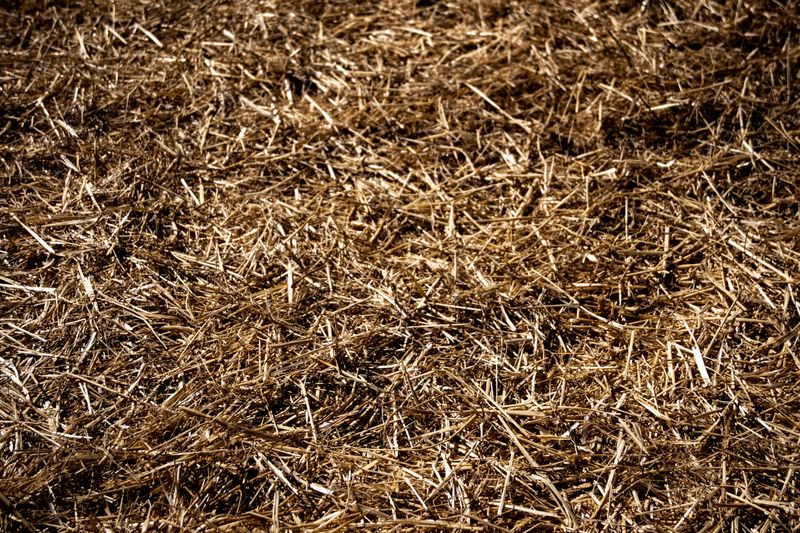
Pine straw alone is a strong defense, but pairing it with a pre-emergent herbicide makes it a much stronger defense. Pre-emergents stop weed seeds from sprouting before they ever become a problem.
Apply a granular pre-emergent in late February or early March in most North Carolina regions. Timing it before soil temperatures hit 55 degrees catches the window before spring weed seeds activate.
A second application in late summer, around August, targets fall germinating weeds like henbit and chickweed. Two applications per year covers the two main weed pressure seasons in this climate.
Landscape fabric under pine straw is a debated choice. It can help in low-maintenance areas, but it breaks down over time and can make future planting and root growth difficult.
Hand pulling weeds immediately when you spot them helps prevent seed production. One mature spurge plant can drop thousands of seeds before you even notice it growing in the bed.
Keeping bed edges clean and defined reduces weed migration from turf areas. A crisp edge cut two to three inches deep blocks grass rhizomes from creeping into your mulched zones.
Consistent monitoring is the real secret behind low-maintenance beds. A ten-minute walk-through every two weeks catches problems when they are still small and easy to address.
Pine straw too thin is often the starting point of a bigger weed problem. Stay ahead of coverage loss and your North Carolina beds will reward you with clean, sharp results all season long.