Save Ornamental Sweet Potato Vine From Frost In North Carolina With One Cutting
Summer in North Carolina ends like a slow song, all warm porch nights and buzzing cicadas. Then one crisp morning, the air bites your nose and the grass sparkles white.
Your flower pots looked amazing yesterday, spilling bright color over every edge. Today they look like someone dunked them in cold coffee.
Most folks shrug and toss the whole mess in the compost pile. But what if a little leftover summer could ride out winter on your kitchen counter?
You can do all of this without a greenhouse or any special gear, and a green thumb is not required. You just need a pair of scissors, a glass, and a bit of good timing.
Think of it as a tiny winter vacation for your favorite leafy friend. Frankly, it may end up getting more sunshine than you do until March.
One Snipped Stem Keeps The Whole Vine Going
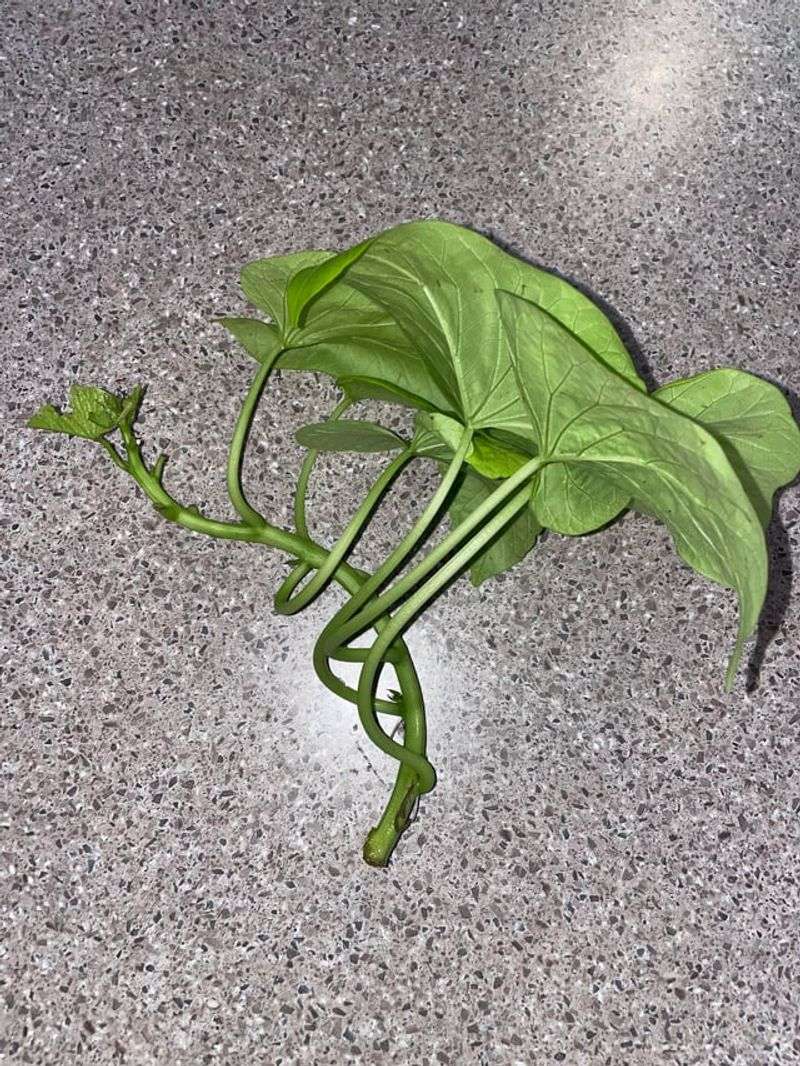
Picture your neighbor watching you clip one skinny stem and wondering what you are up to. Honestly, that little snip is the whole rescue plan.
Ornamental sweet potato vine is tender, so the first frost in North Carolina can turn its leaves dark and limp within a night. A single cutting, though, carries everything needed to grow a brand new plant.
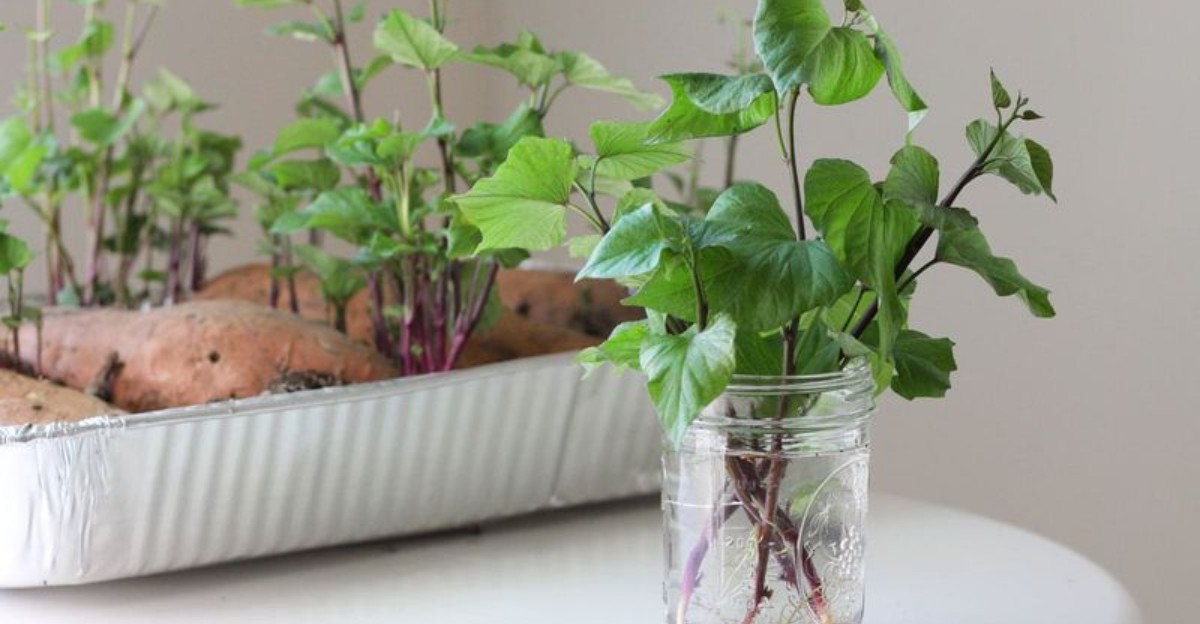
Pick a healthy stem about six inches long with at least three or four leaf nodes. Nodes are the small bumps where leaves attach, and roots sprout from those spots.
Choose a stem from the outer part of the plant where growth looks fresh and firm. Thin, floppy shoots tend to root slower than sturdy ones.
Snip just below a node using clean, sharp scissors or pruners. Pull off the lower leaves so nothing sits underwater and rots.
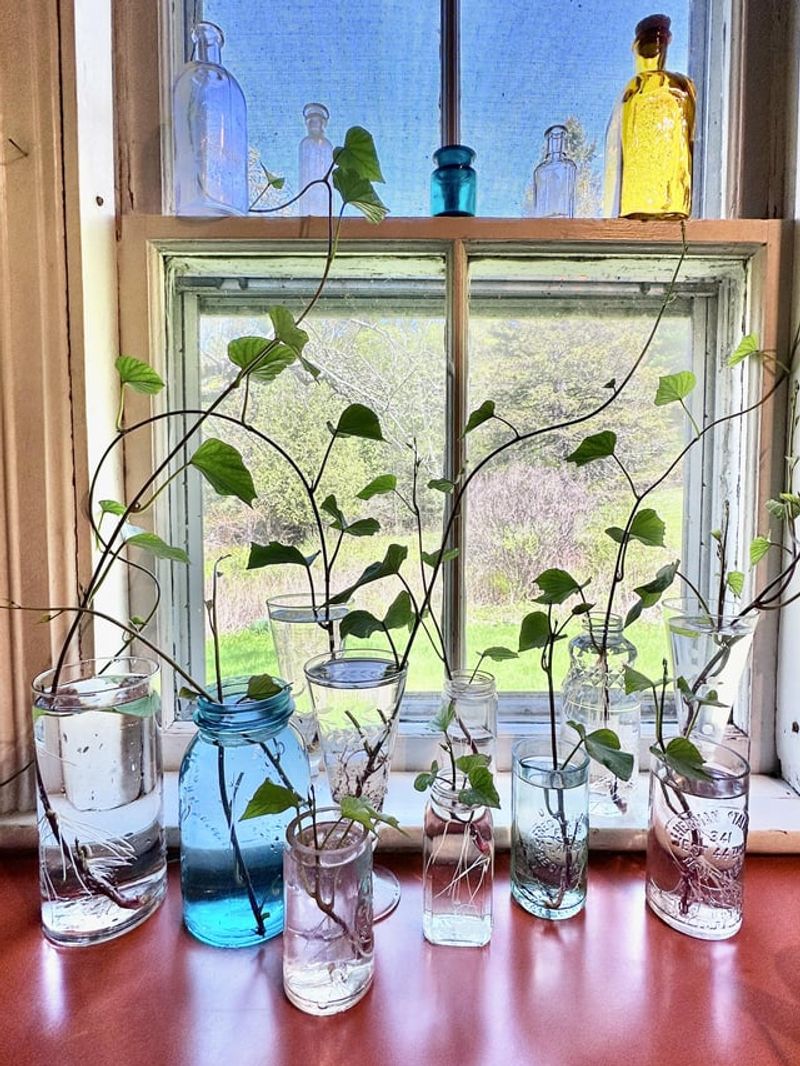
Drop the stem into a glass of plain water and set it near a bright window. Within a week or two, you should spot tiny white roots poking out.
A clear glass lets you watch the roots form and spot cloudy water early. Any clean jar or drinking glass works just as well.
Keep the water fresh by changing it every few days, especially if it looks cloudy. Your cutting can happily live indoors all winter as a cheerful houseplant.
Come spring, you will have a free plant ready for pots and garden beds. Not bad for about thirty seconds of work with a pair of scissors.
Carolina Cold Snaps Spell Trouble For Tender Leaves
Here is a fun fact to share at dinner: sweet potatoes come from tropical Central and South America. Their ornamental cousins kept that same love of warm weather.
Temperatures below about 50 degrees start to stress the vine, and growth slows to a crawl. When temperatures drop to 32 degrees or lower, ice crystals can form inside the leaves.
Those crystals damage the plant cells. By morning, lime green or deep purple foliage often turns limp and dark.
Cool nights alone can dull leaf color and slow new growth before any frost arrives. That is often the first sign the season is turning.
Your North Carolina Garden Changes Every Week. Your Plan Should Too.
Gardening in North Carolina changes quickly throughout the season. Every Friday you’ll receive a simple weekly plan showing exactly what to plant, prune, fertilize, harvest, and protect so you never miss the right timing.
North Carolina makes the timing tricky because weather changes so much across the state. Mountain towns like Boone can see frost by early October, while the coast often waits until November.
The Piedmont, around Raleigh, Greensboro, and Charlotte, usually lands somewhere in between. Late October to early November is a common first frost window for much of that region.
Cold air also sinks, so low spots in your yard may frost before the rest of the neighborhood. Plants near brick walls or patios stay a few degrees warmer on chilly nights.
Wind also matters, since a breezy night often keeps frost from settling. Still, calm and clear nights are the ones to watch.
Knowing your local average frost date gives you a head start on planning. Check with your county Cooperative Extension office for numbers that fit your exact area.
The Late September Snipping Window
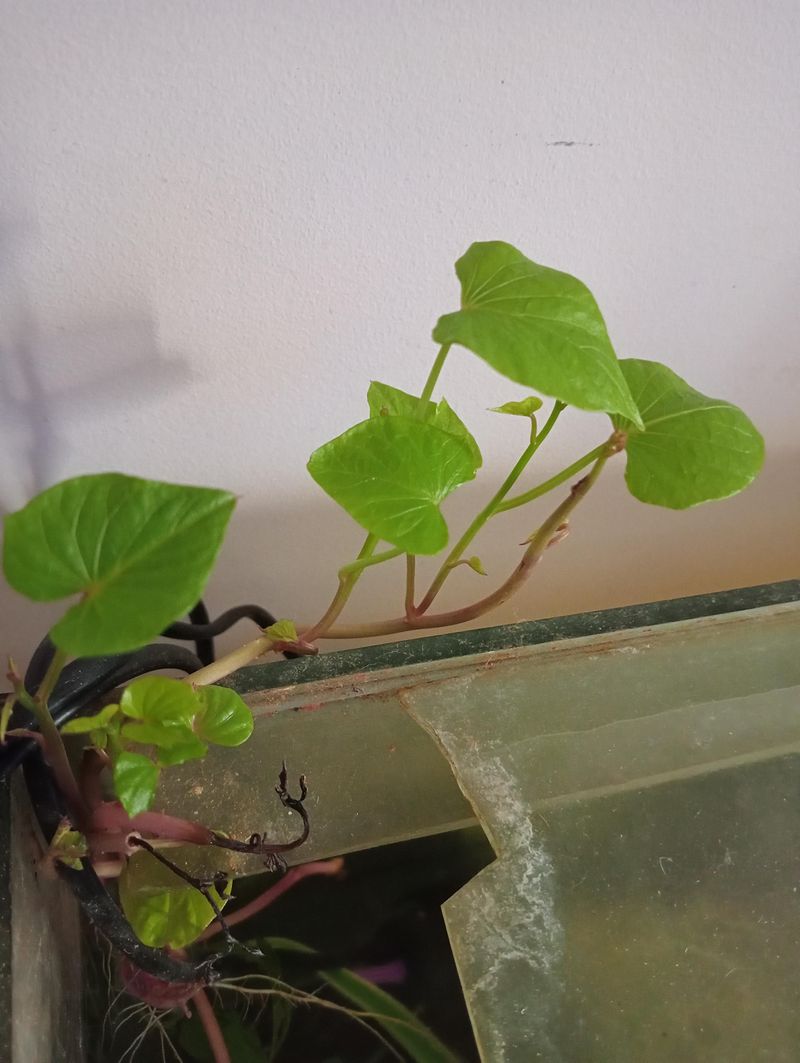
Think of late September as the golden hour for taking cuttings. Your vine is still lush from summer, and the stems are packed with energy.
Nights are cooling off, but the plant has not felt any real cold yet. That makes it the perfect moment to snip before stress sets in.
Vines that grew well all summer usually offer plenty of healthy stems to choose from. That makes it easier to pick only the best ones.
Cuttings taken from healthy, happy plants root faster and grow stronger. A stem already nipped by chilly air may struggle or rot in the water.
Aim to take your cutting on a mild morning after the plant has had a good drink. Stems full of water stay crisp and handle the move indoors much better.
Keep an eye on the ten day forecast as the month wraps up. If a surprise cold front shows lows in the forties, grab your scissors that same day.
Taking two or three cuttings instead of one is a smart backup plan. If one sulks, the others can carry the team.
Jot the date on each jar to track how long roots take. That way you know which cutting to check first.
Folks in the western mountains should move a little earlier, since frost can arrive there in early October. Gardeners near Wilmington or the Outer Banks can usually wait until mid October.
Either way, the goal is simple, which is to beat the frost by a comfortable margin. A few extra days of cushion beats a frantic midnight rescue with a flashlight.
The Classic Mistake Of Waiting Too Long
Every fall, someone promises to take a cutting ‘this weekend’ and then a cold snap sneaks in first. Maybe that someone was you last year, and that is okay.
Waiting until the leaves already look droopy is the most common slip. Frost-bitten stems turn soft and mushy, and they rarely root well.
Check for dark spots or soft patches before you snip, since even a stem that looks fine can hide chill damage. Skip any piece that feels limp in your fingers.
Another trap is grabbing the longest, fanciest stem on the plant. Long, woody pieces often rot before they root, so shorter and greener works better.
Some gardeners stuff a jar with too many stems at once. Crowded cuttings can spread bacteria quickly, and the water turns murky in a hurry.
Direct hot sun through a south window can also overheat a fresh cutting. Bright but indirect light keeps leaves perky while roots form.
Dull blades crush the stem and slow rooting. Sharp, clean scissors make a cleaner cut.
Then there is the forgotten jar on the back counter. Old, stale water loses oxygen, and stems can start to smell musty.
The fix for most of these goofs is simple attention. Set a phone reminder to check the jar and swap the water twice a week.
A little effort now saves you from buying new plants at the garden center next May. Your wallet will thank you, even if your calendar grumbles a bit.
A Glass Jar Of White Roots By Winter
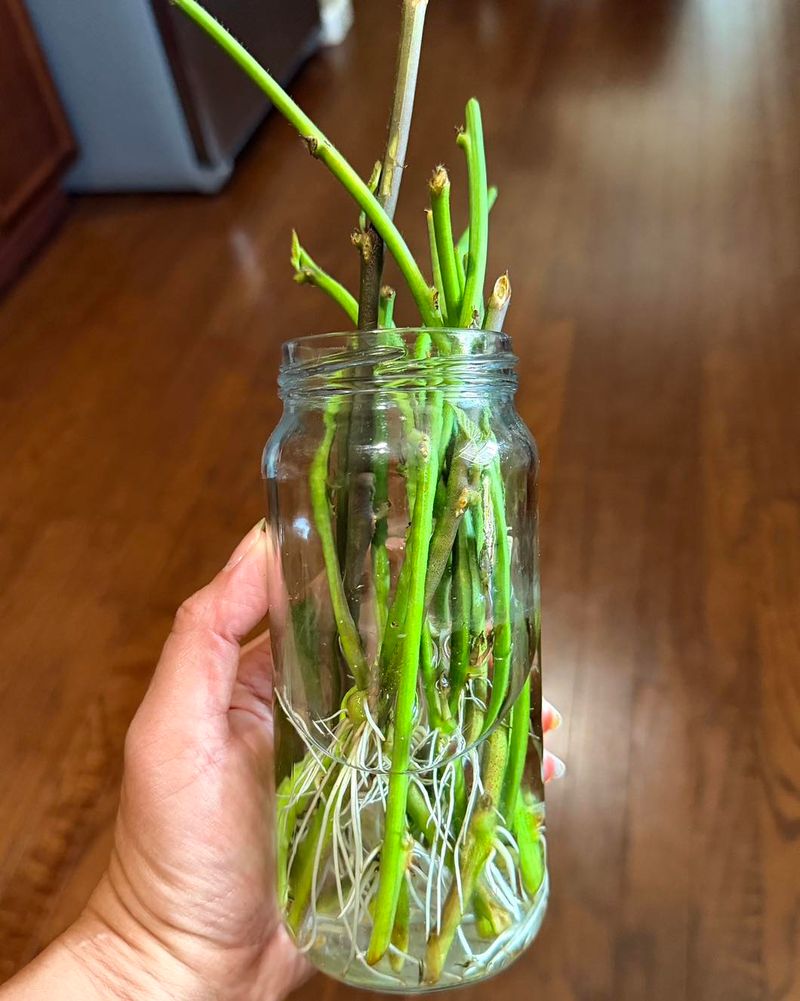
There is something magical about spotting the first white root curling through a glass jar. It feels like a secret the plant decided to share with you.
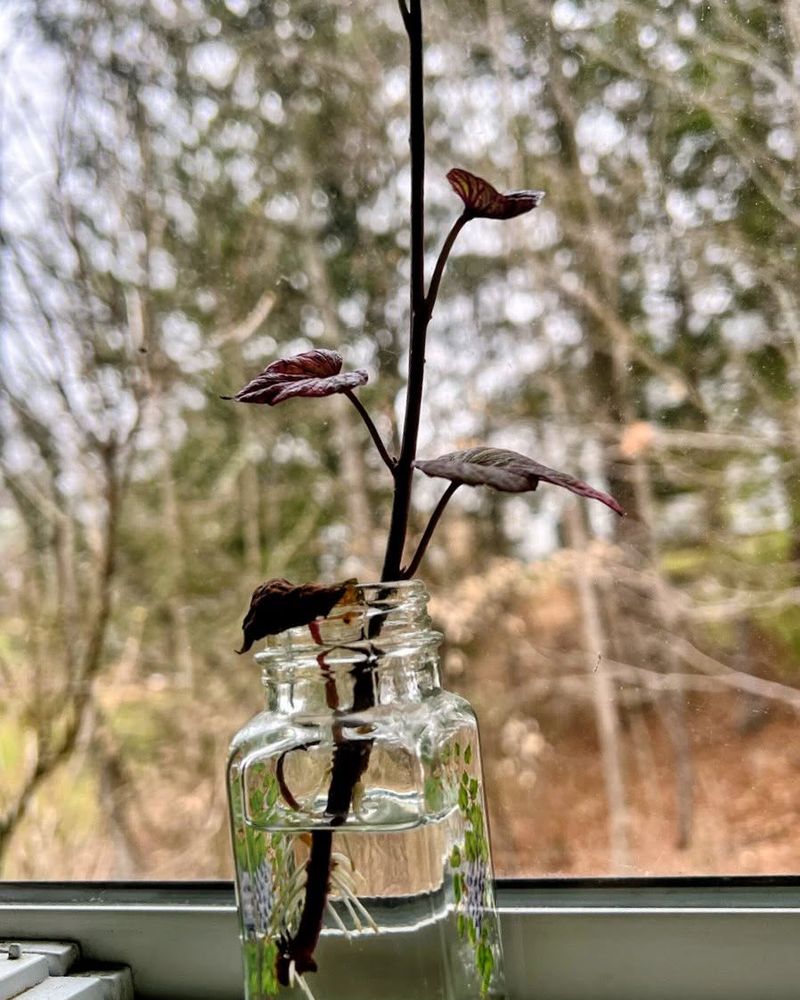
Most cuttings show roots within one to three weeks in a warm room. By early winter, many stems carry a thick tangle that looks like a fluffy beard.
At this point you can leave the vine in water or move it to a small pot. Use light, well draining potting mix and a container with a drainage hole.
Roots grown in water are thin and brittle, so handle them gently when potting. Keep the pot out of direct sun for a few days.
Water the soil lightly and let the top inch dry before watering again. Soggy soil in a cool house invites rot faster than you might think.
A sunny east or west window keeps the colors bright through short winter days. Pinch the growing tips now and then to keep the vine bushy instead of stringy.
Skip fertilizer until spring, since growth stays slow in low winter light. A light feeding once new leaves appear is plenty.
By March, you may even have enough growth to take new cuttings from your cutting. One stem can turn into several plants for spring containers.
Once nights stay above 55 degrees, usually late April or May in North Carolina, it is safe outdoors. Harden plants off by setting them outside a few hours each day for a week.
A Yearly Fall Cutting Habit For Future Frosts
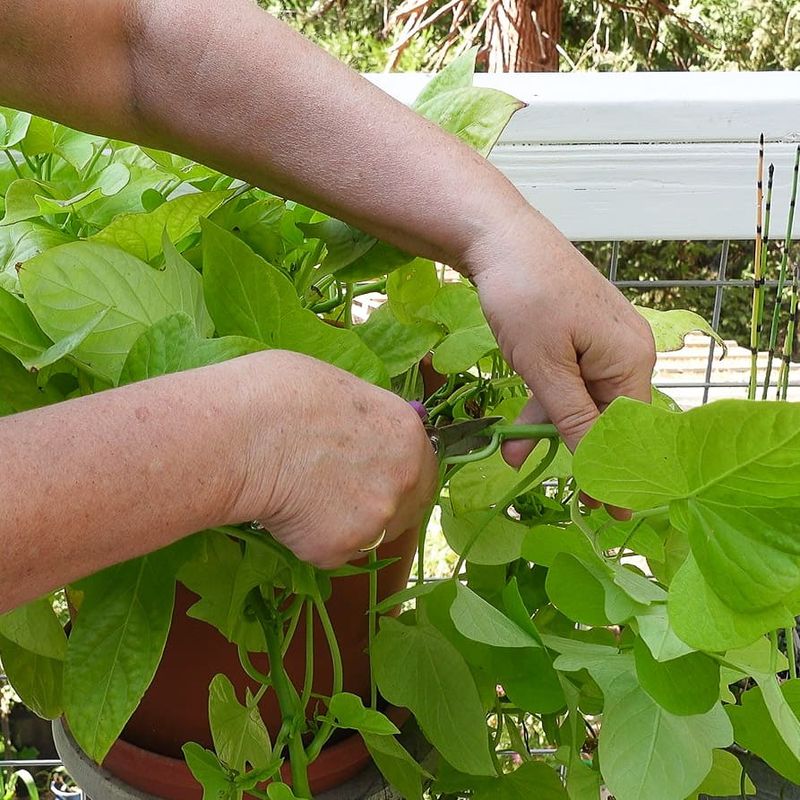
A good gardening habit is like brushing your teeth, easy once it becomes routine. Adding a fall cutting day to your calendar protects your favorite vines year after year.
Mark a date in late September and treat it like an appointment. Some families even make it a weekend project with kids helping snip and fill jars.
Labeling matters more than you would guess. Varieties like Marguerite, Blackie, and Sweet Caroline look alike as bare stems, so tape names to each jar.
A simple index card taped to each jar can hold the variety and the date you took the cutting. It also makes it easy to compare which ones root fastest.
Fun fact, the Sweet Caroline series was bred right here in North Carolina at NC State University. Saving those cuttings keeps a bit of local plant history on your windowsill.
Keep a small kit ready with clean scissors, isopropyl solution, and a few spare glass jars. Having supplies in one spot turns a chore into a five minute task.
For surprise early frosts, an old bedsheet thrown over outdoor pots buys a night or two. Skip plastic, since it touches leaves and can pass cold right through.
Cover pots before sunset and remove the sheet in the morning once temperatures climb above freezing. Warmth from the soil helps the cover hold heat overnight.
Watch the weather apps each fall and note your yard’s real first frost date in a notebook. Over a few years, you will learn roughly when your garden needs you.