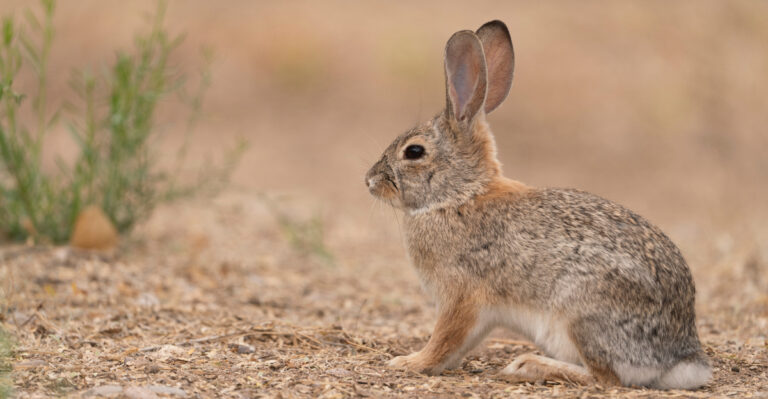
More Toads In Your Arizona Yard Means Fewer Pests (Here’s How To Attract Them)
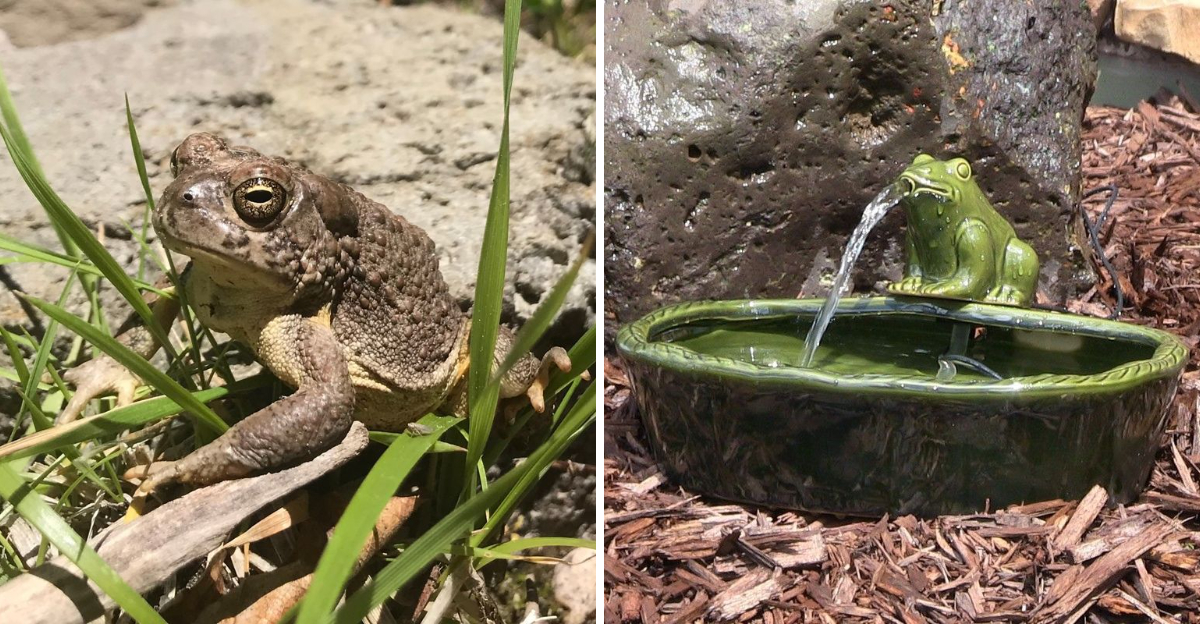
Finding a toad in your yard might surprise you at first. Many people barely notice them until one suddenly appears after sunset or following summer rain.
That quiet visitor is doing more than simply passing through. Toads spend their nights hunting insects and other small pests that would otherwise stay in your landscape.
A yard that attracts them usually offers the basics they need to survive.
Arizona gardens with shade, water, and safe hiding places often become regular stops for these helpful amphibians.
Many homeowners spend money trying to control pests without realizing nature already has an answer. A few simple changes can make your yard far more welcoming.
When toads decide to stay, you are likely to notice the difference long before you notice them again. They quietly go to work while you sleep.
1. Toads Feed On Many Common Garden Pests
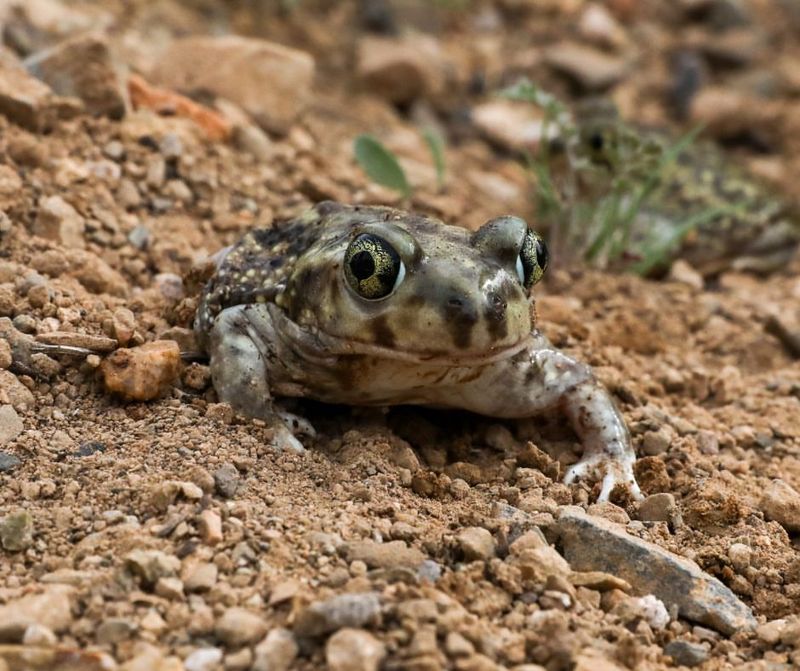
Toads are quiet, low-maintenance pest controllers that actually work. A healthy adult toad can eat a surprisingly large number of insects in a single night.
Beetles, earwigs, slugs, cutworms, and even roaches are all fair game.
Unlike chemical sprays, toads target live, moving prey. Slow-moving pests that hide near the soil surface are especially vulnerable.
Toads hunt at ground level, which is exactly where many damaging garden pests spend their time.
Cutworms, for example, can wreck young seedlings fast. Earwigs chew through leaves and soft stems.
Slugs can strip a plant overnight. Toads eat all of these without any effort from you.
Attracting even one or two toads to your yard can noticeably reduce pest pressure over time. Results vary based on your yard size and how many toads visit, but many gardeners report real differences.
You do not need a large pond or fancy setup to make it happen.
Toads are opportunistic feeders. They eat what is available and plentiful.
In a backyard full of beetles and roaches, a toad is going to stay busy and well-fed. That is exactly the kind of natural balance that makes gardening easier without reaching for a spray bottle every week.
2. Dense Ground Cover Creates Safe Hiding Places
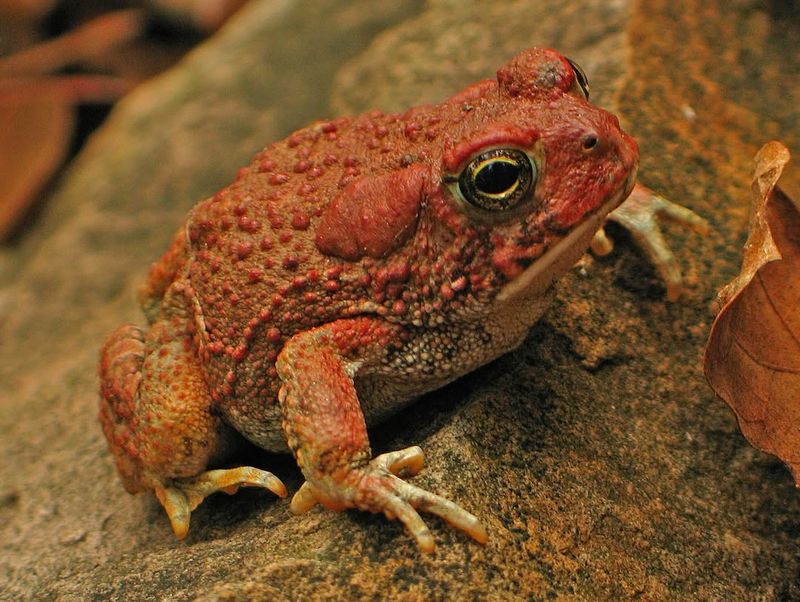
Safety is a top priority for toads. Without somewhere to hide, they will not stay in your yard for long.
Dense, low-growing plants give them the cover they need to feel secure during the day.
Native groundcovers work well because they tend to stay low and spread naturally. Plants like trailing rosemary, native grasses, or spreading verbena create a thick layer near the soil where toads can tuck in without being exposed.
Toads are prey animals, so cover matters a lot to them.
Rocks and logs also count as ground cover in a toad’s world. A flat rock propped up slightly, or a small log left on the ground, creates a natural hiding spot.
You do not need expensive landscaping to pull this off.
Avoid keeping your yard too tidy. Bare, open ground with no plant cover is not welcoming to toads.
A little wildness, like letting native plants fill in gaps, actually works in your favor here.
Your Arizona Garden Changes Every Week. Your Plan Should Too.
Gardening in Arizona changes quickly throughout the season. Every Friday you’ll receive a simple weekly plan showing exactly what to plant, prune, fertilize, harvest, and protect so you never miss the right timing.
Ground cover also helps retain soil moisture, which toads appreciate. Moist, shaded soil near plants is far more comfortable than hot, dry, exposed dirt.
In a warm climate, that cool layer under dense plants can be exactly what keeps a toad coming back to your yard night after night.
3. Leaf Litter Gives Toads Cool Daytime Shelter
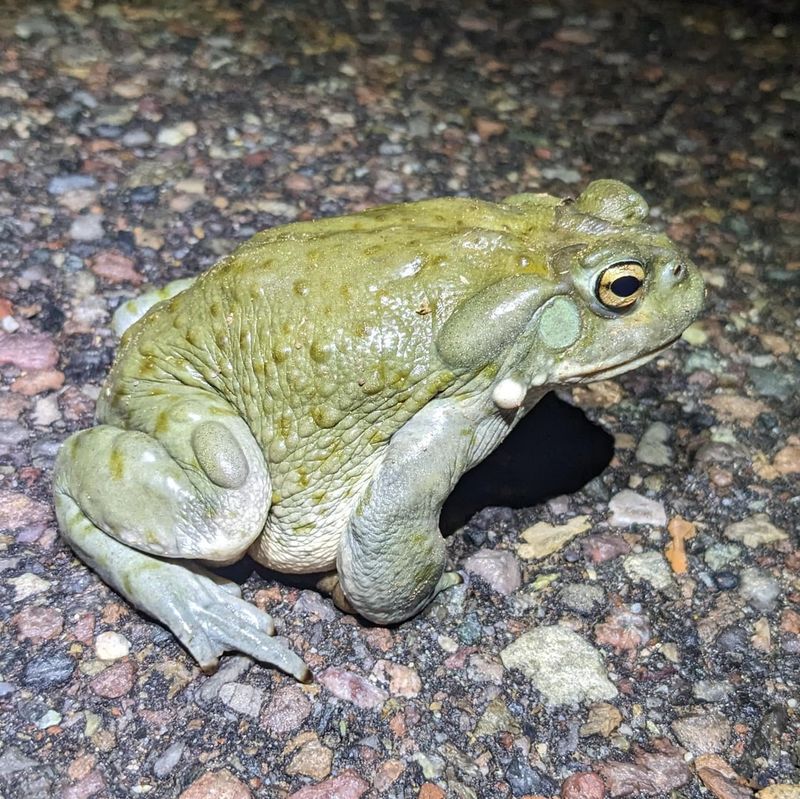
Leaf litter might look messy, but to a toad it looks like a perfect place to rest. Toads are nocturnal.
They hunt at night and spend most of the day resting somewhere cool, dark, and damp.
A pile of dry leaves in a shaded corner does exactly that. Leaves trap a little moisture and block direct sunlight.
The temperature under a leaf pile stays noticeably cooler than the surrounding soil on a hot afternoon.
Skipping the leaf blower in certain spots around your yard is one of the easiest things you can do. Let leaves accumulate under shrubs or along fence lines.
You do not need a large pile. Even a modest layer of leaves a few inches thick can make a usable shelter for a toad.
Leaf litter also supports insects and small invertebrates. That means toads hiding in leaf piles are often right next to their food source.
It creates a self-contained little ecosystem in a corner of your yard.
Avoid clearing leaf litter in late fall and early spring. Those are the times when toads in the region are most active and looking for shelter.
Leaving natural debris in place during those windows can help support toads through seasonal transitions without requiring any extra effort or special equipment from you.
4. Outdoor Lights Draw More Insects After Dark
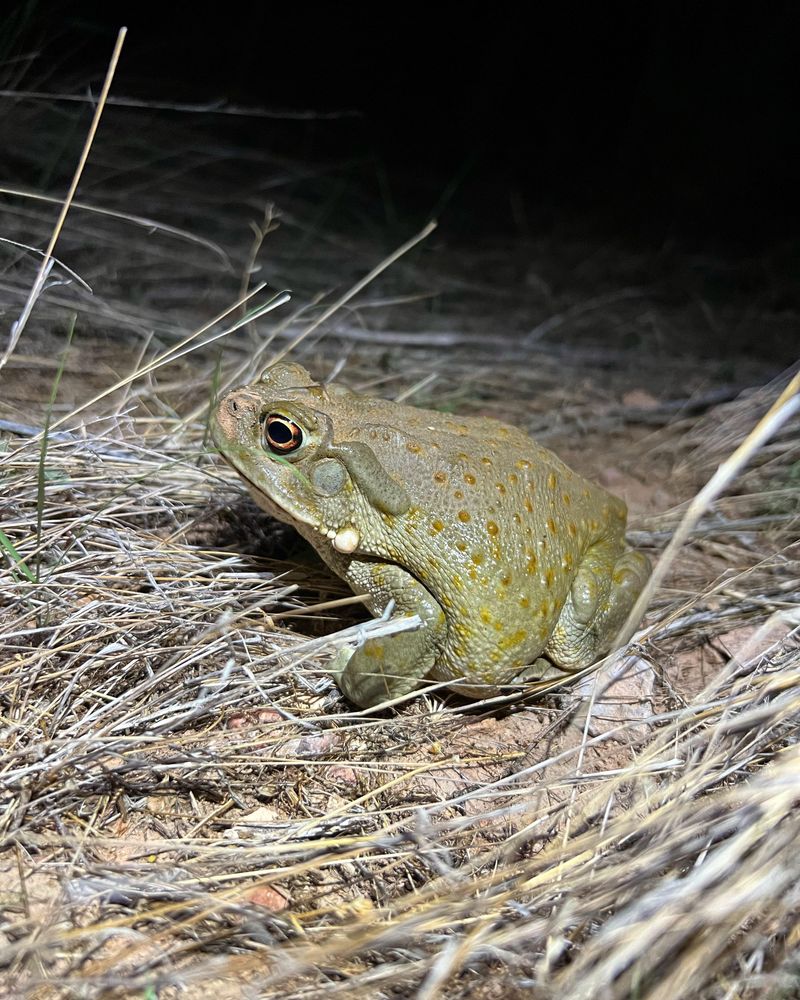
Outdoor lighting does something useful that most people overlook. Lights attract insects at night, and insects attract toads.
Positioning lights near ground level, or letting light spill onto a surface where toads can hunt, can turn your patio into a regular feeding spot.
Porch lights, path lights, and garden fixtures all pull in moths, gnats, beetles, and other flying insects. Toads figure this out quickly.
Once they learn that lights mean food, they tend to return to the same spots night after night.
Yellow or warm-toned bulbs attract fewer insects than bright white or blue-toned lights. If your goal is to support toads, brighter white lights near ground-level surfaces may actually work better for drawing in insect activity.
That said, consider light placement carefully since very bright lights near sleeping areas can be disruptive.
A simple setup works fine. A single path light near a garden bed or water source can be enough to create a reliable feeding zone.
Toads are not picky about the setup as long as food shows up.
Consistency helps. Lights that run on a timer and come on at the same time each night can help toads learn your yard’s patterns.
Over a season, you may notice the same toad returning to the same lit spot regularly.
5. A Shallow Water Source Brings More Toads
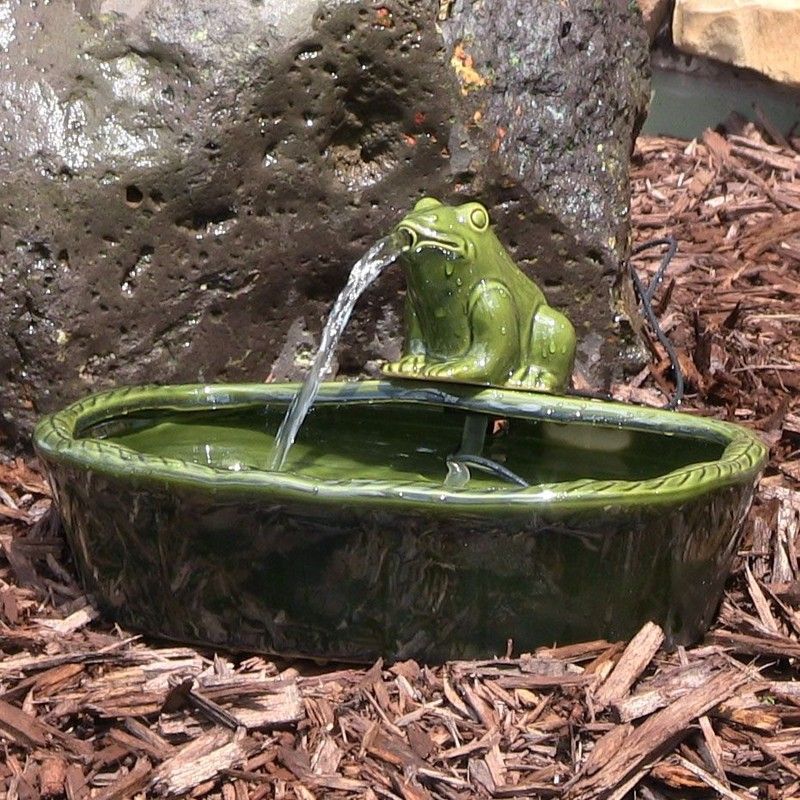
Water is the fastest way to attract toads to your yard. Toads do not drink through their mouths.
They absorb water through their skin, so a shallow dish or basin is all they need.
Place a wide, shallow container near ground level in a shaded spot. Bury it slightly so the rim sits near the soil surface, making it easy for a toad to climb in and soak.
Depth matters. Toads can struggle in water that is too deep.
Refresh the water every couple of days, especially in summer. Standing water gets warm fast in Arizona, and warm stagnant water is not appealing or safe for toads.
Clean, cool water keeps them coming back.
Avoid using treated tap water if possible. Chlorine and other additives can irritate a toad’s sensitive skin.
Letting tap water sit out for 24 hours before use can help reduce chemical levels, though filtered or collected rainwater is even better when available.
Position the water source near shelter, like a rock pile or dense shrubs. Toads like to feel safe while they hydrate.
A water dish sitting in the open with no cover nearby is less likely to be used regularly. Pairing water with shelter creates a setup toads actually want to visit.
6. Avoid Broad-Spectrum Pesticides Around The Yard
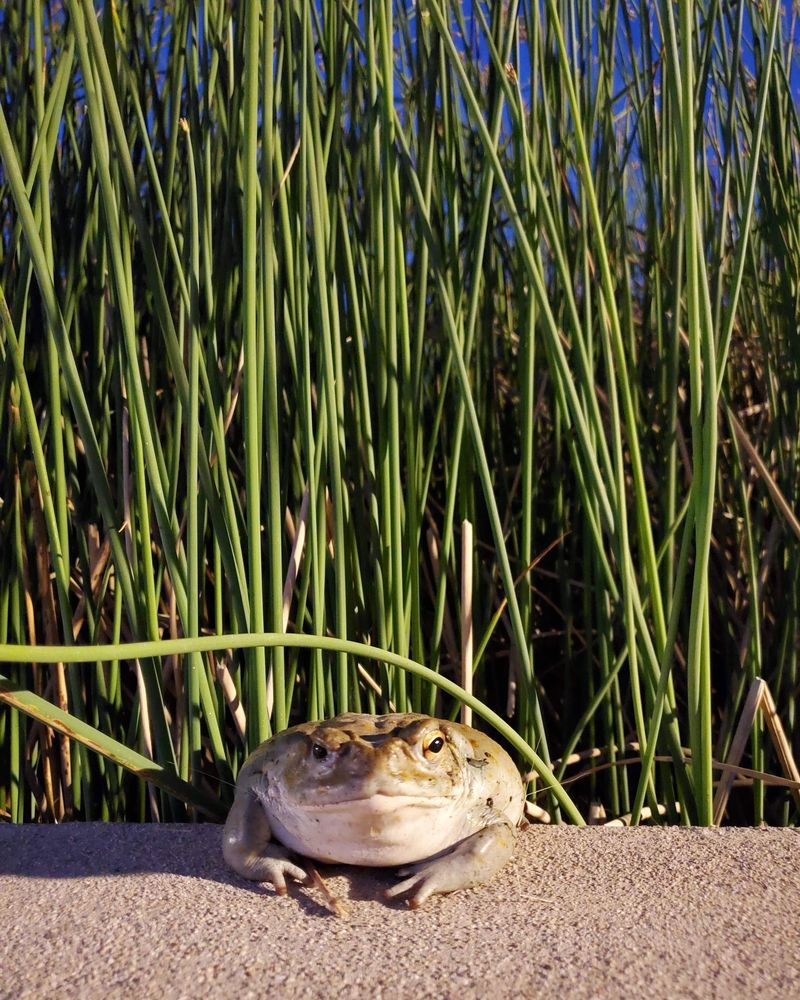
Broad-spectrum pesticides wipe out a wide range of insects, including the ones toads depend on for food. If your yard has no insects, toads have no reason to visit or stay.
Toads also absorb chemicals through their skin. Pesticide residue on soil, plants, or surfaces can affect them directly.
Even products that are not targeting toads can cause real problems when a toad moves through a treated area.
Spot treatments are a better approach when pest control is truly needed. Treating a specific problem area is far less disruptive than spraying an entire yard.
Targeted methods leave more of the insect population intact, which keeps the food chain working the way it should.
Natural pest control alternatives, like neem oil used carefully and selectively, tend to break down faster and affect a narrower range of organisms.
These options are not risk-free, but they are generally less likely to wipe out broad insect populations across your whole yard.
Letting toads handle pest pressure naturally takes patience. Results build over weeks and months, not overnight.
7. Keep Dogs Away From Wild Toads
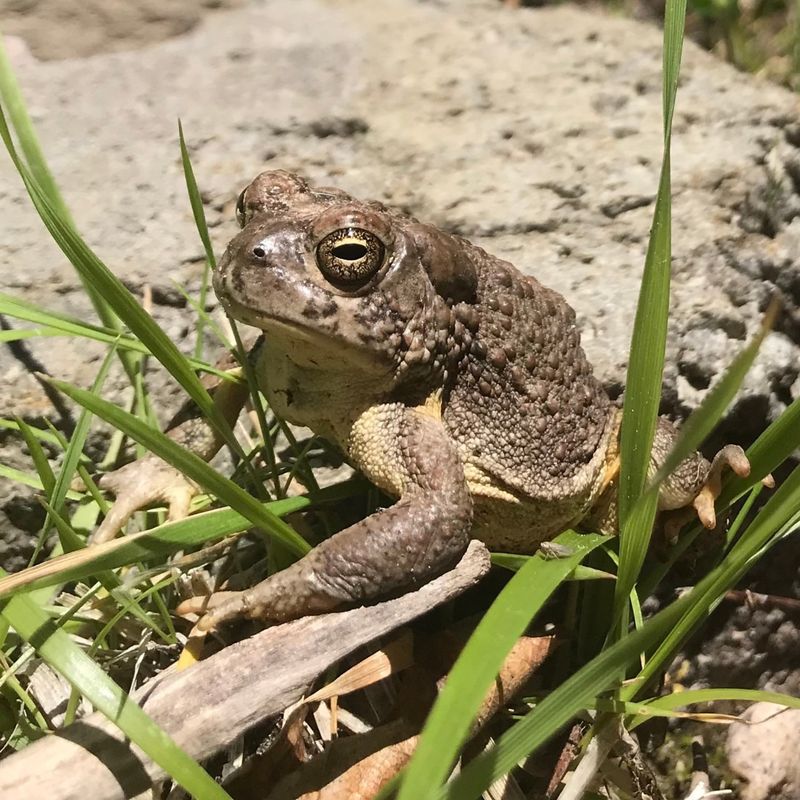
Dogs and toads are a combination worth managing carefully. Some toads found in the Southwest, including the Sonoran Desert toad, produce skin secretions that can cause serious reactions in dogs who mouth or lick them.
Symptoms in dogs can include drooling heavily, pawing at the mouth, acting disoriented, or vomiting. These reactions can range from mild to severe depending on the size of the dog and how much contact occurred.
Getting your dog away from the toad quickly and rinsing their mouth with water is the standard first response.
Keeping dogs on a leash during evening hours in the yard helps reduce unexpected encounters. Toads are most active after dark, especially following summer monsoon rains in Arizona.
That overlap between dog walking time and toad activity time is when most incidents happen.
Training dogs to respond to a reliable recall command is genuinely useful here. A dog that comes when called can be redirected before it gets too close to a toad on the ground.
Fencing off a section of your yard where toads are active is another practical option. A small fenced garden area where toads can roam freely, away from dogs, keeps both animals safer.