These Common Pennsylvania Yard Plants Could Soon Face Restrictions
Most Pennsylvania homeowners assume that if a plant is being sold at a garden center, it’s perfectly fine to grow. That assumption has been true for most plants throughout most of gardening history.
But Pennsylvania’s approach to invasive and ecologically harmful species has been shifting, and several plants that are currently common in residential landscapes across the state are under increasing scientific and regulatory scrutiny.
Some of them could face formal restrictions sooner than most people expect. The process by which a plant moves from freely available to regulated or prohibited in Pennsylvania has been accelerating as more research surfaces about the ecological damage certain ornamentals cause when they spread beyond cultivated settings.
And the plants on the watchlist right now are not obscure rarities. Several of them are genuinely common, widely planted, and sitting in yards across the state right now.
Knowing which plants are likely to face future restrictions gives homeowners a chance to make informed decisions before those restrictions arrive.
Here’s what’s currently under scrutiny and what Pennsylvania gardeners might want to start thinking about replacing now.
1. Butterfly Bush (Buddleia)
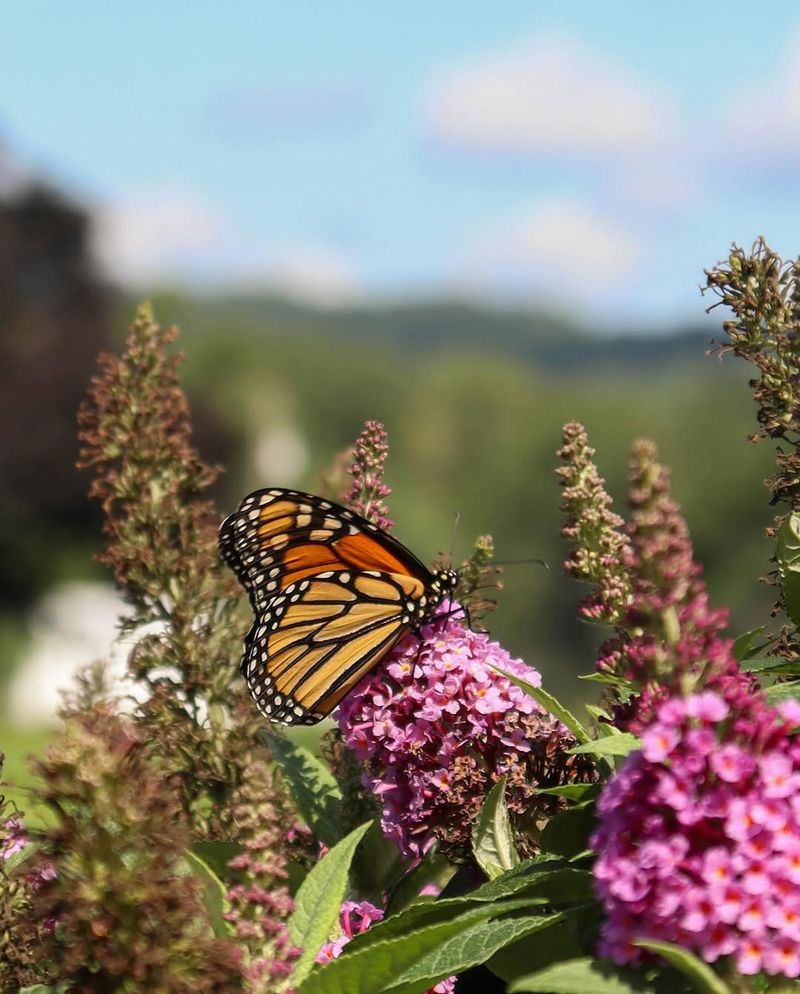
Walk through almost any Pennsylvania neighborhood in July and you will probably spot one. The butterfly bush, known scientifically as Buddleia, has long been a backyard favorite because of its tall, colorful flower spikes that attract butterflies and bees like a magnet.
It looks beautiful, it blooms all summer long, and it seems like a win for pollinators. So why is it now on Pennsylvania’s radar for possible restrictions?
The problem is that butterfly bush produces thousands of tiny seeds that travel easily on the wind. Once those seeds land in natural areas, the plant can establish itself quickly and push out native wildflowers that local wildlife actually depend on for food and shelter.
Unlike native plants, butterfly bush does not provide the right kind of nutrition for native caterpillars, even though adult butterflies visit the flowers. It draws pollinators in but does not give them the full support they need to complete their life cycles.
Pennsylvania’s invasive plant advisory committee is now evaluating the butterfly bush using the same process that eventually led to the banning of burning bush. That does not mean a ban is certain, but it does mean the state is taking the concern seriously.
If you already have butterfly bush in your yard, enjoy it while you plan ahead. Consider replacing it over time with native alternatives like Joe Pye weed, native coneflowers, or buttonbush.
These plants offer real, lasting support for local pollinators. Making the switch is easier than most gardeners expect, and native plants often require less watering and maintenance once they get established in your yard.
2. English Ivy
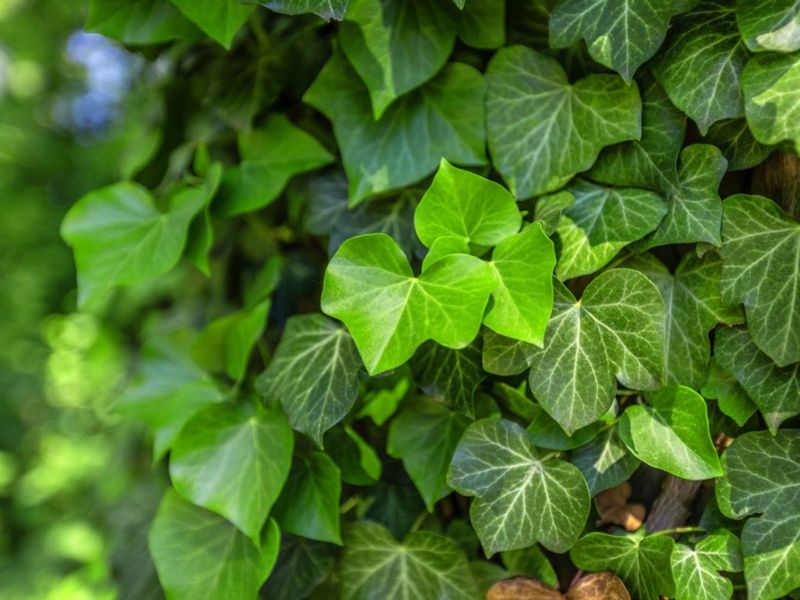
Few plants look as classic and charming as English ivy crawling up a stone wall or spreading neatly across a shaded garden bed. Homeowners have used it for generations as an easy, low-maintenance ground cover that stays green year-round.
Garden centers across Pennsylvania have sold it by the flat for decades. But underneath that tidy, elegant appearance, English ivy has a habit that has scientists and land managers very concerned.
Your Pennsylvania Garden Changes Every Week. Your Plan Should Too.
Gardening in Pennsylvania changes quickly throughout the season. Every Friday you’ll receive a simple weekly plan showing exactly what to plant, prune, fertilize, harvest, and protect so you never miss the right timing.
Once English ivy escapes a yard, it does not stop growing. It moves into forests, fields, and stream banks, forming thick mats that block sunlight from reaching the soil.
Native wildflowers, tree seedlings, and ground-level plants cannot survive under those heavy mats.
The ivy also climbs trees, adding so much weight that branches become unstable during storms. Over time, it can completely change the look and health of a natural woodland area.
Pennsylvania’s advisory group is now reviewing English ivy as part of a broader evaluation of plants that pose an invasive risk to the state’s ecosystems.
The review does not guarantee a ban, but it signals that the plant is being looked at much more carefully than before.
If you rely on English ivy as ground cover, now is a great time to explore alternatives. Native options like wild ginger, Pennsylvania sedge, or golden groundsel offer similar coverage with far less ecological risk.
Many of these alternatives also attract native insects and provide food for birds, something English ivy simply does not do.
Transitioning your garden away from invasive ground covers is one of the most impactful things a Pennsylvania homeowner can do for local wildlife.
3. Heavenly Bamboo (Nandina)
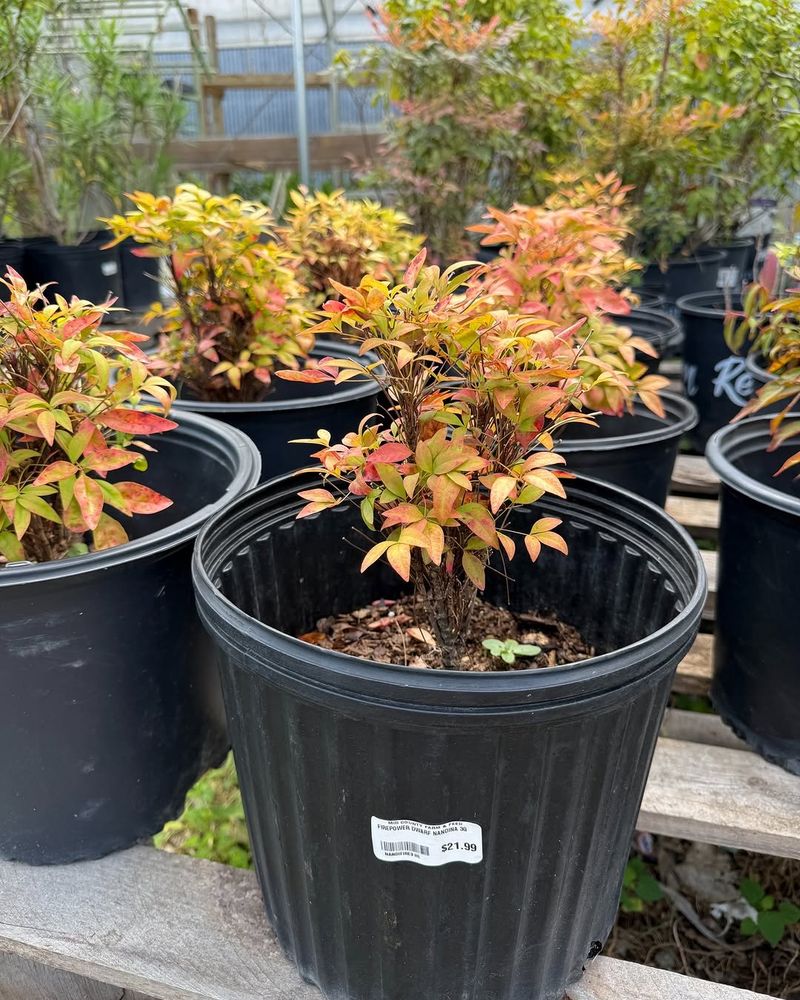
Bright red berries in the middle of winter sound like a gift to any garden. Heavenly bamboo, also called Nandina, has been a go-to landscape shrub for exactly that reason.
Its glossy leaves shift from green to deep red in cooler months, and those bold berry clusters add color when most other plants have gone quiet.
It is evergreen, low-maintenance, and widely available at nurseries across Pennsylvania. For a long time, it seemed like a perfect choice.
But heavenly bamboo has a darker side that is now getting more attention from plant scientists. The berries contain compounds that can be harmful to birds that eat them in large quantities, particularly smaller songbirds like cedar waxwings.
Beyond that concern, the plant spreads through those same berries, which birds carry into natural areas. Once established outside of cultivated gardens, Nandina can form dense thickets that push out native shrubs and understory plants.
Pennsylvania has added heavenly bamboo to its watch list alongside other ornamental shrubs that were widely sold before their invasive traits were well understood. The evaluation process is still ongoing, but the trend is clear.
Gardeners who love the look of winter color have plenty of native alternatives to consider. Winterberry holly, native viburnums, and American beautyberry all offer striking seasonal interest while actually supporting local birds and insects.
Some of these native shrubs are even easier to grow than Nandina once they get settled in. Swapping out heavenly bamboo for a native alternative does not mean giving up on a beautiful winter garden.
It means building one that gives back to the ecosystem around your home, which is a trade most gardeners feel great about making.
4. Norway Maple
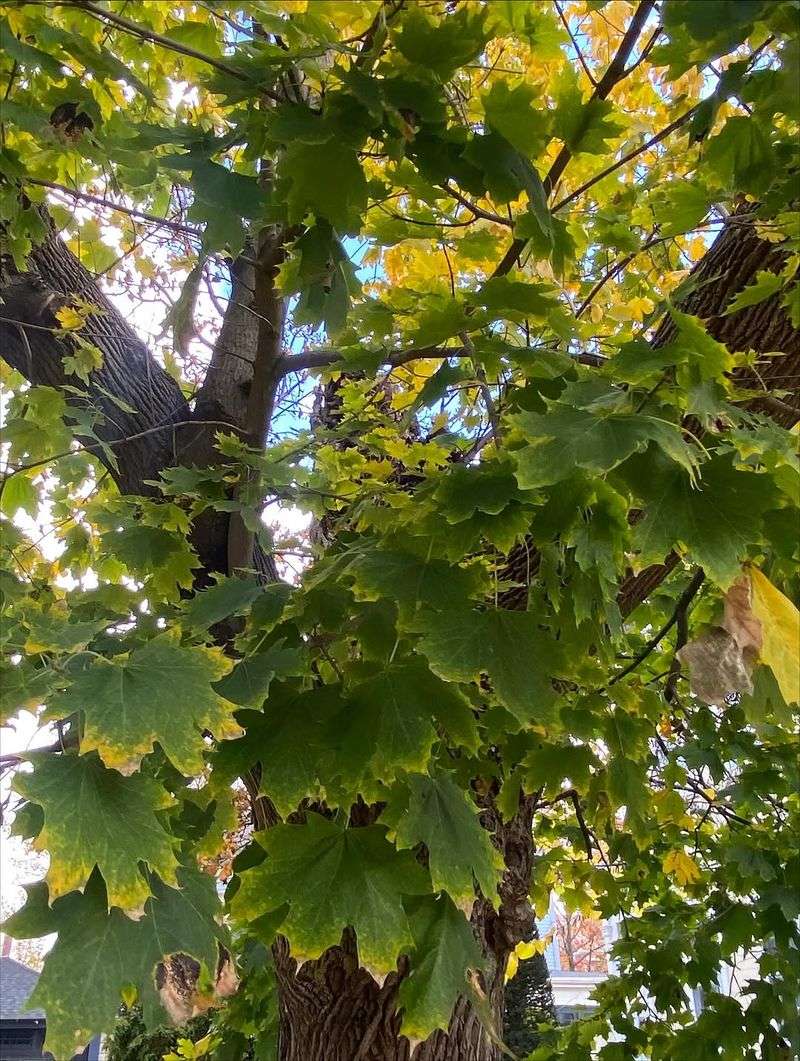
Norway maple has shaded Pennsylvania streets and backyards for well over a century. It was planted everywhere because it grows fast, tolerates poor soil, handles city pollution, and provides thick, reliable shade.
Many homeowners grew up playing under Norway maples and see them as a natural part of the landscape.
But this tree is now one of the species specifically named in Pennsylvania’s evaluation process for potential noxious weed status, and that is a significant development.
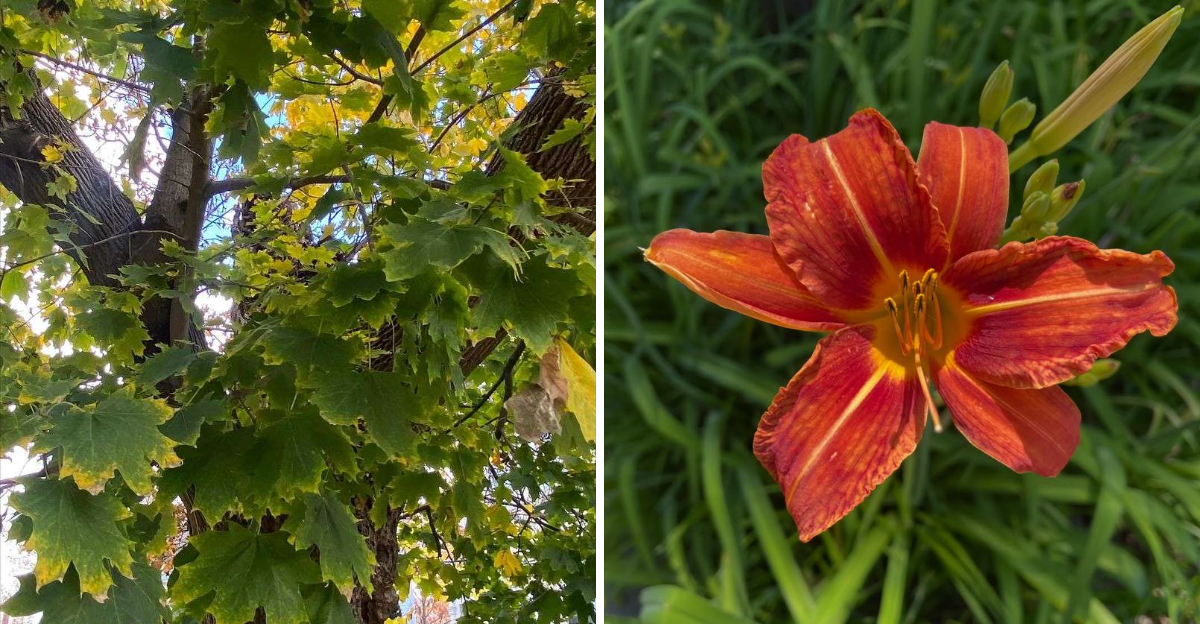
The reason comes down to seeds. Norway maple produces an enormous number of winged seeds, called samaras, that spin down from the tree and travel far on the breeze.
Those seeds germinate readily in forests, stream edges, and natural open spaces. Once Norway maple seedlings take hold in a woodland understory, they grow quickly and block out the light that native wildflowers and tree seedlings need.
Over time, Norway maple can completely reshape the composition of a forest, crowding out oaks, maples, and native shrubs that local wildlife depends on.
Norway maple also leafs out earlier in spring and holds its leaves later into fall than most native trees. That extended canopy season makes it even harder for native understory plants to get the sunlight they need.
If you have a Norway maple in your yard, you do not need to panic right now. The evaluation process takes time, and existing trees are handled differently than new plantings in most regulatory frameworks.
But if you are thinking about planting a new shade tree, consider native alternatives like sugar maple, red maple, or tulip poplar. These trees provide gorgeous shade, support local food webs, and will not raise any red flags with future state regulations.
5. Japanese And Chinese Wisteria
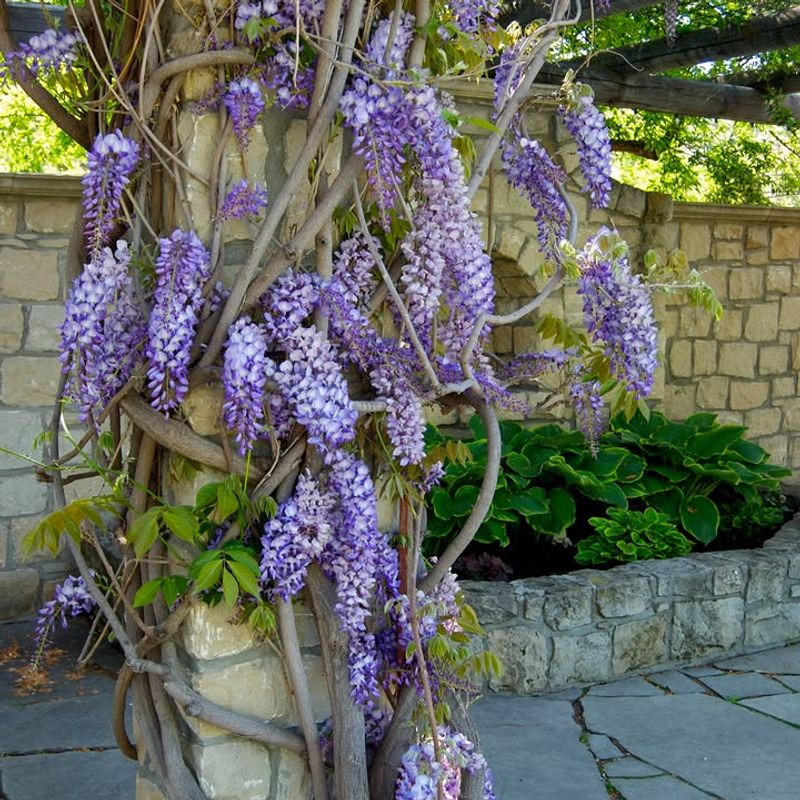
There is nothing quite like the sight of wisteria in full bloom. Those long, cascading clusters of purple or white flowers have a dreamlike quality that makes people stop and stare every spring.
Japanese wisteria and Chinese wisteria have been planted on fences, pergolas, and trellises across Pennsylvania for generations. Many gardeners consider them among the most beautiful vines available.
That beauty, though, comes with a serious catch that is now drawing official attention. Both Japanese and Chinese wisteria are vigorous growers, and that is putting it mildly. These vines can grow up to ten feet in a single season.
They wrap tightly around trees and shrubs, sometimes girdling them so severely that the supporting plant struggles to survive. When wisteria escapes into natural areas, it climbs into tree canopies and smothers everything beneath it.
It spreads through both seeds and underground runners, which makes it very difficult to remove once it is established.
Pennsylvania’s invasive plant review committee has placed both species on its consideration list, following the same pattern seen with other ornamental vines that were widely sold before their invasive potential was fully understood.
If you love the look of wisteria, there is good news. American wisteria, native to the eastern United States, offers nearly identical floral beauty with far less aggressive growth. It is available at many native plant nurseries and garden centers.
Making the switch to American wisteria lets you keep that stunning spring display while protecting nearby trees and natural areas.
Gardeners who have made the change often say the native version is actually easier to manage, which is a bonus worth considering before the state’s evaluation process reaches its conclusion.
6. Orange Daylily (Hemerocallis Fulva)
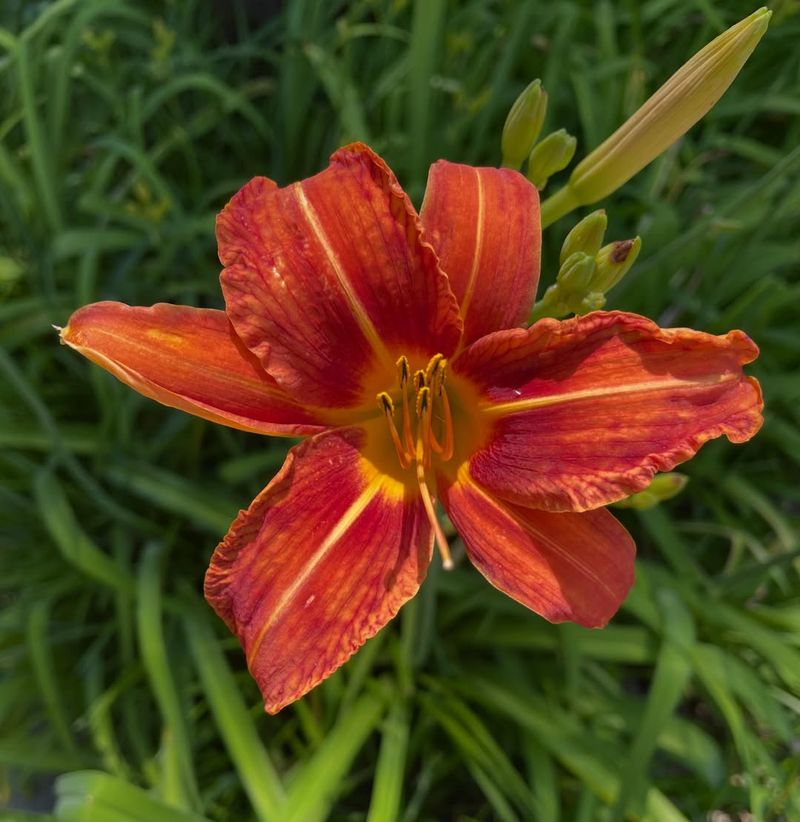
Almost every Pennsylvania gardener knows this flower. The orange daylily, sometimes called the ditch lily or tawny daylily, blooms in brilliant bursts of orange every summer along roadsides, fence lines, and garden edges from one end of the state to the other.
It is one of those plants that people have always assumed was just part of the natural landscape. Many gardeners inherited clumps of it from previous owners and never gave it a second thought.
That familiarity is exactly what makes its inclusion on Pennsylvania’s review list so surprising to so many people.
Hemerocallis fulva is not a native plant, even though it feels like one. It was brought over from Asia centuries ago and has naturalized so thoroughly that it now appears almost everywhere.
The plant spreads aggressively through its underground tubers, forming thick colonies that push out native wildflowers like trillium, wild geranium, and native grasses.
Once a colony gets going, it can be very difficult to remove without persistent effort over multiple growing seasons.
The fact that it is on Pennsylvania’s review list does not mean you will be forced to remove it from your yard tomorrow. The evaluation process is still ongoing, and common garden plants often face a longer timeline before any formal action is taken.
Still, it is worth thinking about reducing its spread by removing spent blooms before they set seed and dividing clumps regularly to control growth.
If you want to replace some of it, native alternatives like orange coneflower, black-eyed Susan, or wild columbine provide cheerful color while actually feeding native bees, butterflies, and birds.
Small changes in your garden can make a big difference for Pennsylvania’s native ecosystems.