The Rose Task That Triggers A Second Bloom Flush In Virginia Gardens

Your roses stopped blooming, and nobody warned you. Petals dropped fast, then silence took over your roses. Nothing about your fading is permanent or final.
Virginia gardens still reach your roses every summer. Blooms fade because your rose thinks its job finished. Snipping a single spent bloom changes your entire bush.
Roots respond, stems thicken, and your buds start forming. Timing decides whether your effort pays off at all. Cutting wrong costs weeks you cannot get back.
Watering deeply afterward tells your plant to keep growing. Heat tests your hesitation, especially in Virginia’s summer air. Precision becomes your biggest advantage right now.
Feeding your bush right after cutting speeds up recovery. Gardeners who master this trick harvest your stunning encore. Otherwise your roses wait through the rest of August.
Every gardener underestimates what your effort truly earns. Once you see what a single cut can trigger, you cannot look away.
Why Roses Stop Blooming By Mid-Summer
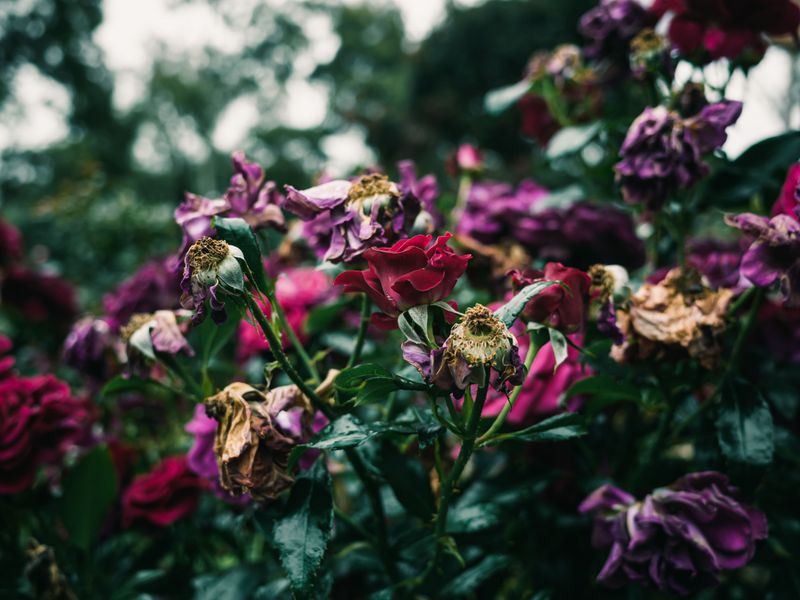
Roses put most of their energy into an early spring bloom cycle. They put most of their energy into that first bloom flush, and then growth slows down.
When a rose flower fades, the plant shifts gears fast. It stops making new blooms and starts making seeds instead.
That swelling lump forming below the old petals? That is called a rose hip. The plant thinks its job is done.
Biologically speaking, the rose is following a survival script. Producing seeds is a key reproductive goal for flowering plants in the wild.
The problem is that you do not want seeds. You want more flowers. These two goals are in direct conflict.
Heat also plays a role in the summer slowdown. Virginia summers are humid and intense, which stresses roses and slows new bud formation.
Some gardeners assume their roses are struggling with disease or pests when blooms stop. Often, the real answer is much simpler than that.
The rose task that triggers a second bloom flush in Virginia gardens is straightforward. Interrupt the seed-making process, and the plant redirects its energy back toward flowering.
Once you understand why blooming stops, the fix makes perfect sense. Knowing the cause makes the solution feel less like a chore and more like a conversation with your plant.
The Spent Bloom Trim Virginia Gardeners Swear By
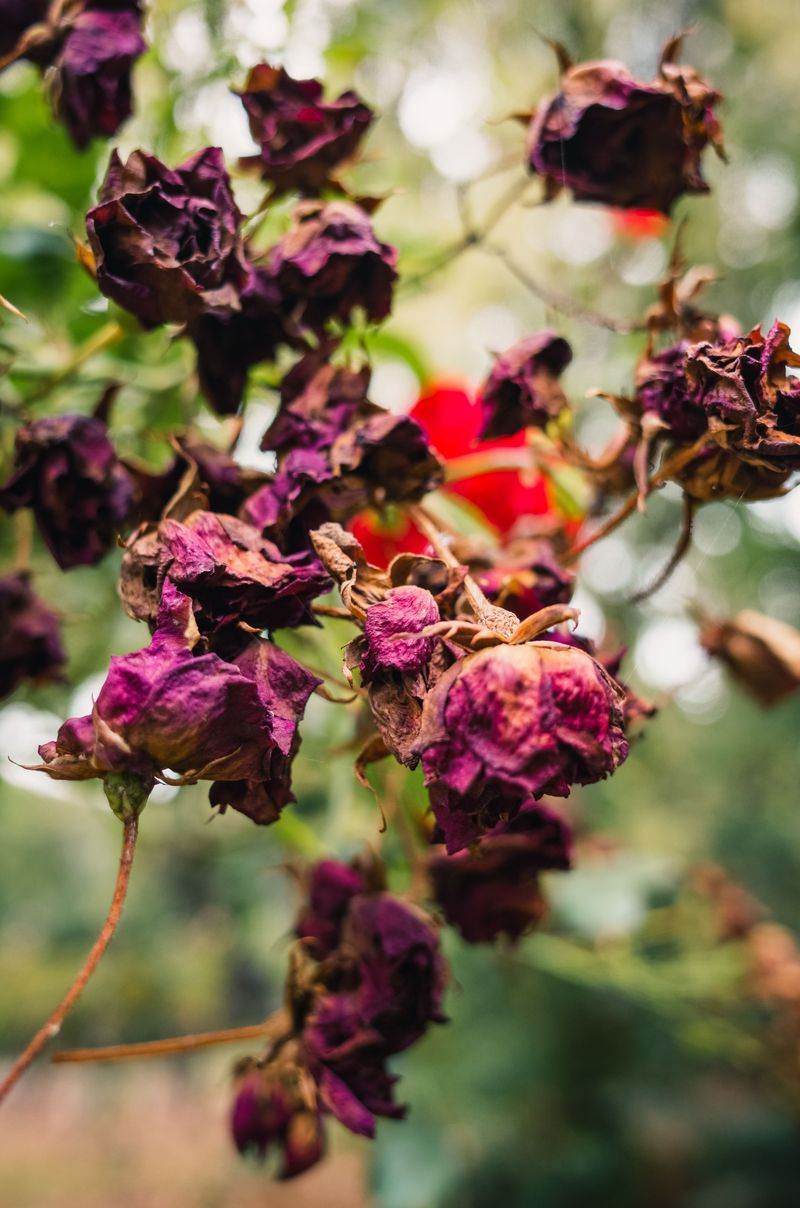
Many seasoned Virginia rose growers point to the same technique. Trimming is a technique many gardeners rely on to keep roses performing through the season.
Trimming simply means removing flowers that have finished blooming. It sounds basic, but the technique matters more than most people realize.
Grabbing the old bloom and yanking it off is not the right approach. A clean cut with sharp pruning shears is what you want every single time.
Dull blades crush the stem instead of cutting it cleanly. Crushed stems invite disease and slow the plant’s recovery after pruning.
Before you cut, wipe your shears with rubbing alcohol. This one habit stops the spread of fungal spores from one bush to another.
Your Virginia Garden Changes Every Week. Your Plan Should Too.
Gardening in Virginia changes quickly throughout the season. Every Friday you’ll receive a simple weekly plan showing exactly what to plant, prune, fertilize, harvest, and protect so you never miss the right timing.
The rose task that triggers a second bloom flush in Virginia gardens depends heavily on where you make that cut. Snipping just below the bloom is not enough to get results.
You need to cut deeper into the stem to signal the plant to regroup. A shallow snip does not send a strong enough message to the root system.
Many Virginia gardeners have used this method successfully season after season. Their reward is a garden bursting with fresh color in late August and September.
Consistency is what separates a good rose season from a great one. Trim regularly, and the blooms will keep coming back stronger each time.
Timing For Maximum Fall Blooms
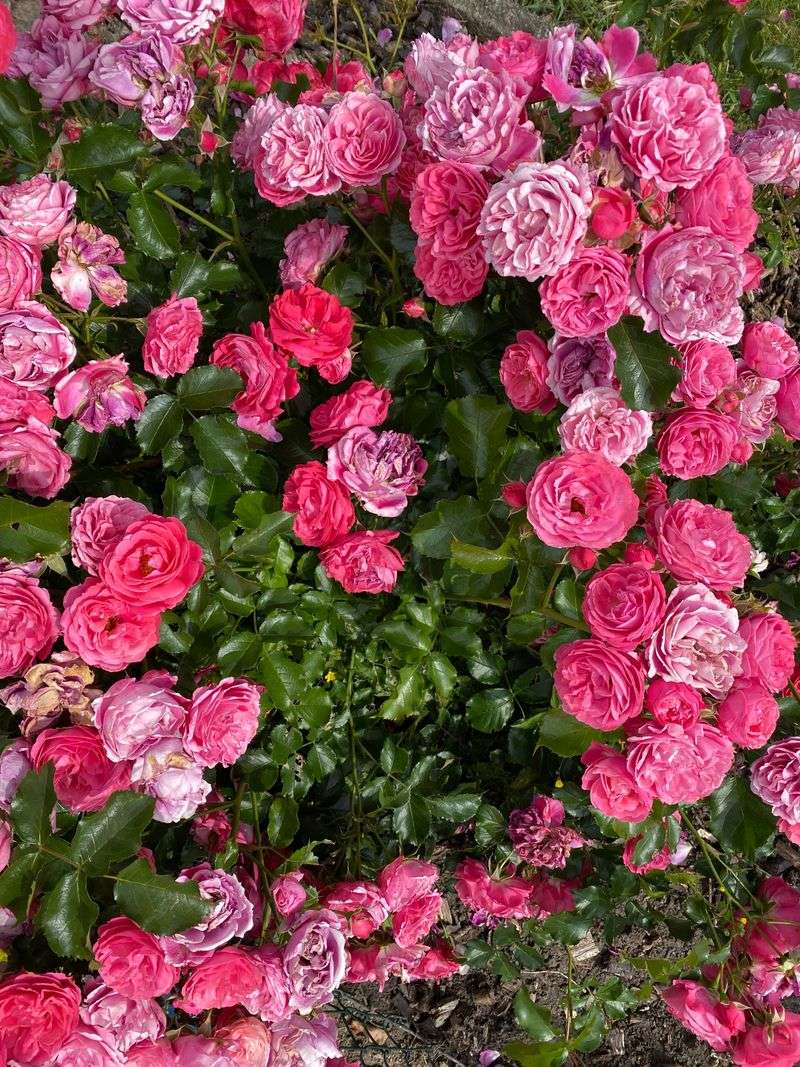
Timing your cuts is just as important as making them correctly. Cut too late in the season, and your roses will not have enough time to rebound before frost.
In most parts of Virginia, late July through early August is generally considered a good window for trimming to trigger a fall flush, though local conditions vary.
Roses typically need several weeks, often around six to eight, from a fresh cut to open new blooms, depending on variety and conditions. Plan backward from your first expected frost date to find your cutoff point.
Most of central Virginia typically sees its first frost sometime between mid-October and early November, though this varies by year.
Northern Virginia gardeners near the Blue Ridge foothills may see frost a bit earlier. Coastal areas near Hampton Roads often enjoy a longer growing window.
Keep an eye on your local extension service forecasts for the most accurate frost predictions. Guessing wrong can mean trimming too late and missing the second flush entirely.
Morning is the best time of day to make your cuts. Stems are hydrated and firm in the early hours, which helps them heal faster after pruning.
Avoid trimming during a heat wave or drought stress period. Stressed plants need their energy for survival, not for launching new flower cycles.
Nail the timing, and fall will reward you with blooms that truly stand out. Roses often look especially vivid against September’s cooler light.
Finding The Right Five-Leaflet Leaf Set
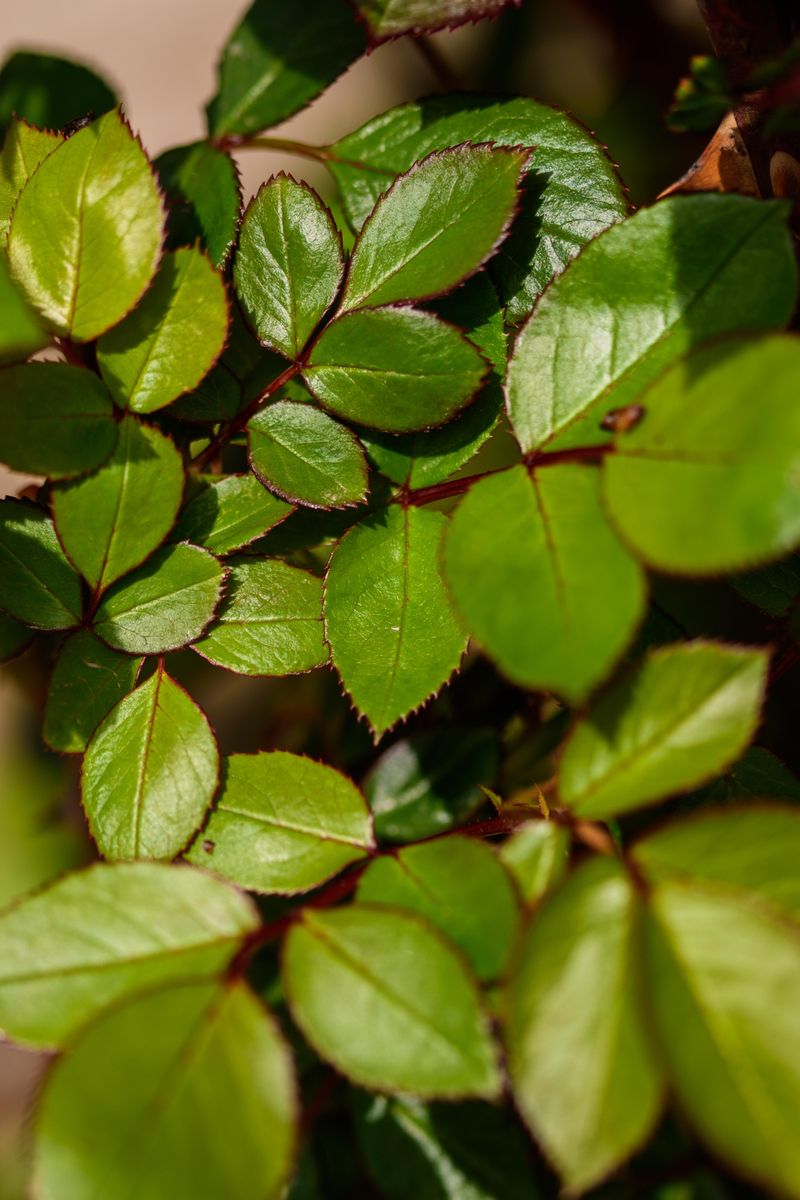
Here is where a lot of gardeners go wrong, even experienced ones. Cutting to the right spot on the stem is the difference between a quick rebloom and a long wait.
Look down the stem below the spent flower. You will notice leaves with either three leaflets or five leaflets attached at each junction.
Always cut just above a five-leaflet leaf set. That node has the energy and hormonal signals needed to push out a strong new shoot.
Three-leaflet sets are weaker growth points. Cuts made above them tend to produce thin, spindly stems that struggle to support full blooms.
The five-leaflet set closest to the bloom is your target. Make your cut at a 45-degree angle, about a quarter inch above that leaf junction.
The angled cut matters because it sheds water away from the stem. Flat cuts hold moisture and can invite rot into the fresh wound.
On newly planted roses or younger bushes, cut a bit more conservatively. Removing too much stem from an immature plant can set it back instead of pushing it forward.
Established plants that are several years old can handle deeper cuts. They have stronger root systems and more stored energy to recover quickly.
Practice makes this step feel natural after just one or two sessions. Soon, spotting that five-leaflet set will become second nature on every walk through your garden.
Get this detail right, and the rose task that triggers a second bloom flush in Virginia gardens becomes more consistent.
Feeding And Watering After The Cut
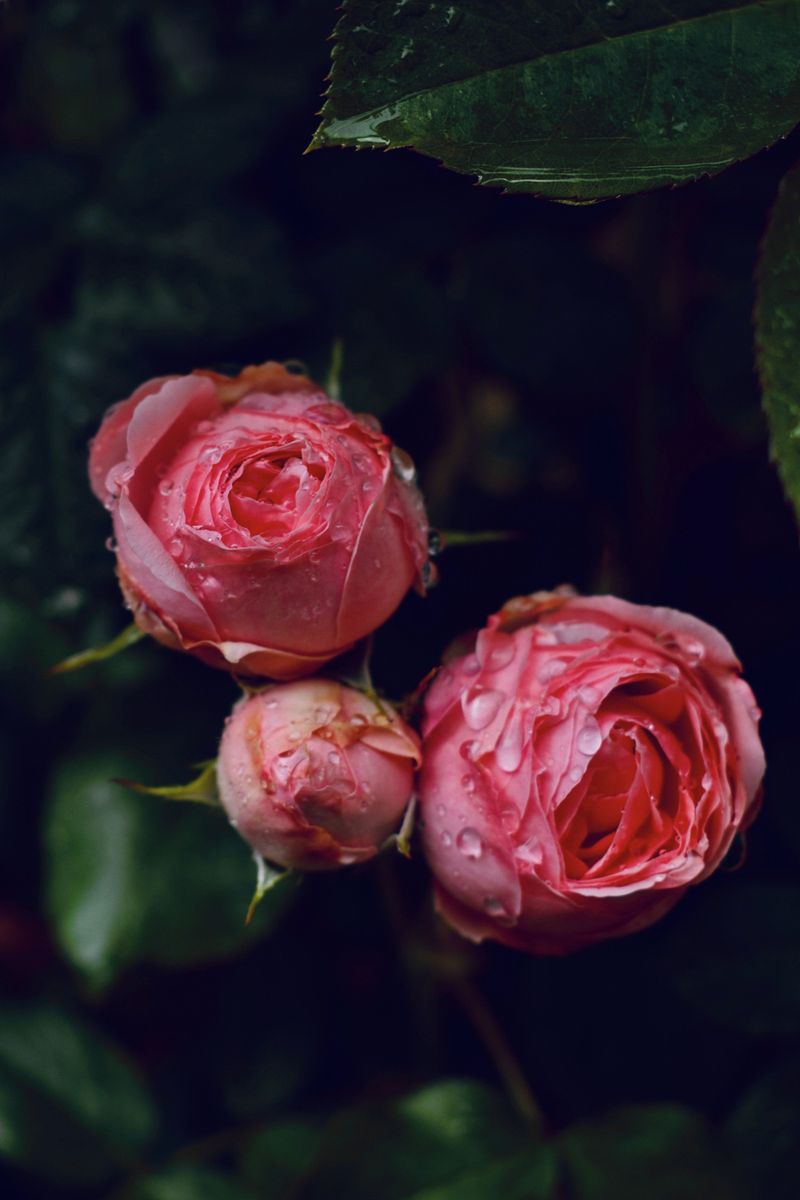
Cutting spent blooms is only half the job. What you do in the days right after that cut determines how fast your roses bounce back.
The plant, much like the body after exertion, needs resources and hydration to recover before producing new growth.
Water deeply right after trimming, soaking the soil around the base of the bush. Shallow watering encourages weak surface roots that cannot support heavy bloom production.
Aim for at least an inch of water per week during the post-cut recovery period. In Virginia’s humid summers, rainfall sometimes covers this, but do not count on it.
Fertilizing after the cut gives roses the nutrients they need to form new buds. A balanced rose fertilizer with phosphorus supports strong bloom development from the ground up.
Apply fertilizer according to the package directions, and never over-apply. Too much nitrogen at this stage pushes leafy green growth instead of flowers.
Liquid fertilizers tend to act faster than granular ones, often being absorbed more quickly by the plant.
Mulching around the base helps lock in moisture and keeps soil temperature stable. A two-inch layer of wood chips or bark is all you need.
Skip the fertilizer if a heat wave is coming within the next few days. Feeding stressed plants during extreme heat can burn roots and slow recovery.
Proper aftercare turns a good pruning cut into a more reliable second bloom. Treat your roses well after the trim, and they will show off for you.
What To Expect From Your Second Bloom Flush
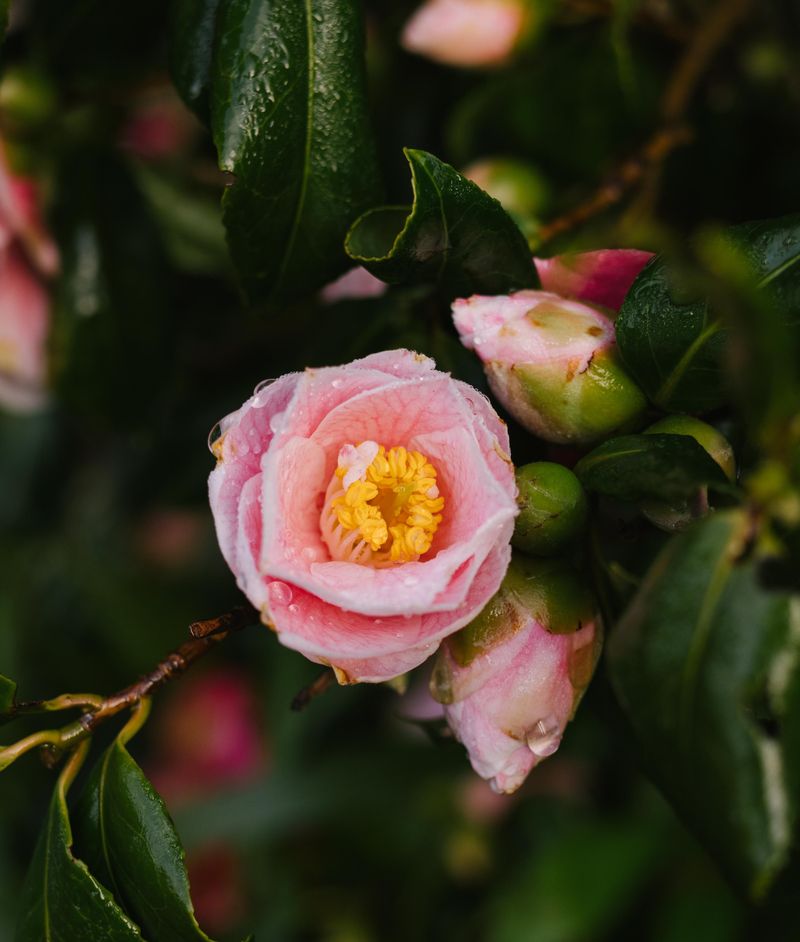
Patience is your best tool after removing spent blooms. Roses do not rush, and expecting blooms overnight will only lead to frustration.
Most repeat-blooming varieties will show new bud swells within two to three weeks of a good cut. Seeing those tiny green nubs appear is a welcome sign of new growth.
The second flush is often different from the first in a few interesting ways. Blooms tend to be slightly smaller but more richly colored in cooler fall temperatures.
Fragrance is often noted as stronger in the fall flush, which some gardeners attribute to cooler nights slowing the evaporation of essential oils.
Not every rose variety responds equally well to spent-bloom removal. Hybrid teas, grandifloras, and floribundas are the most reliable reblooming types in the mid-Atlantic region.
Old garden roses and single-bloom climbers will not rebloom no matter how many cuts you make. Knowing your variety saves a lot of effort and disappointment.
The rose task that triggers a second bloom flush in Virginia gardens works best on healthy, well-established plants. Newly planted roses in their first season may only produce a modest follow-up flush.
Enjoy the second bloom season without rushing to trim spent blooms again too aggressively. Let some blooms develop naturally as the season winds toward frost.
When those fall flowers finally open against a crisp September morning, you will understand why gardeners keep coming back to this practice. Your roses earned that moment, and so did you.