The Native Virginia Evergreen That Gives Mouse-Hunting Owls A Place To Roost
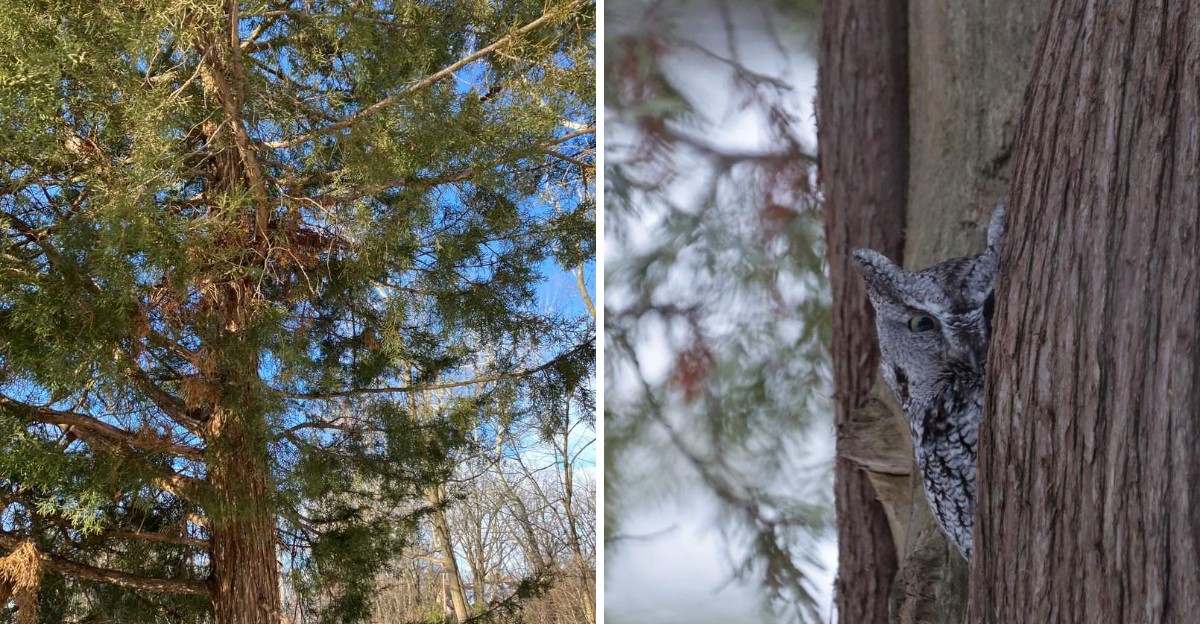
Somewhere in a quiet Virginia yard, a small gray owl is snoozing in plain sight. You could walk right past it and never notice a single feather.
Its hiding spot is a prickly, fragrant evergreen that many people overlook. The tree smells like a freshly sharpened pencil and stays green through the coldest weeks of the year.
Owls use it for shelter, while songbirds flock to its berries. The mice nibbling your garden, on the other hand, may start to regret moving in.
Picture chilly nights, soft trills drifting over the fence, and a tiny hunter watching from a hidden branch. The right tree can make your yard a welcome base for these helpful night hunters.
The guide below reveals which native evergreen does the trick and how to use it wisely. You’ll also find a few surprising mistakes worth avoiding along the way.
Eastern Red Cedar Is The Native To Know
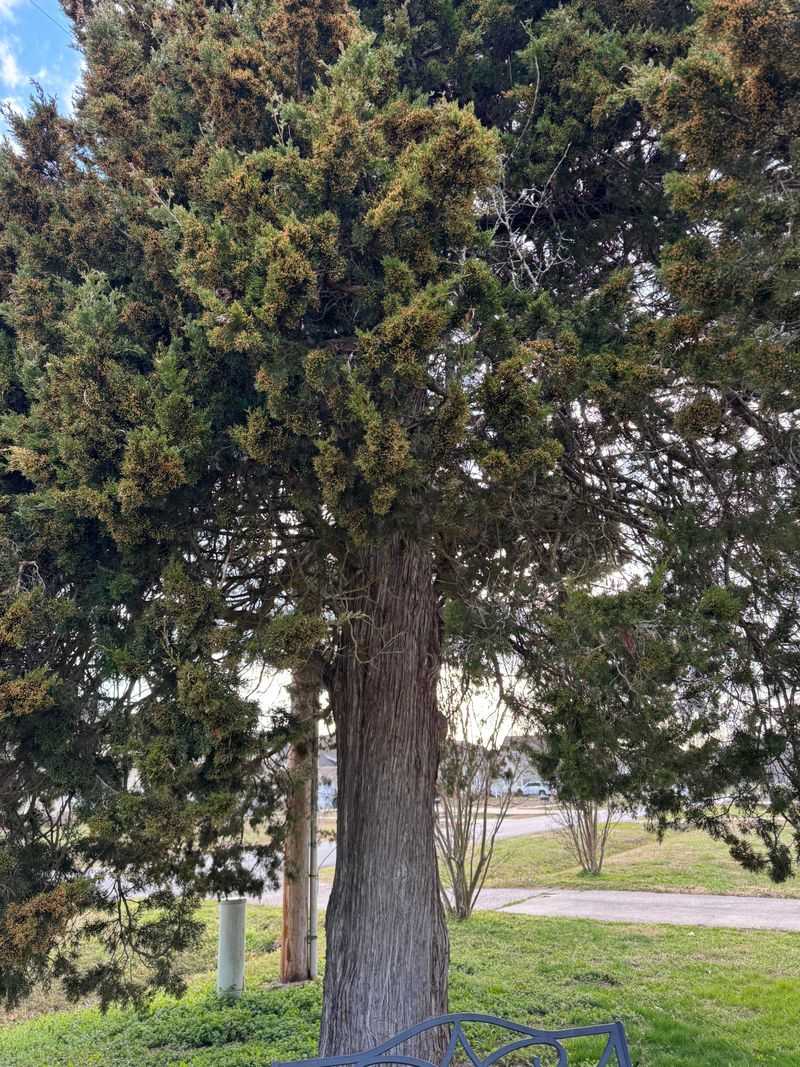
Drive any back road in Virginia, and you will spot tall, pointy evergreens along the fence lines. Most of them are Eastern Red Cedars, one of the most common native trees in the state.
Scientists call the tree Juniperus virginiana, a name that honors Virginia itself. Despite the common name, it is actually a juniper and belongs to the cypress family.
Its natural range stretches from Nova Scotia down to Florida. Westward, it reaches Texas and the Great Plains, so it handles many climates.
Young trees grow in a neat pyramid shape, like a green party hat. With age, the crown often spreads out and turns a bit wild and irregular.
Most red cedars reach 30 to 40 feet tall in a typical yard. A few old giants in the wild can top 90 feet, which is quite a sight.
Look closely at the leaves, and you will notice two different types. New shoots carry sharp, needle-like leaves, while older branches wear tiny, overlapping scales.
The bark is another easy clue for spotting one. It is reddish brown and peels away in long, stringy strips you can pull gently with your fingers.
Crush a sprig, and you will smell a clean, woodsy scent. Cedar chests and pencils once relied heavily on this wood for that same pleasant aroma.
Knowing these features helps you pick the right tree at a nursery. Ask for Juniperus virginiana by name to avoid mix-ups with non-native look-alikes.
Once you learn to recognize it, you may realize owl-friendly cover already grows nearby. Your neighborhood could be full of hidden roosting spots.
Its Dense Branches Hide Roosting Owls By Day
Imagine trying to nap all day while crows and hawks cruise past your bed. Owls deal with that problem every morning, so a hidden bedroom matters a lot.
Red cedar branches grow thick and tight, forming a leafy wall. Sunlight barely peeks through, and prying eyes have a hard time seeing inside.
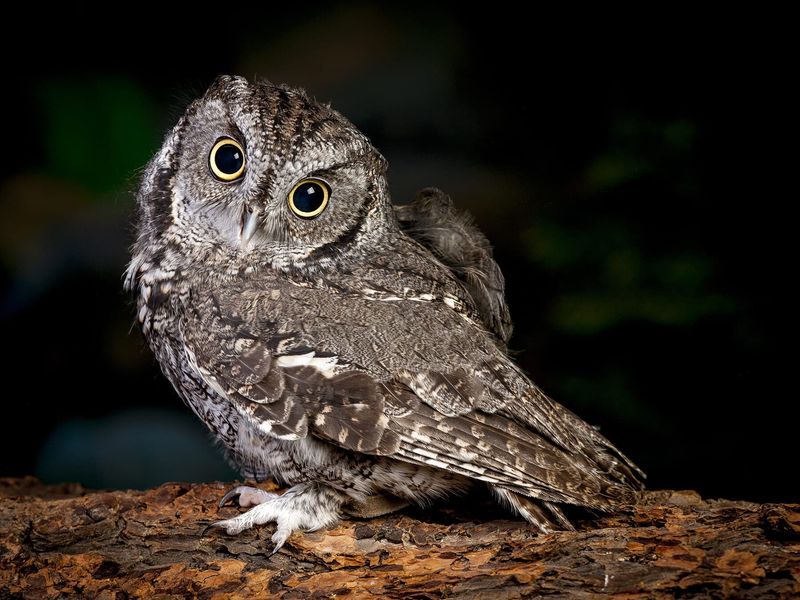
Eastern Screech Owls seem to love these trees for daytime roosting. Their gray or reddish feathers blend nicely with the shadowy trunk and stringy bark.
Your Virginia Garden Changes Every Week. Your Plan Should Too.
Gardening in Virginia changes quickly throughout the season. Every Friday you’ll receive a simple weekly plan showing exactly what to plant, prune, fertilize, harvest, and protect so you never miss the right timing.
Hiding well keeps owls safe from bigger predators. Great Horned Owls and hawks will happily snack on a smaller owl caught in the open.
Songbirds are another daily nuisance for resting owls. When they find one, they gather and scold loudly, a noisy habit called mobbing.
Thick cedar foliage cuts down on those rude wake-up calls. Fewer songbirds spot the owl, so it gets more rest before the night hunt.
Weather protection is a bonus that owls surely appreciate. Wind, rain, and hot sun all lose strength once they hit that dense green shield.
Want to find a roosting owl yourself? Scan the ground under cedars for whitewash, the chalky droppings owls leave below favorite perches.
Small gray pellets full of fur and tiny bones are another sign. Owls cough these up after meals, and kids often enjoy picking them apart.
Keep a respectful distance if you spot a sleepy owl. Quiet viewing from afar lets it stay comfortable and keep returning to your yard.
Screech Owls Hunt Mice, Voles, And Big Insects Nearby
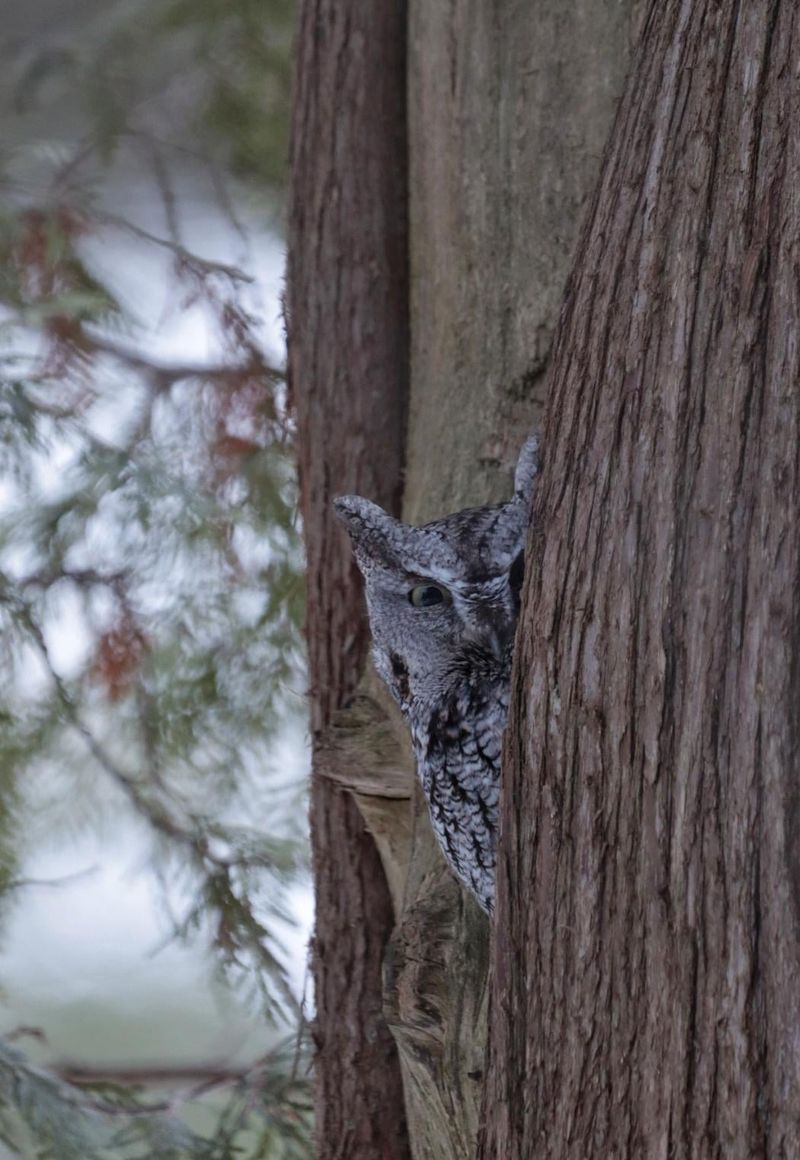
Standing only about eight inches tall, the Eastern Screech Owl packs serious hunting skill. Many Virginia yards host one without the owners ever knowing.
Despite the name, these owls rarely screech. Instead, they give a soft, shaky whinny or a long, even trill that sounds almost like a horse.
After sunset, the little hunter leaves its roost and gets to work. It perches low, watches the ground, and drops silently onto moving prey.
Mice and voles top the menu for good reason. Both rodents are plentiful, bite-sized, and busy after dark, just like the owl.
Voles can be a real headache for gardeners. They chew roots, tunnel through lawns, and gnaw bark on young fruit trees during winter.
Big insects make up another large part of the diet. Moths, beetles, crickets, and cicadas all become tasty snacks during warm summer months.
Frogs, crayfish, and small songbirds sometimes show up too. Screech owls are flexible eaters and adjust to whatever is easy to catch.
Special feathers help them fly with almost no sound. Soft, fringed edges quiet the air, so prey rarely hears the owl coming.
You can help by keeping a patch of taller grass or a brush pile nearby. Those spots attract rodents and insects, giving owls a handy hunting ground.
Pair that hunting area with a cedar roost close by. Short trips between bed and dinner make your yard extra appealing to a hungry owl.
Year-Round Cover Matters Most In Winter
January in Virginia can bring icy winds, sleet, and snow that sticks around for days. Leafless oaks and maples offer little help to a shivering bird.
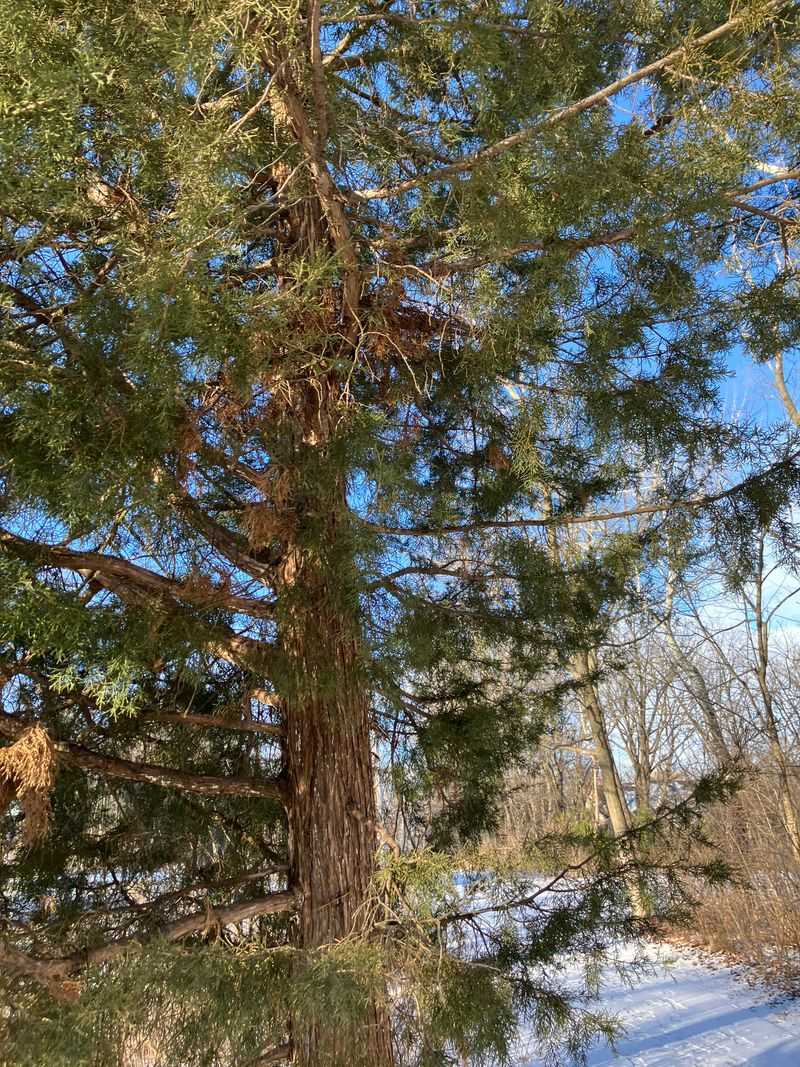
Evergreens change the whole story during these cold months. Red cedars keep their foliage all year, so shelter stays available when it matters most.
Dense branches block harsh winds like a natural fence. Temperatures inside the tree can feel noticeably milder than the open air nearby.
Snow adds a surprising benefit of its own. Heavy flakes pile on the limbs and create cozy pockets underneath, a bit like tiny igloos.
Many birds tuck into those pockets for nighttime rest. Cardinals, juncos, and sparrows often share the tree with a roosting owl.
Owls burn a lot of energy staying warm in winter. Saving heat by sitting in good cover leaves more strength for hunting on frosty nights.
Rodents also slow down a bit when food runs short. Owls need a safe base while they work harder to find each meal.
Planting a small group of cedars works better than one lonely tree. Three or more placed together create a larger, warmer shelter zone.
Try placing them on the north or west side of your yard. Winter winds usually blow from those directions, so the trees act as a windbreak.
Your house might benefit as well. A cedar windbreak can reduce chilly drafts and even trim a little off heating bills.
The Berries Feed Songbirds Too
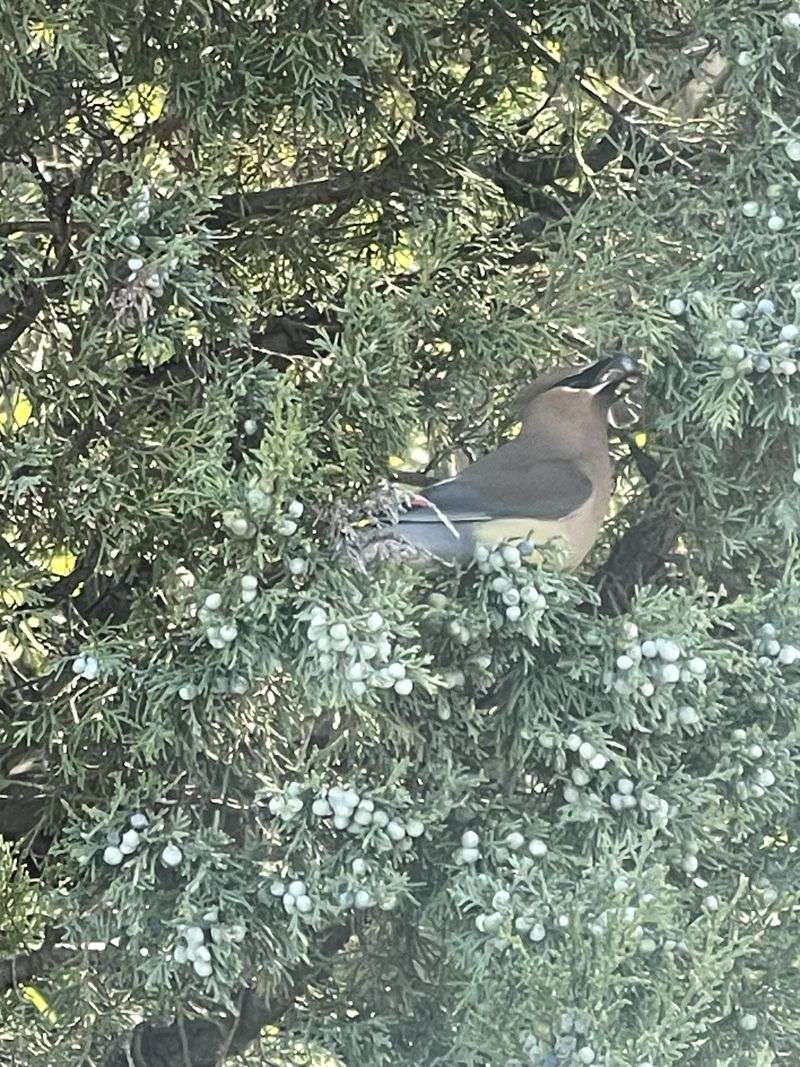
Here is a fun fact: Cedar Waxwings got their name from this very tree. They gobble the berries so eagerly that the connection stuck.
Those berries are not true berries at all. They are small, round cones that turn a dusty blue color on female trees.
Only female cedars produce fruit, so plant several trees for the best chance. Male trees make pollen instead and look slightly golden in late winter.
The cones ripen in fall and hang on through winter. Food is scarce during those months, so birds count on every bite they can find.
More than 50 bird species eat these cones. American Robins, Eastern Bluebirds, Northern Mockingbirds, and Purple Finches all join the feast.
Game birds want a share too. Wild turkeys and bobwhite quail pick up fallen cones while scratching around the base of the tree.
Mammals also visit for a snack. Raccoons, opossums, foxes, skunks, rabbits, and even coyotes nibble on the fruit and leaves.
All that activity turns one cedar into a busy wildlife cafe. Your yard becomes lively and colorful, even on the grayest winter afternoon.
Keep a pair of binoculars near a window facing the tree. Watching waxwings pass berries beak to beak is a charming winter show.
Birds also spread the seeds as they travel. That habit explains why young cedars pop up along fences where birds like to perch.
It Handles Poor, Dry Soil With Ease
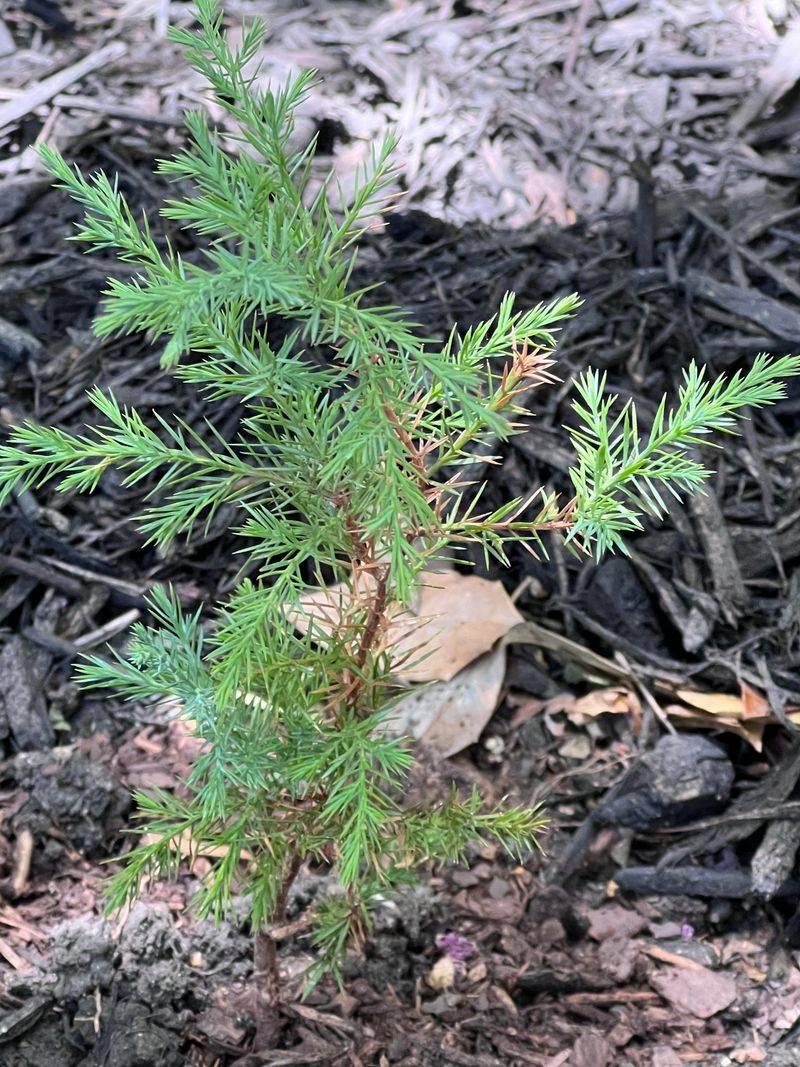
Some trees sulk when conditions get rough. The Eastern Red Cedar just shrugs and keeps growing, even in spots other plants refuse.
Clay, sand, gravel, and rocky ground all work for this tough native. It prefers well-drained soil but tolerates a wide range of conditions.
Drought is where the tree truly shines. Experts say it has the best drought resistance of any conifer native to the eastern United States.
Soil pH is rarely a concern either. Acidic or alkaline, the cedar adapts and settles in without much fuss from you.
In Virginia, people have spotted red cedars growing from old rock quarry cliffs. If a tree can live on bare stone, your yard should be easy.
Full sun gives the best results, though. Shady spots make the tree thin and leggy, which reduces the thick cover owls enjoy.
Plant young trees in spring or fall when temperatures are mild. Water them weekly for the first year until roots spread and settle.
After that first season, you can mostly step back. Established cedars rarely need extra watering, feeding, or much pruning at all.
Fertilizer usually is not needed, so save your money. Rich soil can actually push fast, weak growth that breaks under snow.
Leave the lower branches in place if you can. They add privacy, block wind, and give birds more hiding spots close to the ground.
An Owl Nest Box Boosts The Odds
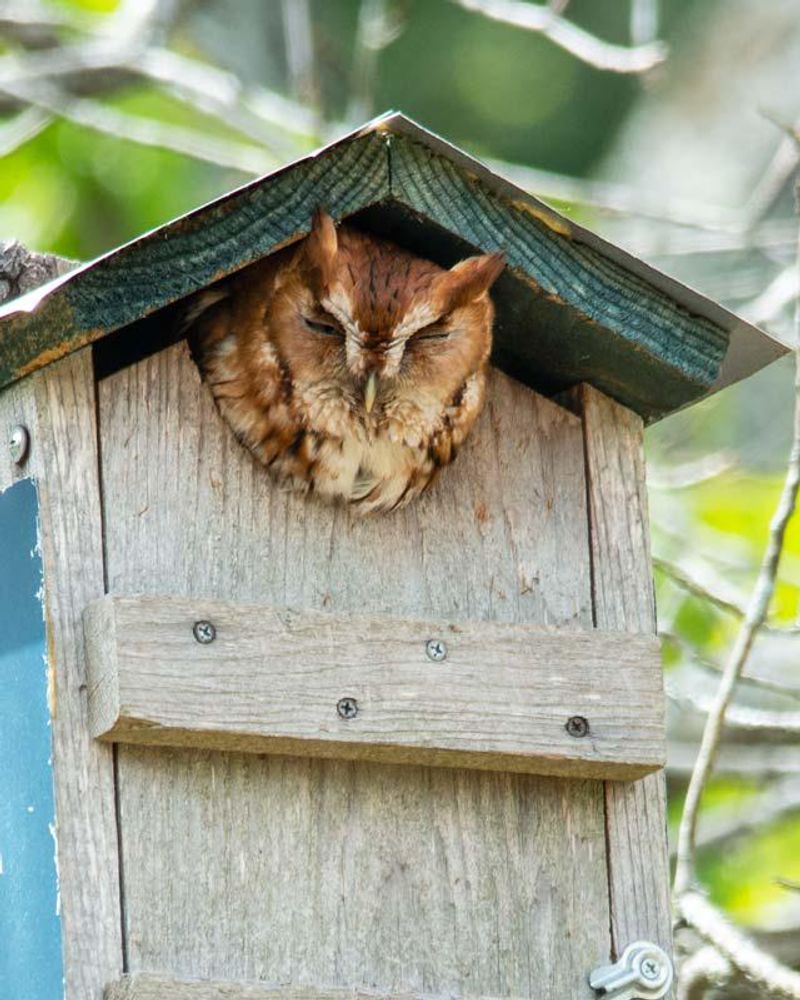
Old, hollow trees are hard to find in many neighborhoods today. People often remove them for safety, leaving owls with fewer places to raise chicks.
A nest box fills that gap nicely. Screech owls and Barn Owls both move into boxes readily when natural holes are scarce.
Pairing a box with nearby red cedars creates a winning combo. Parents can nest in the box and rest hidden in the evergreen close by.
For screech owls, choose a box about the size of a small birdhouse. An entrance hole near three inches wide works well for them.
Mount the box 10 to 20 feet high on a tree or post. Face the opening away from strong winds and hot afternoon sun.
Add two or three inches of wood shavings inside. Owls do not build nests, so they need a soft base for their eggs.
Rough or grooved inner walls are a smart detail. Young owls use those grips to climb out when they are ready to leave.
Timing matters more than many people guess. Barred Owls start nesting early, so install boxes before January for the best results.
Barn Owls bring impressive pest control to farms. One family can eat thousands of rodents in a single year.
Check the box once a year after nesting season ends. Clean out old material and fix any loose boards before the next family arrives.
Owls Help, But They Won’t Replace Other Rodent Control
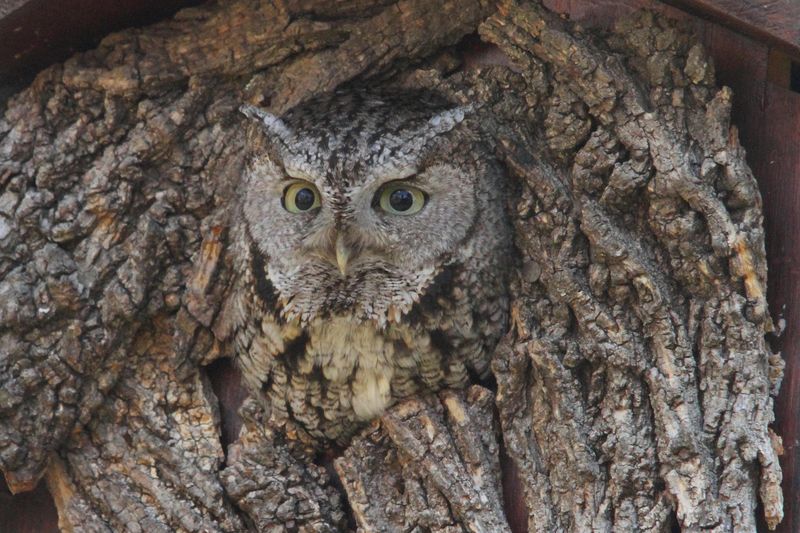
Think of owls as helpful teammates rather than superheroes. They do great work, but one player rarely wins the whole game alone.
A family of Barn Owls can remove thousands of rodents each year. Even a single screech owl makes a real dent in a backyard vole crowd.
Still, rodents breed fast, and some always slip away. A few owls usually cannot wipe out a large mouse problem by themselves.
Experts suggest a mixed approach called integrated pest management. It blends natural predators with simple, thoughtful habits around your home.
Start by removing easy food sources. Store birdseed and pet food in sealed metal bins, and pick up fallen fruit quickly.
Next, cut back hiding places close to your house. Woodpiles, clutter, and thick ivy against walls give mice a cozy highway inside.
Use traps where needed, especially indoors. Place them along walls, since mice like to travel close to edges.
Avoid poisons, which can backfire badly. Wiping out owls and hawks often lets rodent numbers bounce back even higher later.
Patience pays off with a natural plan. Owl families may take a season or two to find your cedars and settle in.
Across Virginia, gardeners are pairing native trees with smart habits for lasting results. Plant a cedar, hang a box, and enjoy the quiet help overhead.