What August In A Texas Garden Really Means For Your Fall Planting Plans
August in Texas does not feel like fall planning weather.
The garden still radiates heat before breakfast. Soil can feel hard, dry, and hostile by midafternoon. Summer crops may still be hanging on, and the thought of planting anything new can feel almost unreasonable.
But the fall garden has already started.
That is the trick Texas plays on gardeners. The best fall harvests are built while the air still feels brutal. Waiting for crisp mornings can push broccoli, carrots, greens, peas, and other cool-season crops too far behind the calendar.
By then, seedlings may not have enough time to size up before frost, heat swings, or shorter days slow everything down.
August is not a rest month.
It is the planning month, clearing month, soil month, seed-starting month, and transplant-protection month all at once.
So what does August really mean for your Texas fall planting plans?
It means the season is asking you to work ahead of the weather, not wait for the weather to feel ready.
1. August Starts The Fall Calendar
August is the beginning of fall gardening in Texas.
That sounds wrong when the garden still feels like a furnace, but the calendar does not wait for comfortable weather.
Many fall crops need weeks of growth before cooler nights arrive, and August is often the month that gives them enough time.
Waiting for cool air is the trap. By the time the garden feels pleasant, the planting window for slower crops may already be closing.
Warm soil is useful. Seeds can germinate quickly when moisture stays steady, and transplants can establish faster when protected from the worst heat.
The challenge comes after planting. Seedlings still have to survive hot afternoons, dry wind, and soil that can heat up fast.
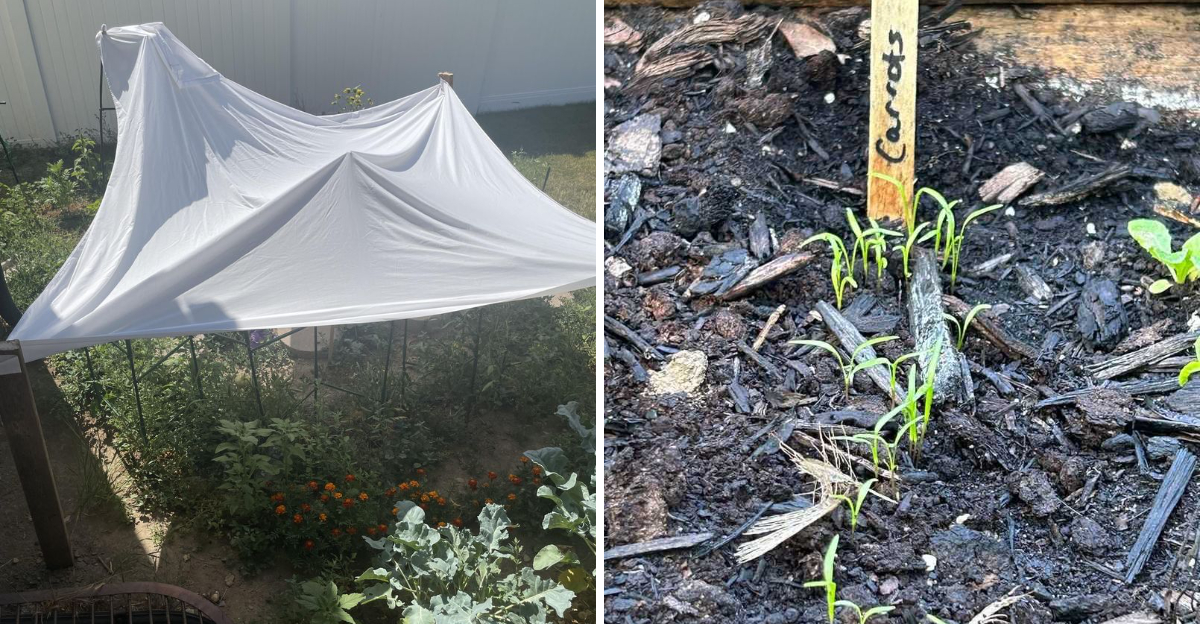
Shade becomes part of the plan. A temporary cover can help young plants cross those first brutal days.
Evening planting helps too. Transplants set out near sunset get several cooler hours before facing full sun.
Water has to be consistent. Small seedlings cannot handle deep dry swings right after germination.
August does not mean planting everything at once. It means starting the fall schedule crop by crop and region by region.
The most successful gardeners stop waiting for the season to look different.
They start making fall decisions while summer is still fully in charge.
2. Your Texas Region Sets The Date
Texas is too big for one fall planting date.
A gardener in Amarillo and a gardener in Brownsville are working with very different frost risks, heat patterns, rainfall, and season length. One generic calendar can cause real trouble when the state stretches across so many growing conditions.
North Texas moves earlier. Frost can arrive soon enough that slow crops need a strong August start.
The Panhandle needs even more urgency. Early cold snaps can shorten the season quickly.
Central Texas gets a little more room. Even there, waiting too long can leave cool-season crops undersized.
The Gulf Coast often stretches later. Heat and humidity remain the bigger early challenge.
Your Texas Garden Changes Every Week. Your Plan Should Too.
Gardening in Texas changes quickly throughout the season. Every Friday you’ll receive a simple weekly plan showing exactly what to plant, prune, fertilize, harvest, and protect so you never miss the right timing.
South Texas may have the longest fall window. Some crops can continue much later in mild years.
West Texas brings its own twist. Dry air, wind, high elevation, and sudden temperature swings can stress new plantings fast.
East Texas may get more moisture. That helps establishment, but humidity can also raise disease pressure.
Your county matters more than a state average. Frost dates, planting windows, and crop timing should be local.
Microclimates matter inside the yard too. A raised bed near a wall may stay warmer than an exposed bed on open ground.
Texas fall gardening starts with location.
The right date is not the one that works for the whole state. It is the one that works for your garden.
3. Count Back From First Frost
The seed packet is a calendar tool.
Days to maturity may look like small print, but in August it becomes one of the most important numbers in the garden. It tells you how much growing time a crop needs under decent conditions.
Fall needs a buffer. Shorter days and cooler nights slow growth later in the season, so the packet number is not always enough.
Count backward from your average first frost. Then add extra time for fall slowdown and germination.
Slow crops need earlier starts. Broccoli, cabbage, cauliflower, carrots, and some beets can run out of time when planted too late.
Fast crops allow more flexibility. Radishes, baby greens, mustard, and some turnips can fit into later openings.
Frost tolerance matters. Kale and collards can handle light cold better than many tender crops.
Hard freezes change the picture. Some crops may survive a light frost but lose quality after deeper cold.
Transplants change timing too. A four-week-old broccoli transplant gives you a head start compared with direct seed.
Do not forget germination time. A carrot that needs two weeks to emerge is already using part of the season before you see green.
Write the dates on paper. Guessing in August heat leads to missed windows.
Counting backward turns the fall garden from a hope into a plan.
Once the dates are clear, every bed decision becomes easier.
4. Clear Spring Crops Before Planting
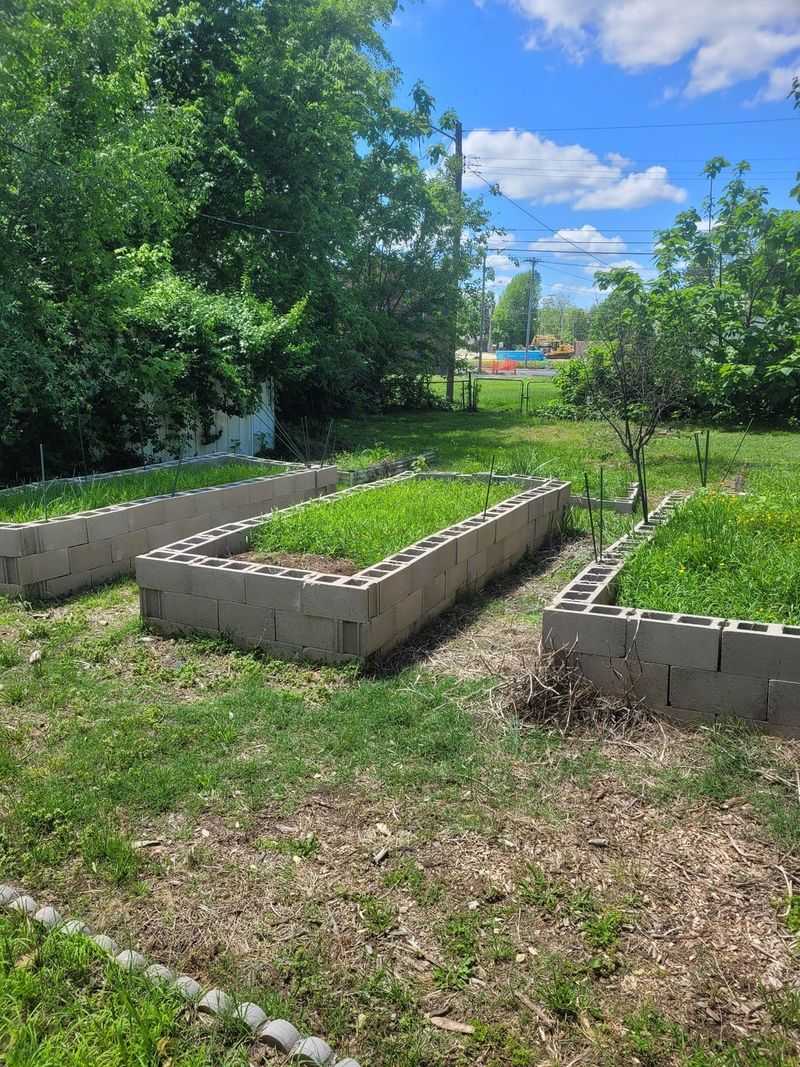
Fall beds often begin with honest cleanup.
Not every summer plant needs to leave in August, but every finished plant should stop occupying prime space. The key is clearing in stages instead of ripping out the whole garden in one dramatic session.
Look at production first. A pepper still setting fruit can stay.
A squash plant that stopped producing can go. A cucumber vine covered in stress and no new fruit has already used its season.
Tired bean plants are easy choices. Once the harvest slows and leaves look worn out, that bed can move into fall use.
Tomatoes need judgment. A healthy plant with fruit still ripening may deserve more time, while a diseased or exhausted vine should leave.
Remove diseased material carefully. Do not leave spotted, blighted, or mildewed debris in the bed.
Bag the worst debris. Healthy plant material can be composted, but disease-heavy plants need safer disposal.
Pull weeds while the bed is open. Summer weeds can drop seed quickly and create more work in fall.
Shake seedheads into a bag. Do not scatter mature weed seed over freshly prepared soil.
Rake the bed smooth. A level surface makes planting and irrigation more even.
Plant again quickly. Bare soil bakes, crusts, and invites weeds during August.
Staged clearing keeps the garden productive.
Summer crops keep working where they still can, while fall crops get the openings they need before time slips away.
5. Prepare Soil Before Transplants Arrive
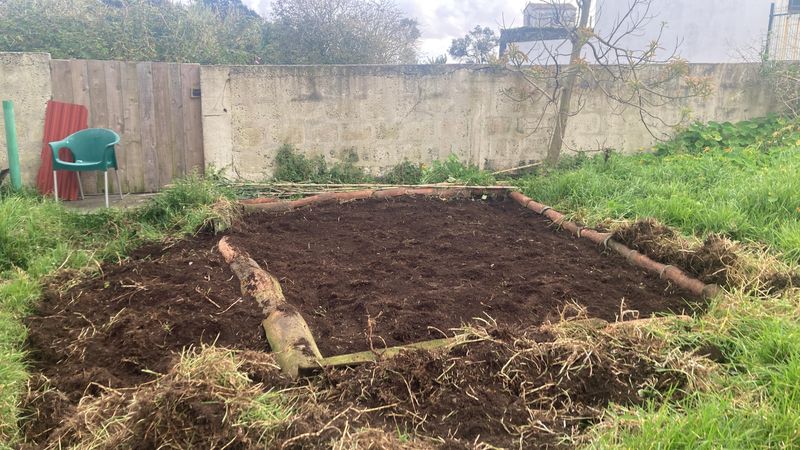
Good transplants cannot rescue bad soil.
A healthy cabbage or broccoli start placed into dry, compacted, depleted soil will struggle from the first afternoon. August planting demands bed preparation before the plants are waiting in trays.
Start with moisture. Bone-dry soil can pull water from tender root balls almost immediately.
Premoisten the bed the evening before planting. The roots should move into soil that already feels welcoming.
Add finished compost where appropriate. Many Texas soils benefit from organic matter worked into the top layer.
Do not overdo amendments. Fall beds need improved texture, not a rich pocket that holds too much water or fertilizer.
Break compacted surface layers. Roots need air and space as much as moisture.
Avoid working wet clay. Soil worked while sticky can harden into clods that resist root growth.
Check drainage. A bed that holds water after irrigation can stress transplants just as badly as a dry bed.
Run irrigation before planting. A clogged drip line discovered after planting can cost you seedlings.
Fix leaks and dry spots. Even coverage matters during establishment.
Skip heavy nitrogen at planting. Too much nitrogen in heat can push soft growth that wilts and attracts pests.
Prepared soil gives fall crops a fighting chance.
The work done before planting often matters more than anything done after the seedlings are already stressed.
6. Start Brassicas Under Light Shade
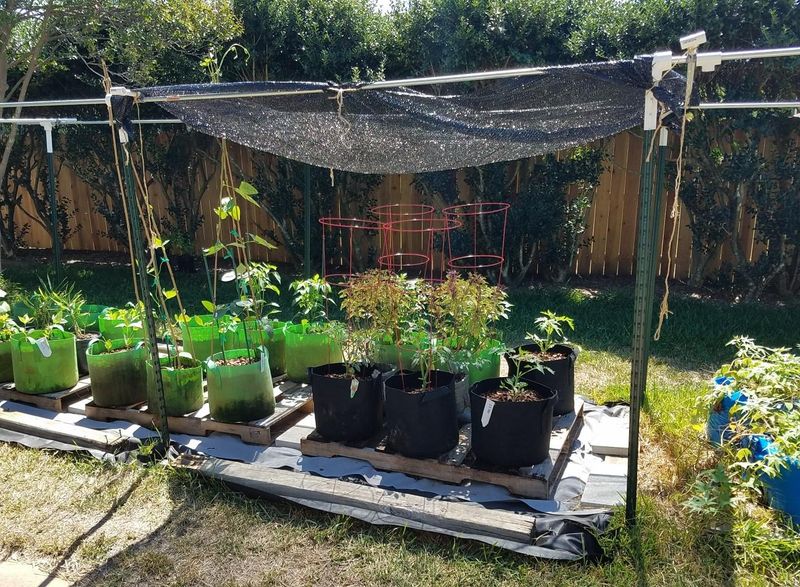
Brassicas need help getting through August.
Broccoli, cabbage, cauliflower, kale, collards, and kohlrabi are cool-season crops, but many of them need to be started while Texas still feels blazing hot. That makes protection essential.
Do not start trays in full afternoon sun. Seedling mix can heat quickly and stress young plants before they ever reach the garden.
Use light shade. Thirty to forty percent shade cloth can reduce heat while still allowing bright growth.
Airflow matters. A covered seed-starting area should never feel stagnant or steamy.
Grow lights can help indoors. A bright indoor setup may give more control than an outdoor bench during extreme heat.
Use seed-starting mix. Garden soil can compact in trays and drain poorly.
Water gently. Bottom watering can keep the surface from crusting and reduce seedling stress.
Watch for damping off. Seedlings that collapse at the soil line often suffered from too much moisture and poor airflow.
Move seedlings gradually toward outdoor conditions. A sudden jump from protected shade to full sun can set them back.
Plant when roots hold the cell together. A firm root ball handles transplanting better than loose, fragile seedlings.
Do not wait until seedlings are overgrown. Root-bound transplants struggle to establish during heat.
Brassicas can thrive in a Texas fall garden.
But they need August protection first, because cool-season success often starts under shade.
7. Sow Roots And Greens On Time
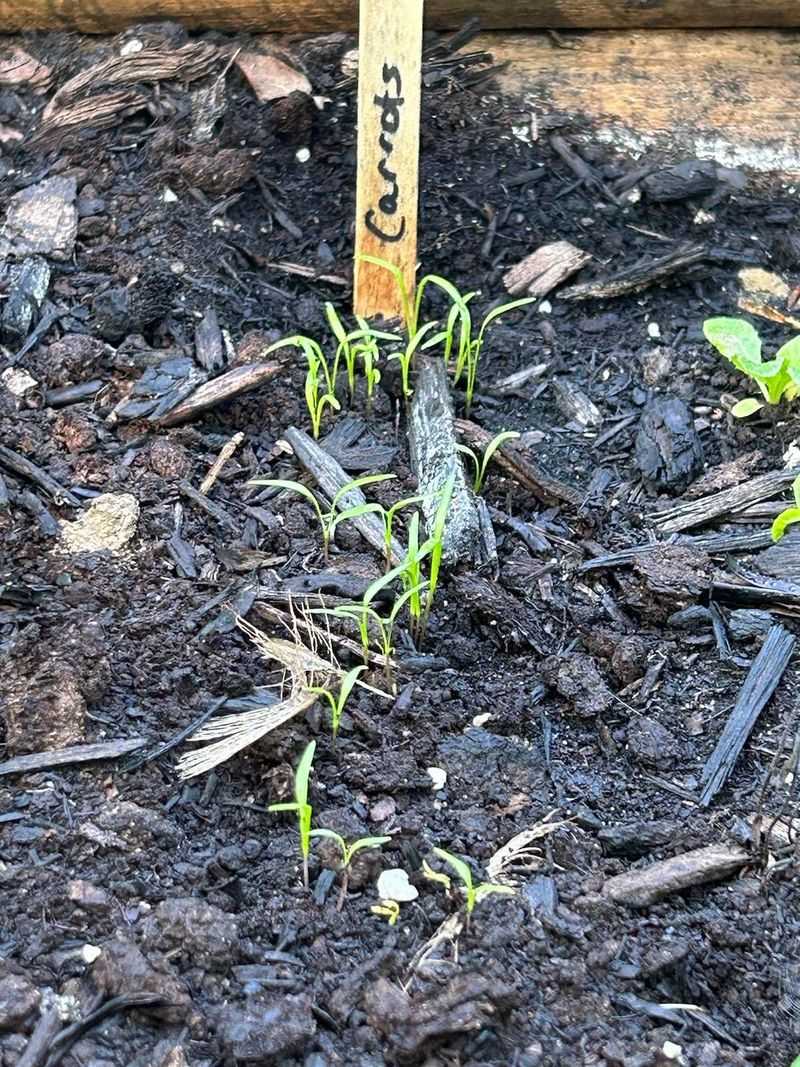
Direct-seeded crops need their own schedule.
Radishes, carrots, beets, turnips, lettuce, spinach, mustard, and other greens do not all move at the same speed. August and early September planting should match each crop’s personality.
Radishes are fast. They can fit into short windows and give a quick harvest. Carrots are slow. They need careful timing, loose soil, and steady moisture during germination.
Beets and turnips sit in the middle. They offer both roots and greens, which makes them useful in fall beds. Lettuce can be tricky in heat. Warm soil can reduce germination, so shade and moisture matter.
Spinach often prefers a later start in warmer regions. The timing depends heavily on local temperatures. Succession sowing helps. Short rows planted every week or two spread the harvest and reduce risk.
Keep seedbeds moist. Small seeds can fail quickly when the top layer dries out. Use light covers when needed. Row cover or shade cloth can protect the surface without blocking too much light.
Thin early. Crowded roots stay small, twisted, or weak. Avoid deep planting. Small seeds need shallow placement and fine soil cover.
Direct sowing is not a casual toss-and-hope job in August. It is a moisture, timing, and spacing routine that decides how much fall food the garden produces.
8. Protect Every Transplant From Heat
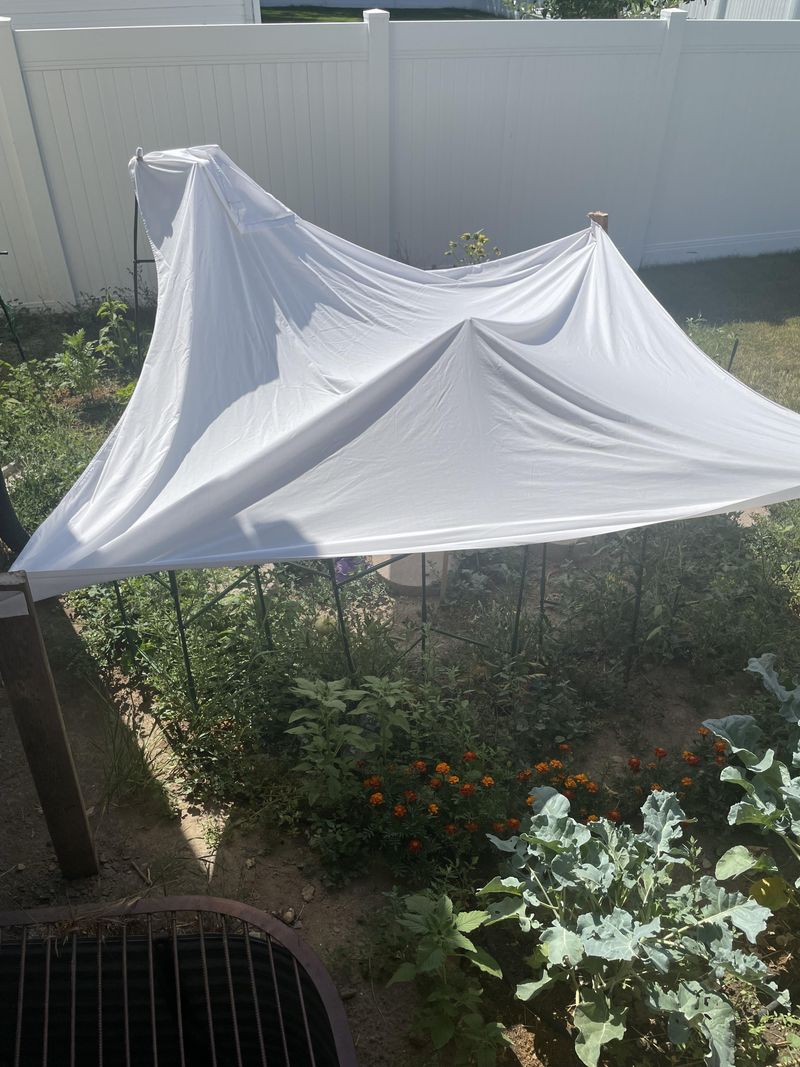
The first week decides a lot.
A transplant set into a Texas bed in August faces heat, glare, wind, and soil moisture swings immediately. Even a healthy plant can wilt hard without protection.
Plant near sunset. Evening gives roots a cooler stretch before the next day’s sun.
Water the root ball before planting. Dry transplants should never go straight into hot soil. Water the bed after planting. A slow soak settles soil around roots and removes air pockets.
Add temporary shade. Shade cloth, an old screen, or a simple board angled above the plant can reduce afternoon stress.
Do not leave solid covers pressed against leaves. Trapped heat can make things worse. Remove shade gradually. Plants need a few days to adjust before full exposure.
Mulch around the plant. Straw, shredded leaves, or clean wood chips can cool the root zone and slow evaporation.
Keep mulch off the stem. A small open collar prevents excess moisture around the crown. Check twice daily at first. Morning and evening inspections catch wilt, pests, and dry soil quickly.
Protect from wind in exposed areas. West Texas gardens may need barriers against hot, dry gusts.
Transplant protection is not pampering. It is how cool-season crops survive the hottest part of the year long enough to become a fall harvest.