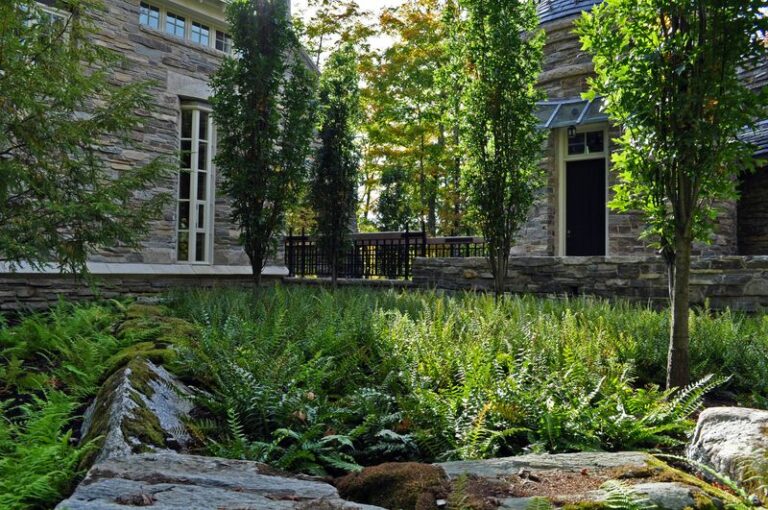
The Native North Carolina Groundcover That Fills Deep-Shade Strips Along The House Where Grass Gives Up
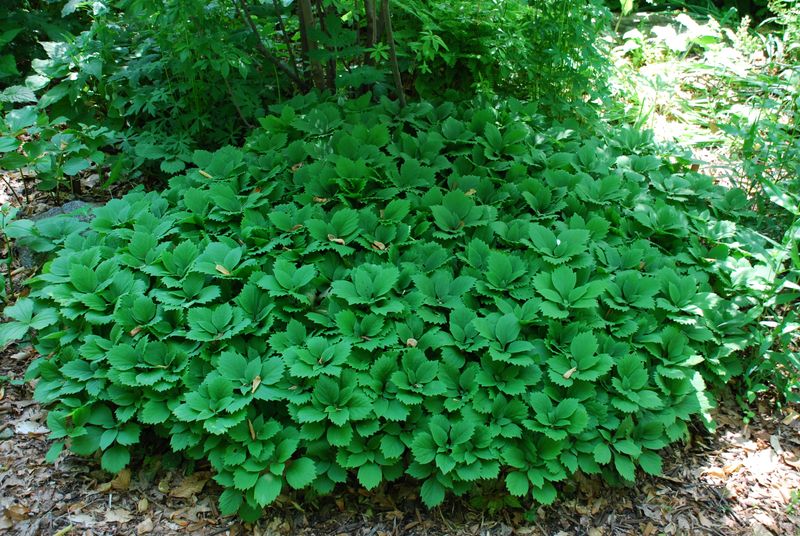
That narrow strip running along the shaded side of your house probably looks like a small defeat every time you walk past it. Bare dirt, a little moss, maybe a few scraggly grass blades hanging on by habit, and nothing you plant there seems to last more than a season. Grass genuinely cannot survive in many of those spots, and that is not a failure of effort. There is a native southeastern plant called Allegheny spurge, Pachysandra procumbens, that is built for exactly this kind of place, and it is worth knowing about before you haul another bag of seed out there.
Meet the Native Groundcover Worth Trying
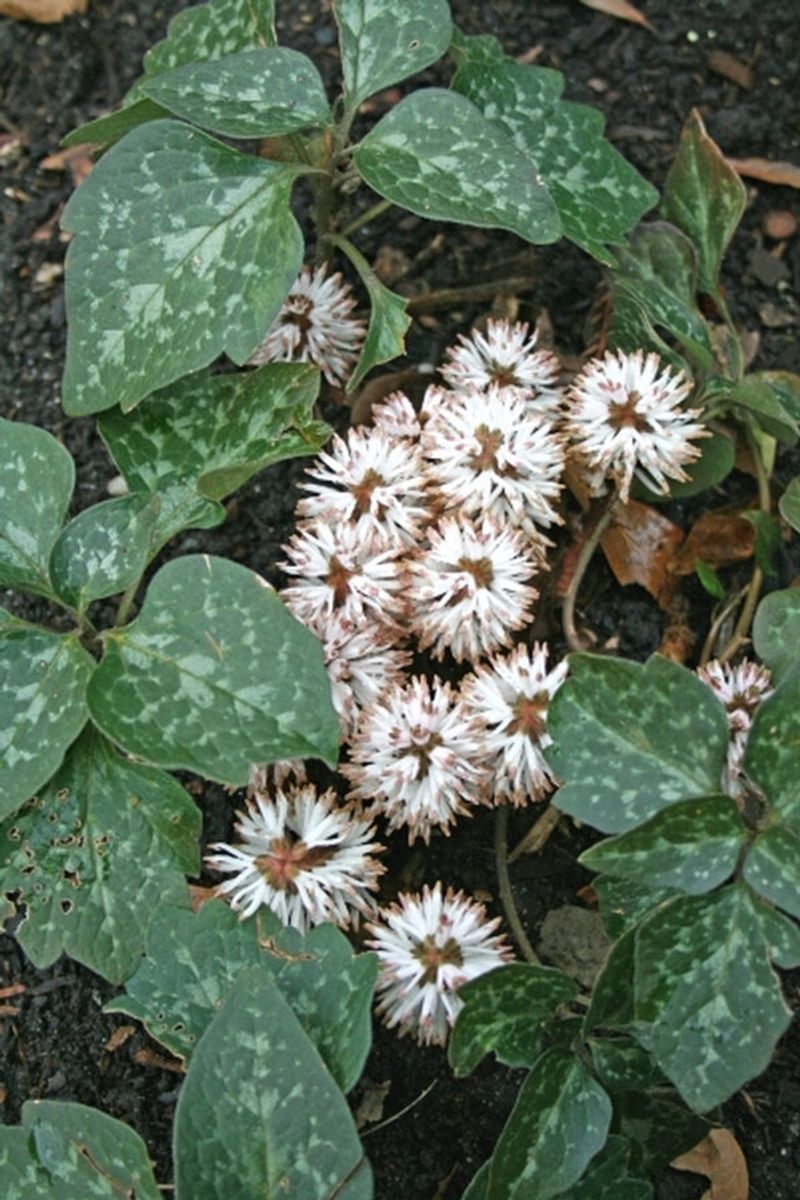
Allegheny spurge, known botanically as Pachysandra procumbens and sometimes called mountain pachysandra, is a perennial groundcover native to the southeastern United States. NC State Extension’s plant profile describes it as well suited to deep shade, partial shade, and dappled shade, which makes it a genuinely practical candidate for the dim strips and tree-side beds where lawn grass quietly disappears.
The plant tops out at roughly 6 to 12 inches tall and spreads about 1 to 2 feet wide per plant over time. Its foliage is the first thing most people notice: broad, mottled leaves in blue-green tones that give the bed a layered, woodland look even before the plant flowers. In March and April it sends up fragrant pink-to-white flower spikes that are a small reward for patient gardeners.
Spread happens through underground rhizomes, and Missouri Botanical Garden describes it as a slow-spreading groundcover, so the honest expectation is a gradual colony rather than a quick carpet. That pace actually works in its favor beneath established trees, where aggressive root disturbance would cause more harm than good.
A foundation strip or tree-side bed suits its woodland character well.
University of Maryland Extension groundcover guidance notes that many groundcover species do not tolerate repeated foot traffic or soil compaction, and Allegheny spurge falls into that category. If people regularly cut through the bed to reach a door or a gate, a stepping-stone path through the planting is worth adding before the colony gets established. This is a plant that wants to be left alone to do its quiet work, and in the right spot it genuinely does.Confirm That Grass Truly Lacks Enough Light
Grass is not being dramatic when it thins out in a shaded bed. It is responding to a real physical limit. NC State’s guidance on lawn grasses for shade puts the threshold plainly: areas receiving less than 50 percent open sunlight or less than four hours of direct sunlight daily are generally too shady for turfgrass to grow well. Below that line, even shade-tolerant varieties like fine fescue struggle to photosynthesize enough to stay competitive.
Here is where it gets tricky. A north-facing wall does not automatically create those conditions, and neither does a big tree nearby. The actual light reaching the ground at different times of day is what matters. Before you write off grass entirely, spend a few days watching the strip at morning, midday, and late afternoon.
Your North Carolina Garden Changes Every Week. Your Plan Should Too.
Gardening in North Carolina changes quickly throughout the season. Every Friday you’ll receive a simple weekly plan showing exactly what to plant, prune, fertilize, harvest, and protect so you never miss the right timing.
Count the hours of direct sun that actually land on the soil, not just the sky above it.
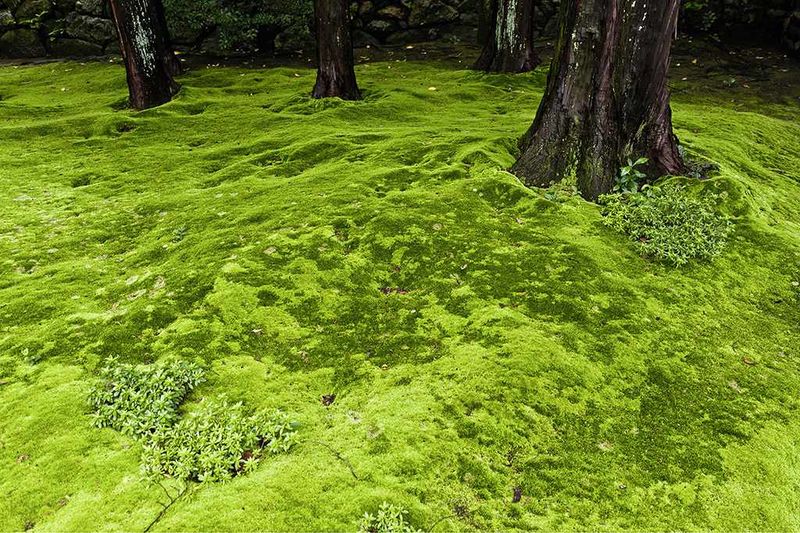
Moss showing up in that strip is a clue worth reading carefully, but not the way most people read it. Penn State Extension explains that moss is an opportunistic plant that moves into spaces where turf is already weakened, often because of heavy shade, acidic soil, poor fertility, shallow soil, or excess moisture. Moss does not kill healthy grass. It fills a vacancy that conditions already created.
Once you have confirmed that the strip genuinely falls below the light threshold grass needs, the case for a shade-adapted groundcover becomes practical rather than a concession. Forcing turfgrass to survive in a spot it cannot handle means constant reseeding, thin coverage, and soil left bare between attempts. A plant matched to the actual conditions is a more realistic and lower-frustration path forward.
Test the Bed Before You Buy Plants

Light is only one piece of the puzzle. A strip along the house can fail a plant in several other ways that shade alone does not explain, and Allegheny spurge is no exception to that rule.
Start by checking soil moisture a few inches below the surface, not just at the top. Run your fingers into the soil on a dry day and again after rain. A bed under a wide roof overhang can stay surprisingly dry because the eave blocks most of the rainfall that would normally reach it. On the other hand, a downspout emptying near the foundation or heavy clay soil can create a pocket that stays wet far longer than the plant wants.
University of Maryland Extension’s planting guidance recommends checking drainage before choosing any woody or perennial plant for a new bed, and the same logic applies here.
Soil texture and compaction matter just as much. Construction soil along a foundation is often compacted subsoil with little organic matter, very different from the moist, organically rich, well-drained woodland soil where Allegheny spurge naturally thrives. Missouri Botanical Garden’s profile for the plant confirms that it performs best in those woodland-like conditions. A strip of dense, compacted clay that drains poorly is a separate problem requiring correction before planting, not a condition the plant will fix on its own.
Salt runoff from a driveway or a heavily treated walkway is another site stress worth checking. A hot foundation wall that radiates heat into the bed through summer afternoons can also push conditions beyond what this plant handles well. NC State’s plant profile notes that appropriate moisture and drainage are key to success. Sites with serious drainage problems, compaction, or salt exposure may need a different plant, a structural correction, or a deliberate nonliving treatment like a gravel mulch path rather than a groundcover.
Plant a Gradual Mat in the Right Season
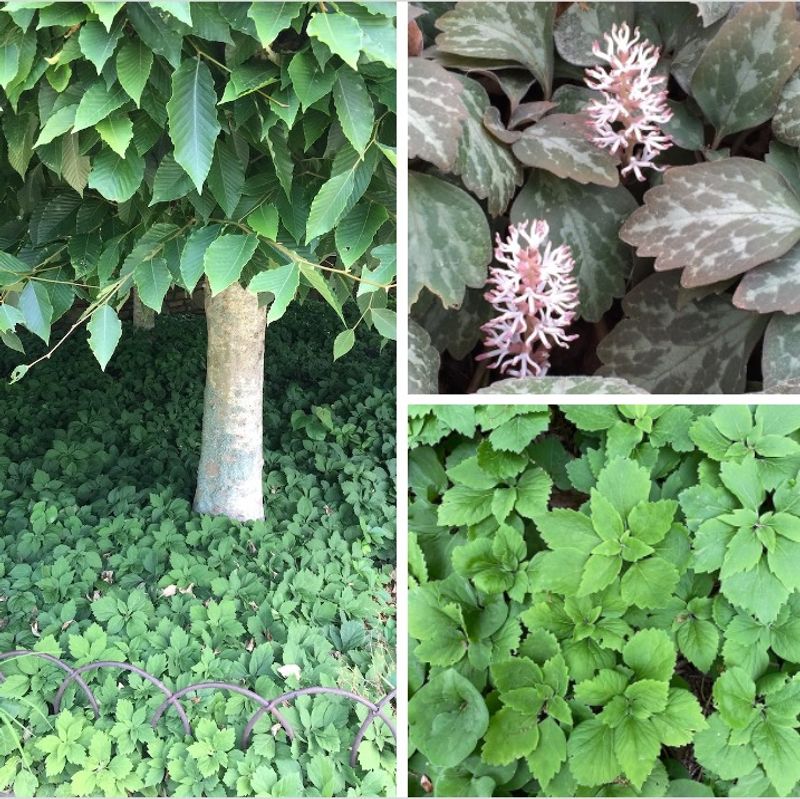
Once you have confirmed the site is a reasonable match, the preparation work before planting matters more than most people expect. Remove existing grass and weeds from the bed completely before the first plant goes in. University of Maryland Extension’s groundcover resource is direct about this: weeds are much harder to pull out after the planting fills in, and young groundcover plugs are not strong enough to outcompete established weed roots.
Work carefully around any established tree roots. Smaller plugs are the practical choice here because they require smaller planting holes, disturb fewer roots, and recover quickly. Aggressive digging or root cutting near a mature tree can cause damage that outlasts any benefit from the new planting.
Fall is a sensible planting window for North Carolina. NC State’s native plants landscaping guide notes that fall planting works best for most native species in the state because the soil is still warm enough for root growth while the air is cooler, giving plants a head start before the following summer’s heat arrives. New plants still need monitoring and water during dry stretches, so fall planting is a sensible window, not a guarantee of easy establishment.
Space plants 6 to 12 inches apart. NC State’s profile for Allegheny spurge gives a mature spread of 1 to 2 feet per plant, so tighter spacing speeds coverage while wider spacing saves money and still fills in over a few seasons. Set the expectation honestly: this is a gradual colony, not an instant carpet. Many Piedmont gardeners plant a shaded bed in fall and see real coverage beginning by the second or third growing season.
Place temporary mulch between young plants to suppress weeds and reduce erosion while the colony establishes. Keep mulch away from the crowns of the plants and do not pile it so deep that air circulation suffers. As the groundcover begins to spread and close the gaps, you can reduce the mulch in those open spaces to let the plants do their work.
Manage Water, Leaves, and Mulch During Establishment
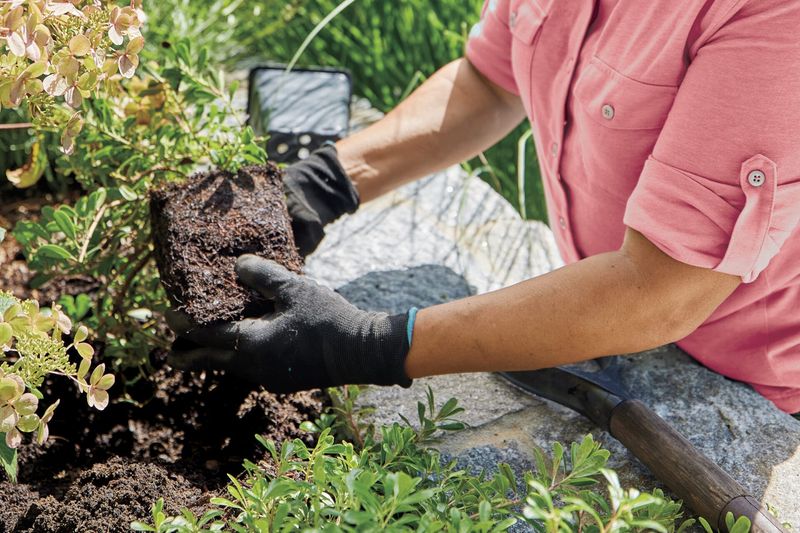
New plantings in shaded strips need more attention than established ones, especially where mature tree roots are pulling moisture from the same soil. Water the bed deeply and periodically during the first growing season rather than lightly and often.
NC State’s Allegheny spurge profile suggests soaking the planting roughly every 8 to 15 days as a general starting point, but treat that as a guide rather than a fixed schedule. Actual frequency depends on rainfall, summer heat, soil type, how much the roof overhang blocks rain from reaching the bed, and how aggressively nearby tree roots compete for moisture. Check the soil a few inches down before watering. If it still feels damp, wait.
The soil should not remain saturated, and standing water after rain is a warning sign worth addressing.
Leaf litter is not the enemy in a woodland-style bed. NC State’s native plants handbook notes that native ground-layer plants are adapted to fallen leaves, which provide insulation and habitat for beneficial insects through winter. A reasonable layer of leaves settling around established plants is fine and fits the natural character of the planting.
Thick, wet piles are a different situation. If leaves mat together heavily over the crowns of young plants or stay sodden for days after rain, move them. Smothered crowns and prolonged moisture on foliage create conditions where disease pressure can build. University of Maryland Extension recommends reducing mulch in open gaps as the groundcover spreads, letting the plants close the bed naturally rather than keeping a permanent thick layer between them.
Prevent Disease With Airflow and Sanitation
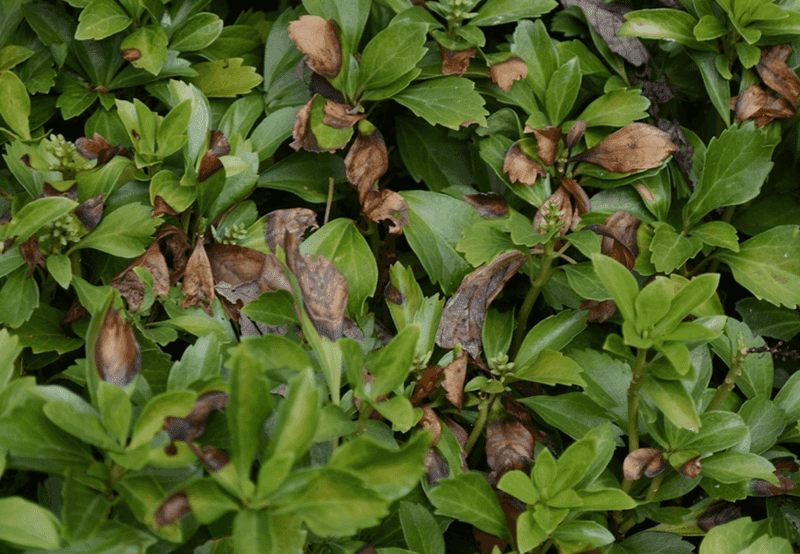
Pachysandra beds run into trouble most often when the plants grow too dense, the foliage stays wet, or the plants have been stressed by drought or winter cold. Volutella blight is the disease most likely to show up in those conditions. Penn State Extension’s guide to pachysandra diseases explains that Volutella blight causes stem and leaf dieback and spreads fastest where crowded growth, prolonged leaf wetness, drought stress, or winter injury have already weakened the plants.
The practical response is cultural rather than chemical. Avoid overhead irrigation once the bed is established. Water at the base of the planting when possible, and water in the morning so any wet foliage has time to dry before evening. If the colony has become dense enough that air cannot move through it, thin out crowded sections by removing some stems.
This feels counterintuitive when you have been waiting for the bed to fill in, but a little breathing room genuinely reduces disease pressure.
Remove any visibly diseased stems and fallen infected leaves promptly, and dispose of that material away from the bed rather than composting it. Sanitation, appropriate spacing, and careful watering are the first line of management. Missouri Botanical Garden’s plant profile does not flag Allegheny spurge as particularly disease-prone under good conditions, which is reassuring, but poor airflow and wet foliage can shift those odds.
On the question of winter appearance: NC State describes the foliage as evergreen to semi-evergreen, meaning warmer coastal and Piedmont sites tend to hold leaves through winter more reliably than colder mountain locations, where some leaf loss or winter wear is normal. A patchy look in February is not necessarily disease. Check for actual stem dieback before taking action.
Choose an Alternative When the Site Demands It
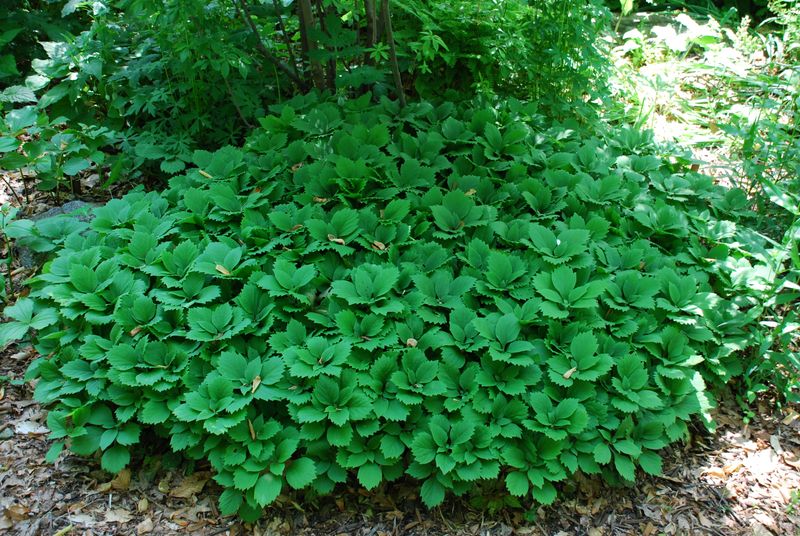
Not every shaded strip along a North Carolina house is the right match for Allegheny spurge, and knowing when to reach for a different plant is just as useful as knowing the plant itself.
Foamflower, Tiarella cordifolia, is worth considering for spots that stay consistently moist and sit in heavy shade. NC State’s foamflower profile describes it as an excellent groundcover for heavy shade, but it does not tolerate drought well, so a dry strip under an overhang is not its place. Match it carefully to the moisture conditions before planting.
NC State’s native plants handbook lists partridgeberry, green-and-gold, creeping phlox, and Pennsylvania sedge among native groundcover options for North Carolina. Each of those requires its own matching process. Light tolerance, moisture needs, soil preference, traffic tolerance, and regional suitability all vary, so treat them as examples worth researching separately rather than a ready-made swap list.
One distinction worth making clearly before you shop: Allegheny spurge is not the same plant as Japanese pachysandra, Pachysandra terminalis. They look similar at the garden center, but Japanese pachysandra is a nonnative species. USDA Forest Health materials identify it as a species capable of spreading into natural areas, which is a meaningful difference if you care about what happens beyond your property line. The native plant has mottled blue-green foliage and pale flowers.
The nonnative has solid dark green leaves and is far more commonly stocked at big-box stores, so checking the botanical name on the tag is worth the extra ten seconds.
The site-first decision is the right one regardless of which plant you end up choosing. Allegheny spurge earns its place in a moist, organically rich, well-drained, shaded bed where it can spread gradually without repeated disturbance. Where the site has serious drainage problems, heavy compaction, salt runoff, or conditions that genuinely need correction, fix the site first or choose a plant or treatment matched to what is actually there. A plant that fits the conditions will always outperform a plant forced into the wrong ones, and your shaded strip deserves a real solution, not just a hopeful one.