What Oregon Gardeners Should Plant In August For A Strong Fall Harvest
August may look like peak harvest season, but it can also open the door to another round of planting. Oregon gardens still have time to produce plenty before cold weather settles in.
The trick lies in choosing crops that can move quickly.
Warm soil helps seeds get started without much delay. Cooler nights later in the month can also suit vegetables that dislike intense summer heat. That shift gives gardeners a brief but valuable window.
Plant too late, and the first cold snap may end the experiment early. Choose wisely, though, and empty spaces can deliver one more satisfying harvest. The garden is not done yet.
A few well-timed seeds can keep fresh produce on the table deep into fall. August rewards gardeners who look past the fading summer crops and give the next season a head start.
1. Broccoli Starts Set Up A Strong Fall Crop
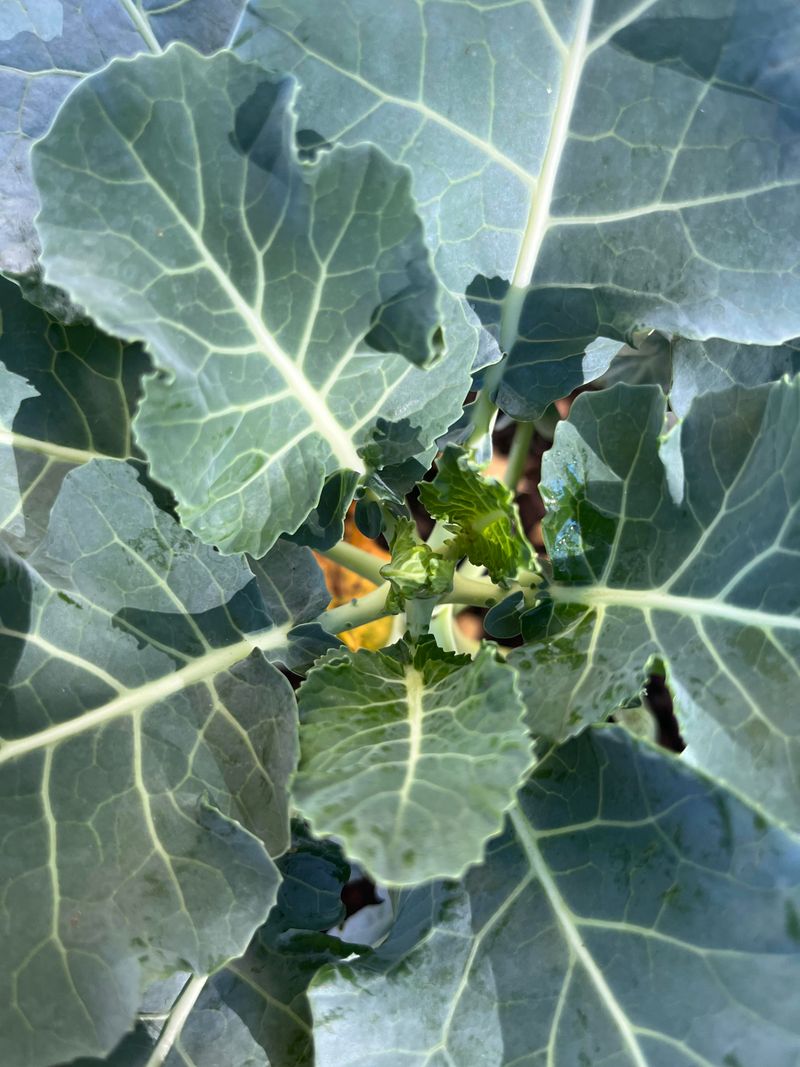
Few vegetables reward fall gardeners quite like broccoli. It thrives in cooler temperatures, which makes August the perfect time to get starts in the ground.
When you plant now, the heads form during September and October when the air is crisp and ideal for tight, flavorful crowns.
Starting with transplants instead of seeds gives you a head start. Look for starts that are about four to six inches tall with sturdy stems.
Set them about eighteen inches apart so each plant has room to spread out as it grows.
Water consistently after planting. Broccoli roots need steady moisture to establish quickly.
A layer of mulch around each plant helps hold in that moisture and keeps the soil temperature from swinging too much during warm August afternoons.
In cooler northern regions of the state, aim to get starts in by the first week of August. In the Willamette Valley and southern areas, you have a little more flexibility and can plant through mid-August.
Check your expected first frost date and count back about seventy to eighty days to make sure your variety has enough time.
Watch for cabbage worms once the plants are settled in. A simple row cover works well to keep pests away without using any chemicals.
Broccoli is one of the most dependable fall crops you can grow, and August planting sets the whole season up right.
2. Cabbage Starts Grow Better As Heat Fades
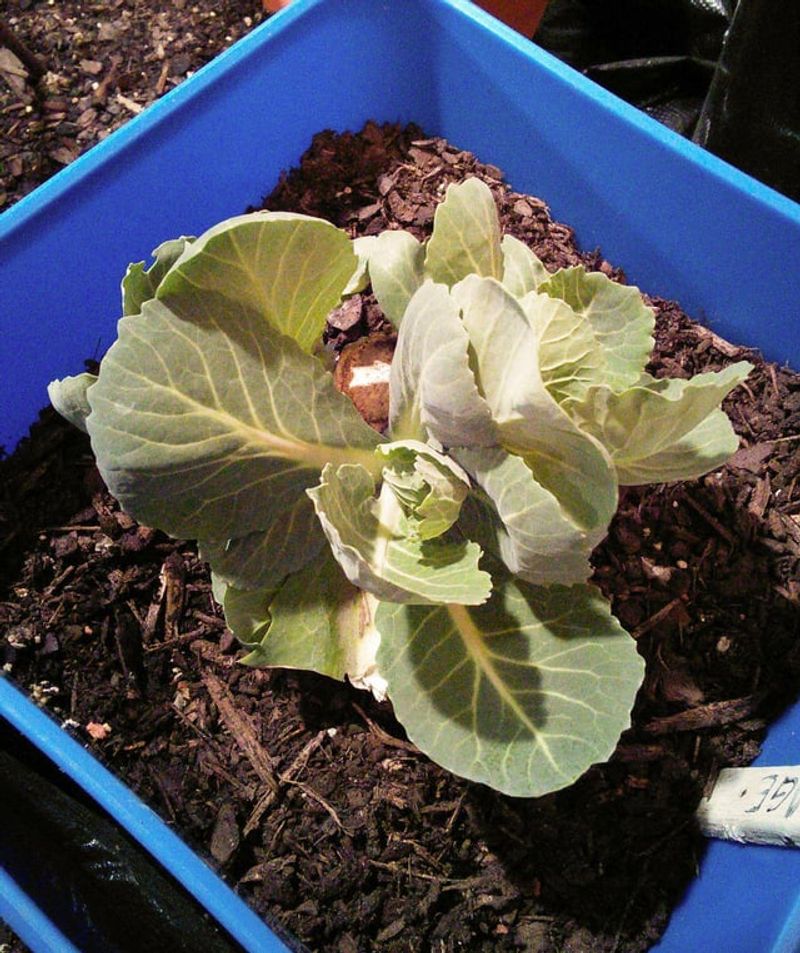
Cabbage is one of those vegetables that actually tastes better after a light frost touches it. The cold converts some of the starches into sugars, giving the heads a sweeter, milder flavor.
Planting starts in August means you get all of that good flavor right when fall arrives.
Choose a compact or mid-season variety for the best results. Varieties like Stonehead or Gonzales do well in the Pacific Northwest climate.
Space plants about twelve to eighteen inches apart depending on the variety, and make sure they get at least six hours of sun each day.
Cabbage needs consistent watering, especially right after transplanting. If the soil dries out too much, heads can crack once they start to form.
Your Oregon Garden Changes Every Week. Your Plan Should Too.
Gardening in Oregon changes quickly throughout the season. Every Friday you’ll receive a simple weekly plan showing exactly what to plant, prune, fertilize, harvest, and protect so you never miss the right timing.
Mulching around the base of each plant helps keep moisture in and also slows down weed growth between the rows.
Fertilize lightly a few weeks after planting with a balanced fertilizer. Cabbage is a heavy feeder and benefits from that extra boost as it moves into its main growing phase.
Avoid over-fertilizing with nitrogen late in the season, which can cause loose, leafy heads instead of tight ones.
Row covers are helpful here too, especially to guard against aphids and caterpillars. With just a little attention, cabbage planted in August will be ready to harvest in October and November, giving you crisp heads just in time for cozy fall meals.
3. Cauliflower Starts Need August Timing
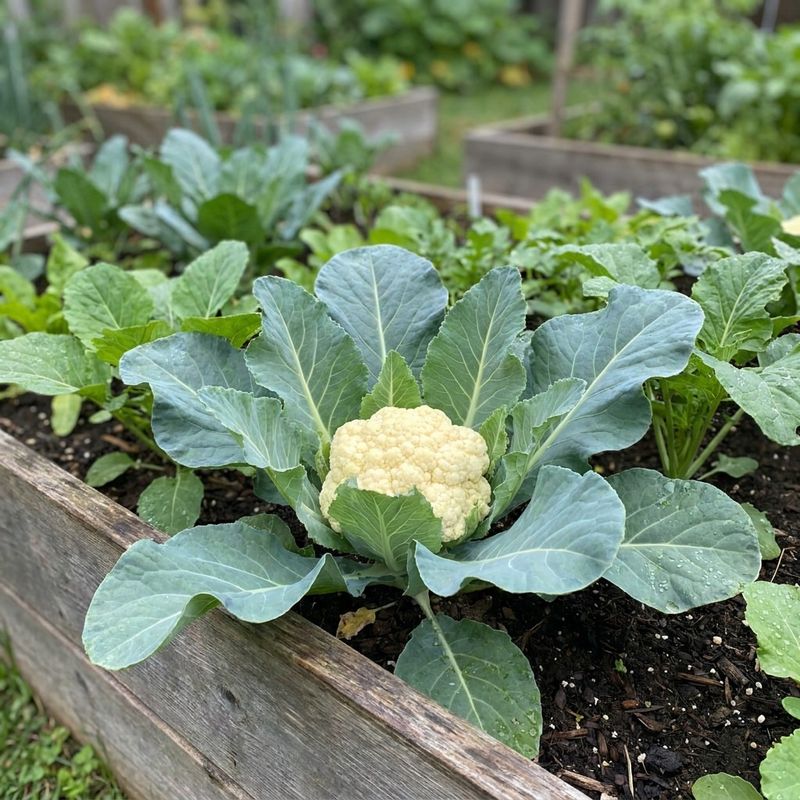
Cauliflower has a reputation for being picky, but it is actually very manageable when you get the timing right. August planting is ideal because this crop needs cool weather to form its heads properly.
Too much heat causes the curds to button up early or turn yellow before they are ready.
Start with healthy transplants rather than direct seeding in August. Transplants give you a better chance of hitting the right harvest window before cold weather sets in hard.
Space plants about twenty-four inches apart since cauliflower gets large and needs good airflow to stay healthy.
One important step with cauliflower is blanching. When the head starts to form and is about two inches wide, fold the outer leaves over it and secure them loosely.
This protects the curd from sunlight and keeps it white and tender instead of turning green or developing a bitter taste.
Water deeply and evenly throughout the growing period. Cauliflower does not handle drought stress well, and inconsistent watering leads to uneven or bumpy heads.
A drip line or soaker hose works really well for this crop.
In the southern parts of the state, you have until about mid-August to get starts in. In northern regions, the first week of August is safer.
With good timing and steady care, cauliflower will deliver beautiful white heads perfect for fall roasting, soups, and fresh eating throughout October.
4. Green Onions Keep Fall Beds Productive
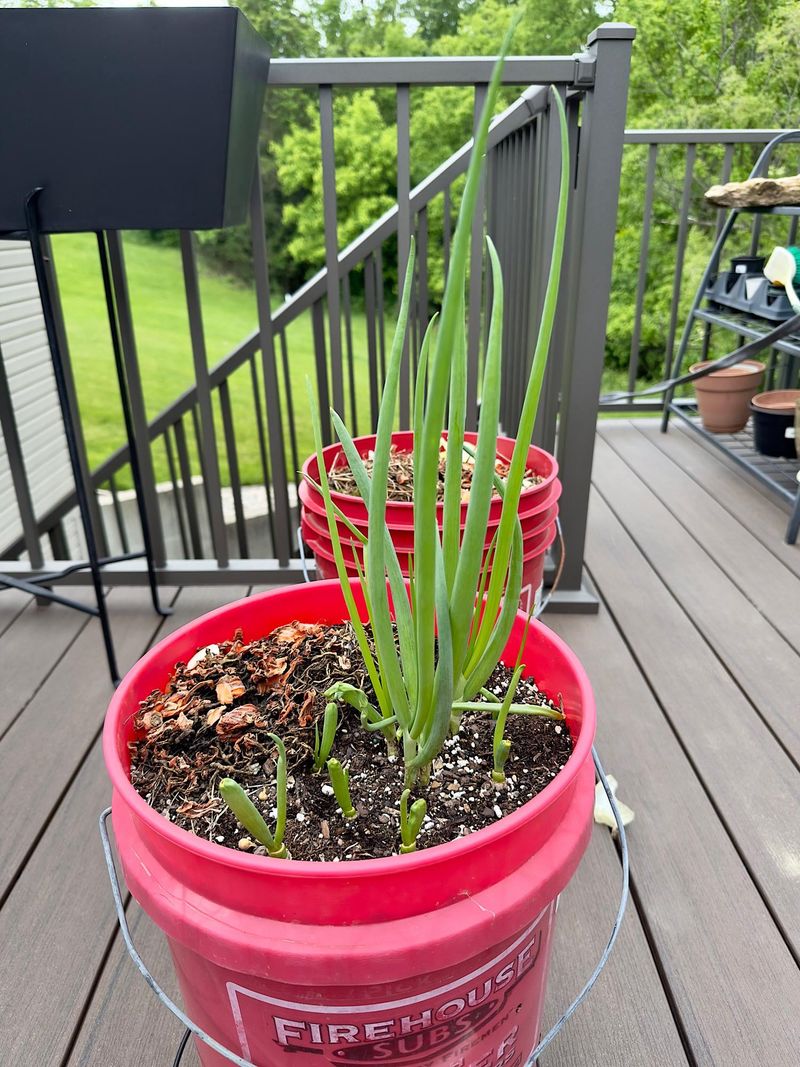
Green onions are one of the easiest and most satisfying things to grow in a fall garden. They take up very little space, grow quickly, and can be harvested in as little as sixty days from seed.
Tucking them into any open corner of the garden in August makes great use of every inch of bed space.
Direct seeding works perfectly for green onions. Scatter seeds in a shallow trench about a quarter inch deep and cover lightly.
Keep the soil moist until germination, which usually happens within seven to ten days. Thin seedlings to about one inch apart once they are a few inches tall.
Green onions are cold-tolerant, so they keep growing well into fall and even early winter in many parts of the state. They handle light frosts without any trouble, which makes them one of the most reliable crops to have in the ground during August.
These little plants do not need much fertilizer. A light application of balanced fertilizer at planting time is usually enough to carry them through to harvest.
Make sure they get regular water since shallow roots dry out faster than deeper-rooted crops.
Harvest green onions by pulling them when the stalks are about eight to twelve inches tall. You can also snip the tops and let the base regrow for a second cut.
They add fresh flavor to everything from salads to soups, and having a steady supply through fall is always a great thing.
5. Peas Can Work For A Fall Round
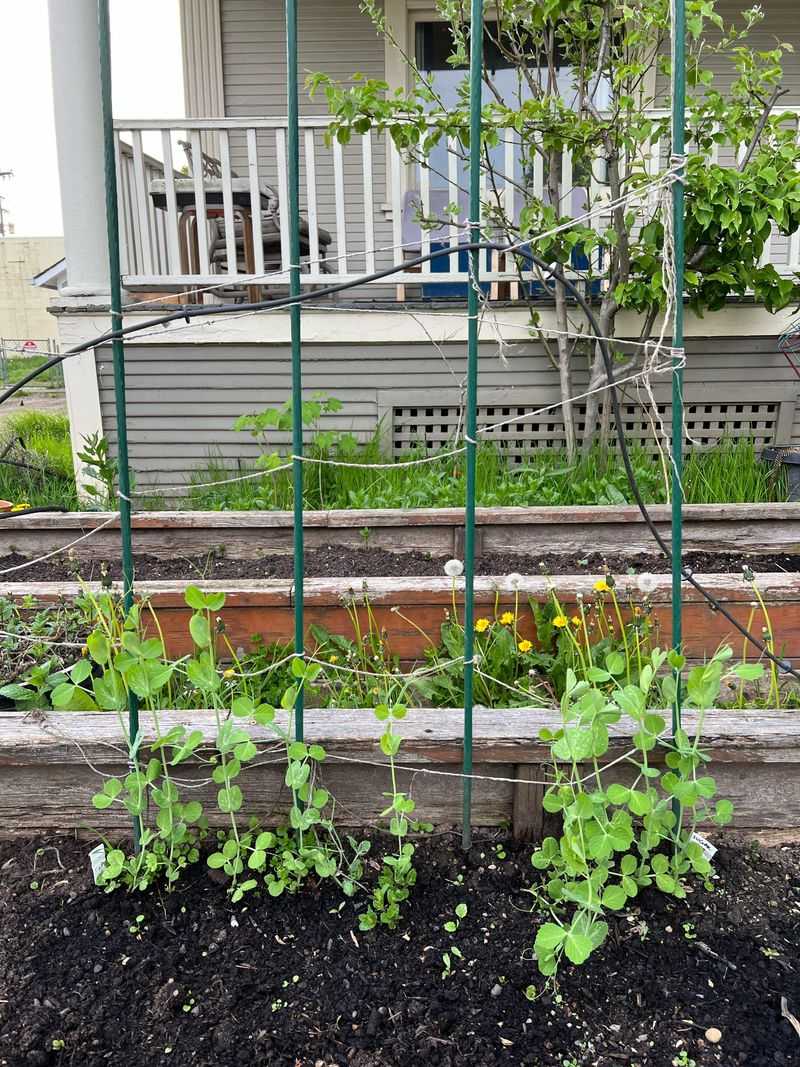
Most gardeners think of peas as a spring crop, but there is a solid case for planting a fall round in August.
Cool weather is exactly what peas love, and as summer heat fades in September and October, they bounce back with fresh growth and a new round of pods.
Choose a fast-maturing variety for the best results. Look for types that mature in sixty days or fewer, like Sugar Snap or Oregon Sugar Pod.
Getting them in the ground by early to mid-August gives them enough time to produce before heavy frost arrives.
Plant seeds about one inch deep and two to three inches apart. Set up a trellis or some kind of support right away because peas climb quickly once they get going.
A simple wire fence or bamboo teepee works perfectly and takes only a few minutes to put together.
Peas prefer consistent moisture but do not like sitting in soggy soil. Water at the base of the plant rather than overhead to help prevent mildew, which can be an issue in the wetter fall months.
Good airflow around the plants also helps keep foliage healthy.
In warmer southern parts of the state, wait until the last week of July or very early August so the seeds do not struggle in extreme heat.
In the cooler Willamette Valley and coastal areas, early August planting works well. A fall pea harvest is a real treat and well worth the effort.
6. Parsley Handles The Shift Into Cooler Weather
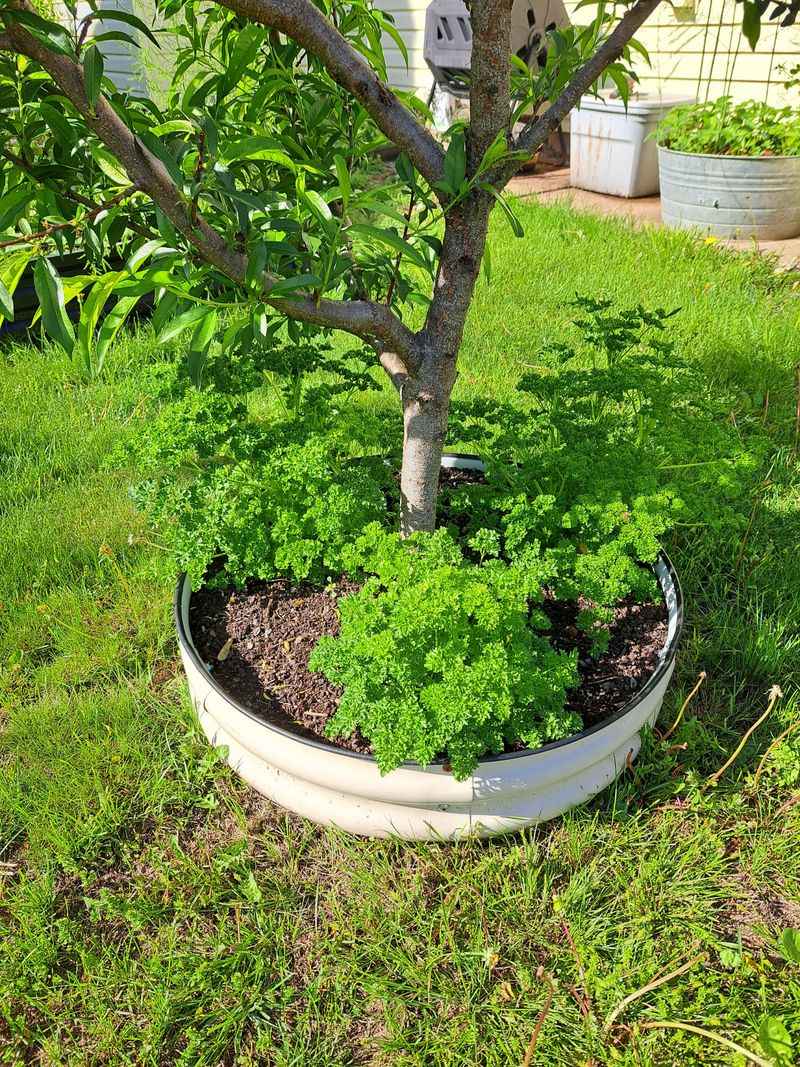
Parsley is tougher than most people give it credit for. While it has a slow start from seed, planting transplants in August gives it time to establish before fall sets in.
Once it does, it handles cooler temperatures really well and keeps producing fresh leaves well into November.
Both flat-leaf and curly parsley do well in fall gardens here. Flat-leaf, also called Italian parsley, tends to have a stronger flavor and is popular for cooking.
Curly parsley is a bit more cold-hardy and holds up nicely through light frosts without losing quality.
Plant parsley in a spot with good sun and well-drained soil. Space transplants about eight to ten inches apart to give each plant room to fill out.
Water regularly after planting to help the roots settle in, but avoid overwatering since parsley does not like soggy conditions.
One of the best things about growing parsley in fall is that it is a biennial. Plants started in late summer will overwinter in most parts of the state and come back strong the following spring.
That means one planting can give you fresh herbs across two whole growing seasons.
Parsley pairs well with almost any vegetable dish, and having it fresh from the garden through fall and into winter is a real convenience.
It also attracts beneficial insects, including swallowtail butterfly caterpillars, which is a fun bonus for anyone who enjoys watching garden wildlife up close.
7. Bush Beans Still Work In Early August
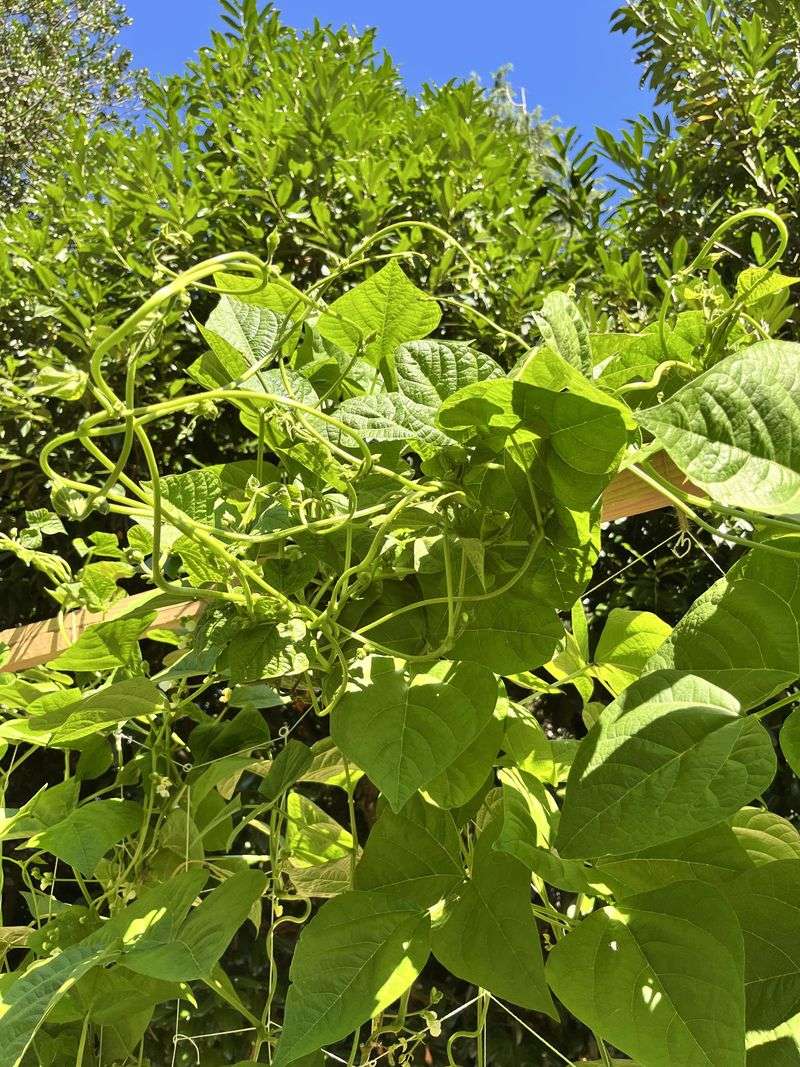
Early August is the last real window for getting bush beans into the ground and expecting a solid harvest before frost. Bush beans are fast growers, with most varieties ready to pick in about fifty to sixty days.
That means beans planted in the first week of August can be on your dinner table by late September.
Direct seeding is the way to go with bush beans. They do not transplant well since they dislike having their roots disturbed.
Sow seeds about one inch deep and three to four inches apart in rows. Cover with soil, water gently, and you should see sprouts within five to seven days.
Beans like warm soil to germinate well, and early August still delivers that. Once they sprout, they grow quickly and need little attention beyond regular watering.
Avoid wetting the leaves when you water to help prevent fungal issues as nights start to cool down.
Skip the fertilizer heavy in nitrogen. Beans fix their own nitrogen from the air, so too much added fertilizer leads to lots of leafy growth and fewer pods.
A light application of balanced fertilizer at planting time is really all they need.
Watch your timing closely in northern and higher-elevation areas of the state. The window for bush beans closes faster there as fall frosts arrive earlier.
In the Willamette Valley and southern areas, you have a bit more time. Either way, early August planting gives you one last satisfying bean harvest before the season wraps up.
8. Cucumbers Can Give One Last Quick Crop
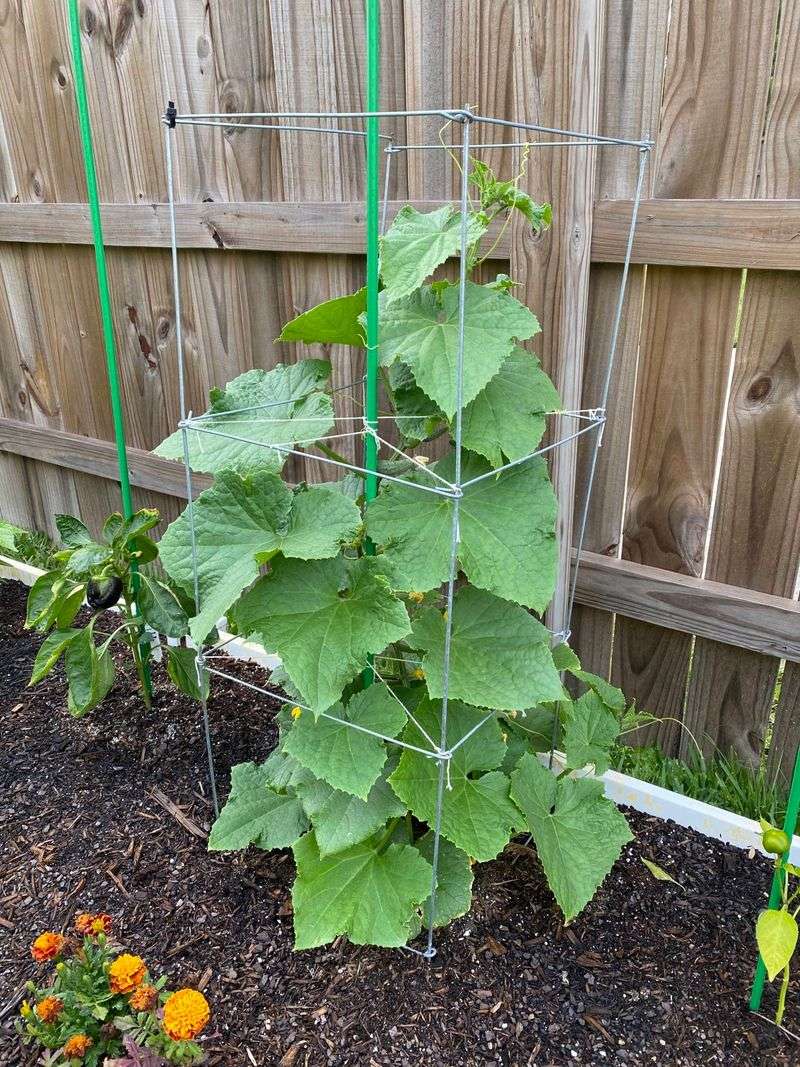
August might seem late for cucumbers, but in the warmer parts of the state, a fast-maturing variety can still squeeze out a final crop before temperatures drop. Look for varieties that mature in fifty-five days or fewer.
Bush Pickle and Spacemaster are good options that produce quickly without needing a ton of space.
Start with transplants rather than seeds if you want to save time. Transplants give you a two-week head start, which really matters in August.
Set them in a warm, sunny spot with well-drained soil and a trellis or cage ready to go since cucumbers climb fast once they settle in.
Water deeply and consistently. Cucumbers are mostly water themselves, so irregular watering causes bitter flavor and misshapen fruits.
A drip line or soaker hose is ideal for keeping moisture even without wetting the leaves, which helps avoid mildew in the cooler fall air.
Fertilize with a balanced fertilizer at planting and again when the first flowers appear. Cucumbers are heavy feeders and benefit from that second boost during their fruiting stage.
Avoid high-nitrogen fertilizers once flowering begins since that pushes green growth instead of fruit development.
Keep picking cucumbers as they ripen. Leaving mature fruits on the vine signals the plant to slow down production.
In warmer coastal and valley areas, this strategy can extend your cucumber season into early October, giving you fresh cucumbers for salads and pickling well beyond what most gardeners expect.
9. Zucchini Starts Can Replace Tired Plants
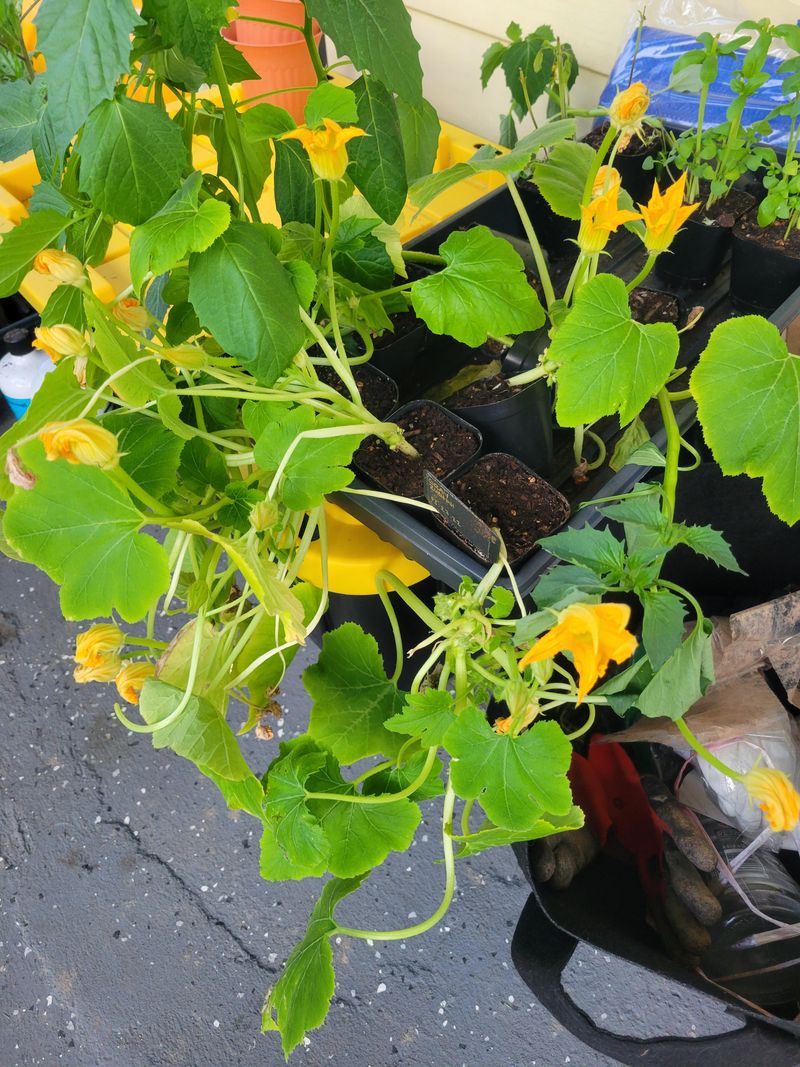
By August, the zucchini plants you put in back in spring are probably looking a little rough. Older plants slow down, get powdery mildew, and produce less.
Pulling them out and putting in fresh starts is one of the smartest moves a fall gardener can make this month.
New zucchini transplants take off fast in the still-warm August soil. They can go from transplant to first harvest in as little as forty-five to fifty days, which means fresh zucchini well into September and October.
Choose compact bush varieties like Patio Star or Bush Baby for smaller spaces.
Plant starts in full sun with rich, well-amended soil. Zucchini is a heavy feeder and does best when the soil has plenty of compost worked in before planting.
Space plants at least three feet apart to give the large leaves room to spread without crowding each other.
Water at the base and keep the leaves as dry as possible. Powdery mildew is the biggest challenge with late-season zucchini, and wet foliage makes it worse.
A weekly check of the undersides of leaves helps catch any pest or disease issues early before they spread.
Hand-pollinate flowers if bee activity slows down in your area during late summer. Simply use a small paintbrush to transfer pollen from male flowers to female ones.
This simple step keeps fruit setting strong even when pollinators are less active, ensuring your fresh starts keep producing right through the fall season.
10. Cilantro Comes Back Better After Heat
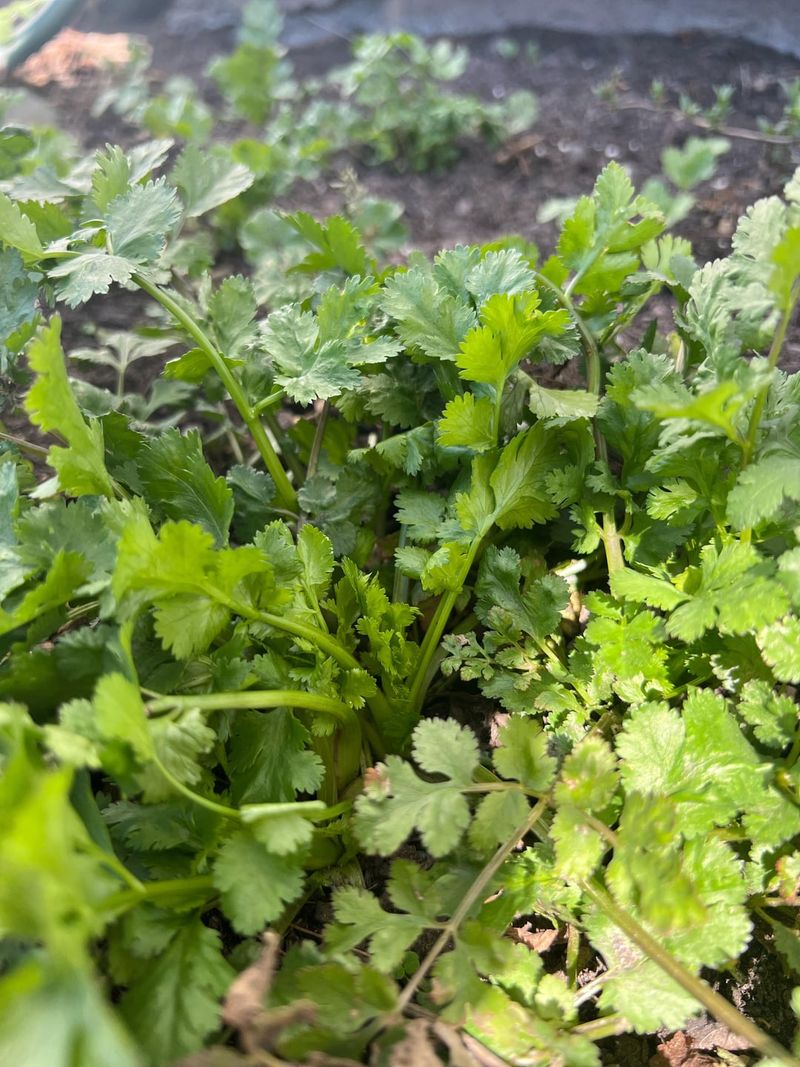
Cilantro has a complicated relationship with summer. It bolts fast in hot weather, turning bitter and going straight to seed before you get much out of it.
But here is the good news: August planting in this state is actually perfect for cilantro because the cooling temperatures ahead are exactly what it needs to thrive.
Direct sow cilantro seeds right into garden beds or containers. Lightly crush the seeds before planting to improve germination rates.
Plant them about a quarter inch deep and scatter them generously since not every seed will sprout. Thin seedlings to about three to four inches apart once they are up and growing.
Cilantro grows best in a spot that gets morning sun and some afternoon shade, especially during the last warm weeks of August. Full afternoon sun in hot weather can still trigger bolting, so a little shade protection in the early weeks helps keep the plants focused on leaf growth.
Keep the soil consistently moist but not waterlogged. Cilantro has a taproot that does not like to be disturbed, so direct seeding is always better than transplanting.
Once established, it is a low-maintenance herb that rewards you with fresh cuttings every week or two.
Harvest by snipping stems from the outside of the plant rather than pulling from the center. This keeps the plant producing longer.
Fall-grown cilantro has a fuller, more complex flavor than summer batches, making it a real upgrade for salsas, curries, and fresh garnishes all through the season.