Why California Cockroach Problems Get Worse After This One Watering Mistake
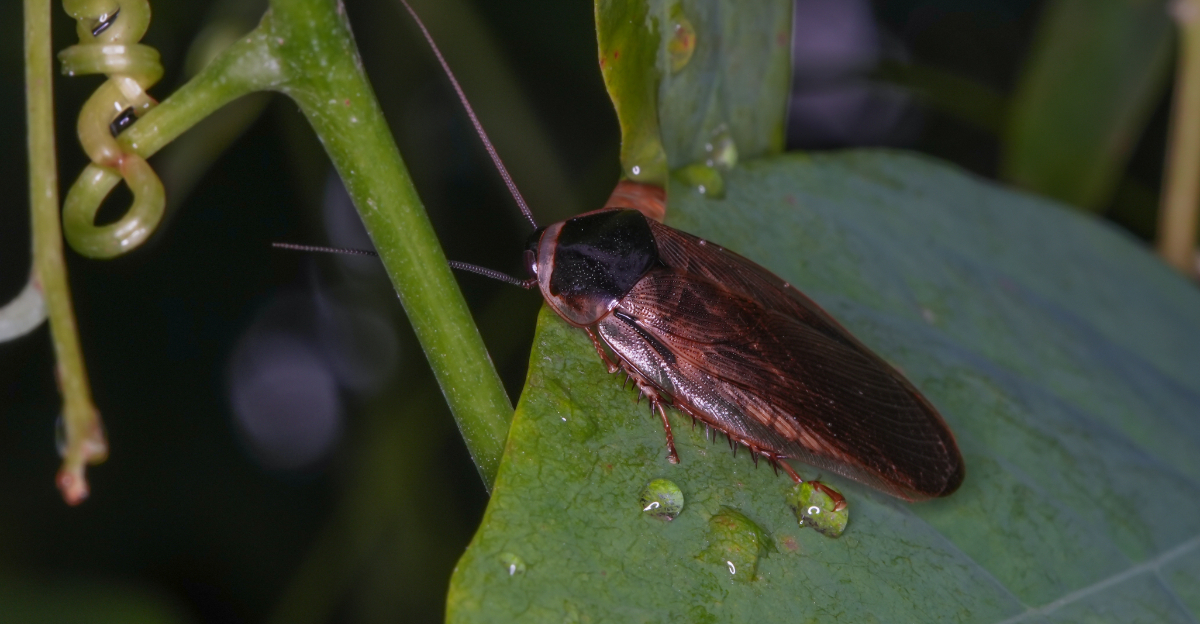
Cockroaches have a way of turning a relaxing backyard into a place homeowners would rather avoid.
One moment everything feels normal, and the next you spot unwanted visitors moving around areas they should not be.
Warm weather already creates plenty of challenges for outdoor spaces, but one common watering habit can make things even more inviting for these pests. The frustrating part is that the problem often begins quietly.
A yard may look healthy and well cared for while still offering the perfect conditions for cockroaches to stick around. These pests are always searching for moisture, shelter, and easy places to hide.
A small change in your routine can affect what happens around your property and help prevent your outdoor spaces from becoming a comfortable hangout spot for unwanted guests.
1. The Watering Habit That Creates Roach-Friendly Hiding Spots
Few people connect their garden watering routine to a cockroach problem, but the link is very real. When you water too often or use too much water at once, the soil stays wet for a long time.
That wet soil becomes a magnet for cockroaches looking for a place to hide and breed.
Cockroaches need three things to survive: food, warmth, and moisture. In California, warmth is rarely a problem.
Food scraps and organic matter are easy to find in most yards. Moisture is the one factor you can actually control, and overwatering hands it right to them.
Dense, low-growing plants that stay moist at the base are especially risky. Thick ground cover, overgrown shrubs near your house, and heavily watered flower beds all create dark, humid pockets.
These spots stay cool during the day and moist through the night, giving roaches a comfortable place to rest and reproduce.
Many homeowners do not realize how quickly a watering habit can turn into a pest problem. A few extra minutes on the irrigation timer each week can add up to consistently soggy soil around your home.
Reducing watering frequency and trimming back dense plants can take away the shelter roaches depend on. Small changes to your routine can seriously reduce how welcoming your yard feels to these unwanted guests.
2. Why Constantly Damp Soil Attracts Cockroaches
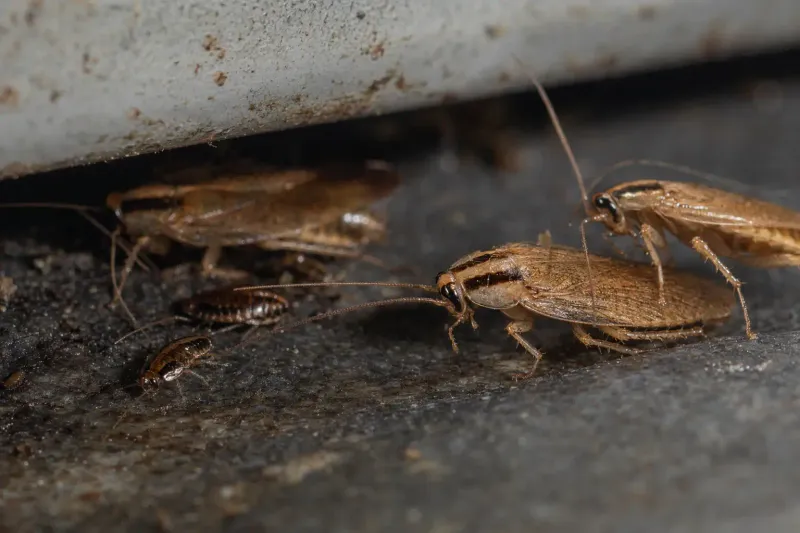
Cockroaches are drawn to moisture the same way people are drawn to air conditioning on a hot day. It is not just about drinking water.
Damp soil helps regulate their body temperature and keeps their eggs from drying out. Constantly wet ground gives them everything they need to stay comfortable and multiply.
In Southern and Central regions, the climate is already warm and dry for much of the year. When you add regular overwatering to that mix, you create a small oasis right next to your home.
Cockroaches can detect moisture from a surprising distance, and they will travel to find it.
The soil near garden beds, under potted plants, and around sprinkler heads are some of the most common trouble spots.
Water pools in these areas after each watering cycle, and if the soil never fully dries out, roaches will treat it like a permanent home base.
Your California Garden Changes Every Week. Your Plan Should Too.
Gardening in California changes quickly throughout the season. Every Friday you’ll receive a simple weekly plan showing exactly what to plant, prune, fertilize, harvest, and protect so you never miss the right timing.
Allowing soil to dry slightly between watering sessions is one of the best habits you can build. Most landscaping plants in California are drought-tolerant and do not need daily watering anyway.
Checking soil moisture with your finger before turning on the sprinklers takes only a second. That one habit alone can make your yard far less attractive to cockroaches looking for a reliable source of dampness.
3. Overwatering Keeps Outdoor Roach Shelters Comfortable
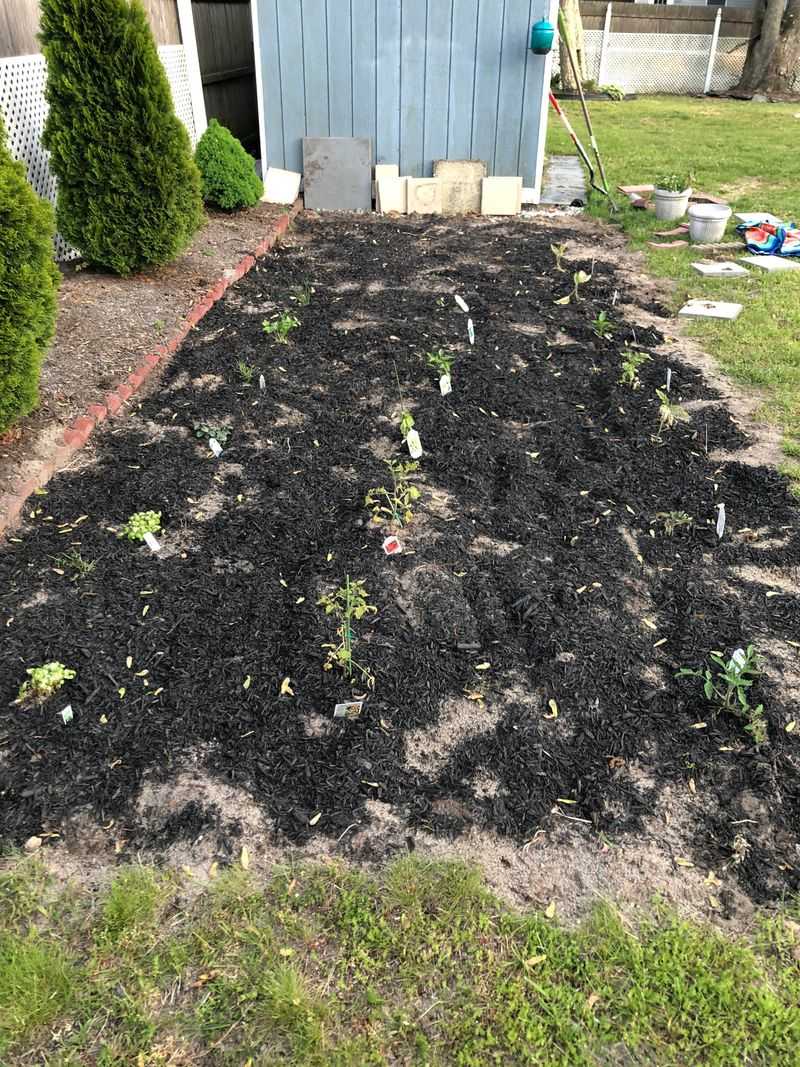
Outdoor roach shelters are not fancy. A crack in a wall, a pile of leaves, or a stack of old pots can all serve as home base for cockroaches.
What keeps them coming back to the same spot is comfort, and moisture plays a huge role in that comfort.
When outdoor areas stay perpetually damp due to overwatering, roaches do not need to move on. They find a cozy spot, stay put, and breed in large numbers.
Over time, what started as a small outdoor population can push its way inside your home through gaps, vents, and cracks in the foundation.
Wooden fences, garden beds against the house, and shaded corners near patios are classic comfort zones for outdoor cockroaches.
Add a sprinkler system that runs daily and soaks these areas, and you have created an environment that is nearly impossible for roaches to resist. They are not picky, they are just practical.
Cutting back on how often you water these specific zones can help disrupt the comfort roaches rely on. Let shaded areas dry out between waterings.
Check for pooling water near fences and garden structures. Removing that steady source of moisture forces cockroaches to look elsewhere, and that elsewhere is ideally far away from your home.
A drier yard is genuinely a less inviting yard for these persistent pests.
4. The Moisture Mistake Around Foundations And Patios
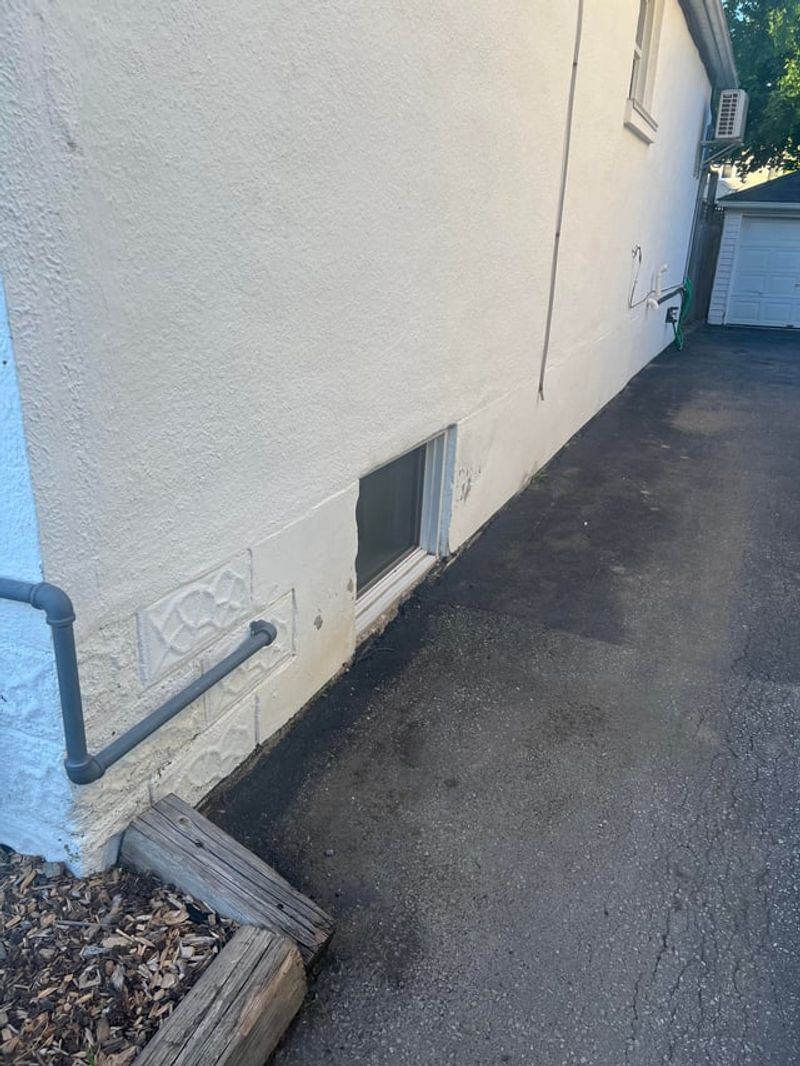
Water and foundations are never a good combination, and not just for structural reasons. When water consistently pools near your home’s foundation or along the edges of your patio, it creates a humid zone that cockroaches find irresistible.
This is one of the most overlooked moisture mistakes homeowners make.
Foundation areas stay shaded for much of the day. The concrete or stucco traps coolness while the wet soil nearby provides humidity.
That combination is like a roach resort right at your doorstep. Cockroaches that set up camp near your foundation are already one small crack away from getting inside your home.
Patios are another problem area. Water from nearby sprinkler heads or hand watering often runs off and collects along patio edges.
Leaf debris and dirt gather in those same spots, adding food sources to the moisture. Before long, roaches are regularly visiting the perimeter of your home.
Fixing this mistake starts with checking where your water actually goes after each irrigation cycle.
Walk around your home’s perimeter an hour after watering and look for any areas where water is standing or the soil is unusually soggy.
Adjust sprinkler heads so they point away from the foundation. Add gravel or drainage solutions near patio edges to help water move away from the house.
Keeping that zone dry is one of the most powerful steps you can take to limit cockroach access to your home.
5. How Wet Mulch And Soil Give Roaches More Cover
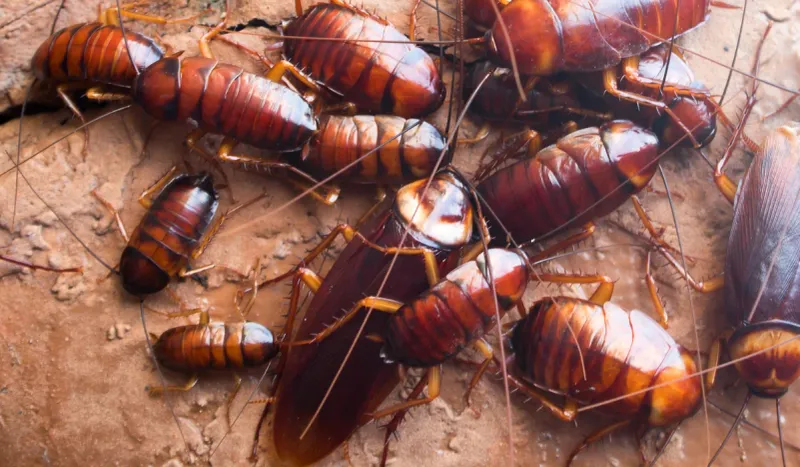
Mulch is great for plants. It holds moisture, regulates soil temperature, and reduces weeds.
But when mulch stays consistently wet from overwatering, it becomes a five-star hiding spot for cockroaches. The same properties that make mulch good for gardens make it great for roaches.
Thick layers of wet wood chip mulch or bark hold moisture for days after watering. They also break down slowly over time, creating a soft, dark, and humid environment underneath.
Cockroaches love burrowing into that kind of material. It keeps them hidden from predators and protected from temperature swings.
Many landscaping guides recommend piling mulch up against the base of shrubs and along garden borders.
But when that mulch is right up against your house, it creates a direct bridge between the moist, roach-friendly garden and your home’s interior.
Roaches do not need much of an invitation to cross that gap.
Keeping mulch at least six inches away from your home’s exterior walls can make a noticeable difference. Also, rake mulch regularly to allow the top layer to dry out between waterings.
Using gravel or rock mulch near the foundation instead of wood-based materials can reduce moisture retention significantly. Watering deeply but less often also helps mulched beds dry out between cycles.
Dry mulch is far less attractive to cockroaches than the soggy, decomposing kind that stays wet for days on end.
6. Why Nighttime Watering Can Leave Problem Areas Damp
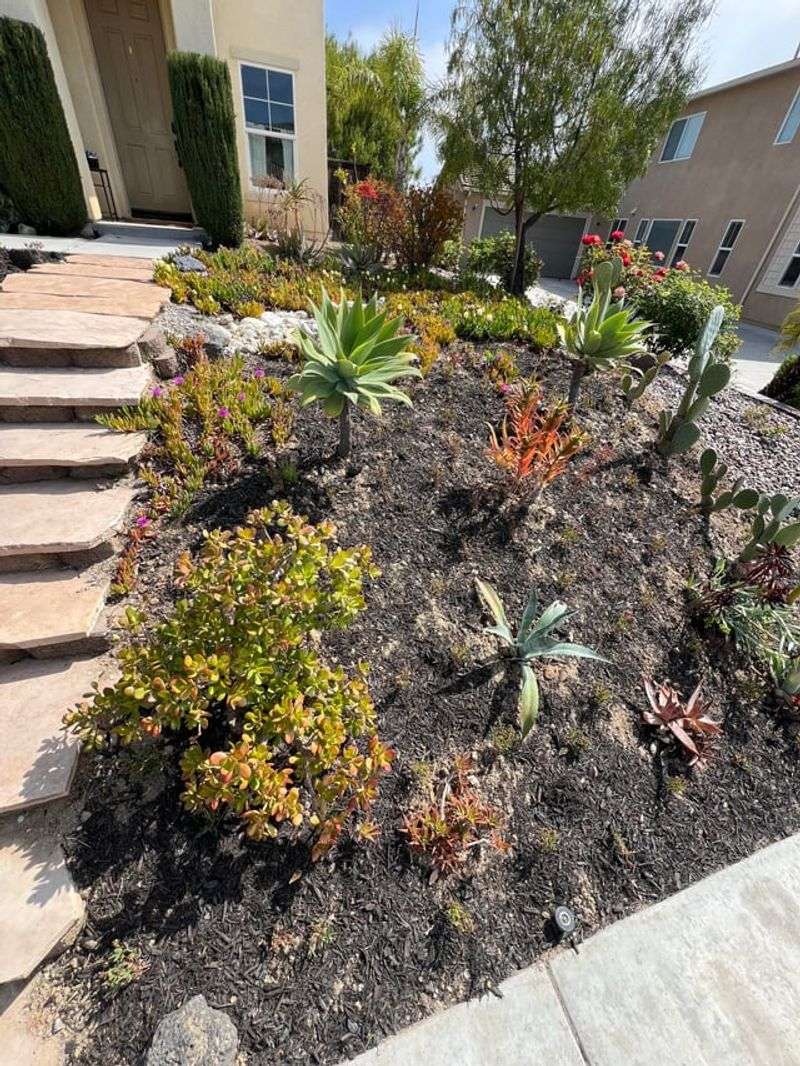
Watering at night feels efficient. Temperatures are cooler, evaporation is lower, and your plants get more of the water you put down.
But there is a serious downside that most homeowners never think about. Nighttime watering leaves soil, mulch, and low-growing plants wet for many hours without any sun to help them dry out.
Cockroaches are nocturnal. They are most active between sunset and sunrise, which is exactly when your nighttime irrigation is creating fresh, wet conditions all around your yard.
You are essentially rolling out a welcome mat right when roaches are out looking for moisture.
In cooler California regions, nighttime temperatures can drop enough to slow roach activity a bit. But in warmer inland and Southern areas, nights stay mild and roaches stay very active.
A yard that gets soaked at 10 p.m. and never fully dries until mid-morning is giving roaches hours of ideal conditions to explore, feed, and breed.
Switching your irrigation schedule to early morning is one of the simplest and most effective changes you can make. Watering between 5 and 8 a.m. gives the sun time to dry the surface soil before evening arrives.
Plants still get the water they need with less evaporation than midday watering. And roaches lose the reliable nighttime moisture they have been counting on.
That shift in timing alone can noticeably reduce cockroach activity around your home over just a few weeks.
7. Fix Your Irrigation Before Roaches Find The Moisture
Most irrigation systems are set up once and then forgotten. Homeowners punch in a schedule when the system is installed and rarely look at it again.
The problem is that watering needs change with the seasons, and a schedule set for summer can seriously over-water during cooler months.
An irrigation system that runs on autopilot through fall and winter is pumping water into soil that does not need it. That extra moisture sits in the ground, keeps mulch wet, and creates the exact conditions cockroaches look for.
A simple timer adjustment can stop this from happening.
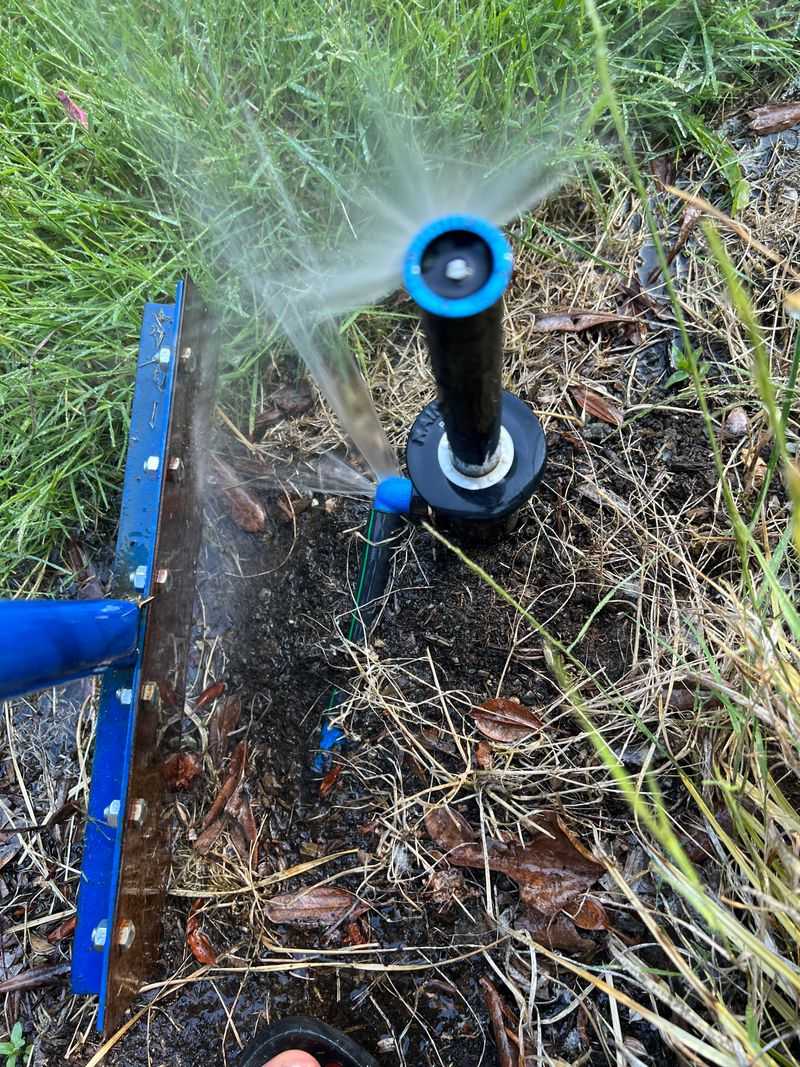
Check your sprinkler heads regularly for leaks, clogs, or misaligned spray patterns. A broken head that drips constantly near your foundation is a small problem that can create a big pest issue over time.
Fixing a leaky sprinkler head takes about ten minutes and costs very little.
Upgrading to a smart irrigation controller is worth considering if you want a more hands-off solution. These devices use local weather data to automatically adjust your watering schedule based on rainfall and temperature.
They prevent overwatering without requiring you to constantly monitor the system. Many utility companies in California also offer rebates for smart controllers, making the upgrade more affordable.
Investing a little time and money into your irrigation setup now can save you a lot of frustration and pest control costs down the road.
8. Simple Watering Changes That Make Yards Less Inviting
You do not need to rip out your landscaping or stop watering your garden entirely. Cockroaches are opportunists, but they are also sensitive to changes in their environment.
A few smart adjustments to your watering habits can make your yard noticeably less welcoming to them.
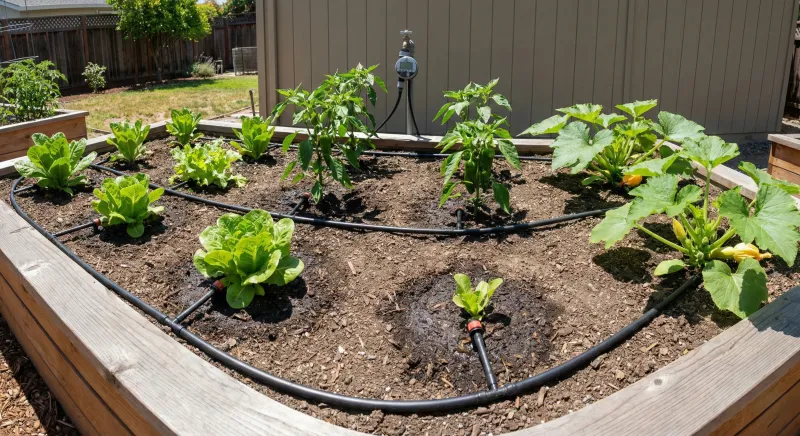
Start by switching from overhead sprinklers to drip irrigation where possible. Drip systems deliver water directly to plant roots, keeping the soil surface and surrounding areas much drier.
Less surface moisture means fewer places for roaches to hide, drink, and breed. Many gardeners also find that plants do better with drip systems because water goes exactly where it is needed.
Next, reduce how often you water. Many yards in California are watered far more than plants actually need.
Checking soil moisture before each watering cycle, rather than sticking to a fixed schedule, can cut your water use significantly. Drier soil is genuinely less attractive to cockroaches.
Also, clear out any areas where water tends to collect after irrigation. Low spots in the yard, clogged drainage channels, and debris piles near the house all hold moisture longer than open soil.
Fixing those spots removes the hidden wet zones roaches depend on. Combine these changes with keeping mulch dry and away from your foundation, and you will have a yard that is far less comfortable for cockroaches.
Consistent habits over a few weeks can lead to a real reduction in roach activity around your home.