The North Carolina Shrubs To Prune In August And The Ones To Leave Alone
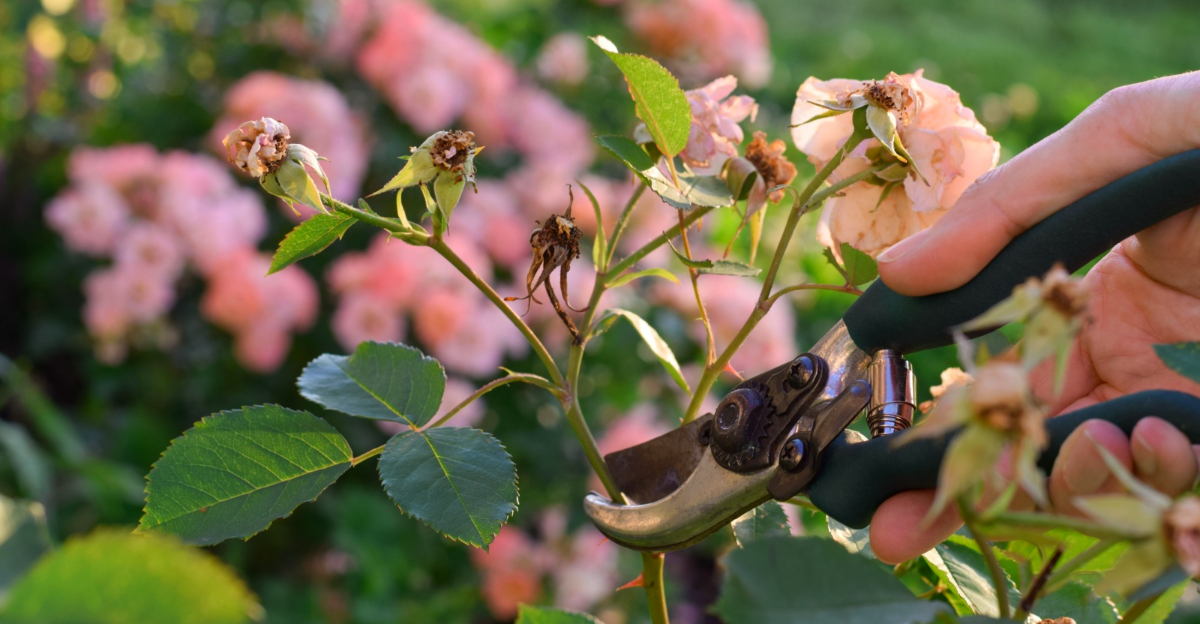
August in North Carolina has a way of making every shrub in the yard look like it desperately needs a haircut. The heat is relentless, everything has been growing like crazy all summer, and standing there with pruning shears starts to feel very tempting.
But here is where a lot of North Carolina gardeners accidentally cause themselves a serious headache: many popular shrubs, including azaleas, hydrangeas, camellias, and blueberries, set next year’s flower buds on old wood.
That enthusiastic August trim can quietly wipe out an entire season of blooms before you even realize what happened.
Ouch. The safer move is saving heavy pruning for late winter or early spring, though a handful of light tasks can absolutely be done in August without causing any real trouble.
1. Deadhead Reblooming Roses Lightly
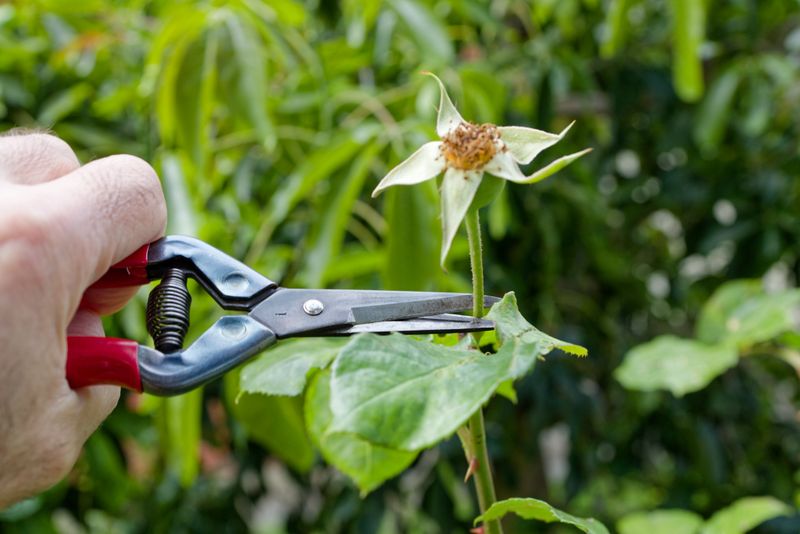
Faded rose blooms on a reblooming rose are one of the few things worth addressing in a North Carolina garden during August.
Deadheading, which simply means removing spent flowers, encourages the plant to put energy into producing new buds rather than forming seeds.
It is a light, targeted task that is very different from hard pruning.
When deadheading, cut just above a leaf node with five leaflets, using clean, sharp pruning shears. Avoid cutting deep into the cane or removing large amounts of foliage, especially during the intense heat of a North Carolina August.
Removing too much growth in summer can stress the plant and leave it vulnerable heading into fall.
Reblooming varieties like Knock Out roses and many hybrid teas respond well to regular deadheading throughout the growing season. The goal in August is simply to tidy up spent blooms and encourage one more flush of color before cooler weather arrives.
Keep cuts minimal, stay focused on the flowers rather than the stems, and let the plant do the rest of the work on its own schedule.
2. Remove Crape Myrtle Suckers Only
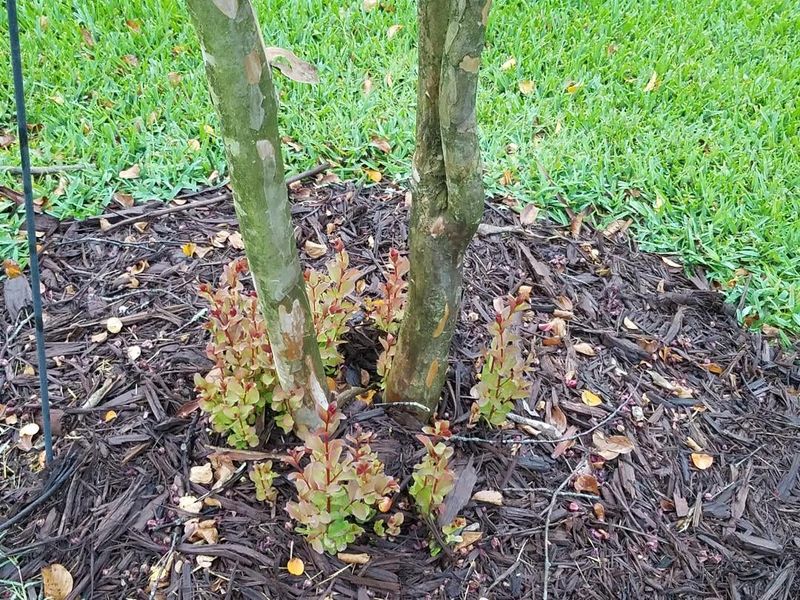
Those thin, leafy shoots sprouting up from the base of a crape myrtle are called suckers, and August is a perfectly reasonable time to remove them without harming the plant.
Suckers pull energy away from the main trunk and can make a crape myrtle look cluttered and unkempt in a front yard or mixed border.
Snipping them off close to the base is a quick, low-risk task.
What gardeners should avoid is using this as an excuse to top the plant or shear off large portions of the canopy.
Crape myrtles bloom on new wood, so they are not as sensitive to summer pruning as old-wood bloomers, but heavy cuts in August can still stress the plant during peak heat and may push out tender new growth that struggles before winter arrives in North Carolina.
Stick to sucker removal only. Use clean pruning shears and cut as close to the base as possible without tearing the bark.
If the suckers are coming from below a graft union, removing them promptly is especially useful. This small task keeps crape myrtles looking tidy through the rest of the summer season.
Your North Carolina Garden Changes Every Week. Your Plan Should Too.
Gardening in North Carolina changes quickly throughout the season. Every Friday you’ll receive a simple weekly plan showing exactly what to plant, prune, fertilize, harvest, and protect so you never miss the right timing.
3. Shape Gardenias Before Mid-August
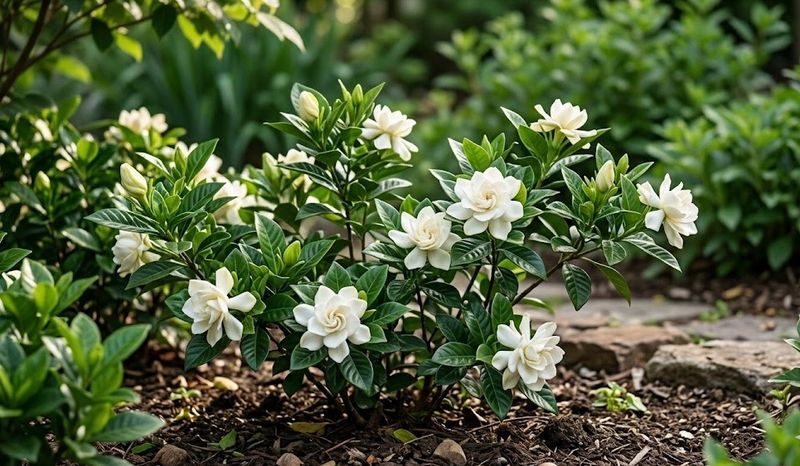
Gardenias are one of the few flowering shrubs in North Carolina where a light shaping in early August can still be done without too much risk to next season’s blooms. The key phrase there is early August.
Gardenias begin setting their flower buds for the following spring fairly soon after they finish blooming in summer, so timing matters more than most people realize.
If a gardenia has finished its main bloom flush and has a few unruly branches sticking out of the hedge line or foundation planting, a careful trim before mid-August can clean up the shape without sacrificing many buds.
Avoid cutting into the interior of the plant heavily, and focus only on wayward outer branches that are disrupting the overall form.
Once mid-August arrives in North Carolina, it is better to put the shears away and wait until after the shrub finishes blooming next year. Gardenias trimmed too late in the season may produce noticeably fewer flowers the following spring.
A little patience goes a long way with these fragrant, beloved shrubs, and keeping cuts light and targeted is the smartest approach during the heat of summer.
4. Give Hedges Only Small Touch-Ups
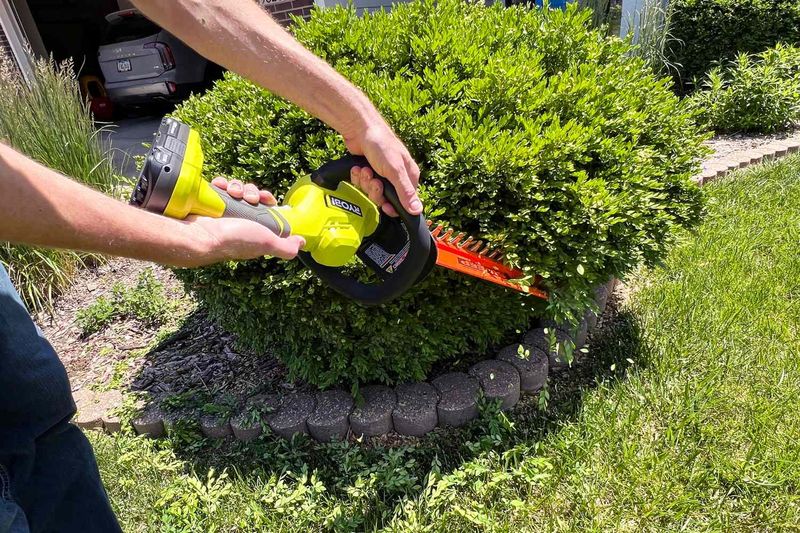
Hedges brushing against walkways, driveways, or windows can be frustrating in August, and a small cleanup trim is usually fine for most broadleaf evergreen hedges used in North Carolina landscapes.
Boxwood, holly, and similar hedging plants can handle a light touch-up during summer without serious setbacks, as long as gardeners keep the cuts minimal and avoid shearing deep into old wood.
The concern with heavy hedge trimming in August is that it can stimulate a flush of soft, tender new growth right before temperatures begin to shift in the fall.
That new growth may not harden off in time and could be more susceptible to cold damage during an early North Carolina frost.
A few inches off the tips is very different from a major reshaping.
Stick to trimming only what is clearly overstepping its boundaries, such as branches poking out over a path or pressing against a house foundation.
Save any significant reshaping or hard renovation pruning for late winter or early spring, when the shrub can put out fresh growth with the full growing season ahead of it.
Small, thoughtful touch-ups in August keep hedges looking neat without creating problems down the road.
5. Leave Azaleas Alone In August
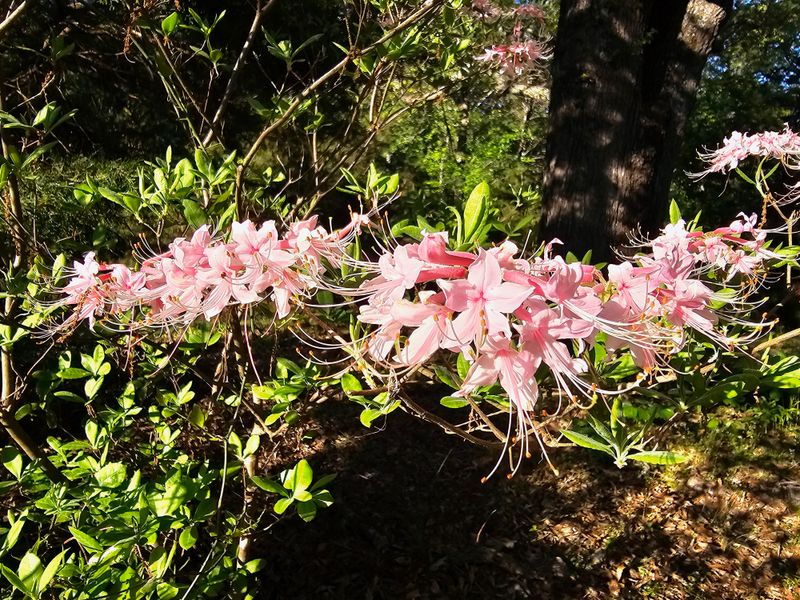
Azaleas are one of the most beloved flowering shrubs in North Carolina, and they are also one of the easiest to accidentally set back with a poorly timed August pruning.
Most azaleas bloom on old wood, meaning the flower buds for next spring have likely already formed on this year’s growth by the time August rolls around.
Cutting those branches removes the buds along with them.
Gardeners who trim azaleas in August often notice the following spring that their plants produce far fewer flowers than expected, sometimes with bare patches where the cuts were made.
The shrub itself may look fine and grow normally, but the bloom show takes a significant hit.
In North Carolina, where azaleas are a cornerstone of spring landscapes, that is a disappointing trade-off for a bit of late-summer tidying.
If an azalea has a few broken or crossing branches, those can be removed carefully at any time of year without much concern. But overall shaping, size reduction, or renovation pruning should wait until right after the shrub finishes blooming in spring.
That timing gives the plant the entire growing season to set new buds before the following winter arrives.
6. Skip Camellia Pruning Until After Bloom
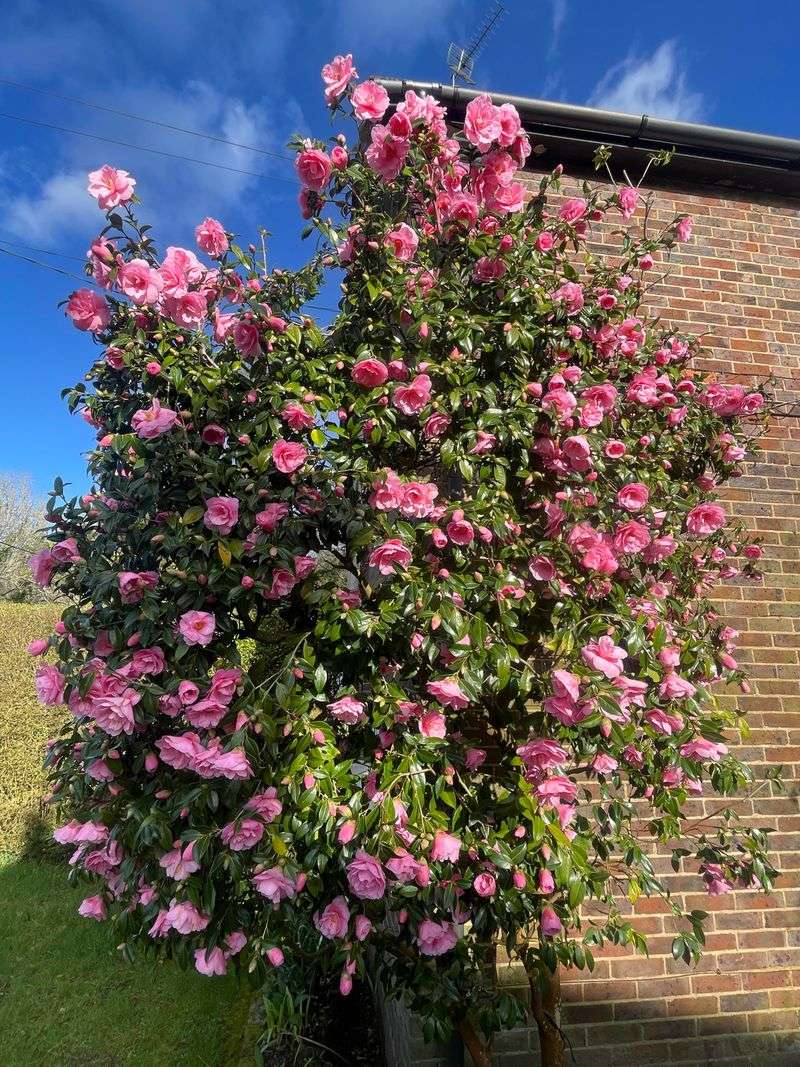
Camellia timing trips up a lot of North Carolina gardeners because the shrub looks so full and healthy in August that it is tempting to grab the shears and clean it up. Resist that urge.
Camellias, whether they are fall-blooming japonicas or winter-blooming sasanquas, are already carrying next season’s flower buds by late summer, tucked right alongside the foliage.
Pruning a camellia in August means removing those buds before they ever get a chance to open. The result is a plant that looks tidy for a few weeks but then produces a noticeably sparse bloom display during its flowering season.
In North Carolina landscapes, camellias are often planted for their stunning fall and winter color, so losing that bloom cycle is a real disappointment.
The right window for camellia pruning is right after the plant finishes blooming, whether that is late fall, winter, or early spring depending on the variety.
At that point, the old buds are spent and the new ones have not yet formed, giving gardeners a short but useful window to shape the plant, remove crossing branches, or manage its overall size without affecting next season’s flowers.
7. Do Not Cut Bigleaf Or Oakleaf Hydrangeas
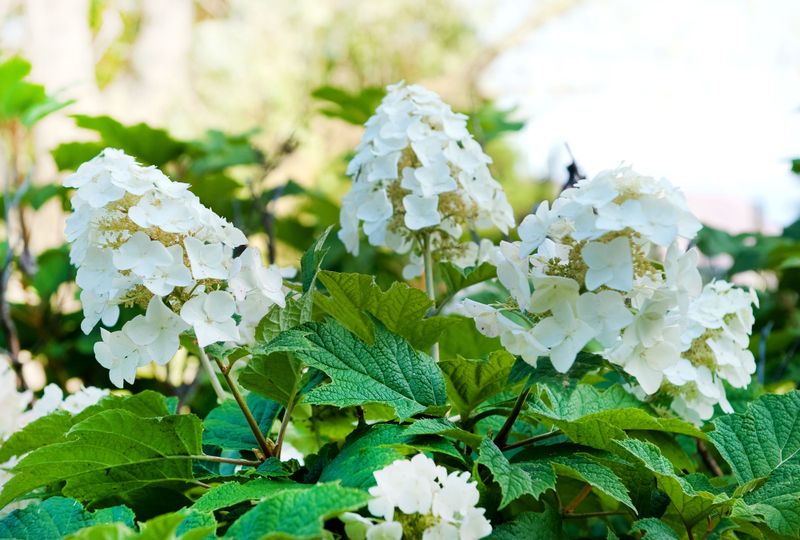
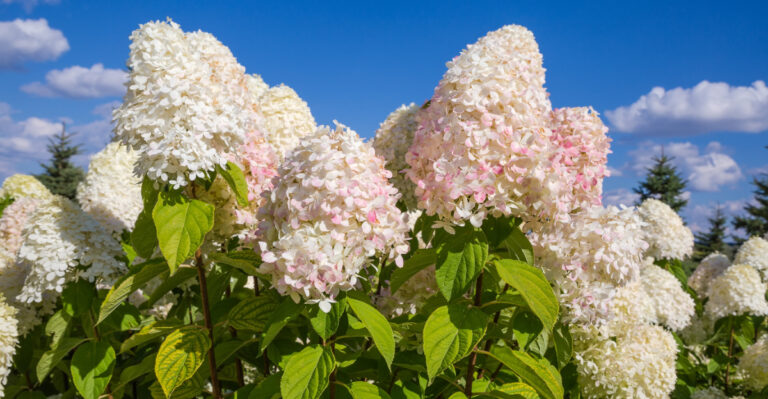
Bigleaf and oakleaf hydrangeas are two of the most popular shrubs in North Carolina gardens, and they are also two of the most commonly over-pruned.
Both bloom on old wood, which means the flower buds sitting on their stems right now in August are the same ones that will open next spring and summer.
Cutting those stems removes next year’s blooms entirely.
It is easy to understand why gardeners feel the urge to prune them in August. The flower heads are fading, the plants may look a bit ragged, and the season feels like a natural stopping point.
But those old flower heads actually offer some protection to the buds forming below them, especially during cold snaps that can arrive unexpectedly in North Carolina’s transitional fall weather.
Leave bigleaf and oakleaf hydrangeas alone through August, September, and even into late fall. If old flower heads are truly bothering you, they can be snipped off individually without cutting back the stems.
Any real shaping or pruning should wait until late winter or very early spring before new growth emerges, when gardeners can see clearly which stems made it through winter and which ones need to come out.
8. Save Forsythia Pruning For Spring Bloom Cleanup
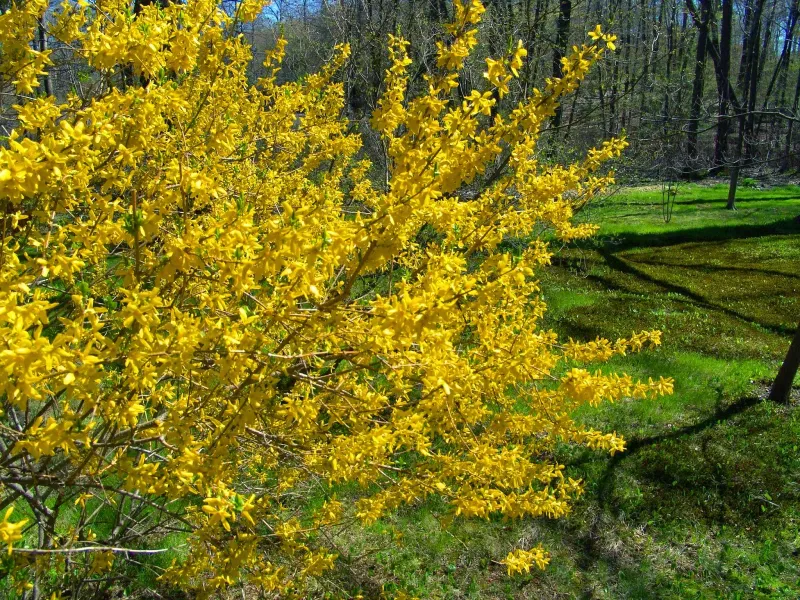
Forsythia branches arching out over a walkway or crowding neighboring plants in August can look like they need attention, but cutting them back now would be a mistake for next spring’s flower show.
Forsythia is a classic old-wood bloomer, setting its bright yellow flower buds on the previous season’s growth.
By August, those buds are already developing along the stems, even though they will not open until late winter or early spring in North Carolina.
A hard pruning in August removes those bud-bearing stems and leaves gardeners with a forsythia that blooms sparsely, if at all, the following spring.
The shrub will still leaf out and grow normally, but the cheerful yellow flowers that make forsythia such a welcome sight in early spring will be significantly reduced or missing from the branches that were cut.
The ideal window for forsythia pruning is right after it finishes blooming in spring, usually sometime in March or early April across much of North Carolina.
At that point, the old blooms are fading and the shrub has the entire growing season ahead of it to produce the new stems that will carry next year’s flowers.
August is simply too late in the season to prune without consequences.
9. Wait To Prune Blueberries Until Dormancy
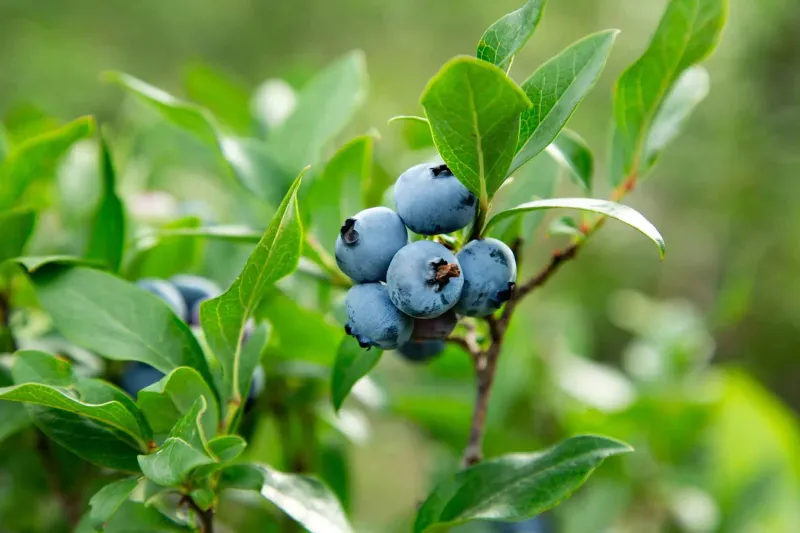
Blueberry bushes in a North Carolina backyard garden are usually still holding the last of their fruit in August, and the plants themselves are actively storing energy for the coming year.
Pruning blueberries during this period can interrupt that process and reduce the number of productive canes the plant carries into the next growing season.
Blueberries fruit on one- to three-year-old wood, so thoughtful pruning is important for maintaining long-term productivity. However, the timing of that pruning matters just as much as the technique.
Removing older, less productive canes while the plant is still actively growing in summer can stress the bush and may reduce next year’s crop more than most home gardeners expect.
The recommended window for blueberry pruning is during full dormancy in late winter, typically between January and early March in most parts of North Carolina.
At that point, the plant has dropped its leaves, the canes are clearly visible, and gardeners can make informed decisions about which older wood to remove and which younger canes to keep for the best fruit production.
Waiting until dormancy also reduces the risk of introducing disease through fresh pruning cuts during warm, humid North Carolina summers.
10. Leave Summer-Blooming Shrubs For Early Spring
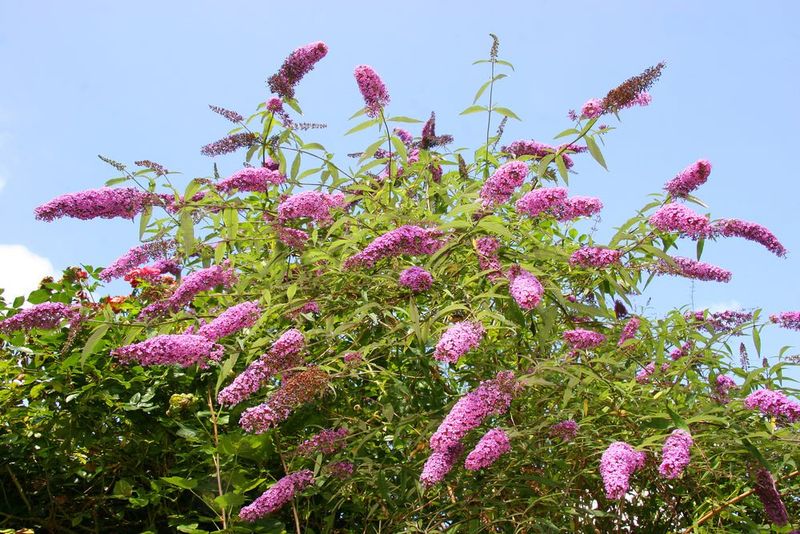
Summer-blooming shrubs like butterfly bush, beautyberry, and native sweetshrub are finishing up their show in August across many North Carolina gardens.
It might seem logical to cut them back once the blooms start to fade, but August pruning on these plants can push out a flush of soft new growth that has very little time to harden before cooler weather arrives.
Most summer-blooming shrubs that bloom on new wood are far better handled in late winter or very early spring, just before new growth begins. At that point, a harder pruning encourages vigorous new stems that will carry the season’s blooms.
Cutting them back in August can actually reduce the energy reserves the plant needs to get through winter in good shape.
For now, the most useful thing North Carolina gardeners can do with summer-blooming shrubs in August is remove any obviously broken or crossing branches and let the rest of the plant finish the season naturally.
Deadheading faded blooms on butterfly bush can encourage a few more flower spikes before fall, but avoid cutting stems back hard.
Patience through August leads to a much stronger bloom display the following summer, which is well worth the wait.