Why White Powder Is Spreading Across Your Wisconsin Squash Leaves, And What Actually Works
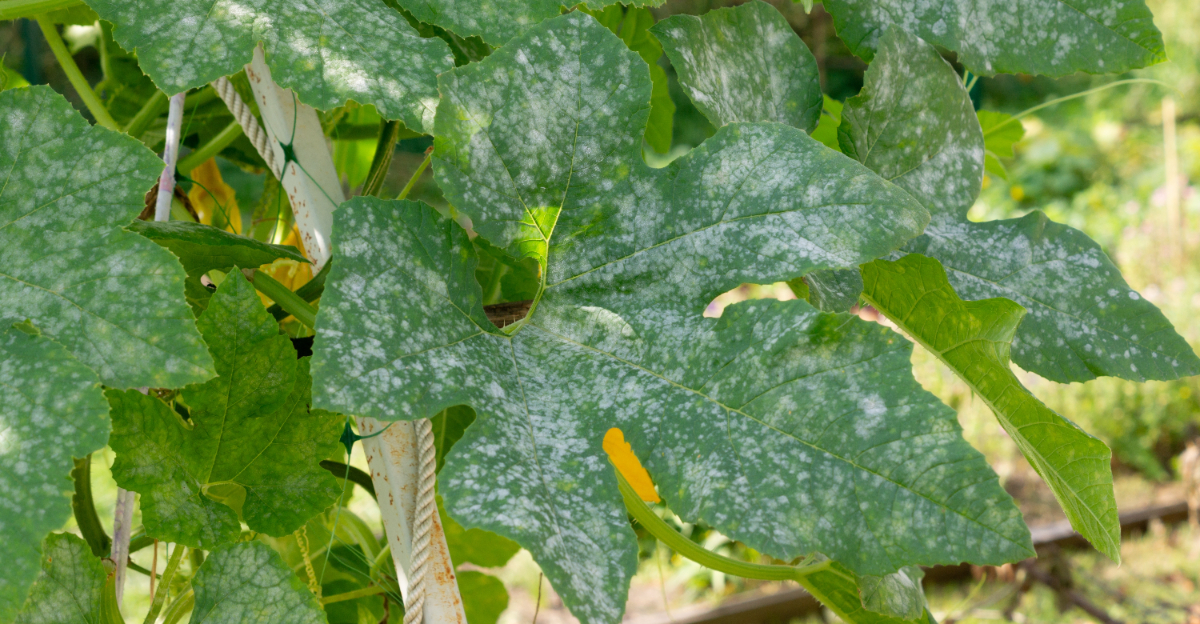
Squash leaves don’t turn white overnight for no reason. One morning they’re green, the next they look like they’ve been dipped in ash, and whatever caused it is spreading fast.
Wisconsin’s mix of sticky mornings and hot afternoons is basically fuel for whatever’s spreading across those leaves. Give it a week of neglect and you’ll watch it jump from one plant to the next like it’s got a map.
Left alone, this thing doesn’t just sit on the surface. It chokes off leaves, stunts growth, and quietly shrinks your squash harvest before you even notice what’s happening.
The fix isn’t some complicated spray regimen. Once you know what’s actually driving this, a handful of smart changes to your garden habits can stop it cold.
Powdery Mildew Fungus Behind The White Coating On Squash Leaves
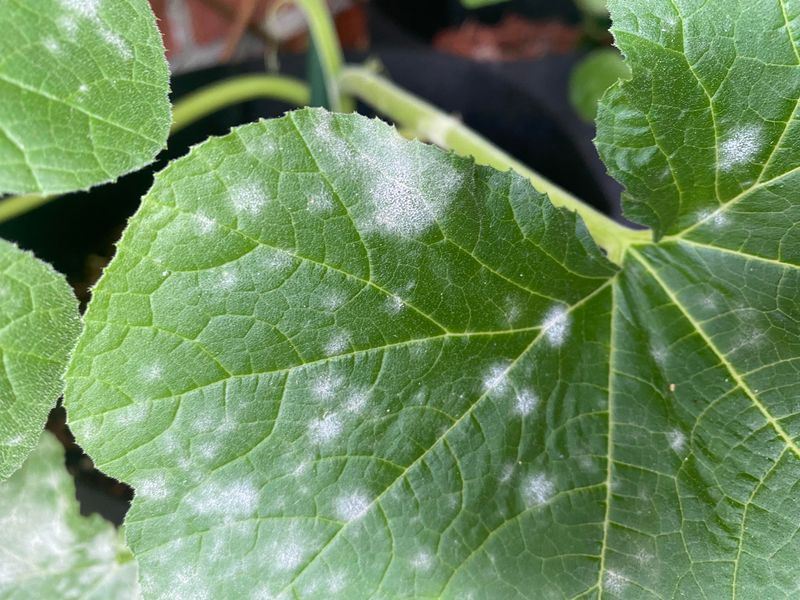
That chalky white coating is not dirt or dust. It is a living fungus called powdery mildew, and it colonizes squash leaves with surprising speed.
The fungus belongs to a group called Erysiphales. These pathogens specialize in specific plant families, including cucurbits like squash, zucchini, and pumpkins.
Unlike most fungi, powdery mildew does not need wet leaves to grow. It actually thrives in dry conditions with high humidity in the surrounding air, which makes it tricky to manage.
The white powder you see is made up of fungal spores. Those spores are lightweight and travel easily on the wind to neighboring plants.
Once spores land on a leaf, they germinate and push thread-like structures called hyphae into the leaf surface. The plant cannot respond fast enough to stop the spread.
Infected leaves lose their ability to absorb sunlight efficiently. That means less energy for fruit production, which directly affects your harvest size.
The white powder is a sign the infection is already established. Catching it early is the only way to slow the damage before it reaches your entire squash patch.
Gardeners sometimes confuse powdery mildew with a mineral residue from hard water. Rubbing the coating between your fingers confirms the difference because fungal spores smear and spread while mineral deposits crumble.
Knowing what you’re dealing with is step one. Now the question is why Wisconsin gardens see so much of it every season.
Wisconsin Weather Patterns That Fuel Powdery Mildew Growth
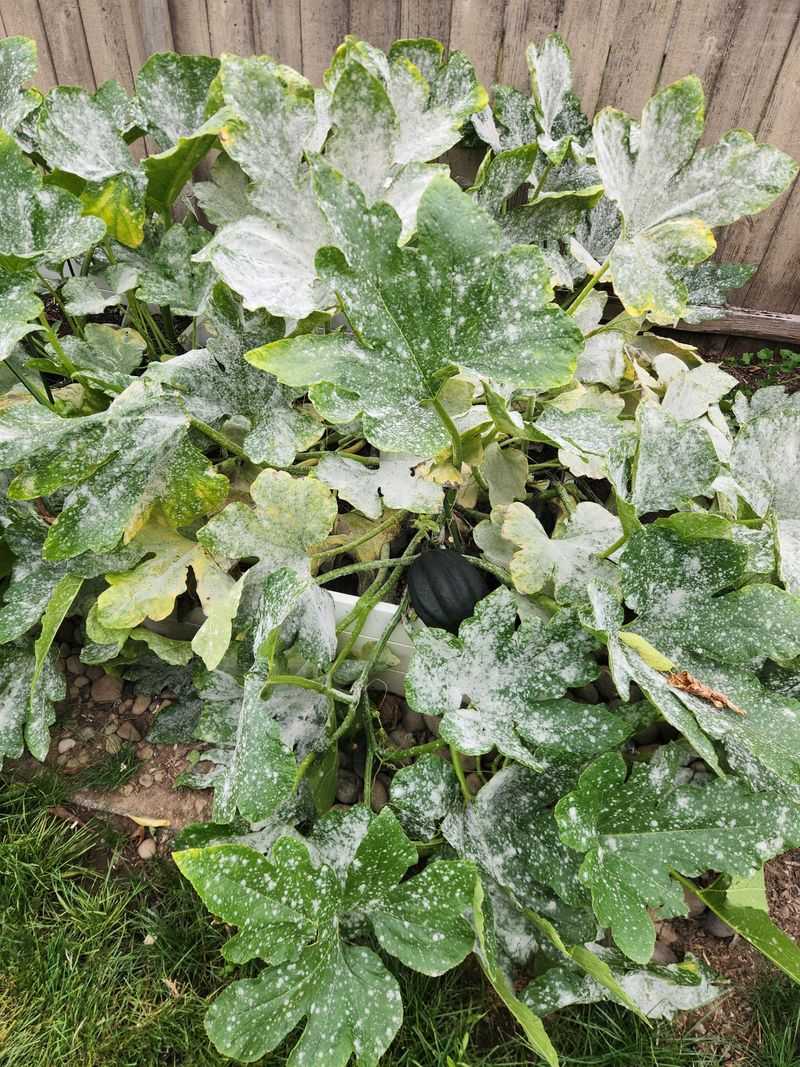
Wisconsin summers have a specific personality that powdery mildew clearly loves. Warm days, cool nights, and high humidity create the perfect storm for fungal outbreaks.
The fungus thrives when daytime temps sit between 60 and 80 degrees Fahrenheit. That range covers most of June, July, and August across the state.
Cool overnight temperatures cause moisture to condense on leaves and soil. That surface humidity feeds the fungal spores without requiring actual rainfall.
Midwest weather systems often bring stretches of cloudy days. Reduced sunlight slows the plant’s natural defenses while giving the fungus extra time to establish itself on foliage.
Gardens tucked near tree lines or fences face worse outbreaks. Poor air circulation traps moisture around leaves and creates a humid microclimate that spores readily exploit.
Late summer is peak season for powdery mildew in this region. By August, plants are already stressed from months of growth, making them more vulnerable to infection.
Drought stress earlier in the season can also increase susceptibility. A plant struggling for water has weakened defenses, and the fungus takes full advantage.
Gardeners who water in the evening unknowingly make things worse. Wet foliage sitting overnight in cool air creates the humid microclimate this fungus thrives in.
Understanding your local climate is not just interesting trivia. It is the foundation for every smart prevention and treatment decision you will make in your garden this season.
Early Warning Signs On Squash Foliage Before Spread Worsens
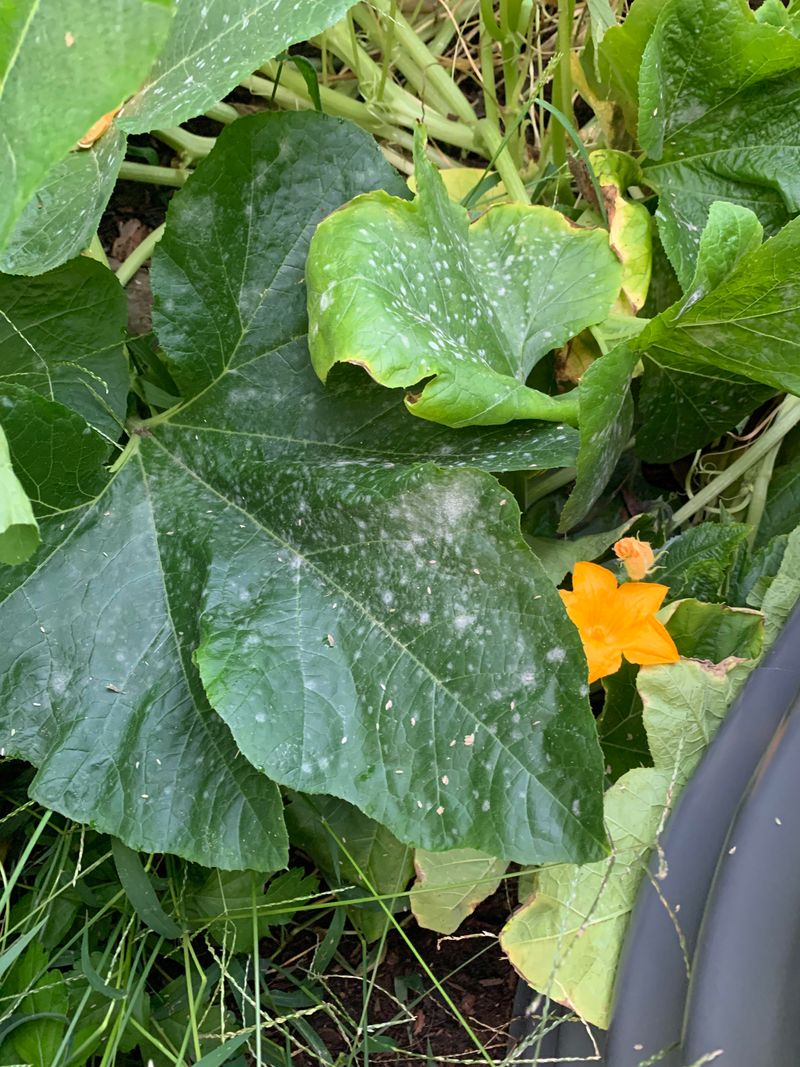
Catching powdery mildew early is the difference between a minor setback and a full crop loss. The first signs are subtle, and most gardeners miss them entirely.
Look for small, round white spots on the upper surface of older leaves first. The fungus targets mature foliage before moving to younger growth.
Those spots start about the size of a dime. Within days, they expand and merge into larger patches that cover significant portions of the leaf.
Check the undersides of leaves too. Early infections sometimes appear on the bottom surface before becoming visible on top, especially in high-humidity conditions.
Infected leaves may start to yellow around the white patches. That yellowing signals the fungus is already pulling nutrients from the plant tissue beneath the coating.
Some leaves curl slightly at the edges as the infection progresses. That curling is a stress response from the plant as its surface cells get damaged.
New growth near infected areas often looks stunted or misshapen. The fungus disrupts the plant’s hormone balance, which affects how new leaves and stems develop.
A quick weekly inspection of your squash plants catches problems early. Flip leaves, check stems, and look at the base of the plant where moisture collects.
Do not wait until the white powder covers multiple plants before acting. The white powder spreading across your Wisconsin squash leaves is much easier to treat in its earliest stage.
Organic Sprays That Slow Powdery Mildew On Squash Plants
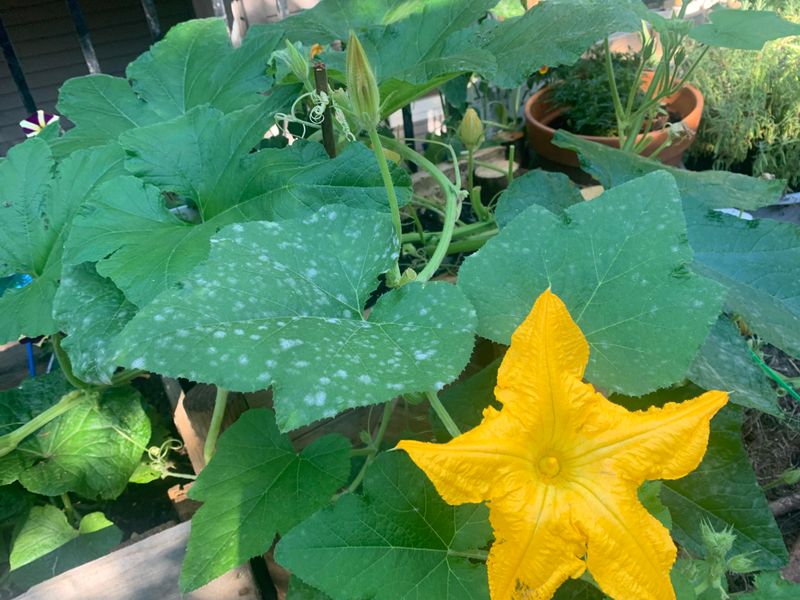
Not everyone wants to reach for a chemical fungicide right away, and you have solid organic options if you’d rather skip synthetic products. Several homemade and store-bought sprays genuinely slow powdery mildew on squash.
Baking soda spray is one of the most popular choices among home gardeners. Mix one tablespoon of baking soda with one teaspoon of dish soap in a gallon of water, then spray the leaves thoroughly.
The baking soda changes the pH on the leaf surface. Powdery mildew spores struggle to germinate in alkaline conditions, which slows the spread significantly.
Neem oil is another effective organic treatment. It contains a compound called azadirachtin that disrupts the fungal life cycle and works as a preventive coating on foliage.
Apply neem oil in the early morning so leaves dry before nightfall. Spraying in the evening leaves wet foliage overnight and can actually encourage more fungal growth.
Apple cider vinegar diluted in water is a lesser-known but useful option. Mix two to three tablespoons per gallon of water and apply every five to seven days.
Potassium bicarbonate sprays are available at garden centers and work faster than baking soda. They are considered one of the most effective organic fungicides for powdery mildew control.
Milk spray sounds strange but has actual research behind it. A 40 percent milk solution sprayed weekly has shown measurable results in reducing powdery mildew severity on cucurbit crops.
Consistency matters more than the product you choose. Apply your organic spray every week and reapply after any rain for the best outcome.
Fungicide Options For Severe Powdery Mildew Infections
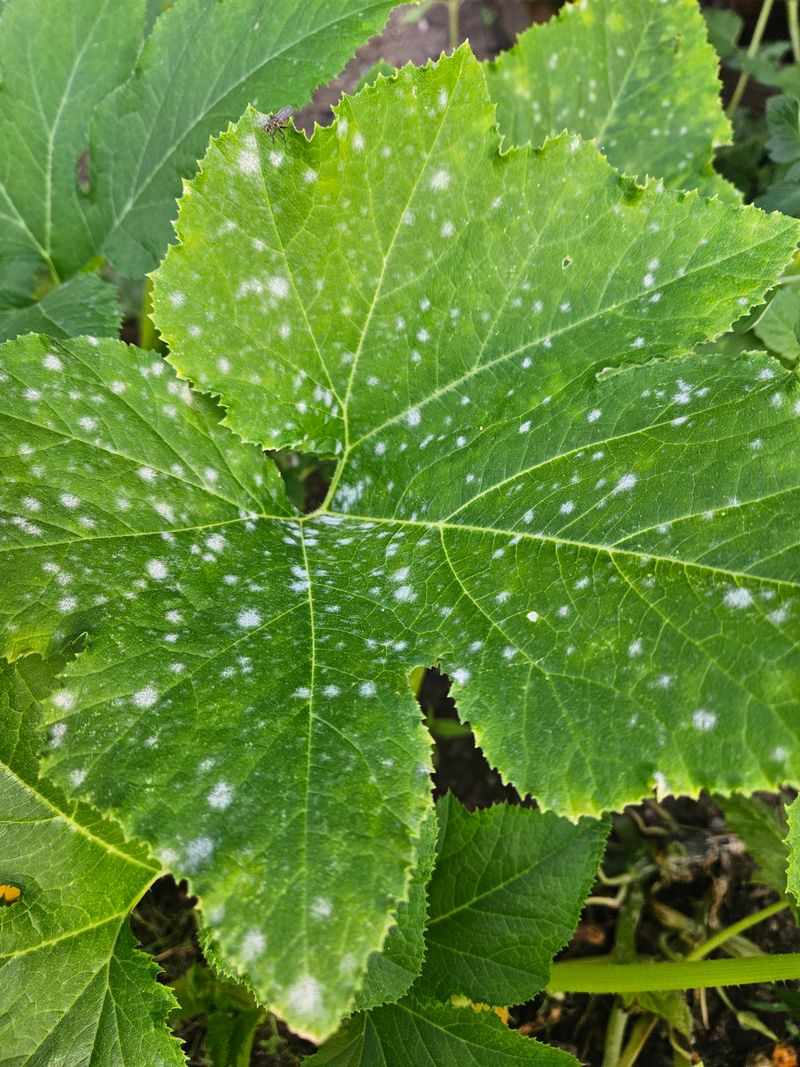
Sometimes the organic route is not enough, especially when the infection has already spread across multiple plants. Conventional fungicides step in when the situation gets serious.
Sulfur-based fungicides are widely available and work well against powdery mildew. They are approved for use on edible crops and are effective when applied at the first sign of heavy infection.
Read the label carefully before applying sulfur products. Some squash varieties are sensitive to sulfur and can show leaf burn, especially when temperatures climb above 90 degrees Fahrenheit.
Copper-based fungicides offer some protection and have a long track record against various plant pathogens. They tend to be less effective against this specific fungus than sulfur or systemic options.
Myclobutanil and propiconazole are systemic fungicides that move inside the plant. They attack the fungus from within rather than just coating the surface, making them more effective for advanced cases.
Systemic options require fewer applications than contact fungicides. However, rotating between different fungicide types prevents the fungus from developing resistance over time.
Follow label directions closely for timing, dilution, and safety precautions. Protective gloves and eyewear are a smart choice when handling any concentrated fungicide product.
Avoid spraying during the hottest part of the day. Heat causes fungicides to evaporate faster and can stress already-weakened plants further.
Fungicides slow the spread but cannot reverse damage already done to infected leaves. Removing severely affected foliage before spraying gives your treatment a much better chance of success.
Prevention Steps For Reducing Powdery Mildew Next Season
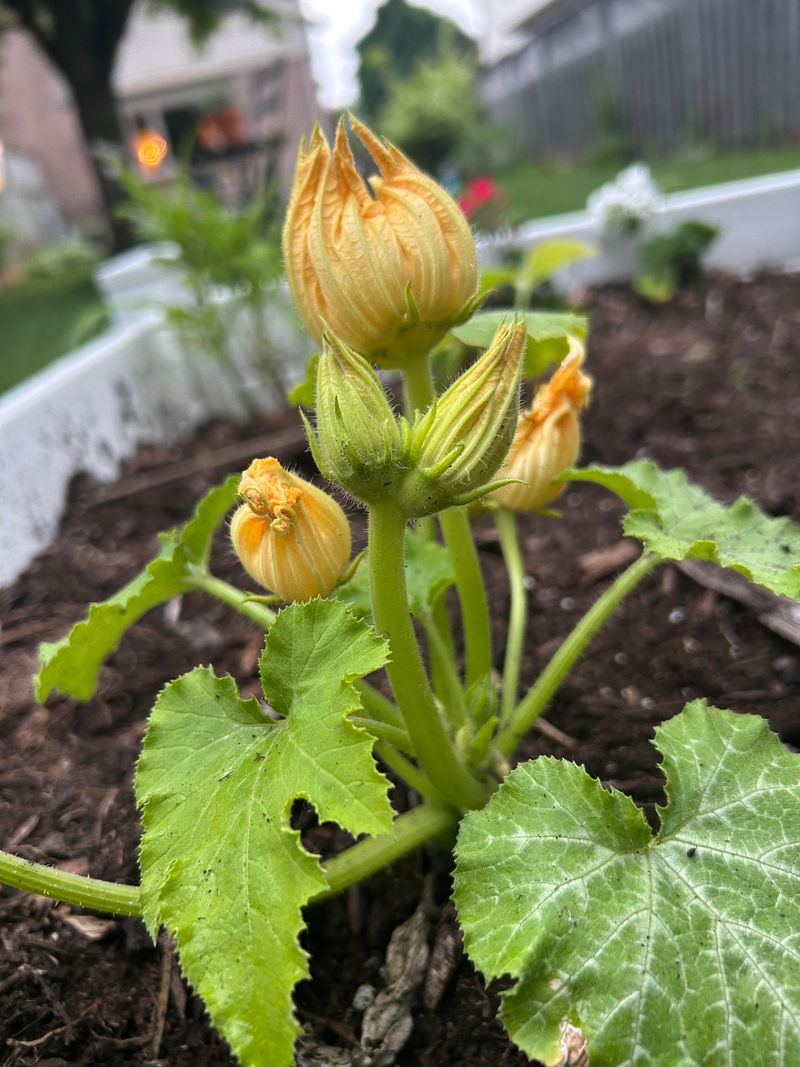
Prevention tends to be far more satisfying than scrambling for a cure mid-season. A few smart choices before planting can dramatically reduce your chances of dealing with white powder on squash leaves next year.
Start with resistant squash varieties. Seed catalogs and local garden centers increasingly offer cultivars bred specifically to resist powdery mildew, and they perform noticeably better in humid climates.
Spacing matters more than most gardeners realize. Crowded plants trap moisture and block airflow, creating exactly the conditions the fungus needs to flourish.
Plant squash where they receive at least six hours of direct sunlight daily. Sunlight dries leaf surfaces quickly and slows the humid microclimate that powdery mildew exploits.
Water your squash at the base, not overhead. Drip irrigation or a soaker hose keeps foliage dry while delivering moisture directly to the root zone where the plant needs it.
Water in the morning so any accidental splashing on leaves dries quickly. Evening watering leaves plants wet overnight, which is an open invitation for fungal spores.
Clean up plant debris thoroughly at the end of each season. Infected leaves and stems left on the ground harbor spores that overwinter and reinfect your garden the following spring.
Rotating your squash to a different garden bed each year also helps. Moving crops away from last season’s soil reduces the concentration of overwintered spores near new plants.
With the right habits in place, white powder spreading across your Wisconsin squash leaves can become a rare problem rather than a seasonal guarantee.