What North Carolina Box Turtles Actually Eat In Your Garden (And Why That’s A Good Thing)
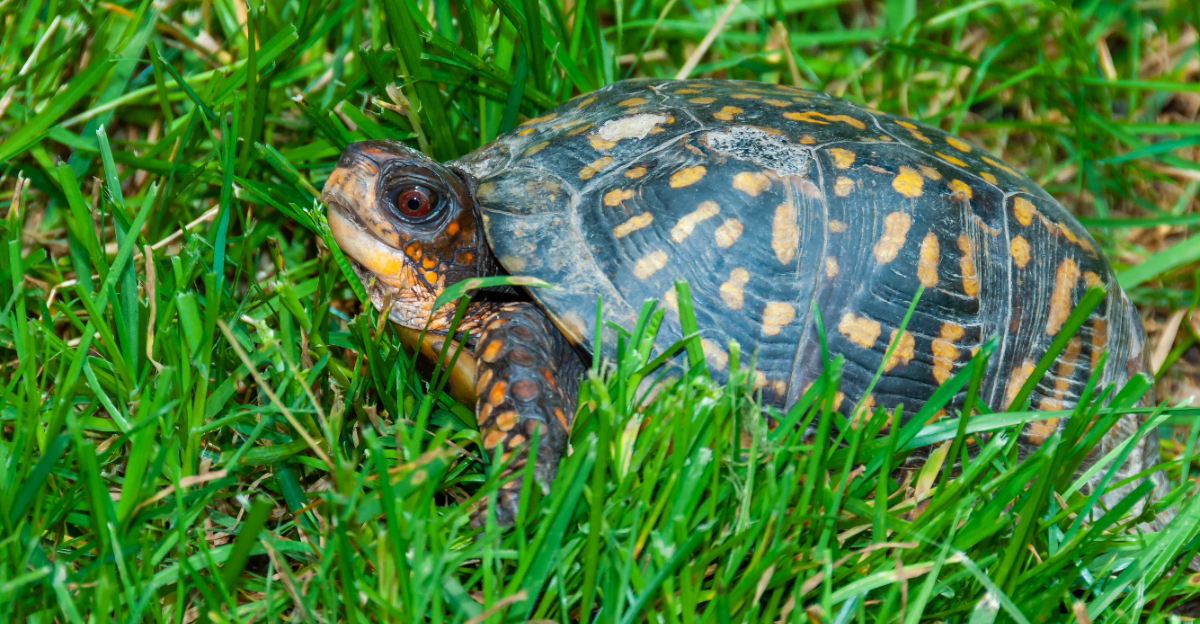
Box turtles are surprisingly beneficial garden visitors, feeding on a wide variety of pests that often trouble North Carolina gardeners throughout the growing season.
Slugs and snails make up a significant part of their diet, helping naturally reduce damage to leafy greens and tender seedlings.
They also eat insects like beetles and caterpillars, adding another layer of natural pest control without any effort required.
Fallen fruit and overripe vegetables provide an easy food source, meaning turtles help clean up garden debris as they forage.
Occasionally, box turtles will nibble on mushrooms or other fungi growing in shaded, damp areas of the yard.
Their diet remains varied throughout the season, shifting based on whatever food sources happen to be most available.
Avoiding pesticide use protects these helpful visitors from unintended harm while they work through your garden.
Recognizing their diet helps gardeners appreciate box turtles as quiet, effective allies rather than simply curious wildlife.
1. Box Turtles Eat Slugs And Snails
Slugs leaving silvery trails across your hostas overnight?
You might be surprised to learn that Eastern Box Turtles occasionally snack on slugs and snails as they slowly patrol moist garden beds, woodland edges, and patches of thick leaf litter.
They are not fast hunters by any stretch, but their patient, methodical style of foraging means they cover a lot of ground over time.
Box turtles are opportunistic eaters, which means they take advantage of whatever food is available as they move through their territory.
Slugs and snails are soft, easy to handle, and often found in the same damp, shaded spots where turtles naturally like to spend time.
It is a natural overlap that benefits both the turtle and the garden ecosystem in small but meaningful ways.
Now, it is worth being clear about something important. Box turtles are not a guaranteed solution to a slug problem, and you should never relocate one into your yard hoping it will clean things up.
Doing so causes real stress to the turtle, which can spend the rest of its life trying to find its original home territory.
Their presence in your garden is simply a natural part of a balanced food web, and that alone makes it something worth celebrating.
2. They Search For Small Animals They Can Catch
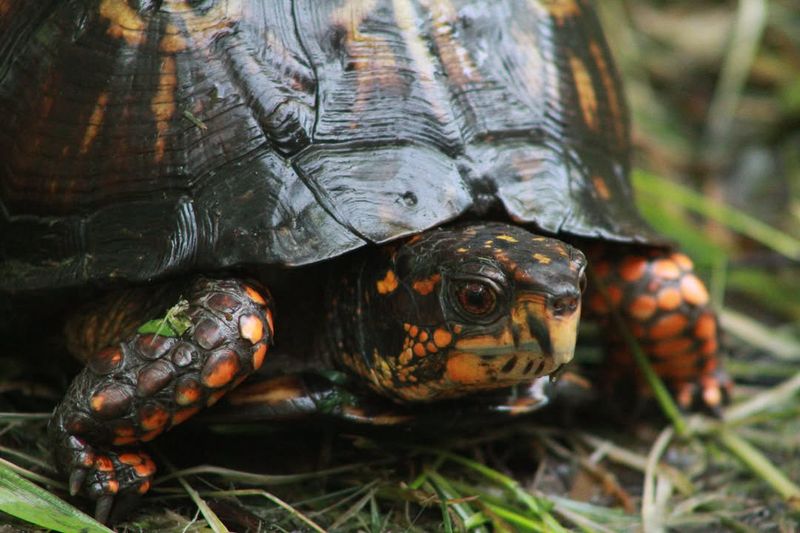
Picture a turtle slowly nosing through a pile of damp leaves, pausing every few seconds, completely focused. That quiet, deliberate behavior is actually a hunting strategy.
Eastern Box Turtles are opportunistic feeders, meaning they eat whatever small animals they can realistically catch as they move through their territory at their own unhurried pace.
Their menu of small animals can include earthworms, beetles, caterpillars, and various soft-bodied insects found in loose soil, mulch, and low-growing vegetation.
They are not chasing anything down, but they are highly tuned in to the movement and smell of small creatures hiding just beneath the surface.
Gardens with loose, natural ground cover tend to host more of these small organisms, which naturally supports more turtle activity.
Leaving some areas of your yard with natural mulch, fallen leaves, or undisturbed soil creates a rich habitat for the small creatures that form a big part of the box turtle diet.
Your North Carolina Garden Changes Every Week. Your Plan Should Too.
Gardening in North Carolina changes quickly throughout the season. Every Friday you’ll receive a simple weekly plan showing exactly what to plant, prune, fertilize, harvest, and protect so you never miss the right timing.
You do not need to let your entire yard go wild to make a difference. Even a corner beneath a shrub or a section along a fence line left with some natural ground cover can provide real feeding value.
Box turtles will not remove every unwanted visitor from your garden, but their slow and steady foraging is one small thread in the larger web of a genuinely healthy yard.
3. Mushrooms Are A Natural Part Of Their Diet
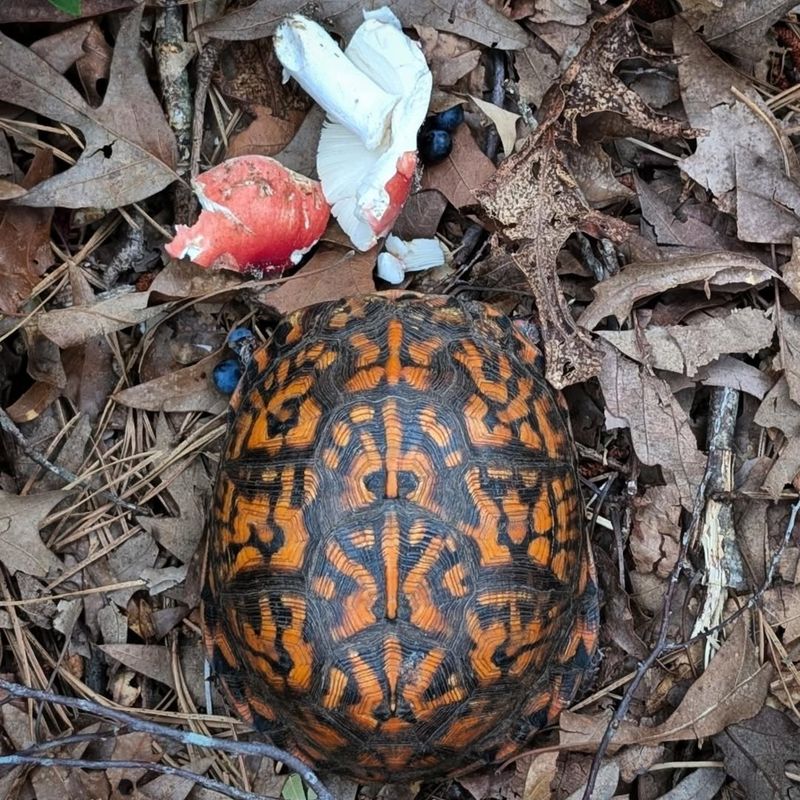
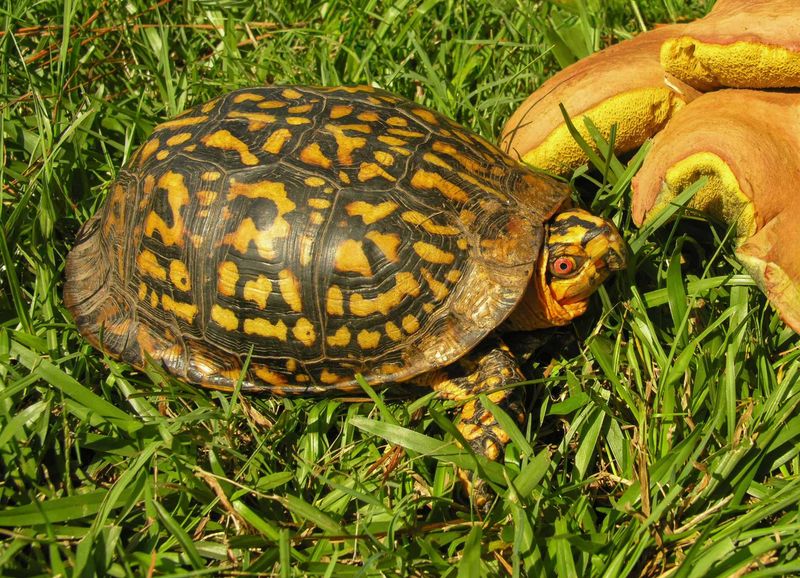
Fungi might not be the first thing that comes to mind when thinking about what a turtle eats, but mushrooms are a well-documented part of the Eastern Box Turtle diet.
Wild fungi grow naturally in the moist, shaded areas of North Carolina gardens and woodland borders, which happen to be exactly the kinds of places box turtles prefer to spend their time.
It makes perfect sense that the two cross paths so regularly. Turtles seem to find mushrooms by smell, and they will investigate fungal growth along shaded garden edges, beneath trees, and near decomposing wood.
Some of the mushroom species that turtles consume without any trouble would actually be toxic to humans, which is a fascinating quirk of their biology.
Their digestive system handles certain fungi in ways ours simply cannot. Here is something important for homeowners to keep in mind.
You should never collect random mushrooms from your yard and offer them to a box turtle as a treat.
Mushroom identification is genuinely difficult even for experienced foragers, and offering the wrong species could cause real harm to the turtle.
The much better approach is to allow the turtle to choose naturally available foods within its own established home territory.
A garden that supports natural fungal growth in shaded corners is already doing something valuable for these fascinating reptiles without any extra effort on your part.
4. Berries And Soft Fruit Provide Seasonal Food
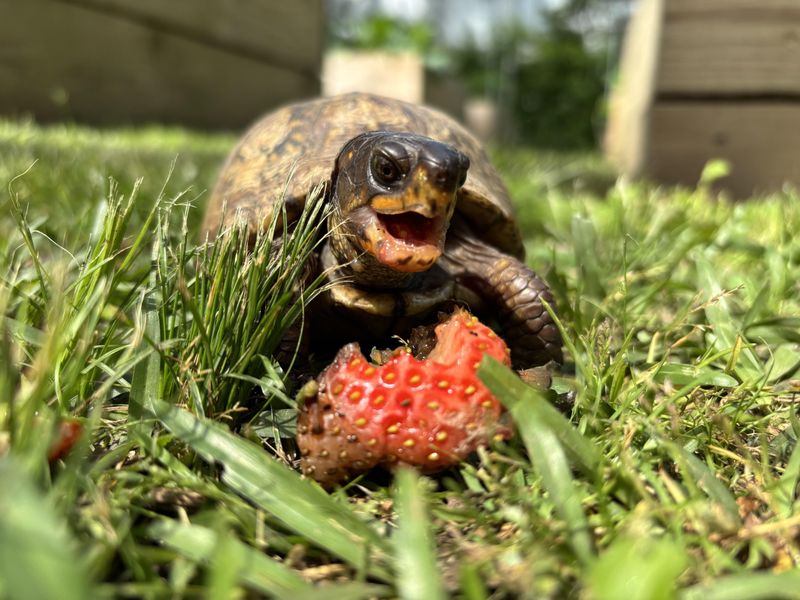
Few things make a box turtle move with more obvious purpose than the smell of ripe fruit.
Eastern Box Turtles eat berries and soft fruit throughout the warmer months, investigating native fruiting plants, woodland berry patches, and pieces of ripe fruit that have naturally fallen to the ground.
Watching one work through a fallen blueberry or a ripe wild strawberry is genuinely charming.
Native fruiting plants like serviceberry, elderberry, and wild strawberry are all part of the natural North Carolina landscape that box turtles have relied on for thousands of years.
A garden that includes several of these plants offers seasonal food value not just for turtles but for birds, pollinators, and a wide range of other wildlife.
Planting native fruiting shrubs is one of the most practical things a homeowner can do to support local biodiversity without a lot of extra maintenance.
One thing to avoid, though, is leaving piles of household fruit scraps or grocery store produce out for box turtles.
It might seem like a kind gesture, but it can attract pests, disrupt the turtle’s natural foraging behavior, and introduce foods that do not belong in its diet.
Ripe fruit that drops from plants growing naturally in your yard is perfectly fine and genuinely beneficial.
The goal is to support the turtle’s ability to find its own food on its own terms, which is exactly what a well-planted native garden already does beautifully.
5. Seeds, Flowers, Roots, And Grasses Add Variety
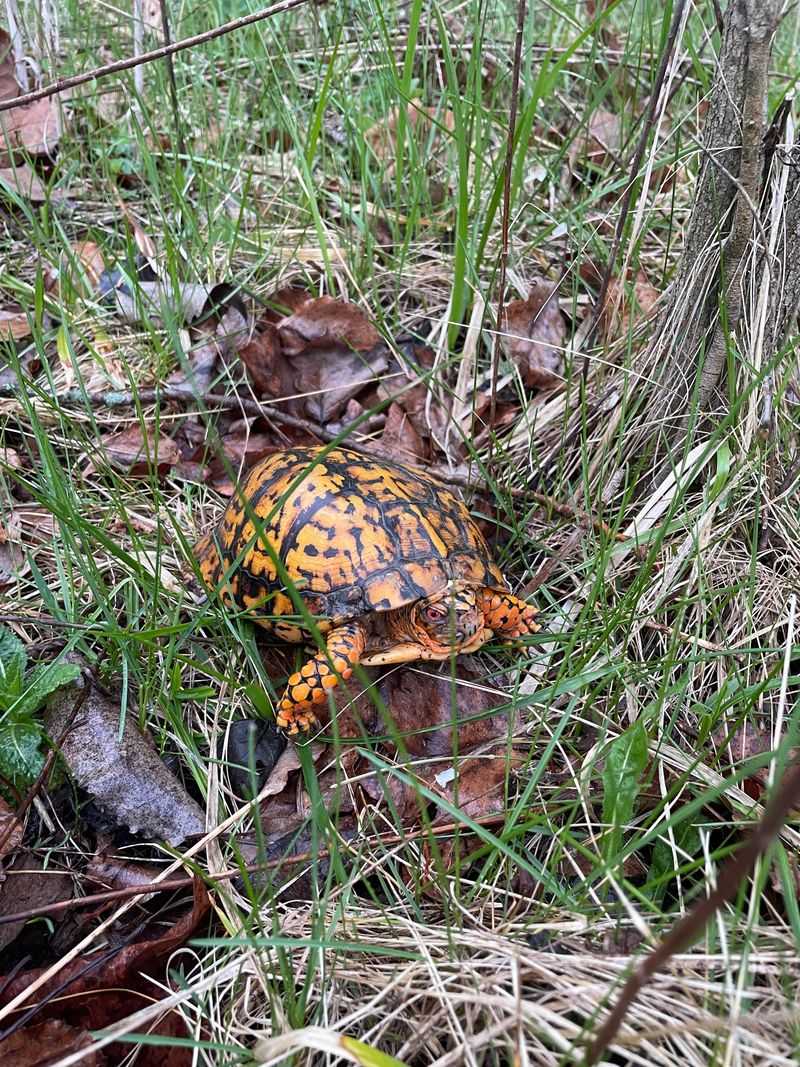
Box turtles are far more versatile eaters than most people realize.
Beyond fruit and small animals, the Eastern Box Turtle diet also includes seeds, flowers, roots, and grasses, which means they are drawing nutrition from almost every layer of a healthy garden.
This variety is actually a survival advantage, allowing them to shift what they eat as seasons change and food sources come and go throughout the year.
During spring and early summer, flowers and tender new growth become part of their foraging routine.
As summer progresses and fruiting plants ripen, fruit takes center stage. By late season, seeds, roots, and whatever ground-level plant material remains available help carry them through until they settle in for their winter dormancy period.
A garden that mirrors this natural seasonal variety gives box turtles far more to work with than a space dominated by closely cut lawn.
North Carolina yards that include native ground plants, flowering perennials, shrubs with natural leaf cover, and patches of undisturbed soil offer far more feeding opportunities than a manicured grass lawn ever could.
You do not need to sacrifice a tidy yard to make a difference. Even a modest border of native wildflowers, a patch of natural leaf litter beneath a tree, or a row of native shrubs along a fence can dramatically expand what a box turtle can access.
A diverse landscape is not just prettier. It is genuinely more alive.
6. Moist Leaf Litter Creates A Natural Feeding Area
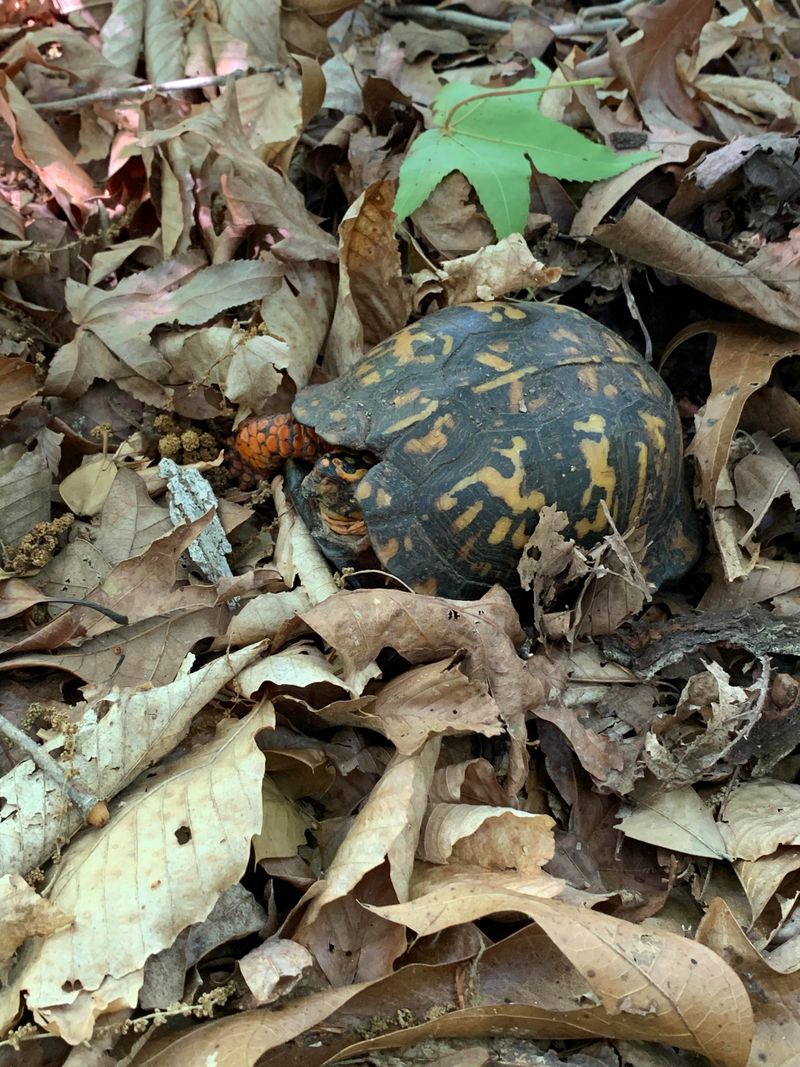
Leaf litter might look like yard waste to some homeowners, but to a box turtle it is basically a fully stocked pantry.
Eastern Box Turtles frequently forage beneath fallen leaves and damp vegetation because that layer of decomposing organic material hides an impressive amount of food.
Mushrooms, slugs, snails, earthworms, beetles, fallen berries, and soft plant material all concentrate in exactly these kinds of moist, sheltered spots.
Beyond food, leaf litter also provides the moisture and temperature regulation that box turtles need to stay comfortable during warm North Carolina summers.
They will often rest beneath a thick patch of leaves during the hottest part of the day and resume foraging as temperatures cool in the late afternoon.
The leaf layer is not just a food source. It is shelter, humidity, and comfort all in one.
Preserving leaves in selected areas of your yard is one of the simplest and most effective things you can do to support box turtles and the wider garden ecosystem.
You do not need to leave every surface covered. Paths, seating areas, and frequently used spaces can stay tidy and clear.
But beneath trees, along shrub borders, and in garden corners, allowing leaves to remain through the season creates genuinely valuable habitat.
A small patch of undisturbed leaf litter costs nothing to maintain and quietly supports far more wildlife than most gardeners ever expect.
7. Their Feeding Supports A Balanced Garden Food Web
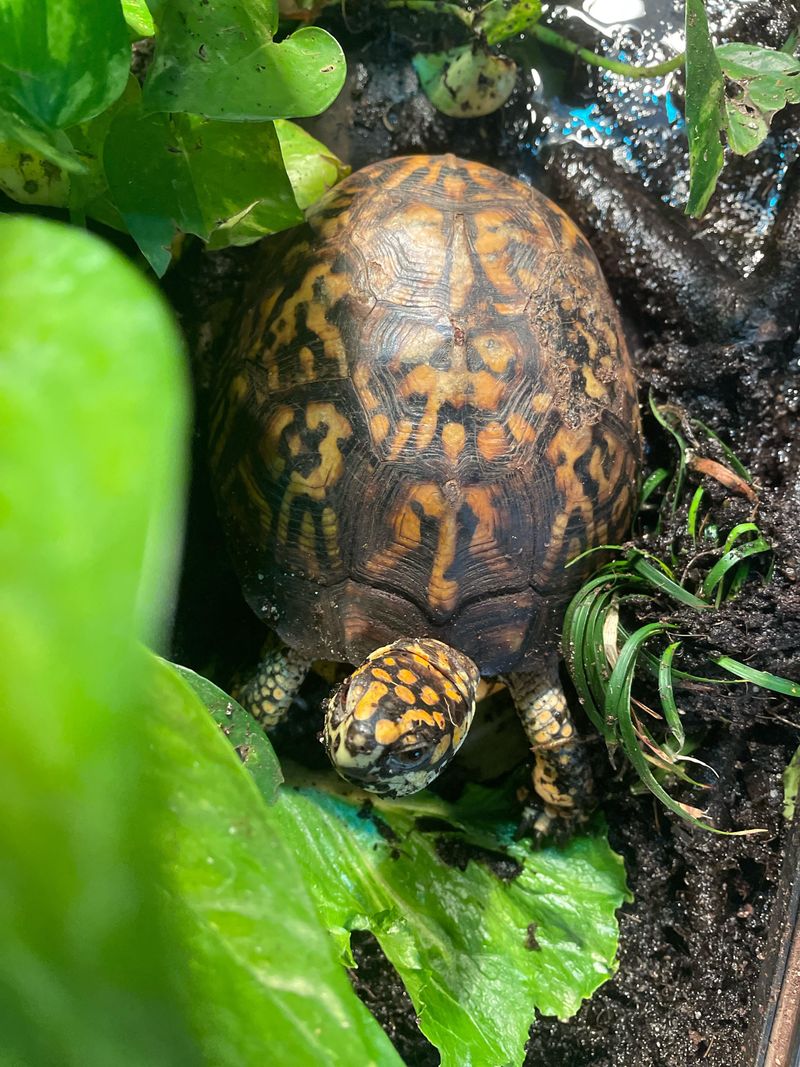
Every garden is its own miniature ecosystem, and box turtles are one of the more fascinating participants in that system.
Reptiles play documented ecological roles in the environments where they live, and box turtles contribute to keeping the populations of the small animals they eat in a natural balance.
They are not the only force at work, but they are a real and active part of the food web that makes a healthy yard function.
Finding a box turtle in your North Carolina garden is actually a meaningful signal.
It suggests that your yard is providing what the turtle needs to survive, including food, shelter, moisture, and connected habitat.
Box turtles have small home ranges and tend to stay within the same territory for their entire lives, sometimes spanning several decades.
A turtle that shows up repeatedly is not just passing through. It may have been living in your yard longer than you have.
Rather than viewing a box turtle as a solution to a specific garden problem, think of it as a sign that the broader system is working.
It is one thread in a much larger web that includes plants, insects, fungi, soil organisms, birds, and dozens of other species all interacting in ways that keep the garden healthy and balanced.
Supporting that web by reducing chemical use, preserving natural areas, and planting native species benefits every participant in it, including the turtle slowly making its rounds beneath your shrubs right now.
8. The Best Way To Help Is To Let Them Forage Naturally
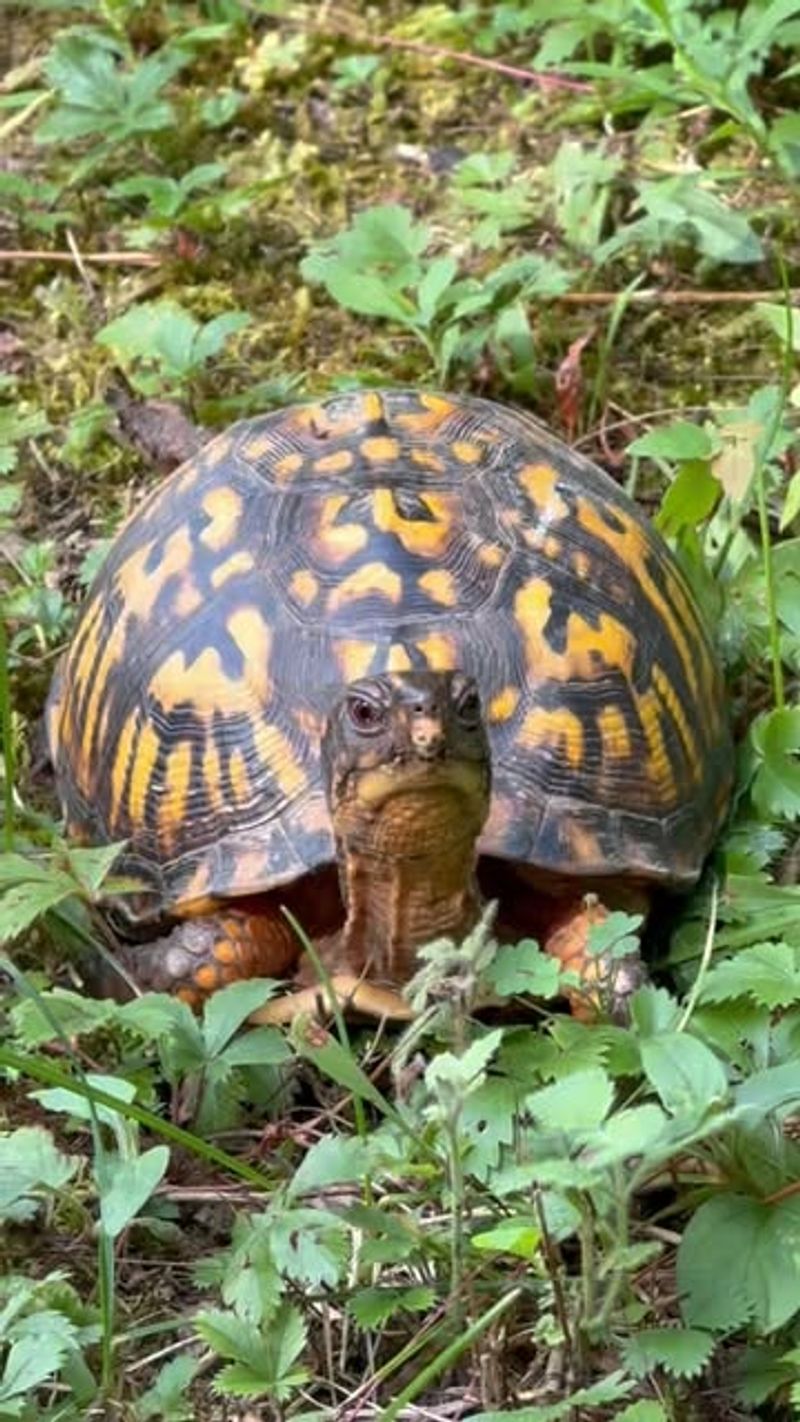
When you spot a box turtle moving through your garden, the most helpful thing you can do is simply watch and enjoy the moment.
North Carolina gardeners are encouraged to observe box turtles without attempting to feed, capture, or relocate them.
Box turtles have strong homing instincts and are deeply attached to their home territories. Moving one even a short distance away can leave it disoriented and struggling to find its way back for months or even years.
Allowing the turtle to select its own natural foods and continue along its chosen route is genuinely the best thing for its wellbeing.
You can support it indirectly by preserving patches of leaf litter, planting native fruiting shrubs and flowers, maintaining some areas of loose natural soil, and providing a shallow dish of clean water in a shaded spot.
Avoiding pesticides, herbicides, and synthetic fertilizers in areas where turtles roam is also a meaningful step, since these chemicals can affect the small organisms that form a core part of their diet.
A box turtle found wandering through your flower beds or resting beneath a shrub may already be living within the same home territory it has used for decades.
Your garden might be a critical part of its world without you even knowing it.
Treating that space with care, keeping it rich with native plants and natural textures, and leaving room for wildlife to move freely is the most powerful form of support any gardener can offer.
You do not need to do much. Just let nature do what it does best.