The Meaning Behind Finding A Gopher Tortoise In Your Florida Yard
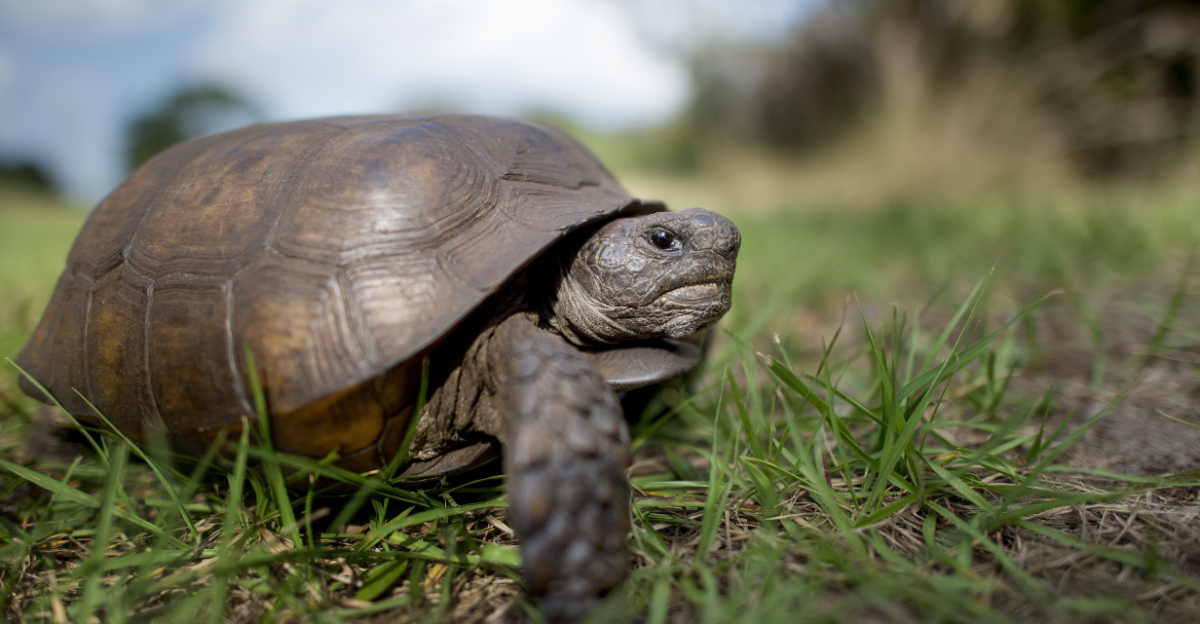
A gopher tortoise in a Florida yard stops everything. That slow, deliberate movement, the ancient quality of the animal, the sense that it arrived on its own schedule and will leave the same way.
Nobody watches one pass through and feels nothing. Gopher tortoises do not wander randomly.
A yard they cross or settle into is offering something specific. Open ground, sandy soil, the right plant structure at ground level.
Their presence is a direct read of what the landscape is providing. In Florida, a gopher tortoise sighting carries legal weight alongside its ecological meaning.
This is a protected species. What it does in a yard, where it digs, and how the property responds to its presence all come with context worth knowing.
The meaning behind finding one goes beyond a remarkable moment. It says something real about the yard, the ecosystem it sits in, and the responsibilities that come with both.
1. Your Yard May Hold The Sandy Soil It Needs
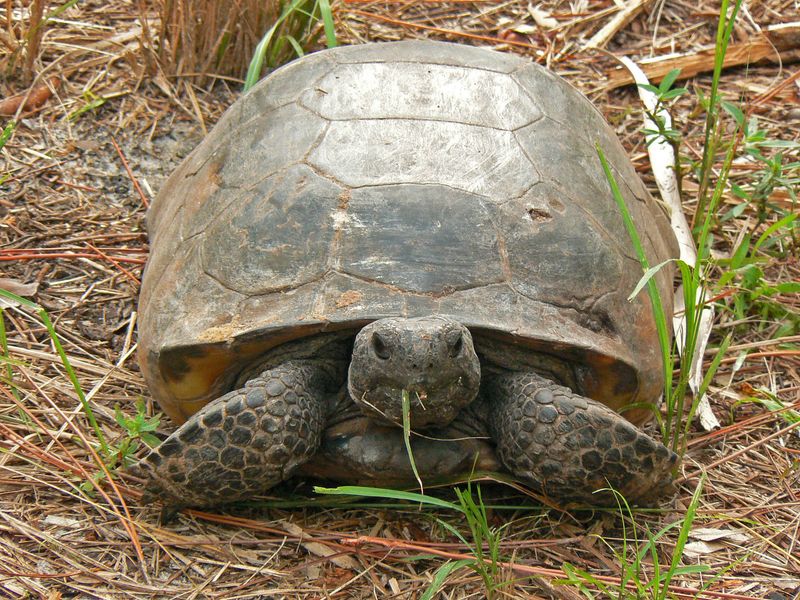
Sandy soil is one of the biggest clues a gopher tortoise leaves behind simply by showing up. These animals are built for digging, and they need dry, loose, well-drained ground to do it.
Clay-heavy or waterlogged soil makes burrowing nearly impossible for them. If a tortoise chooses your yard, it may point to ground with the right texture below the surface.
Open, sunny areas matter just as much as soil type. Gopher tortoises prefer spots where sunlight reaches the ground, which helps warm the soil and supports the low-growing plants they eat.
Shaded, overgrown corners of a yard rarely attract them. If the tortoise was spotted near a sunny clearing, a sandy path, or a well-drained slope, those features are worth noticing.
Finding one tortoise does not mean the entire yard is prime habitat. A single visit can mean the animal was passing through, searching for a burrow site, or following a familiar travel path.
Sandy patches near a fence line, a dry garden bed, or an open lawn edge are worth observing carefully. Preserving those areas, rather than filling or paving them, supports the kind of ground that local wildlife still depends on.
2. A Burrow Means More Than A Hole
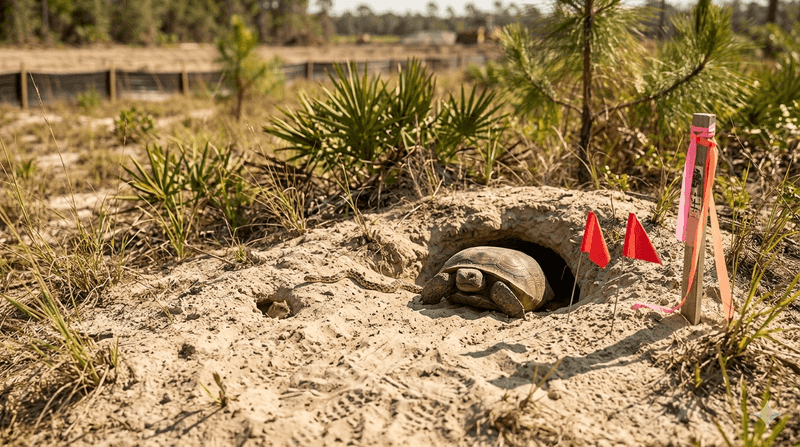
Fresh sand piled near a wide, flat-bottomed opening in the ground is one of the clearest signs that a gopher tortoise has been at work.
A burrow entrance typically looks wider than it is tall, shaped somewhat like the tortoise itself, with a fan of loose sand spread out in front called the apron.
That sandy apron is often the first clue homeowners notice before they ever see the animal.
A burrow is not just a hole. Under Florida law, the burrow is considered protected habitat, just like the tortoise itself.
Filling it, blocking the entrance, collapsing it, or landscaping over it is not allowed. Even placing heavy objects near the opening can cause problems for the animal trying to move in and out safely.
Burrows can run several feet deep and provide the tortoise with shelter from heat, cold, and rain. The structure of the burrow takes real effort to build and serves as a long-term home.
Your Florida Garden Changes Every Week. Your Plan Should Too.
Gardening in Florida changes quickly throughout the season. Every Friday you’ll receive a simple weekly plan showing exactly what to plant, prune, fertilize, harvest, and protect so you never miss the right timing.
If you find one in your yard, mark the general area visually so lawn equipment and foot traffic stay clear. Check FWC guidance or contact a qualified wildlife professional before doing any yard work near a known burrow site.
3. You May Be Hosting A Keystone Species
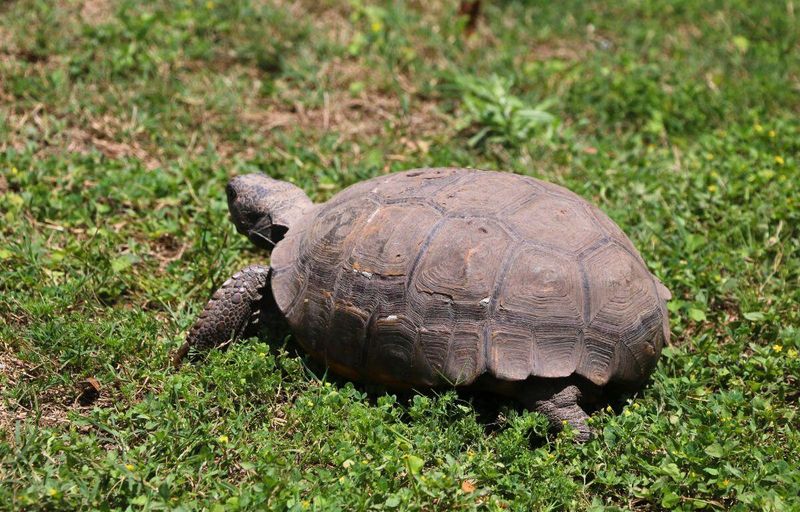
Not every animal earns the title of keystone species, but the gopher tortoise has. A keystone species is one whose presence supports many other living things in ways that go far beyond what its size or numbers might suggest.
Remove that species, and the surrounding habitat changes dramatically for dozens of others.
Gopher tortoise burrows are used as shelter by a wide range of other animals. Researchers and wildlife biologists have documented more than 350 species using these burrows.
These include Florida scrub lizards, gopher frogs, burrowing owls, and various invertebrates. These animals depend on the burrow for protection from heat, predators, and weather.
The tortoise builds the burrow; the other species benefit from it.
When a gopher tortoise is living in or near your yard, the burrow may be quietly supporting a small community of wildlife you have never seen. That web of activity connects your property to a larger habitat network in ways that are easy to overlook.
Protecting the burrow and the tortoise means protecting that entire system. Supporting this kind of wildlife presence is one of the most meaningful things a homeowner can do for local ecosystems without doing anything dramatic at all.
4. Native Plants Can Make The Visit More Likely
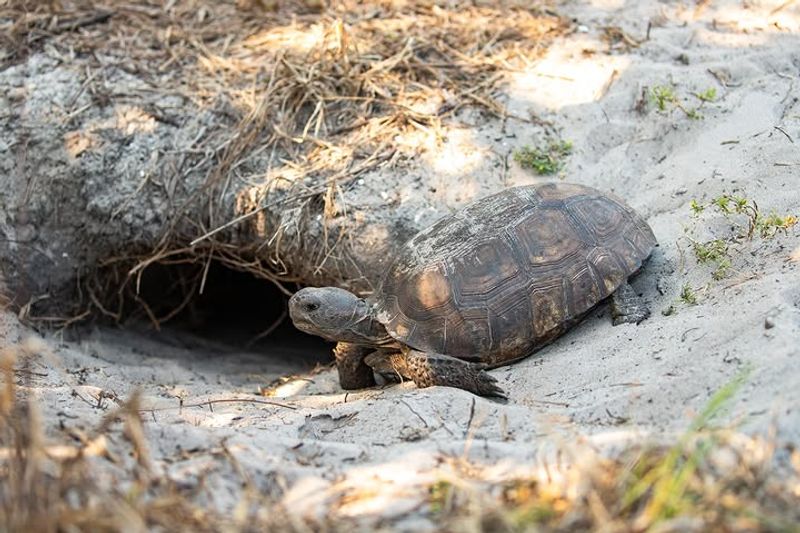
A yard full of native plants sends a quiet invitation to wildlife like the gopher tortoise. These animals are herbivores that graze on low-growing vegetation.
They tend to favor native grasses, wildflowers, and ground-level plants from sandy, open areas. Wiregrass, gopher apple, pawpaw, and various native clovers are among the plants that researchers have associated with gopher tortoise forage habitat.
Choosing Florida-Friendly and native plantings around your yard does not mean letting everything grow wild. It means selecting low-growing species that stay open at the ground level, allow sunlight to reach the soil, and do not crowd or shade a burrow entrance.
Tall, dense shrubs planted too close to a burrow can block the tortoise’s movement and access.
Never place food out for a gopher tortoise. Feeding wildlife, even with good intentions, can cause animals to become dependent on human sources and may attract other animals that create conflict.
The best way to support a visiting tortoise is to maintain open, sunny areas with native plants. Let the tortoise forage on its own schedule.
Check with your local UF/IFAS Extension office for native plant recommendations suited to your specific region and soil type.
5. Do Not Move Or Disturb The Tortoise
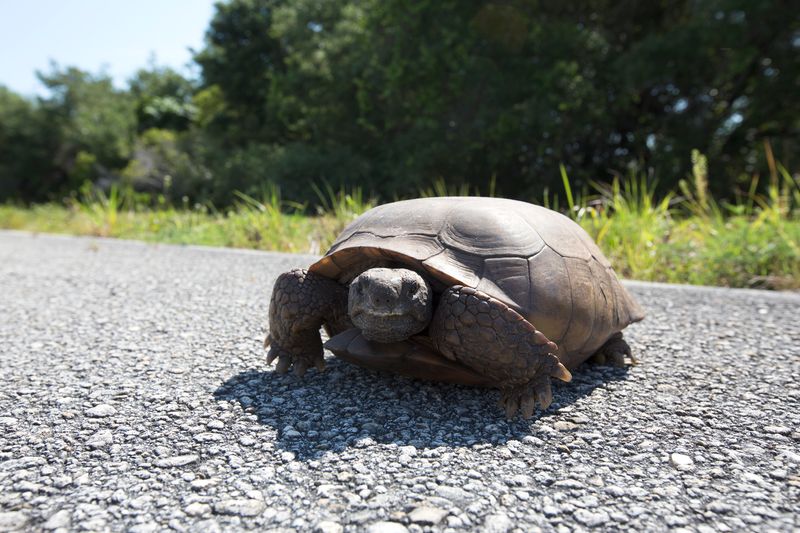
Watching a gopher tortoise from a respectful distance is the right response. Picking it up, carrying it, placing it in a box, penning it in a garden area, or guiding it to a specific spot can harm the animal.
These actions may also violate state protections. Gopher tortoises are listed as Threatened in Florida, and both the tortoise and its burrow are protected under FWC rules.
Handling causes real stress to these animals. A tortoise that feels threatened may empty its bladder, which can lead to dangerous dehydration, especially in warm weather.
Moving a tortoise away from its home range can also disorient it and separate it from its burrow, which it may have used for years. Relocation requires proper permits and must be handled by authorized individuals only.
If a tortoise is crossing a road or driveway and appears to be in immediate danger, FWC guidance suggests allowing it to cross on its own when safe to do so.
If movement is necessary, it should only be moved a short distance in the direction it was already heading, by a person who can do so safely and legally.
Always check current FWC guidance for your specific situation rather than acting on general advice alone.
6. Yard Work Near Burrows Needs Extra Care
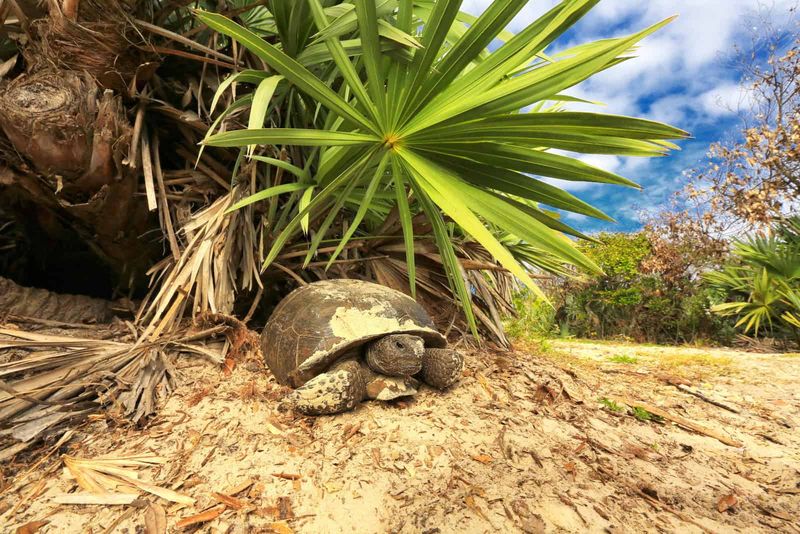
Routine yard maintenance becomes a little more deliberate once a gopher tortoise burrow is present. Mowing, edging, digging, planting, irrigation repairs, and general landscaping all need to be done with the burrow location in mind.
Heavy equipment, deep digging, and soil compaction near the burrow entrance can damage the tunnel structure and make it unsafe for the tortoise.
Placing small, visible markers around the burrow area can help remind everyone in the household where the protected zone is. Keep mower paths well away from the opening, and avoid running irrigation lines or sprinkler heads that would flood the entrance.
Gopher tortoises need dry ground, and excess moisture near the burrow can cause real problems for the animal and the tunnel itself.
Major Florida yard projects require more careful planning. Construction, grading, tree removal, pool installation, fencing, and land-clearing near a burrow may require permits or professional review before work begins.
FWC has guidance for property owners planning significant land disturbance near a known burrow site. Contact FWC or a qualified wildlife biologist before starting any large project to understand what steps are required in your specific situation.
Taking time to ask the right questions before breaking ground protects both the homeowner and the wildlife.
7. Pets And Mowers Need A Safe Distance
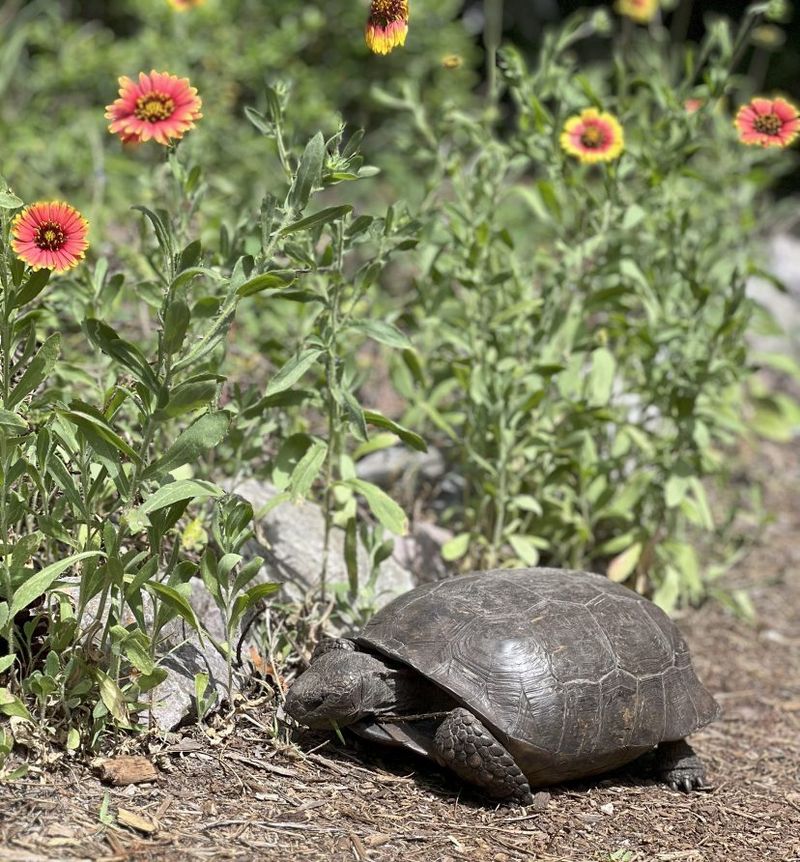
Dogs are naturally curious, and a slow-moving tortoise or a sandy burrow opening can grab their attention quickly. A dog that digs at, chases, or paws at a gopher tortoise can injure the animal even without meaning to.
Shells can crack under pressure, and a stressed tortoise may retreat into its burrow and refuse to come out for extended periods. Always keep dogs leashed or supervised when they are near a known burrow site.
Children should be taught to observe the tortoise from a calm, quiet distance. Watching a gopher tortoise move through a yard is genuinely fascinating, and that experience can teach young people a great deal about local wildlife.
Chasing, poking, or picking up the animal, however, should never be encouraged, no matter how harmless it seems in the moment.
Lawn mowers pose a real physical risk near burrow openings. A mower running over a burrow entrance can collapse the tunnel, trap the tortoise inside, or injure an animal that is partially emerging.
Before mowing any area of the yard where a burrow is present, walk the area first to check for activity. Adjust mowing routes to keep blades and wheels well clear of the burrow entrance and the sandy apron around it.
8. The Real Meaning Is Habitat Worth Protecting
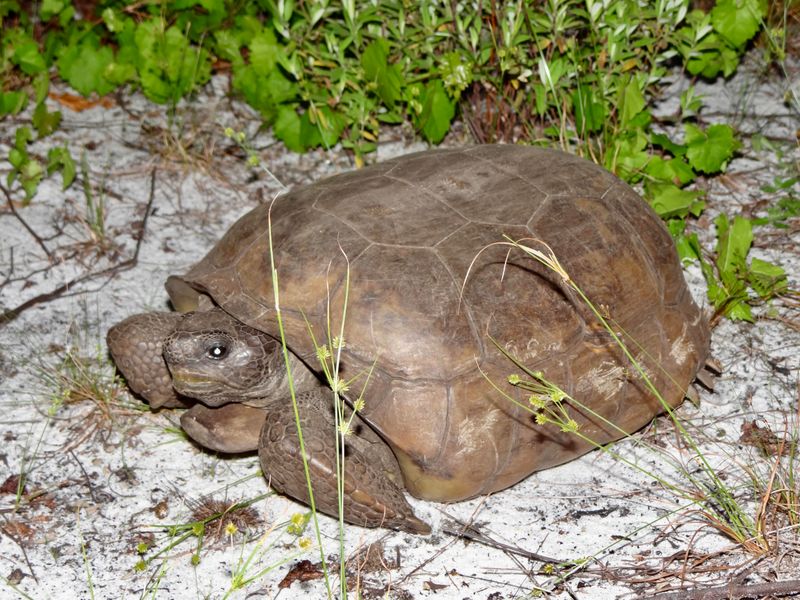
Sandy soil, open sunlight, native plants, and a burrow that shelters more than one species: these are the real things a gopher tortoise visit points to. The meaning behind finding one in your yard is not mysterious or symbolic.
It is ecological. Your property, or at least part of it, still holds features that support wildlife movement and native habitat in a landscape where both are shrinking.
Homeowners who find a gopher tortoise are in a position to make a real difference simply by choosing not to disturb. Protecting the burrow, keeping the area open and sunny, avoiding harsh chemicals, and giving the animal space all matter.
Together, they contribute to something larger than one yard. Wildlife corridors depend on connected patches of suitable habitat, and a single yard can be part of that network.
Observe the tortoise with respect. Protect the burrow without interfering.
Ask FWC or a qualified wildlife professional before taking any action that could affect the animal or its home. The Sunshine State still has places where gopher tortoises can live, and your yard may be one of them.
That is worth understanding, worth sharing with your neighbors, and absolutely worth protecting for the long term.