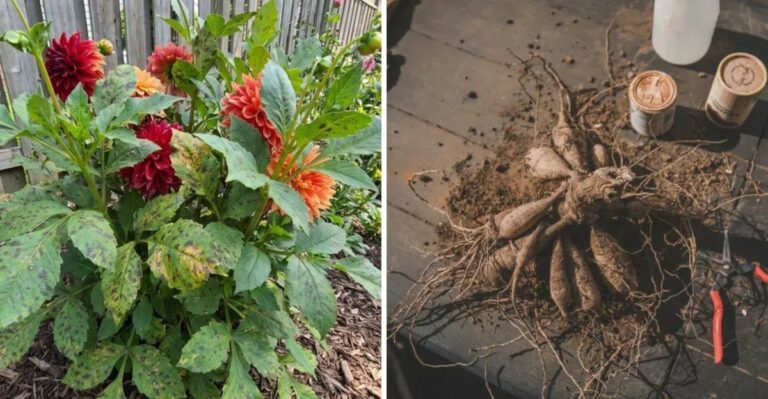
The Ohio Perennials You Should Divide Before August Ends (And What Not To Touch)

August division feels wrong. The heat is serious, the garden looks tired, and digging up a perennial that is minding its own business seems like a mistake waiting to happen.
For certain Ohio perennials, it is the best move of the entire year. Divide them before August ends and they have enough warm weeks to root before the ground closes out.
Wait until October and that window is gone. The plant arrives at spring weaker than it should be, for no good reason.
Others should not be touched until the calendar says so. August division on the wrong perennial is a trade nobody agreed to.
A thriving plant for a stressed one heading into the cold with nothing to show for it. The list of which perennials fall into which camp is shorter than expected.
But getting it wrong in either direction costs a full season to find out.
1. Divide Daylilies When The Clump Stops Blooming Well
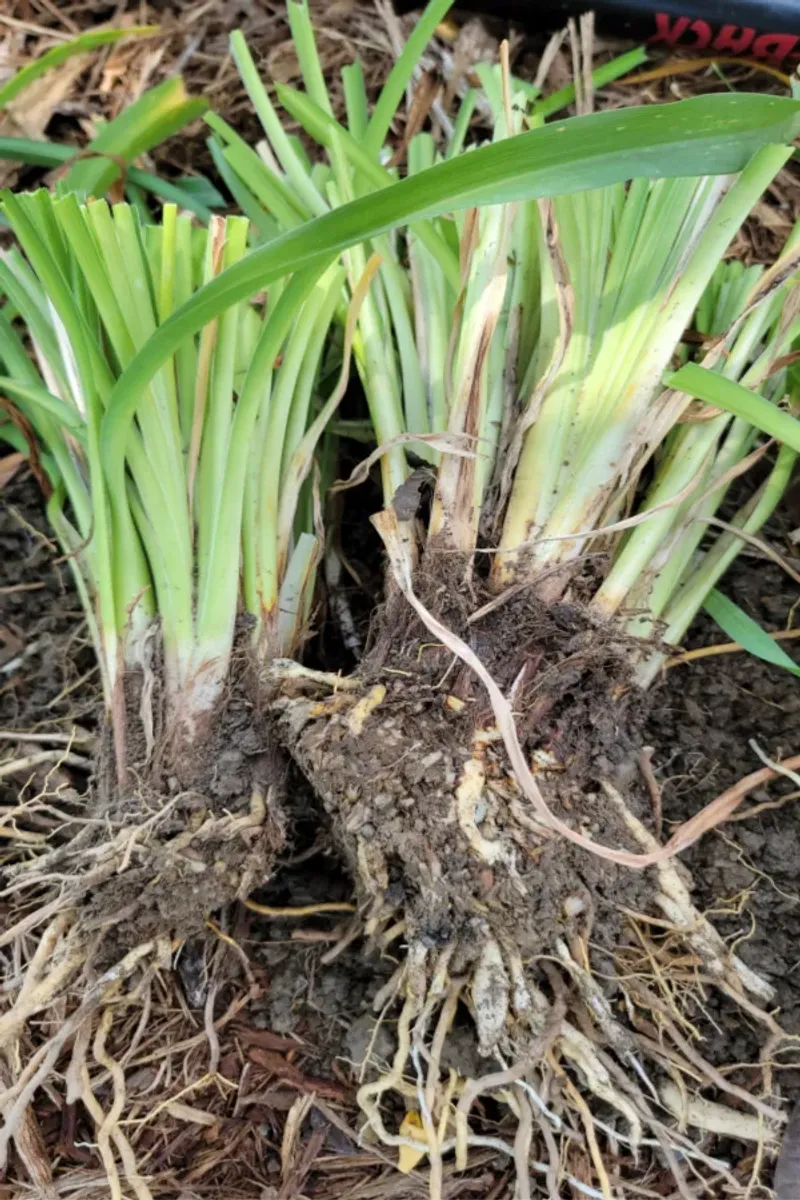
A clump of daylilies that once put on a spectacular show but now produces fewer flowers is sending a clear message. Overcrowding is usually the reason, and that is when division makes real sense.
OSU Extension perennial guidance notes that daylilies are among the most forgiving perennials to divide. But healthy clumps with good flowering do not need yearly splitting.
Wait until the main bloom period has passed before reaching for a fork. Water the clump deeply the day before you plan to dig, which softens the soil and reduces root stress.
Lift a manageable outer section rather than destroying the whole plant, and keep the divisions shaded and moist while you prepare the new spot.
Replant divisions promptly at the same depth they were growing before. Water thoroughly after planting and keep the soil consistently moist for several weeks.
Cooler late-August mornings or overcast days are far better for this work than a mid-afternoon heat wave. If temperatures are still brutal, waiting a week or two into early September is a reasonable and often smarter choice.
Recovery depends on root health, planting depth, and consistent watering afterward, not just on the calendar date.
2. Move Hostas Only When Heat Stress Has Eased
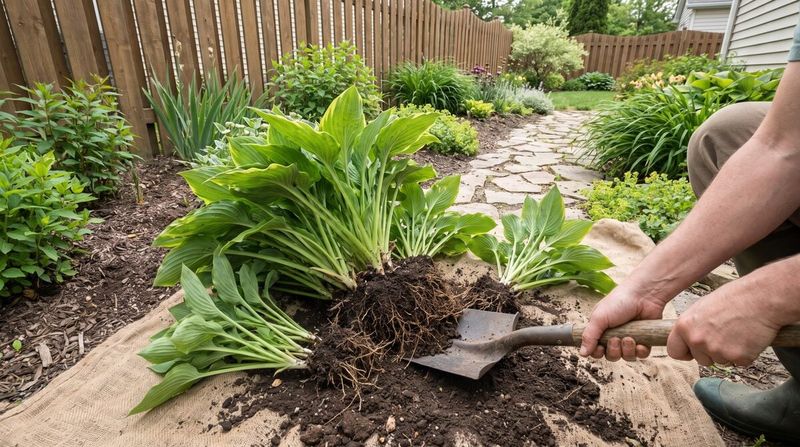
Shade beds can look exhausted by late August, and a crowded hosta clump is often the centerpiece of that tired scene. Hostas can be divided when clumps are genuinely crowded or need relocation, but August heat and dry shade conditions make the job harder on the plant than it needs to be.
University extension division guidance explains that spring is often the safest window for hostas because new growth is emerging and temperatures are mild. Early fall, once heat breaks, is the second-best option for most local gardens.
Attempting to divide a hosta that is already wilting or showing scorched leaf edges is asking for transplant trouble.
If conditions seem right and the clump truly needs moving, water deeply at least a day before digging. Keep the roots shaded and moist between lifting and replanting.
Set divisions at the same depth they were growing, and avoid burying the crown under heavy mulch. A thin layer of mulch around the base helps retain moisture without smothering new growth.
Your Ohio Garden Changes Every Week. Your Plan Should Too.
Gardening in Ohio changes quickly throughout the season. Every Friday you’ll receive a simple weekly plan showing exactly what to plant, prune, fertilize, harvest, and protect so you never miss the right timing.
Give divided hostas consistent water for several weeks, and expect some leaf flagging as the plant settles in. Patience here pays off more than rushing the work.
3. Split Garden Phlox After Flowers Start Fading
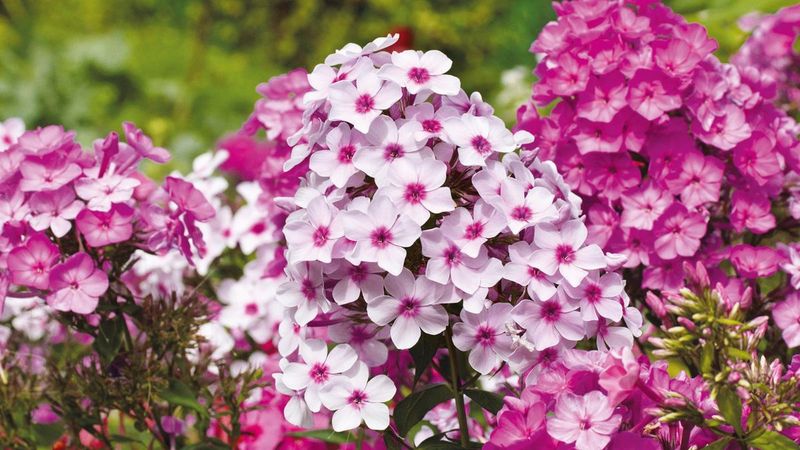
Few perennials reward a timely division quite like garden phlox. When a clump has been in place for several years, the center can weaken, stems become crowded, and flowering starts to slip.
That combination of declining bloom and poor airflow is a reasonable signal that division may help, once the flowers have started to fade.
Botanical garden sources recommend choosing healthy outer sections rather than the worn-out center when dividing phlox. Space new divisions generously to improve airflow between stems, which matters because crowded phlox is more vulnerable to foliar problems.
Do not divide while plants are in peak bloom or during a stretch of extreme heat, as both conditions add stress the plant does not need.
After lifting and separating, replant divisions at the same depth in soil that has been loosened and amended if needed. Water the new planting thoroughly and keep moisture consistent while roots establish.
Trim any ragged or damaged foliage back lightly if it helps the plant look tidy, but avoid cutting healthy green growth unnecessarily.
A phlox divided at the right stage, in reasonable weather, with good aftercare, has a solid chance of returning strong the following season.
4. Reset Peonies Without Burying The Eyes
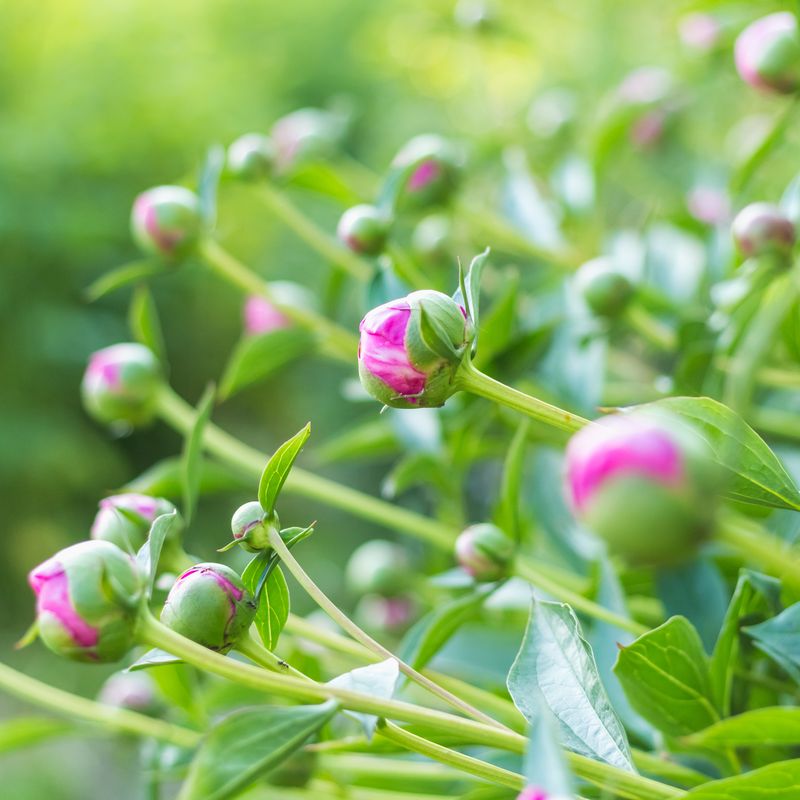
Late summer into early fall is the traditional window for moving or dividing peonies when a change is truly necessary. Horticulture experts and OSU Extension peony guidance both point to late August through September as an acceptable time for this work.
That’s partly because the plant has finished its season and roots can settle before the ground freezes.
The most important thing to get right is eye depth. Peony eyes, the reddish buds visible on the root, should be set no more than one to two inches below the soil surface in most of Ohio.
Planting too deep is one of the most common reasons peonies fail to bloom in following seasons. Keep divisions large enough, with at least three to five eyes, to give the plant a reasonable start.
Avoid thick mulch piled directly over the crown after planting. A light layer around the base is fine for winter protection, but smothering the eyes can delay or prevent spring growth.
Peonies are not fans of frequent disturbance, so move them only when genuinely needed, such as a crowded spot, a garden renovation, or a failing planting. Expect that bloom may be reduced for a season or two while the plant re-establishes from division.
5. Thin Hardy Geraniums Before The Center Opens
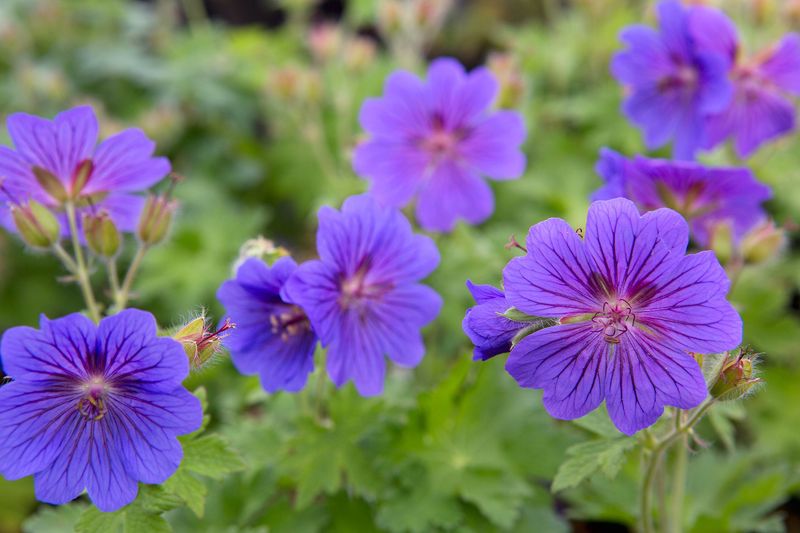
Hardy geraniums, the true perennial Cranesbills rather than the annual bedding plants sold in spring, can spread into wide mats over time. When the center starts to open up or neighboring plants get crowded out, division can help reset the planting.
Plant-care guidance describes late summer as a workable time for dividing hardy geraniums, provided the plant is healthy and not under drought stress.
Lift only what is needed rather than tearing apart the whole clump at once. Healthy outer sections with good root systems are the best candidates for replanting.
Trim back any ragged or yellowed top growth if it seems excessive, but avoid cutting deep into healthy stems without good reason. Replant divisions at the same depth in a spot with similar light and moisture conditions.
Water carefully after replanting and keep the soil from drying out while roots find their footing. Hardy geraniums are generally adaptable and not overly fussy about division.
But a plant that is wilting from summer heat or sitting in cracked dry soil is not a good candidate for the shovel right now. Wait for a cooler day, water first, and give the plant a chance to look healthy before you disturb it.
That small step makes a real difference in how well divisions recover.
6. Divide Lungwort Where Shade Beds Have Crowded
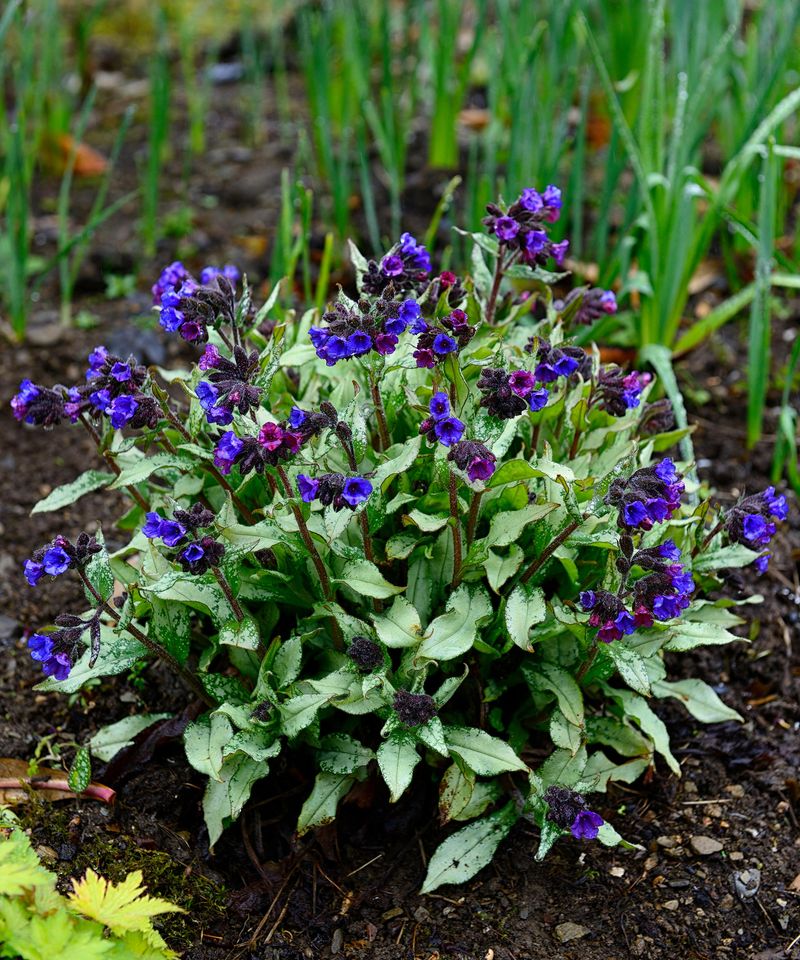
By late August, a lungwort planting in a crowded shade bed can look like it has had a long, hard season. The spotted leaves may appear tired, some foliage may have gone raggedy in the heat, and the clump may have filled its space and then some.
Pulmonaria can be divided when shade-bed clumps are genuinely crowded or need resetting, but this plant dislikes hot, dry stress more than most.
University extension guidance on shade perennials advises choosing a cool, cloudy day for dividing lungwort if at all possible. Water the bed well the day before digging to reduce root stress and make lifting easier.
Keep divisions moist and shaded between the time you lift them and the time you replant, even if that gap is only a few minutes.
Replant in part shade or full shade with consistently moist, humus-rich soil. Lungwort does not thrive in dry, exposed spots, so avoid moving divisions to a sunnier or drier location than the original planting.
After replanting, water thoroughly and mulch lightly to hold soil moisture. Tired-looking foliage in late summer does not necessarily mean the plant is unhealthy.
But if the roots look weak or dry, hold off on division until early fall conditions improve.
7. Leave Asters Alone Until Spring Growth Returns
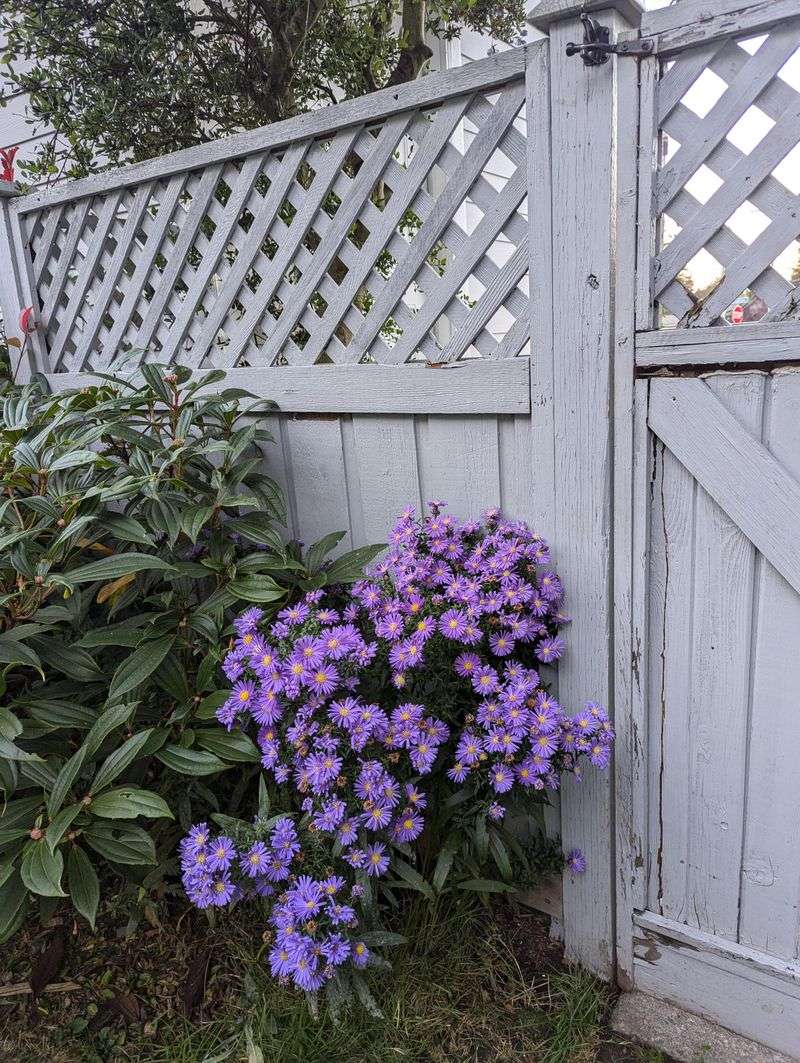
Aster clumps loaded with swelling buds in late August are doing exactly what they are supposed to do. Disturbing them right before or during their fall bloom window adds transplant stress at the worst possible moment.
It can sacrifice the flower display you have been waiting for since spring. Perennial-care guidance consistently places aster division in the spring category, not the late-summer one.
The smarter move is to mark crowded aster clumps now while you can see them clearly. A simple stake or garden flag beside an overgrown clump is all you need.
Once spring growth returns and new shoots are a few inches tall, that is the right moment to lift, separate, and replant.
Spring division gives asters the entire growing season to settle in before they need to bloom again. August disturbance, by contrast, asks the plant to recover and perform at the same time, which is a tough ask for any perennial.
If a clump is truly massive and flopping badly, staking it now is a more plant-friendly solution than digging it up. Save the shovel for spring, and the asters will reward you with a fuller, more reliable fall display the following year.
8. Do Not Split Mums Before Their Fall Show
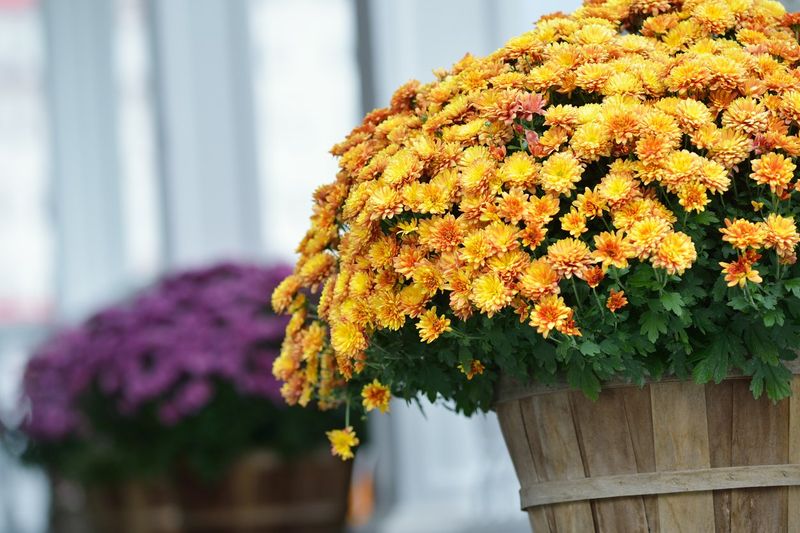
A mum covered in tight buds in late August is building toward its best moment of the year. Splitting that plant right now interrupts the bud development process and forces the plant to redirect energy away from flowering and toward root recovery.
Plant society guidance and perennial-care sources both recommend spring as the preferred division window for garden mums, not the weeks just before bloom.
Hardy garden mums and florist mums are not the same plant when it comes to winter survival. Florist mums sold in fall containers are often not reliably winter-hardy in many parts of Ohio.
Properly established hardy garden mums have a better track record. Knowing which type you have matters when planning long-term division and care.
Keep mums well watered as buds develop, especially during dry spells. Moving a budded plant is only worth considering if the location is truly untenable, such as a spot where the plant will be destroyed otherwise.
Even then, expect some flower loss and extra stress. For most Ohio gardeners, the right answer is simple: enjoy the fall show and mark any clumps that need attention.
Pick up the division work again once spring growth begins and temperatures are on your side.
9. Wait On Ornamental Grasses Until Spring

Few plants look as striking in a late-summer garden as a big ornamental grass catching the afternoon light. That visual payoff is worth protecting, and so are the roots underneath.
OSU Extension and university extension sources consistently advise dividing most ornamental grasses in spring, as new growth begins to emerge. That’s a better choice than the heat and stress of late summer.
Warm-season grasses, including many of the most popular landscape choices like switchgrass and maiden grass, are especially well-suited to spring division. Digging a large, established grass clump in August is also genuinely hard work.
The roots are dense, the soil can be dry and compacted, and the heat adds physical strain for the Ohio gardener and transplant strain for the plant.
Leaving grass clumps in place through fall and winter also serves a real purpose. The upright structure provides visual interest, seed heads feed wildlife, and the standing growth offers some insulation to the root crown during cold snaps.
Cutting or digging too early removes those benefits without any real gain. Mark any clumps that have grown too wide or hollow in the center.
Then plan to divide them in early spring when fresh green tips are just starting to push through the base of the plant.
10. Skip Any Perennial That Looks Drought Stressed

A perennial with drooping stems, scorched leaf edges, or cracked dry soil around its base is telling you exactly what it needs, and a shovel is not on that list. Stress should override the calendar every time.
Dividing a drought-stressed plant compounds the problem by adding root disruption on top of an already struggling system.
Before any late-August division work, check the soil moisture a few inches down. If the soil is dry and powdery, water deeply and give the bed a day or two to absorb that moisture before you pick up a garden fork.
A plant that looks healthy and hydrated after a good soaking is in a much better position to handle division than one that is still wilting.
If temperatures are still running high and the forecast shows no relief, push the work into early fall. A perennial divided in mid-September under cooler, moister conditions will almost always outperform one divided on a hot August afternoon.
The smartest late-August Ohio gardener is not the one who divides the most plants. It is the one who reads the garden carefully and acts on what is genuinely needed.
It also knows which clumps to move now and which ones to leave standing until the season turns.