The 7 Ohio Lawn Mistakes That Make Your Yard A Hotspot For Ticks
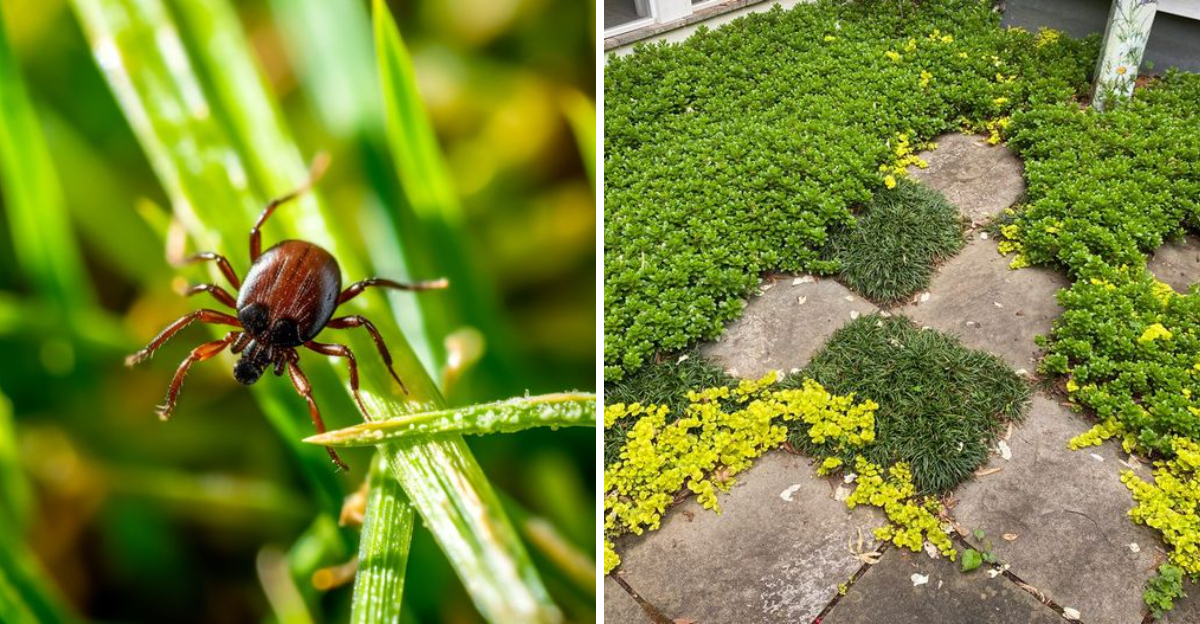
Most Ohio homeowners think about tick prevention in terms of what they spray or what they wear. The yard itself rarely comes into the conversation, which is exactly the problem.
A lawn that is managed a certain way does not just tolerate ticks. It actively creates the conditions they need to survive and spread.
Ohio yards are already working against you in some ways. The climate, the humidity, the wooded neighborhoods that back up to so many suburban lots.
But the lawn mistakes on this list are adding fuel to a fire that did not need any help. Some of these are things homeowners have done for years without a second thought.
A few will feel genuinely counterintuitive. None of them are complicated to fix once you know what you are actually dealing with.
Seven specific lawn habits are turning Ohio yards into prime tick territory. Yours might be doing more than one.
1. Letting Grass Grow Tall Along The Edges
The back fence often gets skipped because the middle of the lawn looks neat from the porch. That strip of grass behind the shed, along the drainage ditch, or beside the tree line can quietly grow tall while the main lawn stays trimmed.
Those forgotten edges are exactly the kind of place ticks prefer to wait for a passing host.
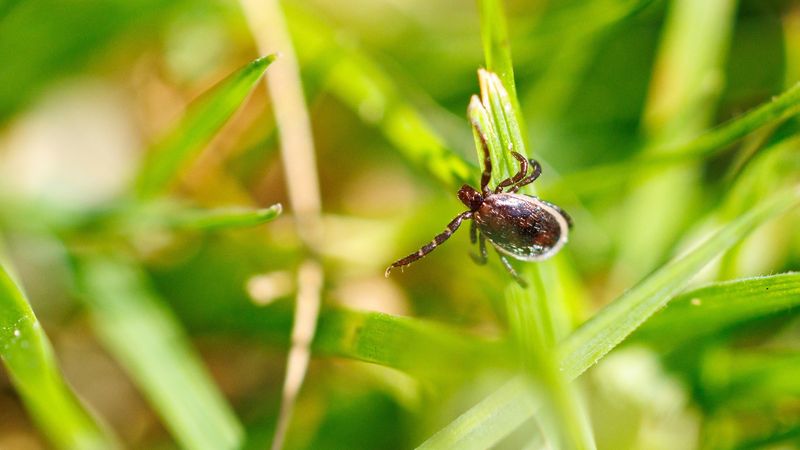
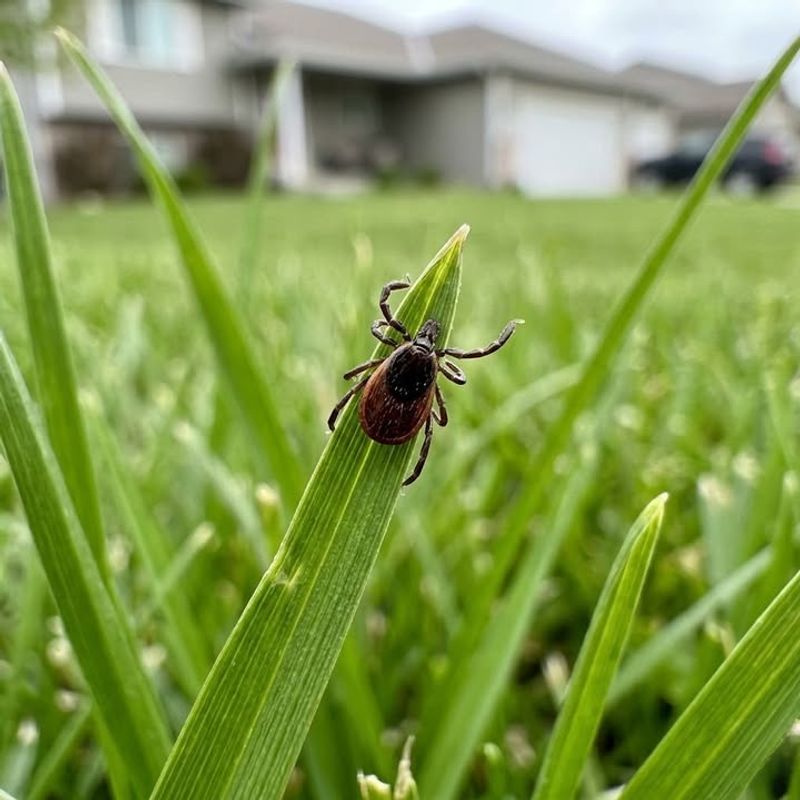
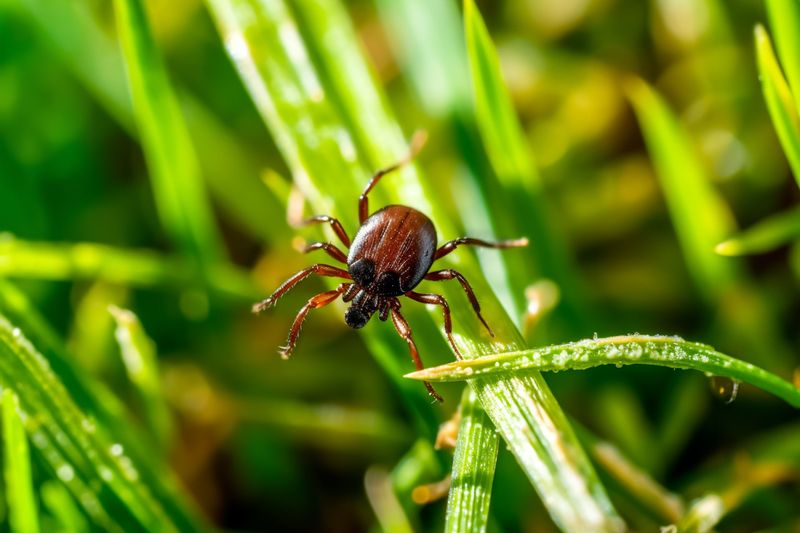
Ticks do not jump or fly. They climb onto grass blades and low vegetation and wait for animals or people to brush past.
Tall grass along fence lines and wooded edges gives them more surface area to work with. It also stays cooler and more humid, which ticks need to survive.
Keeping edge grass trimmed is one of the most practical things you can do. Focus on the margins where your yard meets tree lines, brush piles, drainage areas, and neighbor fences.
Even a narrow strip of uncut grass can become a hidden corridor for wildlife that carry ticks into the yard.
A string trimmer works well for spots a mower cannot reach. Try to stay consistent, especially during the warmer months from late spring through early fall.
If a border area is hard to maintain, consider replacing it with a clean gravel strip or a defined mulch edge that is easier to keep tidy.
Lawn edges that get regular attention are less likely to create the shady, sheltered conditions ticks rely on. It is a simple habit that takes less time than most people expect, and it makes a noticeable difference along the highest-risk parts of your yard.
2. Leaving Leaf Litter Where Lawn Meets Beds
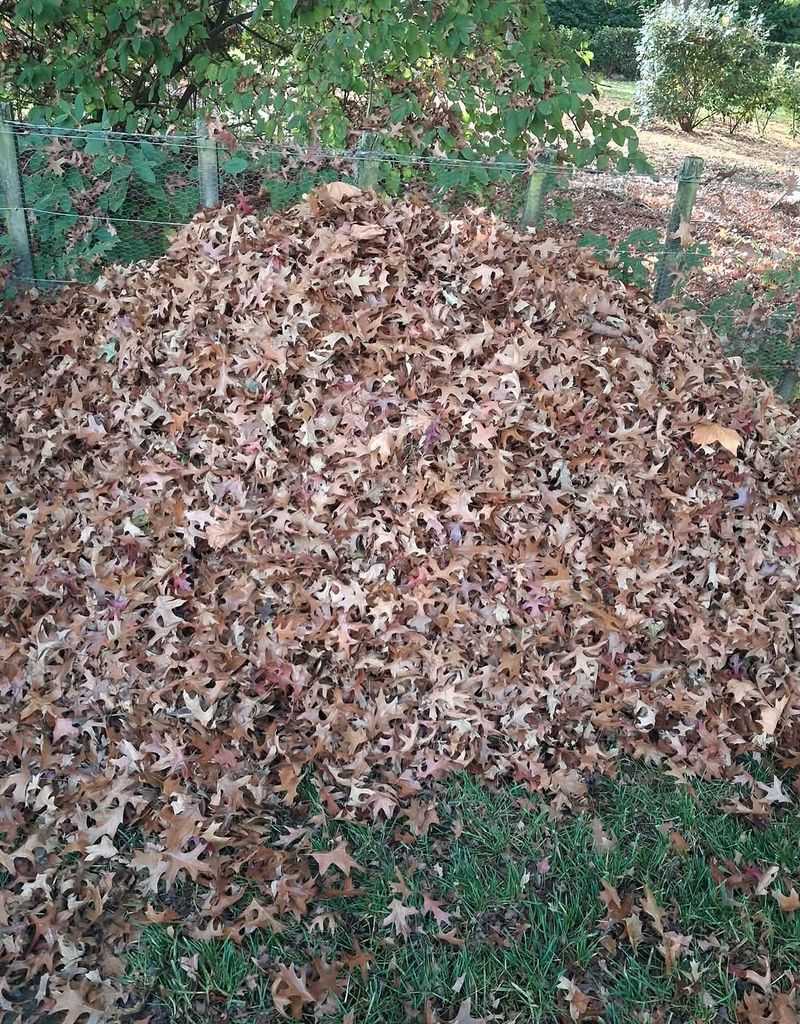
Autumn cleanup feels endless when the trees keep dropping leaves faster than you can rake. It is tempting to let them pile up along the garden bed edges and deal with them later.
But those damp, layered piles along the border between lawn and beds can create exactly the kind of cover that ticks and the small animals they feed on tend to seek out.
Leaf litter holds moisture and stays cool even on warm days. Small rodents like white-footed mice, which are known carriers of tick-borne pathogens in this region, often move through leaf piles while foraging.
Your Ohio Garden Changes Every Week. Your Plan Should Too.
Gardening in Ohio changes quickly throughout the season. Every Friday you’ll receive a simple weekly plan showing exactly what to plant, prune, fertilize, harvest, and protect so you never miss the right timing.
Ticks can hitch a ride into your yard this way and end up much closer to your patio or play area than you might expect.
Clearing heavy leaf buildup from high-traffic areas is a practical first step. Focus on spots where people walk, kids play, and pets roam.
You do not need to remove every leaf from the entire property. Managed leaf mulch in a dedicated garden bed is far less of a concern.
Keep it away from lawn edges and foot traffic zones, unlike deep, unmanaged piles left against the house or fence.
A leaf blower or rake used consistently through the fall season keeps things from stacking up. If you compost leaves, keep the pile away from the main yard and away from areas where people spend time.
Bagging and removing heavy accumulations near beds that border the lawn is the smartest move. It reduces tick-friendly cover in the spots that matter most to your family and pets.
3. Ignoring Brushy Borders Around The Yard
Wild corners have a way of sneaking up on you. One season you are not getting around to trimming that back edge.
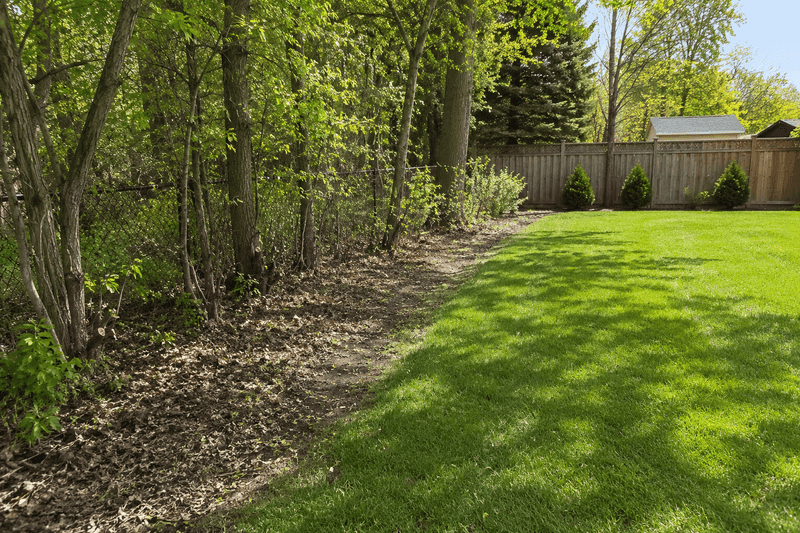
By the next season, it has turned into a tangle of shrubs, vines, and weedy growth that borders the woods or a neighboring lot. Those overgrown transitions are among the most tick-friendly spots a yard can have.
Brushy borders stay shaded and humid, which are two things ticks depend on to stay active and survive between feedings. These areas also tend to attract deer, raccoons, and other wildlife that can carry ticks directly into your yard.
Once ticks drop off those animals near a brushy edge, they are already close to your lawn.
Cutting back overgrowth along the yard’s perimeter makes a genuine difference. You do not need a perfectly manicured edge, but defining a clear boundary between your managed lawn and the wild area beyond it helps.
Removing dense tangles of low brush, clearing vines from fences, and keeping shrub bases open to light and airflow reduces the shelter those spots offer.
Using a brush cutter or loppers a couple of times each season can keep things from getting out of control. Pay special attention to corners, the areas around outbuildings, and any spots where a mower cannot easily reach.
Paths that run near brushy edges are also worth widening slightly so people and pets are not constantly brushing against vegetation on both sides.
Defined, open borders are easier to maintain and give ticks fewer places to establish themselves near your family’s outdoor spaces.
4. Skipping A Mulch Barrier Near Wooded Areas
Most yards that back up to woods or heavy brush have a fuzzy transition zone where the mowed lawn just kind of fades into the trees.
That gradual fade might look natural, but it also means there is no clear boundary separating where you spend time from where ticks and wildlife are most active.
A three-foot-wide strip of wood chips or gravel between your lawn and a wooded or brushy area can help create that separation. Ohio State University Extension and other regional resources have noted the value of these types of barriers.
They can make it harder for ticks to move from wooded habitat into maintained lawn areas. Ticks prefer moist, shaded ground and tend to avoid crossing dry, open surfaces like wood chips or gravel.
A mulch barrier is not a guarantee. Ticks can still move through yards in other ways, especially if wildlife is crossing the barrier regularly.
But the barrier does two useful things. It creates a physical separation that is easier to see and maintain, and it reminds you and your family where the managed yard ends and the wilder area begins.
Installing a barrier does not require a lot of materials or effort. Mark a clean edge along the tree line, lay landscape fabric if you want to limit weeds, and spread a few inches of wood chips or pea gravel.
Refresh it each year to keep it defined and dry. Keeping that strip clear of leaf buildup and plant overgrowth makes it more effective over time.
Pair the barrier with regular lawn edge trimming for the best results in reducing tick-friendly transitions near your yard.
5. Mowing Too Late After Warm Wet Weather

A rainy week in May or June can turn a tidy lawn into a shaggy one faster than most schedules allow for. Life gets busy, the ground stays wet, and before long the grass is several inches taller than it should be.
That is especially true along the paths where kids and dogs spend most of their time outside.
Warm, wet stretches are also when ticks are most active in this state. Black-legged ticks, sometimes called deer ticks, are most likely to be questing for hosts during humid, mild conditions.
Letting grass grow tall during those same stretches means the two problems are happening at the same time in the same places.
Keeping a consistent mowing schedule during active growth periods is one of the most straightforward ways to reduce tick-friendly cover.
Focus on the areas people actually use, including paths to the garden, routes to the garage, the spaces around the patio, and anywhere pets roam regularly.
Those are the spots where a tick encounter is most likely.
You do not need to scalp the lawn or mow every few days. Staying within a reasonable growth range keeps the grass short enough to dry out more quickly after rain.
For most home lawns, that generally means no taller than three to four inches. Shorter, drier grass is less hospitable for ticks than tall, damp growth.
If a wet stretch delays mowing, try to at least trim the paths and high-use zones first. Getting to the high-traffic areas quickly is more useful than waiting to do the whole yard at once.
Consistency matters more than perfection when it comes to keeping tick-friendly cover low during peak season.
6. Letting Weeds Create Shady Low Cover
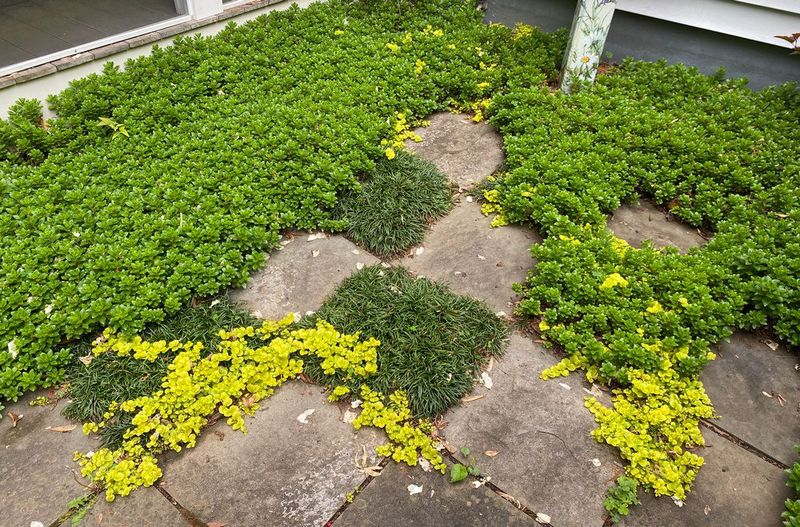
Neglected corners have a personality of their own. Under the deck, along the base of the fence, around the forgotten patch beside the air conditioning unit, weeds fill in fast and quietly.
That low, dense growth might seem harmless, but it can hold shade and moisture in spots that are very close to where people and pets spend time every day.
Ticks do not need tall grass to find suitable cover. Low, dense weed growth near Ohio patios, walkways, and pet areas can also provide enough shade and humidity to support tick activity.
The problem is that these spots are often ignored because they are not as obvious as an overgrown field edge or a brushy tree line.
Managing weeds in high-use areas of the yard is worth the effort. Pull or cut back dense growth under fences, around outbuilding foundations, and beside any structure where weeds tend to thrive unchecked.
Keeping those spots open to sunlight and airflow reduces the moisture retention that ticks depend on.
You do not need to use chemicals on every weedy patch. Hand-pulling or trimming weeds near walkways, the patio edge, and the dog run is often enough to open up the area and reduce cover.
For spots that are hard to keep clear, consider a layer of gravel or a clean mulch to discourage regrowth and keep the ground drier.
Pets are especially worth thinking about here. Dogs and cats move through low vegetation without noticing, and they can pick up ticks in a weedy corner just as easily as on a trail.
Keeping the areas your pets use most free of tangled, shady weed cover is a practical and pet-friendly habit to build into your regular yard routine.
7. Keeping Play Areas Too Close To Tall Grass
Swing sets, sandboxes, and lawn chairs have a way of ending up wherever there is open space, and that is not always the best spot from a tick-awareness standpoint.
A play set tucked near a brushy corner or a picnic table placed right beside tall grass creates unnecessary exposure.
It puts people directly adjacent to the areas where tick activity is most likely.
Kids spend a lot of time near the ground when they play. They roll in the grass, sit in the clover, and wander toward interesting edges without thinking twice.
Placing high-use zones closer to tall grass, brush, or wooded areas increases the chance of a tick encounter during ordinary outdoor play.
Moving play equipment and rest areas toward the more open, maintained center of the yard is a simple adjustment that makes a real difference. Open, sunny areas with regularly mowed grass are far less hospitable for ticks than shaded, humid spots near brush or tree lines.
The farther a play area is from those edges, the lower the exposure during everyday outdoor time.
If your yard layout makes it hard to move things away from brushy borders, consider creating a defined buffer. A strip of wood chips or a clear mowed path between the play area and the wild edge can help.
Keeping that buffer clear and well-maintained gives kids a safer zone to use without restricting their fun.
After outdoor play, do a quick tick check on kids and pets before heading inside. Check behind knees, along hairlines, and around waistbands.
Building that habit into your end-of-day routine takes about two minutes and catches most ticks before they have time to attach.