What It Means When Your Pennsylvania Garden Soil Stays Soggy After Storms
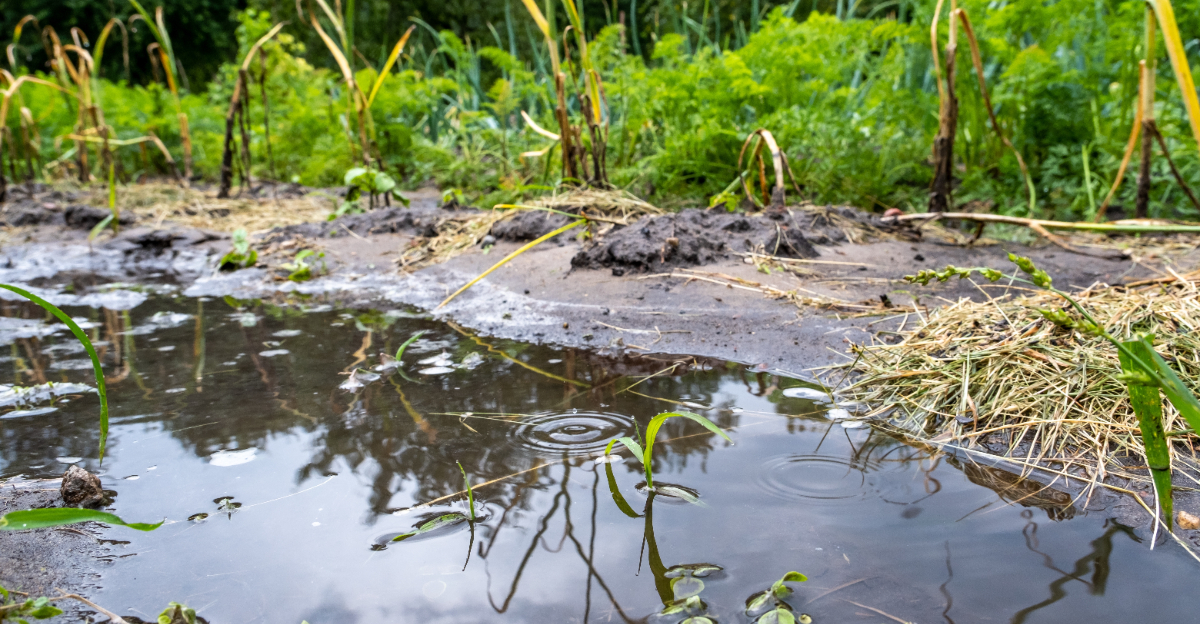
Your rain boots sink an inch with every step, and the flower bed looks more like a rice paddy than a garden. Water pools where soil used to breathe, and the air carries that unmistakable, earthy funk of standing moisture.
For Pennsylvania gardeners, this scene repeats itself after nearly every serious downpour. Clay-heavy ground and unpredictable weather patterns team up to turn tidy beds into shallow ponds within hours.
The real trouble starts once roots sit in that trapped water for days on end. Plants that looked perfectly fine last week can suddenly struggle to bounce back, and the damage isn’t always visible right away.
This soggy cycle has clear causes behind it, and a handful of practical fixes can turn things around before real trouble sets in.
Common Causes Of Soggy Garden Soil After Storms
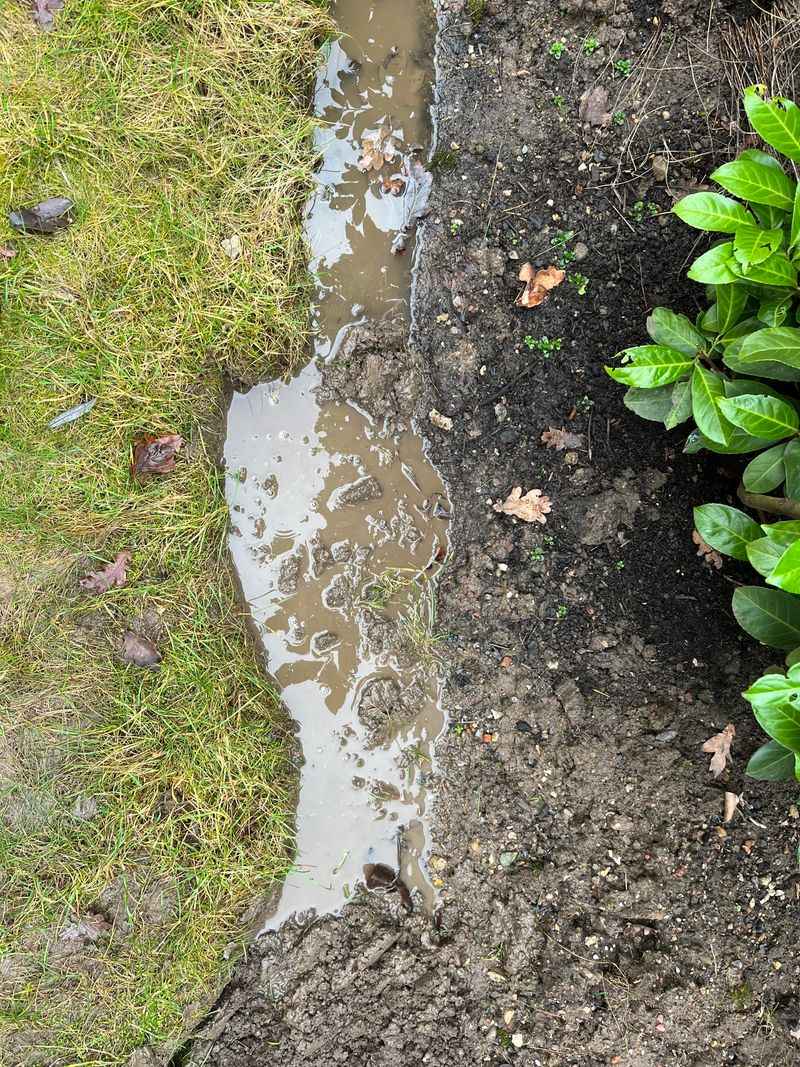
Standing water in your Pennsylvania garden is not just an eyesore. It is a warning sign that something beneath the surface needs attention.
One of the most common culprits is compacted soil. When soil particles get pressed tightly together, water cannot move through them quickly enough.
Heavy foot traffic, lawn equipment, and years of rainfall can all compact your garden beds. Clay-heavy soils, which are extremely common across much of Pennsylvania, are especially prone to this problem.
Clay particles are tiny and pack together like bricks. They hold moisture stubbornly and drain at a frustratingly slow pace.
Another common cause is a high water table. During wet seasons, groundwater rises closer to the surface, leaving your garden with nowhere to send excess moisture.
Low-lying areas in your yard collect runoff from surrounding higher ground. Rainwater flows downhill and pools wherever the landscape dips.
Hardpan layers, which are dense bands of compacted subsoil, also block drainage. Water hits this layer and simply stops moving downward.
Impermeable surfaces nearby, like driveways or patios, redirect storm runoff straight into garden beds. That concentrated flow overwhelms even healthy soil.
Knowing what is causing your soggy garden soil after storms is the first step toward fixing it. Each cause has its own solution, and identifying yours early saves a lot of heartache later.
Poor Drainage And Its Effect On Plant Root Health
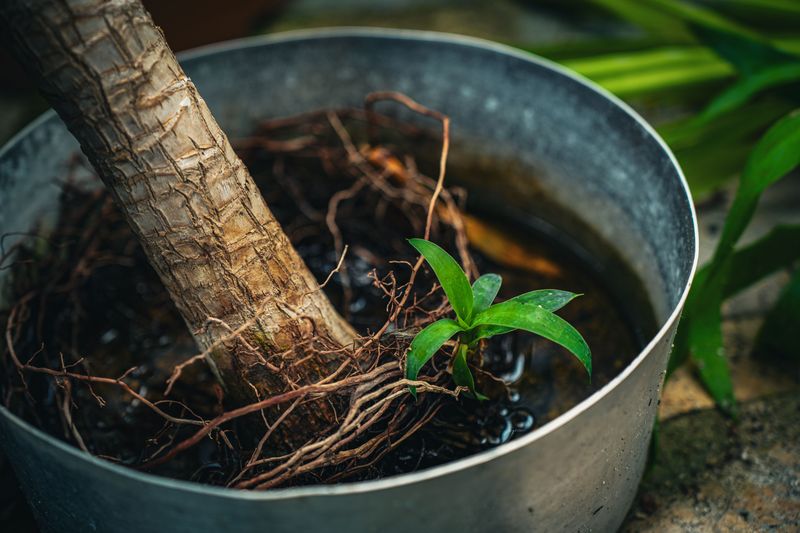
Roots need two things to survive: water and air. When soil stays soggy for too long, air pockets disappear from the soil.
Without oxygen, roots start to weaken. They cannot absorb nutrients properly, even when those nutrients are sitting right there in the soil.
Waterlogged roots become weak and vulnerable to disease. Fungal pathogens like Phytophthora thrive in wet, oxygen-deprived conditions and spread quickly.
You might notice your plants wilting even though the soil is soaking wet. That is a confusing sight, but it makes sense once you understand what is happening underground.
The plant looks thirsty because its roots cannot function well enough to deliver water to the stems and leaves. Damaged roots are inefficient roots, no matter how much moisture surrounds them.
Younger plants and seedlings are especially sensitive to prolonged wetness. Their root systems are small and have little buffer against poor conditions.
Your Pennsylvania Garden Changes Every Week. Your Plan Should Too.
Gardening in Pennsylvania changes quickly throughout the season. Every Friday you’ll receive a simple weekly plan showing exactly what to plant, prune, fertilize, harvest, and protect so you never miss the right timing.
Even established perennials can struggle after repeated soggy spells. Over time, root rot spreads and weakens the entire plant from the ground up.
Vegetable gardens suffer the most obvious damage. Tomatoes, peppers, and beans are particularly intolerant of wet feet for extended periods.
Fruit trees and shrubs can handle brief flooding, but chronic saturation shortens their lifespan significantly. Protecting root health means protecting everything growing above the soil line.
Healthy roots make healthy plants, and healthy plants start with soil that drains the way it should.
Signs Your Soil Has A Drainage Problem
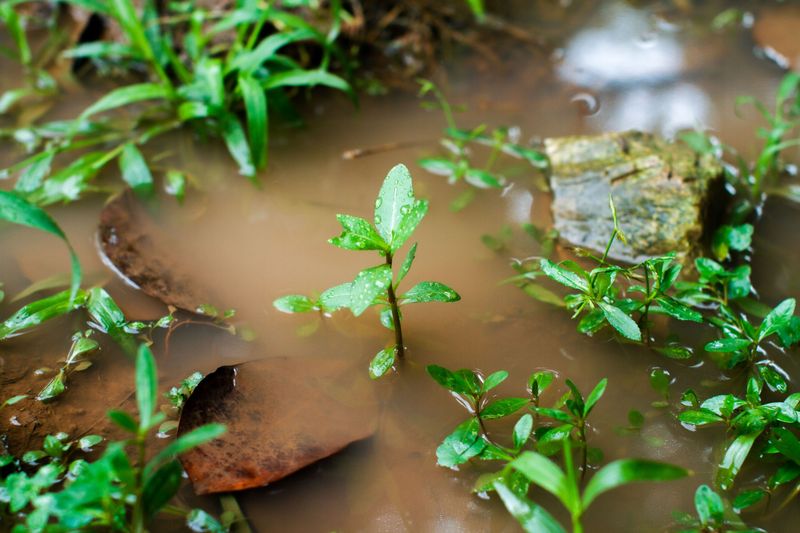
Puddles that linger for more than 24 hours after rain are a clear red flag. Healthy soil should absorb most surface water within a few hours.
Moss and algae growing on your soil surface are also telling signs. These organisms love consistently wet, poorly aerated conditions.
Yellowing leaves on otherwise healthy-looking plants often point to root stress caused by excess moisture. Nutrient uptake slows down when roots are struggling in saturated ground.
A sour or rotten smell rising from your garden beds is another clue. That odor comes from anaerobic bacteria that flourish when oxygen leaves the soil.
Soil that feels sticky and dense, even days after rain, suggests a drainage issue. Well-draining soil should feel crumbly and workable within a day or two of heavy rain.
If you see your lawn or garden developing a greenish, slimy crust on top, take it seriously. That crust is a biological signal that water is not moving the way it should.
Earthworms coming to the surface in large numbers after storms can indicate waterlogging below. They are escaping saturated soil where oxygen levels have dropped too low for comfort.
Bare patches where plants refuse to grow, despite your best efforts, often sit above drainage trouble spots. Plants vote with their roots, and sometimes the answer is a clear no.
Catching these signs early gives you the best chance of fixing the problem before it worsens with each passing storm season.
Testing Your Soil To Confirm Drainage Issues
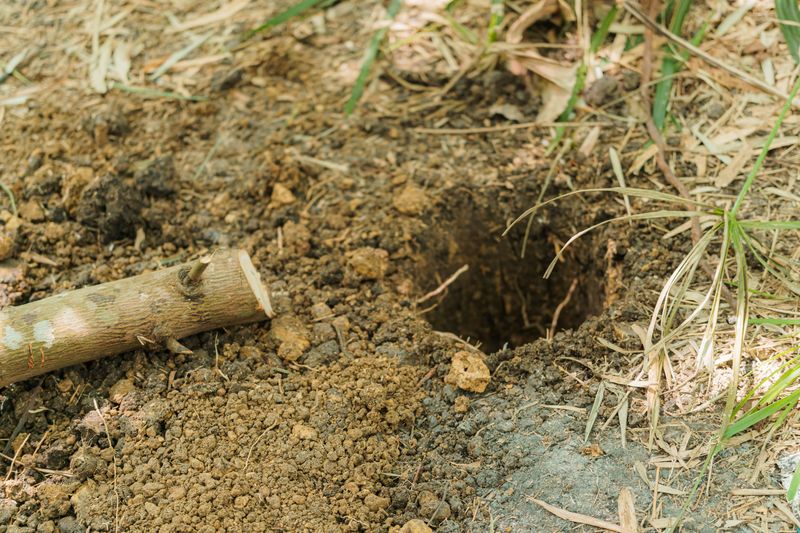
Guessing at a drainage problem wastes time and money. A simple percolation test gives you real answers in under an hour.
Dig a hole about 12 inches deep and 12 inches wide in your Pennsylvania garden bed. Fill it with water and let it drain fully.
Once it drains, fill it again and start timing. Healthy soil drains one to three inches per hour under normal conditions.
If the water level barely moves after an hour, you have confirmed a drainage problem. If it drains in minutes, your soil may actually be too loose and sandy.
You can also try the squeeze test for a quick read on soil texture. Grab a handful of moist soil and squeeze it firmly in your fist.
Open your hand slowly. If the soil holds a tight shape and feels slick, clay content is high and drainage is likely poor.
Soil that crumbles apart gently after squeezing has better structure. That crumbly texture means air and water can move through it more freely.
A professional soil test from your local Penn State Extension office goes even deeper. It tells you pH, nutrient levels, and organic matter content, all of which affect how water behaves.
Testing takes the guesswork out of gardening. Once you know exactly what your soil is doing, you can choose the right fix with confidence and stop throwing solutions at the wrong problem.
Ways To Improve Drainage In Pennsylvania Gardens
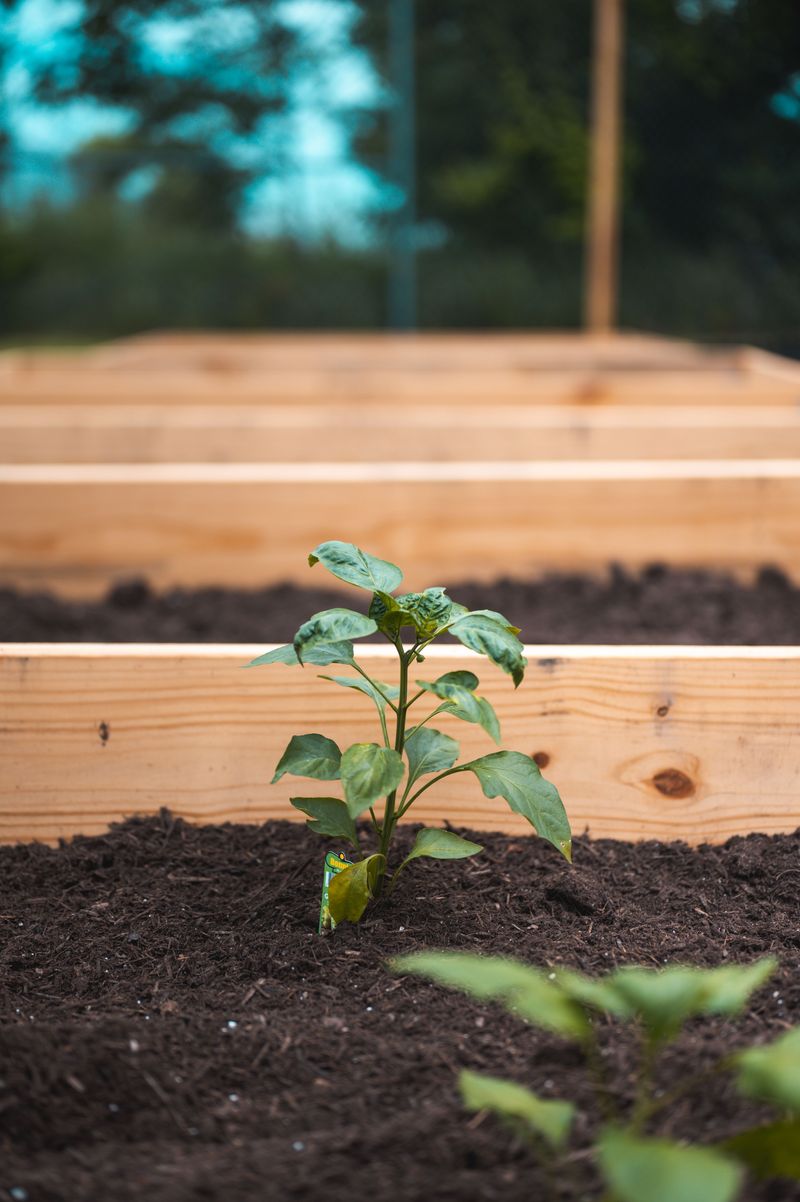
Fixing soggy garden soil after storms does not always require a contractor or major excavation. Many solutions are simple, affordable, and deeply satisfying to do yourself.
Adding organic matter is the single best starting point for most home gardeners. Compost, aged bark, and leaf mold all improve soil structure dramatically over time.
Work two to four inches of compost into the top 12 inches of your garden bed. Repeat this process each season and your soil will become noticeably more workable.
Raised beds are a faster fix when the ground beneath is truly problematic. Elevating your planting area above the waterlogged zone gives roots a healthy place to grow.
French drains are worth considering for persistently wet low spots. A French drain is a gravel-filled trench with a perforated pipe that redirects water away from problem areas.
Aerating compacted lawn areas near your Pennsylvania garden also helps. A core aerator pulls small plugs of soil out, creating channels for water and air to move downward.
Avoid walking on wet garden beds whenever possible. Walking on wet soil compresses soil particles and slows the drainage progress you have worked hard to build.
Rain gardens are a creative solution that turns a problem into a feature. Planted with moisture-tolerant species, they capture runoff and let it absorb slowly and naturally.
Consistent effort over two or three seasons transforms even the worst clay soil into something your plants will genuinely love growing in.
Plants That Thrive In Consistently Moist Soil
Sometimes the smartest move is not fighting your soggy garden soil after storms but working with it instead. Certain plants actually prefer consistently moist conditions and will reward you for it.
Cardinal flower is a stunning native perennial that loves wet feet. Its brilliant red spikes attract hummingbirds and thrive in low spots where other plants struggle.
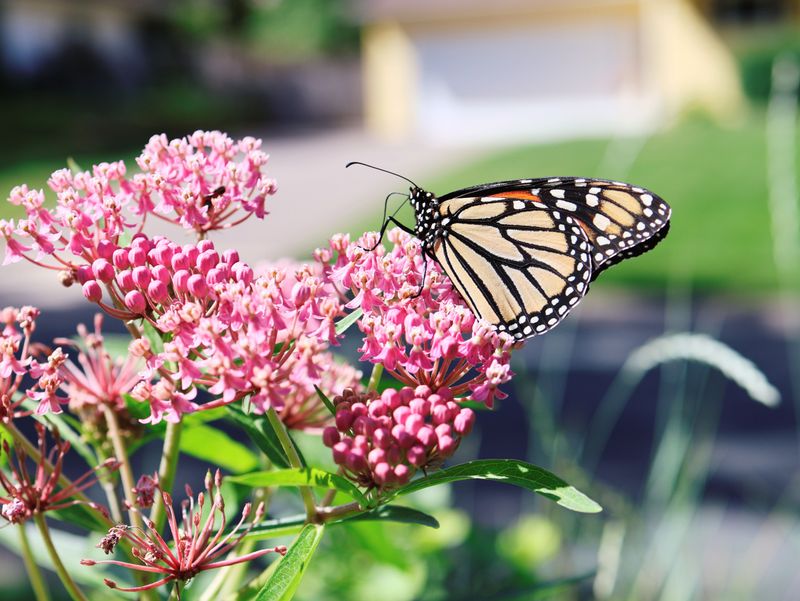
Swamp milkweed is another native powerhouse for moist areas. It supports monarch butterflies and produces beautiful pink blooms from midsummer through early fall.
Ferns are reliable performers in perpetually damp, shaded spots. Cinnamon fern and royal fern both handle wet conditions gracefully and add lush texture to any garden corner.
Joe-Pye weed grows tall and bold in moist soil, producing fluffy purple flower clusters that pollinators cannot resist. It is native to the eastern United States and perfectly suited to local conditions.
Turtlehead, named for its quirky snapdragon-like blooms, thrives along stream edges and in consistently wet beds. It is low-maintenance, deer-resistant, and genuinely charming.
Blue flag iris brings dramatic color to wet garden edges. Its purple flowers appear in late spring and look stunning reflected in shallow standing water.
Choosing moisture-loving plants does not mean settling for a boring garden. Many of these species offer bold color, wildlife value, and seasonal interest that rivals any traditional border plant.
Embracing your wet spots with the right plants turns a frustrating problem into your garden’s most interesting and lively feature.