This Native Rose Is Worth Choosing Over Many Imported Varieties In Georgia
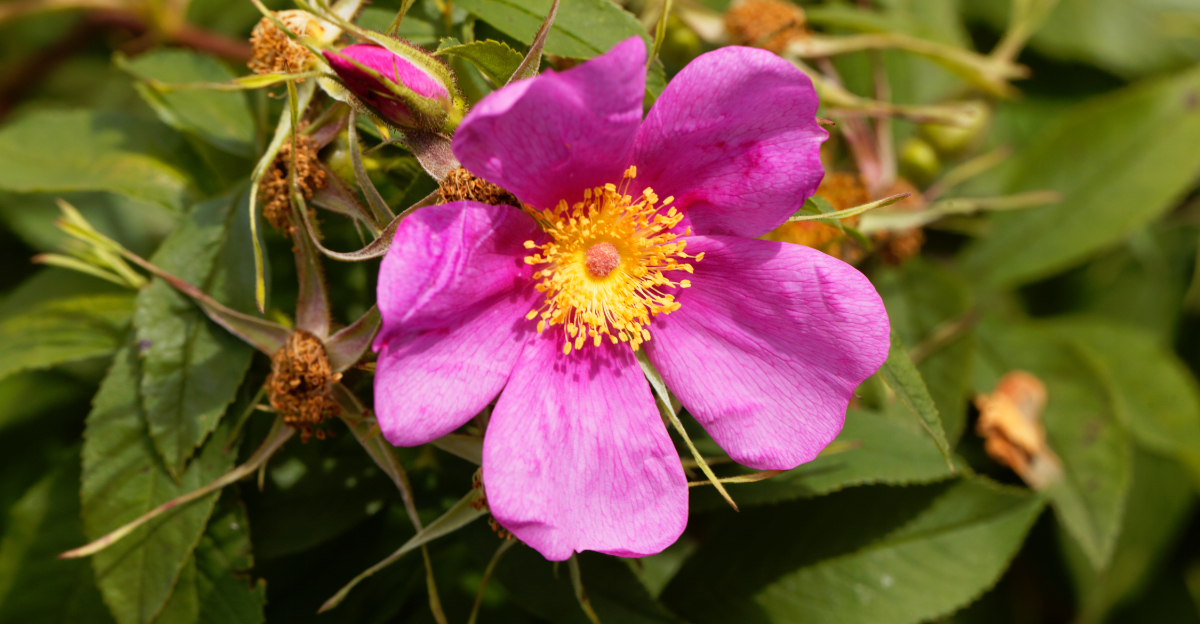
Roses have a reputation for being beautiful but demanding. Many homeowners assume the best-looking varieties always need the most care.
That is not always true. Some roses thrive because they already belong in the climate where they are growing.
Native plants often bring strengths that imported varieties cannot match. They have spent generations adapting to local conditions instead of struggling against them.
One native rose deserves far more attention than it usually gets in Georgia. It offers beauty, resilience, and dependable performance without asking for constant attention.
Choosing the right rose can make every season more enjoyable.
Looking beyond the familiar choices may lead you to a plant that feels perfectly at home and rewards you with years of reliable growth and beautiful blooms.
1. Carolina Rose Brings Beauty Without High Maintenance
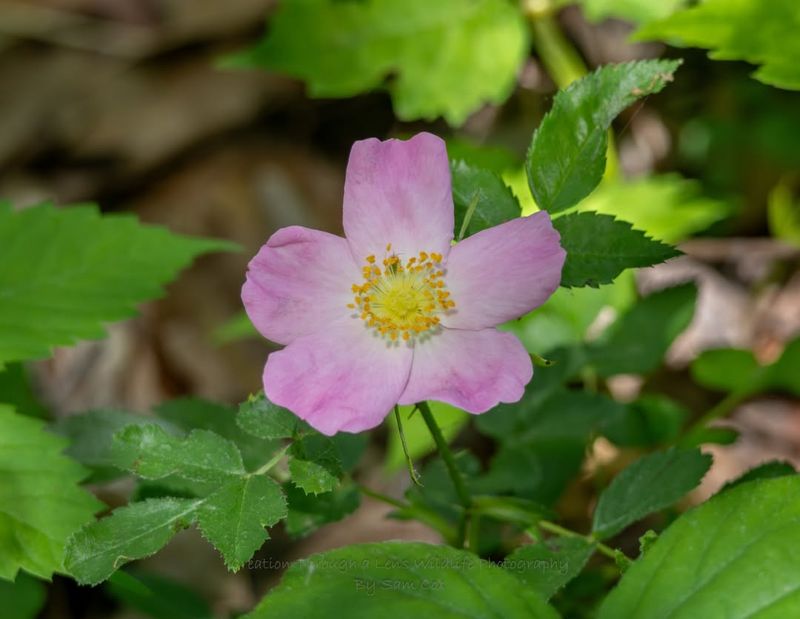
Forget spending weekends fussing over finicky imported roses. Carolina Rose earns its place in the garden by looking good without constant care.
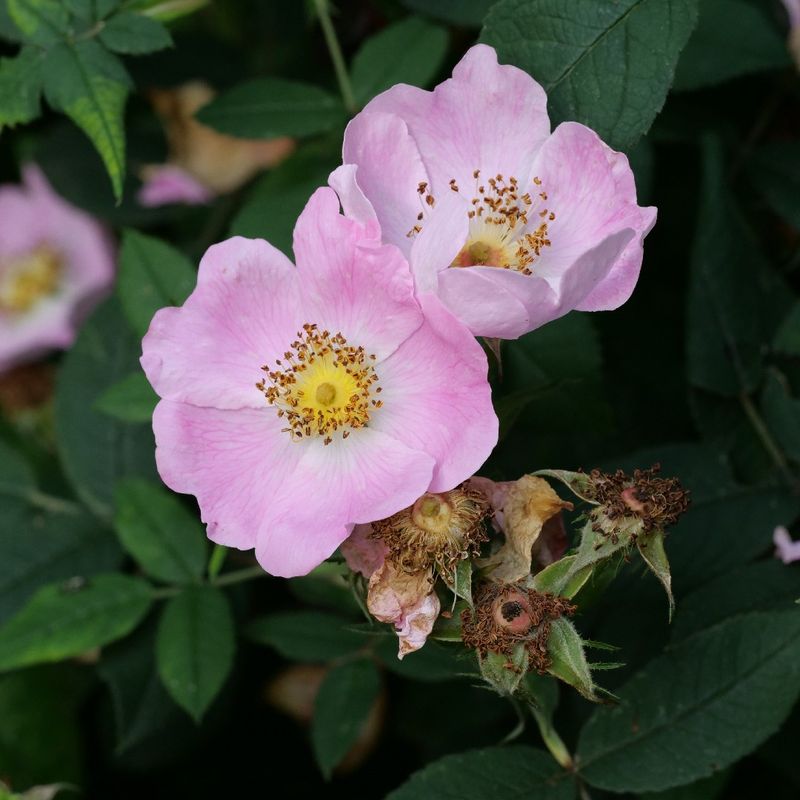
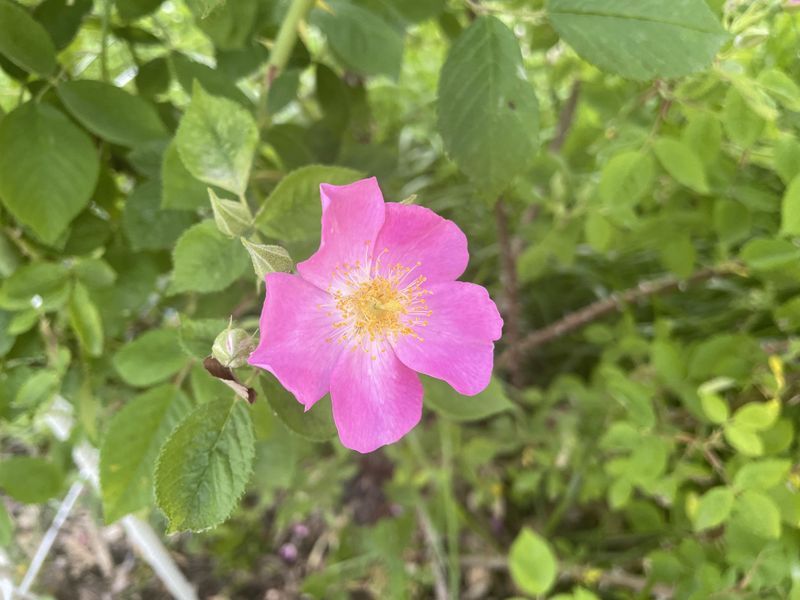
Pink blooms appear in late spring to early summer, and the show comes back year after year with minimal intervention.
Imported hybrid roses often need regular spraying, fertilizing, and babying just to survive a Southern summer. Carolina Rose sidesteps most of that.
It adapted to the Southeast over thousands of years, so the climate here feels familiar to it rather than hostile.
Gardeners in Georgia often report that it handles summer heat better than many European-bred varieties. It tolerates periods of drought once established and rarely throws a tantrum after a hot week.
The plant stays relatively compact, usually reaching three to five feet tall. That size fits naturally into mixed borders, cottage gardens, or naturalized areas without overwhelming neighboring plants.
Wildlife benefits too. Birds eat the small red rose hips in fall and winter.
Native bees visit the open-faced flowers, which are easier for pollinators to access than the tightly packed petals of many hybrid roses.
Low maintenance does not mean zero maintenance. Some occasional pruning and basic watering during dry spells still help.
But compared to high-demand imports, Carolina Rose is genuinely easier to grow well.
2. Full Sun Produces The Most Flowers
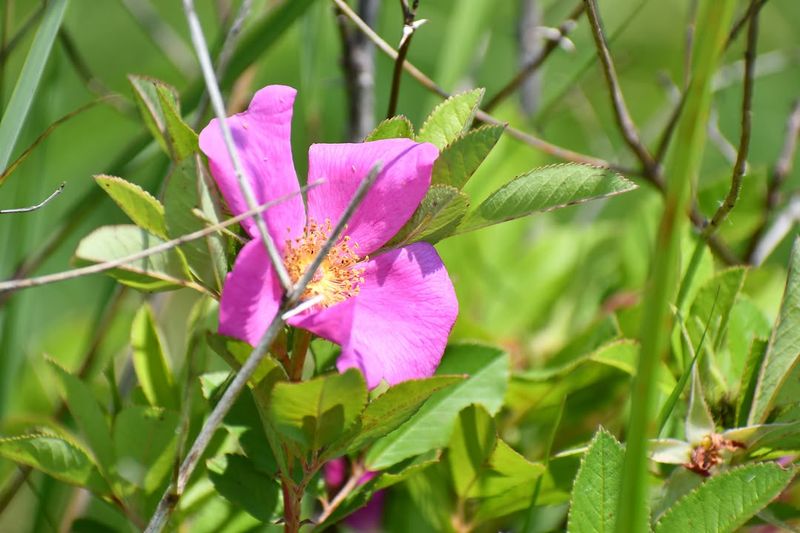
Sun is the real secret behind a heavy Carolina Rose bloom. Six or more hours of direct sunlight per day gives the plant the energy it needs to push out flowers consistently.
Shaded spots tend to produce weak, sparse blooms and leggy growth.
Planting location matters more than most gardeners realize. A spot that gets morning sun and afternoon shade might seem reasonable, but Carolina Rose genuinely performs better with full-day exposure.
Morning shade keeps foliage wet longer, which can invite fungal problems.
South-facing beds or open areas away from large trees are strong choices. Avoid spots where nearby structures block afternoon light, especially during the peak growing season from April through August.
More sunlight also means more photosynthesis, which feeds root development and overall plant health. A well-fed root system supports more flower buds and stronger stems that hold up in summer storms.
Even in partial sun, Carolina Rose will survive. However, the flower count drops noticeably.
Your Georgia Garden Changes Every Week. Your Plan Should Too.
Gardening in Georgia changes quickly throughout the season. Every Friday you’ll receive a simple weekly plan showing exactly what to plant, prune, fertilize, harvest, and protect so you never miss the right timing.
If you want a plant that earns its space visually, full sun is the better investment.
Check your planting site at different times of day before committing. What looks sunny in the morning might be partially shaded by midday.
Observing the spot across a full day takes little time and prevents a frustrating placement mistake later.
3. Well-Drained Soil Supports Healthy Roots
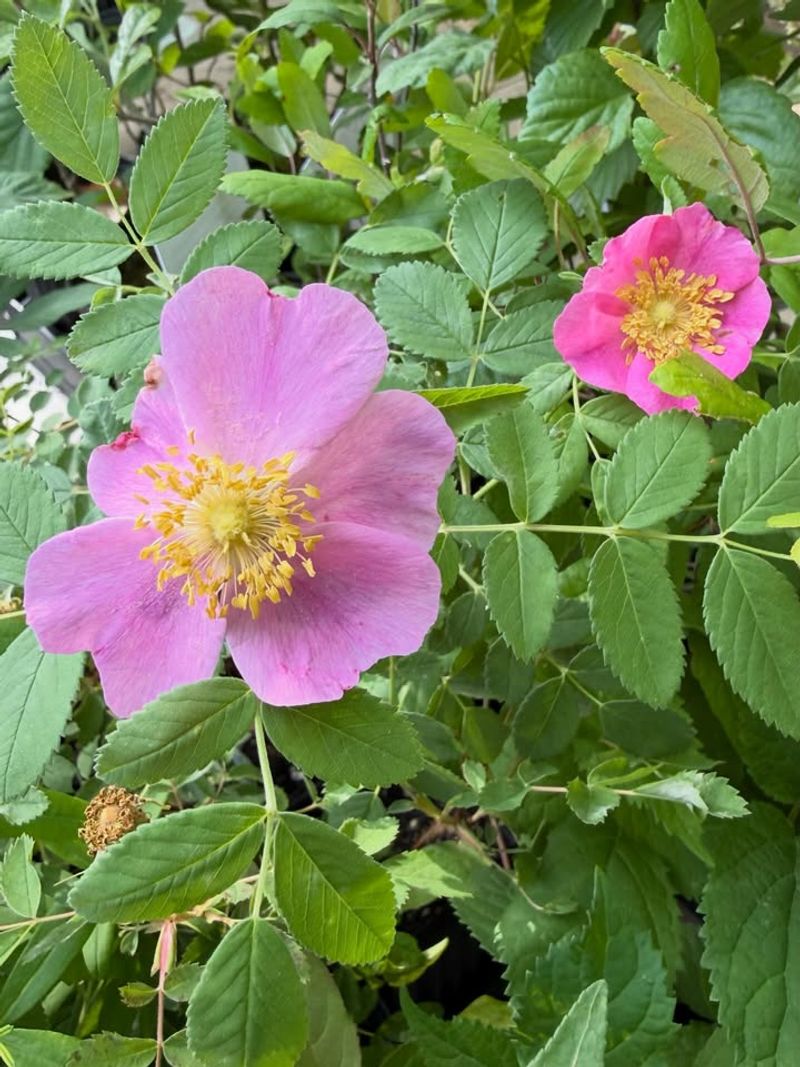
Soggy roots cause more problems for roses than almost anything else.
Carolina Rose tolerates a range of soil types, including the sandy or clay-heavy soils common across much of Georgia, but standing water around the roots creates conditions that weaken the plant over time.
Clay soil holds moisture longer than ideal. If your yard has heavy clay, mixing in compost before planting improves drainage noticeably.
A raised bed is another practical option for areas where water pools after rain.
Sandy soils drain fast, sometimes too fast. Adding organic matter like compost helps sandy ground retain just enough moisture without becoming waterlogged.
Balance is what roots actually need.
Slopes and hillsides naturally drain well and can be excellent planting sites. Carolina Rose also works well in naturalized areas where the soil is not heavily amended.
It does not demand rich, perfectly prepared ground the way some hybrid roses do.
Check drainage before planting by digging a hole about twelve inches deep and filling it with water. If it drains within an hour, the soil is likely suitable.
If water sits for several hours, drainage improvements are worth making first.
Roots that stay consistently moist but not wet grow stronger and anchor the plant better. Good drainage is a simple investment that pays off across the life of the plant.
4. Water Thoroughly During The First Growing Season
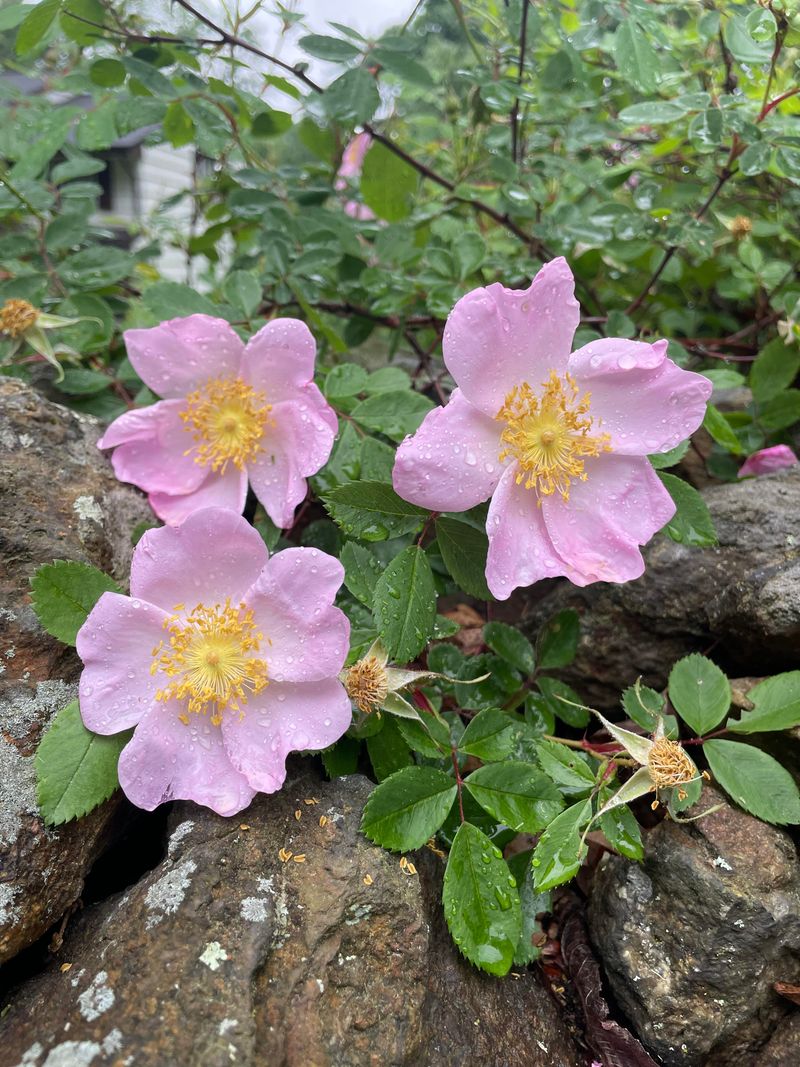
Getting a new plant through its first season takes more attention than maintaining an established one. Carolina Rose is no exception.
Deep, regular watering during the first growing season helps roots reach down and spread out, which builds the drought resilience the plant is known for later on.
Shallow, frequent watering encourages roots to stay near the surface. Surface roots are more vulnerable to heat and dry spells.
Watering deeply and less often trains roots to go deeper where soil stays cooler and holds moisture longer.
Aim for about one inch of water per week during the growing season, either from rain or supplemental irrigation. During hot, dry stretches, check the soil two to three inches down.
If it feels dry at that depth, water thoroughly.
Morning watering is generally better than evening. Foliage that stays wet overnight is more prone to fungal issues.
Watering at the base of the plant rather than overhead keeps leaves drier and reduces that risk.
Once established, usually after the first full growing season, Carolina Rose handles dry periods much better. Supplemental watering becomes less critical except during extended droughts.
Patience pays off here. Investing time in proper watering during year one sets up a plant that needs much less attention in years two and beyond.
Consistent early care makes a real difference.
5. Good Airflow Helps Limit Disease Problems
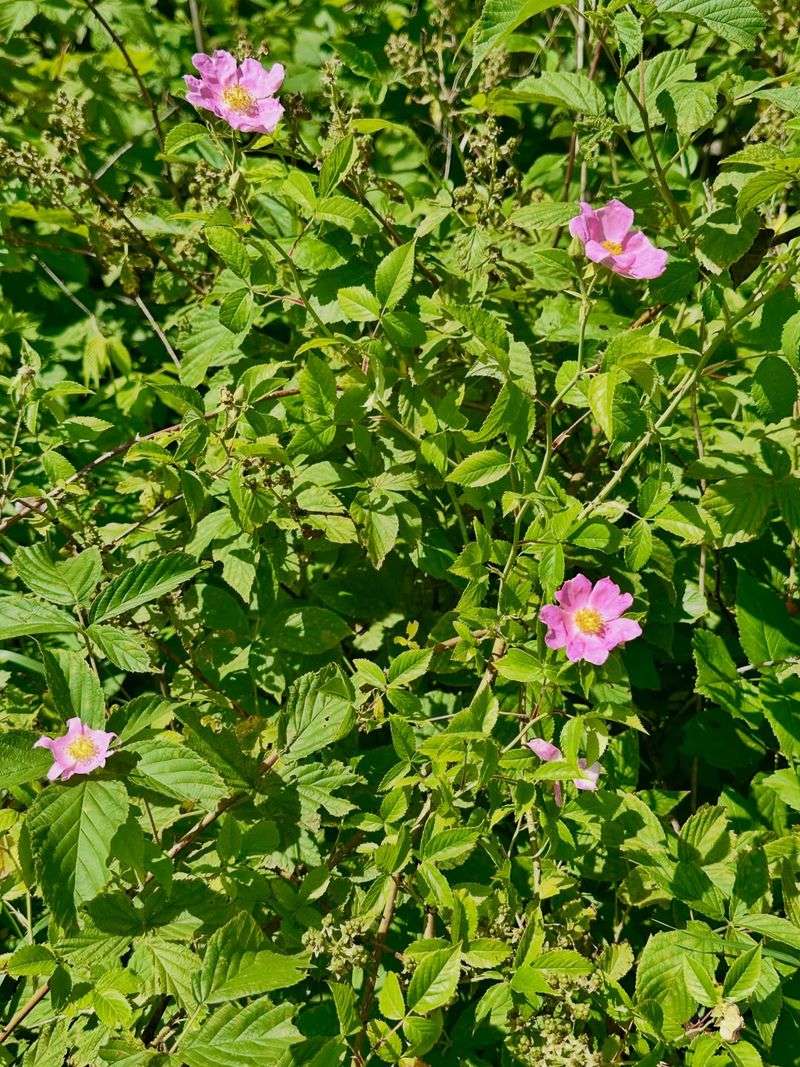
Crowded plants trap humidity around their foliage. Humid, still air near leaves creates conditions where fungal diseases like powdery mildew and black spot can take hold.
Carolina Rose resists many diseases better than imported varieties, but good airflow still helps keep it at its healthiest.
Spacing plants correctly from the start avoids problems down the road. Carolina Rose typically spreads three to four feet wide at maturity.
Planting too close together forces you to prune more aggressively later just to restore air movement between plants.
Avoid planting directly against walls or fences where air circulation is limited. Open garden beds or spots with natural breezes are better choices.
Even a few extra inches of spacing can make a noticeable difference in how the foliage dries after rain.
Pruning out crowded interior branches also improves airflow through the plant itself. Removing a few crossing or rubbing branches during the dormant season opens up the canopy and lets light and air reach inner growth.
Wet springs in the Southeast can push disease pressure higher. During those periods, keeping foliage as dry as possible matters more.
Overhead watering during rainy stretches adds unnecessary moisture to leaves that are already staying wet from rain.
Airflow is one of those quiet factors that rarely gets credit. Plants with good air circulation around them simply tend to look healthier across the season.
6. Occasional Pruning Encourages Strong New Growth
Pruning is one of those tasks that sounds complicated but is actually straightforward with Carolina Rose. A light pruning once a year does more good than skipping it for several seasons.
New growth emerges from younger wood, so removing older stems makes room for vigorous shoots.
Late winter or very early spring is a reliable time to prune, just before new growth begins. Cutting at that point gives the plant a clean start for the season.
Avoid heavy pruning in fall, since that can push tender new growth that gets damaged by cold temperatures.
Start by removing any stems that look weak, damaged, or crossing each other. Then step back and look at the overall shape.
Cutting the remaining healthy stems back by about one-third encourages branching and more flower buds later in the season.
Sharp, clean tools make a real difference. Dull blades crush stems rather than cutting cleanly, which slows healing and can invite problems.
Wipe blades with a damp cloth between plants to avoid spreading anything between garden beds.
Deadheading spent flowers during the bloom period encourages some reblooming in certain plants, though Carolina Rose is primarily a once-bloomer.
Leaving some spent flowers in place allows rose hips to form, which benefits wildlife through fall and winter.
Pruning does not need to be perfect. A confident, practical approach each season keeps the plant healthy and productive.
7. Mulch Helps Soil Hold Moisture Longer
A layer of mulch around the base of a rose plant does several useful things at once.
It slows moisture evaporation from the soil, moderates soil temperature, and gradually adds organic matter as it breaks down. For Carolina Rose growing through a Georgia summer, those benefits add up fast.
Two to three inches of organic mulch, like shredded bark, wood chips, or pine straw, works well around the base of the plant.
Pine straw is especially common and affordable across the Southeast and does a solid job of retaining moisture and suppressing weeds.
Keep mulch pulled back a few inches from the main stem. Mulch piled directly against the stem traps moisture against the bark and can lead to rot over time.
A small gap around the base is a simple habit that protects the plant.
Refreshing mulch once or twice a year keeps it effective. As it breaks down, the layer thins and loses some of its moisture-holding ability.
A fresh top-up in spring and again in fall keeps the benefits consistent.
Mulch also reduces the need for frequent watering during dry summer months. Bare soil in full sun loses moisture quickly.
A mulched bed stays noticeably cooler and wetter at the root level, which supports steady plant growth without constant irrigation.