This Pennsylvania Flower Blooms Hardest When Everything Else Wilts In Heat
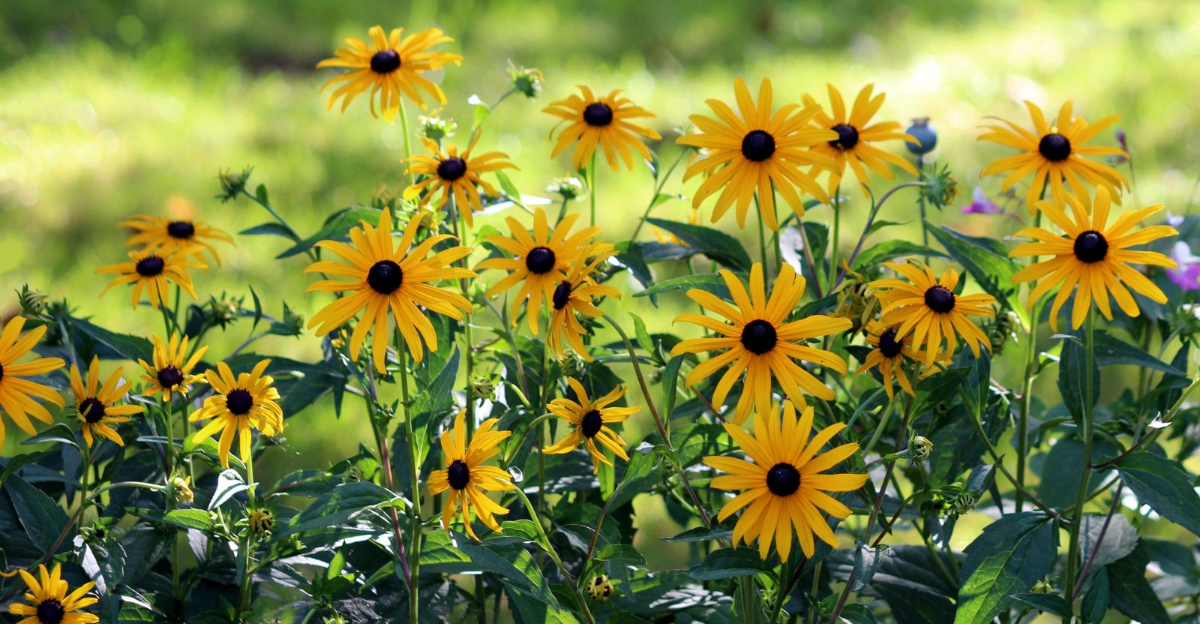
Most garden plants have a pretty clear limit when a Pennsylvania summer decides to get serious about the heat. Black-eyed Susan has not gotten that memo, or at least it does not seem particularly bothered by it.
This cheerful native wildflower, known botanically as Rudbeckia hirta, keeps producing those golden-yellow blooms with dark centers right through some of the hottest and driest stretches of the growing season.
That kind of reliability is a quality Pennsylvania gardeners genuinely appreciate when a lot of other things in the border are looking considerably less enthusiastic about the whole situation.
You can spot it in sunny perennial beds, native plantings, and pollinator gardens across the state, and once it settles in, it handles heat and dry spells better than most.
Tough and dependable is the honest description here, not completely indestructible, but impressively close.
1. Black-Eyed Susan Keeps Color Going Through Summer Heat
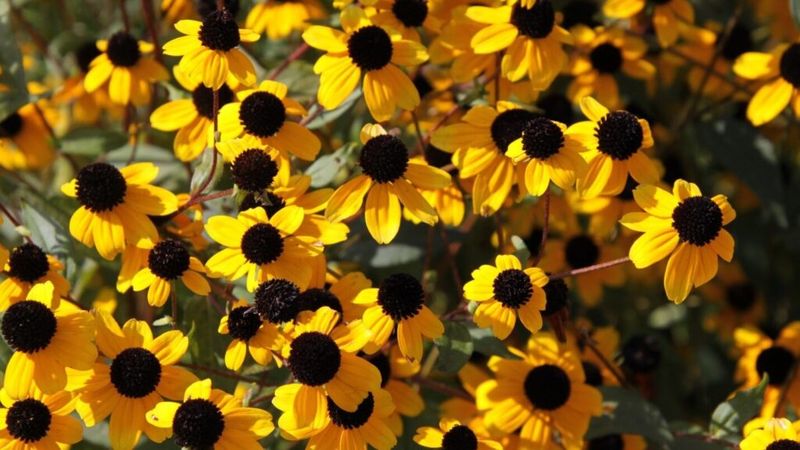
On a sweltering Pennsylvania afternoon when most flower beds look faded and tired, a patch of black-eyed Susan can still be covered in bright golden blooms.
Rudbeckia hirta is documented as a heat-tolerant native wildflower, and established plants continue flowering through the warm stretch of Pennsylvania’s growing season without much fuss.
That kind of steady performance is genuinely useful when summer heat pushes into the upper 80s and 90s for days at a stretch.
The flowers are easy to recognize. Each one features bright yellow ray petals surrounding a raised, dark brown center cone, giving the plant its familiar common name.
Blooms appear in generous numbers on branching stems that typically reach one to three feet tall, depending on growing conditions and the specific plant.
Worth knowing is that the common name black-eyed Susan can refer to more than one plant. Penn State Extension notes that it may also be applied to other Rudbeckia species and even to Thunbergia alata, which is a completely different plant.
When choosing for a Pennsylvania garden and wanting the true state native, look specifically for Rudbeckia hirta from a reputable nursery or seed supplier rather than collecting from wild populations.
Established plants can handle heat reasonably well, but newly planted specimens still need consistent watering while their roots settle in and develop.
2. Full Sun Supports A Strong Summer Flower Display
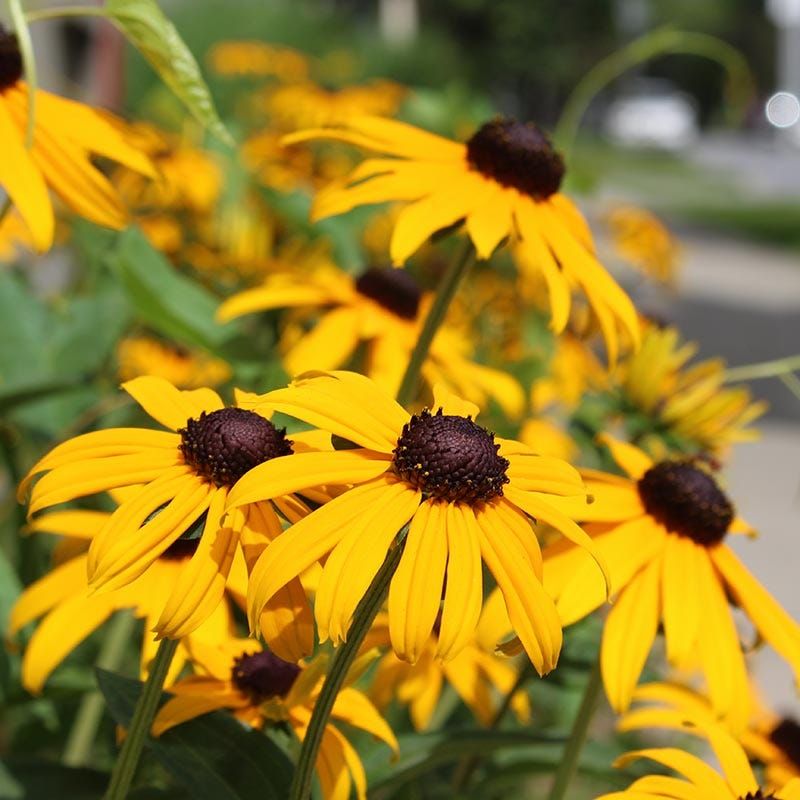
Open, sunny spots in a Pennsylvania yard tend to suit black-eyed Susan very well. Rudbeckia hirta generally performs at its best in full sun, which is typically described as six or more hours of direct sunlight per day.
That preference lines up naturally with the kind of open, exposed spots where summer heat can feel most intense.
Penn State Extension notes that Rudbeckia can tolerate some partial shade, so it is not completely inflexible.
However, plants grown in shadier locations may produce fewer flowers and develop a more open, stretched appearance compared to those growing in full sun.
For the strongest summer display, an open location with plenty of direct light is a reasonable first choice.
It is also useful to understand that more sun does not automatically mean more flowers in every situation. Plant health, soil conditions, moisture levels, and how well established the plant is all play a role in how well it blooms.
Your Pennsylvania Garden Changes Every Week. Your Plan Should Too.
Gardening in Pennsylvania changes quickly throughout the season. Every Friday you’ll receive a simple weekly plan showing exactly what to plant, prune, fertilize, harvest, and protect so you never miss the right timing.
A sunny location gives Rudbeckia hirta the conditions it is naturally suited to, but it works alongside good planting practices rather than replacing them.
Positioning plants where they get morning sun and some afternoon exposure tends to work well across many Pennsylvania landscapes, particularly in areas where summer temperatures climb steadily through July and August.
3. Established Plants Can Handle Heat And Dry Spells
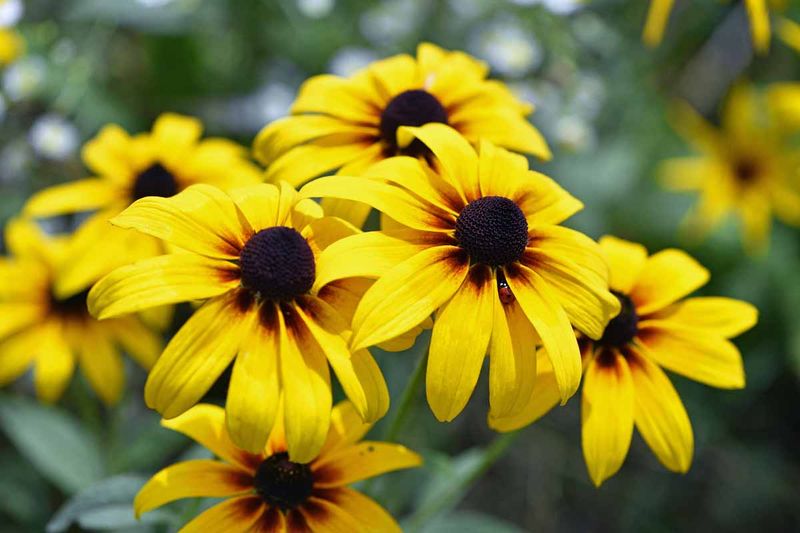
One of the most practical things to understand about black-eyed Susan is the difference between an established plant and a newly planted one.
Penn State Extension describes established Rudbeckia as heat- and drought-tolerant, which is one reason it fits so well into Pennsylvania landscapes where summer weather can swing between humid heat and dry stretches without much warning.
Establishment takes time. A plant set in the ground this spring is still developing its root system and needs regular watering to get through its first season successfully.
Skipping that early care because the plant is eventually known for toughness is a common mistake. Consistent moisture during the first growing season gives the roots a chance to spread and anchor the plant for the summers ahead.
Once a plant has been in the ground through at least one full growing season and its roots are well developed, it becomes much more capable of managing through dry periods without constant attention.
That resilience is part of what makes Rudbeckia hirta a practical option for low-maintenance Pennsylvania gardens.
Even established plants can show stress during an unusually long or severe drought, so keeping an eye on them during extreme conditions and watering when needed is still a sensible approach.
Treating establishment as a real process rather than skipping it sets the plant up for long-term success.
4. Well-Drained Soil Helps Black-Eyed Susan Perform Well
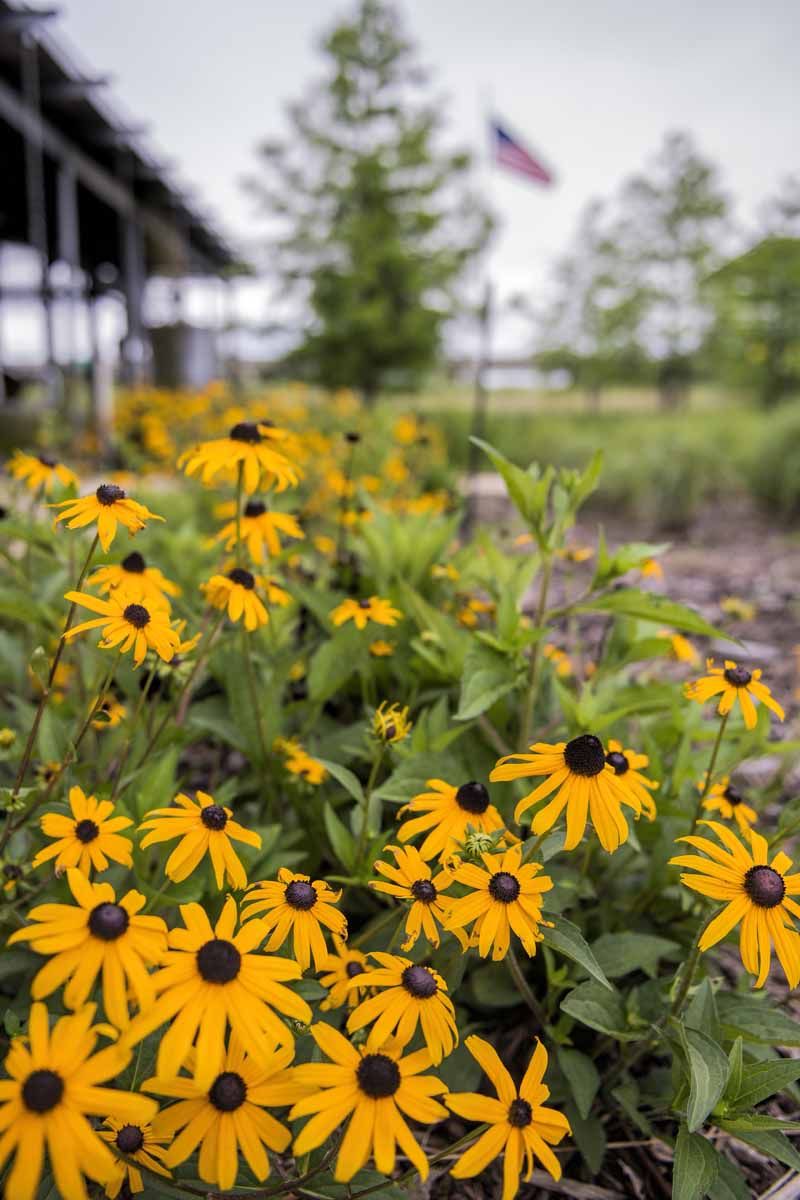
Soggy ground is one condition that black-eyed Susan does not handle well. Penn State Extension recommends average, well-drained soil for Rudbeckia, and that guidance reflects the kind of habitat this plant naturally grows in across Pennsylvania.
Fields, meadows, and roadsides tend to drain freely, and the plant has adapted to those conditions over time.
Well-drained soil does not mean dry, compacted, or nutrient-stripped ground. It simply means that water moves through at a reasonable pace and does not sit pooled around the roots for extended periods.
Many Pennsylvania gardens have suitable soil with little or no amendment needed, though areas with heavy clay may benefit from some improvement before planting.
Penn State also notes that Rudbeckia can adapt to several different soil types, which adds to its usefulness across the varied landscapes found throughout Pennsylvania. That adaptability means it is not a fussy plant when it comes to soil fertility either.
Overly rich soil can sometimes encourage lush leafy growth at the expense of flowering, so there is no need to load beds with heavy fertilizer before planting.
Working some compost into the planting area can support healthy root development without pushing the plant toward excessive foliage.
Checking that a planting spot drains reasonably well before putting Rudbeckia hirta in the ground is a simple step that can make a real difference in long-term plant performance.
5. A Long Bloom Season Carries Color Toward Fall
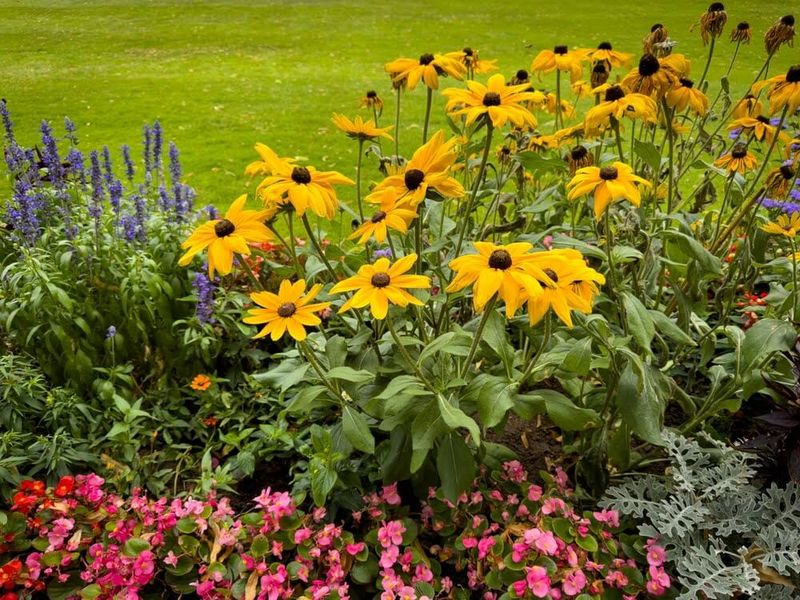
Few native Pennsylvania plants hold their color as long through the growing season as black-eyed Susan. Flora of Pennsylvania records Rudbeckia hirta flowering from June through October, which covers a remarkable stretch of the warm-weather calendar.
Penn State Extension describes the bloom period as running from July into October, and that range reflects what many gardeners observe in their own yards.
Actual timing can shift depending on several factors. Location matters, since plants in warmer southern parts of the state may open earlier than those growing in cooler northern or higher-elevation areas.
Weather patterns, the specific plants or seed sources used, and local growing conditions all influence when flowers first appear and how long they continue.
Treating any published date range as a general guide rather than a fixed schedule is the most realistic approach.
What the long bloom season offers practically is extended color during a part of the year when many other garden plants have already finished.
As summer moves into late August and September, other perennials and annuals may be winding down while Rudbeckia hirta continues producing fresh flowers.
That carry-through toward fall is one reason Pennsylvania gardeners who want a low-effort, high-color planting often include this native species in their beds.
Combining it with other fall-blooming natives can extend the overall garden display even further into the season.
6. Fields And Roadsides Reveal Its Tough Native Character
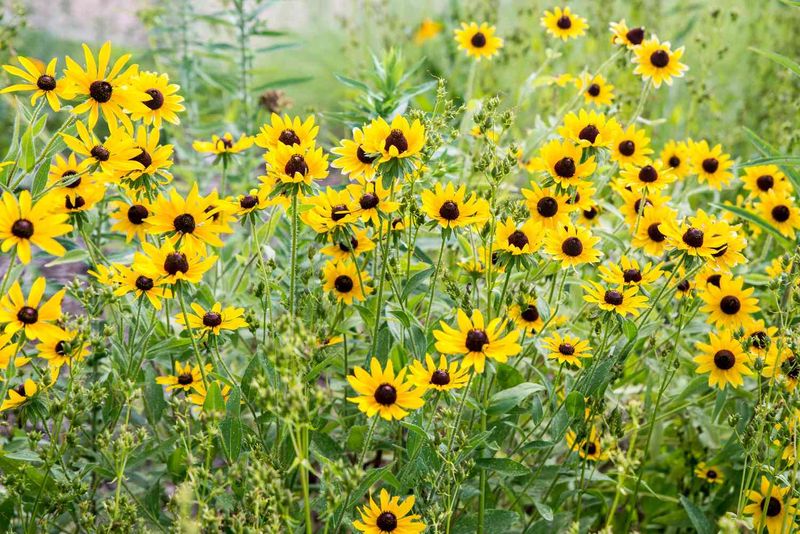
Driving through Pennsylvania in summer, it does not take long to spot clusters of golden-yellow flowers growing along roadsides, in open fields, and across sunny meadows.
Those bright blooms belong to Rudbeckia hirta, and their presence in those rugged, exposed spots says a lot about the plant’s natural toughness.
Flora of Pennsylvania documents this species as native to Pennsylvania and common in fields, meadows, and roadsides throughout the state.
Those wild habitats are often demanding places to grow. Roadside verges can bake in reflected heat, go weeks without rain, and compete with grasses and other plants for space.
The fact that Rudbeckia hirta thrives in those conditions naturally is a good indicator of why it also performs reliably in sunny home landscapes across Pennsylvania.
Connecting that native toughness to home garden use is straightforward. A plant that established itself in open habitats over a long time is genuinely suited to the state’s climate, soils, and seasonal patterns.
That said, deliberately recreating harsh roadside conditions in a garden is not necessary or recommended. Rudbeckia hirta does well in average garden settings with reasonable care.
For anyone wanting to add this species to their yard, sourcing plants or seeds from reputable native plant nurseries is the right approach rather than collecting from wild roadside populations, which should be left undisturbed.
7. Summer Flowers Draw Bees, Butterflies, And Other Pollinators
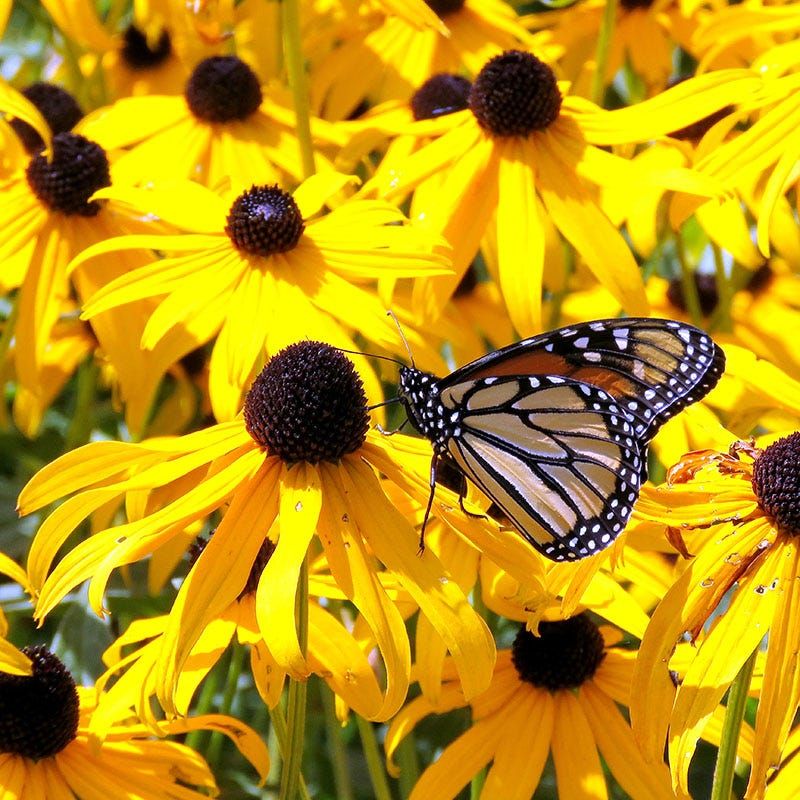
Watch a patch of black-eyed Susan on a warm summer morning and the activity around those flowers can be striking.
Bees, butterflies, and other pollinating insects visit the blooms regularly, drawn by the open, accessible flower structure that makes it easy for a wide range of insects to reach pollen and nectar.
Penn State Extension notes that Rudbeckia attracts pollinating insects, which adds real ecological value to its visual appeal.
Penn State also notes that planting several Rudbeckia together in a drift or grouping can attract more pollinators than a single isolated plant. Grouping plants creates a more visible and resource-rich patch that insects can find and return to through the season.
Even a modest cluster of five or seven plants can make a meaningful difference in the number of visitors a garden supports during summer.
Bees and butterflies are the most commonly observed visitors, but other beneficial insects also use these flowers.
Keeping black-eyed Susan as part of a broader planting that includes other native flowering plants helps support pollinators more completely across the season.
Rudbeckia hirta alone does not provide everything pollinators need through an entire year, so pairing it with other Pennsylvania natives that bloom at different times builds a more supportive habitat overall.
That combination of visual reward and ecological benefit makes it a genuinely useful addition to any sunny Pennsylvania garden.
8. Seed Heads Keep Offering Garden Value After Blooming
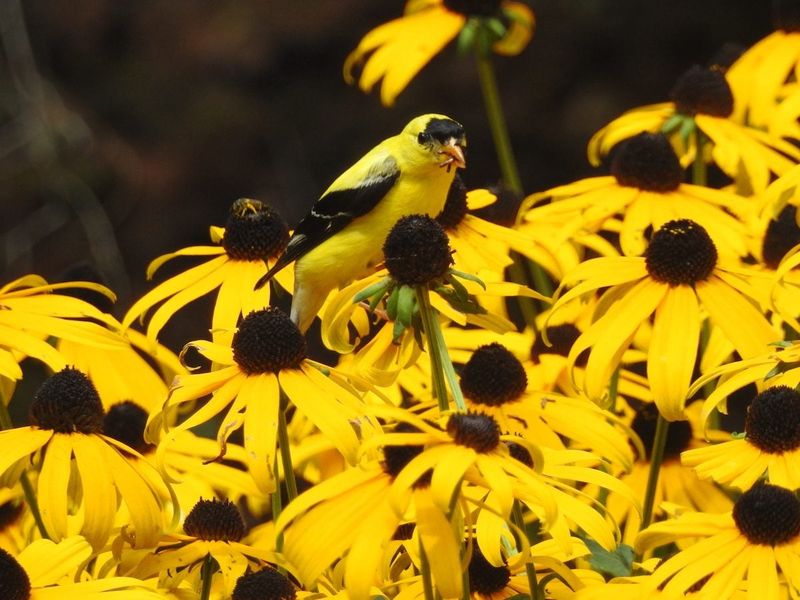
After the last petals drop in fall, the story of black-eyed Susan in a Pennsylvania garden is not quite finished. The mature seed heads that remain on the stems after flowering hold seeds that birds actively seek out during the cooler months.
Penn State Extension notes that birds use seeds from mature Rudbeckia flower heads, which gives the plant a second season of usefulness well beyond its last bloom.
Leaving some seed heads standing rather than cutting everything back immediately after flowering is a choice more gardeners are making.
The upright stems and rounded seed heads add a quiet structural quality to the winter garden, especially when frost or light snow settles on them.
That visual interest can carry a garden bed through the months when color is gone and everything else looks bare.
Managing seed heads is flexible and depends on personal preference and garden style. Some gardeners leave most of them standing for birds and winter structure, while others cut a portion back to keep the bed tidy.
Rudbeckia hirta can also self-seed in suitable conditions, so leaving seed heads in place may result in new plants appearing nearby the following season. That self-seeding tendency can be welcome or may need some management depending on how the garden is laid out.
Either way, the seed heads represent a genuine extension of what this Pennsylvania native contributes long after summer has passed.