The Porch Plants That Survive Arizona’s 110-Degree Afternoons Without Wilting
An Arizona porch can feel like a test garden built inside an oven.
By July, stucco walls hold heat long after sunset. Concrete throws sunlight back upward. Metal railings become too hot to touch, and west-facing containers can stress even plants with desert credentials.
A pot that looked cheerful in March may look exhausted by late afternoon once temperatures climb past 110 degrees.
The right plant changes that story, but it is not magic.
Even tough porch plants can wilt when roots are trapped in tiny pots, drainage is poor, soil dries to dust, or containers sit against heat-reflecting walls all day.
Heat tolerance works only when the roots have room, the mix drains fast, and watering matches the container rather than the calendar.
Arizona gardeners need plants that do more than tolerate sunshine. They need plants that can handle reflected heat, fast dry-down, and brutal afternoon exposure without turning into a crispy disappointment.
So which porch plants can survive Arizona’s hottest afternoons with the right care?
Start with compact, heat-loving bloomers and trailing plants that know how to keep going when softer annuals give up.
1. Lantana Powers Through Reflected Heat
Lantana brings color when the porch feels impossible.
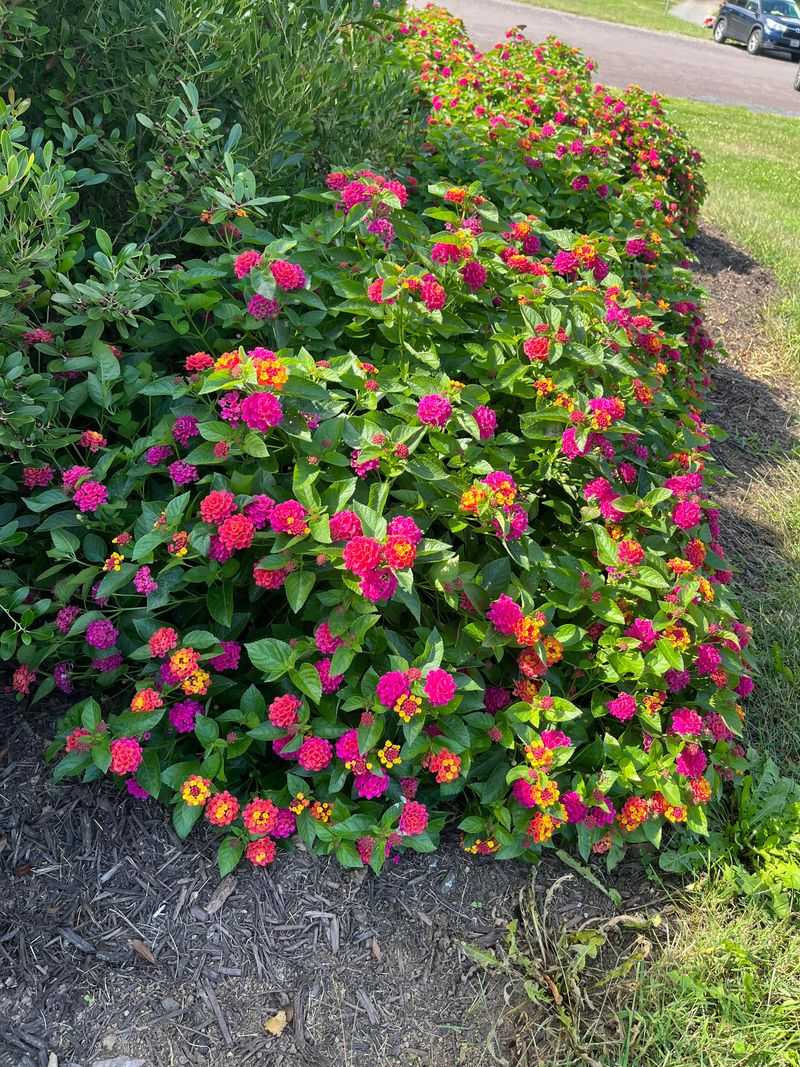
Trailing and compact types, including Lantana camara and Lantana montevidensis, are among the most reliable flowering plants for Arizona heat.
Their rounded flower clusters can appear in yellow, orange, red, pink, purple, white, or mixed shades, and they keep drawing butterflies and bees through the warm season.
This plant handles reflected heat better than most porch bloomers. A sunny wall, bright patio, or hot entryway does not scare it the way it scares softer annuals.
Container size still matters. Compact types need a pot at least fourteen to sixteen inches wide, while trailing varieties appreciate more room.
Choose light-colored containers when possible. Dark pots can heat the root zone far beyond the air temperature.
Use fast-draining potting mix. Heat tolerance does not mean roots want to sit in soggy soil.
Water deeply when the top inch feels dry. Then let excess drain completely.
Check daily during severe heat. A container can dry much faster than an in-ground planting.
Trim lightly after bloom flushes. That keeps the plant tidy and encourages fresh flowers.
Place carefully around pets and children. The berries are toxic when eaten, and curious mouths should not have easy access.
Cold can still damage it. In cooler desert areas, frost may cut it back, though many plants rebound after winter pruning.
Lantana is a workhorse for hot porches.
Give it sun, drainage, and enough root room, and it can keep color going when the patio itself feels like it is radiating fire.
2. Portulaca Stores Water In Its Leaves
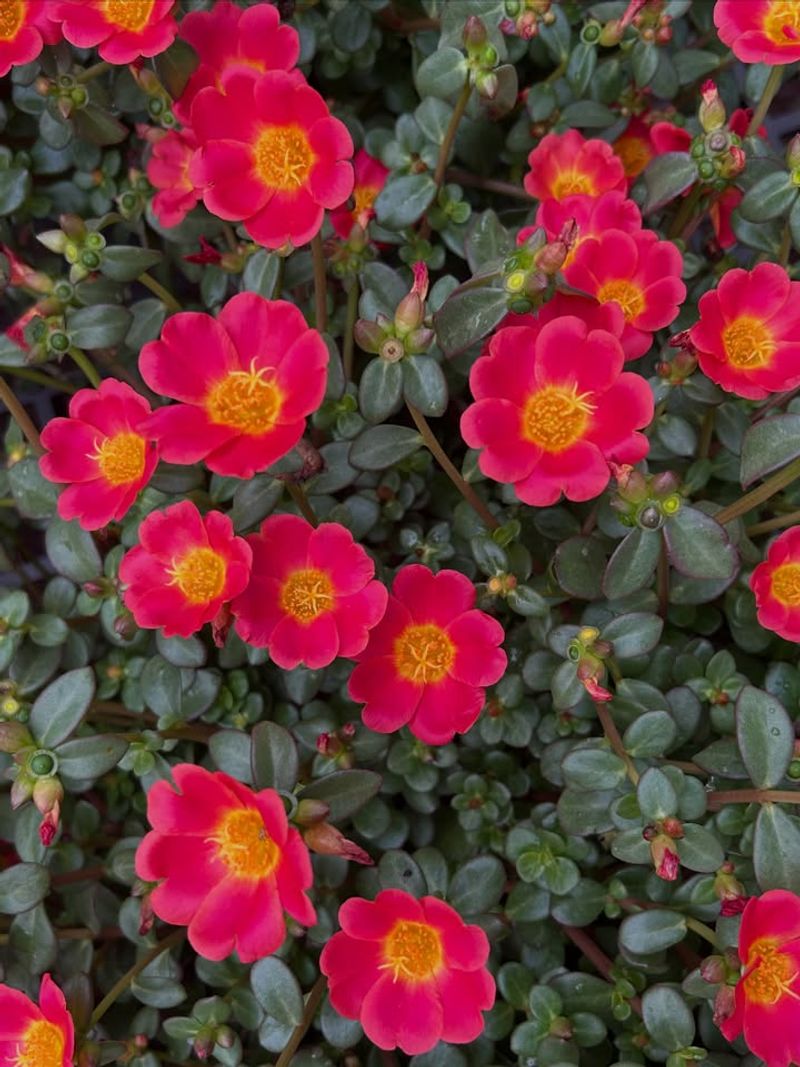
Portulaca is tiny but tough.
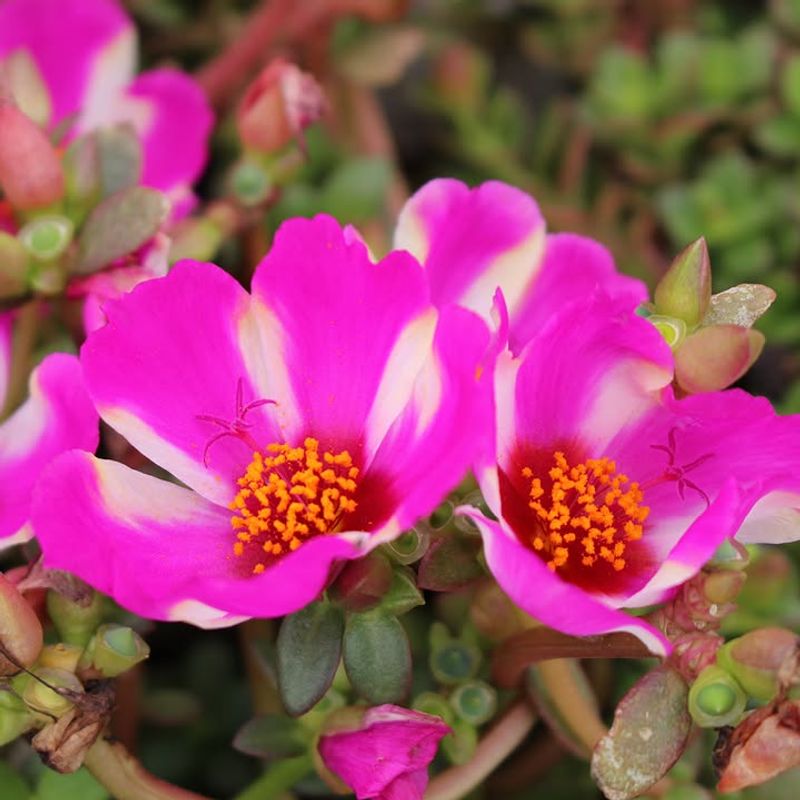
Also called moss rose, Portulaca grandiflora carries thick, succulent leaves that store moisture. That built-in water reserve helps it keep blooming in conditions that make many annuals collapse by midday.
The flowers open in bright sun. Pink, orange, yellow, red, white, and mixed colors can cover the plant when light is intense.
Your Arizona Garden Changes Every Week. Your Plan Should Too.
Gardening in Arizona changes quickly throughout the season. Every Friday you’ll receive a simple weekly plan showing exactly what to plant, prune, fertilize, harvest, and protect so you never miss the right timing.
Cloudy weather may close the blooms. Evening can do the same, which is normal for this plant.
Use a shallow container with drainage holes. The roots do not need a deep pot, but they do need air.
A gritty mix works best. Cactus and succulent potting blends are usually a good fit.
Do not overwater. This is the most common way gardeners lose portulaca.
Water thoroughly, then let the mix dry almost completely before watering again.
Full sun is essential. Shade makes the plant weaker and reduces flowering.
Lean soil is fine. Rich, moisture-heavy mixes can cause soft growth and root problems.
Use it near pot edges. It spills gently and softens container rims without making a mess.
Treat it as a warm-season annual. It shines through heat, then fades as days shorten and temperatures cool.
Portulaca does not ask for much.
That is exactly why it belongs on an Arizona porch where small, cheerful flowers need to survive fierce afternoon light.
3. Madagascar Periwinkle Holds Bright Color
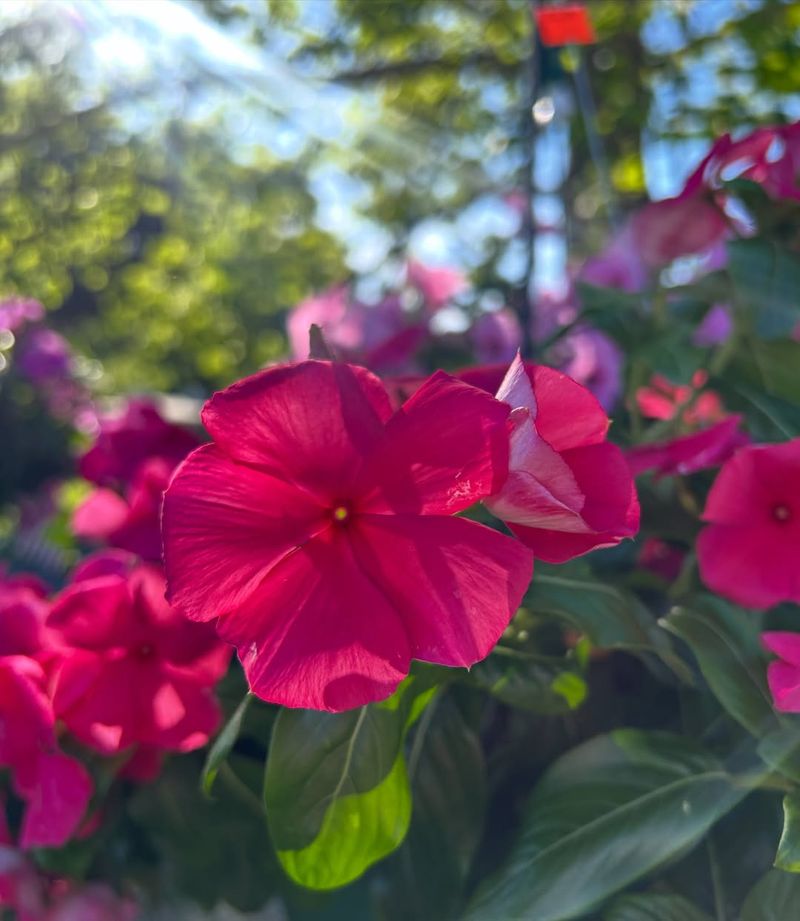
This plant brings steady color through extreme heat.
Madagascar periwinkle, Catharanthus roseus, is often sold as annual vinca, though it is not the same as true periwinkle groundcover. In Arizona containers, it can bloom for months in shades of pink, white, red, lavender, coral, and rose.
The flowers look delicate, but the plant loves heat. It often performs better once temperatures rise than many spring annuals ever could.
Drainage is the deciding factor. Wet soil can lead to root and stem disease, especially in containers.
Use a well-aerated potting mix. The roots need moisture, but they also need oxygen.
Avoid overhead watering. Splashing soil onto lower leaves can increase disease pressure.
Water at soil level. Let the mix dry slightly between waterings.
A ten-to-twelve-inch container is a good minimum. Larger pots give roots more stability during heat waves.
Full sun works in many areas. In Phoenix and Yuma, light afternoon shade can help during the fiercest exposure.
Choose improved cultivars when possible. Modern series often show better performance in hot, humid, or disease-prone conditions.
Do not crowd plants tightly. Airflow helps reduce trouble in warm, irrigated containers.
All parts are toxic when eaten. Keep pots away from pets and small children.
Madagascar periwinkle is useful because it looks fresh when the porch feels harsh.
With drainage and careful watering, it can keep a clean, colorful display through much of the Arizona summer.
4. Pentas Keeps Summer Flowers Coming
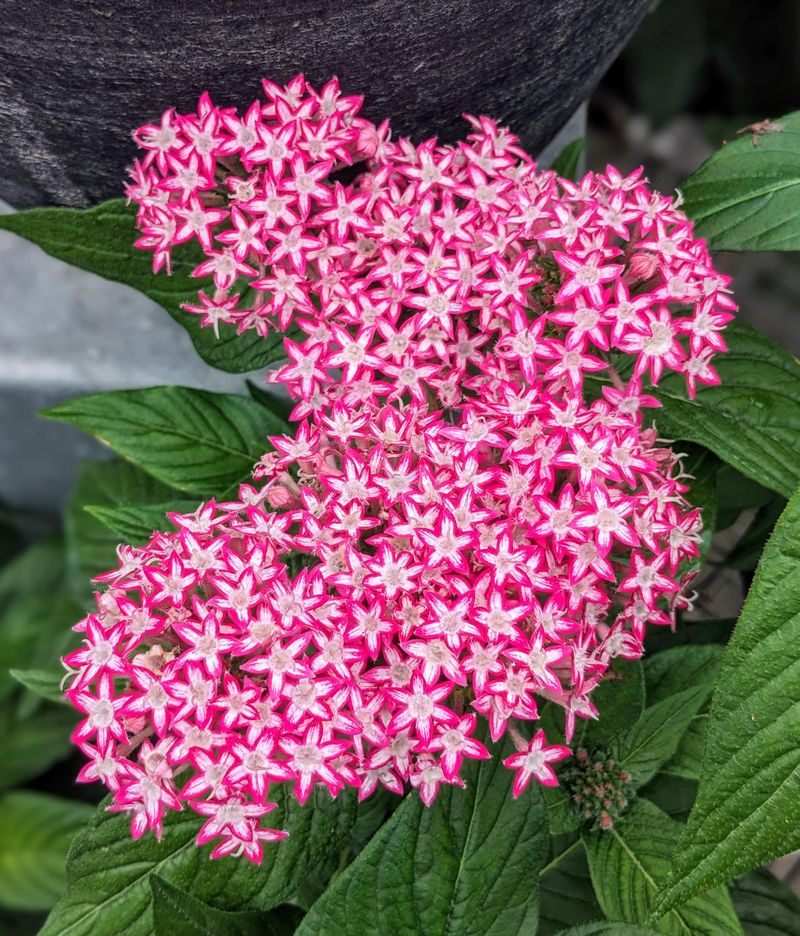
Pentas makes a porch feel alive.
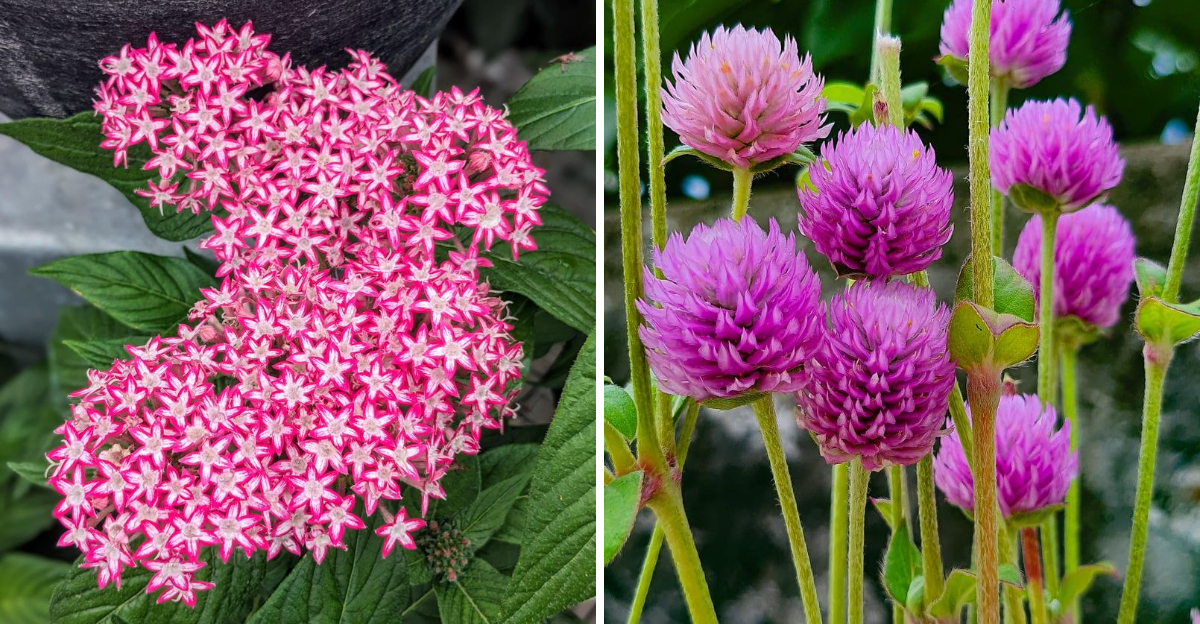
Pentas lanceolata produces clusters of star-shaped flowers in red, pink, white, lavender, and purple. Hummingbirds and butterflies visit them often, which makes a container near a seating area feel more like a small wildlife station than a decoration.
This plant loves warmth. It can bloom steadily through summer when moisture stays consistent.
That is the key difference. Pentas handles heat, but it is not a dryland plant in the same way portulaca or angelita daisy is.
Use a twelve-to-fourteen-inch container or larger. A small pot dries too fast and limits flowering.
Choose rich but well-drained potting mix. The plant wants more moisture than many desert-adapted choices, but not soggy roots.
In Phoenix and Yuma, morning sun with afternoon shade is often best. Reflected western heat can be brutal.
In Tucson and higher desert areas, more sun may work well.
Check soil daily during peak heat. Containers may need frequent watering when temperatures stay extreme.
Water when the top inch feels dry. Soak until water drains from the bottom.
Deadhead or trim spent clusters. That encourages the plant to keep sending up fresh blooms.
Frost damages pentas. Treat it as a warm-season annual in many Arizona locations.
Pentas is not the lowest-water porch plant.
But for gardeners willing to keep up with container moisture, it delivers flowers and pollinator activity when many other plants have stopped trying.
5. Angelita Daisy Prefers Lean Pots
Angelita daisy brings desert charm in a small package.
Tetraneuris acaulis forms a compact mound of fine green foliage topped with bright yellow daisy-like flowers. It looks cheerful, clean, and surprisingly polished in a porch container.
This plant wants lean conditions. Too much pampering works against it.
Use a gritty, fast-draining mix. A cactus and succulent blend is often better than a moisture-rich potting soil.
An eight-to-twelve-inch container suits its compact habit. It does not need a huge pot to look good.
Full sun produces the best flowering. Strong light helps keep the plant tight and sturdy.
Water carefully. Let the soil dry between deep drinks.
Overwatering is the fastest way to lose it. Roots sitting in damp mix will struggle.
Do not fertilize heavily. Excess nutrients push leaves instead of flowers.
Deadheading is optional. Removing spent blooms can keep the pot tidier, but the plant does not need constant grooming.
Spring and fall are often the heaviest bloom seasons. In summer, it may still produce scattered flowers when the pot stays on the dry side.
Cold tolerance is better than many tropical porch plants. That makes it useful in Tucson, Prescott, Flagstaff, and other areas with cooler winters.
Angelita daisy is perfect for gardeners who want a porch plant that does not beg.
Give it sun, grit, and restraint, and it rewards you with a bright desert look.
6. Silver Ponyfoot Spills Over Hot Edges
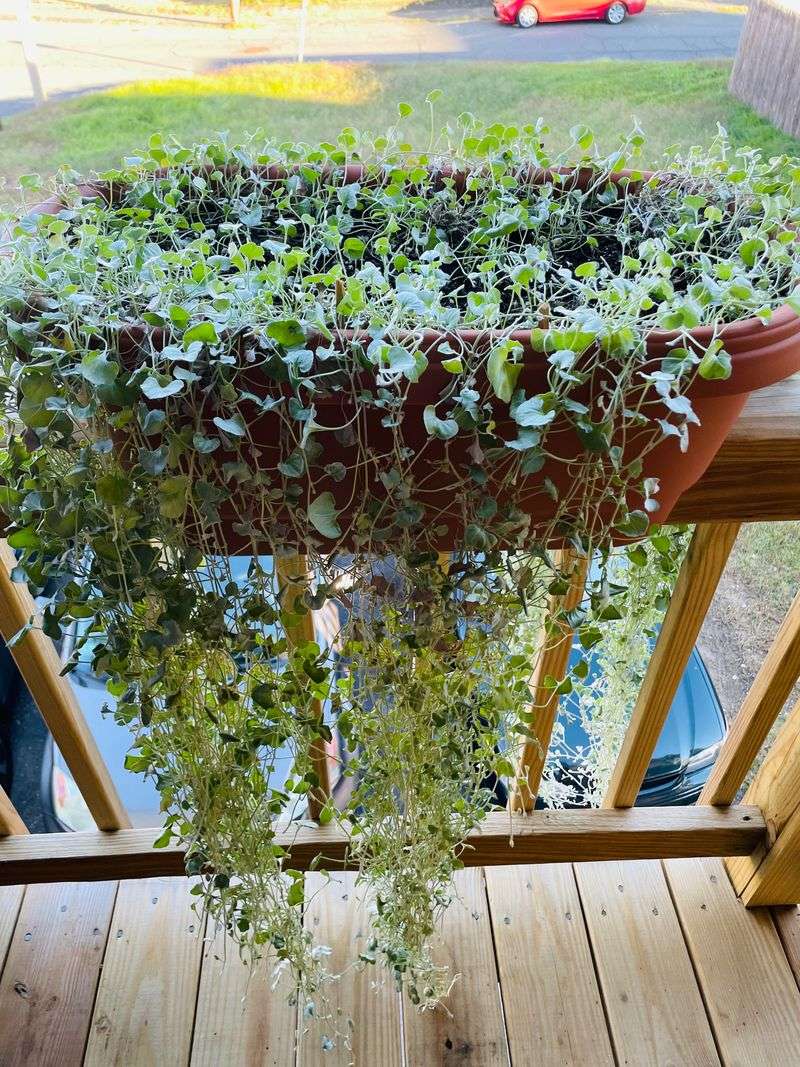
Silver ponyfoot cools the look of a hot porch.
Dichondra argentea trails over container rims with small, round, silver leaves. The foliage reflects light beautifully, creating a soft metallic cascade that pairs well with brighter flowers or stands alone in a modern container.
The silver color is more than decorative. Pale foliage reflects some intense sunlight instead of absorbing it all.
That helps the plant handle hot, exposed areas better than many green trailing plants.
Use it in tall pots, hanging baskets, or mixed containers. It is especially good where the porch needs movement over the edge.
Full sun to partial shade works. In the hottest low-desert microclimates, afternoon shade can keep foliage looking better.
Use well-draining potting mix. The plant does not want a waterlogged base.
Water moderately. Let the top inch or two dry before watering again.
Do not let it dry to dust for too long. Silver ponyfoot is drought-tolerant, but container roots still need support in extreme heat.
Trim trailing stems when they look thin or stretched. Cutting back by about one-third encourages fresh growth.
Flowers are tiny and not the point. The silver foliage carries the display.
Protect from hard freezes. Containers can be moved or sheltered when winter cold threatens.
Silver ponyfoot is a smart porch partner.
It softens hot container edges while adding a cooling color that looks almost unreal against Arizona sun.
7. Bougainvillea Blazes in Reflected Sun
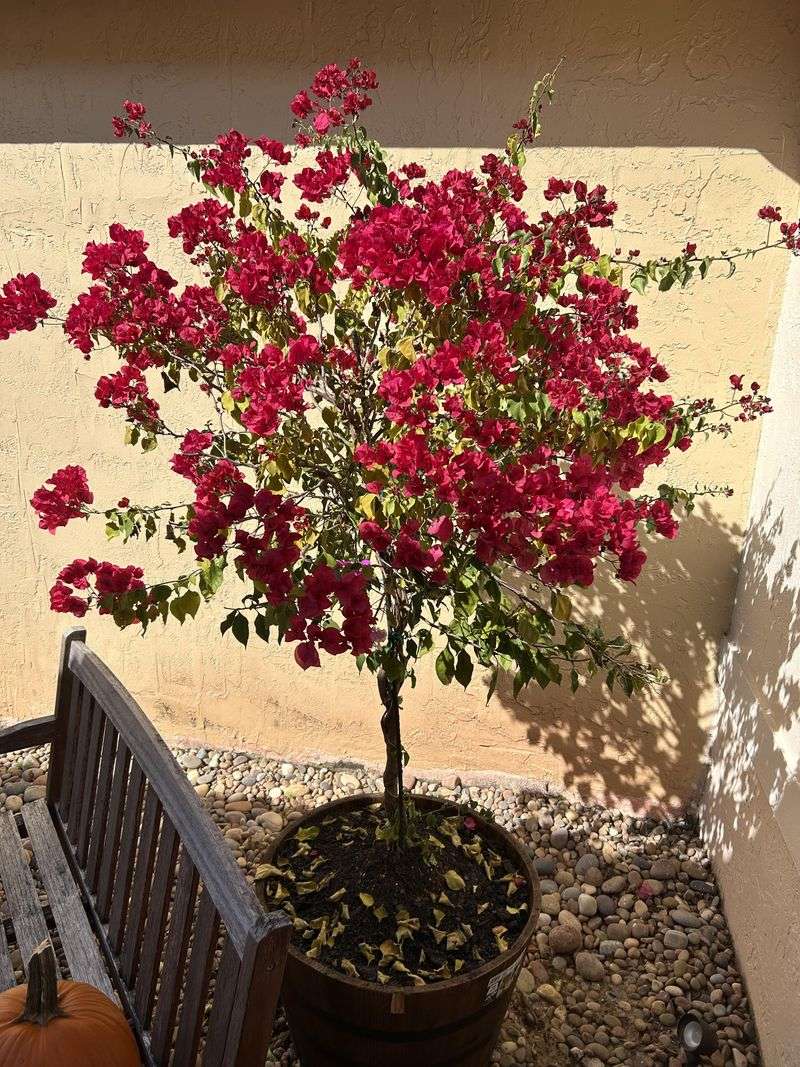
Bougainvillea loves the kind of light that makes other plants hesitate.
Its vivid color comes from papery bracts surrounding tiny true flowers. Those bracts can appear in magenta, purple, orange, red, pink, white, or gold, and they glow against walls, railings, and desert skies.
This plant thrives in heat and bright exposure. Reflected sun can actually support the intense color display when roots are managed properly.
Drainage is non-negotiable. Bougainvillea dislikes wet feet.
Use a fast-draining mix and a container with good holes. Terra cotta can work well because it breathes, though it dries quickly.
Do not overpot dramatically. Bougainvillea often blooms better when slightly root-bound.
A fourteen-to-eighteen-inch container works for many patio varieties. Larger selections need more support and space.
Water deeply, then let the mix dry significantly before the next watering.
Too much water can reduce blooming. Constant moisture often leads to more leaves and fewer bracts.
Use low-nitrogen feeding when needed. Heavy nitrogen pushes green growth instead of color.
Prune after bloom flushes. Light shaping encourages the next round without stripping the plant.
Wear gloves. The thorns are sharp and unforgiving.
Cold is the weak point. In cooler Arizona communities, containers may need protection during freezes.
Bougainvillea is dramatic, but it is not fussy once you understand it.
Sun, drainage, restraint, and careful pruning keep it blazing through porch heat.
8. Globe Amaranth Stands Tall in Summer Heat
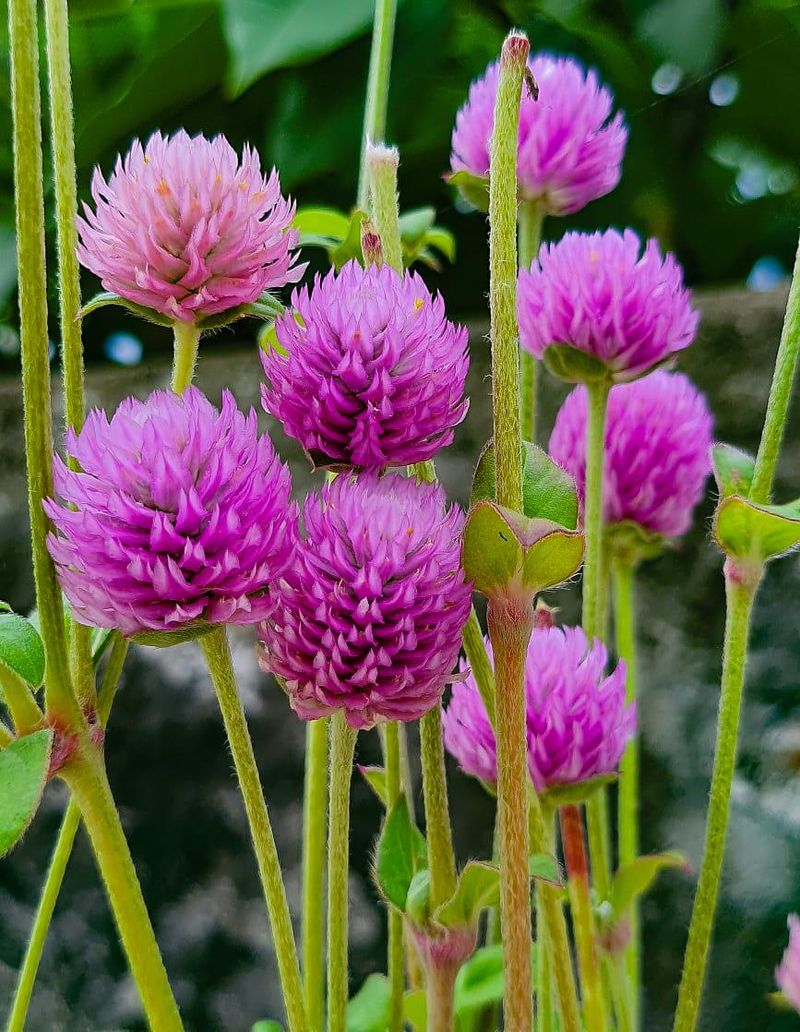
Globe amaranth looks cheerful even when the air feels punishing.
Gomphrena globosa produces round, papery flower heads in purple, magenta, pink, orange, red, and white. The blooms hold color for a long time, which makes the plant feel fresh even during long dry stretches.
This annual handles heat beautifully. It is one of the easiest ways to keep upright color in a porch pot through summer.
Use a ten-to-twelve-inch container or larger. Dwarf types suit smaller pots, while taller varieties need more root space.
Full sun gives the best bloom. Shade reduces flowering and can make stems stretch.
Soil should drain well. A standard potting mix with extra perlite can help keep roots from staying wet.
Water when the top inch dries. Established plants tolerate some dryness, but new plants need steadier moisture.
Water at the base. Keeping foliage drier reduces disease pressure.
Deadhead regularly. Removing old blooms encourages more flower production.
The cut flowers dry well. Snip a few for small arrangements or dried bouquets.
Do not overfertilize. Too much feeding can create leafy plants with fewer blooms.
Treat it as a warm-season annual. It performs through heat, then fades when cooler weather returns.
Globe amaranth is underrated because it does not complain loudly.
It simply keeps standing, keeps coloring, and keeps making an Arizona porch look cared for.