The Florida Guide To Vibrant And Healthy Mango Trees In The Summer Rainy Season
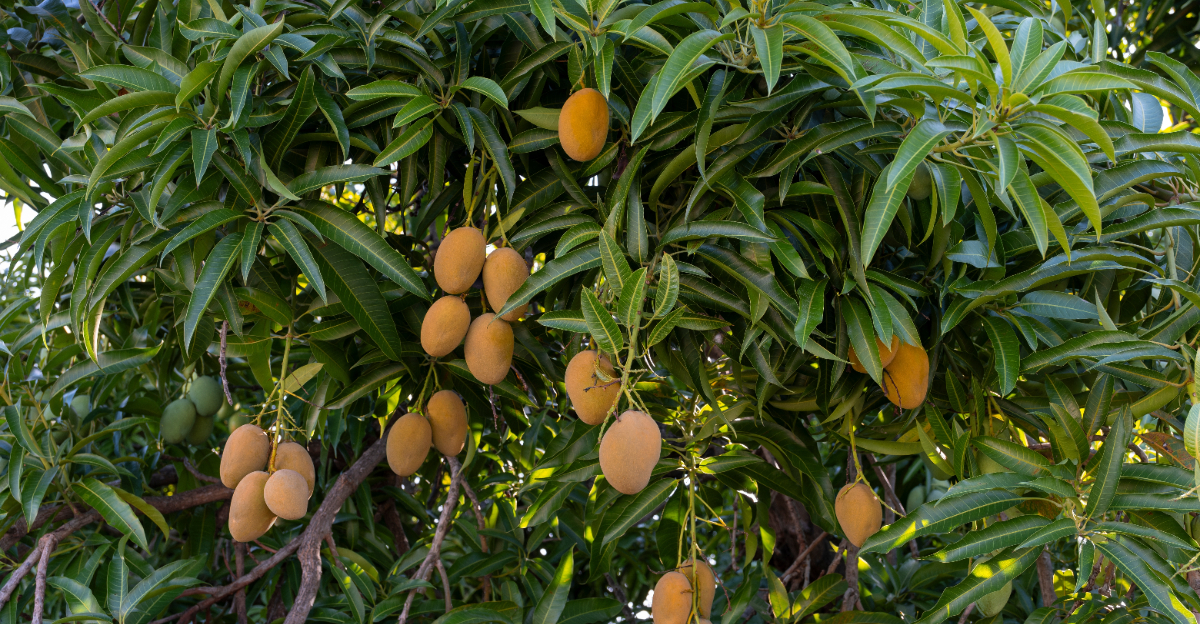
Florida’s rainy season and mango trees have a complicated relationship. The rainfall that arrives from June through September looks like a gift and behaves like a test.
Too much moisture at the wrong moment, poor drainage, or the wrong care decisions during this stretch can quietly undermine a tree that looked perfectly healthy when the rains began. Mango trees in summer need specific management.
Not less attention because the rain is handling irrigation. Different attention, aimed at what the rainy season actually creates around the root zone, in the canopy, and in the soil.
The trees that finish the rainy season stronger than they started are not just lucky with the weather. They were managed through it with a clear understanding of what Florida summer rainfall demands from a mango grower who wants fruit on the other side.
That understanding is what this guide is built around.
1. Drain The Downpours Before Roots Stay Soggy
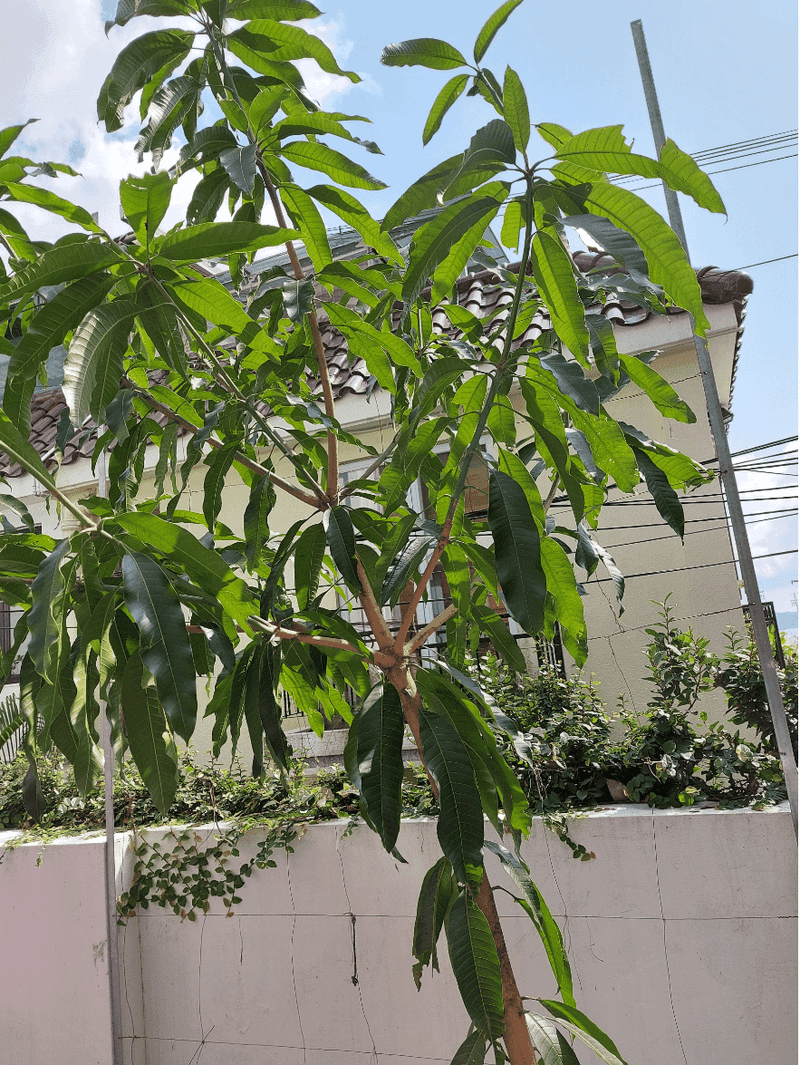
Water collects near the trunk after a hard afternoon storm, sitting in a shallow pool that refuses to soak in. That slow drainage is a warning worth taking seriously.
Roots need oxygen just as much as moisture. Soil that stays saturated for extended periods limits the air supply around the root zone, creating stress that may not show up immediately in the canopy.
Practical signs of drainage trouble include water remaining near the base for more than a few hours after rain, persistently soft or spongy soil, and a sour or musty odor rising from the ground.
Weakened new growth or foliage that begins to yellow without an obvious reason are other signs.
Keep in mind that those symptoms may have several causes, so avoid jumping to a single conclusion before checking multiple factors.
Resist the urge to run irrigation during rainy stretches. Check soil moisture a few inches down before adding any water, and review your irrigation schedule after significant rainfall events.
Mulch helps regulate moisture, but keep it pulled several inches away from the trunk and avoid piling it too deep. Surface drainage can sometimes be improved by gently clearing debris or regrading a small area of lawn away from the root zone.
Redirecting downspouts can help too, all without disturbing major roots.
2. Feed Mango Trees Without Fueling Soft Growth
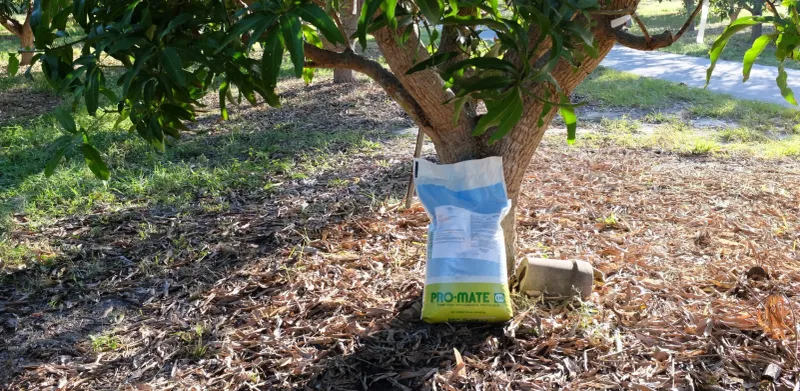
Picking up a fertilizer bag right after a week of steady Florida rain feels like the logical next step, especially when new leaves are pushing out fast. However, heavy rainfall moving through sandy soils does leach some nutrients, and that fact sometimes encourages over-application.
Feeding too aggressively during active wet-season growth may produce soft, lush shoots. Those shoots are more attractive to certain pests and more vulnerable to physical damage during storms.
Fertilizer needs vary considerably depending on tree age, recent applications, current fruit load, visible growth activity, and soil type. A young tree building structure has different requirements than a mature, established specimen already carrying a crop.
Soil testing through a local extension office gives far more reliable guidance than guessing based on leaf color alone.
Your Florida Garden Changes Every Week. Your Plan Should Too.
Gardening in Florida changes quickly throughout the season. Every Friday you’ll receive a simple weekly plan showing exactly what to plant, prune, fertilize, harvest, and protect so you never miss the right timing.
Regional fertilizer restrictions also apply in many parts of Florida during the rainy season, particularly near waterways. Check with your county extension office before applying anything during summer months.
When applications are appropriate, avoid spreading product against the trunk or right before a heavy downpour is forecast. Split applications, when supported by local guidance, spread nutrient delivery more evenly and reduce the risk of runoff.
Always follow label directions for the specific product you choose.
3. Keep Anthracnose From Taking Over New Growth
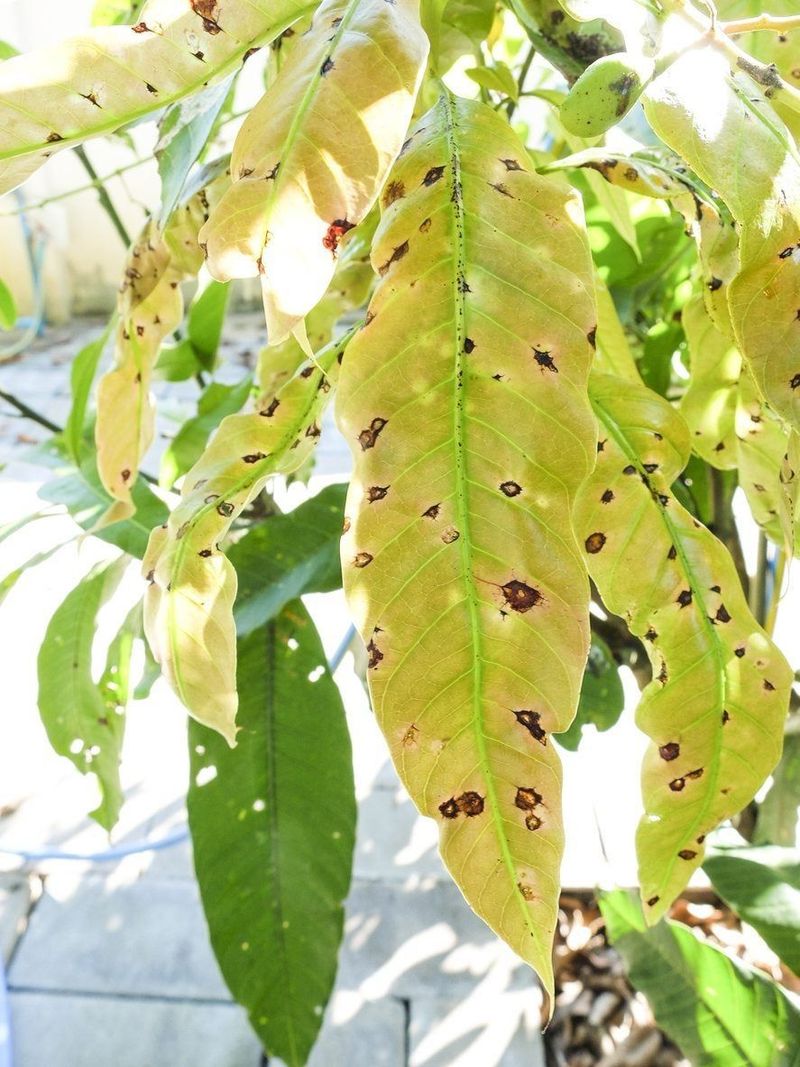
A cluster of small dark spots appears on a tender new flush after several humid, overcast days with little wind. That pattern deserves a closer look.
Anthracnose, caused by the fungus Colletotrichum gloeosporioides, is one of the most commonly documented problems on subtropical mango plantings.
Warm, wet Florida conditions with limited airflow create exactly the environment where it spreads most readily.
Symptoms may show up on young leaves as irregular brown or black spots, on flower panicles as darkened or collapsed tissue, or on developing fruit as sunken lesions. Dark spots and damaged tissue can result from several different issues, though.
These include bacterial problems, physical abrasion, insect feeding, or weather-related injury. Accurate identification matters before deciding on any response.
Sanitation is one of the most practical tools available. Removing clearly affected fallen leaves and debris from beneath the canopy reduces the spore load near the tree.
Avoiding overhead irrigation keeps foliage drier between rain events. Adequate spacing and thoughtful canopy management promote airflow, which helps surfaces dry faster after rain.
Fungicides may have a role in management, but timing, product selection, and the specific situation all affect results. Follow label directions carefully and consult local extension recommendations before applying any treatment.
4. Spot Rainy Season Pests Before Damage Spreads
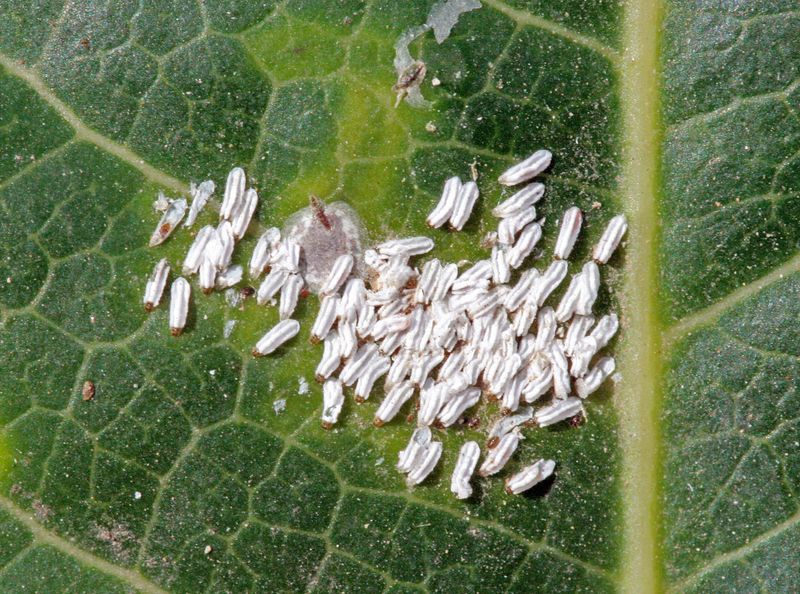
Flipping a leaf over and finding a cluster of pale, waxy insects clinging to the midrib is not something most people expect after a rainy week.
Warm, humid conditions that follow periods of heavy rainfall can allow certain pest populations to build quietly before the signs become obvious from a distance.
Scales, mealybugs, mites, and thrips are among the insects documented on mango plantings in subtropical regions, and each leaves its own kind of evidence.
Sticky residue on leaves or fruit, a dark sooty coating that follows that stickiness, and distorted or cupped new growth are worth investigating. So are fine webbing on tender shoots and small pale flecks across leaf surfaces.
Not every insect found on the tree is a problem. Beneficial predators and pollinators in Florida also visit regularly, so identification before any response is essential.
Inspect leaf undersides, tender shoot tips, branch joints, flower clusters, and the stem ends of developing fruit at least every week or two during peak season. Early detection gives you more options.
A small infested shoot tip can sometimes be pruned and removed before a population spreads. Minor infestations on sturdy growth may respond to a firm water rinse.
When a labeled treatment becomes necessary, choose the least disruptive effective option and follow all label directions closely.
5. Prune With Care During Wet Summer Weather
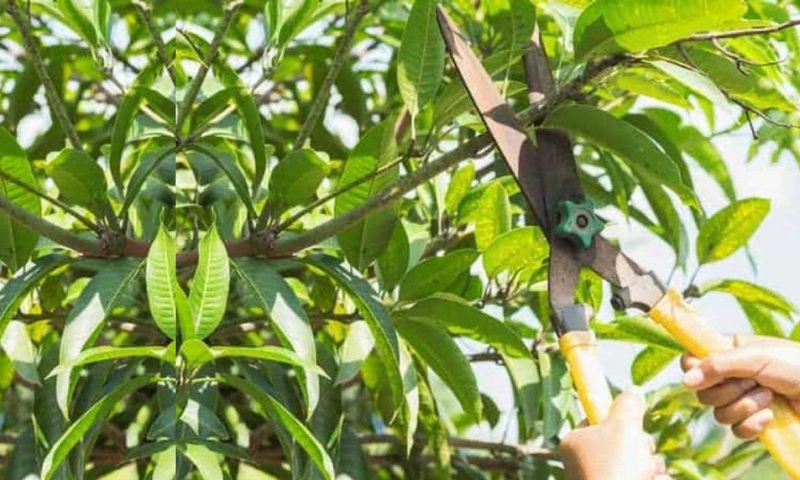
The snip of bypass pruners on a damp morning might seem harmless, but the timing and scale of any cut made during the rainy season deserves careful thought. High humidity and frequent moisture slow the natural callusing process on fresh wounds.
They also create conditions where fungal organisms can more easily colonize exposed tissue. Heavy structural pruning during the wettest months carries more risk than the same work done at a drier time of year.
That said, leaving a broken, rubbing, or clearly hazardous branch in place is not the safer choice. Corrective pruning to remove genuine structural problems remains appropriate year-round.
The key distinction is between urgent corrective work and ambitious reshaping. Topping the canopy, stripping out large sections of interior wood, or removing a significant portion of foliage at once can stress the tree.
It can also trigger a flush of soft regrowth that is harder to manage.
Use clean, sharp tools and make cuts just outside the branch collar without leaving a long stub. If you suspect disease is present in the canopy, wipe tool blades with a disinfectant solution between cuts and between trees.
Dense canopies benefit from selective thinning to improve airflow. But the right timing depends on tree size, condition, fruiting stage, and local guidance rather than a single universal rule.
6. Protect Developing Fruit From Cracks And Drop
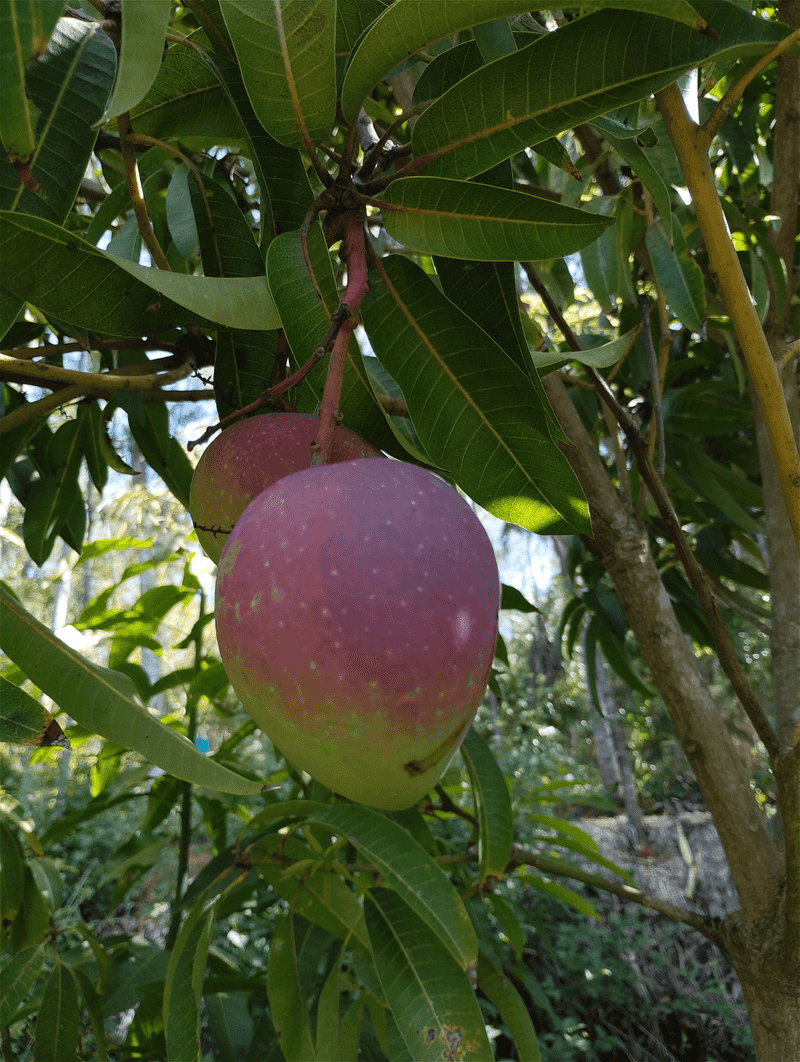
A crack running along the shoulder of a developing mango after a heavy downpour is one of those sights that stops a grower mid-step.
Sudden shifts in soil moisture, moving from dry to saturated and back again, can cause rapid changes in internal fruit pressure that the skin cannot always accommodate.
The result is a split or crack that opens the fruit to secondary problems, including fungal entry and insect activity.
Premature fruit drop has multiple possible triggers. Some drop is entirely normal, especially in the weeks after fruit set when a tree sheds more than it can realistically carry to maturity.
Other drop may relate to disease, pest feeding near the stem, pollination quality, tree stress, or sustained waterlogging in the root zone. Inspect the stem scar, the fruit surface, nearby foliage, and the soil before drawing conclusions.
Keeping irrigation consistent before and after heavy rain periods reduces the sharp moisture swings that contribute to cracking. Do not flood the root zone in an attempt to compensate for dry spells.
Fallen fruit that shows signs of disease or pest damage should be removed from beneath the canopy promptly. Physical fruit bagging may reduce certain pest risks for some cultivars.
But its suitability depends on the specific variety, local pest pressure, and climate conditions in your Florida yard.
7. Read The Leaves For Early Signs Of Trouble
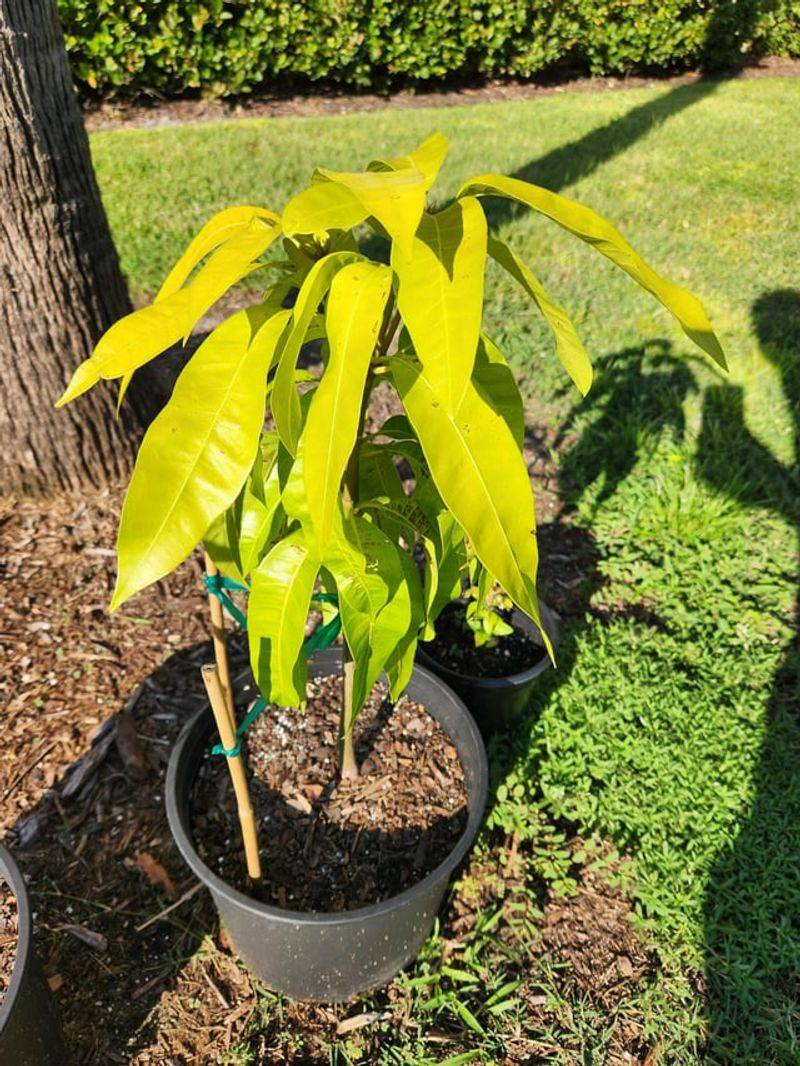
A sudden change in leaf color across several branches is the kind of thing that catches your eye during a routine walk through the yard. Foliage is one of the most accessible indicators of tree health, but a single discolored leaf rarely tells a complete story.
Patterns across the canopy and the location of symptoms on old versus new growth matter. So does the timing relative to recent weather or maintenance, more than any one affected leaf.
Yellowing can stem from waterlogged roots, salt exposure, nutrient imbalance, pest feeding, disease pressure, or simply the natural aging of older leaves.
Pale veins on young growth may suggest a micronutrient issue, but the same appearance can result from other causes.
Scorched or brown leaf margins might point to salt stress, root damage, or dry conditions between rain events. Distorted or cupped new growth often warrants a close pest inspection before anything else.
Review recent rainfall totals, irrigation activity, fertilizer applications, and any chemical use before reaching for a product. Soil or tissue testing provides more reliable diagnostic information than visual observation alone.
When symptoms are widespread, spreading to new areas, or simply unclear after your own assessment, reach out for help. A local extension office or qualified plant professional can often point you in a more accurate direction without guesswork.
8. Build Stronger Trees Before The Next Storm
Dark clouds pile up on the western horizon and the canopy starts moving in long, rolling waves before the first drop falls. That moment is too late to start making major decisions about the tree.
Storm resilience is built over months and seasons, not in the hours before a named system arrives. Sound structure, balanced growth, and a well-maintained root zone are the real foundations of a tree that handles severe weather with fewer consequences.
Walk around the tree when skies are clear and look for weak or narrow branch attachments.
Also check for limbs that cross and rub against each other, hanging wood, trunk wounds that have not sealed properly, and any support ties that may have started cutting into bark.
Young trees that genuinely need staking should be secured loosely, with ties that allow slight movement to encourage trunk development. Check that ties are not constricting the trunk.
Before a storm, move or secure loose objects near the tree, clear debris from surface drains, and keep equipment and foot traffic away from the root zone.
Avoid rushing into aggressive canopy reduction immediately before severe weather, since fresh large wounds and a suddenly thinned canopy can create new vulnerabilities.
After a storm passes, inspect for damage from a safe distance before approaching any branch that may be hanging or unstable. Steady, consistent care throughout the season does far more than any last-minute intervention.