Can An HOA Fine You For A “Messy” Pollinator Garden In Florida?
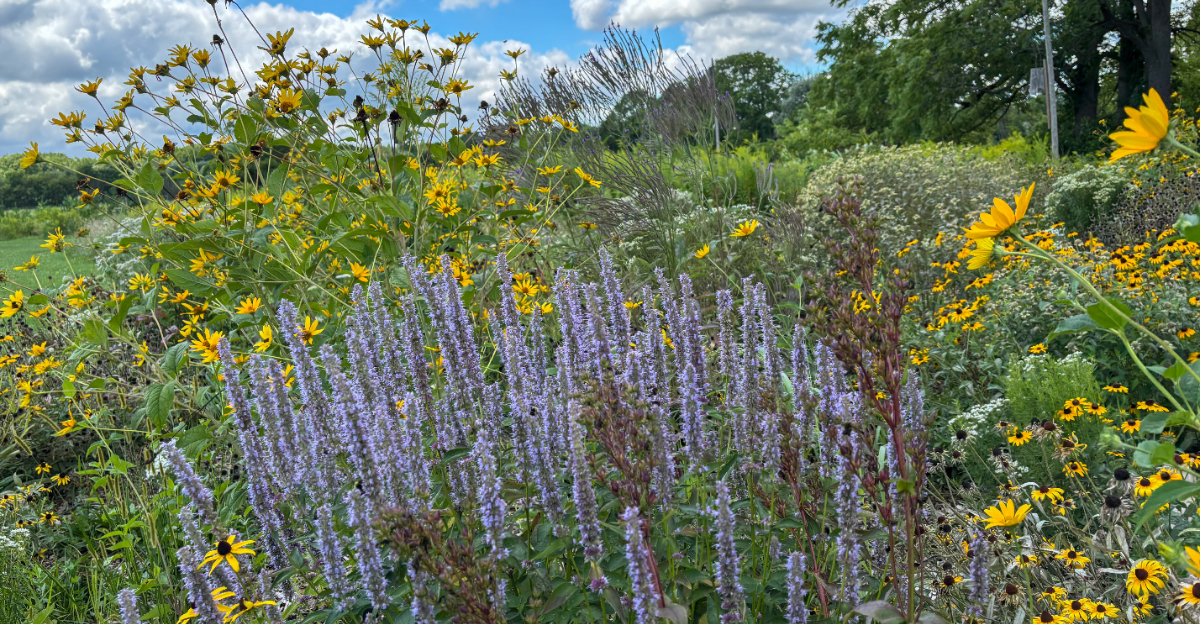
A single letter in your mailbox can turn a thriving milkweed patch into a legal question overnight. That envelope from the HOA rarely mentions bees or butterflies. It talks about height limits, edging, and something vague called “community standards.”
Florida homeowners are watching this exact scene play out on their own front lawns. What started as a small effort to feed pollinators is suddenly framed as neglect. The plants have not changed, but the paperwork has.
Here is the part most HOA boards leave out of their notice. Florida law includes specific protections for wildlife-friendly and drought-tolerant landscaping, and those protections can outweigh a board’s personal taste in lawn aesthetics.
Before pulling out a single coneflower, it helps to know what the statute allows and where an HOA’s authority actually ends.
What Counts As “Messy” In The Eyes Of Most HOA Boards
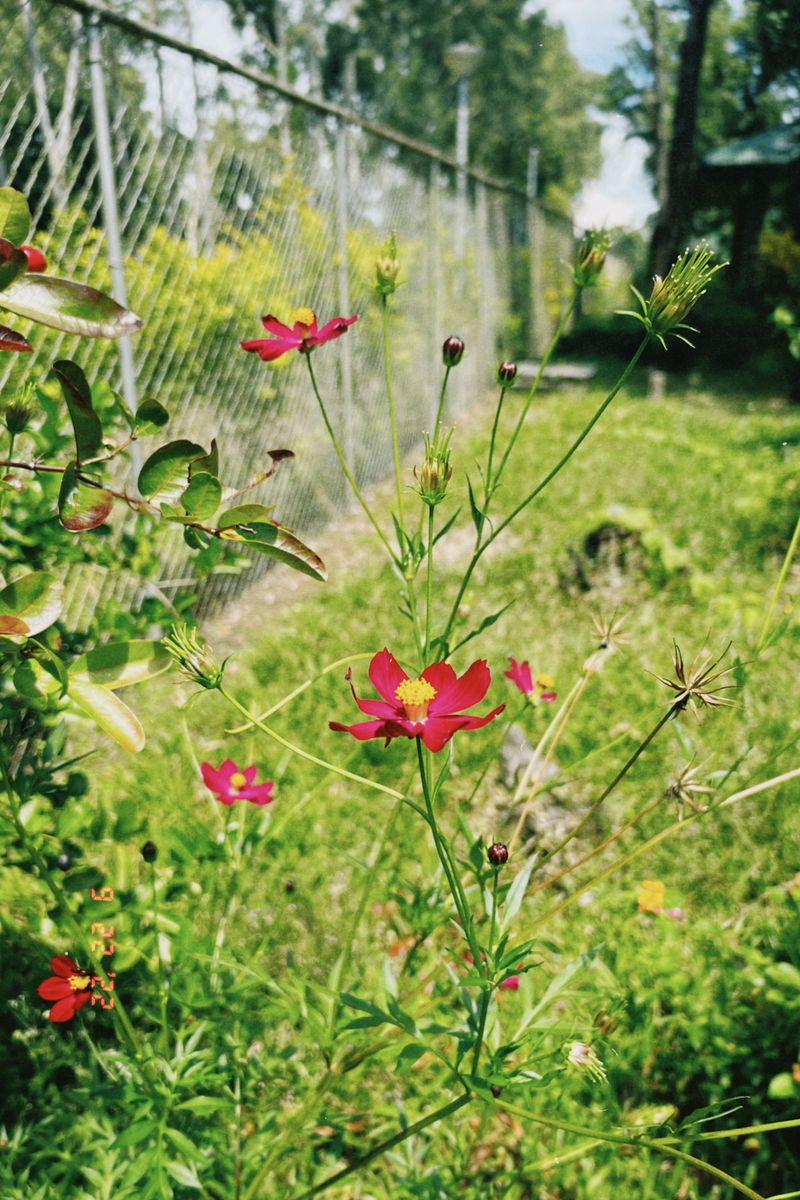
HOA boards love clean lines. Trimmed hedges, uniform mulch, and grass cut to a precise height make them happy.
A pollinator garden, by nature, does not follow those rules. It grows tall, spreads wide, and drops seeds wherever the wind takes them.
Most HOA governing documents define “nuisance” landscaping using vague language. Words like “unkempt,” “unsightly,” or “out of character” give boards a lot of room to act.
That vagueness is exactly the problem for garden lovers. One board member might see beauty; another might see a code violation.
Tall native grasses are a common source of complaints. They move in the breeze, they brown in dry spells, and they look nothing like the St. Augustine turf your neighbors have.
Seed heads left on plants for birds also raise flags. To an untrained eye, they look like weeds that went to seed and got out of control.
Bare stems kept standing through winter for pollinators to nest in? That is practically a violation notice waiting to happen in some communities.
Boards also react to neighbor complaints more than actual rules. One phone call from a frustrated neighbor can set the whole enforcement machine in motion.
Knowing what prompts a complaint is the first step to preventing one. Understanding your HOA’s specific language is the smartest move you can make before you plant a single seed.
The Real Reasons Neighbors Complain About Pollinator Gardens
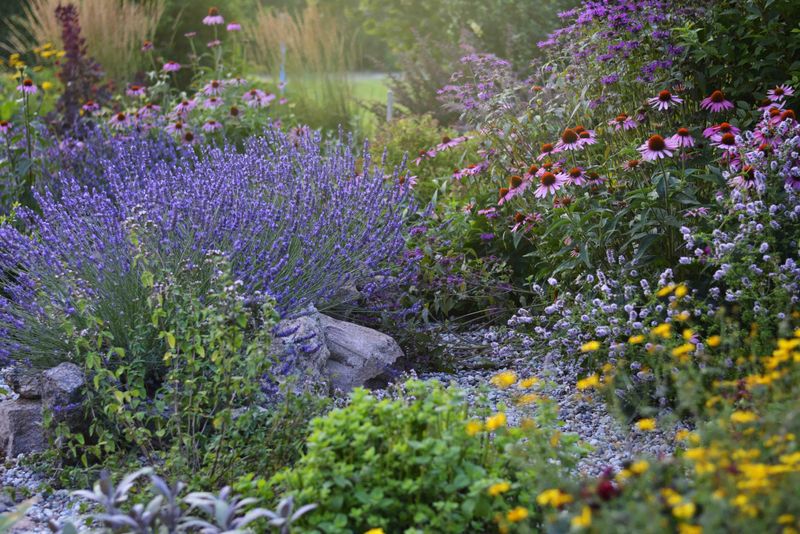
Neighbors notice change fast. When your yard goes from turf to towering native plants, the comments start almost immediately.
People are wired to see unfamiliar things as threats. A yard full of bee balm and wild bergamot simply looks wrong to someone who grew up with a standard lawn.
There is also the pest fear factor. Tall plants make some neighbors worry about mosquitoes, snakes, or rodents hiding nearby.
That fear is usually not based on facts. Native plantings actually support predators like birds and lizards that keep pest populations low.
Property value anxiety is another real driver. Some neighbors genuinely believe a natural garden will hurt home values on the street.
Your Florida Garden Changes Every Week. Your Plan Should Too.
Gardening in Florida changes quickly throughout the season. Every Friday you’ll receive a simple weekly plan showing exactly what to plant, prune, fertilize, harvest, and protect so you never miss the right timing.
Studies have not confirmed that fear, but it does not stop people from voicing it loudly at HOA meetings. Perception matters in a community setting, even when the data says otherwise.
Complaints also come from a place of fairness. If everyone else is spending money on sod and irrigation, your low-maintenance habitat garden can feel like you are breaking an unspoken agreement.
Talking to your neighbors before you plant is one of the most underrated strategies. A five-minute conversation explaining what you are doing and why can prevent months of conflict.
Showing neighbors photos of what the garden will look like at full bloom also helps. People fear the unknown far more than they fear a beautiful stand of black-eyed Susans.
Florida’s Landscaping Law And What Your HOA Can Ban
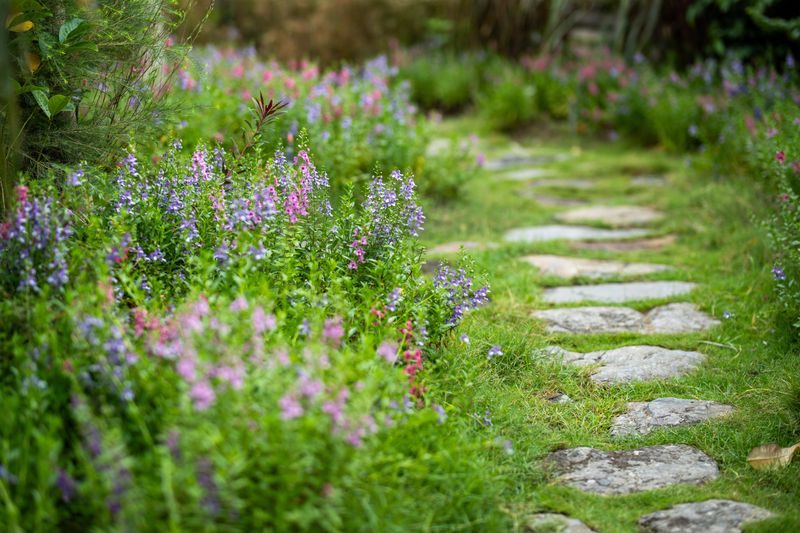
Florida passed a significant law that many homeowners still do not know about. Florida law includes a specific statute protecting Florida-Friendly landscaping from HOA bans.
Specifically, Florida Statute 720.3075 limits what HOAs can prohibit when it comes to Florida-Friendly landscaping. If your plants qualify under that definition, your HOA cannot simply ban them outright.
Florida-Friendly landscaping is defined as using low-maintenance, native, or drought-tolerant plants. The goal of the law is to reduce water use and support local ecosystems.
Pollinator gardens built with native plants often fall squarely within that definition. That means your HOA may not have the legal authority to force you to remove them.
The law does not give you total freedom, though. HOAs can still regulate how your garden looks in certain ways, which we will cover in the next section.
What the law does block is an outright prohibition on Florida-Friendly plants. If your HOA rules say “no wildflowers” or “no native grasses,” those rules may not hold up legally.
Enforcement of this protection is not automatic. You may need to assert your rights clearly and in writing if your HOA pushes back.
Consulting a Florida real estate attorney who knows HOA law is a smart move if things escalate. Knowing this statute exists is powerful, but knowing how to use it is what actually protects your pollinator garden.
Rules Your HOA Can Still Legally Enforce Despite This Protection
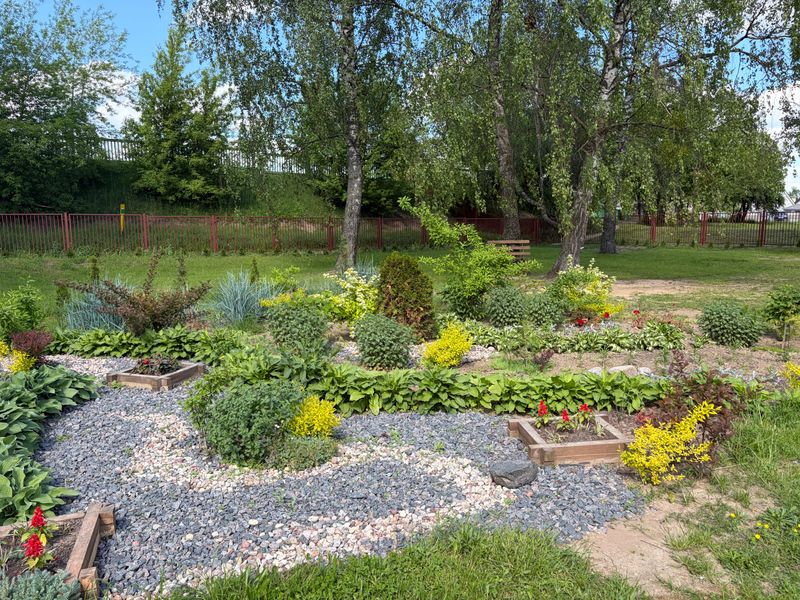
The law protects your plants, but it does not protect every choice you make about how they are arranged. HOAs still have real authority over certain aspects of your yard.
They can require that your garden have defined borders. A clear edge between your planting bed and the lawn signals intention, and boards respond to that visual cue.
Signage rules may still apply. If your HOA limits yard signs, a large habitat garden marker might technically violate those rules even if the garden itself is protected.
Height restrictions are another gray area. Some HOAs cap plant height in front yards, and native grasses that grow four feet tall can still set off enforcement under those rules.
Boards can also require that pathways be maintained through larger gardens. Accessibility and sight-line standards are common in HOA documents and usually survive legal challenges.
Mulch requirements are also fair game. If your community mandates specific mulch colors or types, you may need to comply even inside a protected planting bed.
Dry plant material is the trickiest issue. Leaving dried stems and seed heads for wildlife is ecologically smart, but HOAs can sometimes require removal of what they classify as decaying vegetation.
Work within these rules where you can. Showing that you are a cooperative neighbor who follows reasonable standards makes it much harder for a board to target your pollinator garden unfairly.
Simple Design Choices That Make A Pollinator Garden Look Intentional
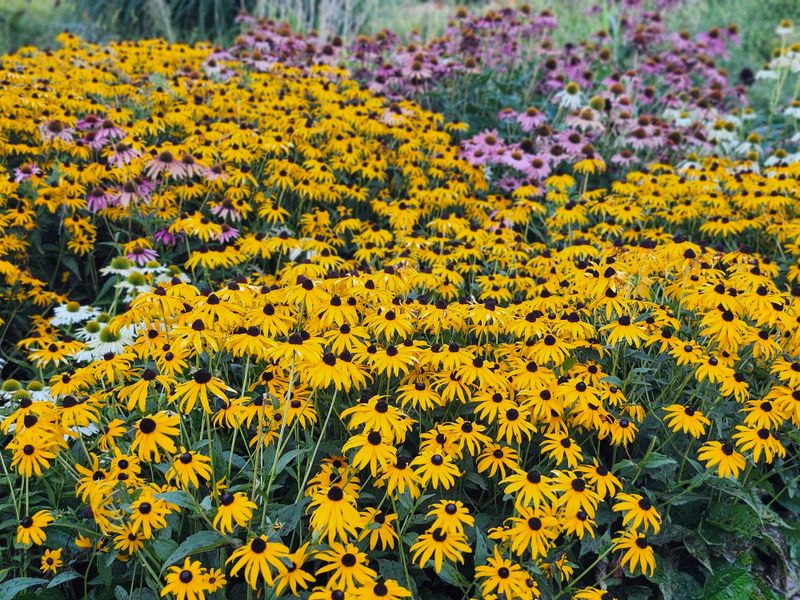
Design is everything when it comes to HOA acceptance. A pollinator garden that looks planned will almost always get less pushback than one that looks accidental.
Start with a strong edge. A clean border made from stone, metal edging, or a low decorative fence immediately signals that someone is in charge of this space.
Group plants in clusters rather than scattering them randomly. Masses of the same plant look intentional; random single plants look like weeds that sprouted on their own.
Use a focal point to anchor the design. A birdbath, a decorative boulder, or a small garden bench tells viewers that a human made a deliberate choice here.
Choose plants with different bloom times so something is always flowering. A garden that looks alive year-round is harder to complain about than one that goes brown and dormant for months.
Keep the area closest to the street or sidewalk tidier than the back of the bed. Front-loading neat, low-growing plants creates a positive first impression before the taller natives begin.
Add a small sign identifying the space as a certified wildlife habitat or pollinator garden. Signs from the National Wildlife Federation or Xerces Society add instant credibility.
Mulch the bed generously to suppress weeds and create a finished look. A well-mulched garden communicates care and effort, which is exactly the message you want to send your HOA board.
Steps To Take Before A Complaint Turns Into A Fine
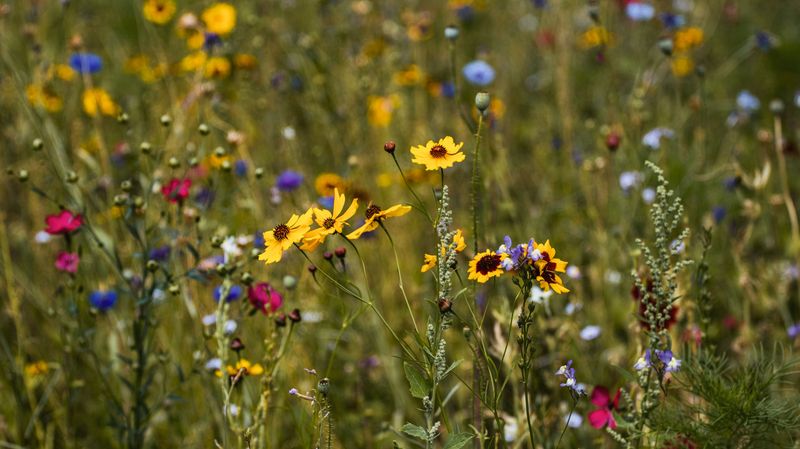
Getting a warning letter does not mean you have already lost. Acting quickly and smartly can stop a complaint from becoming a costly fine.
Start by pulling out your HOA’s CC&Rs and reading every landscaping rule carefully. Look for exact language, because vague rules are easier to challenge than specific ones.
Write a polite, factual response to the board right away. Acknowledge the concern, reference Florida Statute 720.3075, and explain that your plants qualify as Florida-Friendly landscaping.
Attach a plant list with photos showing what each species is and why it was chosen. Boards respond better to documentation than to emotional appeals.
Request a meeting with the architectural review committee if one exists. Presenting your case in person, calmly and with evidence, is more effective than a letter alone.
Bring a neighbor or two who support your garden to that meeting. Community backing changes the dynamic and shows the board this is not just one person’s quirky project.
If the board proceeds with a fine anyway, request a formal hearing. Florida law gives homeowners the right to contest HOA fines, and exercising that right often pauses enforcement.
Document everything with dates, names, and written records. If the dispute escalates to mediation or legal action, your paper trail is what proves your case and protects your pollinator garden in the end.