How To Grow A Cherry Tree From Seed, And What Happens Once Colorado’s Weather Gets Involved
Opening a cherry pit stirs more curiosity than you expect. You are not planting a fruit, you are testing genetics. Colorado throws frost, altitude, and dry air at your seedling.
Nothing you learned from grocery store cherries applies here. Cold storage becomes your best trick, convincing the dormant seed that winter has passed. Patience turns into your only currency while you wait for a sprout.
Growing in Colorado means facing swings no gentle climate could handle. Every stage of growth demands your full attention and your careful adjustment.
Expect sweetness, yet your tree could produce something startlingly sour. Genetics shift constantly, meaning your seedling rarely resembles its parent.
Roots, soil, and precise timing all work against your patience daily. Rushing this process risks everything you have already built.
Something in this journey always keeps moving toward an uncertain outcome. Ignore this guidance, and your cherry tree will struggle to thrive.
Extract The Pit And Clean Off Remaining Fruit Flesh
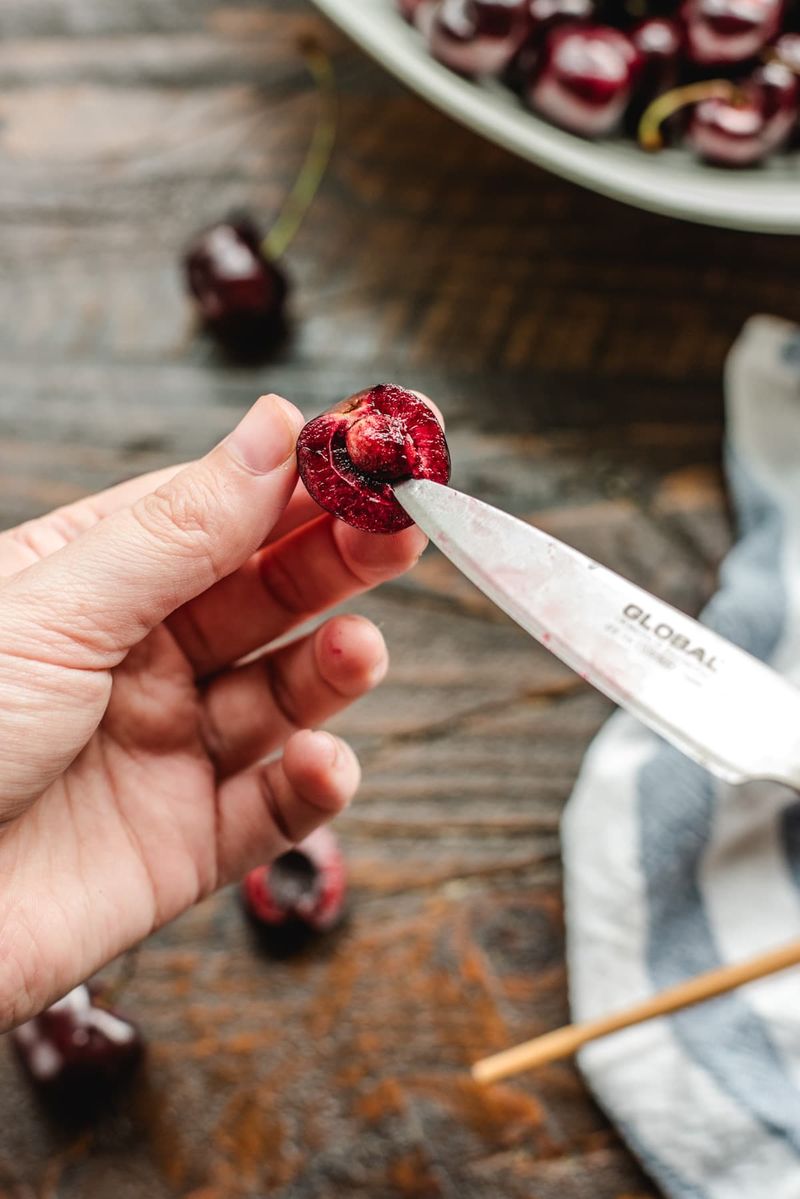
Cracking into a fresh cherry is one of summer’s best moments. But if you want to grow a cherry tree from seed, your job starts the second you finish eating.
The pit hiding inside that cherry is your seed. It needs to be completely clean before you do anything else with it.
Leftover fruit flesh causes mold to grow fast around the seed. Mold can ruin your chances before the process even begins.
Rinse the pit under cool running water and scrub it gently with your fingers. A soft toothbrush works great for stubborn bits stuck in the grooves.
Hold the pit up to the light once you think it is clean. Any sticky residue left behind will attract bacteria during the drying phase.
Sweet cherries and sour cherries both work for seed growing. Some gardeners report that sour varieties like Montmorency sprout a bit more reliably than sweet ones, though results vary.
Collect several pits at once to improve your odds. Not every seed will sprout, so having extras gives you a much better chance of success.
Set the clean pits on a paper towel after rinsing. You are now one step closer to turning a summer snack into a backyard tree.
Dry The Pit For About A Week Before Storing
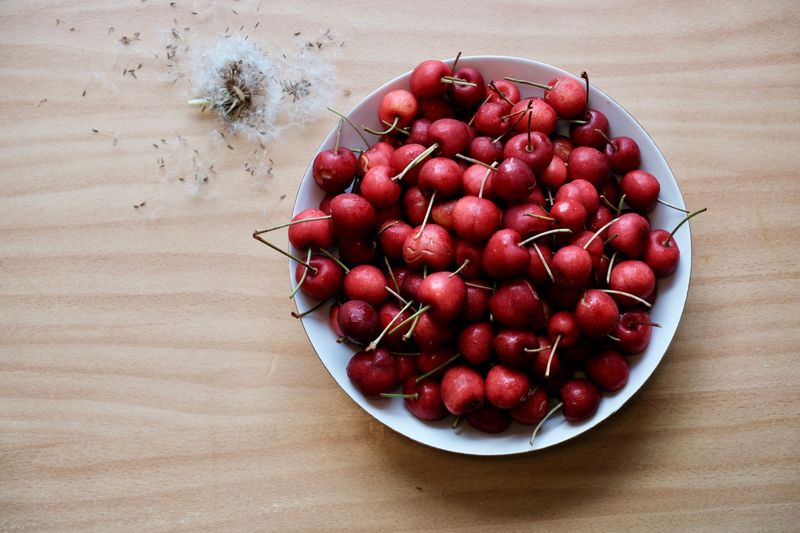
Patience is the secret ingredient nobody warns you about. After cleaning your cherry pit, you cannot rush straight to the refrigerator.
The pit needs to dry out fully for about five to seven days first. Skipping this step traps moisture inside and invites mold during cold storage.
Place your clean pits on a dry paper towel in a warm spot. A sunny windowsill works perfectly for this part of the process.
Flip the pits once a day so every side dries evenly. You will notice the outer shell getting slightly lighter in color as moisture leaves.
Do not use a food dehydrator or oven to speed things up. Artificial heat can damage the seed embryo hiding inside the shell.
Room temperature air drying is the safest and most effective method available. Think of it like air-drying a sweater instead of tossing it in the dryer.
Your Colorado Garden Changes Every Week. Your Plan Should Too.
Gardening in Colorado changes quickly throughout the season. Every Friday you’ll receive a simple weekly plan showing exactly what to plant, prune, fertilize, harvest, and protect so you never miss the right timing.
After a week, the pits should feel completely dry and firm to the touch. There should be no tacky feeling or soft spots anywhere on the surface.
Label a small envelope or container with the cherry variety if you know it. Keeping things organized now saves confusion later when you have multiple pits in storage.
A dry pit stores much better and gives the seed inside the best possible start. Good preparation at this stage pays off big when spring finally rolls around.
Refrigerate The Pit For Several Months To Break Dormancy
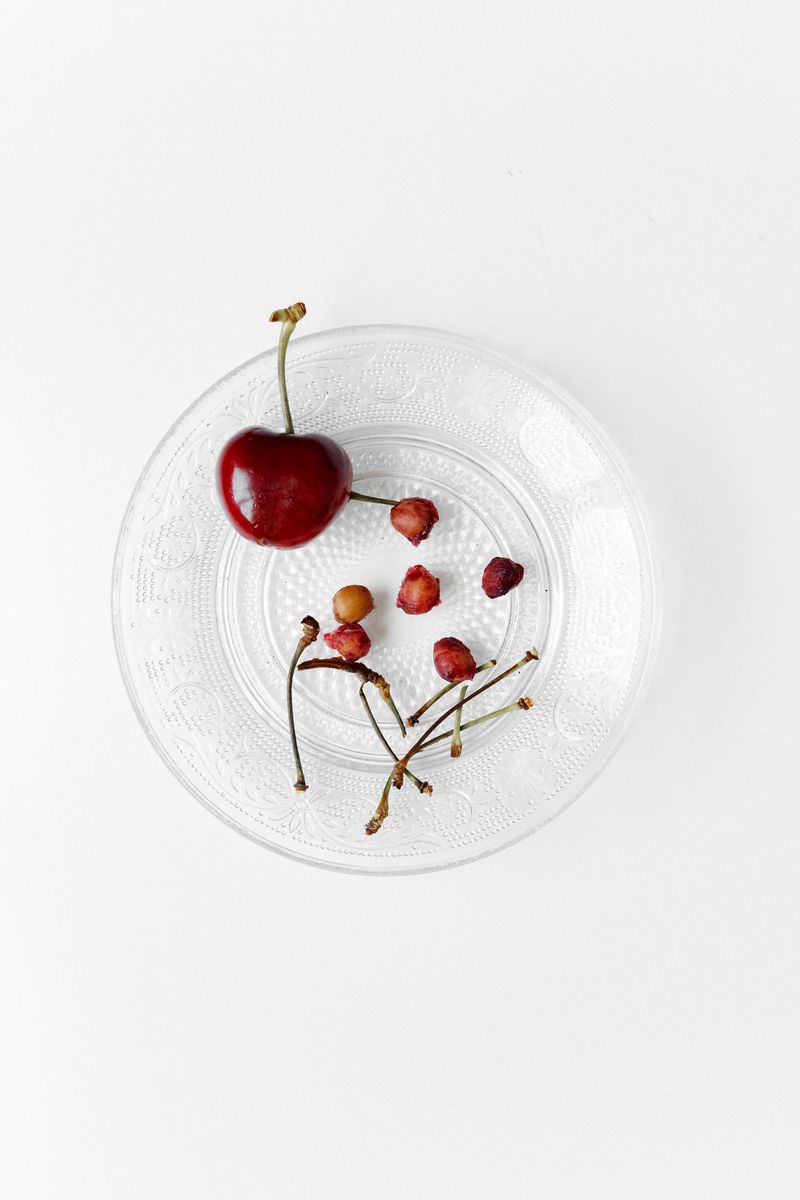
Cherry seeds require specific conditions to germinate. They will not sprout unless they go through a cold period that mimics winter in the wild.
This process is called cold stratification, and your refrigerator makes a surprisingly good substitute for a snowy forest floor. All you need is a zip-lock bag and a damp paper towel.
Wrap your dried pits loosely in the moist paper towel. Seal them inside the bag and tuck them into the back of your fridge.
The temperature should stay between 33 and 41 degrees Fahrenheit throughout the process. Most home refrigerators fall right in that sweet spot without any adjustments.
Plan to leave the pits in cold storage for at least 10 to 12 weeks. Some gardeners go as long as 16 weeks for better results.
Check on your pits every two weeks or so. Make sure the paper towel stays slightly damp but never soaking wet.
You might spot tiny white roots beginning to emerge near the end of the cold period. That is the signal that your seed is ready to move on to the next phase.
Growing a cherry tree from seed requires this cold dormancy break no matter what. Without it, the seed simply sits in the soil and does nothing for months on end.
Mark the start date on your calendar so you do not lose track. Twelve weeks goes faster than you think when you are busy with other gardening projects.
Plant The Pit An Inch Deep Once Sprouted
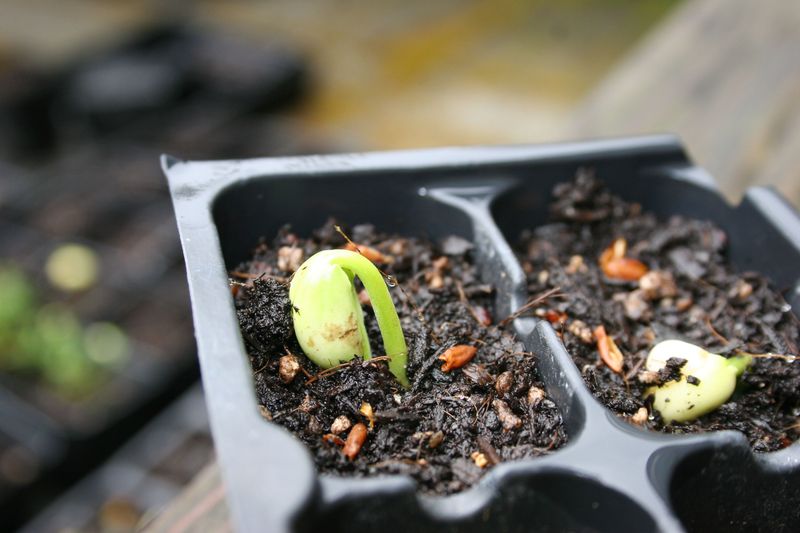
That tiny white root poking out of your pit is one of the most exciting things a home gardener can see. Now comes the moment you have been waiting for since summer.
Fill a small pot with well-draining potting mix before you do anything else. A four-inch container works well for the first stage of growth.
Press the sprouted pit about one inch below the soil surface. Place it with the root pointing downward if you can tell which end is which.
Cover the pit gently and press the soil down lightly. You want good contact between the seed and the soil without compacting things too tightly.
Water the pot until moisture drains from the bottom holes. Then let the top inch of soil dry slightly before watering again.
Set the pot in a bright spot that gets indirect sunlight for most of the day. A south-facing windowsill is a solid choice for early indoor growing.
Avoid putting the pot directly on a cold floor or near a drafty window. Temperature swings at this fragile stage can slow growth significantly.
The seedling will push through the soil surface within a few weeks if conditions are right. Once it reaches a few inches tall, you can start thinking about moving it outdoors.
Growing a cherry tree from seed means celebrating small wins along the way. This first sprout is proof that your patience and preparation actually worked.
Germination Can Take Four To Eight Weeks To Happen
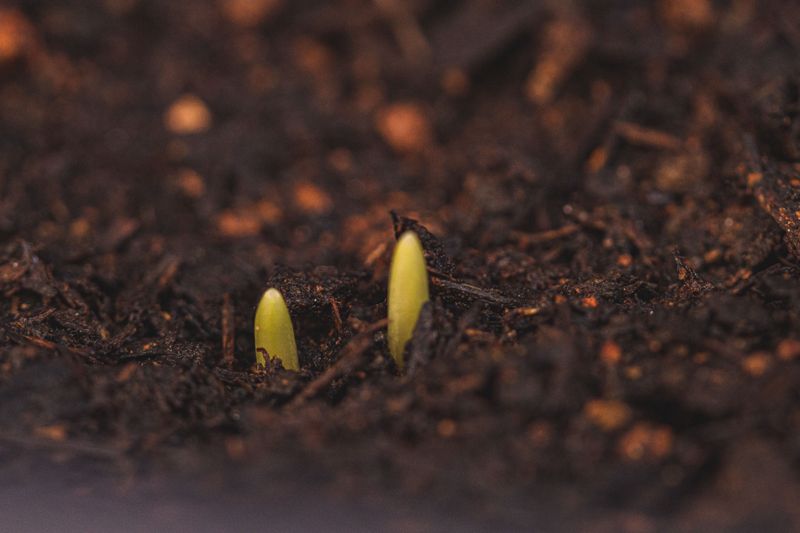
Not seeing anything in the pot yet? Do not panic. Cherry seeds are notoriously slow, and germination often tests even experienced gardeners.
After planting, the seedling might take anywhere from four to eight weeks to appear above the soil. Sometimes it takes even longer depending on seed quality and indoor temperature.
Keep the soil consistently moist but not waterlogged during the waiting period. Overwatering is one of the most common reasons cherry seeds fail to sprout.
Maintain indoor temperatures between 65 and 75 degrees Fahrenheit for the best results. Cold drafts or sudden temperature drops can delay germination by weeks.
Check the pot every few days by gently pressing the soil surface. If it feels dry an inch below the top, it is time to add a little water.
Resist the urge to dig up the pit to check on progress. Disturbing the seed during this phase can break the tiny root and end the whole process.
Some gardeners place a clear plastic bag loosely over the pot to hold in humidity. Remove it for a few hours each day to prevent moisture buildup and fungal issues.
Growing a cherry tree from seed demands trust in the process. The seed is doing invisible work underground long before you see any evidence above the soil.
Once that first green stem appears, the reward feels enormous. Every day after that, the seedling grows a little more confident and a little more real.
Colorado’s Cold Snaps May Stress Young Seedlings
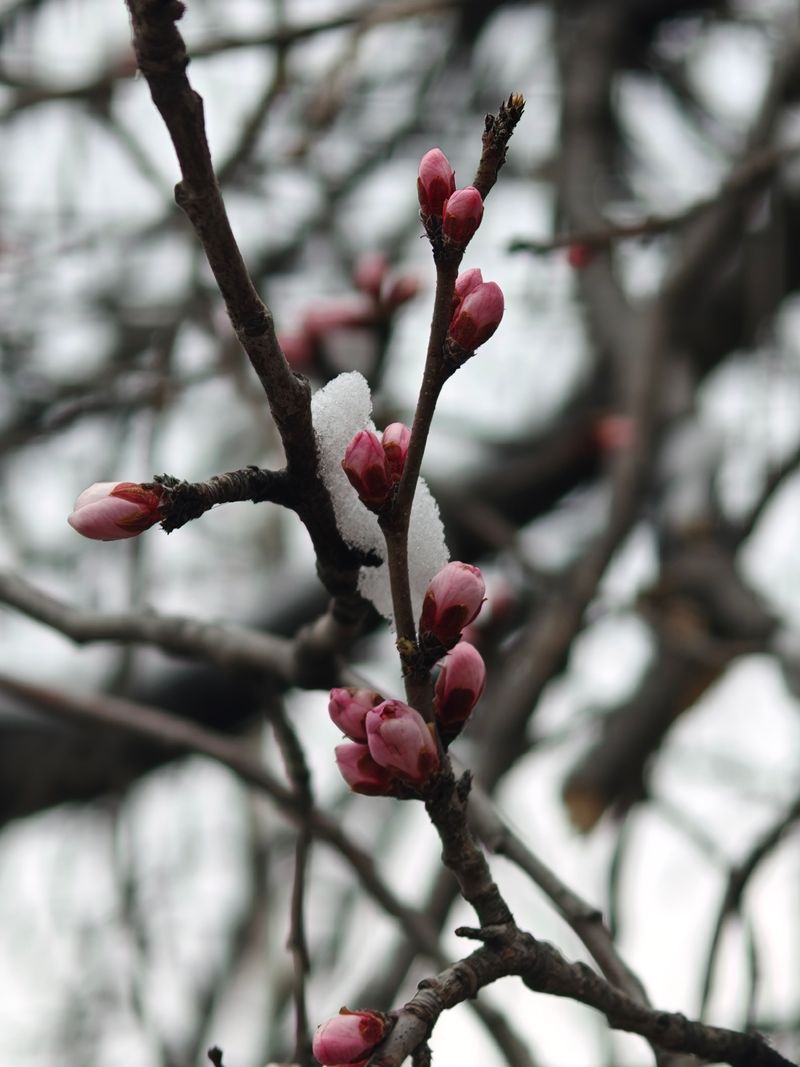
Colorado gardening comes with real challenges. The state is famous for sunshine, but it also throws surprise cold snaps at plants when they least expect it.
Young cherry seedlings are especially vulnerable during their first two years of life. A hard frost hitting tender new growth can set the plant back significantly.
Colorado sits at high elevation in most populated areas, which means temperatures drop fast after sunset. Even a warm April afternoon can turn into a freezing night without much warning.
Watch local weather forecasts closely from March through May. Late spring frosts are common along the Front Range and can catch new gardeners completely off guard.
Bring potted seedlings indoors when overnight temperatures approach freezing, especially if the seedling is young or not yet hardened off. A garage or covered porch offers enough protection for short cold spells.
If your seedling is already in the ground, use a frost blanket to cover it overnight. These lightweight fabric covers trap ground warmth and protect tender leaves from ice crystals.
The dry air in Colorado also pulls moisture from young plants faster than humid climates do. Water your seedling more frequently during windy or low-humidity stretches.
Hail can also damage small seedlings quickly. A simple wire cage or mesh cover provides quick protection during storm season.
With some planning and attention, cherry seedlings can absolutely survive Colorado winters. The key is staying one step ahead of the weather rather than reacting after damage is done.
Fruit-Bearing Often Takes Years To Actually Begin
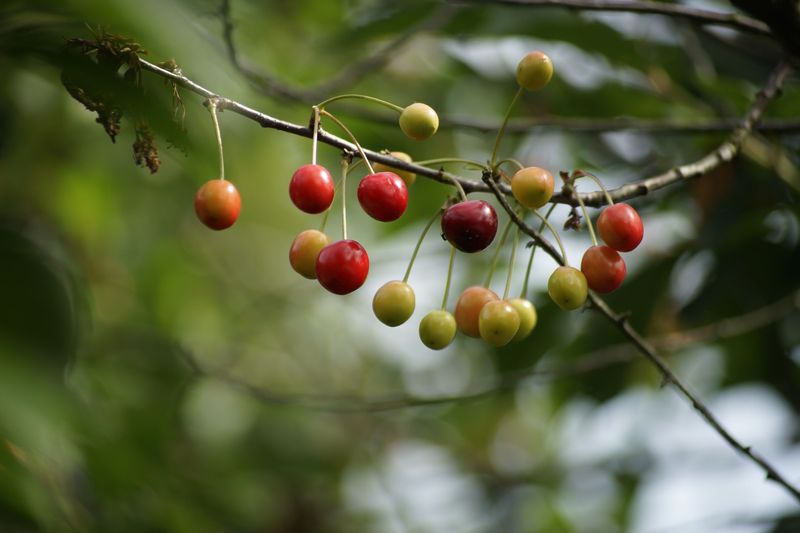
Here is something nobody tells you at the garden center. A cherry tree grown from seed will not produce fruit for a long time.
Most seed-grown cherry trees take seven to ten years before they bear any fruit at all. Some take even longer depending on growing conditions and genetics.
This is very different from buying a grafted nursery tree, which often fruits within two to three years. Seed-grown trees spend their early years building roots and structure before focusing on reproduction.
The wait is long, but watching the tree mature has its own quiet satisfaction. Each year brings new height, new branches, and a stronger root system working below ground.
Proper care during those early years makes a real difference in how quickly fruiting begins. Consistent watering, good soil, and annual pruning all encourage the tree to mature faster.
Fertilize your young tree once a year in early spring with a balanced formula. Too much nitrogen pushes leafy growth and actually delays fruit production, so do not overdo it.
Sunlight is critical for triggering the fruiting cycle in cherry trees. Make sure your planting spot gets at least six to eight hours of direct sun each day.
Growing a cherry tree from seed is a long-term commitment, not a quick project. Many gardeners describe that first harvest as the moment the years of waiting finally feel worthwhile.
Resulting Tree May Not Match The Parent Fruit
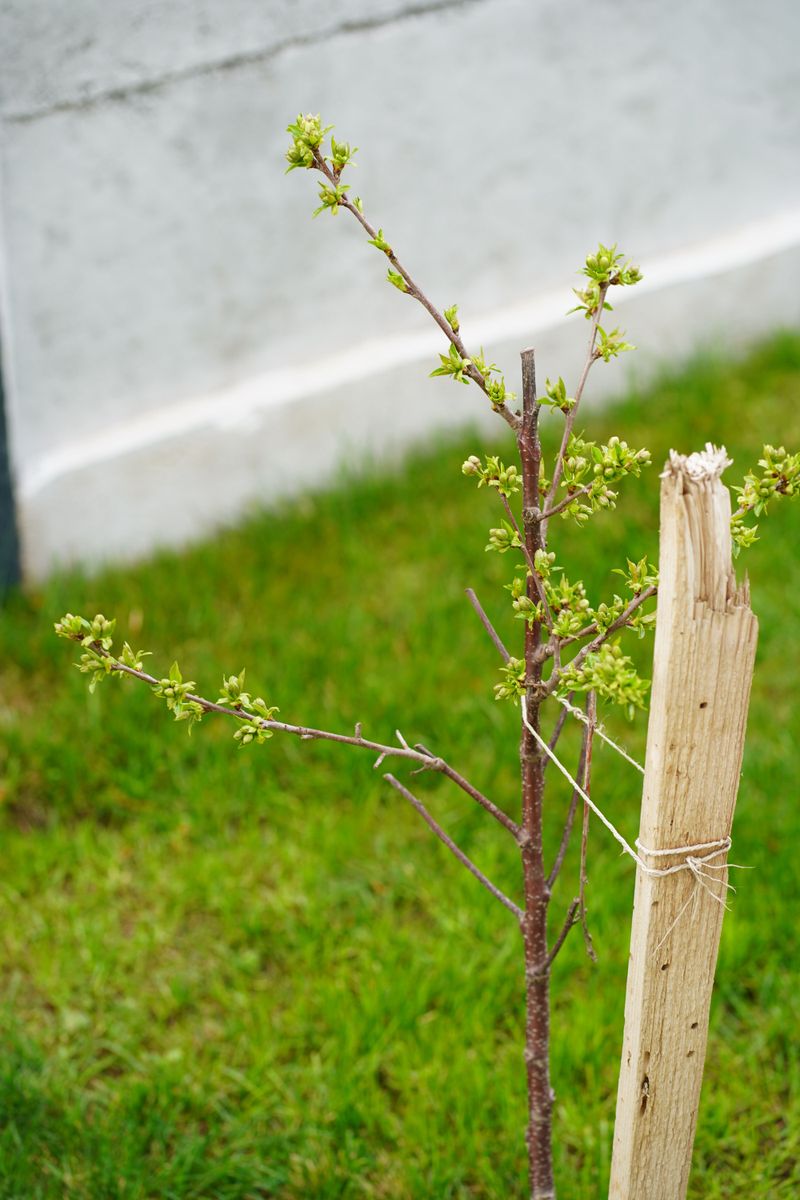
Here is something that surprises many first-time seed growers. The cherry tree you grow might produce fruit that tastes nothing like the one you started with.
Cherry trees do not grow true from seed, which means genetic variation is built into the process. The pit you planted carries genes from two parent trees, not just the one you ate from.
Commercial cherries are often hybrids, making their seeds even less predictable. Your tree might produce smaller, more tart, or differently colored fruit than the original cherry.
This is not a failure at all, in fact, some popular cherry varieties are believed to have originated this same way, through natural seed variation.
Think of your seed-grown tree as a one-of-a-kind creation that exists nowhere else on earth. No other gardener has a tree with that exact genetic makeup growing in their yard.
The fruit might be smaller but sweeter, or larger but more sour. Some seed-grown trees produce ornamental blossoms with little edible fruit, which is still a gorgeous outcome.
Birds, pollinators, and the whole neighborhood will appreciate those spring blooms regardless of what the cherries taste like. A flowering cherry tree adds serious curb appeal to any Colorado property.
If you want a guaranteed variety, grafted trees from a nursery are the reliable route. But if you enjoy surprises, growing a cherry tree from seed delivers a uniquely personal result.
Whatever fruit your tree produces, you grew it from a pit with your own hands. That story is worth more than any label on a nursery tag.