A Tiny Invader Is Forcing California Homeowners To Isolate Newly Bought Desert Willows
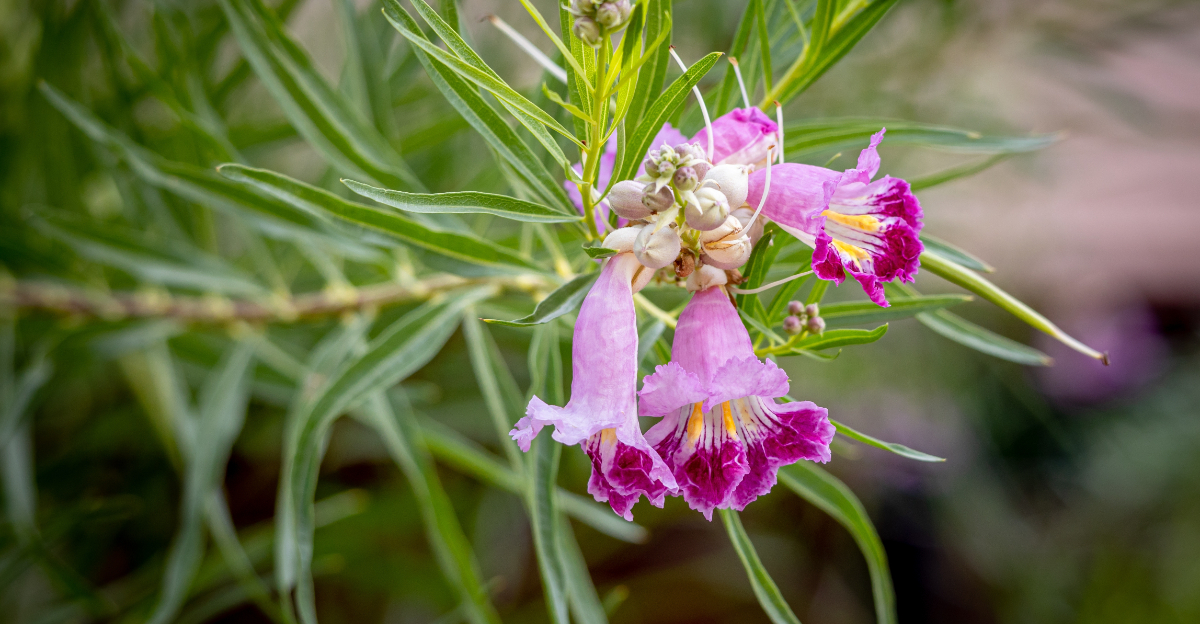
A newly purchased desert willow should be settling into the yard, not sitting alone like it has been grounded.
Yet some California homeowners are being urged to keep purchases away from other plants while officials investigate a tiny hitchhiker that may be hiding among the leaves.
At first glance, the trees can appear perfectly healthy, making the warning easy to dismiss. The concern is not about poor growth, transplant shock, or a routine garden nuisance.
It involves a pest capable of traveling unnoticed and creating problems far beyond one patio or planting bed. Moving the tree, returning it to the store, or placing it near other greenery could make the situation worse.
For now, isolation is the safest response, even if the reason sounds unusually dramatic. So what exactly are inspectors looking for, which purchases are affected, and why has one popular landscape tree suddenly become such a concern?
1. The Tiny Sharpshooter Hiding On Willows
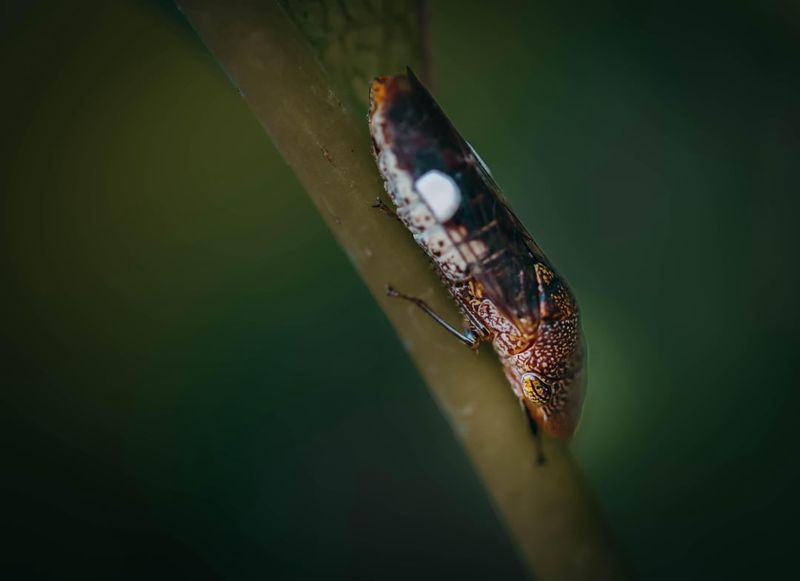
You might not even notice it at first. The glassy-winged sharpshooter is a sneaky little bug that blends right into the leaves and bark of Desert Willow trees.
It is brownish, about half an inch long, and has reddish eyes that glow slightly in sunlight. Most people walk right past it without a second thought.
Found on Desert Willow trees sold stores across the state, this insect has triggered a serious agricultural alert. The sharpshooter feeds by piercing plant stems and sucking out the fluids inside.
While feeding, it can inject a harmful bacteria called Xylella fastidiosa directly into the plant’s water system.
That bacteria is the real problem. Once it enters a plant, it blocks the flow of water and nutrients.
The plant slowly weakens, leaves turn brown, and branches start to wither. There is no cure once a plant is infected.
Agricultural officials in several counties have already confirmed the presence of this pest on purchased trees. The bug is not native to our state and was likely introduced through out-of-state nursery stock.
Spotting it early is key to stopping the spread. Check your tree carefully, especially on the underside of leaves and along the lower stems, for any small brown insects or dark spotting on the bark.
2. Why Recent Buyers Got An Unwelcome Surprise
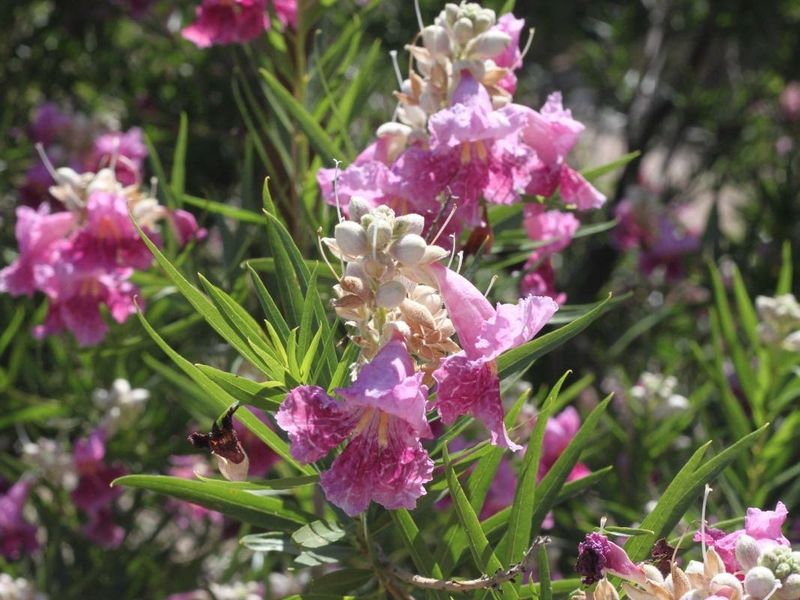
Plenty of shoppers grabbed what looked like a gorgeous deal. Desert Willows were priced right, looked healthy in their pots, and promised beautiful blooms for the backyard.
Nobody expected to bring home a pest problem along with the plant.
Shortly after sales began, agricultural inspectors started getting reports. Glassy-winged sharpshooters were detected on several of the trees.
The California Department of Food and Agriculture, along with county agricultural commissioners, quickly stepped in to issue warnings. Buyers were contacted where possible, but many had already brought the trees home.
The tricky part is that the trees can look completely fine on the outside. The sharpshooter is small and easy to miss.
A tree can be infested without showing any visible signs of stress right away. That is what makes this situation especially frustrating for homeowners who thought they were getting a healthy plant.
Your California Garden Changes Every Week. Your Plan Should Too.
Gardening in California changes quickly throughout the season. Every Friday you’ll receive a simple weekly plan showing exactly what to plant, prune, fertilize, harvest, and protect so you never miss the right timing.
If you purchased a Desert Willow during the affected sales period, officials want to hear from you. Do not assume your tree is safe just because it looks healthy.
Reach out to your county agricultural commissioner’s office right away. They can walk you through the next steps, which may include an inspection of the tree and your yard to make sure the pest has not already spread to nearby plants.
3. How This Little Bug Hitchhiked Into California Yards
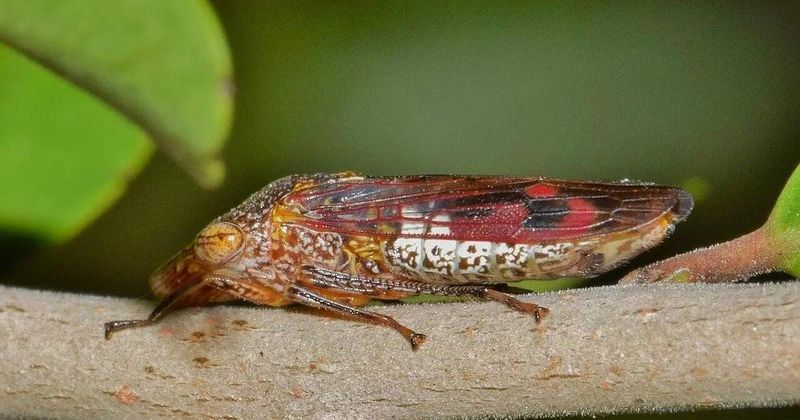
Bugs are surprisingly good travelers. The glassy-winged sharpshooter did not walk across state lines on its own.
It hitched a ride on plant material, most likely nursery stock that was shipped from regions where the pest is more common, including parts of the southeastern United States.
Nurseries and big-box retailers source plants from large growing operations spread across the country. When a plant moves from one region to another, any insects living on it come along for the ride.
Inspections help catch many of these stowaways, but some slip through. That appears to be what happened with these Desert Willows.
Once the trees arrived in our state and were sold to homeowners, the sharpshooters had a new environment to explore. Our warm climate is actually quite friendly to this bug.
It thrives in heat and can reproduce quickly when conditions are right. That is why officials acted fast once the infestation was confirmed.
The sharpshooter was first detected in our state back in the late 1980s in Southern California. Since then, it has spread to other regions.
Each new introduction through imported plant material gives the pest another foothold. Tighter inspection rules and buyer awareness are two of the best tools we have for slowing its spread.
Being careful about where plants come from really does make a difference in the long run.
4. Giving Your New Desert Willow A Backyard Time-Out
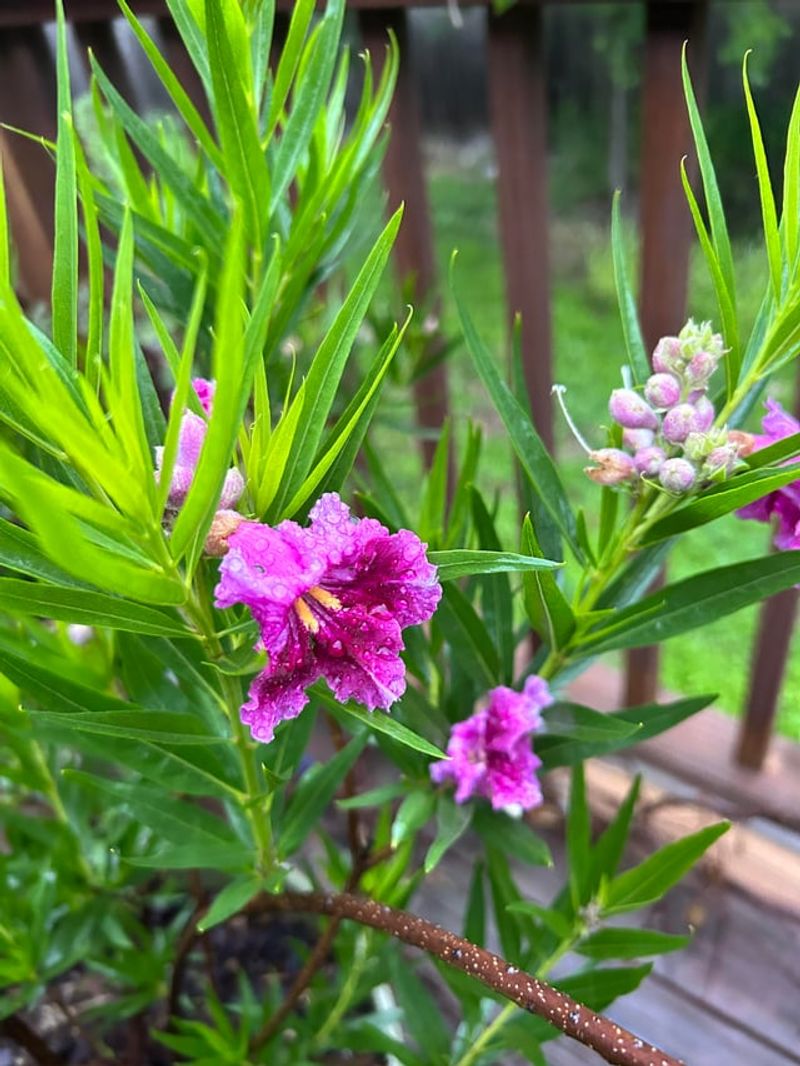
Think of it like a quarantine for your plant. If you bought one of these trees and have not planted it yet, keep it away from everything else in your yard.
Set it in an isolated spot, far from other trees, shrubs, and especially grapevines or citrus trees. Keep it in its original pot for now.
Officials recommend placing the tree in a location where it cannot easily come into contact with other vegetation. Avoid putting it near fences that border neighboring yards.
The sharpshooter can fly short distances, so even a few feet of separation from other plants can make a real difference while you wait for guidance.
Do not water it with a hose that you then use on other plants. Wash your hands after handling the tree.
These small steps help prevent any accidental spread of the pest or the bacteria it carries. Taking a few extra precautions now can protect the rest of your garden.
Contact your county agricultural commissioner before doing anything else with the tree. They may send an inspector to check it out.
In some cases, they will advise you on how to handle or dispose of it safely. Following their instructions is the smartest move you can make right now.
Acting quickly and carefully gives your yard the best chance of staying healthy through this whole situation.
5. Why Planting It Right Now Is A Big No-No
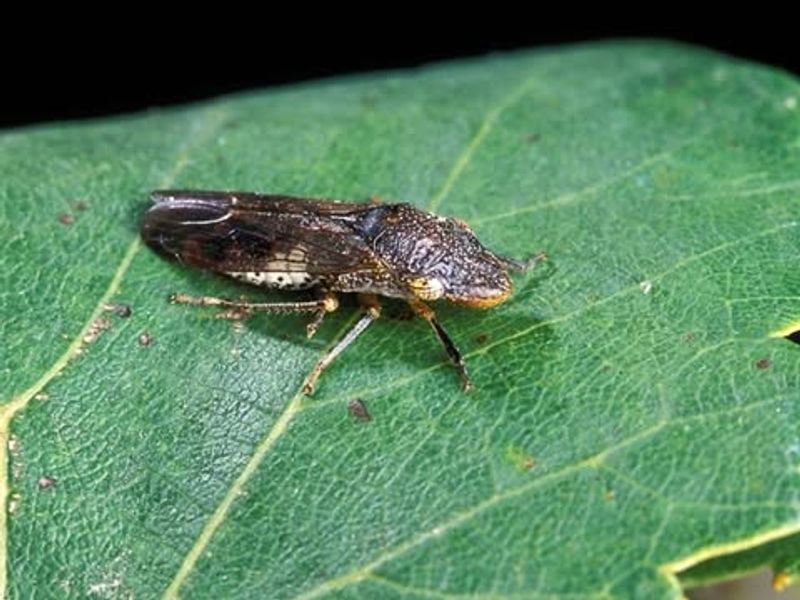
Putting that tree in the ground right now could cause a lot more trouble than it solves. Once a plant is in the soil, its root system connects with the surrounding environment.
If the sharpshooter is present, that connection gives the pest easier access to nearby plants, including ones you have been growing for years.
Planting also makes the tree harder to remove if officials determine it needs to go. A potted tree can be moved and managed.
One that has been in the ground for even a few weeks is much more difficult to handle without disturbing the surrounding soil and root systems of neighboring plants.
Beyond the physical challenges, planting could actually put you in violation of a quarantine order. Several counties have issued formal restrictions on moving or planting these trees.
Breaking a quarantine order, even by accident, can come with legal consequences. Nobody wants that kind of trouble over a backyard tree.
The best thing to do is simply wait. Hold off on planting until you have spoken with your county agricultural commissioner and received a clear go-ahead.
It may feel like a long wait, especially if you were excited about adding this tree to your yard.
But a short delay now is much better than dealing with a full-blown pest problem that affects your entire garden later on. Patience really pays off here.
6. Don’t Move It, Toss It, Or Add It To Compost
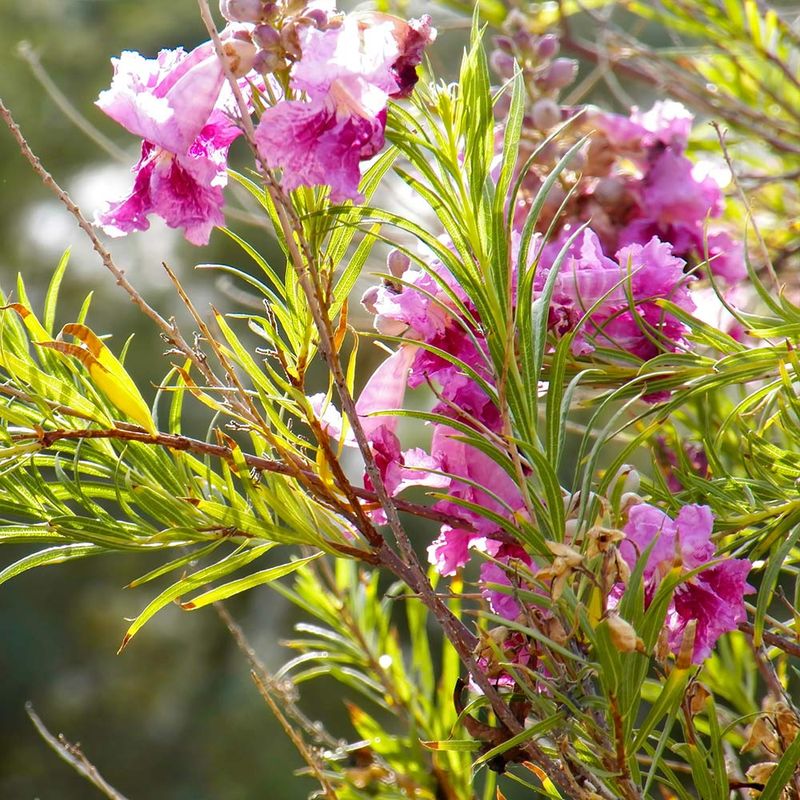
Here is something many people do not realize. Moving an infested plant from one spot to another does not solve the problem.
It just gives the pest a new place to spread from. Even driving across town with the tree in your car could potentially move the sharpshooter to a new area.
Tossing the tree in your regular trash bin is also not a safe option. Bagged or loose plant material in curbside trash can still harbor live insects.
Those insects can escape from bags, especially if the bag tears or is left out in warm weather before pickup. The bug could end up anywhere along the garbage route.
Composting is off the table too. Backyard compost piles do not get hot enough to destroy insects or the bacteria they carry.
Adding infested plant material to your compost could turn your garden’s best friend into a source of contamination. That is a risk not worth taking.
So what should you do? Wait for direction from your county agricultural commissioner.
They have approved methods for safe disposal that actually work. In some cases, they may arrange for pickup or provide specific bagging instructions.
Following their guidance is the only safe way to handle this situation. Going it alone with a quick fix could accidentally make things worse for your yard and for your neighbors’ yards too. Stay patient and let the experts lead the way.
7. How One Tiny Pest Can Threaten California Grapevines
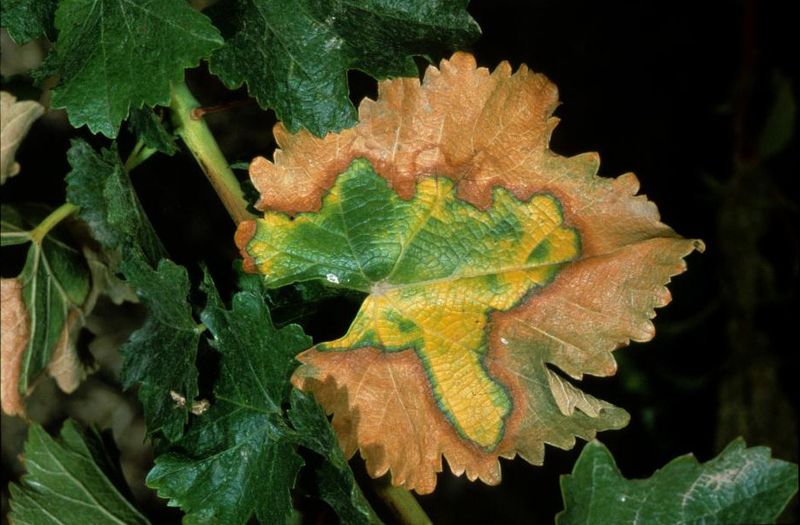
Wine country across our state has a lot at stake in this situation. The glassy-winged sharpshooter is the primary carrier of Xylella fastidiosa, the bacteria that causes Pierce’s Disease in grapevines.
This disease has already caused millions of dollars in damage to vineyards in Southern California and is a constant threat to northern wine regions too.
When the sharpshooter feeds on an infected plant and then moves to a grapevine, it transfers the bacteria. The vine begins to struggle almost immediately.
Leaves scorch around the edges, fruit shrivels, and eventually the entire vine weakens beyond recovery. Growers can lose entire blocks of vines in just a few seasons.
The wine industry in our state is worth billions of dollars and supports thousands of jobs. A serious outbreak near major growing regions could have ripple effects across the entire economy.
That is why even a small cluster of infested backyard trees raises big red flags for agricultural officials.
Homeowners who live near vineyards or agricultural land have an even greater responsibility to act quickly. If you are in a rural or semi-rural area, the risk of the sharpshooter spreading from your yard to nearby farmland is very real.
Reporting your tree and following quarantine instructions is not just about protecting your backyard. It is about protecting a major part of our state’s agricultural identity and livelihood for thousands of families who depend on it.
8. Why Citrus Trees Could Get Caught In The Trouble Too
Grapevines are not the only plants at risk. Citrus trees, which are a staple in many backyards across our state, can also be affected by Xylella fastidiosa.
The bacteria has been known to infect a wide range of host plants, and citrus is unfortunately on that list.
Many homeowners in warmer parts of the state grow lemons, oranges, or limes right in their backyard. These trees often sit just a few feet away from other ornamental plants.
If a sharpshooter moves from an infested Desert Willow to a citrus tree, the bacteria can take hold and cause serious damage over time.
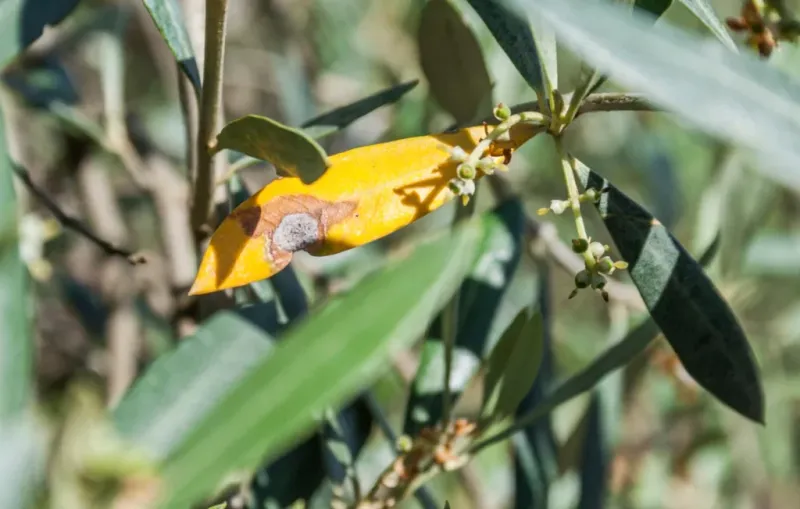
Citrus trees infected with Xylella may show symptoms similar to drought stress. Leaves yellow and drop, branches decline, and fruit production drops off sharply.
Since these symptoms can look like ordinary watering or nutrient issues, many homeowners may not connect the dots right away. That delay gives the bacteria more time to spread.
Keeping an eye on your citrus trees is a smart habit regardless of the current alert. Look for unusual leaf drop, scorched-looking edges on leaves, or sudden decline in fruit.
If you notice these signs and you also bought one of the affected trees, contact your agricultural commissioner immediately.
Early reporting gives inspectors the best chance to assess the situation and recommend action before the problem grows any bigger in your yard.
9. What Agricultural Officials Want You To Do Right Now
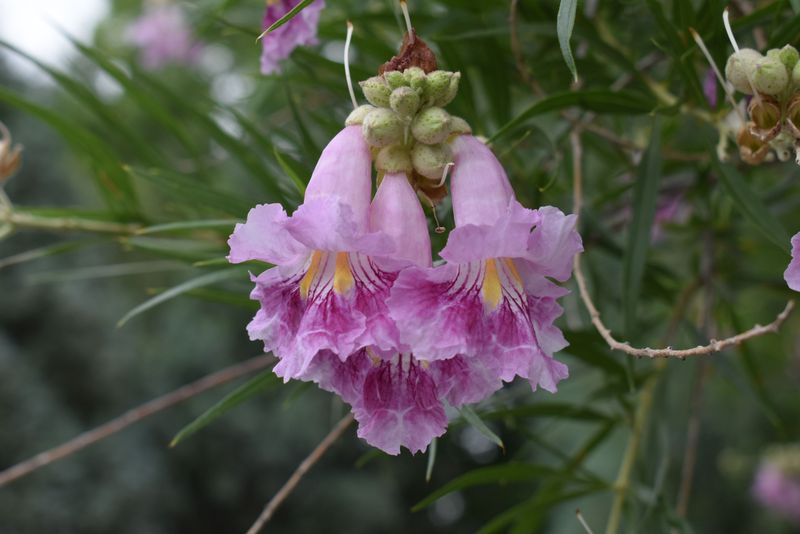
Acting fast matters a lot in situations like this one. Agricultural officials across the state are urging anyone who purchased a Desert Willow during the affected period to get in touch with their local county agricultural commissioner right away.
Do not wait to see if your tree shows symptoms first. The commissioner’s office can tell you exactly what steps to take based on your specific location and circumstances. Some counties may send an inspector to your home.
Others may direct you to a hotline or an online form where you can report your purchase and get guidance quickly and easily.
You should have your purchase receipt ready if possible. Knowing the date of purchase and the specific location where you bought the tree can help officials trace the source of the infestation.
That information helps them figure out how widespread the problem really is across the region.
Most importantly, do not feel embarrassed or nervous about reporting. Officials are not looking to get homeowners in trouble.
Their goal is to contain the pest before it spreads further. Every report they receive helps them build a clearer picture of where the sharpshooter may have traveled.
Your cooperation is genuinely valuable and can make a measurable difference in protecting your neighborhood, your community’s farms, and the broader agricultural landscape that so many people in our state depend on every single day.
10. How To Protect Your Yard Going Forward
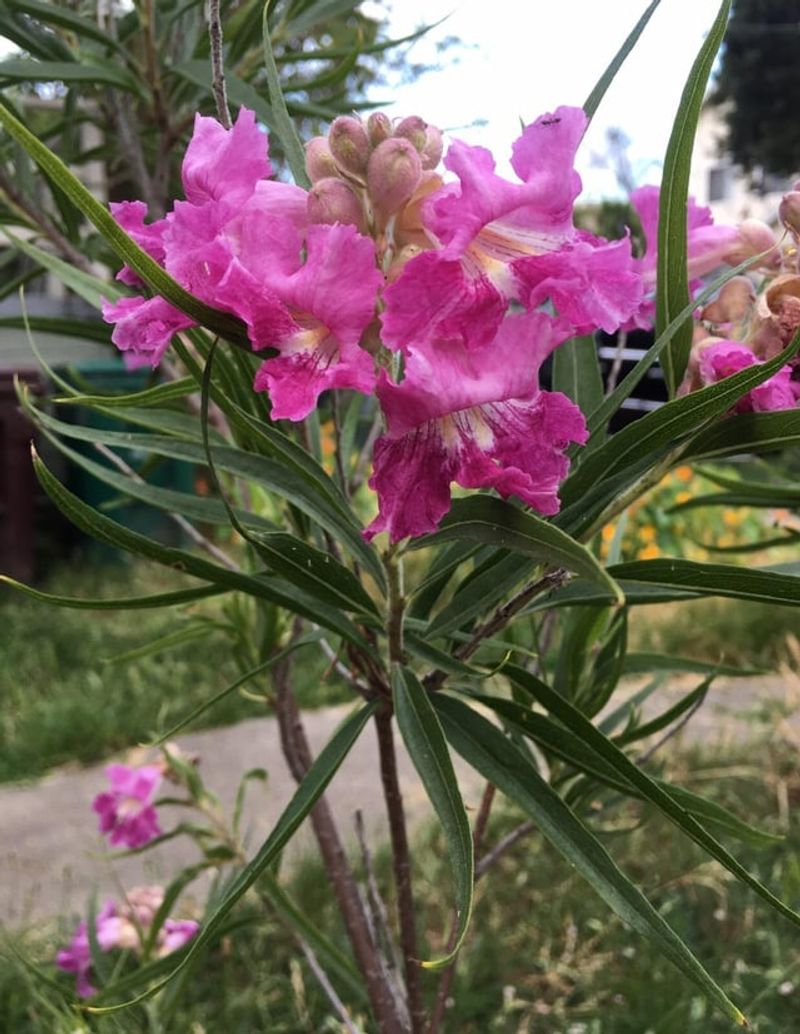
Even if you did not buy one of the affected trees, this situation is a good reminder to be thoughtful about the plants you bring home. Always buy from reputable nurseries that have clear sourcing information.
Ask where the plants were grown and whether they have been inspected for pests before being put up for sale.
When you bring a new plant home, give it a brief isolation period before placing it near your existing garden. A week or two in a separate spot lets you watch for any signs of pest activity.
Look at the undersides of leaves, check the stems, and watch for any insects you do not recognize. Catching a problem early is always easier than dealing with a full infestation.
Learning to identify common garden pests in your region is genuinely useful knowledge. The glassy-winged sharpshooter, for example, leaves small white deposits on leaf surfaces from its feeding activity.
Knowing what to look for means you can act before things get out of hand.
Supporting your local agricultural commissioner’s programs is another great step. Many counties offer free pest identification resources, hotlines, and educational materials for homeowners.
Taking advantage of those tools keeps you informed and ready. A healthy garden starts with smart choices at the store, careful habits at home, and staying connected to the people who work hard to protect our state’s plants every single day.